
The search for a boot that genuinely allows your toes to splay naturally usually ends in frustration. Most mass-market footwear tapers aggressively, cramming the metatarsals into an unnatural V-shape that can destabilise your gait and cause long-term discomfort. A true wide-toe-box boot, by contrast, lets the foot function as nature intended, offering a platform that can improve balance and reduce impact-related fatigue on uneven terrain.
I’m Min — the co-founder and writer behind Gadgets Feed. I specialise in dissecting niche footwear categories where fit mechanics and material engineering matter more than marketing hype, and the – range is where the real performance battles occur.
This guide cuts through the noise by measuring each contender against the specific demands of natural foot geometry and zero-drop stability. We evaluate waterproof membranes, sole flexibility, and insulation density to find the definitive best barefoot boots for men with wide toe box for actual outdoor and urban use.
How To Choose The Best Barefoot Boots For Men With Wide Toe Box
Selecting the right barefoot boot requires looking beyond marketing terms like “minimalist” or “natural.” The most critical factor is internal volume and shape: a boot that is simply larger overall will not provide the correct anatomical fit for wide feet. You need a last that is explicitly wider at the metatarsal heads, allowing your toes to align straight and grip the ground effectively.
Zero Drop and Sole Flexibility
A zero-drop platform (equal heel-to-toe height) keeps your foot in a neutral, balanced position. Pair this with a flexible sole that bends at the ball of the foot. A stiff sole counteracts the barefoot experience, forcing the foot to work against the shoe rather than with it. Look for a sole that can be twisted with moderate hand force.
Waterproofing vs. Breathability
Winter boots rely on sealed membranes or treated leather to block moisture. A seam-taped internal liner provides reliable waterproofing but can trap heat and sweat, making it less ideal for high-output hikes in mild conditions. Waxed full-grain leather offers a good balance of water resistance and breathability, especially when combined with a leather footbed that regulates humidity.
Insulation and Temperature Range
Insulation is measured in grams (e.g., 200g, 400g). For active use in sub-zero conditions, 200g to 400g of synthetic insulation paired with a wool-blend sock is a reliable combination for most users. If you tend to run warm or live in a milder climate, opt for a non-insulated shell and pair it with a thicker sock when the mercury drops.
Quick Comparison
On smaller screens, swipe sideways to see the full table.
| Model | Category | Best For | Key Spec | Amazon |
|---|---|---|---|---|
| Vivobarefoot Tracker Forest Esc | Premium Hiking Boot | Off-road stability & wide feet | Zero drop; 2.13 lb; Leather + textile upper | Amazon |
| JIM GREEN African Ranger | Durable Leather Boot | Work, hiking & high volume feet | Zero drop; Full-grain leather; Resoleable | Amazon |
| Xero Shoes Alpine | Winter Snow Boot | Snow & ice traction | Zero drop; 200g insulation; 6mm sole | Amazon |
| Flux Adapt Graphene XT | Training & Gym | CrossFit, HIIT, lifting | Zero drop; Ballistic mesh; 10.2 oz | Amazon |
| Topo Athletic Trailventure 2 WP | Trail Running Boot | Long-distance, waterproof trail | 5mm drop; Waterproof; 28mm stack height | Amazon |
| Belleville Mini-Mil | Tactical & Hiking | Rucking, hiking, lifting | Zero drop; Breathable mesh; Rubber outsole | Amazon |
| GROUNDIES Milano | Urban Style Boot | Commuting, casual wear | Zero drop; Lambskin-lined leather; 7mm sole | Amazon |
| Hike Footwear Kasdava Pro | Winter Comfort | Cold weather, wide feet | Zero drop; Water resistant; Insulated | Amazon |
| Vivobarefoot Tracker Textile AT | All-Weather Boot | Multi-terrain, wet conditions | Zero drop; Waterproof; Puncture resistant | Amazon |
In‑Depth Reviews
1. Vivobarefoot Tracker Forest Esc

The Vivobarefoot Tracker Forest Esc delivers exactly what the category name promises: a genuinely wide toe box that accommodates F-width feet without any pinching. The sole is remarkably flexible, allowing for natural midfoot articulation during climbs, and the traction pattern bites well into mud and loose gravel. Out of the box, the boot feels comfortable and only improves with wear as the leather conforms to your foot’s unique shape.
The waterproof membrane performs reliably in wet grass and shallow puddles, though deep standing water will eventually find its way through if you submerge the collar. The laces are slick and prone to coming undone, so swapping them for elastic laces is a popular modification that turns these into slip-on adventure shoes. At 2.13 pounds per boot, they are light enough for all-day wear without dragging on the legs.
For those who need a winter-ready shell, the breathable construction works well with a mid-weight wool sock down to about 20°F. The overall build quality justifies the investment, though a few users have reported that the textile version exhibits faster wear at the stitching points during heavy off-trail abuse.
Why it’s great
- Excellent toe splay for wide feet
- Lightweight yet sturdy construction
- Impressive traction on varied terrain
Good to know
- Slick laces untie easily
- Not fully waterproof in deep water
2. JIM GREEN African Ranger

Jim Green has earned a loyal following for good reason: the African Ranger is a high-volume boot with a round, spacious toe box that suits both wide and high-arch feet. The full-grain leather upper is thick and durable, and the boot is designed to be resoled, which dramatically extends its lifespan. The barefoot version uses a zero-drop sole that remains soft enough to feel the ground beneath you.
The break-in period is more demanding than with textile boots; expect blisters on the heel during the first week, especially if you tackle rugged terrain immediately. The ankle collar sits higher than many alternatives, which provides excellent stability but may irritate the lateral malleolus for some users. Inside, the partial leather sock liner does an impressive job of managing moisture and preventing odour.
These boots are not ideal for pure winter conditions due to the lack of insulation, but they handle light snow and wet grass well when treated with a wax-based conditioner. The soft outsole wears faster on abrasive pavement, but the ability to resole means you are not throwing away the entire investment when the tread thins.
Why it’s great
- Durable, resoleable construction
- Excellent for high-volume, wide feet
- Moisture-managing leather interior
Good to know
- Long break-in period with potential blisters
- Soft outsole wears quickly on pavement
3. Xero Shoes Alpine
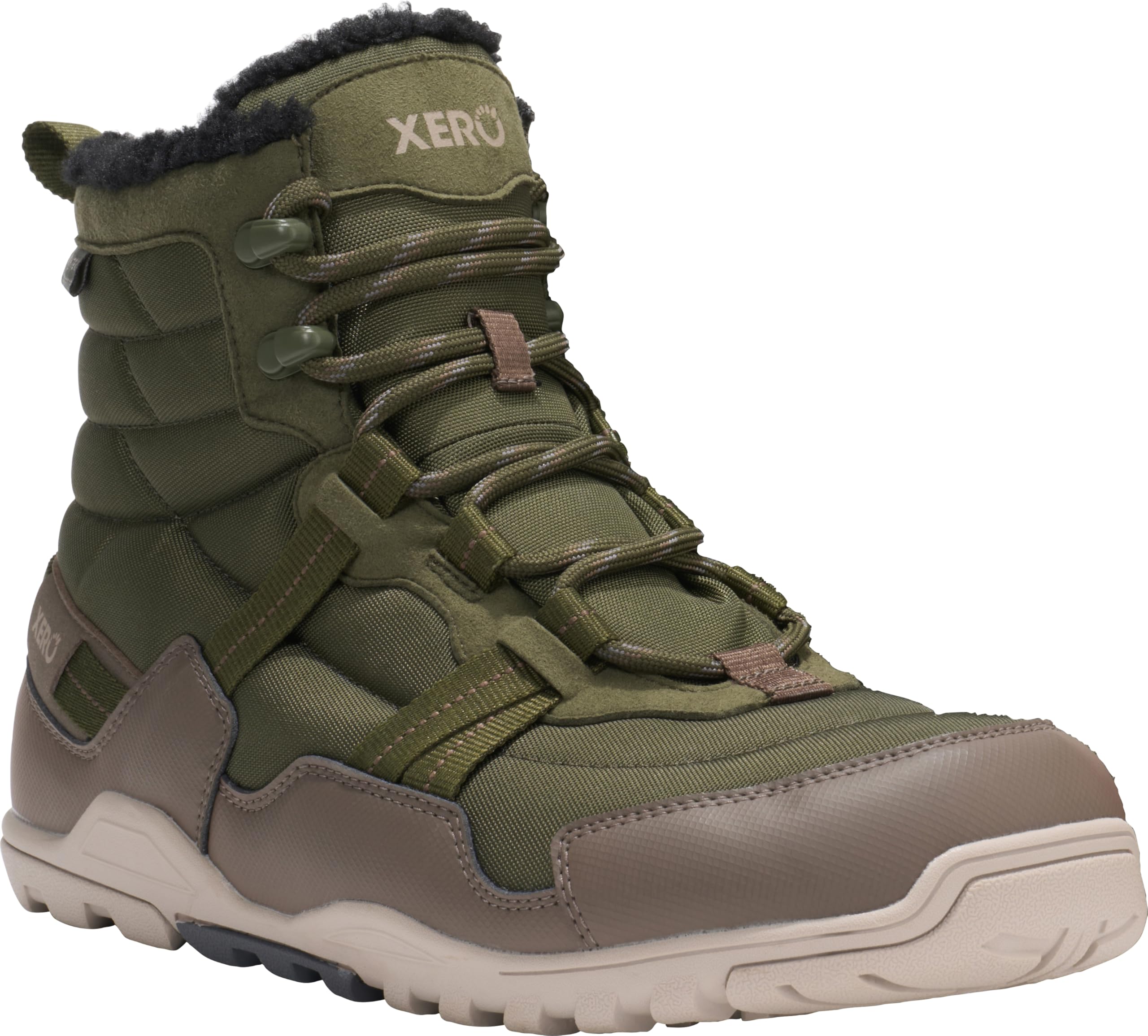
The Xero Alpine is a rare true barefoot snow boot that doesn’t compromise on ground feel. The 6mm FeelTrue sole provides excellent proprioception on icy trails, while 200 grams of synthetic insulation keeps feet warm during active use in moderate cold (down to about 15°F with a good wool sock). The waterproof membrane is effective in slush and light snow, though standing water above the ankle will eventually soak the interior.
The toe box is notably wider than mainstream snow boots, but some users with very wide feet (4E or wider) report that the lateral edges still feel restrictive. The quick-lace system makes entry and exit fast, and the ankle support from the higher shaft is welcome on uneven, snow-covered terrain. The traction pattern uses chevron lugs that bite well into packed snow and icy patches.
For deep winter hikes or prolonged static use in extreme cold, the insulation level may require a heavier sock or a chemical warmer. The boot is lightweight for a snow boot, and the zero-drop platform encourages a more natural stride even when carrying a pack. It’s a solid choice for those who want winter protection without losing the barefoot experience.
Why it’s great
- Excellent snow and ice traction
- Good balance of insulation and flexibility
- Lightweight for a winter boot
Good to know
- Toe box may not be wide enough for 4E feet
- Not for extreme cold without heavy socks
4. Flux Adapt Graphene XT
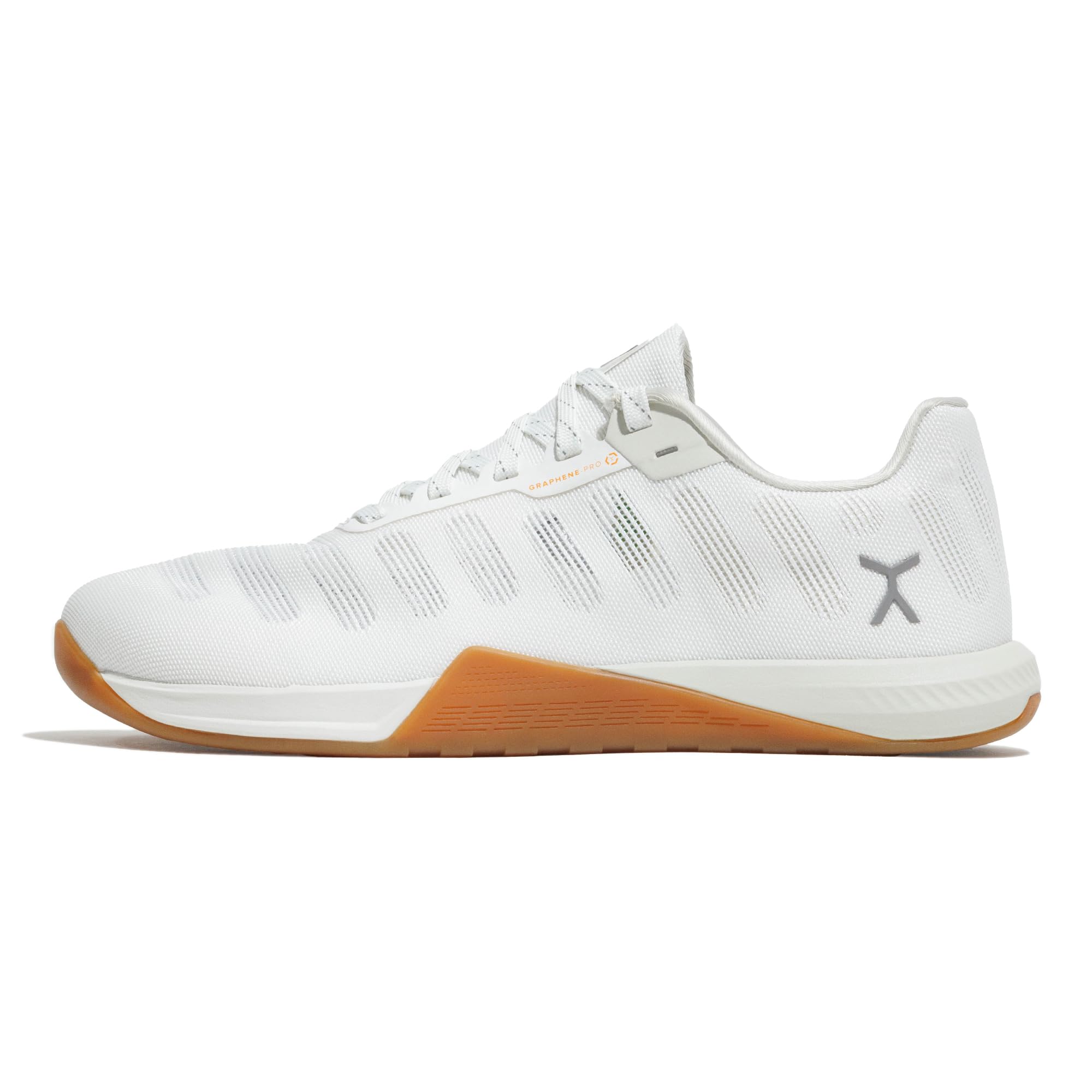
The Flux Adapt Graphene XT is a hybrid barefoot sneaker that functions as a capable cross-trainer. The ballistic mesh upper is breathable and tough, resisting abrasion from rope climbs and kettlebell handles. The graphene-infused rubber sole provides a sticky grip on gym floors and rock, while the zero-drop platform keeps your foot stable during heavy lifts. At just 10.2 ounces, it feels nearly weightless on foot.
The toe box is wide enough for most medium to wide feet, but users with extremely high-volume feet may find the upper a little snug across the instep. The insole is removable, allowing for a pure barefoot feel if you prefer to remove it. The ankle collar sits slightly higher than typical minimalist shoes, offering some lateral stability without restricting dorsiflexion.
Durability is a strong suit after six months of regular gym use; the sole shows almost no wear, and the mesh upper resists tearing. However, the sizing chart can be unreliable, and some users report needing to size up significantly. The shoe is not designed for cold weather or deep mud, but for its intended purpose, it delivers precisely what it promises.
Why it’s great
- Superior grip and durability for gym use
- Extremely lightweight
- Stable zero-drop platform for lifting
Good to know
- Sizing can be inconsistent
- Not designed for cold or muddy conditions
5. Topo Athletic Trailventure 2 WP
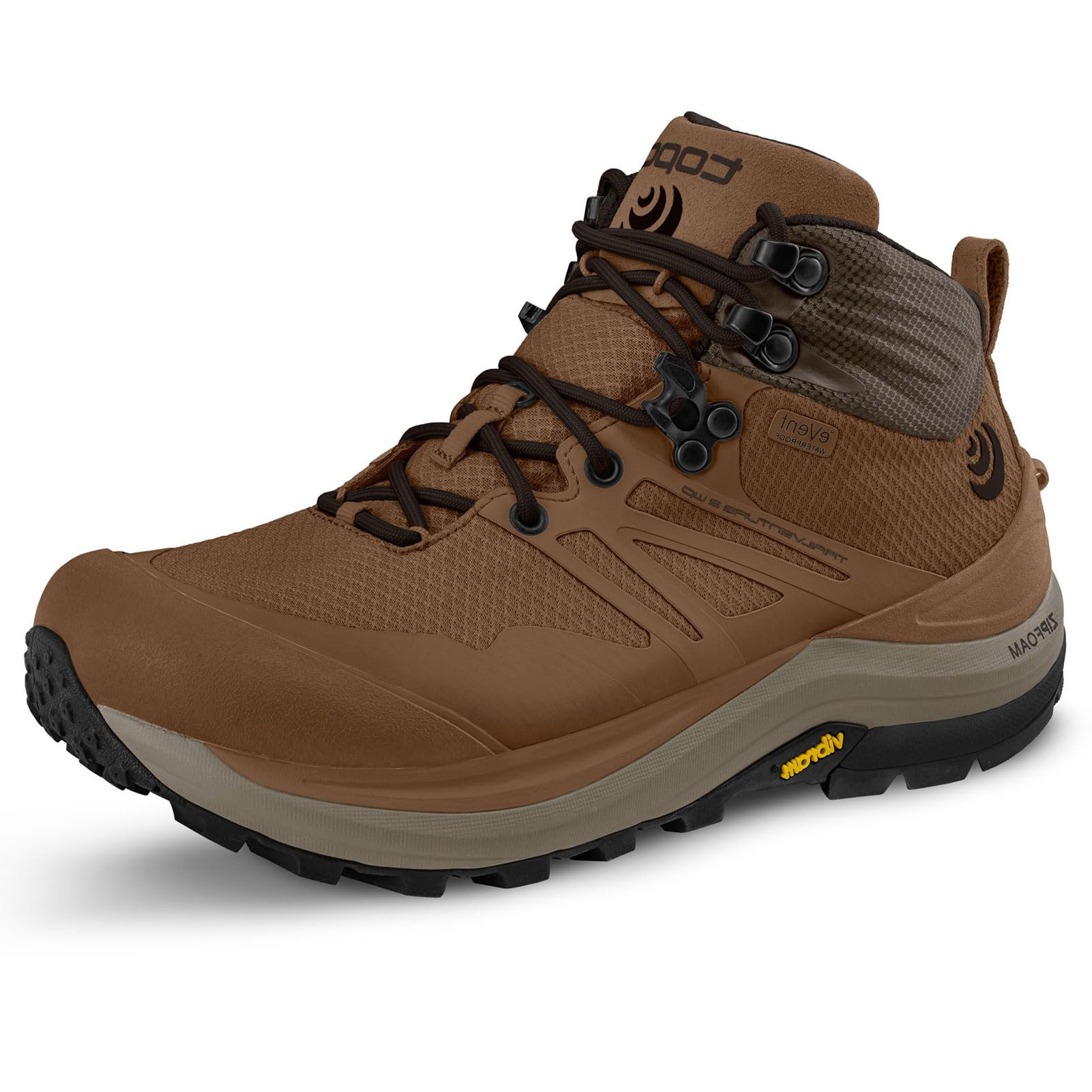
The Topo Athletic Trailventure 2 WP is technically a 5mm-drop boot, which puts it close to the barefoot ethos while offering slightly more heel cushion for those transitioning from conventional footwear. The waterproof membrane is effective: users have reported dry feet after hours in alpine streams and wet grass. The wide toe box is immediately noticeable, with enough room for the toes to spread completely on descents.
The boot feels more like a sturdy trail runner than a traditional boot, which is a strength for fast hiking and long days on moderate terrain. The laces require a double knot to stay tied, and the lace hooks feel less robust than the rest of the boot. The stack height of 28mm provides decent protection against sharp rocks, but the ground feel is less direct than a true zero-drop boot.
Some users with extra-wide feet have noted that the toe area can feel cramped, and Topo does not currently offer this model in a dedicated wide width. The build quality is high, with many users exceeding 3,000 miles on the non-waterproof version. It is a great option for hikers who value waterproofing and toe room without committing to a full zero-drop platform.
Why it’s great
- Excellent waterproofing for wet trails
- Comfortable, wide toe box
- Long-lasting durability
Good to know
- Laces come undone easily
- Not a true zero-drop platform
6. Belleville Mini-Mil
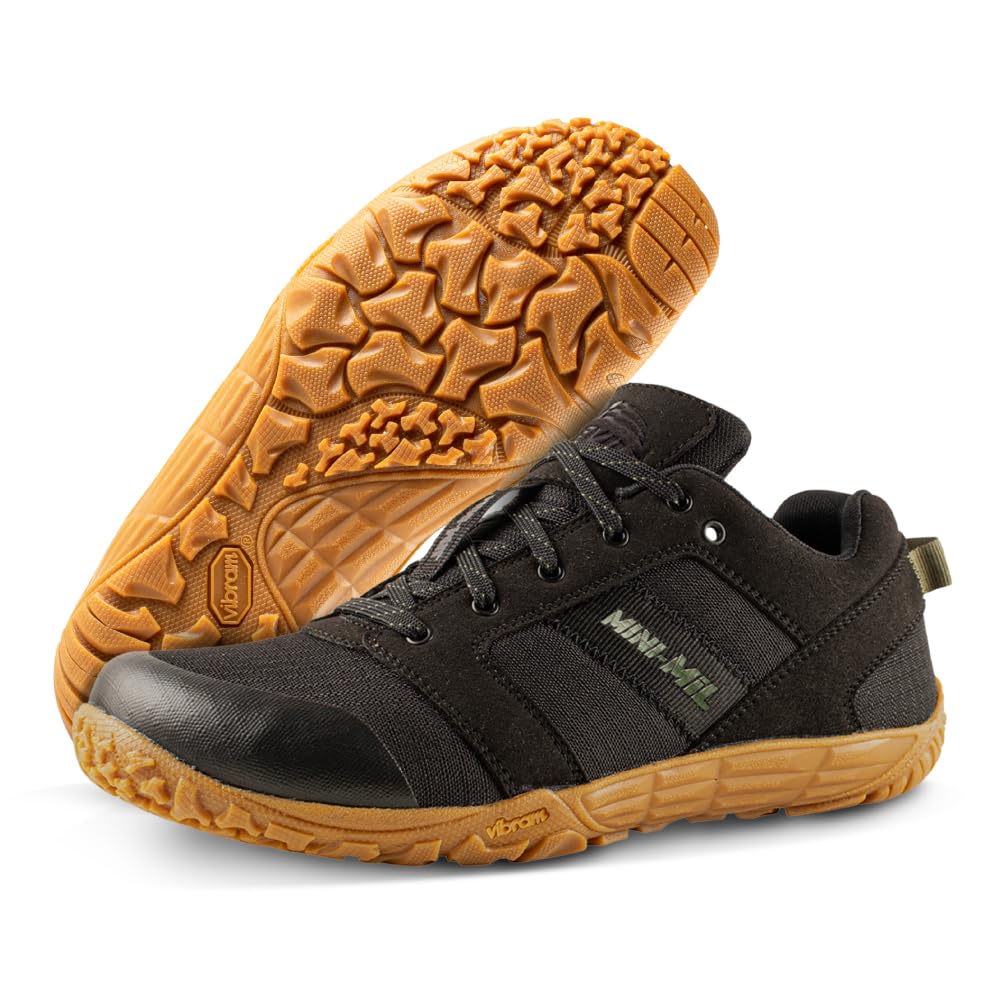
The Belleville Mini-Mil brings a tactical heritage to the barefoot world, offering a zero-drop platform with a flexible sole that feels natural on the move. The breathable mesh upper keeps the foot cool during high-output activities like rucking and hiking, and the slip-resistant rubber outsole provides reliable traction on loose dirt and wet pavement. The toe box is wide, accommodating fan-shaped feet well.
Durability is a standout feature: after 30 miles of rugged terrain, the boot still looks nearly new, with no separation at the stitch lines. The rigid insole provides a surprising amount of protection against sharp rocks while still allowing enough ground feel for balance work. Some users have reported that the boot runs narrow, so ordering the wide version is recommended if you have D-width or wider feet.
One common complaint is inconsistent sizing: ordering a half size up is often necessary, and the return policy can be frustrating. The boot lacks insulation, so it is best suited for warm-weather hiking or use with a thick sock in mild conditions. Overall, it offers impressive performance and value for those who want a minimalist boot for rugged activities.
Why it’s great
- Excellent durability on tough terrain
- Good toe splay with wide version
- Lightweight and breathable
Good to know
- Sizing can be inconsistent
- Not insulated for cold weather
7. GROUNDIES Milano
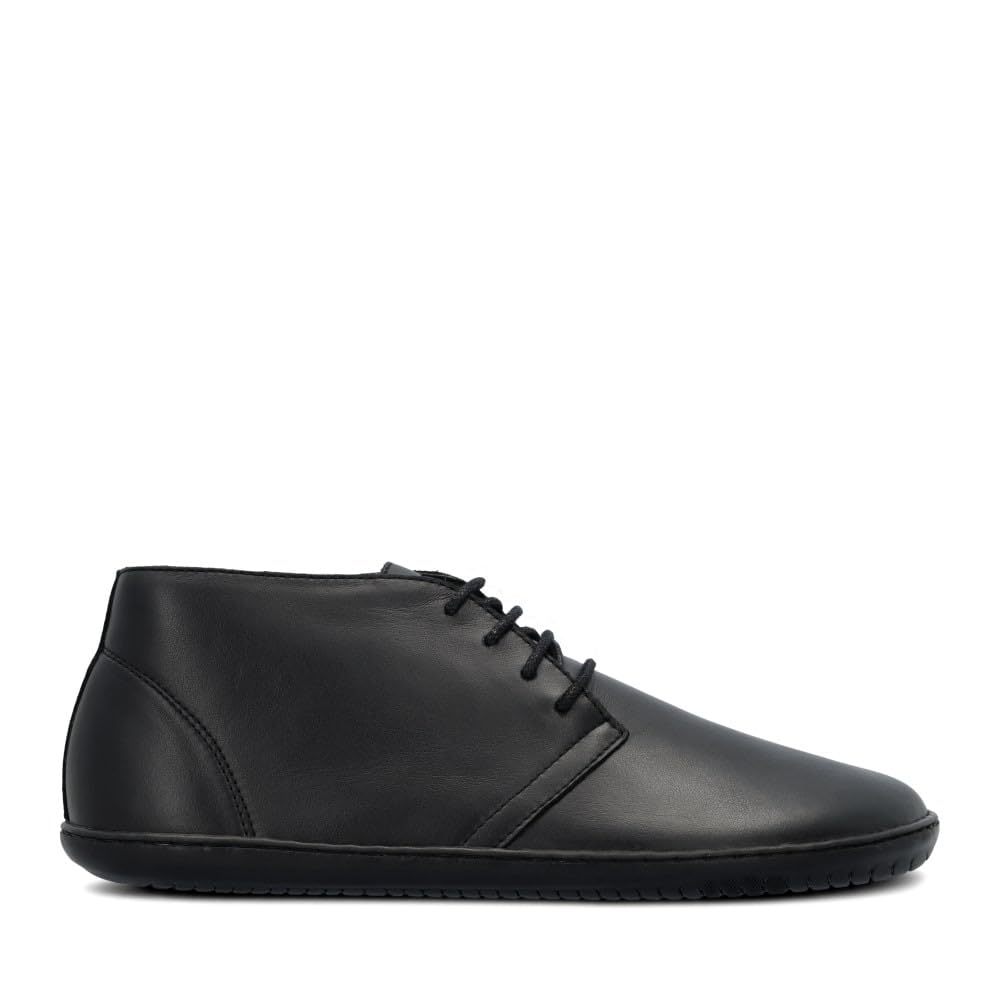
The GROUNDIES Milano is an urban barefoot boot that prioritizes aesthetics and comfort without sacrificing the wide toe box. The leather upper is high-quality and features symmetrical stitching, giving it a refined look that works well in casual and semi-formal settings. The lambskin inner lining reduces the break-in period significantly, making it comfortable from the first wear.
The 7mm sole offers a balance between ground feel and protection, making it suitable for city sidewalks and light trails. The barefoot+ version provides a slightly wider fit, though some users note that the toe box still looks a bit “duck-like” compared to minimalist shoes. The insoles are not glued in, which can cause them to bunch up underfoot; many users opt to glue them in place or remove them entirely for a true barefoot experience.
Long-term durability is a question mark, with some users expressing concerns about sole wear after extended use. The laces are functional but not premium, and the boot lacks waterproofing, so it is best reserved for dry conditions. It is a solid choice for those who want a stylish, comfortable barefoot boot for everyday wear, provided you are willing to manage the insole issue.
Why it’s great
- Elegant design suitable for daily wear
- Soft lambskin lining for comfort
- Good toe room for wide feet
Good to know
- Insoles may bunch up inside the shoe
- Not waterproof
8. Hike Footwear Kasdava Pro
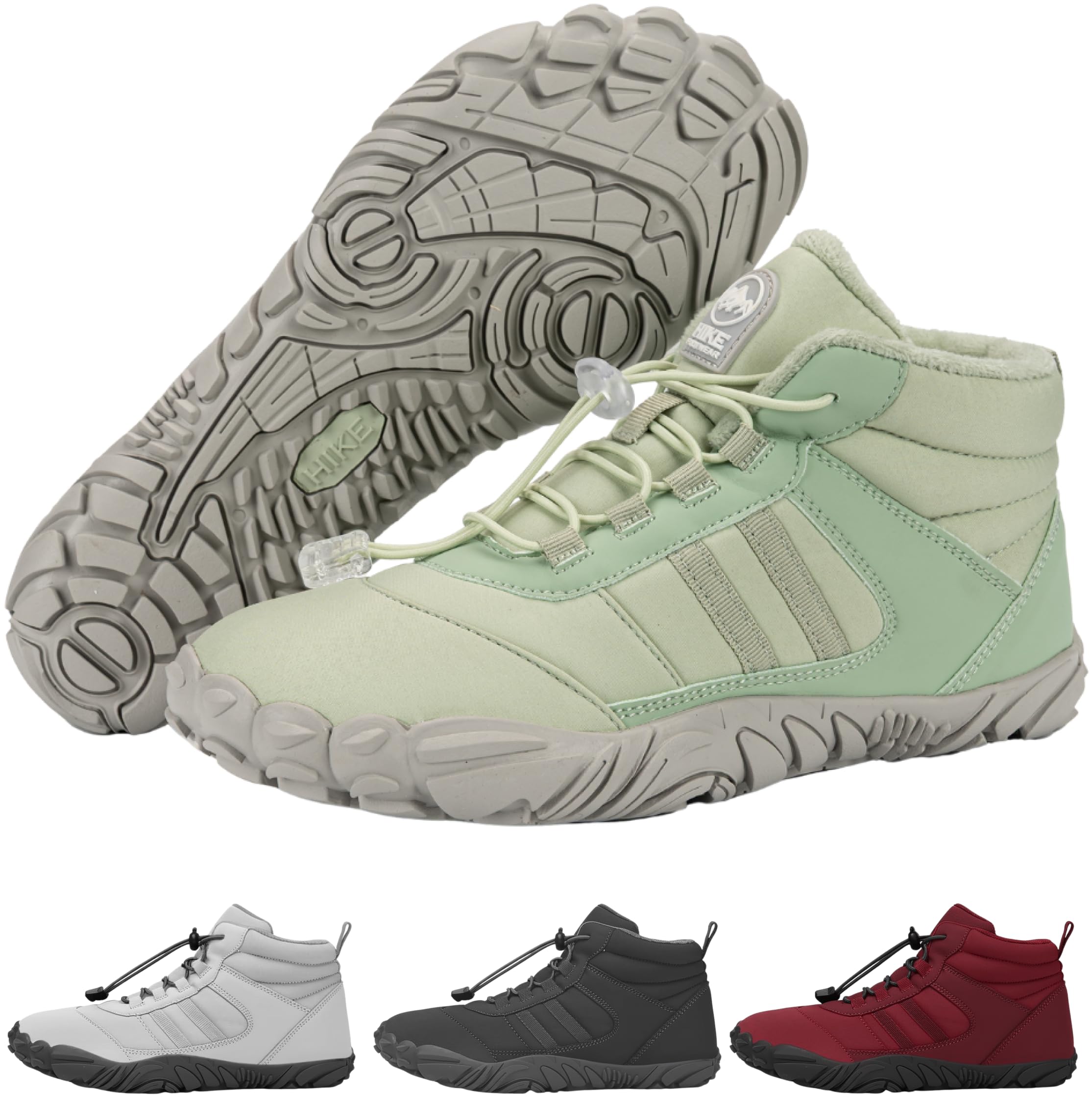
The Hike Footwear Kasdava Pro is an entry-level barefoot boot that delivers on the core promise: a wide toe box that allows the toes to spread comfortably. The zero-drop sole is flexible enough for natural movement, and the slip-resistant outsole provides decent traction on wet surfaces. The insulated interior keeps feet warm in cold weather, making it a functional winter option.
Users report that the boot is comfortable from the start, with no painful break-in period. The water-resistant upper handles light rain and puddles, though it is not fully waterproof in heavy downpours or deeper water. The sizing runs slightly small for some users, so ordering a half size up is a common recommendation to accommodate thicker socks and prevent squeezing.
The build quality reflects its price point; the materials are not as durable as premium leather options, and the sole may wear faster on abrasive surfaces. However, for its intended use as a cold-weather walking boot, it offers solid value. It is a good starting point for those who are new to barefoot footwear and want to test the waters without a large investment.
Why it’s great
- Comfortable wide toe box from the start
- Warm and water resistant for cold weather
- Affordable entry into barefoot boots
Good to know
- Not fully waterproof
- Durability may be limited at this price point
9. Vivobarefoot Tracker Textile AT
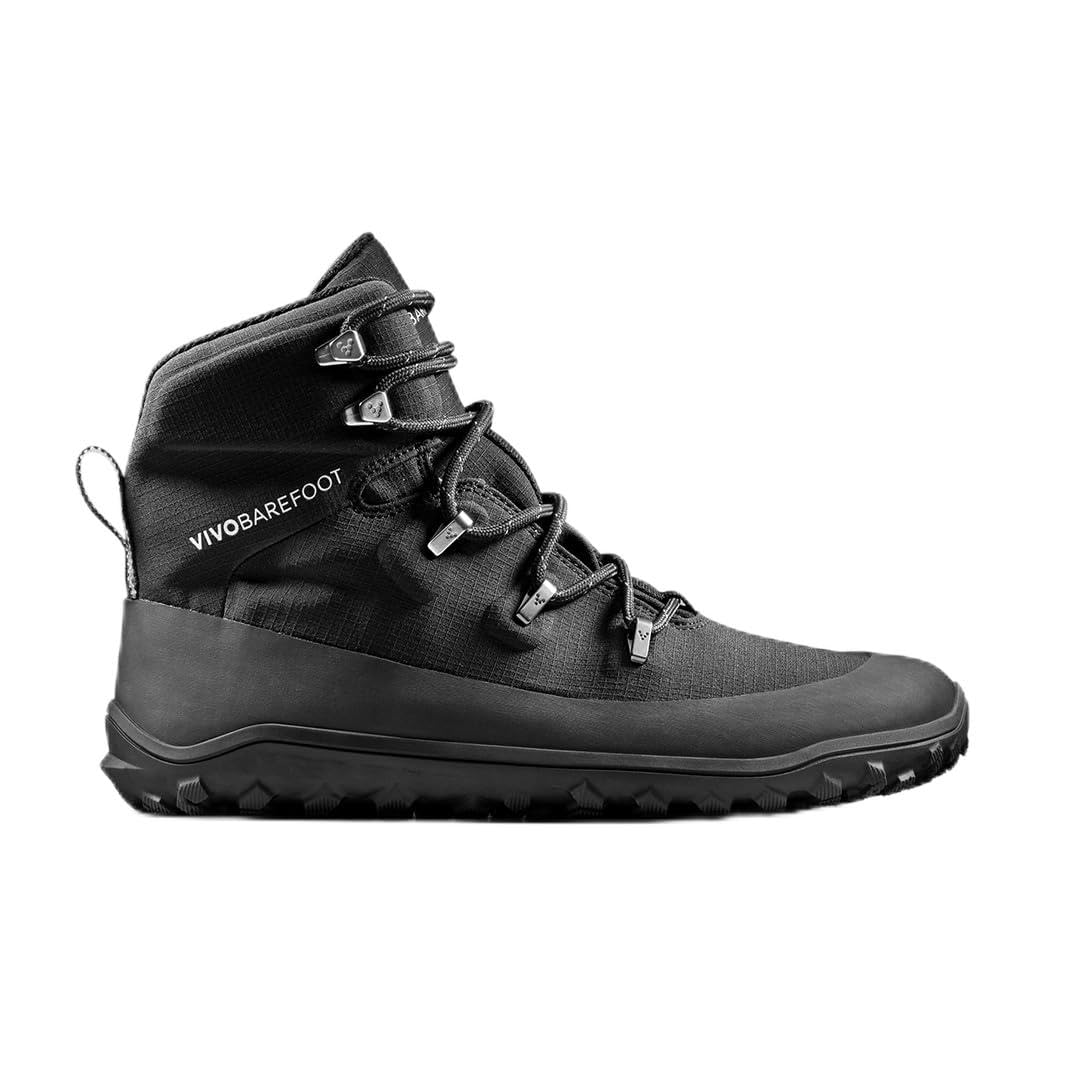
The Vivobarefoot Tracker Textile AT builds on the brand’s reputation for anatomical toe boxes and adds a waterproof, puncture-resistant design that handles wet and rocky conditions. The textile upper is lightweight yet tough, and the sole provides a reliable grip on mud, grass, and wet stone. The boot performed well in the Canadian Rockies across snow, water, and gritty terrain, making it a versatile option for multi-season use.
The fit is a point of contention: some users find the boot runs large and need to size down, while others find it fits true to size. The ankle collar is well-padded and comfortable, but the laces are slick and can untie easily. The puncture-resistant layer offers peace of mind on sharp terrain, though it adds slight stiffness to the sole.
Durability has been a mixed experience: while some users report no issues after months of daily use, others have seen the stitching fail within a couple of months. The waterproofing is effective for its intended use, but it is not a heavy-duty winter boot. For those who need a lightweight, responsive boot for varied terrain and are willing to manage potential durability concerns, this is a strong contender.
Why it’s great
- Effective waterproofing and puncture resistance
- Lightweight and responsive on varied terrain
- Anatomical toe box for natural splay
Good to know
- Inconsistent sizing and laces
- Mixed reports on long-term durability
FAQ
How do I know if a boot has a truly wide toe box?
Can I wear barefoot boots with orthotics?
Do these boots provide enough ankle support for hiking?
Final Thoughts: The Verdict
For most users, the best barefoot boots for men with wide toe box winner is the Vivobarefoot Tracker Forest Esc because it delivers the most reliable combination of a genuinely wide anatomical toe box, flexible zero-drop sole, and durable construction. If you want a robust leather boot that can be resoled and handles high-volume feet, grab the JIM GREEN African Ranger. And for winter conditions where snow and ice dominate, nothing beats the Xero Shoes Alpine for maintaining that barefoot feel in freezing temperatures.