
Our readers keep the lights on and my morning glass full of iced black tea. As an Amazon Associate, I earn from qualifying purchases.
You lock in a 60-mile weekend route, the tarmac is dry, and your cadence feels smooth. But the real question isn’t about your legs — it’s about what’s sitting on top of your head. A road helmet that fits poorly or lacks modern impact protection turns every ride into an unnecessary gamble, and the difference between a mediocre lid and a properly engineered one shows up the moment you hit a pothole at 25 mph.
I’m Min — the co-founder and writer behind Gadgets Feed. I’ve spent hundreds of hours cross-referencing independent safety ratings, ventilation channel designs, and retention system mechanisms across the current road helmet market to separate genuine engineering from marketing weight.
Whether you’re logging base miles or chasing personal records, choosing the right head protection matters more than your drivetrain. This guide breaks down the bike road helmets that actually deliver on safety, comfort, and real-world fit.
How To Choose The Best Bike Road Helmets
The road helmet market has fragmented into multiple safety tiers, ventilation philosophies, and fit systems. Understanding the three core decision points — impact protection layer, retention architecture, and ventilation geometry — filters out the noise from the genuinely effective designs.
Impact Protection: MIPS, Spherical MIPS, Koroyd, and KinetiCore
The primary job of any road helmet is managing rotational energy during an angled impact. Standard MIPS uses a low-friction slip plane inside the helmet that allows the head to rotate relative to the outer shell during a crash. Spherical MIPS takes this further by nesting two shells with a ball-and-socket design that manages both rotational and direct linear forces simultaneously. Koroyd uses a honeycomb-like tubular structure that crumples on impact to absorb energy while maintaining airflow, and KinetiCore integrates crumple zones directly into the EPS foam liner, eliminating the need for a separate slip plane. Each system targets the same problem — reducing rotational acceleration transferred to the brain — but the implementation affects weight, ventilation, and cost.
Fit System Architecture: Dials, Yokes, and Retention Depth
A helmet that shifts mid-ride is a safety liability and a comfort nuisance. Look for a retention system that offers micro-adjustment via a rubberized dial — the coarser the click, the harder it is to fine-tune during a descent. The depth of the fit cradle around the occipital bone determines how securely the helmet wraps your head; shallow cradles tend to let the helmet rock forward or backward. Also examine the strap splitter (the Y-junction near your ear): quick-adjust tri-glides keep straps flat without twisting, which reduces wind noise and pressure points on long rides.
Ventilation Channel Geometry and Eyewear Integration
The number of vents matters less than the channel path. A helmet with deep internal channels that force air across the top of the skull and exit through the rear exhaust ports moves more heat than one with many small, shallow holes. Pay attention to the AirEvac or equivalent brow port system — this pulls warm air up from your eyewear lenses, preventing fogging at low speeds or steep climbs. If you wear sunglasses with thick arms, check whether the helmet’s internal shape has dedicated ports or channels to accommodate them without pressure points.
Quick Comparison
On smaller screens, swipe sideways to see the full table.
| Model | Category | Best For | Key Spec | Amazon |
|---|---|---|---|---|
| Bell Formula MIPS | Value | Budget-friendly MIPS entry | 19 vents, 8 oz, Float Fit dial | Amazon |
| Giro Register II MIPS | Mid-Range | Durable hard-shell commuter | Hardbody lower wrap, 16 oz | Amazon |
| Smith Persist MIPS | Mid-Range | High-ventilation road riding | 21 fixed vents, 11 oz, Koroyd | Amazon |
| Bell Avenue MIPS | Mid-Range | MIPS Evolve compact fit | MIPS Evolve, Sweat Guide, 0.69 kg | Amazon |
| LAZER Tonic KinetiCore | Mid-Range | Lightweight, integrated crumple zones | 240 g, KinetiCore, no MIPS liner | Amazon |
| Giro Aether Spherical MIPS | Premium | Advanced rotational protection | Spherical MIPS, Roc Loc 5+ Air | Amazon |
| KASK Protone Icon | Premium | Pro-level aero and safety | WG11 rotational impact, Octo Fit dial | Amazon |
In‑Depth Reviews
1. Bell Formula MIPS
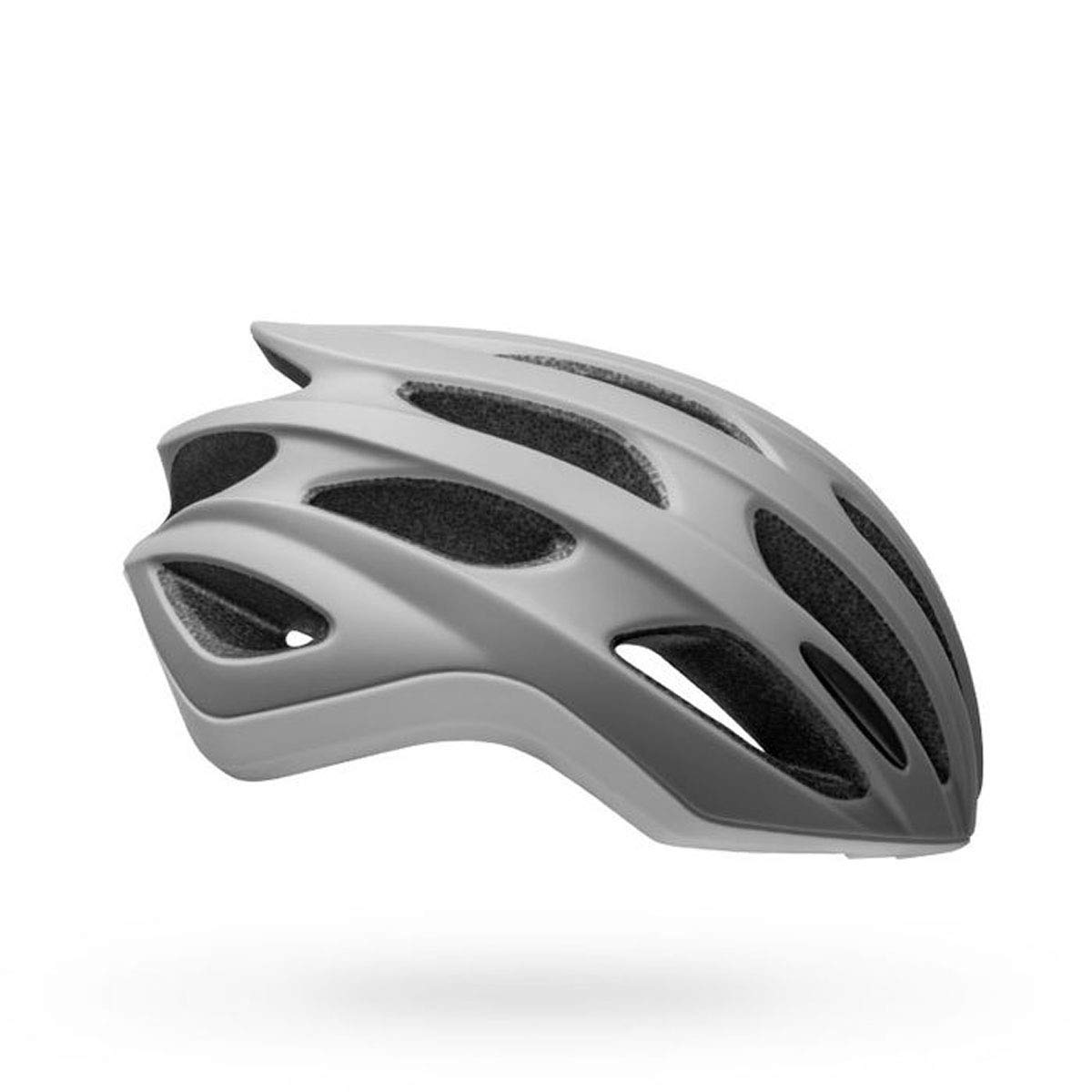
The Bell Formula MIPS consistently rates at the top of independent safety evaluations like Virginia Tech’s helmet rating program, which is remarkable given its accessible price tier. The Fusion In-Mold polycarbonate shell bonds directly to the EPS foam liner, creating a unified structure that resists delamination during impact. The Float Fit system uses a rubberized dial that turns smoothly even with gloves on, and the No-Twist Tri-Glides keep the webbing flat against your face — a detail that eliminates the flapping strap noise that cheaper helmets produce at speed.
At only 8 ounces, this is one of the lightest helmets in its class, and the 19 vents channel air across the crown effectively enough that a reviewer reported feeling cooler and more comfortable than a Giro Monza after 350 miles in 80-90°F heat. The Sweat Guide pad pulls moisture away from your eyewear brow, which prevents the annoying drip that lands right on your sunglasses lens during a hard effort. The plastic bottom edge also protects the EPS foam from damage when you set the helmet down on pavement after a coffee stop.
The fit range covers Small (52-56 cm), Medium (55-59 cm), and Large (58-62 cm), but the Medium shell is slightly tighter on round head shapes — measure your circumference above the eyebrows before ordering. The gloss gray finish shows scuffs more readily than matte options, but this is a quibble on a helmet that punches well above its price point in safety performance.
Why it’s great
- Top-tier Virginia Tech safety rating at a budget-friendly price
- Ultra-lightweight 8-ounce shell reduces neck fatigue
Good to know
- Fit runs slightly narrow for rounder head shapes
- Gloss finish shows surface scuffs over time
2. Giro Aether Spherical MIPS

The Giro Aether Spherical MIPS represents the current state of the art in rotational impact management. Instead of a single low-friction liner, Spherical MIPS uses two EPS foam shells connected by a ball-and-socket interface that allows the outer shell to rotate independently of the inner layer during an angled impact. This design simultaneously reduces rotational forces while maintaining a low profile — the helmet sits closer to the head than traditional MIPS implementations, which reduces the lever arm effect in a crash.
The Roc Loc 5+ Air retention system is the standout feature for long-distance comfort. It integrates a tensioned mesh that suspends the helmet slightly away from the top of the skull, creating a 10-millimeter air gap that dramatically improves convective cooling. Reviewers consistently note that this helmet breathes better than any previous lid they’ve owned, and the sunglass ports at the temple allow you to store your shades without removing the helmet. The straps are thinner and more flexible than the Lazer Blade+ MIPS alternatives, reducing chin pressure on all-day rides.
Fit skews toward oval head shapes — riders with very round heads may find the temples slightly snug even after break-in. The front brow sits lower than some competitors, which can push certain larger sunglass frames down the nose if the arms are thick. But the trade-off is a substantially more aero profile that doesn’t look like a mushroom, which matters if you care about how much drag you’re cutting at 25 mph.
Why it’s great
- Spherical MIPS provides superior rotational protection without added bulk
- Roc Loc 5+ Air suspension keeps the scalp ventilated during sustained climbs
Good to know
- Best for oval head shapes; round heads may feel tight at the temples
- Premium price reflects the advanced dual-shell construction
3. Smith Persist MIPS
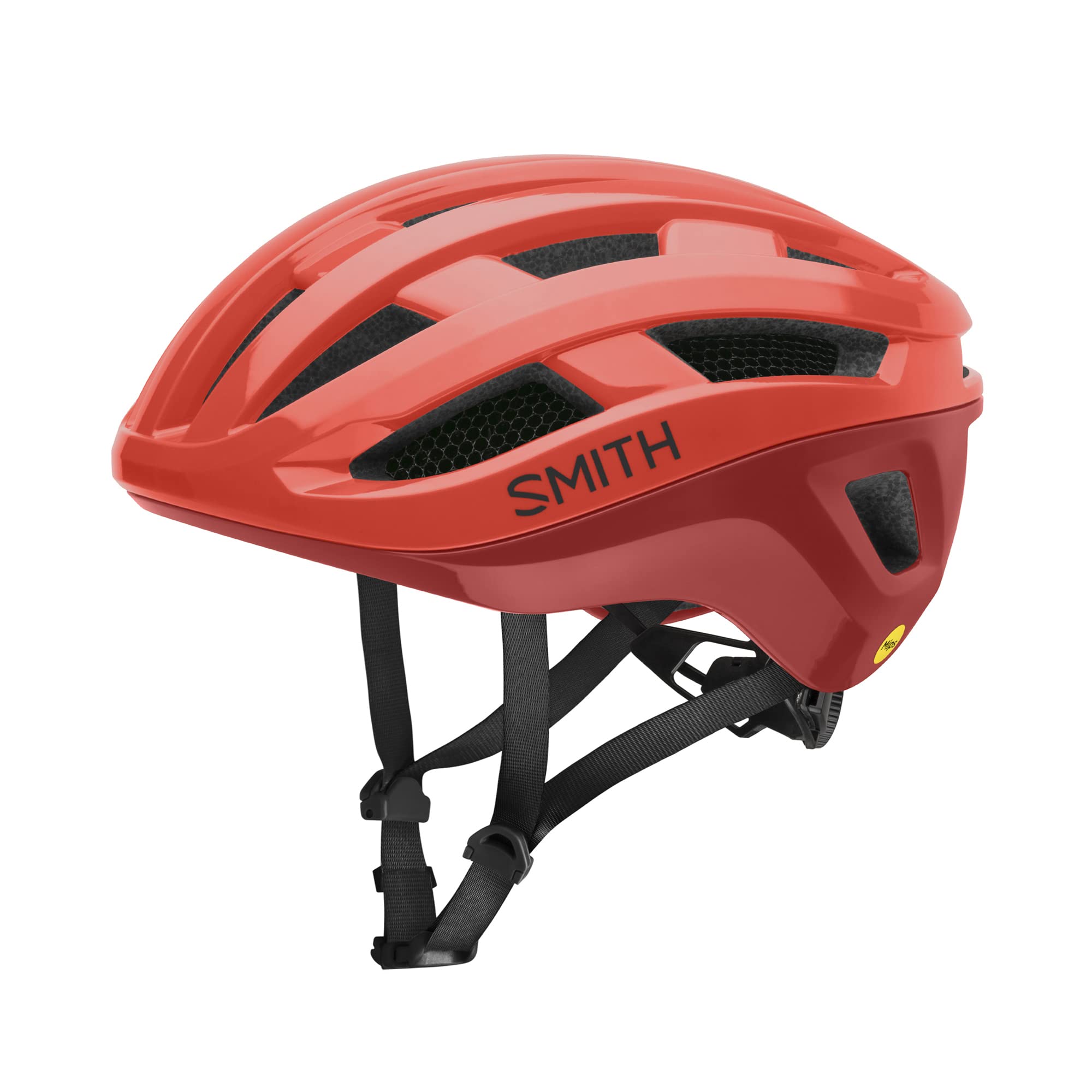
The Smith Persist combines two complementary safety technologies: a standard MIPS slip-plane for rotational force reduction and Zonal Koroyd coverage, which uses a series of welded polymer tubes that crumple predictably under impact to absorb energy before it reaches the EPS foam. This dual-layer approach means the helmet can manage both rotational and direct linear impacts more effectively than a standalone MIPS liner, while the Koroyd structure itself is fully open-cell, so airflow passes through it rather than being blocked by a solid liner.
With 21 fixed vents and the AirEvac system that integrates directly with Smith eyewear, this helmet moves hot air out of the brow region aggressively enough to eliminate fogging on steep climbs where your speed drops below 10 mph. The rear adjustment dial provides fine micro-clicks that let you tension the cradle while riding without stopping, and the internal shape accommodates sunglasses with medium to thick arms without creating hot spots behind the ears. At 11 ounces, it’s slightly heavier than the Bell Formula, but the Koroyd structure adds noticeable impact protection that several reviewers credit with saving them from serious injury in crashes.
The aesthetic is polarizing — the Koroyd honeycomb is visible through the front vents, which some riders describe as a mushroom silhouette. There are no dedicated sunglass storage ports, so you have to hook the arms under the front edge, which works but isn’t as clean as a built-in port. The fit favors oval-to-neutral head shapes, and the Medium shell works best for 55-59 cm heads.
Why it’s great
- Zonal Koroyd adds linear impact absorption without blocking airflow
- 21 vents with AirEvac system prevents eyewear fogging on steep climbs
Good to know
- Visible Koroyd structure gives a bulky appearance some riders dislike
- No built-in sunglass storage ports
4. KASK Protone Icon
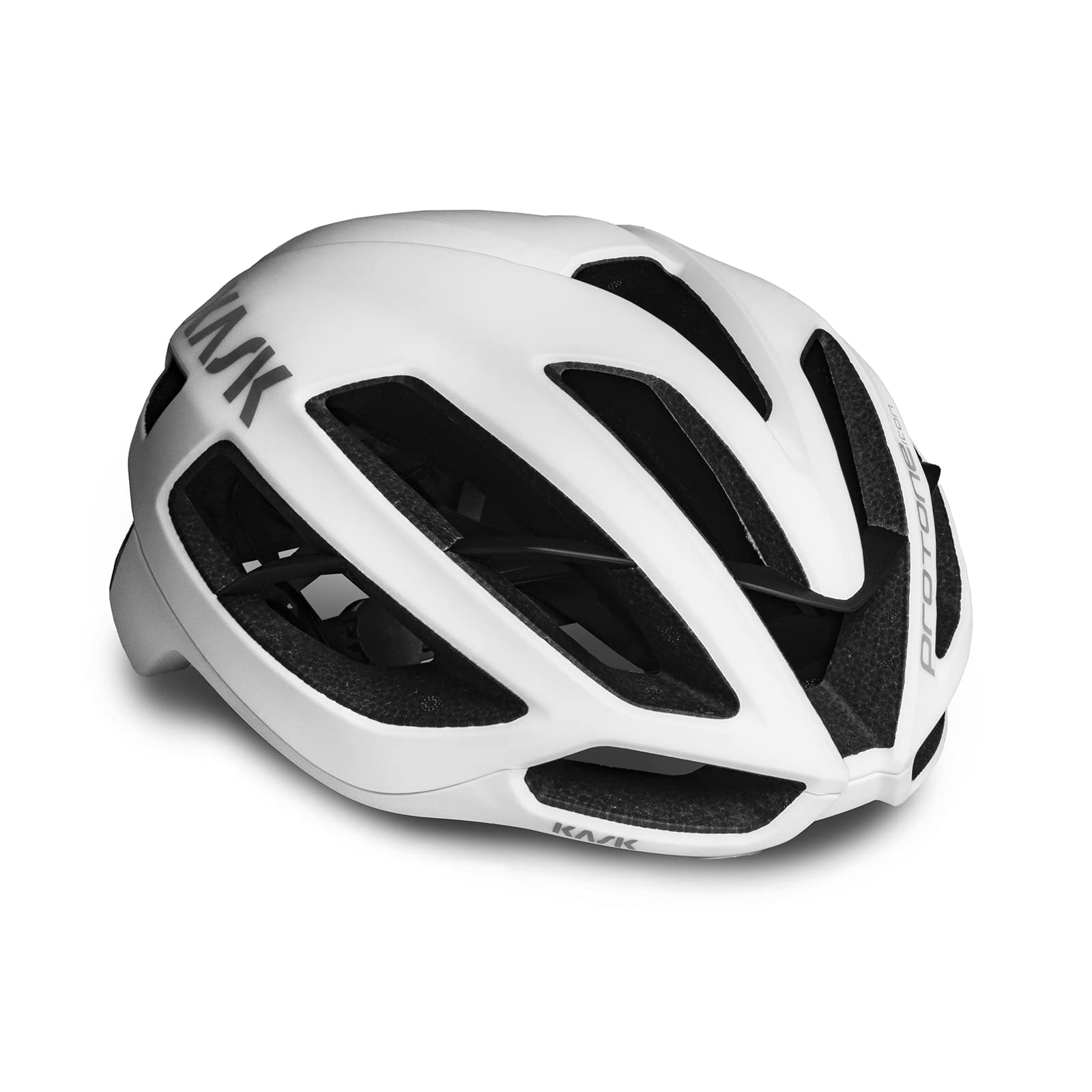
The KASK Protone Icon is the helmet you’ll see under WorldTour pros during grand tours, and its design philosophy prioritizes aerodynamic efficiency without compromising thermal regulation. The internal frame structure incorporates a vertical stabilizer across the nape of the neck that reduces turbulent airflow at the helmet’s trailing edge, which is where most aero drag originates. The helmet has received WG11 rotational impact certification, an independent standard that tests far more rigorously than the baseline CPSC and CE norms.
The Octo Fit dial uses a rubberized micro-adjuster that rotates freely through 180 degrees, making it easy to fine-tune the cradle tension even while descending at 40 mph. Gel pads at the contact points with the skull prevent pressure concentration, and the inner padding fibers are treated to accelerate moisture evaporation rather than just absorb it. This matters on 100-mile days where the interior padding stays damp for hours with cheaper helmets. The Protone Icon also features detachable and washable internal pads, which extends the usable life of the helmet significantly.
The WG11 certification system uses a series of oblique impact tests at varying angles and velocities that exceed the EN 1078 standard by a wide margin. But this level of safety engineering comes at the highest price tier in this guide. The internal shape suits oval-to-round head shapes reasonably well, but riders with very large heads (60+ cm) may find the Large shell tight without the optional thicker pads. The glossy white finish reflects radiant heat effectively in direct sun, a practical benefit during summer centuries.
Why it’s great
- WG11 certified for rotational impact exceeds standard safety norms
- Aero-optimized shape with vertical stabilizer reduces drag at race speeds
Good to know
- Highest price point in this selection
- Large shell may feel snug for riders above 60 cm head circumference
5. LAZER Tonic KinetiCore

The LAZER Tonic KinetiCore takes a fundamentally different approach to rotational impact protection: instead of adding a separate slip-plane liner, KinetiCore integrates controlled crumple zones directly into the EPS foam structure. These strategically placed zones are designed to deform in a specific pattern during an angled impact, absorbing rotational energy without the weight penalty of an additional liner. The result is a helmet that weighs just 240 grams, making it one of the lightest road helmets available at any price point.
The strap system uses easy-glide splitter adjustments that don’t require pinching or pulling — you slide the webbing through the Y-junction until it sits just below the earlobe, and the friction lock holds it there without slippage during rides. The rear dial provides coarse but reliable micro-adjustment, and the internal shape accommodates round head shapes exceptionally well — a specific pain point for many riders in this category. Reviewers report that the ventilation is good enough for summer riding in 85°F heat, with deep internal channels that push air from the front brow across the crown and out the rear exhaust ports.
The KinetiCore system eliminates the need for a MIPS liner, which simplifies the interior and reduces the helmet’s overall volume. However, it also means there’s no dedicated sunglass storage notch or silicone grippers in the vents — a small omission that budget-minded riders can solve with an adhesive strap keeper. The white color option is highly recommended for heat reflection and visibility, and the overall aesthetic is sleek enough to not look like a budget compromise.
Why it’s great
- 240-gram weight is among the lightest for any helmet with rotational protection
- KinetiCore crumple zones eliminate the bulky MIPS liner for a cleaner fit
Good to know
- No built-in sunglass storage or silicone vent grippers
- Coarse adjustment dial lacks the fine micro-clicks of premium systems
6. Giro Register II MIPS
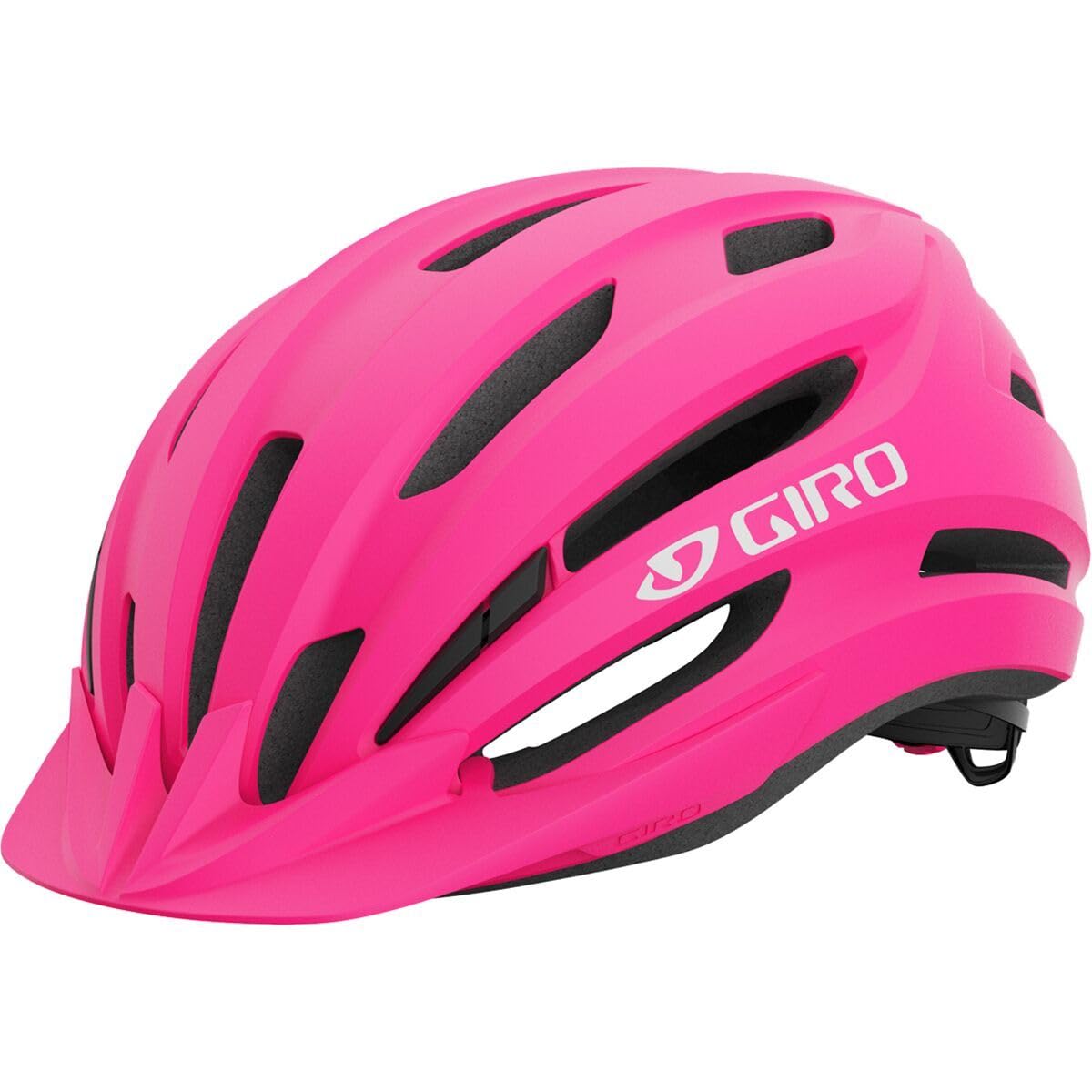
The Giro Register II MIPS uses a two-piece shell construction that wraps a tough hard shell over the top and a polycarbonate lower shell around the bottom edge, permanently fused to the EPS liner. This In-Mold Hardbody Lower Wrap provides significantly more durability than a standard in-mold helmet — the bottom edge won’t crack if you drop it on asphalt, and the hard shell resists penetration from sharp objects better than foam-only designs. It’s a practical choice for riders who take the train or toss their helmet in a pannier after every ride.
The Universal Fit sizing system is Giro’s attempt to make the Medium and Large shells fit a broader range of head shapes without requiring returns. The rear dial provides easy on-helmet adjustments, and the internal padding is plush enough that multiple reviewers reported no discomfort even after three-hour road rides. The bright white color option stands out in traffic for daytime visibility, and the MIPS integration is well-executed — the slip-plane is low-friction enough that you don’t feel it during normal riding, but you’d notice it working during a crash.
At 16 ounces, this is the heaviest helmet in this guide. The extra weight comes from the hard shell wrap, which adds durability but also adds mass that you’ll notice if you’re prone to looking up or craning your neck on long climbs. The Roc Loc dial has been described as having a slightly weaker plastic feel compared to premium Giro models, so frequent adjusters should handle it with care. The visor attachment is also noted as fragile — not a dealbreaker for road use, since you’ll likely remove it anyway.
Why it’s great
- Hardbody lower wrap improves durability against drops and daily abuse
- Bright white option enhances visibility in low-light traffic conditions
Good to know
- 16-ounce weight is heavier than competitors in this class
- Plastic adjustment dial feels less robust than metal-core alternatives
7. Bell Avenue MIPS
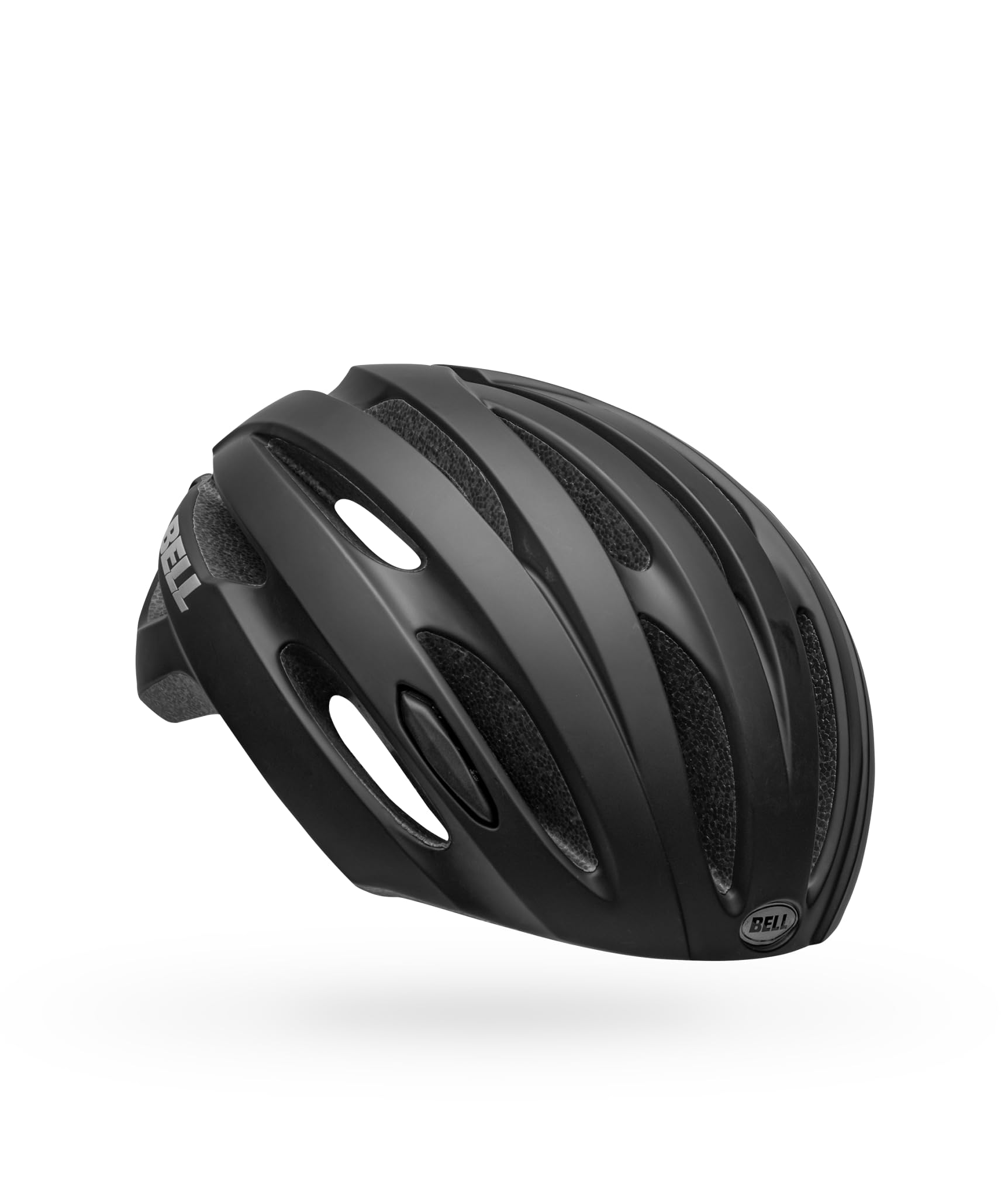
The Bell Avenue MIPS integrates MIPS Evolve — a next-generation implementation that embeds the low-friction slip plane directly into the retention system rather than floating it as a separate liner. This reduces complexity and weight while allowing the helmet to sit closer to the head, which improves both aerodynamics and thermal performance. The Sweat Guide pad pulls moisture away from the brow region and channels it laterally instead of letting it drip onto your eyewear, a feature that paid off significantly for reviewers riding in high humidity.
The Float Fit system uses a rubber overmolded dial that provides smooth one-handed micro-adjustment, and the quick-adjust tri-glide fasteners keep the straps flat against the jawline without the pinching that older splitter designs cause. Several reviewers report surviving serious crashes — including one incident where the rider was run over by a motorcycle while wearing this helmet — and walked away with no head injury. The rugged durability and MIPS Evolve technology combine to deliver real-world safety performance that matches helmets costing twice as much.
The strap system uses a tiny snap connection near the ear that some reviewers found difficult to operate with winter gloves on. The adjustment knob is also smaller than those on the Giro Aether or Smith Persist, making it harder to fine-tune while riding. The fit is neutral — neither aggressively oval nor round — and the black matte finish hides scuffs well, which matters for a helmet that sees daily use across all seasons.
Why it’s great
- MIPS Evolve integrates slip-plane into retention system for a closer, cooler fit
- Survived extreme crash scenarios in verified user reports
Good to know
- Tiny snap connector is difficult to operate with thick winter gloves
- Small adjustment knob lacks the tactile grip of larger dials
FAQ
How often should I replace a road cycling helmet?
Does MIPS make a real difference in a crash or is it marketing?
How tight should a road bike helmet actually feel?
Are heavier helmets with hard shells safer than lightweight in-mold designs?
Final Thoughts: The Verdict
For most riders, the bike road helmets winner is the Giro Aether Spherical MIPS because it combines the most advanced rotational impact technology on the market with a retention system that actively ventilates the crown of your head, making it comfortable for all-day rides and genuinely protective in high-speed crashes. If you want the lightest possible helmet with integrated crumple-zone protection, grab the LAZER Tonic KinetiCore — its 240-gram weight and round-head-friendly fit make it nearly imperceptible on long climbs. And for the best safety-to-value ratio, nothing beats the Bell Formula MIPS, which delivers Virginia-Top-tier protective performance at a price that doesn’t require skipping your next bike upgrade.