
A thick, spongy heel might feel good walking to the car, but under a loaded barbell it’s a stability liability. Barefoot training shoes strip away that cushion to put your foot flat against the floor, creating a rock-solid foundation for squats, deadlifts, and explosive lifts. The wide toe box also lets your foot splay naturally, engaging the intrinsic muscles that modern footwear typically leaves dormant. This isn’t about minimalism for its own sake—it’s about maximizing proprioception and force transfer from the ground up.
I’m Min — the co-founder and writer behind Gadgets Feed. I’ve spent countless hours analyzing return rates and user feedback on the specific intersection of zero-drop geometry and lateral stability for weightlifting, ensuring this guide highlights only the models that balance ground feel with the demands of a heavy rep.
Whether you’re rebuilding your squat mechanics or want a more direct connection to the platform, the list below covers the models that deliver genuine stability. This guide is built to help you find the best barefoot shoes for strength training, filtering out fads and focusing on the features that actually hold up under load.
How To Choose The Best Barefoot Shoes For Strength Training
Buying a barefoot training shoe requires a shift in thinking. You’re not looking for arch support or heel lift. Instead, you’re evaluating how flat the shoe lies, how much room your toes have to spread, and how well the outsole grips a gym floor during lateral movements.
Sole Thickness and Ground Feedback
The entire point of a barefoot training shoe is to allow you to feel the floor. Look for a stack height under 10mm for a true barefoot sensation. Thicker soles dampen proprioception, which defeats the purpose for lifts where precise weight distribution matters. A 4mm to 6mm sole is ideal for most strength work.
Toe Box Shape and Width
Your toes should be able to lie flat and spread outward when you squat. A pointed or tapered toe box forces the big toe inward, reducing stability. Look for a foot-shaped toe box that mirrors the natural outline of a human foot. This lets you engage your toes as stabilizers, which is critical for heavy compound lifts.
Outsole Grip and Durability
Gym floors are smooth, dusty, or rubberized. A barefoot shoe needs a thin, grippy rubber outsole that resists slipping during lateral shuffles or split squats. Avoid overly aggressive tread that lifts your foot off the floor; a flat, textured contact patch is best. Also consider the 5000-mile sole guarantee offered by some brands as a durability benchmark.
Quick Comparison
On smaller screens, swipe sideways to see the full table.
| Model | Category | Best For | Key Spec | Amazon |
|---|---|---|---|---|
| Vivobarefoot Motus Strength | Premium | Heavy compound lifts | 4mm sole | Amazon |
| Xero Shoes 360 | Mid-Range | Versatile gym & daily wear | 5.5mm sole | Amazon |
| Vivobarefoot Primus Lite III | Premium | Gym & light running | 4mm sole | Amazon |
| Under Armour TriBase Reign 6 | Premium | CrossFit & HIIT | 4mm drop (approximate zero) | Amazon |
| INOV8 Bare-XF | Mid-Range | Calisthenics & lifting | 3mm sole | Amazon |
| Xero Shoes HFS II | Mid-Range | Long walks & lifting | 5.5mm sole | Amazon |
| adidas Powerlift 5 | Budget | Beginner squat focus | Raised heel (~15mm) | Amazon |
In‑Depth Reviews
1. Vivobarefoot Men’s Motus Strength Zero-Drop Training Shoe
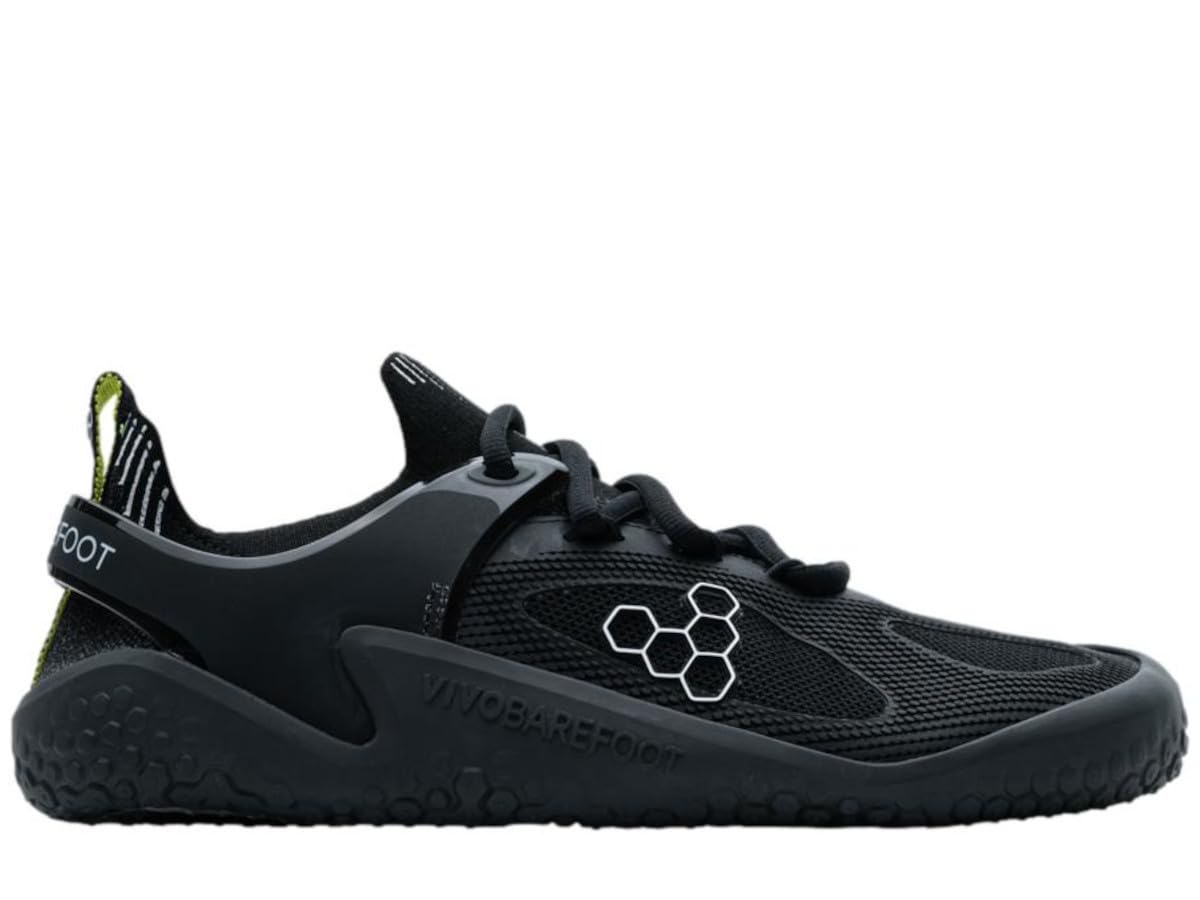
The Vivobarefoot Motus Strength is engineered specifically for the weight room. Its 4mm outsole delivers exceptional ground feel, letting you feel every millimeter of the platform during a heavy squat. The zero-drop construction keeps your hips and ankles in a natural alignment, which many users report immediately improves squat depth and power clean mechanics. The wide toe box accommodates feet up to 4E width without pinching, while the snug heel pocket prevents unwanted slide during dynamic movements.
Reviewers consistently note that this shoe requires zero break-in and provides a stable connection for deadlifts and explosive drills like box jumps. The lace system holds firm under lateral stress, and the breathable upper doesn’t trap excessive heat during long sessions. It’s built for heavy compound lifts but remains flexible enough for agility work, making it the most versatile single shoe for strength-focused training.
The one trade-off is sizing: the shoe runs approximately one size large, so you will likely need to order a full size down from your normal US measurement. The upper also tends to run warm during extended wear, and some users report a slight prickly sensation on the top of the foot if worn without socks. Still, for pure lifting performance, this shoe stands apart.
Why it’s great
- Ultra-thin 4mm sole provides unmatched ground feedback for squats and deadlifts
- Extra-wide toe box fits wide feet (4E) comfortably with natural toe splay
- Zero-drop design promotes proper lifting posture and depth
Good to know
- Runs a full size large — check the sizing chart carefully before ordering
- Upper can feel warm during extended indoor sessions
- Premium price point may exceed budgets for entry-level lifters
2. Xero Shoes Men’s 360 Barefoot Training Shoe
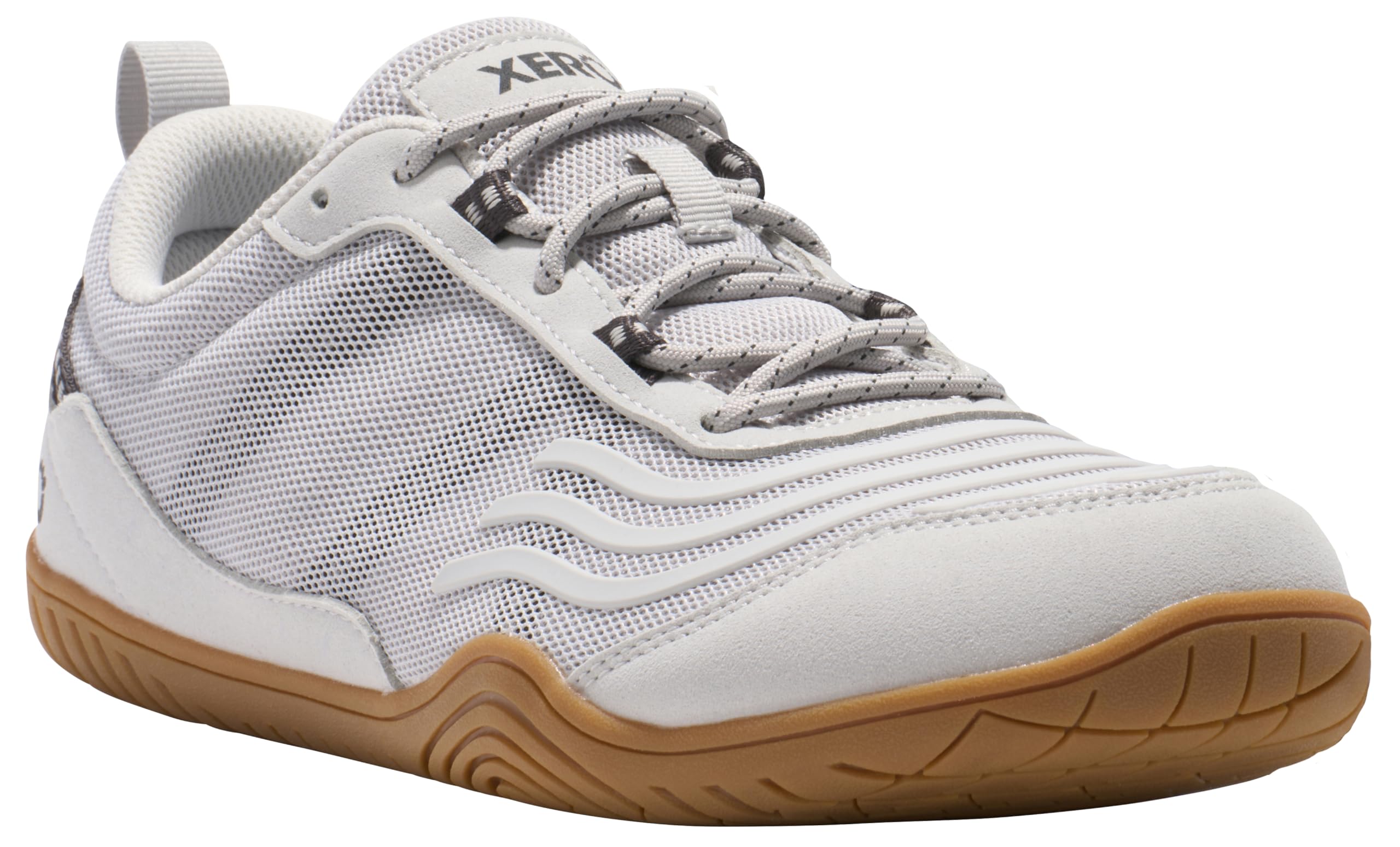
The Xero Shoes 360 is engineered for lifters who need a shoe that transitions from the squat rack to the treadmill without compromise. Its 5.5mm FeelTrue outsole offers a slightly thicker platform than the Motus, providing a small cushion buffer for walking and light runs while still delivering strong ground feedback for strength work. The wide toe box promotes natural toe spread, and the removable insole lets you get even closer to the floor if desired.
User feedback highlights the immediate comfort out of the box — no break-in period required. The shoe also comes with Xero’s 5000-mile sole guarantee, which speaks to the durability of the rubber compound. For calisthenics, lifting, and daily wear, reviewers find it reduces foot fatigue and improves balance compared to traditional trainers. The strap system adds midfoot security during lateral movements.
The main complaints involve the laces, which some users report coming untied easily, and the shoe running a half size small. The lack of cushion also means this is not ideal for sports that involve hard cutting, like basketball or pickleball, as the foot can slide forward. Replacing the laces with thicker, stretchier cord solves the tie issue for most users.
Why it’s great
- 5.5mm sole balances ground feel with daily walking comfort
- Zero break-in required — comfortable straight out of the box
- 5000-mile sole guarantee adds long-term value
Good to know
- Runs a half size small — order up from your normal size
- Stock laces come untied easily during dynamic work
- Not ideal for sports with hard lateral cutting (basketball, pickleball)
3. Vivobarefoot Primus Lite III, Womens Vegan Light Breathable Shoe

The Primus Lite III from Vivobarefoot takes the brand’s signature 4mm sole and wraps it in a lightweight, breathable mesh upper. This shoe is designed for the athlete who values environmental ethics alongside performance, using vegan materials without sacrificing the thin, flexible platform that defines barefoot training. The roomy toe box and zero-drop geometry allow full toe splay during squats and lunges, while the low weight keeps you fast during HIIT circuits.
Reviewers report that the Primus lasts well over a year of consistent gym use, with the upper showing minimal wear. The thin sole transmits textural details of the floor, which some users describe as feeling “wonderful” for balance training. The all-black colorway also makes it a sleek option for everyday wear beyond the gym walls. Sizing is based on a centimeter chart, which many users find more accurate than standard US sizing.
The biggest drawback is the price, which lands this shoe at a premium cost for a relatively minimal construction. The outsole also lacks aggressive tread, making it slightly slippery on dry, smooth surfaces. Additionally, finding the right size can require trial and error, as the recommended size from Amazon’s automated system has misled some buyers.
Why it’s great
- Extremely lightweight and breathable for high-intensity workouts
- Vegan construction with excellent durability after extended use
- Thin 4mm sole delivers superb ground texture awareness
Good to know
- Premium price point for a shoe with minimal materials
- Outsole grip is weak on polished or very smooth floors
- Sizing can be tricky — rely on the centimeter chart, not size conversion
4. Under Armour Men’s TriBase Reign 6 Trainer Shoes
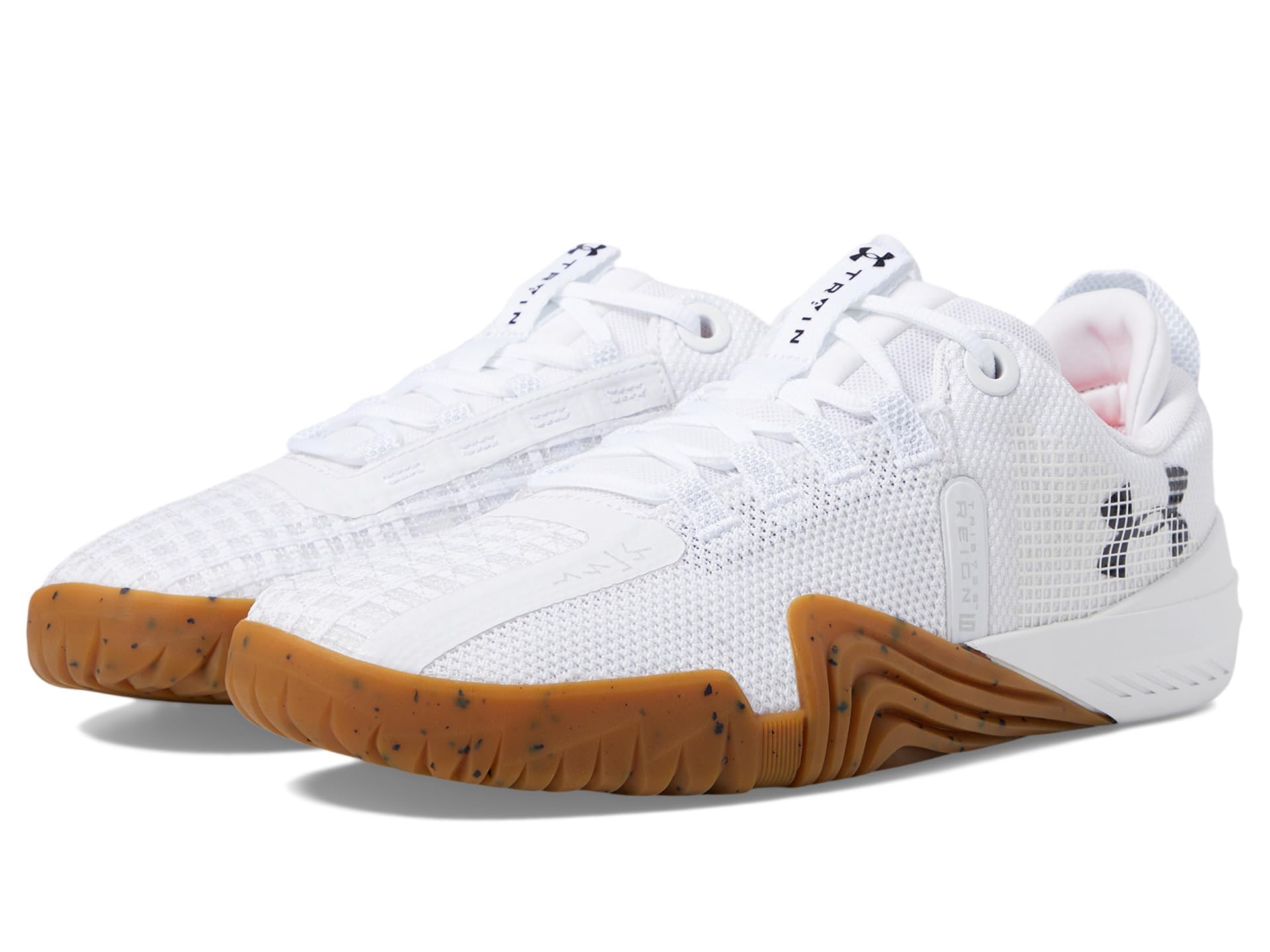
The Under Armour TriBase Reign 6 is a training shoe that bridges the gap between traditional gym trainers and barefoot-style footwear. It features a near-zero drop platform with a wide forefoot that offers more stability than typical CrossFit shoes like the Nano or Metcon. The rubber outsole provides excellent grip for rope climbs and box jumps, while the TPU wrap adds lateral support for agility drills. It’s slightly heavier than pure barefoot shoes but delivers a cushioned but stable base for mixed-modal workouts.
User reviews from heavier lifters highlight the shoe’s friendly fit for flat feet and low arches, with no heel slippage even during incline treadmill work. The TriBase technology widens the base of the shoe for better ground contact, which translates to more stable squats and deadlifts. It also runs true to size for most, though some users prefer going half a size down for a snugger lock-in.
The primary trade-off is that it is not a pure barefoot shoe — the sole is thicker than 4mm offerings, meaning some proprioceptive feedback is lost. The white colorway is also notoriously hard to keep clean, and the shoe can feel stiff out of the box before a full break-in period. For lifters who still want some cushion for rope climbs and running, this is a strong hybrid.
Why it’s great
- Wide base (TriBase) enhances ground contact for stable lifting
- Flat-foot friendly with no heel slip during dynamic work
- Good grip for rope climbs and box jumps
Good to know
- Not a pure barefoot shoe — thicker sole reduces ground feel
- White colorway stains easily and is difficult to keep clean
- Stiff upper requires a short break-in period
5. INOV8 Men’s Bare-XF Barefoot Training Shoes
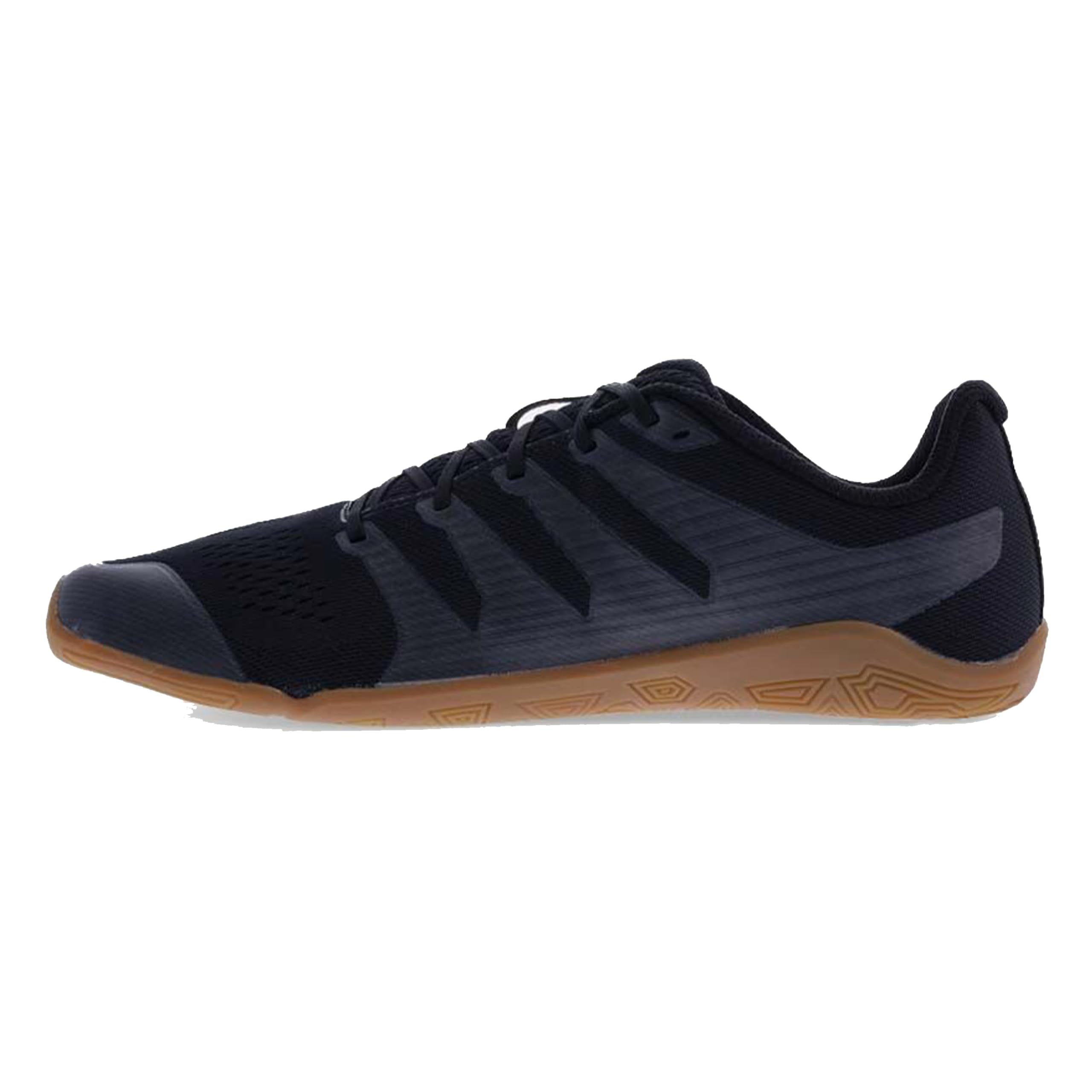
INOV8’s Bare-XF is a purpose-built training shoe with an ultra-thin 3mm sole that puts your foot as close to the floor as possible. This is the thinnest sole on this list, providing maximum proprioceptive feedback for advanced lifters who want to feel every millimeter of the platform. The wide fit accommodates 2E to 3E feet after a short stretch period, and the flexible upper allows full natural movement of the foot during calisthenics and yoga.
The standout feature is the durability — one reviewer reported their first pair lasting six years with minimal wear, citing the high-quality rubber outsole and dense fabric upper. The shoe’s excellent grip and natural ground feel make it a favorite for those transitioning away from heavily cushioned modern shoes like Hokas, with users reporting improved gait mechanics and reduced foot fatigue. It also runs true to size, avoiding the sizing headaches common in this category.
The main downside is the narrow toe box compared to newer barefoot offerings like Xero or Vivobarefoot. While it stretches to accommodate wider feet, it can feel restrictive out of the box for those with very broad forefeet. The low-profile design also offers minimal protection against sharp objects if used outdoors, making it best suited for indoor gym environments.
Why it’s great
- Ultra-thin 3mm sole delivers maximum ground feel for serious lifters
- Exceptional durability — reports of lasting six years under regular use
- True-to-size fit eliminates sizing guesswork
Good to know
- Toe box is narrower than Xero or Vivobarefoot equivalents
- Minimal protection from sharp objects — best for indoor gym use
- Stretching period needed for wider 2E-3E feet
6. Xero Shoes Women’s HFS II Barefoot Running Shoes
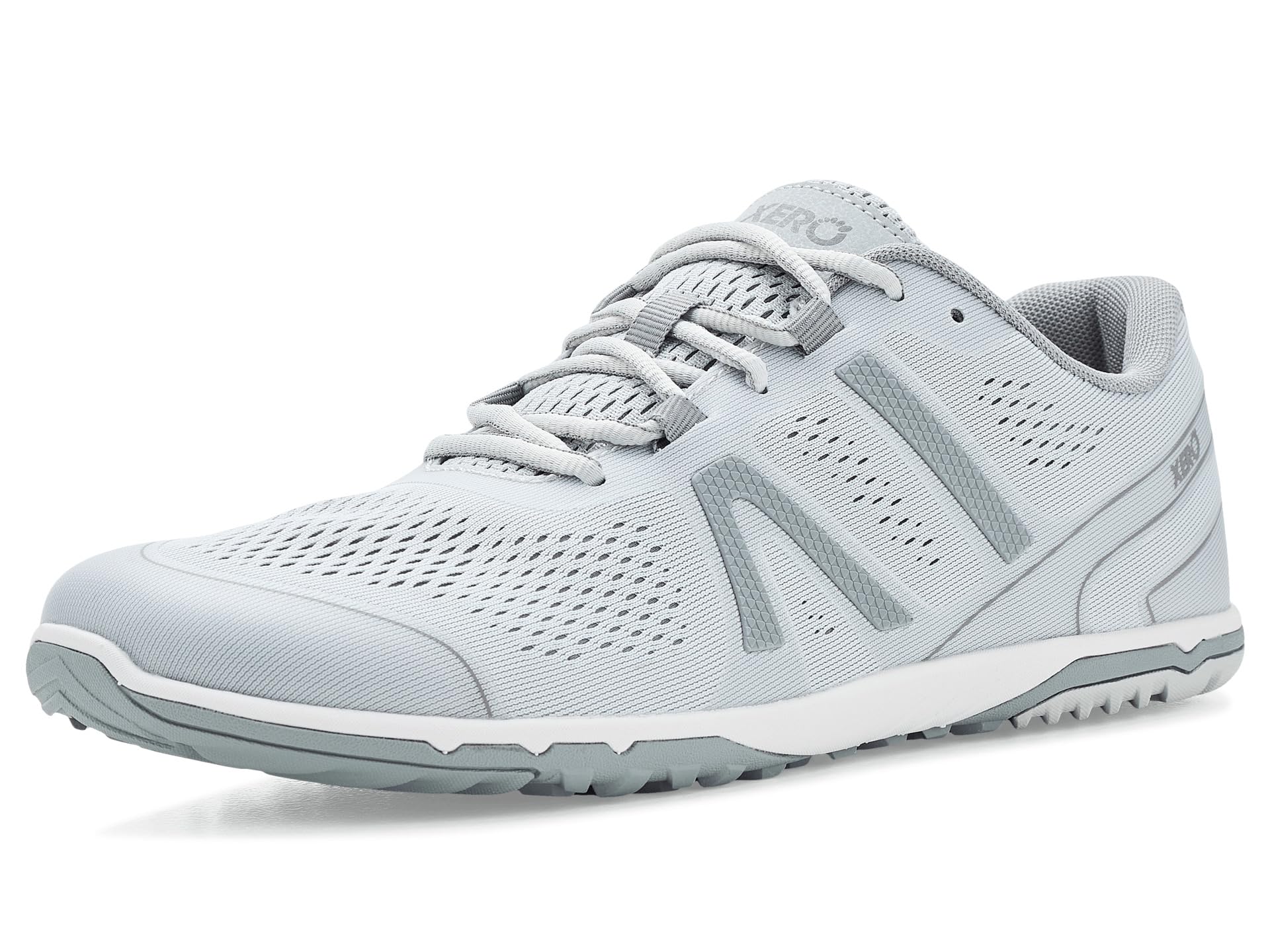
The Xero Shoes HFS II is positioned as a running shoe, but its 5.5mm zero-cushion sole and wide toe box make it a capable gym companion for lifters who also walk or run to the gym. The sole is slightly thicker than the 360 model, providing a bit more protection for long walks of 12+ miles while still delivering the barefoot feedback needed for squats and deadlifts. The upper is flexible and lightweight, with a more refined silhouette that ditches the strappy look of other barefoot trainers.
Users report that the HFS II solves toe tightness and balance issues for those with wider feet, allowing toes to feel free and unconstrained. The zero-cushion design is great for HIIT and lifting, where stability is paramount. The colorway (described as a classy black-grey) looks good enough for casual wear, making it a practical travel shoe that handles both a gym session and a walk through the city.
The primary issue is sizing inconsistency — some users report needing a half size smaller than normal, while others find the shoe running large. The sole is also noticeably harder than other barefoot offerings, which some find uncomfortable for all-day wear. The laces are stiff and may require replacement for a more secure fit during dynamic lifts.
Why it’s great
- 5.5mm sole offers a good balance for gym sessions and longer walks
- Wide toe box solves tightness and balance issues for broader feet
- Stylish silhouette works for both gym and casual wear
Good to know
- Inconsistent sizing — check multiple user reviews before ordering
- Sole is stiffer than comparable barefoot models
- Stock laces are stiff and may not secure well during heavy lifts
7. adidas Unisex Adult Powerlift 5 Weightlifting Shoes
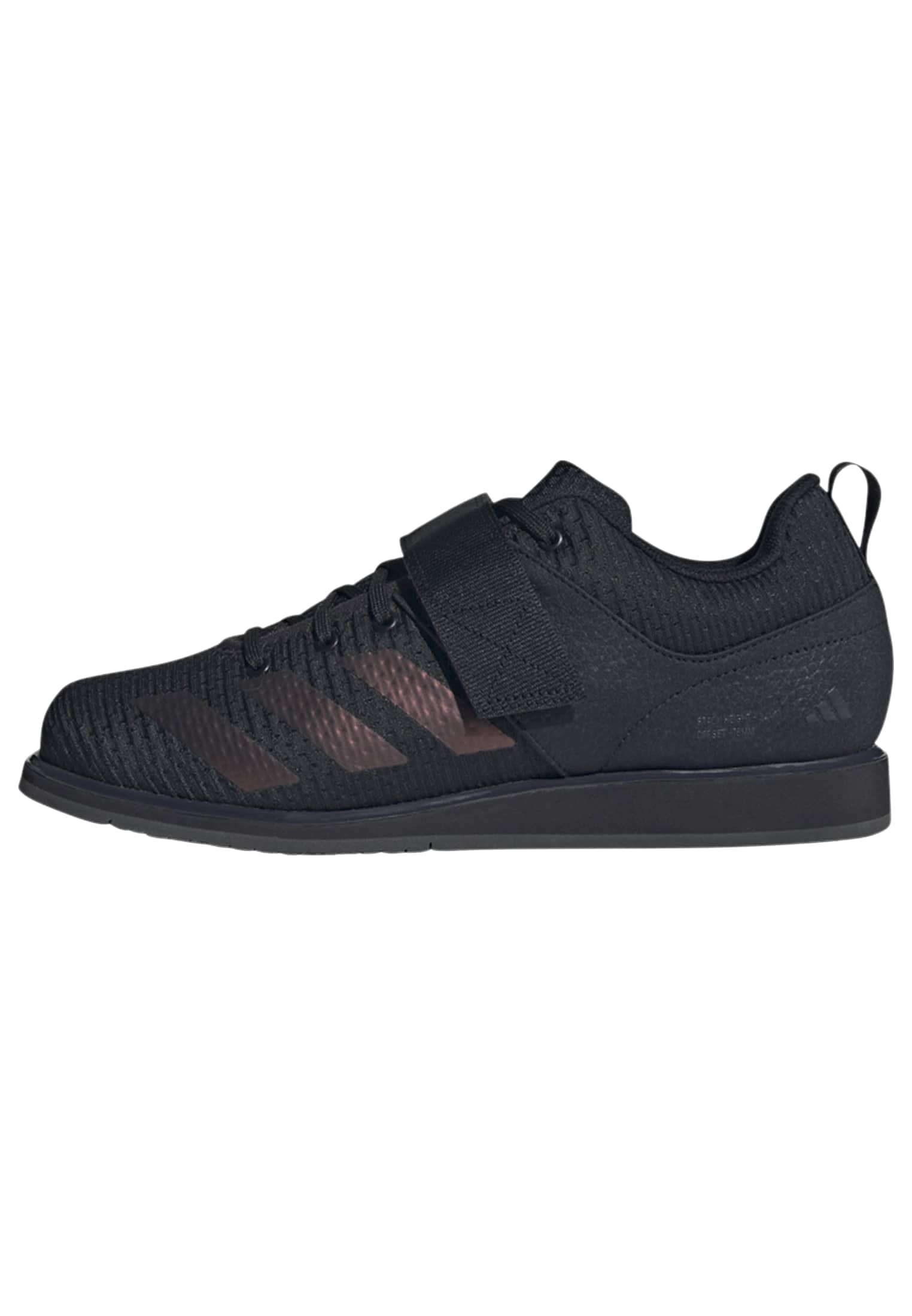
Note: The adidas Powerlift 5 is not a barefoot shoe—it features a raised heel designed for Olympic weightlifting. It earns a place on this list because it is often cross-shopped by beginners looking for a stability shoe for strength training. The raised heel (approximately 15mm drop) places the ankles in a more dorsiflexed position, which can help lifters achieve greater squat depth if they lack ankle mobility.
User reviews are overwhelmingly positive for its intended purpose: it dramatically improves squat alignment and quad/glute activation compared to running shoes. The heel stability is noticeable, and some users report that knee and shoulder pain disappeared after switching. The shoe is also affordable for an entry-level lifting shoe, making it a low-risk way to test a more stable platform.
The critical downside for barefoot advocates is the narrow toe box, which is not foot-shaped and will compress the toes. This shoe is not appropriate for those seeking natural foot splay or minimalist ground feel. If your primary goal is improving squat mechanics on a budget, this works, but it does not belong in a barefoot training rotation for those prioritizing foot health.
Why it’s great
- Raised heel significantly improves squat depth and posture for beginners
- Very affordable entry point for testing a dedicated lifting shoe
- Noticeable stability boost that can alleviate knee and shoulder pain
Good to know
- Not a barefoot shoe — narrow toe box restricts natural toe splay
- Raised heel alters squat mechanics differently than zero-drop
- Runs narrow in the forefoot; not suitable for wide feet
FAQ
Can I lift heavy in barefoot shoes without injuring my feet?
How does zero-drop differ from a raised heel for squatting?
Will barefoot shoes help with knee pain during squats?
Final Thoughts: The Verdict
For most users, the best barefoot shoes for strength training winner is the Vivobarefoot Motus Strength because its 4mm sole, zero-drop geometry, and wide toe box provide the purest lifting platform without compromising flexibility for dynamic work. If you want a more versatile daily trainer that still offers strong ground feel, grab the Xero Shoes 360. And for the budget-conscious lifter looking to improve squat mechanics, nothing beats the adidas Powerlift 5, despite its non-barefoot design.