
The first mile feels fine. It’s the third mile where doubt creeps in—when your form breaks down, the pavement feels harder, and each footstrike sends a jolt through your knees. The right pair of race-ready footwear doesn’t just cushion that landing; it actively returns energy, guiding your foot through a smoother transition and keeping turnover high when your legs want to quit. Whether you’re chasing a sub-20-minute goal or just aiming to finish without walking, the selection of your next pair of speed-oriented trainers is a direct input on your time.
I’m Min — the co-founder and writer behind Gadgets Feed. I’ve spent countless hours analyzing the midsole compounds, plate geometries, and outsole rubber placement that separate a shoe built for a personal record from one that feels dead by the 5K mark, poring over runner feedback to identify which models deliver on their promised bounce and which fall flat.
This guide distills that research into a tight, actionable list of the best options for the distance. If you’ve been hunting for a reliable recommendation for 5k shoes that balance weight, responsiveness, and fit for your next race day or fast training session, you’ve landed in the right place.
How To Choose The Best 5K Shoes
A 5K is a unique distance: too short for heavy, max-cushion trainers to feel efficient, but long enough that a heavy, minimalist flat will wreck your calves. The ideal shoe delivers a propulsive ride without sacrificing the moderation needed to hold fast turnover for fifteen to twenty-five minutes. Focus on three core areas when evaluating your options.
Midsole Foam and Energy Return
The foam formulation determines how much of your kinetic energy is recycled into forward propulsion. Modern supercritical foams—like Pebax-based compounds (PWRRUN PB, FF BLAST TURBO) or nitrogen-infused TPU—offer density-to-rebound ratios that traditional EVA simply cannot match. For a 5K, a springy, responsive midsole helps maintain leg speed when fatigue sets in around the two-mile mark. Avoid overly soft foams that compress too much under load; you want snap, not sink.
Propulsion Plate: Nylon vs. Carbon
Plates stiffen the forefoot and create a lever effect that reduces energy loss at toe-off. Nylon plates (found in many tempo trainers) offer a forgiving, flexible ride suitable for daily speed work and shorter races. Carbon plates are stiffer and more aggressive, delivering maximum energy return at higher paces—ideal for serious PR attempts. For a first-time racer, a nylon plate offers a gentler introduction; for the competitive runner, a carbon plate can shave seconds with less perceived effort.
Weight and Fit Considerations
Every ounce matters when you’re turning over at 180 steps per minute. A 5K shoe should be noticeably lighter than your daily trainer—typically under 8.5 ounces (men’s size 9). However, weight savings cannot come at the cost of a locked-in heel and a secure midfoot. A poor fit forces micro-adjustments with each stride, costing efficiency. Look for streamlined uppers with minimal overlays and a heel counter that grips without pressure. Note that many performance shoes run narrow; check sizing feedback and consider going up half a size if you have wider feet.
Quick Comparison
On smaller screens, swipe sideways to see the full table.
| Model | Category | Best For | Key Spec | Amazon |
|---|---|---|---|---|
| Brooks Hyperion Max 2 | Premium | Returning runners seeking a springy feel | Nitrogen-infused DNA FLASH v2 foam | Amazon |
| New Balance FuelCell Rebel V5 | Premium | Medium-distance daily speed training | FuelCell foam + PEBA plate blend | Amazon |
| ASICS SUPERBLAST 2 | Premium | Do-it-all training from slow to race pace | FF BLAST TURBO midsole | Amazon |
| Saucony Endorphin PRO 4 | Premium | Race day and interval work | Carbon plate + PWRRUN HG foam | Amazon |
| Hoka Mach 6 | Mid-Range | Runners wanting a natural rocker feel | Supercritical EVA (SCF) foam at 37mm stack | Amazon |
| Saucony Endorphin Speed 4 | Mid-Range | Speed work and Hyrox training | PWRRUN PB + nylon plate | Amazon |
| New Balance FuelCell Propel V5 | Mid-Range | Soft daily miles with a bouncy TPU plate | FuelCell foam + TPU propulsive plate | Amazon |
| Under Armour Infinite 6 | Budget-Friendly | Plush cushioning for heavier runners | HOVR foam midsole, high stack | Amazon |
| Brooks Revel 8 | Budget-Friendly | Everyday walking and light jogging | BioMoGo DNA midsole cushioning | Amazon |
In‑Depth Reviews
1. Brooks Women’s Hyperion Max 2
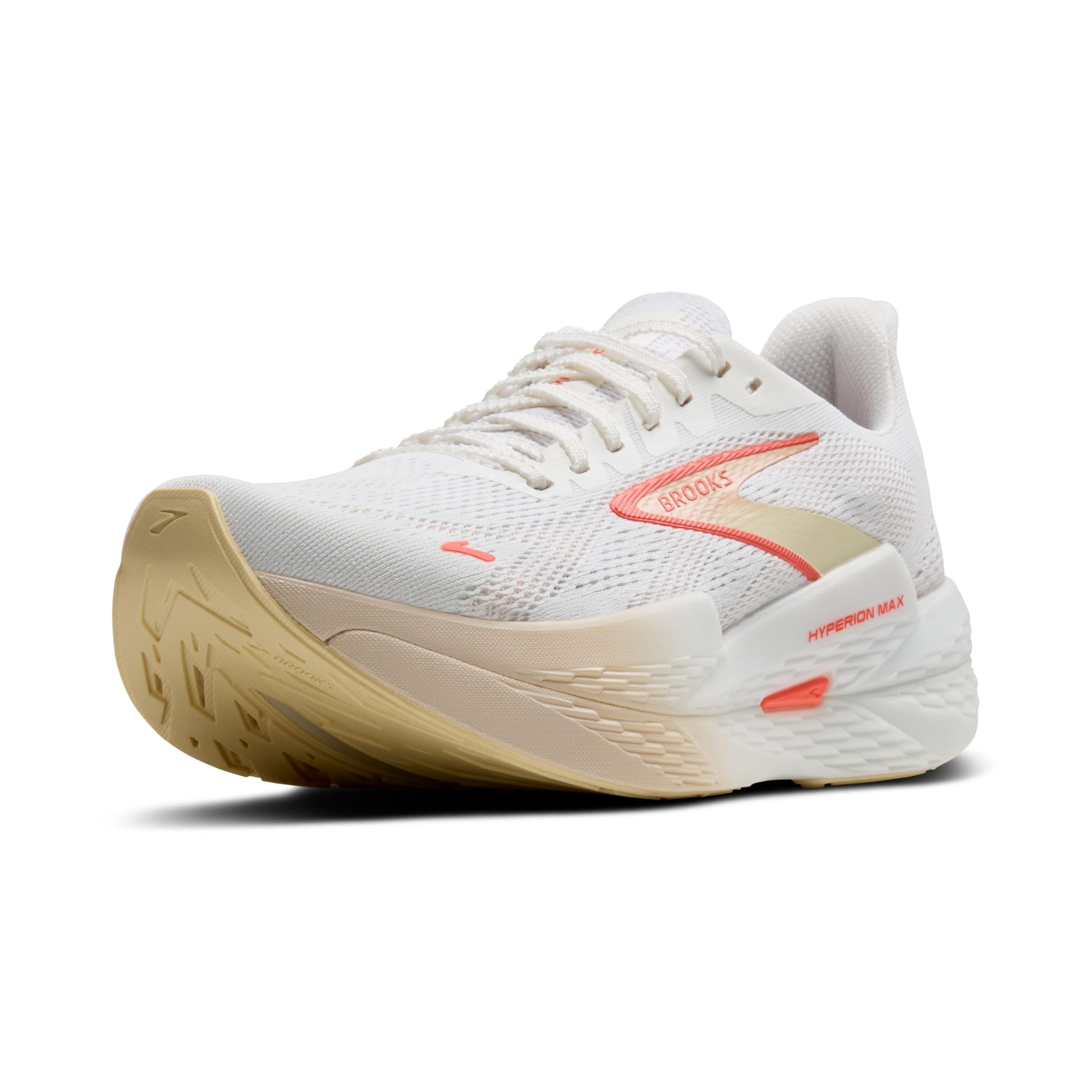
The Hyperion Max 2 occupies a sweet spot that is rare in the performance training segment: it delivers the kind of springy, responsive ride that makes every stride feel efficient without demanding a race-day mindset for daily miles. Brooks achieves this through nitrogen-infused DNA FLASH v2 foam, which offers a higher energy return than the standard BioMoGo DNA used in the Revel line. The result is a shoe that one reviewer described as having a “spring forward feeling,” making long walks feel easy and returning runners feel fast again after a hiatus.
At roughly 7.9 ounces in a women’s size 8, this is a lightweight option that doesn’t sacrifice structure. The forefoot is roomy enough for natural toe splay during push-off, and the heel counter locks down securely without pressure points. Multiple reviewers noted that the shoe provides excellent shock absorption for those with ankle sensitivity, with one runner recording their fastest mile in a decade after switching to this model. The outsole features a lightweight rubber placement that balances grip with weight reduction.
The one consistent callout across feedback is sizing: most reviewers recommend going up half a size from your usual Brooks daily trainer size. The streamlined upper runs slightly short, and ordering a half-size up ensures your toes have the necessary clearance during downhill sections or longer efforts. For someone looking for a single shoe that bridges fast training and casual running, this is an outstanding choice.
Why it’s great
- Nitrogen-infused foam provides exceptional energy return without being mushy
- Lightweight build (sub-8oz) ideal for 5K turnover
- Roomy toe box allows natural foot splay during push-off
- Excellent shock absorption for runners with ankle or joint concerns
Good to know
- Runs about half a size short; order up for proper toe clearance
- Not the most durable outsole for high-mileage training plans
2. New Balance FuelCell Rebel V5
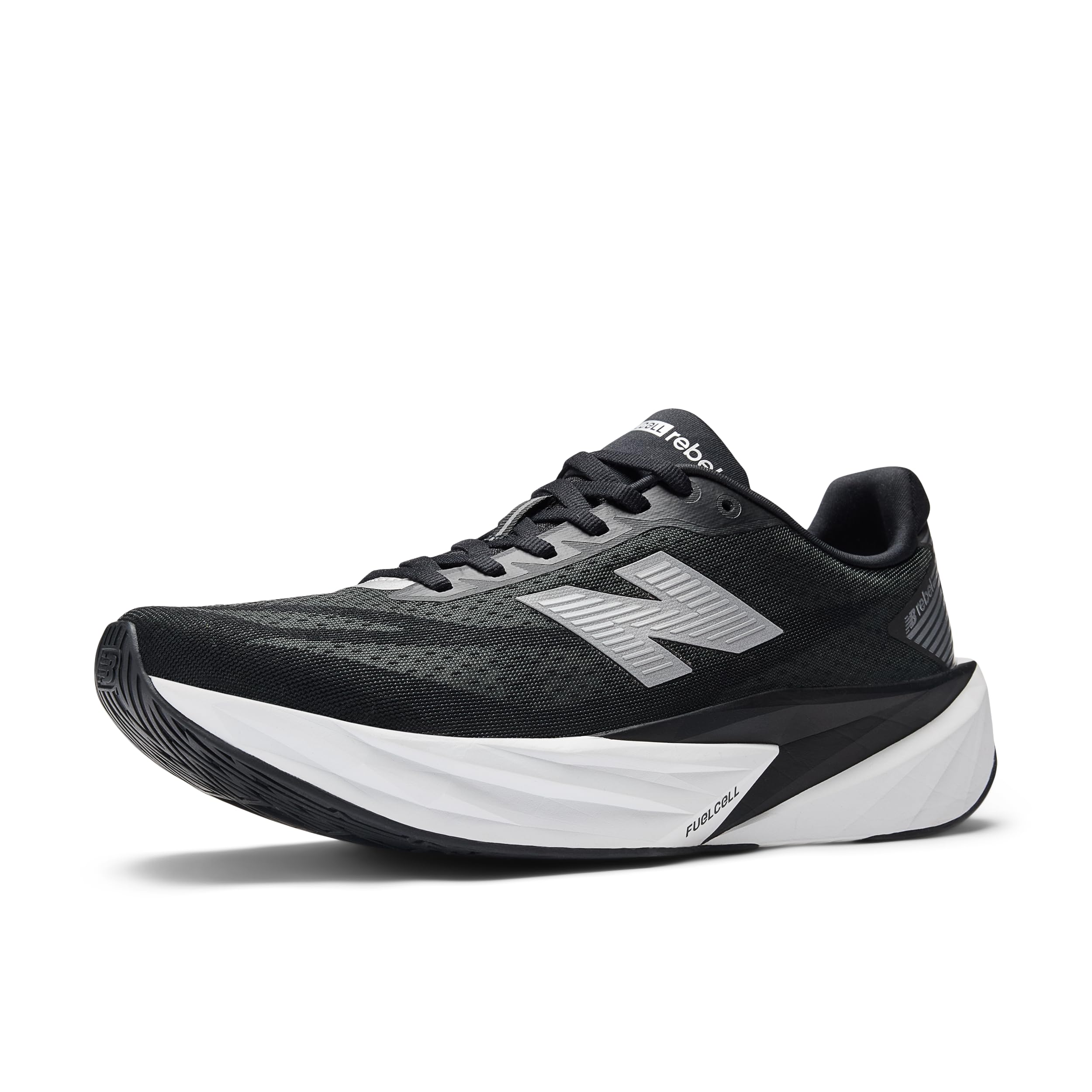
The FuelCell Rebel V5 is New Balance’s answer to the runner who wants a responsive daily trainer that can handle everything from easy recovery jogs to hard 5K intervals without feeling like two different shoes. The fifth iteration refines the midsole geometry with a higher stack of FuelCell foam—a nitrogen-infused blend—combined with a PEBA-based propulsive plate that adds structure and a slight forefoot stiffness. Reviewers consistently note that the shoe is “fast, light, and responsive,” with one describing it as the best daily runner New Balance has produced.
The upper has been updated with a more breathable mesh that accommodates a wide range of foot shapes. Several reviewers with wider feet appreciated the availability of a wide option, and those with orthotics reported that the insole is easily replaceable without compromising fit. The 6mm heel-to-toe drop is moderate and suits the midfoot striker well. A recurring observation is that the laces and tongue require a short break-in period to settle, but after that, the fit is secure and comfortable.
One area where the Rebel V5 shows its character is at paces faster than marathon effort: the PEBA plate provides a noticeable pop at toe-off that shaves seconds off perceived effort. However, the outsole durability is a mild concern—some reviewers noted wear appearing by 75-100 miles, though the foam and plate remained effective past 150 miles. For the runner who wants one shoe that can do it all at a price below the top-tier super-shoe bracket, this is a compelling package.
Why it’s great
- Versatile enough for easy runs, tempo sessions, and 5K efforts
- PEBA plate adds responsive snap without making the ride harsh
- Available in wide sizing for broader feet
- Breathable, lightweight upper with a comfortable fit after break-in
Good to know
- Outsole rubber wears faster than some competitors (visible wear by 75-100 miles)
- Laces and tongue feel snug initially; expect a short break-in period
3. ASICS SUPERBLAST 2
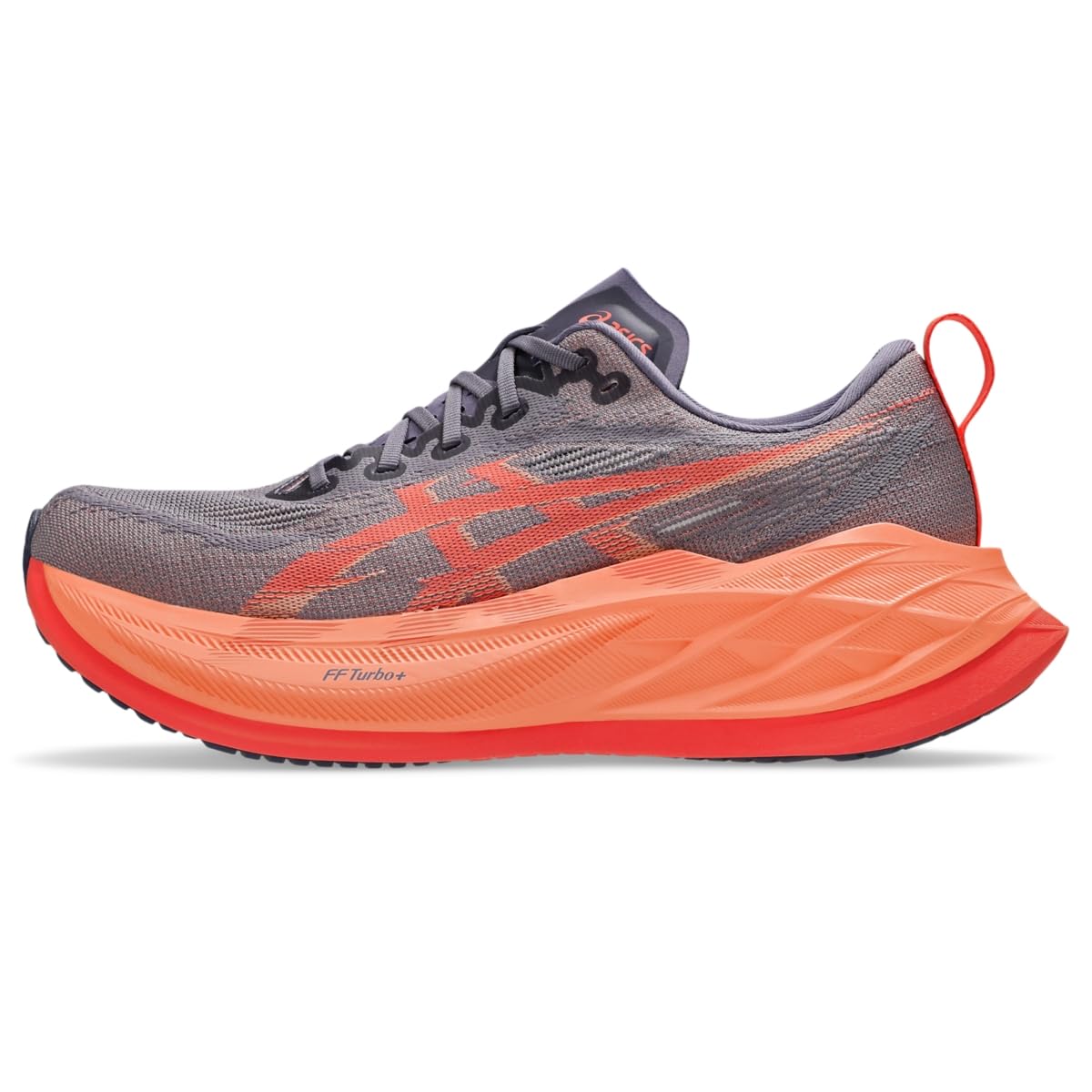
The SUPERBLAST 2 has earned a near-cult following among runners who want a super-critical foam experience without the instability of a carbon-plated racer. ASICS uses FF BLAST TURBO—a lightweight, highly resilient foam that sits between the softness of a traditional trainer and the firmness of a race shoe. The result is a ride that reviewers describe as “the Swiss Army Knife of a shoe,” equally capable of handling slow recovery jogs and fast 5K repetitions. One heavier runner (around 200 pounds) noted that the midsole provided better joint protection than any Hoka or Brooks model they had tried.
The shoe features a high stack height (approximately 45mm in the heel) that delivers plush landings, but the foam’s springy character prevents it from feeling sluggish. The upper is a structured engineered mesh that holds the foot securely without causing hotspots, and the heel counter is gently padded to prevent slippage. Several reviewers with slightly wider feet recommended going up half a size, as the toe box is moderate in volume. The outsole uses ASICS’s AHAR+ rubber, providing excellent durability even on abrasive roads.
Where the SUPERBLAST 2 truly shines is its ability to transition between paces. The foam is soft enough to absorb shock during easy miles but recovers fast enough to deliver a snappy toe-off when you pick up the pace. This duality makes it an exceptional choice for the runner who values versatility over specialization. The weight (just over 9 ounces) is slightly higher than the lightest racers, but the midsole performance is so good that most reviewers happily accept the trade-off. It is the single best all-around shoe on this list.
Why it’s great
- FF BLAST TURBO foam delivers a unique blend of soft landing and springy takeoff
- Excellent stability for a high-stack shoe; suitable for wider feet
- Durable AHAR+ outsole holds up well over hundreds of miles
- Versatile across all paces from recovery to 5K race effort
Good to know
- Slightly heavier than dedicated 5K racers (9.2 oz)
- Narrower runners may find the toe box too voluminous without adjusting
4. Saucony Endorphin PRO 4
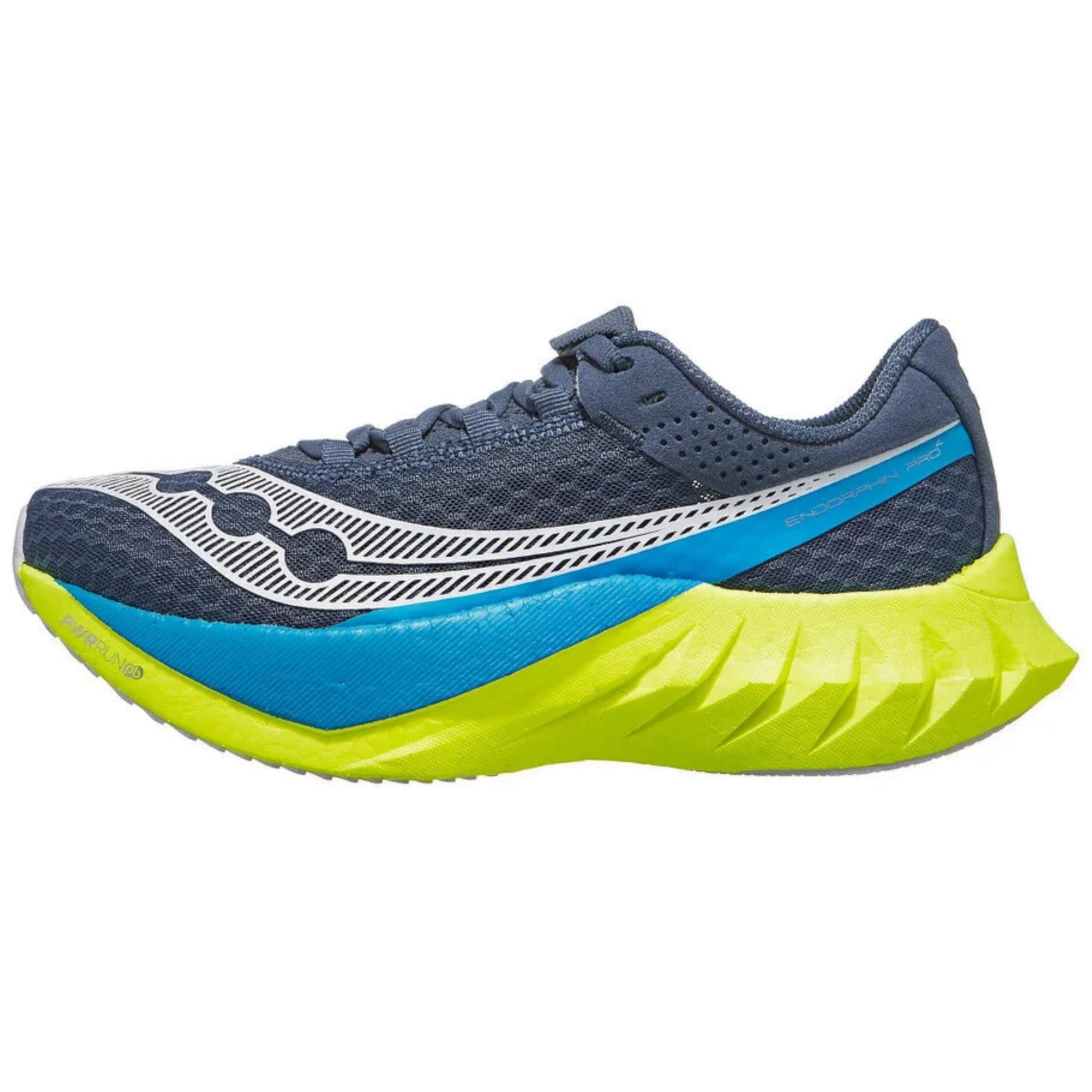
The Endorphin PRO 4 is a refined weapon for the runner whose sole focus is a faster time. It pairs a full-length carbon plate with Saucony’s PWRRUN HG foam—a Pebax-based compound that is both lighter and more resilient than the PWRRUN PB used in the Speed line. The combination creates a ride that feels instantly propulsive: reviewers note that there is no break-in period required and that the shoe encourages a quicker turnover by guiding the foot through a smooth, rocking transition. One runner shaved over six minutes off their marathon time while reporting less leg fatigue than with previous race shoes.
The upper features a sleek, sock-like entry with a lightweight mesh that breathes exceptionally well, making it a strong option for warm-weather race days. However, the same streamlined construction means the footbed runs narrow—several reviewers with wider feet advised sizing up half a size. The heel lock is secure, with minimal slippage reported even during aggressive cornering on a hilly 5K course. The outsole uses a thin layer of rubber with strategic placement to save weight while maintaining grip where it matters most.
This is not a daily trainer. The carbon plate and stiff forefoot make it uncomfortable for easy recovery miles and less forgiving on tired legs. But for the specific job of racing a 5K, 10K, or half marathon, the Endorphin PRO 4 delivers one of the highest energy returns available. The trade-off is that the narrow fit may exclude some runners; be prepared to test sizing carefully. If you have a narrow-to-medium foot and a PR to chase, this is the most efficient tool on the list for the job.
Why it’s great
- Full carbon plate combined with Pebax foam delivers elite-level propulsion
- Ultra-lightweight build (under 8 oz) reduces fatigue at high turnover
- No break-in period required; ready for race day out of the box
- Excellent ventilation for hot conditions
Good to know
- Narrow footbed excludes runners with wider feet unless sizing up
- Not suitable for daily training; best reserved for race day and key workouts
5. Hoka Mach 6
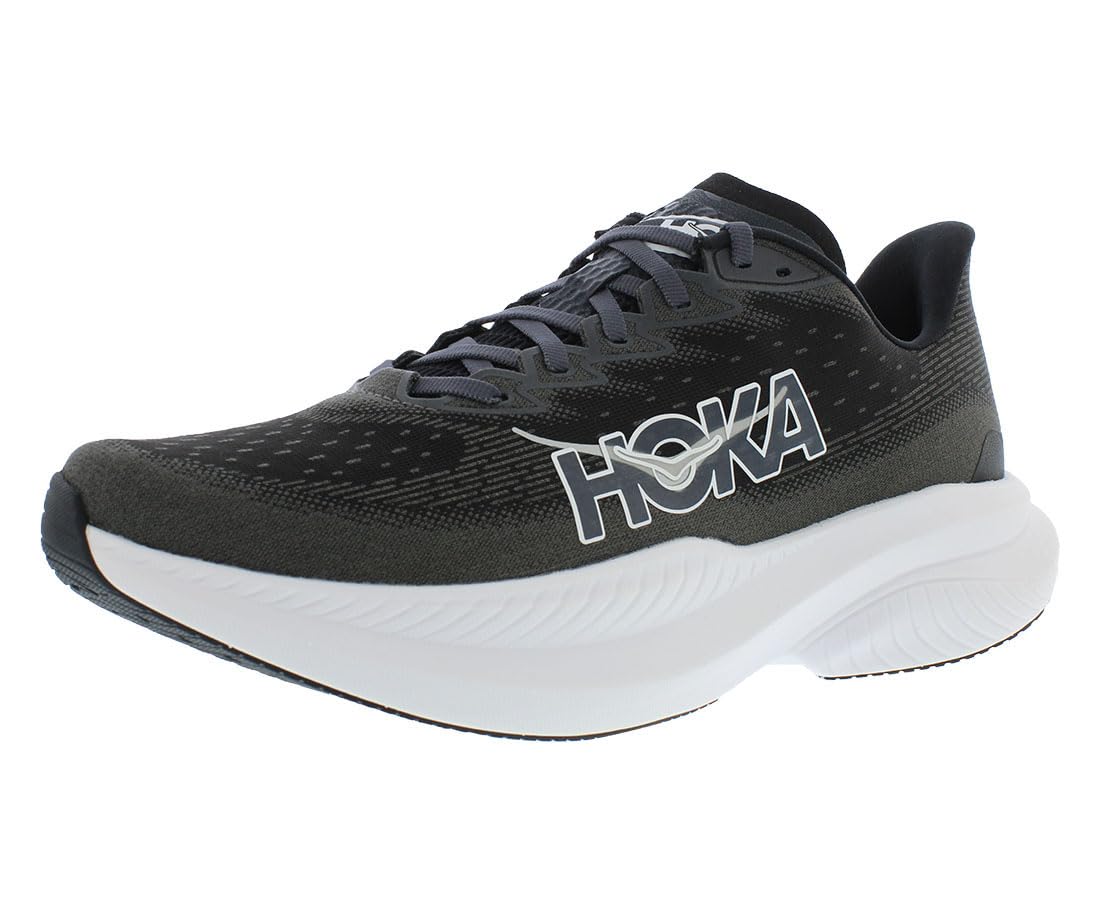
Hoka’s Mach 6 strips away the brand’s signature maximalist bulk while preserving the smooth rocker geometry that has made the brand a favorite among runners seeking natural gait efficiency. The midsole uses a supercritical EVA (SCF) foam that delivers a responsive, forgiving ride without the heavy weight of earlier Hoka offerings. Reviewers consistently use the phrase “like walking on clouds” but also note that the shoe feels light and natural—one runner who typically battles knee pain post-5K reported zero discomfort after switching to the Mach 6.
The rocker profile is pronounced enough to assist with forward momentum but subtle enough not to feel mechanical. The upper is a lightweight, breathable mesh with a gusseted tongue that stays in place without digging in. The heel counter is padded but flexible, and reviewers note that the heel stays securely locked even during faster efforts. The fit is true to size for most foot shapes, with a medium-width toe box that does not feel cramped.
One minor shortfall is that the outsole rubber is quite thin, prioritizing weight savings over long-term durability. Reviewers who use the Mach 6 primarily for stationary standing or walking report excellent comfort, but those logging high weekly mileage may see wear at the forefoot within 150-200 miles. For the 5K runner who values a smooth, natural feel over a stiff, aggressive plate, the Mach 6 is a joy to wear and a strong performer at the distance.
Why it’s great
- Subtle rocker geometry encourages smooth, efficient gait
- Supercritical EVA foam provides plush cushioning without excess weight
- Excellent heel lockdown; no slippage during fast efforts
- Breathable, comfortable upper with no hot spots or rubbing
Good to know
- Outsole rubber layer is thin; durability is a concern for high-mileage runners
- Not as propulsive as carbon-plated options for PR attempts
6. Saucony Endorphin Speed 4
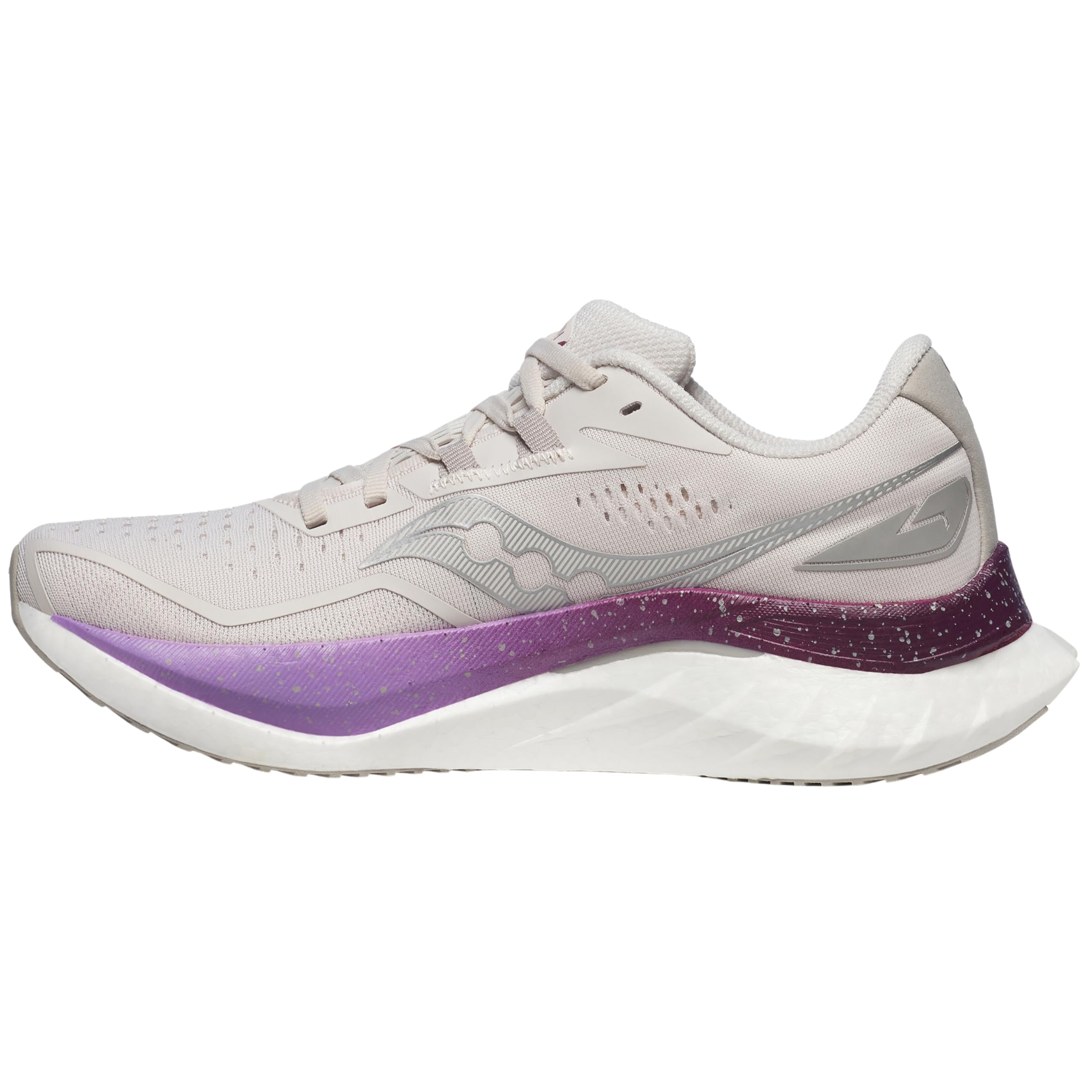
The Endorphin Speed 4 earns its name through a balanced combination of lively foam and a forgiving nylon plate that makes fast paces feel effortless without the aggressive stiffness of a full carbon racer. The PWRRUN PB midsole—a Pebax-based foam—provides a noticeably springy sensation with every stride, while the nylon plate adds torsional rigidity that reduces energy loss during toe-off. One reviewer described the sensation as “cloud-like cushioning with a responsive feel,” perfect for sustained efforts at 5K or 10K pace.
The upper is a lightweight mesh with a semi-integrated tongue that creates a sock-like fit. Reviewers with normal-to-slightly-narrow feet report a locked-in feel with no heel slippage, while those with rigid, flat arches note that the shoe provides excellent support. The outsole uses a durable rubber compound that has held up well even after 1.5 years of training on salted and sandy roads in one reviewer’s experience. The colorways are vibrant, though one reviewer noted the actual color is slightly less saturated than the product photos.
The one area where the Speed 4 differs from the PRO 4 is in the plate material and overall stiffness. The nylon plate is more flexible, making the Speed 4 more comfortable for daily training sessions and interval workouts that include warm-up and cool-down miles. The sloped toe profile encourages forward momentum, and several reviewers commented that the shoe made their runs more enjoyable. For the runner who wants speed-shoe technology in a package that can handle daily miles, this is the optimal pick.
Why it’s great
- PWRRUN PB foam delivers elite-level energy return in a daily-driver package
- Nylon plate adds stability and efficiency without feeling harsh
- Durable outsole holds up well on varied terrain
- Excellent fit for normal to slightly narrow feet
Good to know
- Not ideal for wide feet due to narrow footbed design
- Some buyers find the highlighted color less saturated than online photos
7. New Balance FuelCell Propel V5
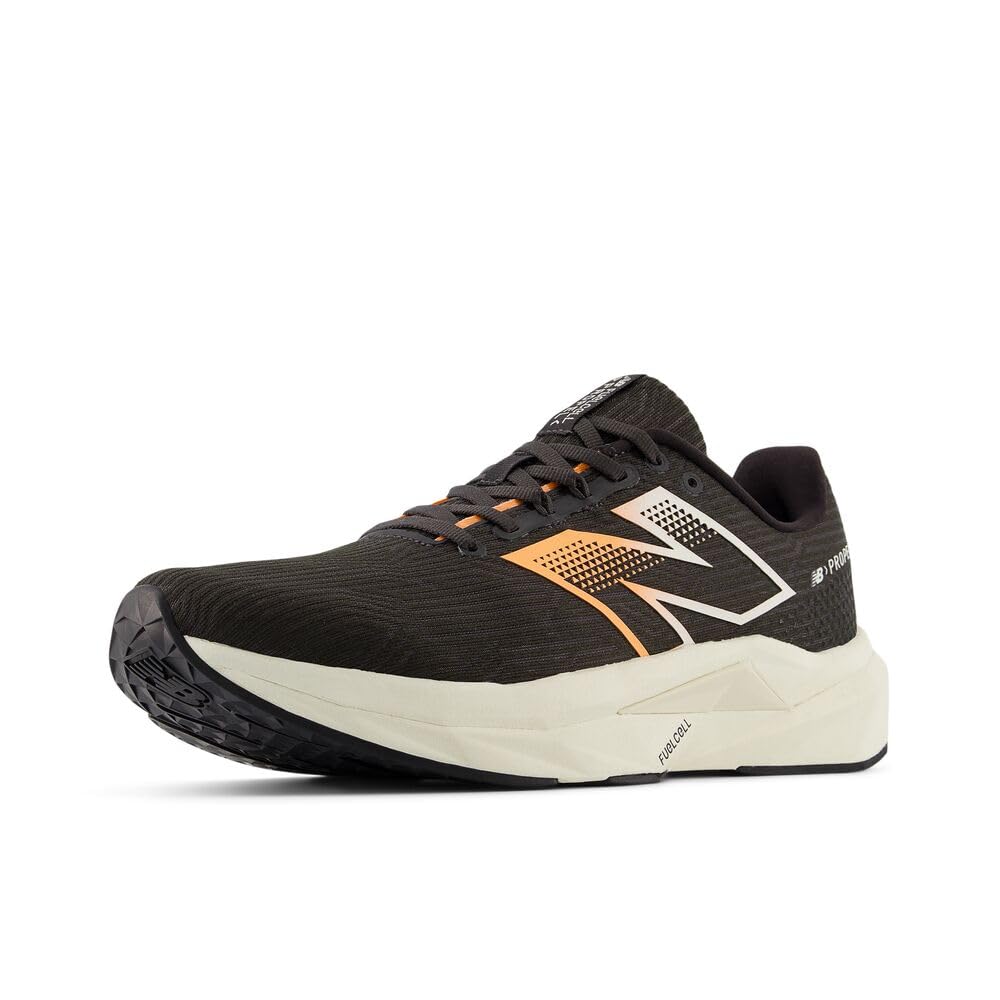
The FuelCell Propel V5 is New Balance’s more accessible counterpart to the Rebel line, offering a softer, more forgiving ride that prioritizes comfort for daily miles. The midsole uses FuelCell foam—the same nitrogen-infused compound—but with a slightly less aggressive durometer that feels plush underfoot. A TPU propulsive plate has been added to the forefoot to provide a hint of bounce and prevent the foam from feeling dead at faster paces. Reviewers describe them as “very soft and comfortable,” ideal for walking and easy jogging.
Fit is where the Propel V5 requires attention. Multiple reviewers report that the shoe runs short and slightly narrow, with several recommending going up half a size—especially if you have wider feet. The V5 iteration has widened the forefoot compared to the previous V4, improving the fit for those who found earlier versions too tight. The upper is a structured mesh with decent ventilation, and the heel counter is padded but not overly thick. The 6mm heel-to-toe drop is moderate and works well for midfoot strikers.
The TPU plate adds a noticeable bounce that elevates the Propel V5 above a standard neutral trainer, but it is not as snappy as the PEBA plate in the Rebel V5. The weight (around 9.5 ounces) makes it less suited for race day, but for daily training where protection and comfort matter more than absolute speed, it is a solid choice. The outsole rubber coverage is generous, suggesting above-average durability for the price point. It is the entry point to New Balance’s performance foam experience.
Why it’s great
- Plush, soft FuelCell foam ideal for easy days and walking
- TPU plate adds a touch of bounce without making the ride stiff
- Wider forefoot in V5 improves fit compared to earlier versions
- Generous outsole coverage suggests good durability
Good to know
- Runs short and narrow; size up half for proper fit
- Heavier than dedicated 5K racers (9.5 oz)
8. Under Armour Infinite 6
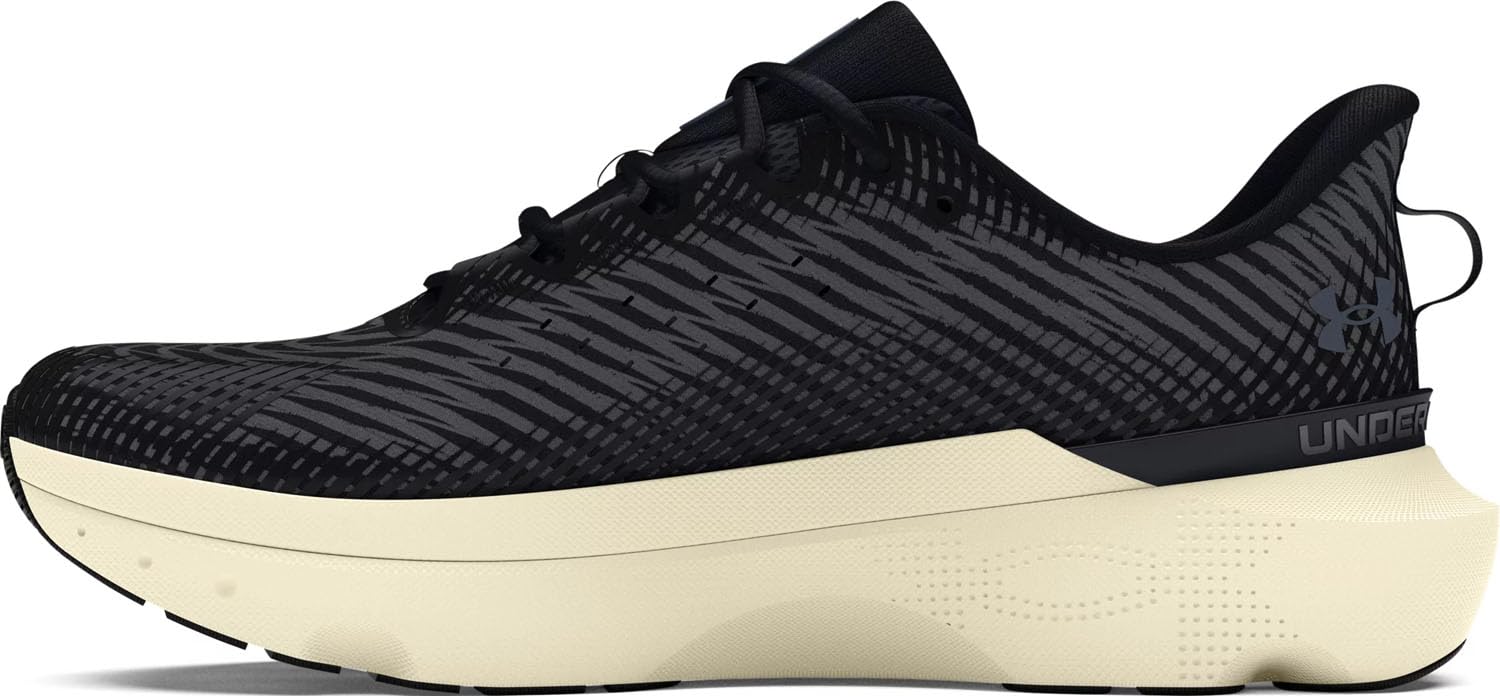
The Under Armour Infinite 6 is a high-stack, plush-cushioned shoe built for the runner who prioritizes comfort and support over raw speed. The midsole uses UA’s HOVR foam, which delivers a soft, energy-returning ride that reviewers describe as “very good support and cushion.” An 80-year-old reviewer noted that the shoe provided the support they needed for walking and light jogging, highlighting its accessibility for runners of all ages and abilities. The high stack height and generous foam volume make it a strong option for heavier runners; a reviewer weighing 250 pounds reported exceptional comfort.
The upper is constructed from a breathable knit material with a padded heel collar and a secure lace system. Reviewers report that the fit is true to size, with no notable rubbing or pressure points. The outsole features a durable rubber compound with a traction pattern suitable for road and packed gravel surfaces. At just over 10 ounces, this is not a shoe you choose for a 5K personal best, but for a plush, protective ride that can handle daily training and recovery days, it is a reliable workhorse.
The Achilles’ heel of the Infinite 6 is its weight. At 10.4 ounces, it is nearly three ounces heavier than a dedicated racer like the Endorphin PRO 4, and that extra mass is noticeable when trying to maintain a high cadence. Additionally, the thick midsole lacks the refined ground feel and energy return of the supercritical foams used in premium options. It is best suited for easy miles, walking, or as a recovery shoe between hard workout days rather than as a primary 5K training tool.
Why it’s great
- Plush HOVR foam provides excellent impact protection and support
- High stack height benefits heavier runners needing joint protection
- True-to-size fit with a comfortable, breathable upper
- Durable outsole suitable for road and light trail use
Good to know
- Heavy (10.4 oz) and not designed for fast 5K efforts
- Midsole lacks the energy return of supercritical or Pebax foams
9. Brooks Revel 8
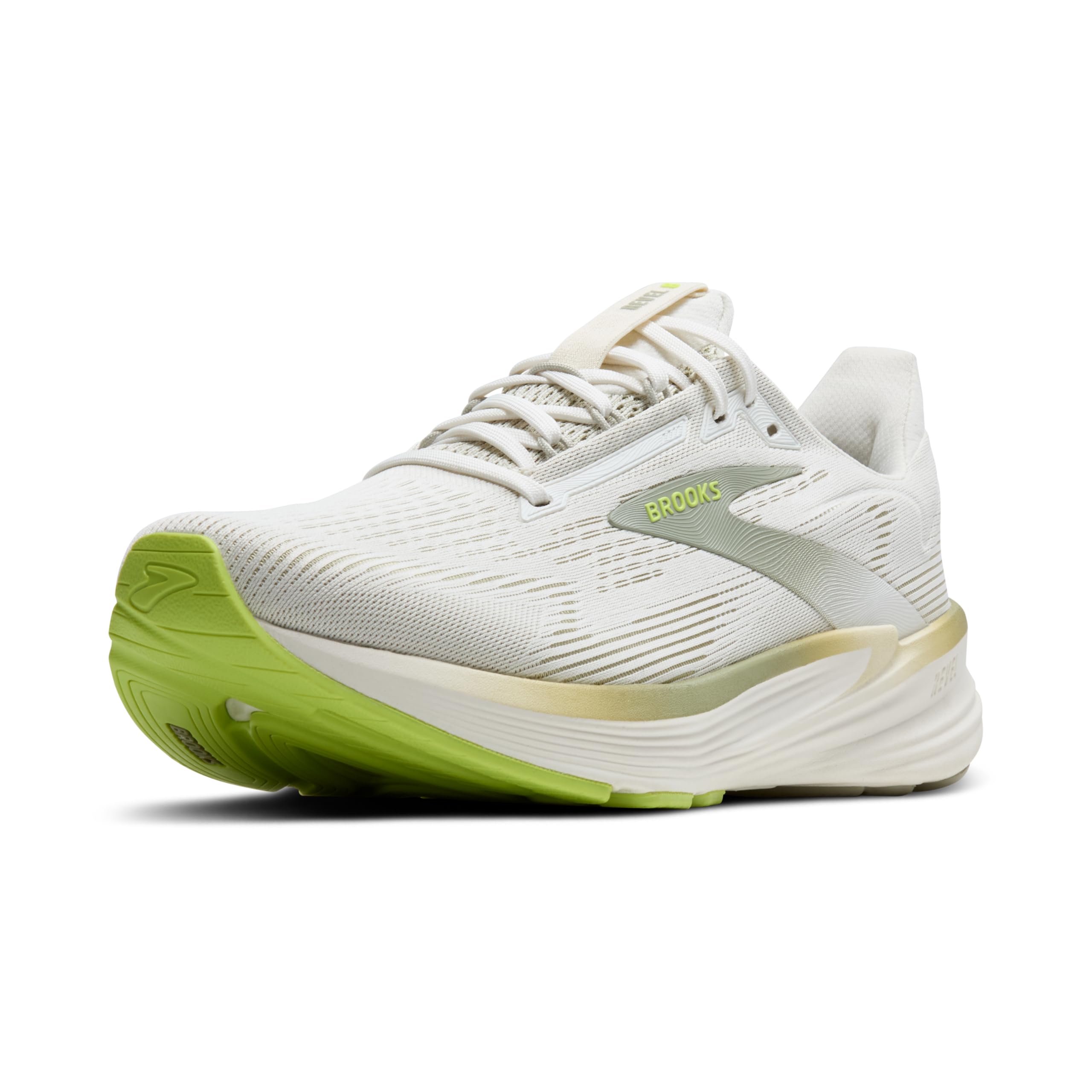
The Brooks Revel 8 is the most accessible entry point into the Brooks running shoe ecosystem, offering a balanced ride that works well for walking and light jogging. The midsole uses BioMoGo DNA, a traditional EVA-based formulation that provides consistent, reliable cushioning without any of the aggressive snap found in supercritical foams. Reviewers consistently note that the shoe is “very comfortable” and “light on the feet,” with one soccer referee reporting over 274 miles of use in 2025 with no foot pain after switching from trail runners.
The upper is a circular knit material that stretches slightly to accommodate the foot, with a padded collar and a secure heel counter. One important sizing consideration received broad agreement: the Revel 8 runs small. Multiple reviewers recommend ordering a full size larger than your usual size in brands like Merrell or New Balance. Those who followed this advice reported a spot-on fit. The outsole uses a durable rubber compound that shows good longevity, and the shoe is available in a wide range of colors for both men and women.
This is not a shoe engineered for 5K performance. The BioMoGo DNA foam is comfortable but lacks the energy return and lightweight feel of modern race-oriented compounds. At 9 ounces, it is not heavy, but it also does not actively contribute to a faster time. Its value lies in its versatility as a daily walker, gym shoe, or recovery jogger. For the runner on a strict budget who needs a reliable shoe for general activity and introductory running, the Revel 8 is a solid, no-fuss option.
Why it’s great
- Affordable entry point with reliable Brooks quality and comfort
- Versatile for walking, gym, and light jogging
- Durable outsole and upper construction for extended use
- Wide range of color options
Good to know
- Runs a full size small; order up significantly for proper fit
- Traditional EVA foam lacks the energy return expected for 5K racing
FAQ
Do I need a carbon plate shoe for a 5K?
How much stack height is ideal for 5K training?
Can I use a 5K race shoe for daily training?
What is the difference between a 6mm and 10mm heel-to-toe drop?
Final Thoughts: The Verdict
For most users, the best 5k shoes winner is the Brooks Hyperion Max 2 because it strikes an exceptional balance of weight, responsiveness, and daily usability without requiring a race-day mindset. If you want a versatile, do-it-all trainer that can handle everything from recovery to tempo work, grab the ASICS SUPERBLAST 2. And for the dedicated racer chasing a personal best, nothing beats the Saucony Endorphin PRO 4 for pure, aggressive propulsion over 5 kilometers.