
Urethane finishes demand a brush that can handle the thick, fast-drying viscosity without leaving behind bubbles, streaks, or a gritty finish. A standard paintbrush loaded with cheap nylon filaments will often soften too much in urethane’s solvent chemistry, leading to saggy bristles that fail to lay down the coating in a smooth, even layer.
I’m Min — the co-founder and writer behind Gadgets Feed. I’ve spent countless hours analyzing filament taper rates, ferrule construction, and solvent compatibility data to separate the brushes that truly perform with urethane from those that just look the part.
To find which brush delivers the most precise application with minimal waste, I compared bristle density, flagging quality, and handle ergonomics across seven top contenders to determine the absolute best brush for urethane.
How To Choose The Best Brush For Urethane
Choosing a brush for urethane is different from picking one for latex. The solvent chemistry can degrade poor-quality filaments, while the finish’s self-leveling nature punishes stiff or uneven bristles. Here are the three factors that separate a smooth finish from a frustrating redo.
Filament Material and Solvent Resistance
Urethane contains strong solvents that can swell or soften nylon filaments over time. A high-quality brush for this task uses either a blended nylon-polyester filament or a premium synthetic like DuPont Chinex that resists chemical attack. The wrong filament will turn limp within minutes, making it impossible to maintain a crisp edge.
Flagged Tips and Paint Release
Flagged tips — split ends on the filament — create more surface area that holds paint and releases it gradually. With urethane’s thicker consistency, a brush with well-flagged bristles loads more coating and lets you cover longer stretches without reloading. Poorly flagged tips dump the load unevenly, producing visible streaks.
Ferrule and Bristle Density
A stainless steel or brass-plated ferrule resists rust when cleaning with mineral spirits. The density of the filament pack inside the ferrule, measured by the number of filaments per square inch, determines how much urethane the brush carries and how uniformly it lays down that coating. A dense pack with a chiseled brush-out shape creates a smoother film with fewer passes.
Quick Comparison
On smaller screens, swipe sideways to see the full table.
| Model | Category | Best For | Key Spec | Amazon |
|---|---|---|---|---|
| Corona 2.5″ Excalibur Chinex | Premium | Pro urethane finish | DuPont Chinex tapered filament | Amazon |
| Purdy Pro-Extra Glide 2.5″ | Premium | Smooth brushing action | Nylon-polyester blend | Amazon |
| Zibra Angled 2.5″ | Mid-Range | Trim and detail work | 95% flagged filament density | Amazon |
| Purdy Nylox Dale 2″ | Mid-Range | Latex primer with urethane | 100% nylon flagged tips | Amazon |
| Proform Picasso Oval 2″ | Mid-Range | Long continuous pulls | Oval ferrule design | Amazon |
| Wooster Shortcut 2″ (3-Pack) | Budget | Multiple small projects | Short handle control | Amazon |
| Wooster Shortcut 2″ (12-Pack) | Budget | Bulk job-site use | Synthetic blend bristles | Amazon |
In‑Depth Reviews
1. Corona 2.5″ Excalibur Chinex Paint Brush

The Corona Excalibur uses 100% DuPont Chinex tapered synthetic filament, a material engineered to resist the swelling action of strong solvents found in urethane. The hand-formed chiseled edge keeps its shape even after repeated passes, and the unfinished hardwood sash handle provides excellent tactile feedback during detailed cuts.
This brush holds significantly more paint than comparably priced options, allowing for longer continuous pulls without a reload seam. The stainless steel ferrule won’t corrode when cleaned with mineral spirits, and the dense filament pack lays down urethane with minimal brush marks.
Experienced finishers will appreciate how easily this brush cuts a sharp line without taping — it’s the closest you can get to a spray finish with a brush. The only trade-off is the higher initial investment, but the build quality and longevity justify it for serious users.
Why it’s great
- Solvent-resistant Chinex filament withstands urethane’s chemistry
- Dense bristle pack holds heavy loads for long pulls
- Stainless ferrule eliminates rust during solvent cleaning
Good to know
- Higher upfront cost than entry-level options
- Unfinished handle requires oiling to prevent drying
2. Purdy 144152725 Pro-Extra Glide Paint Brush, 2-1/2 in.

The Purdy Pro-Extra Glide uses a nylon-polyester filament blend that balances stiffness with a smooth release — critical for urethane, which can drag with overly soft bristles. The flagged tips have been precision-cut to hold a fine cutting edge, and the fluted hardwood handle offers a secure grip even with solvent-damp hands.
At 2.5 inches wide, it covers broad surfaces efficiently but keeps enough control for trim work. The epoxy-set filament resists shedding, and the ferrule is crimped tightly to prevent loosening during aggressive brushing.
This brush is a favorite among pros for its ability to self-level urethane without excessive stroking. It cleans up quickly with lacquer thinner or mineral spirits, and repeated washing doesn’t degrade the bristle stiffness.
Why it’s great
- Filament blend resists swelling from urethane solvents
- Smooth paint lay-down reduces brush strokes
- Epoxy-set bristles prevent shedding
Good to know
- Slightly softer than pure polyester options
- Fluted handle may not suit all palm sizes
3. Zibra Angled Paint Brush for Painting Trim, Walls, and Doors, 2.5-inch

The Zibra Angled brush achieves a 95% flagging ratio on its synthetic filaments, meaning nearly every bristle tip is split to maximize paint pick-up and controlled release. This is especially useful with urethane, where loading the brush evenly is the first step to a streak-free result. The hourglass handle reduces hand cramping during long finishing sessions.
Its 2.5-inch width is generous for covering molding and flat surfaces, and the aluminum insert and threaded nails in the ferrule create a durable bond that prevents the head from separating. The angled tip cuts a clean line on edges without needing to cant the brush awkwardly.
Users report that the brush holds 25% more paint than standard models, which translates to fewer reloads and a more consistent wet edge when applying urethane. It cleans up with soap and water for water-based urethane or mineral spirits for oil-based formulas.
Why it’s great
- 95% flagged tips offer superior paint load
- Hourglass handle reduces fatigue
- Durable aluminum-reinforced ferrule
Good to know
- Slightly less firm than premium blends
- Aluminum ferrule may dent if dropped
4. Purdy 144080220 Nylox Dale Paint Brush, 2 in.
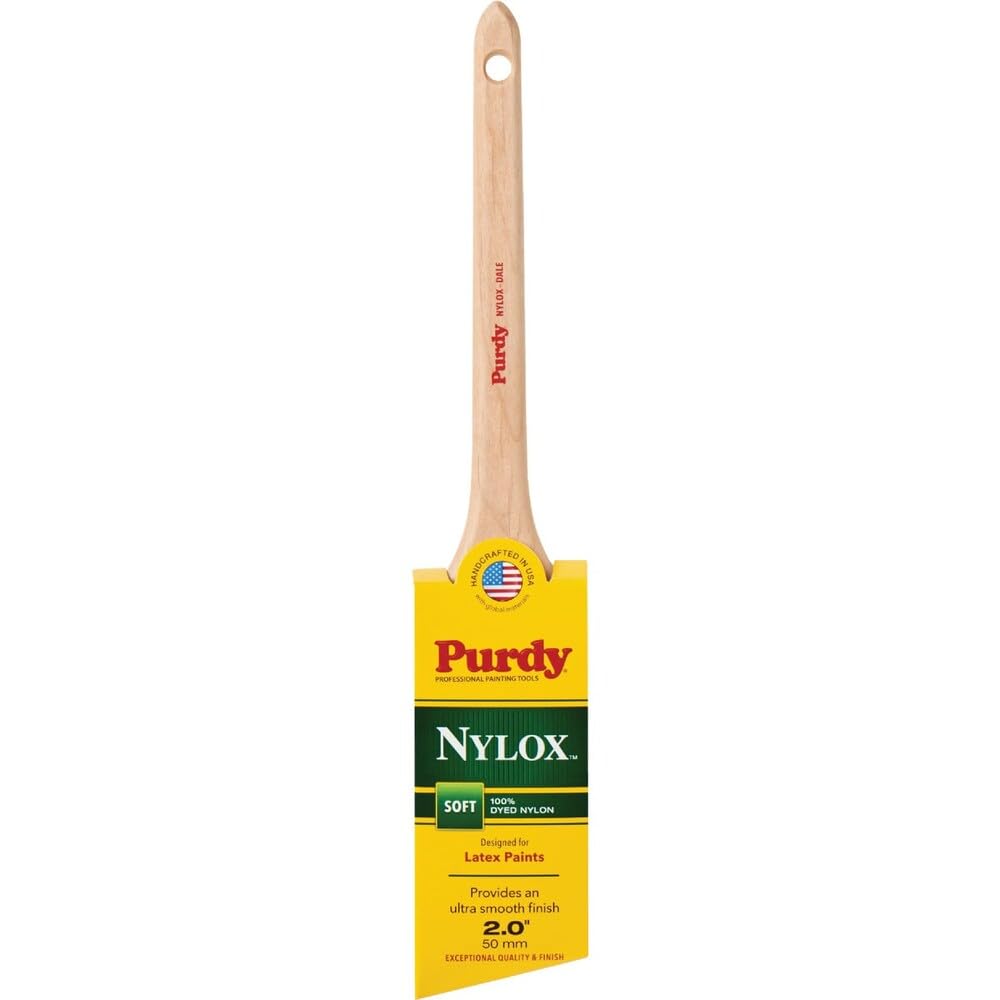
The Purdy Nylox Dale brush is built around 100% nylon filaments with carefully tipped and flagged ends. Nylon alone tends to be soft, which gives this brush a very smooth application profile — ideal for water-based urethane where you want the coating to level without brush texture. The rattail handle offers a balanced grip for precision detail work on cabinets and furniture.
At 2 inches, it’s narrower than the other Purdy option, making it a better fit for trim, window casings, and doors. The flagged bristles hold a surprising amount of paint relative to the width, and the stainless steel ferrule ensures no corrosion during cleaning with urethane-compatible solvents.
This brush excels at the “tipping off” technique used after rolling urethane onto large surfaces, removing stipple marks for a glass-like finish. It does soften more than blended brushes in strong solvents, so for oil-based urethane, a polyester blend is preferred.
Why it’s great
- Ultra-smooth finish with flagged nylon tips
- Excellent for tipping off after roller application
- Stainless ferrule resists solvent damage
Good to know
- Nylon softens more in strong oil-based solvents
- Narrow width slows large-area coverage
5. Proform Technologies PIC1-2.0 2-Inch Picasso Oval Angle Sash Paint Brush

The Proform Picasso uses an oval ferrule design that packs more filaments into a 2-inch width compared to a standard flat brush. This increased density allows the brush to hold a substantial load of urethane, making it ideal for long continuous pulls on baseboards, railings, and paneling where seams between strokes are most visible.
The synthetic flagged bristles are firm enough to cut clean edges without tape, yet flexible enough to avoid leaving deep brush marks. The primary epoxy bonding keeps the filament pack secure even after repeated use, and the slightly slimmer profile helps with maneuverability in tight corners.
Users consistently note that it covers 26-inch sections without needing a dip, which speeds up the process significantly. The handle is lighter than many competitors, reducing wrist fatigue during extended use, though the plastic handle lacks the natural grip of wood.
Why it’s great
- Oval shape packs more bristle density
- Covers long sections without reloading
- Epoxy bond prevents bristle loosening
Good to know
- Plastic handle can feel slippery when wet
- Filament wears faster than premium blends
6. Wooster Brush Q3211-2 Shortcut Angle Sash Paintbrush, 2-Inch, White | Pack of 3

The Wooster Shortcut’s defining feature is its short Shergrip handle, which places your hand closer to the bristles for maximum control during detailed cuts. The synthetic blend bristles are engineered for compatibility with all paints and water-based stains, making them a solid entry point for urethane projects.
This 2-inch angle sash brush is nimble in tight spaces like window frames and cabinet edges, and the pack of three offers good value for tackling multiple rooms. The brass-plated steel ferrule holds up to solvent cleaning without rusting, and the bristles hold their shape after repeated use.
Users praise the smooth application and the rubber handle’s ability to reduce vibration and hand fatigue over long hours. While the bristle pack is less dense than premium options, the combination of comfort and price makes it a reliable choice for budget-conscious finishers.
Why it’s great
- Short handle gives excellent control for detail work
- Comfortable rubber grip reduces fatigue
- Three-pack offers great value for multi-project use
Good to know
- Bristle density is lower than premium brushes
- Not ideal for large flat surfaces
7. Wooster Brush Q3211 2 inch Shortcut Angle Sash Paintbrush, Pack of 12
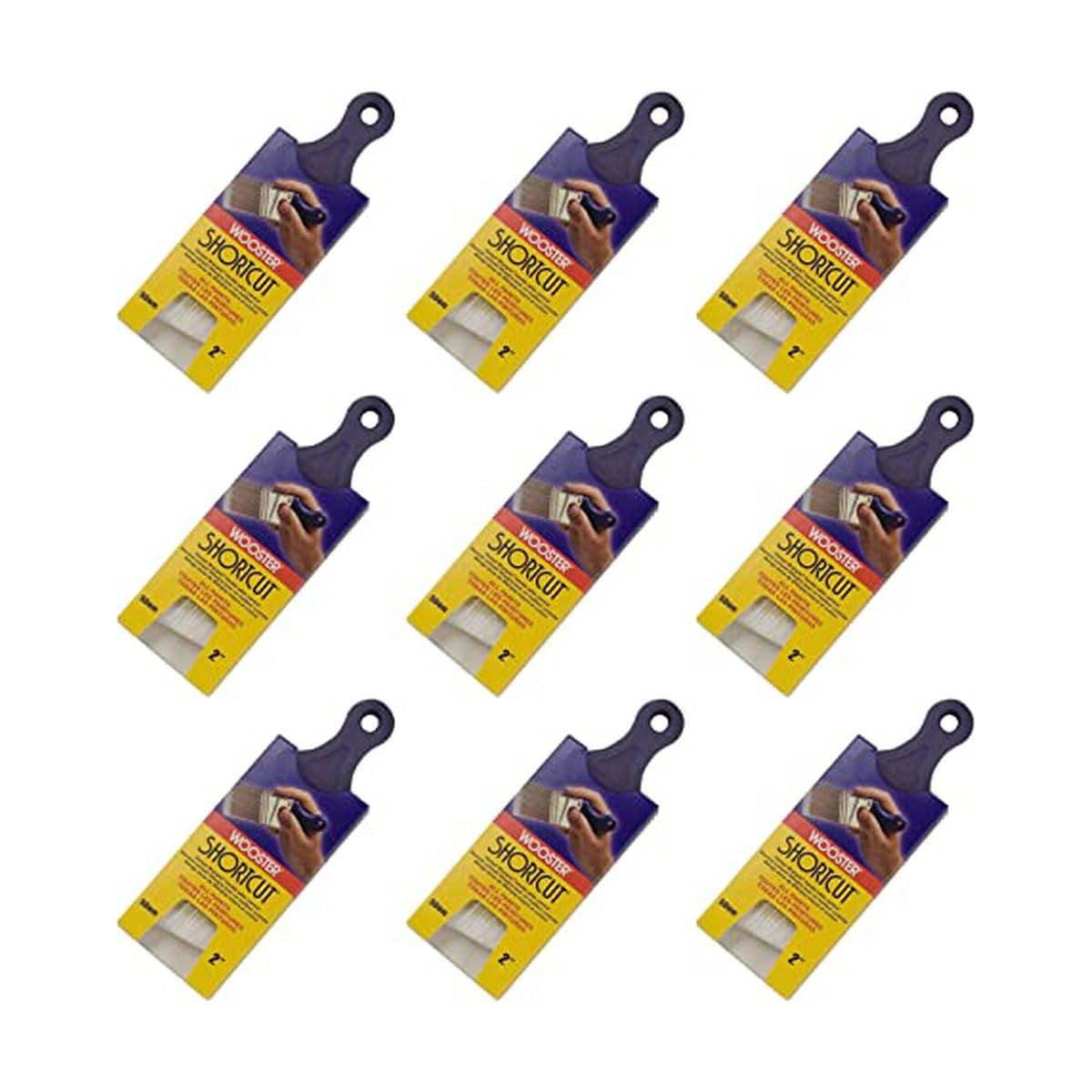
This is the same Wooster Shortcut brush that earned high marks for ergonomics and control, now packaged in a 12-count bulk box. For anyone applying urethane across multiple rooms, multiple coats, or multiple job sites, having a fresh brush ready eliminates the downtime of cleaning a single tool between sessions.
The synthetic blend bristles are adequately flagged for good paint load, and the brass-plated steel ferrule provides durability against solvent cleaning. The short rubber handle remains comfortable even when used all day, and the angled sash tip allows precise cutting along baseboards and crown molding.
At this quantity, the per-unit cost drops significantly, making it a budget-friendly system for contractors or serious DIYers. The brushes are good enough to keep and reuse, but cheap enough to discard when urethane buildup becomes impossible to clean out completely.
Why it’s great
- Bulk pack minimizes per-brush cost
- Short handle with rubber grip for all-day comfort
- Good enough quality to reuse if cleaned properly
Good to know
- Less bristle density than premium packs
- Not designed for heavy oil-based urethane
FAQ
Can I use a natural bristle brush for urethane?
How do I clean a brush after using oil-based urethane?
Should I use a thinner brush for urethane on cabinets?
Final Thoughts: The Verdict
For most users, the best brush for urethane is the best brush for urethane winner: the Corona 2.5″ Excalibur Chinex because its DuPont filament resists solvent swelling and lays down a flawlessly smooth coat with every pass. If you want a softer, more forgiving touch for tipping off water-based finishes, grab the Purdy Pro-Extra Glide 2.5″. And for the budget-conscious finisher who needs reliable performance across multiple projects, nothing beats the Wooster Shortcut 3-Pack.