
A backpacking blanket sits at an awkward intersection: it must deliver genuine warmth when the temperature drops at camp, yet compress small enough that you don’t resent carrying it up a switchback. The wrong choice means shivering through dinner or stuffing a brick into your pack. The right one becomes a piece of gear you reach for on every trip — from alpine bivouacs to summer hammock hangs.
I’m Min — the co-founder and writer behind Gadgets Feed. I’ve spent countless hours cross-referencing laboratory insulation values, pack-down volumes, fabric denier ratings, and real-world field reports to separate the blankets that actually perform from those that just look good on a product page.
This guide narrows the field to seven serious contenders, covering synthetic fills, premium down, and ultralight travel-specific designs. After weighing warmth-to-weight ratios, water resistance, durability of stitching, and stuff-sack practicality, I’ve assembled the definitive resource for anyone searching for the best backpacking blanket that fits their specific trip profile and budget.
How To Choose The Best Backpacking Blanket
The ideal backpacking blanket balances three competing demands: warmth per gram, compressed volume, and weather resistance. Understanding how fill type, fabric denier, and special features like snaps or clips interact will help you match a blanket to your specific trips rather than overpaying for specs you don’t need.
Fill Type: Down vs. Synthetic Insulation
Down insulation offers the highest warmth-to-weight ratio — a 650-fill-power down blanket provides exceptional loft while packing smaller than most synthetic alternatives. The trade-off is performance when wet: down loses nearly all insulating ability once saturated, even with a water-resistant shell. Synthetic fills like NanoLoft or 3M Thinsulate retain heat when damp, dry faster, and cost less, but they weigh more per unit of warmth and lose loft faster over repeated compression cycles. For dry, cold climates where weight is the top priority, down wins. For wet coastal treks or humid summer trips, synthetic is the safer bet.
Packed Size and Weight Limits
A backpacking blanket should weigh under 1.5 pounds and compress to roughly the size of a Nalgene bottle or smaller. Blankets that pack into their own attached stuff sack (like the iClimb and Rumpl designs) save you from hunting for a separate dry bag. Check the compressed dimensions — a blanket that claims to be “ultralight” but still takes up half your pack’s volume defeats the purpose of bringing a blanket instead of a sleeping bag.
Weather Resistance Features
A durable water-repellent (DWR) finish on the outer shell is critical for blocking light rain, dew, and wind. Look for PFAS-free DWR if environmental impact matters to you. Fabric denier — the thickness of the nylon or polyester threads — determines durability against abrasion from tent floors, rocks, or camp chairs. A 20D to 30D fabric is light but less rugged, while 50D ripstop resists tearing but adds ounces. The best backpacking blanket for most trips uses a 30D ripstop shell with a reliable DWR coating.
Quick Comparison
On smaller screens, swipe sideways to see the full table.
| Model | Category | Best For | Key Spec | Amazon |
|---|---|---|---|---|
| Rumpl Backcountry Puffy | Premium | Backcountry camping, overlanding | NanoLoft synthetic insulation, 2.2 lbs | Amazon |
| 4Monster Down Camping Blanket | Premium | Warmth-to-weight ratio | 650 fill power down, 1.25 lbs | Amazon |
| Rumpl Travel Puffy | Mid-Range | Plane, train, car travel | NanoLoft insulation, 38×52 inches | Amazon |
| iClimb 3M Thinsulate Blanket | Value | Convertible poncho/sleeping bag | 3M Thinsulate, 16 oz | Amazon |
| Cocoon CoolMax Blanket | Mid-Range | Hot weather and travel | Breathable CoolMax, 10.88 oz | Amazon |
| Lenotos Woobie Blanket | Budget | Budget camp liner | Nylon/polyester, 1.72 lbs | Amazon |
| Coolibar Sun Blanket | Budget | Sun protection and car use | UPF 50+, 40×30 inches | Amazon |
In‑Depth Reviews
1. Rumpl Backcountry Puffy Blanket
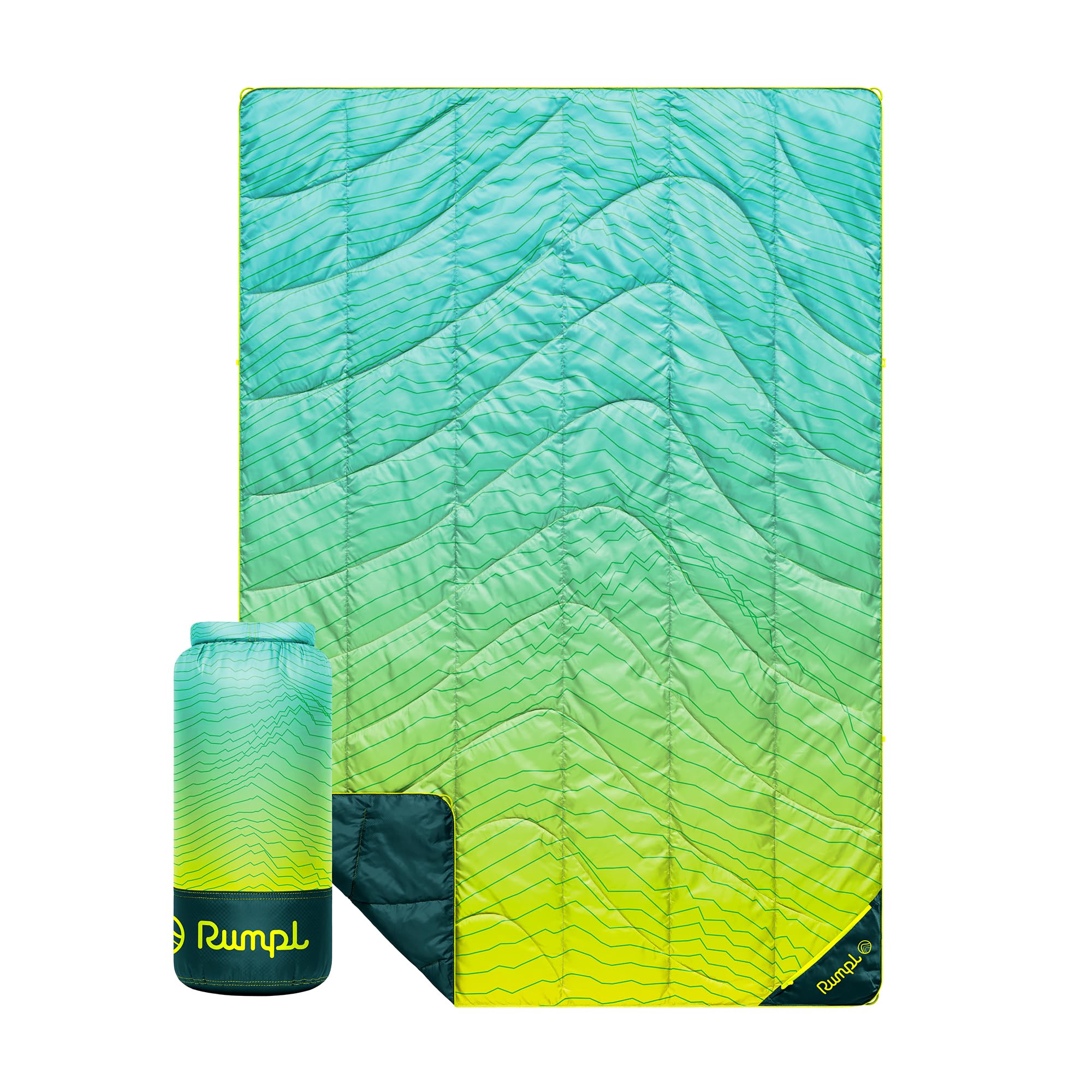
The Rumpl Backcountry Puffy is purpose-built for the harshest conditions a backpacking blanket can face. Its SummitShield 50D ripstop liner and VersaWeave 30D polyester shell form a tough outer barrier that resists abrasion from tent floors and camp chairs, while the proprietary NanoLoft synthetic insulation delivers consistent warmth even when damp. At 2.2 pounds, it’s heavier than down alternatives, but the durability and weather resistance justify the extra ounces for trips where reliability trumps grams.
The 52×75-inch one-person size provides generous coverage for a 6-foot frame, and the roll-top carry bag compresses it to 5.9 x 14.2 inches for efficient packing. The partially plant-based insulation formula maintains loft across repeated washes, avoiding the clumping that plagues cheaper synthetics. Users consistently report comfortable sleep through the mid-40s range with this blanket alone, making it a viable sleeping bag replacement for three-season use.
Rumpl offsets 100% of its carbon footprint annually and uses 48 recycled plastic bottles per blanket, which matters for eco-conscious backpackers. The PFAS-free DWR finish handles light rain and morning condensation without compromising packability. For anyone wanting a single blanket that handles backcountry campsites, overland rigs, and car camping equally well, this is the benchmark.
Why it’s great
- NanoLoft insulation retains heat when wet, outperforming down in damp conditions
- 50D ripstop liner and 30D shell withstand rough use without tearing
- 100% recycled materials with carbon offset program
Good to know
- At 2.2 lbs, it’s heavier than down blankets of similar warmth
- Packed size is larger than premium down options
2. 4Monster Down Camping Blanket

The 4Monster Down Camping Blanket delivers the highest warmth-to-weight ratio in this lineup, thanks to a 650-fill-power down blend that lofts generously while weighing only 1.25 pounds. The 88×84-inch unfolded size is enormous — large enough to wrap two people or serve as a full ground quilt for a three-person tent. The durable nylon shell carries a water-resistant coating that sheds light moisture, though heavy rain will eventually wet through the down.
Packed size is impressively compact, fitting into its included carry bag at roughly the volume of a large water bottle. The blanket puffs back to full loft within a few hours after compression, and the baffle construction keeps down distributed evenly without cold spots. Users note that it excels as an inside-the-sleeping-bag layer for extra warmth on frigid nights, or as a standalone blanket for cool camp evenings above freezing.
The included stuff sack has been a point of concern — some users report tearing after repeated use. The blanket itself is built with strong stitching and durable fabrics, but investing in a separate lightweight compression sack may be wise for long-term reliability. For backpackers who prioritize minimal weight and maximum warmth in dry conditions, this blanket is hard to beat.
Why it’s great
- 650-fill down provides exceptional warmth at just 1.25 pounds
- Large 88×84-inch size covers two people or serves as a quilt
- Compresses very small for its warmth rating
Good to know
- Stuff sack durability is below the blanket’s own build quality
- Down loses insulation value when wet; not for damp climates
3. Rumpl Travel Puffy Blanket
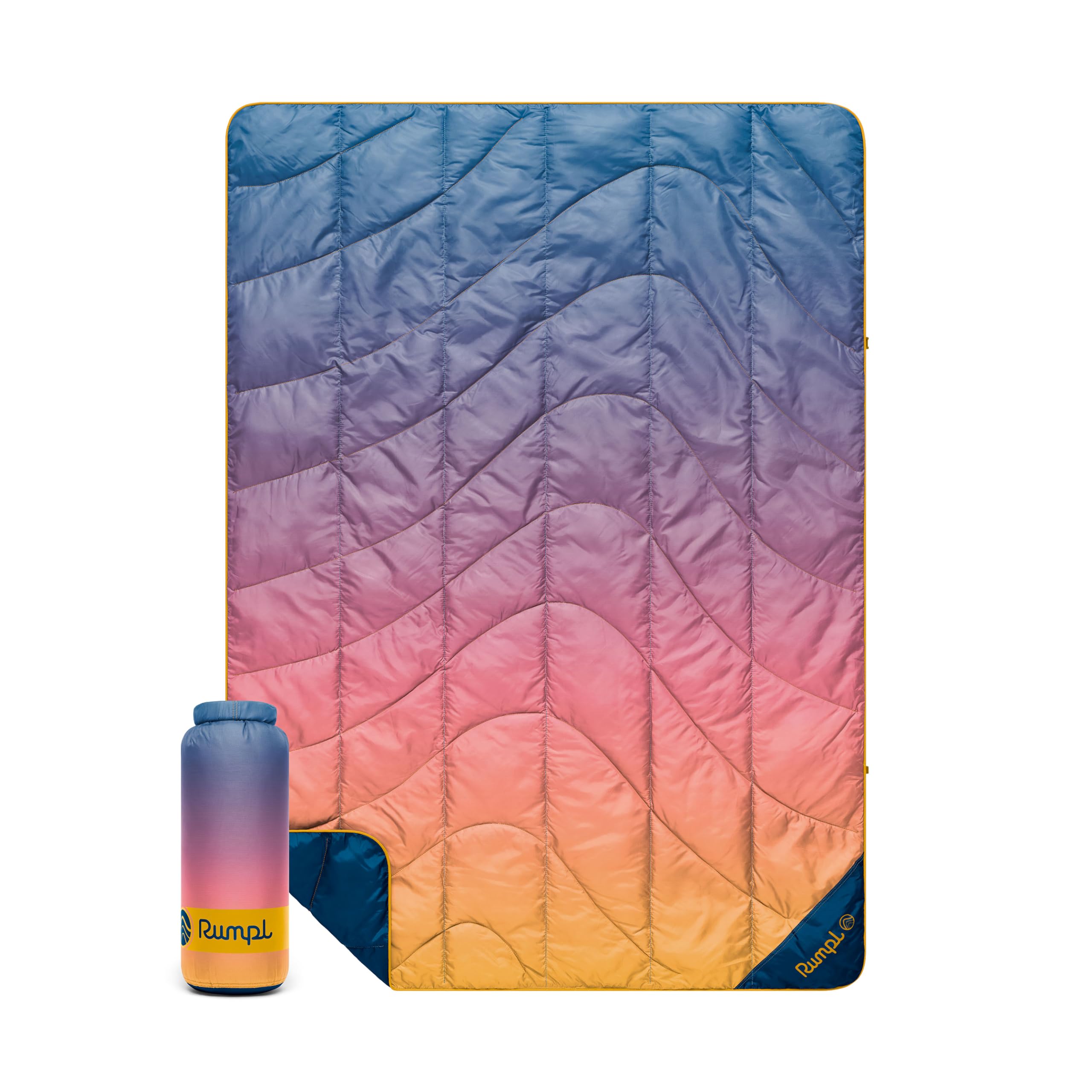
The Rumpl Travel Puffy shrinks the backcountry formula into a compact 38×52-inch package optimized for planes, trains, and car trips rather than alpine camps. Its NanoLoft synthetic insulation mirrors the performance of its larger sibling, offering high compression and reliable rebound while maintaining warmth even when damp. The 100% post-consumer recycled shell and liner use PFAS-free DWR for stain and weather resistance, making this blanket practical for daily carry.
Packed size is the standout feature: the blanket compresses to 4 x 10 inches and clips onto a backpack strap via the roll-top stuff sack. The integrated Cape Clip allows hands-free wearing as a shawl around camp or during airport layovers, adding genuine versatility for travelers. Warmth is effective down to about 45 degrees Fahrenheit as a standalone layer, with the thin profile working well as a booster inside a sleeping bag.
At this size, the Travel Puffy is best suited for one person as a lap blanket, shoulder wrap, or emergency warmth layer. Tall users will find the length insufficient for full-body coverage, and the snug fit limits use as a ground quilt. For the traveler who wants a do-it-all layer that disappears into a daypack, this fills a specific niche perfectly.
Why it’s great
- Ultra-compact packed size (4×10 inches) with strap clip
- Cape Clip enables hands-free wear as a poncho
- NanoLoft insulation stays warm when damp, ideal for travel
Good to know
- 38×52-inch size is too small for full-body coverage for taller users
- Limited warmth for cold-weather backpacking below 45°F
4. iClimb 3M Thinsulate Insulation Warm Camping Blanket

The iClimb 3M Thinsulate Blanket is a Swiss Army knife of insulation, transforming from a standard quilt into a poncho, shawl, or temporary sleeping bag via integrated buttons and elastic straps. Two blankets can even be snapped together to create a two-person sleeping bag — a unique feature for couples who want to share warmth without carrying separate bags. The 20D nylon shell is soft, windproof, and treated for water resistance, while the 3M Thinsulate insulation (80 g/m²) traps body heat effectively without the bulk of traditional synthetic fills.
Weighing only 16 ounces and packing down to 10.2 x 7.5 x 3.1 inches, this blanket competes with ultralight options while offering convertible functionality. The attached stuff sack is sewn into the blanket itself, preventing loss during packing. Users report comfortable warmth down to around 39-40°F when paired with extra clothing, with the cinch-cord bottom and side snaps sealing out drafts effectively for a sleeping bag mode.
The thin profile surprises many users with its warmth, though the blanket is best suited for temperatures above freezing. The gap at the center of the sleeping bag configuration can let cold air seep in, and some reports mention loose threads after repeated use. For backpackers who want a single piece of gear that handles camp lounging, emergency shelter, and sleep system duties, the iClimb delivers exceptional value.
Why it’s great
- Converts to poncho, sleeping bag, or shawl via buttons and straps
- Only 16 oz with 3M Thinsulate insulation
- Attached stuff sack prevents accessory loss
Good to know
- Sleeping bag mode has a gap that lets cold air in
- Some reports of loose threads after extended use
5. Cocoon CoolMax Blanket
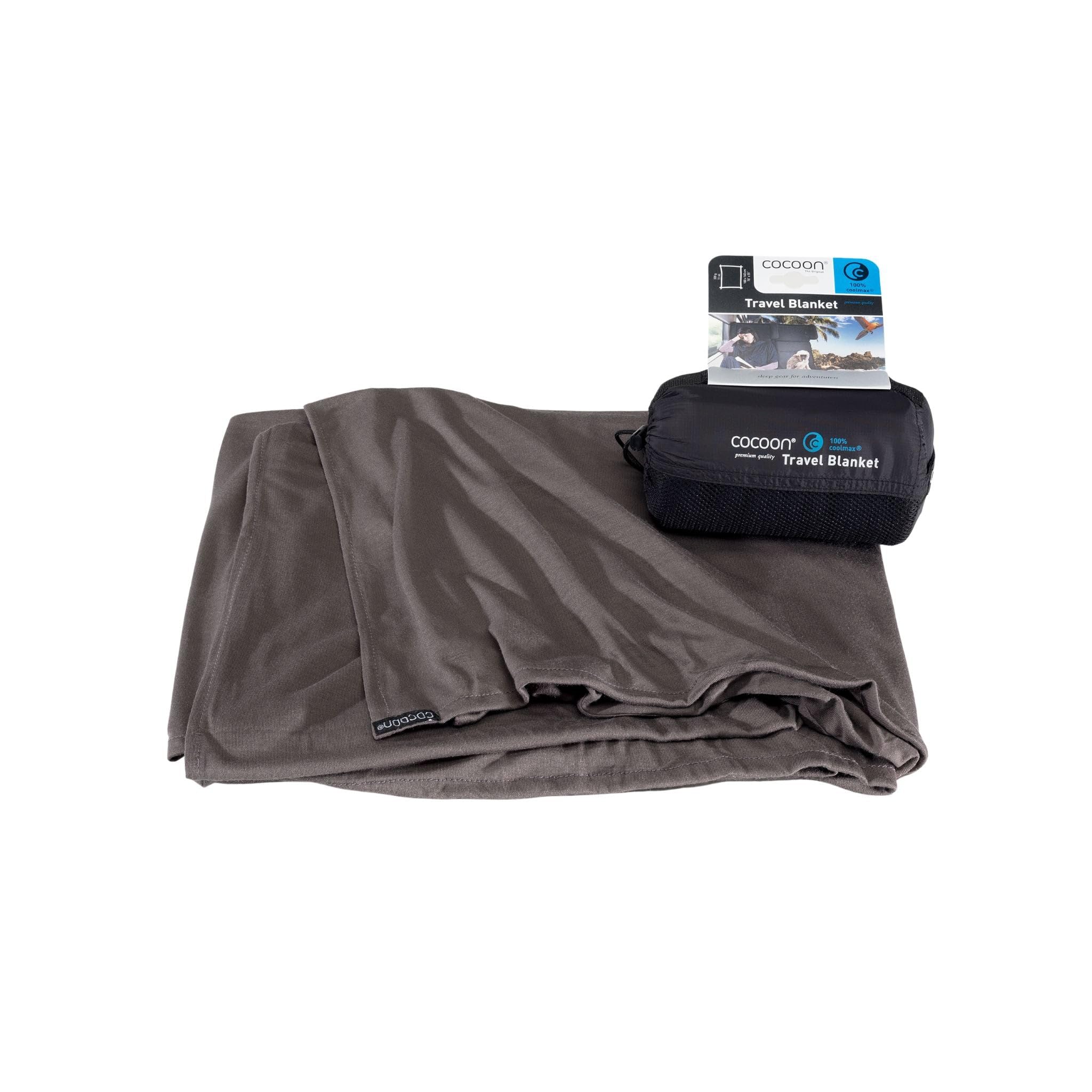
The Cocoon CoolMax Blanket is a dedicated hot-weather and travel piece that prioritizes breathability and moisture management over raw insulation. Its CoolMax polyester fabric actively wicks sweat and moderates body temperature in both warm and cool environments, making it the best choice for humid summer nights where a down or synthetic puffy would cause overheating. At just 10.88 ounces, it is the lightest blanket in this lineup, packing down to a size that fits into a jacket pocket.
The 70×55-inch dimensions provide generous coverage for a 6-foot user without the bulk of thicker blankets. The fabric is thin enough to be slightly see-through, but that transparency translates into exceptional airflow and rapid drying — the blanket can go from soaked to dry in a fraction of the time required by insulated alternatives. The included stuff sack keeps the blanket clean and organized in a backpack, and users consistently praise its performance on airplanes, in hotel rooms, and as a summer camp layer.
This blanket will not replace a down or synthetic insulated blanket for cold-weather backpacking. Its warmth is limited to draft protection and light layering, making it best suited for temperatures above 60°F or as a supplemental sheet inside a sleeping bag. For the traveler or summer backpacker who values packability and breathability above all else, the Cocoon CoolMax is a specialized tool that excels in its narrow role.
Why it’s great
- Weighs only 10.88 oz, the lightest in this guide
- CoolMax fabric wicks moisture and regulates temperature
- Packs extremely small for carry-on or daypack storage
Good to know
- Thin fabric provides minimal insulation for cold weather
- Not suitable as a standalone winter backpacking blanket
6. Lenotos Woobie Blanket
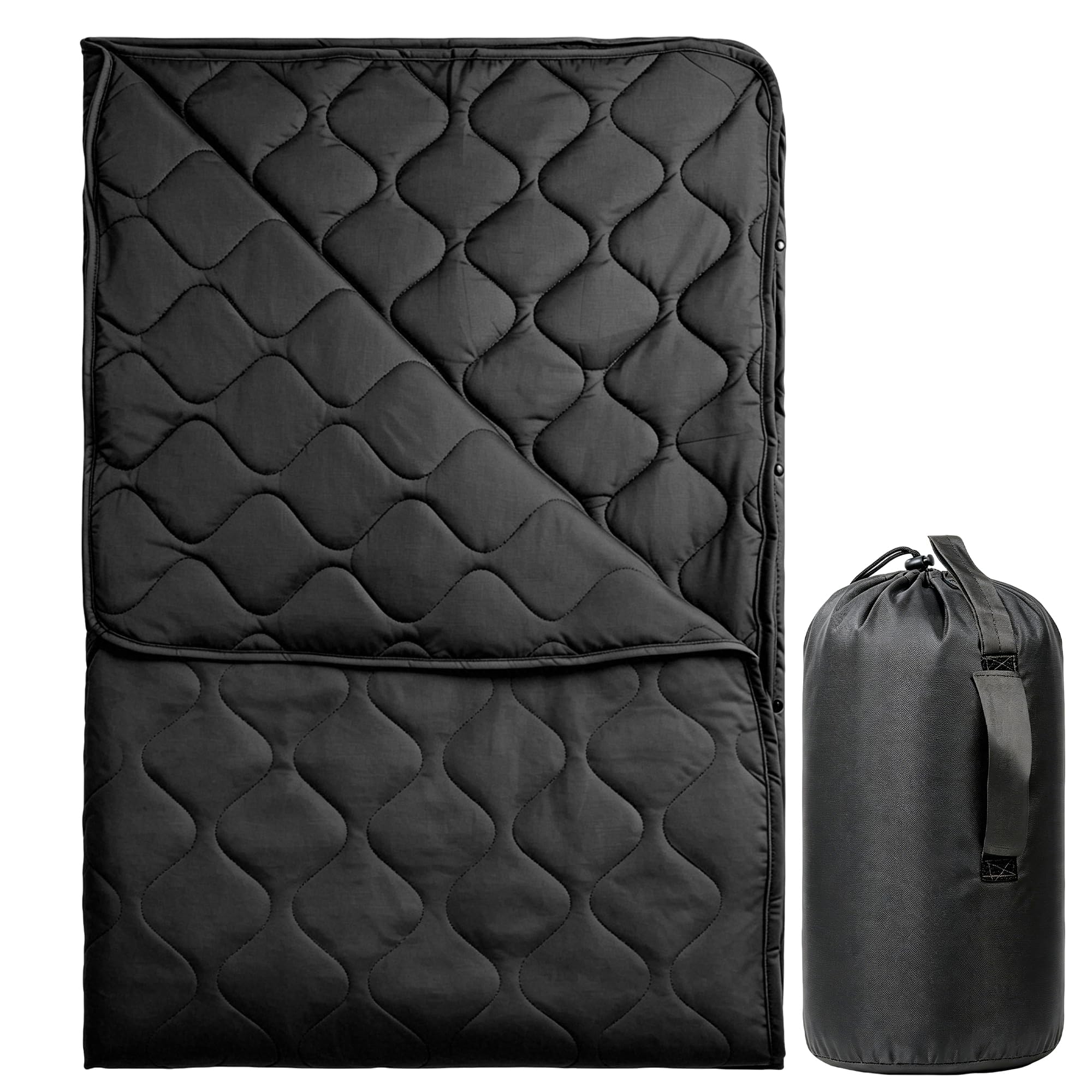
The Lenotos Woobie Blanket brings military-inspired design to the entry-level backpacking market, offering a nylon/polyester construction with water-resistant properties and quilted stitching for durability. At 1.72 pounds and 86.5 x 57.5 inches, it provides ample coverage for tall users while packing into a compression carry bag. The blanket includes snaps and connection points that allow it to be worn as a hands-free wrap or converted into an emergency sleeping bag configuration.
Users consistently highlight the warmth-to-weight ratio as impressive for the price point, with multiple reports of comfortable sleep around 40°F when used inside a hammock or tent. The quick-drying fabric handles morning condensation well, and the stuff sack doubles as an improvised pillow when filled with spare clothing. The “woobie” poncho liner heritage means this blanket is built for rugged use, resisting pet damage and abrasion better than ultralight alternatives.
The main trade-off is weight: at 1.72 pounds, it’s nearly 50% heavier than the iClimb or Cocoon options, making it less appealing for gram-conscious backpackers. Some users note a chemical smell out of the packaging that requires airing or washing before first use. For car campers, scouts, or backpackers on a tight budget who don’t mind the extra ounces, the Lenotos delivers dependable performance without breaking the bank.
Why it’s great
- Military-inspired construction with water-resistant nylon shell
- Snaps and connection points allow hands-free wear and sleeping bag mode
- Large size accommodates taller users comfortably
Good to know
- At 1.72 lbs, heavier than most dedicated backpacking blankets
- Initial chemical smell requires airing out before use
7. Coolibar Sun Blanket
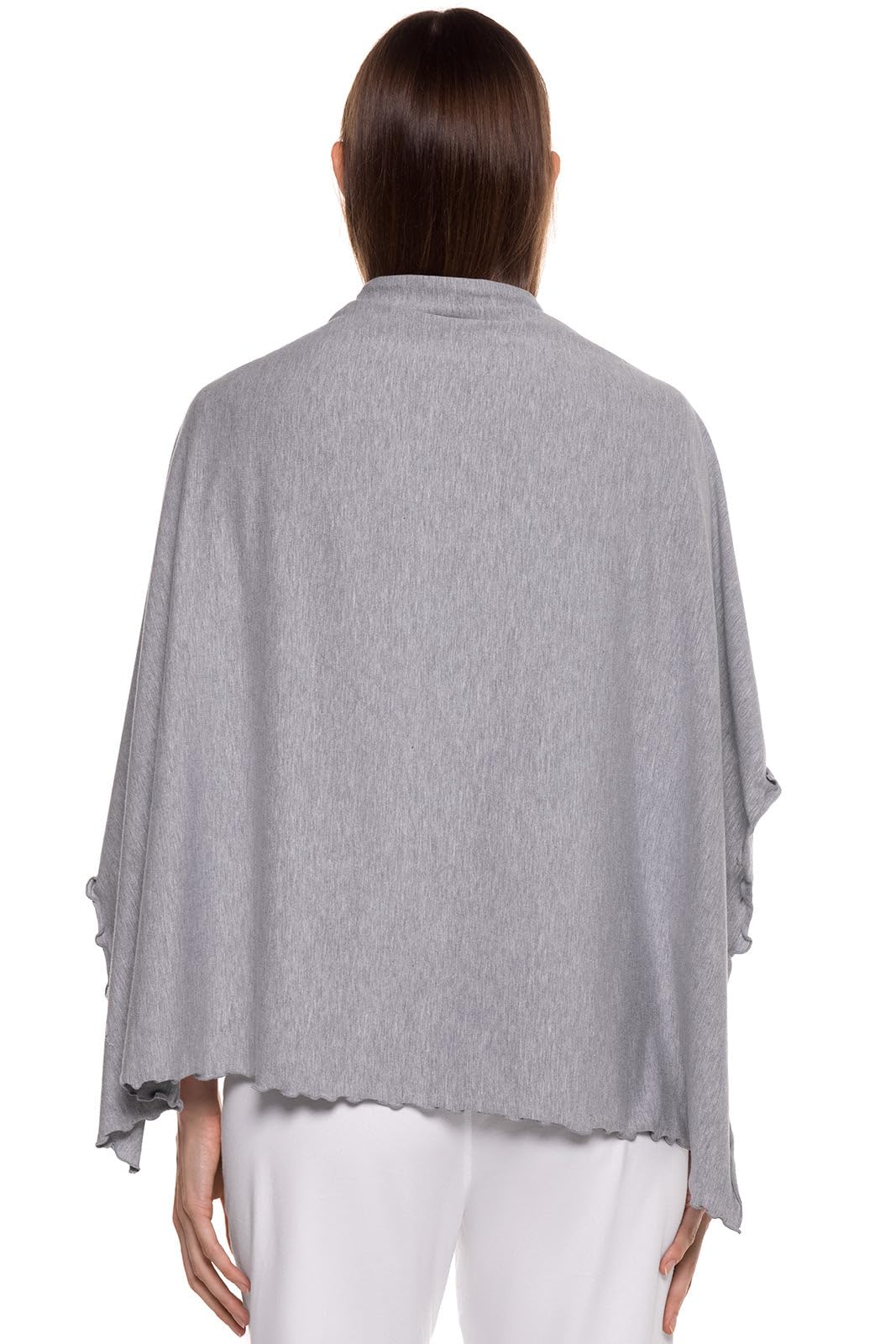
The Coolibar Sun Blanket is a category specialist designed for a very specific use case: providing UPF 50+ sun protection in a lightweight, packable format. Made from a cotton, viscose, and elastane blend, it blocks 98% of UVA and UVB rays while feeling soft and breathable against the skin. The 40×30-inch size is compact enough for a diaper bag or daypack, making it ideal for beach trips, stroller covers, or as a lap blanket in sun-exposed car seats.
Dermatologist-endorsed and carrying the Skin Cancer Foundation Seal of Recommendation, this blanket is built for sun-sensitive individuals who need reliable protection without the bulk of sun-protective clothing. The fabric provides minimal insulation — it’s designed to block rays rather than trap heat — and it dries quickly after washing. Users praise its versatility as a stroller cover, nursing blanket, or shoulder wrap during outdoor events where sun exposure is a concern.
Good to know: this blanket is not recommended for swimming or prolonged exposure to chlorine or salt water, as the fabric is not designed for constant wet use. The size is also smaller than most backpacking blankets, limiting its use as a full-body ground cover for adults. For the backpacker who prioritizes sun protection during exposed alpine or beach hikes, the Coolibar fills a specific gap that insulated blankets cannot address.
Why it’s great
- UPF 50+ blocks 98% of UVA and UVB rays
- Soft, breathable cotton-viscose-elastane blend
- Compact size fits easily in a daypack or diaper bag
Good to know
- Not suitable for swimming or wet conditions
- Small size limits use as a full-body backpacking blanket
FAQ
Can a backpacking blanket replace my sleeping bag?
How do I clean a down backpacking blanket?
What does fill power mean for a blanket’s warmth?
How do I prevent a synthetic blanket from losing loft over time?
Is a DWR finish necessary for a backpacking blanket?
Final Thoughts: The Verdict
For most users, the best backpacking blanket winner is the Rumpl Backcountry Puffy Blanket because its NanoLoft insulation handles damp conditions without sacrificing warmth, and the 50D ripstop construction survives years of rugged use. If you prioritize absolute minimum weight and maximum compressibility for dry-weather trips, grab the 4Monster Down Camping Blanket with its 650-fill down at just 1.25 pounds. And for the versatile backpacker who wants a single blanket that converts into a poncho, shawl, and sleeping bag, nothing beats the iClimb 3M Thinsulate Blanket at only 16 ounces.