
The frustration is universal on the trail: you pour boiling water into a freeze-dried pouch, wait the recommended twelve minutes, and dig into a meal that’s already lukewarm. At elevation, the problem gets worse — lower boiling points mean your food never reaches the temperature you expect, and the thin mylar pouch sheds heat faster than a tent fly in a gale. A dedicated insulated pouch solves this by trapping the heat that your cook system generates, giving you back the hot meal you actually earned.
I’m Min — the co-founder and writer behind Gadgets Feed. I’ve spent countless hours poring over thermal retention tests, material specifications, and real-world user reports for ultralight and backpacking-specific insulated pouches to find the options that actually perform in the backcountry.
Whether you’re section-hiking the AT or just trying to avoid a cold dinner at a state park site, this guide breaks down the details that matter. Read on for the best backpacking food cozy options that balance weight, durability, and thermal performance for real trail use.
How To Choose The Best Backpacking Food Cozy
Finding the right insulated pouch for backpacking means balancing three competing priorities: weight, insulation performance, and internal volume. The wrong choice leaves you with a pouch that’s either too heavy to justify carrying or too small to fit a standard two-serving Mountain House pouch. Here are the critical factors to check before you buy.
Weight and Packed Volume
Every gram counts in a backpack. A dedicated food cozy should weigh under two ounces and compress flat when not in use. Bulky neoprene or multi-layer foam options that work for a daily commuter lunch will feel like dead weight in a pack. Look for materials like 420-denier ripstop nylon or Tyvek 1443R, which offer a high strength-to-weight ratio and collapse to virtually nothing.
Interior Volume and Meal Fit
Standard freeze-dried meal pouches vary in size. A single-serving pouch typically measures around 7 x 5 inches, while a two-serving pouch often approaches 9.5 x 7 inches. Your cozy must have enough internal clearance to accommodate the pouch without forcing the zipper closed over bulging contents, which compromises the seal and lets heat escape.
Insulation Type and Thermal Reflectivity
The two common insulation strategies are reflective aluminum foil linings and closed-cell foam layers. Foil linings are lighter and pack flatter, but they benefit from an external insulating layer to prevent conductive heat loss against a cold ground or pack surface. A thermal aluminum lining bonded to a durable outer fabric provides the best balance of reflectivity and structural integrity for backcountry use.
Closure Method and Sealing Effectiveness
A zipper closure creates a much tighter thermal seal than a hook-and-loop flap. However, a full zipper adds weight and can fail in gritty conditions. Some pouches use a roll-top design with a buckle, which provides an excellent seal and zero zipper failure risk. Consider the environment you’ll be in — sandy or dusty trails favor roll-top closures, while wet conditions benefit from the positive seal of a waterproof zipper.
Quick Comparison
On smaller screens, swipe sideways to see the full table.
| Model | Category | Best For | Key Spec | Amazon |
|---|---|---|---|---|
| Bighorn Insulated Bag | Premium | Backpacking ultralight treks | 1.5 oz / 420D ripstop nylon | Amazon |
| Nasebila Lightweight Food Pouch | Mid-Range | Ultralight thru-hiking | <1 oz / Tyvek 1443R outer | Amazon |
| Wrapables Neoprene Lunch Bag | Mid-Range | Car camping and base camp | 4.8 oz / Neoprene construction | Amazon |
| With Molly Aluminum Bag | Budget | Small day trips and snacks | 0.1 lb / 6x6x6 inch interior | Amazon |
| BnGT Insulated Lunch Bag | Budget | Multi-day trip food storage | 5 bags + 5 ice packs included | Amazon |
| Insulated Round Carrier 2-Pack | Premium | Group meal transport | 2.85 qt / 2mm foam insulation | Amazon |
| yongzhenlite Cooler Bag | Budget | Car base camp grocery runs | 72 L / 80g non-woven PP | Amazon |
In‑Depth Reviews
1. Bighorn Insulated Bag for Backpackers

The Bighorn Insulated Bag hits the sweet spot for backpacking-specific design. Its 420-denier ripstop nylon exterior with a polyurethane coating provides genuine tear resistance against branch snags and rocky campsite surfaces, while the thermal aluminum lining reflects heat back into your meal. At 1.5 ounces, it’s light enough for a thru-hiker’s base weight but substantial enough to maintain heat through a full fifteen-minute rehydration window and then some.
The interior dimensions of 10.25 x 7.5 x 3.5 inches are precisely calculated to hold standard two-serving freeze-dried pouches with room for a long-handled titanium spoon or a Fozzils folding bowl. Users on a ten-day, ninety-two-mile trek confirmed the pouch kept meals hot well past the rehydration mark, even in cooler temperatures. The foldable top flap with a retaining strap creates a secure closure that outperforms a simple zipper in dusty conditions.
This pouch also packs completely flat in a mesh pocket or stuff sack, making it a set-and-forget item that disappears into your gear. Bighorn backs it with a one-year manufacturer warranty, which is an honest signal given the abuse a backcountry pouch takes. For anyone who wants a proper hot meal at camp without the weight penalty, this is the benchmark.
Why it’s great
- 420D ripstop nylon exterior is genuinely trail-tough
- Thermal aluminum lining retains heat through full rehydration
- Packs flat and weighs only 1.5 oz
Good to know
- Interior volume may not fit oversized “premium” meal bags
- Yellow color shows dirt more readily than darker options
2. Nasebila Lightweight Insulated Food Pouch
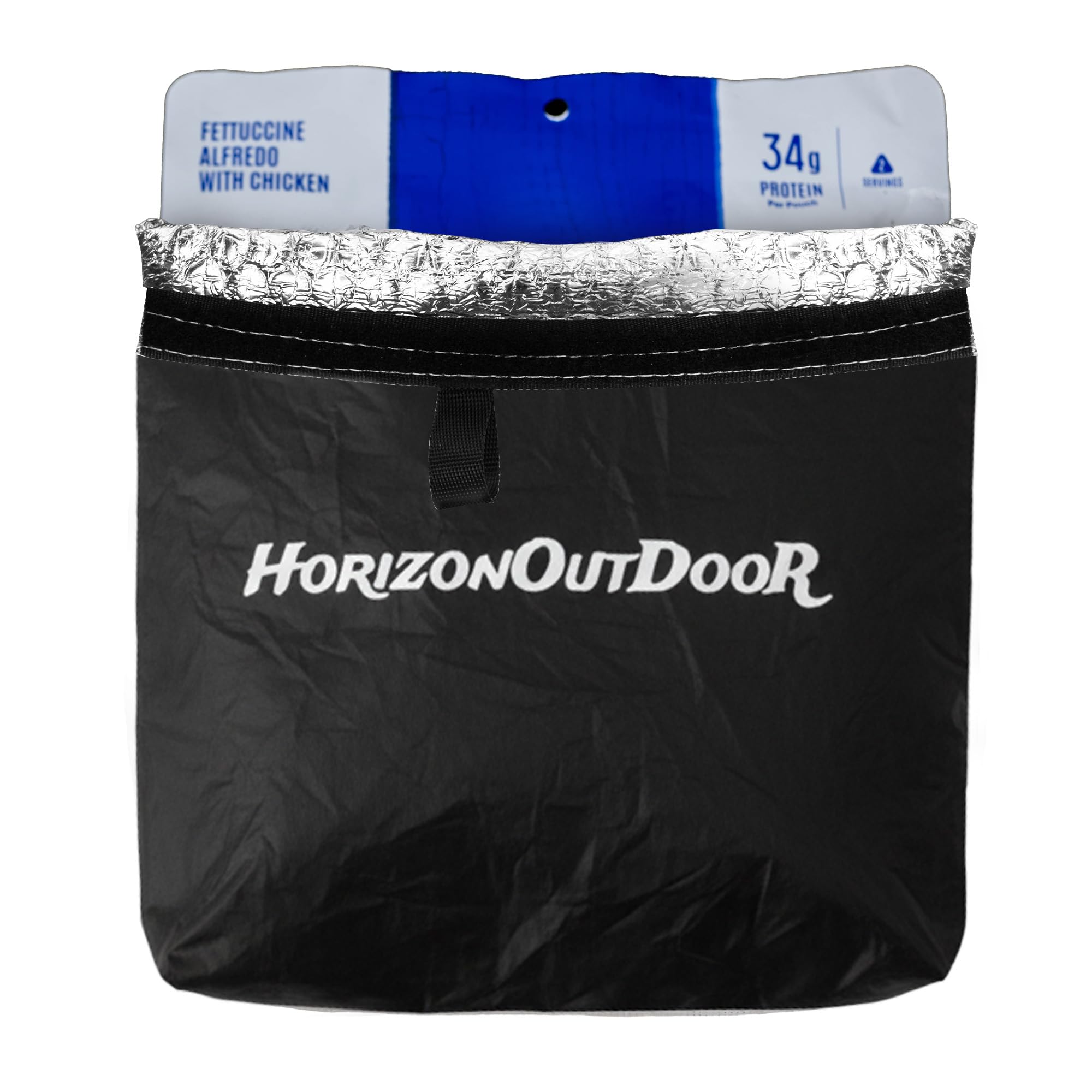
The Nasebila pouch is the lightest option on this list at under one ounce, and it achieves that weight through a Tyvek 1443R outer layer with a polyurethane coating. This material choice makes the pouch waterproof and highly packable — it compresses to a negligible flat rectangle that fits into an empty stuff sack corner. The advanced thermal aluminum foil lining handles the actual heat retention job, creating a reflective chamber for your meal.
Its dimensions of roughly 9.5 x 9.25 inches are generous in height but snug in width for larger two-serving pouches. Users found that standard Peak Refuel or Mountain House bags need to be repackaged into quart-sized ziplocks to fit comfortably. Once the meal is inside, the hook-and-loop closure seals effectively and the pouch keeps the food hot through rehydration, even at higher elevations where water temperature peaks lower.
The rugged ripstop exterior resists punctures well, and the interior lining wipes clean with a damp cloth, which is critical for back-to-back meal days. The three-month warranty is short, but at this price point and weight, the pouch is effectively a consumable item for serious long-distance hikers. If you’re shaving every half-ounce from your pack, this pouch belongs in your kit.
Why it’s great
- Weighs under one ounce — the lightest option available
- Tyvek outer is waterproof and packs completely flat
- Effective heat retention for rehydration at elevation
Good to know
- Too small for standard two-serving freeze-dried pouches without repackaging
- Hook-and-loop closure less secure than a zipper or roll-top
3. Wrapables Insulated Neoprene Lunch Bag
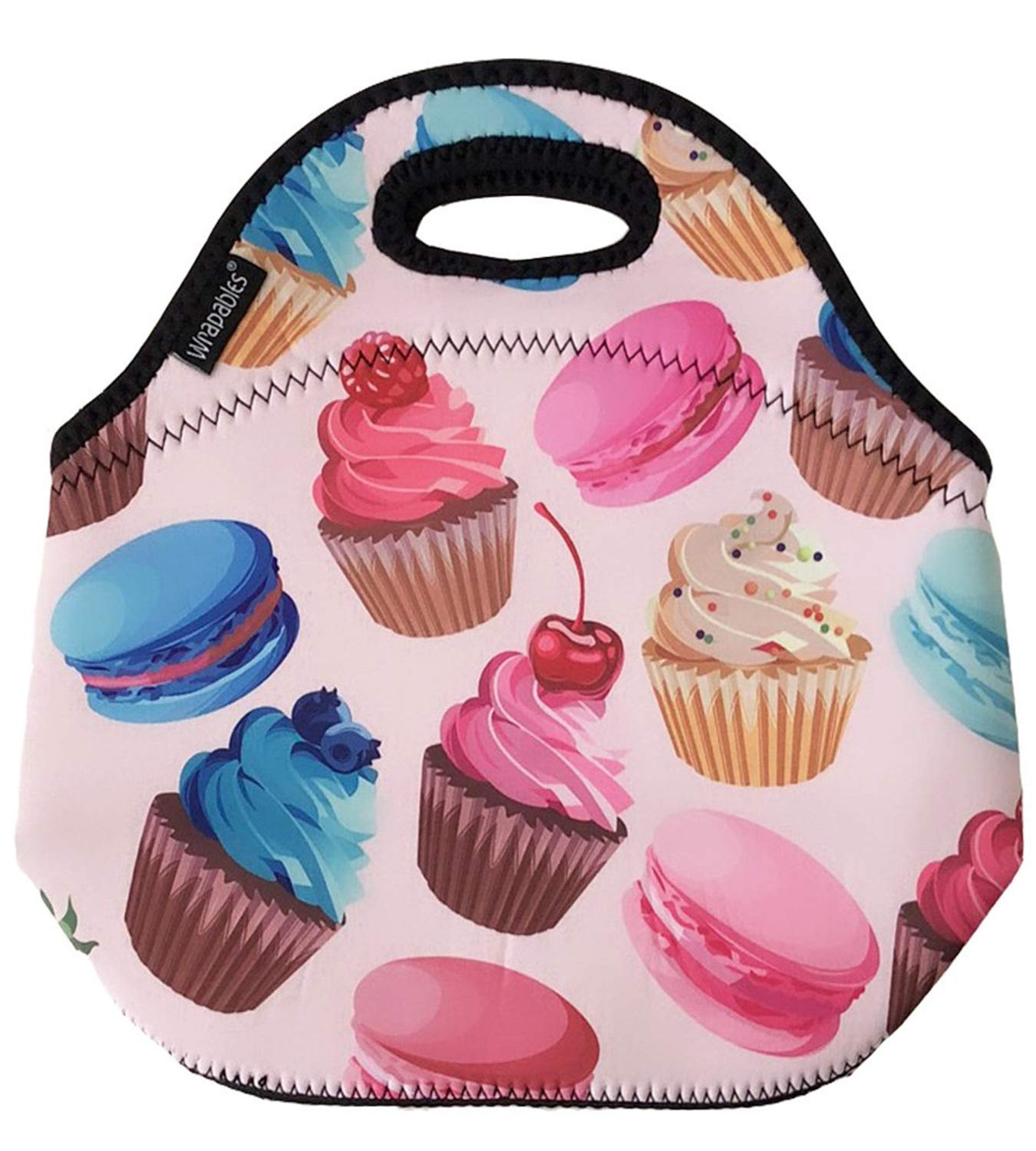
The Wrapables bag takes a different approach, using thick neoprene — the same material wetsuits are made from — to provide insulation. Neoprene is inherently stretchy, waterproof, and insulating without requiring a separate reflective liner. The bag measures 11.5 x 6 x 11.5 inches, giving it enough vertical room to hold a standard lunch container or a baby bottle, but the narrow width means it fits one meal pouch at a time rather than a cook kit.
At 4.8 ounces, this is not an ultralight option, but it earns its weight in durability. Users reported the bag surviving an entire school year with no rips, tears, or leaks. It’s machine washable, non-toxic, and PVC-free. The neoprene material also deadens sound and provides a soft buffer against other gear in your pack. For car camping, base camp use, or short day hikes where every gram isn’t a crisis, this bag offers tremendous utility.
The primary drawback for backpacking is bulk — neoprene doesn’t compress flat like nylon or Tyvek, so it occupies a fixed volume in your pack. Additionally, several users noted a strong plastic smell on arrival that required airing out. If your trips are mostly car-accessible or you want a single bag for both lunch and camp meals, the Wrapables bag is a solid, long-lasting choice.
Why it’s great
- Neoprene material is waterproof, stretchy, and extremely durable
- Machine washable for easy cleaning after messy meals
- Proven to survive years of daily use without failure
Good to know
- 4.8 oz is heavy for dedicated backpacking use
- Neoprene doesn’t pack flat, occupies fixed volume
4. 2-Pack Insulated Round Thermal Casserole Carrier

This is a different category of insulated carrier entirely. The round design with an 11-inch diameter and 7-inch height is built to hold a 2-quart slow cooker crock or a 6-quart Instant Pot liner, making it ideal for group camp meals and potluck transport rather than individual backpacking. The 2mm foam insulation layer lines the side walls, top, and bottom, providing consistent thermal barriers on all sides.
Users found it excels at keeping a full crockpot of chili hot during a one-hour drive to a holiday gathering. The polyester exterior cleans easily with a damp cloth, and the wide zippered opening allows access to the contents without dumping the bag. The 2-pack gives you redundancy for carrying multiple hot dishes or one for hot food and one for cold sides.
The color accuracy is a known issue — the “bright red” shown in product images is closer to a dark maroon in person. The bag also arrives folded flat and requires food volume to restore its cylindrical shape. For backpacking specifically, this carrier is overkill, but for car-camping base camps where you’re cooking for a group, it’s purpose-built.
Why it’s great
- Foam insulation on all six sides provides consistent temperature retention
- Fits standard 2-quart slow cookers and 6-quart Instant Pot liners
- 2-pack offers flexibility for hot/cold food separation
Good to know
- Too bulky and heavy for backpacking use
- Actual color is maroon, not bright red as advertised
5. With Molly IInsulated Easy Zip Lock Resealable Aluminum Bag

With Molly offers a 5-pack of small aluminum-lined pouches with a simple zipper closure and a single included ice pack. The individual bags measure 6 x 6 x 6 inches, which is very small — suitable for a single sandwich or a few snacks, but too tight for most standard freeze-dried meal pouches. The aluminum material provides basic reflectivity, but the insulation is minimal compared to foam-lined or thick nylon options.
Several users noted that the included ice pack takes up most of the interior space, leaving room for only small items. The one-way valve on the ice pack traps air, resulting in an uneven fill of water and air. The bags work adequately for keeping pre-cooled items cold during short trips, but they struggle with hot food retention — one user reported the pouch failed to keep a lunch warm at summer camp.
For dedicated backpacking, these bags are undersized and under-insulated. They’re best understood as an entry-level option for car day trips or for separating damp items within a larger cooler. The 5-pack gives you spares for group use, but expect to upgrade to a proper food cozy for real backcountry meals.
Why it’s great
- 5-pack provides multiple bags for group or multi-day use
- Aluminum lining offers basic thermal reflectivity
Good to know
- 6-inch cube interior is too small for most meal pouches
- Minimal insulation — struggles to keep food hot for any duration
6. BnGT Insulated Lunch Bag with Ice Packs

The BnGT set includes five medium-sized bags measuring 9.8 x 11.0 inches each, along with five corresponding ice packs. The bags use an aluminum foil exterior with internal insulation fabric to maintain temperature. The zipper closure minimizes heat leakage, and the leak-proof packaging is suitable for items that might melt or sweat during transport.
Users reported that the bags keep items cold effectively when used with the included ice packs, but noted the size is best suited for small food items rather than full meal pouches. The seams can tear under rough use, particularly when storing ice directly, which limits their lifespan to a few months of regular use. The ice packs require filling with water, which adds a preparation step before each trip.
For backpacking, these bags function better as an organized food storage system within a larger bear canister or food bag than as a dedicated meal cozy. The 5-pack is good value for resupply organization, but individual pouches lack the thermal performance to reliably rehydrate a dinner at elevation. Consider this a logistics tool rather than a cooking companion.
Why it’s great
- 5-bag set with matching ice packs for multi-day organization
- Leak-proof design handles melting items safely
Good to know
- Seams tear relatively quickly under load
- Too small for standard freeze-dried meal pouches
7. yongzhenlite Cooler Bag (Black)

The yongzhenlite bag is a full-size 72-liter cooler bag made from 80-gram non-woven polypropylene. Its dimensions of 23 x 14 x 15 inches make it large enough to hold a small shopping cart’s worth of groceries, a full catering order, or multiple gallon jugs of milk. The thermal insulation is rated to keep food hot or cold for up to three hours.
Users praised the enormous capacity for base camp grocery runs and food delivery work. The bag’s handles extend to the bottom for added strength when fully loaded. However, the non-woven PP material is floppy and lacks interior structure, making it awkward to load without items falling over. When fully packed, the handles bear significant strain, raising durability concerns over time.
This bag has no place in a backpacking loadout, but for car camping base camps where you’re shuttling food from the cooler to the cook area, it’s a viable option. It folds flat when empty for storage in a vehicle trunk. Think of this as a camp logistics bag, not a meal cozy — its size and construction are mismatched for any kind of hiking application.
Why it’s great
- 72-liter capacity handles large-volume food transport
- Handles extend to bag bottom for reinforced load bearing
Good to know
- Too large and floppy for backpacking or hiking use
- Non-woven PP exterior lacks rigidity when empty
FAQ
Can I use any insulated lunch bag as a backpacking food cozy?
How long will a freeze-dried meal stay hot in an insulated cozy?
Do I need a food cozy if I have a jetboil or integrated cook system?
Final Thoughts: The Verdict
For most users, the best backpacking food cozy winner is the Bighorn Insulated Bag because it combines 420D ripstop durability, a 1.5-ounce weight, and thermal aluminum lining that keeps meals hot through rehydration at elevation. If you want the lightest possible option for a long-distance thru-hike, grab the Nasebila Lightweight Pouch at under one ounce. And for car-camping base camps where you’re feeding a group, nothing beats the 2-Pack Round Casserole Carrier for keeping a full slow cooker of chili hot for hours.