
A storage shed is a major investment in your property’s organization, but the entire structure is only as reliable as the ground it sits on. A shifting, sinking, or rotting base leads to sagging doors, moisture damage, and a dramatically shortened lifespan for your shed and everything inside it. Choosing the right foundation is the single most important decision you will make before assembly.
I’m Min — the co-founder and writer behind Gadgets Feed. I’ve spent countless hours analyzing technical specifications, load ratings, material compositions, and real-world installation challenges across the most popular shed foundation systems on the market to deliver a guide that cuts through marketing hype and focuses on what actually works.
After evaluating dozens of options across gravel grids, pedestal blocks, steel frames, and composite pads, the following is the definitive guide to finding the best base for storage shed that will keep your structure level and secure for years.
How To Choose The Best Base For Storage Shed
Selecting a foundation requires matching the system to your shed’s size, the local climate, and your willingness to do site preparation. A small 6×4 resin shed has drastically different needs than an 8×10 metal workshop, and a clay soil that holds water behaves nothing like a sandy, well-draining lot.
Geocell Grids vs. Pedestal Blocks vs. Solid Frames
Geocell ground grids (like the BaseCore HD and TRUEGRID options) use a honeycomb structure to lock gravel or soil in place, distributing weight across a large surface area. These are ideal for larger sheds in areas with moderate to heavy rain, as they prevent washout. Pedestal blocks, such as the round BULLKE foundation pads, use individual spaced supports to elevate a floating shed above the ground, which is excellent for air circulation and preventing rot. Solid steel frames like the Arrow kit provide a rigid perimeter and are designed to pair with a specific shed model and a traditional plywood or composite decking floor.
Load Capacity and Material Composition
The foundation must support the combined weight of the empty shed plus the maximum potential content. A heavy riding lawnmower, bags of wet soil, and a workbench can easily add 1,000 pounds to a shed’s weight. Look for foundations made from high-density polyethylene (HDPE) or galvanized steel, as these resist UV damage, cracking, and rust. Pay attention to the per-square-foot load rating rather than just the total system weight, as this tells you how the base handles concentrated pressure from the shed’s skids or frame members.
Quick Comparison
On smaller screens, swipe sideways to see the full table.
| Model | Category | Best For | Key Spec | Amazon |
|---|---|---|---|---|
| TRUEGRID PRO LITE | Permeable Grid | Heavy-load driveways & large sheds | 120,000 lb load capacity per system | Amazon |
| Vodaland HexPave | Gravel Paver Grid | Eco-conscious, permeable bases | 27,000 lb load capacity per system | Amazon |
| BaseCore HD Geocell Grid | Geocell Ground Grid | Erosion-prone and unstable soil | Double-weld seams >2,000 lb/sq ft | Amazon |
| Confer Handi Spa Pad 3-Pack | Composite Pad | Quick concrete alternative for smaller sheds | 300 lb per square foot rating | Amazon |
| BULLKE Round Foundation Block 10-Pack | Pedestal Block | Floating decks & air-gap shed bases | 1,250 lbs per block | Amazon |
| Arrow Sheds Floor Frame Kit | Steel Frame | Arrow Classic & Select large sheds | Hot-dipped galvanized steel | Amazon |
| Gizoon Outdoor Storage Shed 8×6 | Integrated Metal Shed | All-in-one shed with built-in base frame | Galvanized steel with reinforced base | Amazon |
In‑Depth Reviews
1. TRUEGRID PRO LITE Permeable Paver
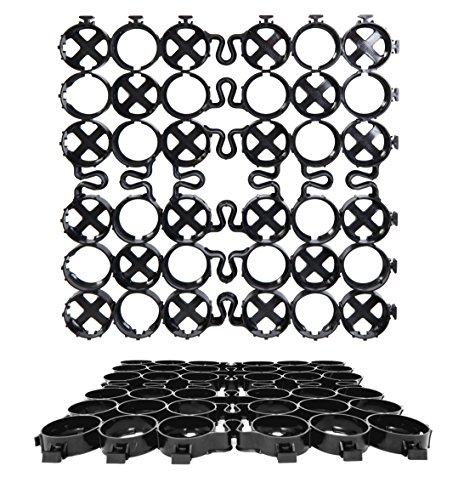
The TRUEGRID PRO LITE sets the benchmark for shed foundations with an extraordinary 120,000-pound load class rating, making it capable of supporting even the heaviest workshop sheds and the equipment inside them. Each 24×24-inch grid locks together using a simple click-together mechanism that requires no special tools, and the 1-inch cell depth holds gravel securely while allowing full drainage through the permeable structure. The system is manufactured in the USA from 100% post-consumer recycled HDPE, so you get industrial-grade durability with a reduced environmental footprint.
Installation requires excavating the area, adding a layer of geotextile fabric and a base of crushed stone, then clicking the panels into place before filling with your chosen gravel or even sod. Users consistently report that the grid transforms loose gravel into a surface that feels as solid as concrete, eliminating ruts and washouts even under the repeated pressure of vehicle tires. The versatile design makes it equally effective for shed bases, driveways, RV pads, and patios, giving you a permanent solution that requires minimal upkeep once the gravel is compacted.
The main trade-off is the upfront cost per square foot, which is higher than simpler grid systems, and the fact that making layout adjustments after the gravel is in place requires lifting and resetting sections. The PRO LITE tiles can be cut with a standard skill saw for custom shapes, but the grid’s strength is optimized for unidirectional loads — sustained twisting forces from skid-steer equipment can tear individual cells. For a standard storage shed base that sits still, however, this foundation is about as close to permanent as a non-concrete solution gets.
Why it’s great
- Industry-leading 120,000 lb load class handles heavy sheds and vehicles
- 100% recycled HDPE is UV-stable and highly durable
- Click-together assembly requires no tools or adhesives
Good to know
- Higher price per square foot compared to basic geocell grids
- Difficult to reposition once gravel is filled and compacted
- May tear under extreme lateral twisting forces from heavy machinery
2. Vodaland HexPave System

The Vodaland HexPave system offers a compelling middle ground between cost and performance, delivering 65 square feet of coverage from 22 interlocking units made entirely from 100% recycled PPE plastic. The hexagonal cell design creates a honeycomb structure that can handle up to 27,000 pounds of load depending on the base material, which is more than enough for the largest residential storage sheds and their contents. Each unit measures just 1 inch in depth, keeping the overall profile low while providing substantial stabilization for gravel or grass infill.
Reviewers highlight the HexPave as a superb concrete alternative for shed bases, noting that it requires only a level bed of sand, a vapor barrier, and the grids themselves for a professional-looking result. The tool-free installation is a genuine time-saver — the tiles snap together securely without any additional hardware, and the permeable design allows rainwater to drain directly into the ground, preventing standing water around your shed foundation. Users have successfully deployed these grids for shed bases, sidewalks, and even solutions for gravel road erosion.
The 1-inch cell depth means this system is best suited for lighter gravel or decorative aggregate rather than deeper crushed stone fills that provide maximum lateral strength. Some customers noted that the included anchoring stakes were insufficient for very high-traffic applications, but for a static shed base, the weight of the gravel and the shed itself holds the grid firmly in place. If you want a sturdy, eco-friendly base that drains perfectly without breaking your budget, this is a strong contender.
Why it’s great
- 27,000 lb load capacity covers large sheds with heavy contents
- Made from 100% recycled PPE plastic with excellent weather resistance
- Tool-free installation with secure snap-fit connections
Good to know
- 1-inch depth is best for decorative gravel, not deep stone layers
- Anchoring stakes may need supplementing for loose soil
- Some users report needing additional staples for peace of mind
3. BaseCore HD Geocell Ground Grid
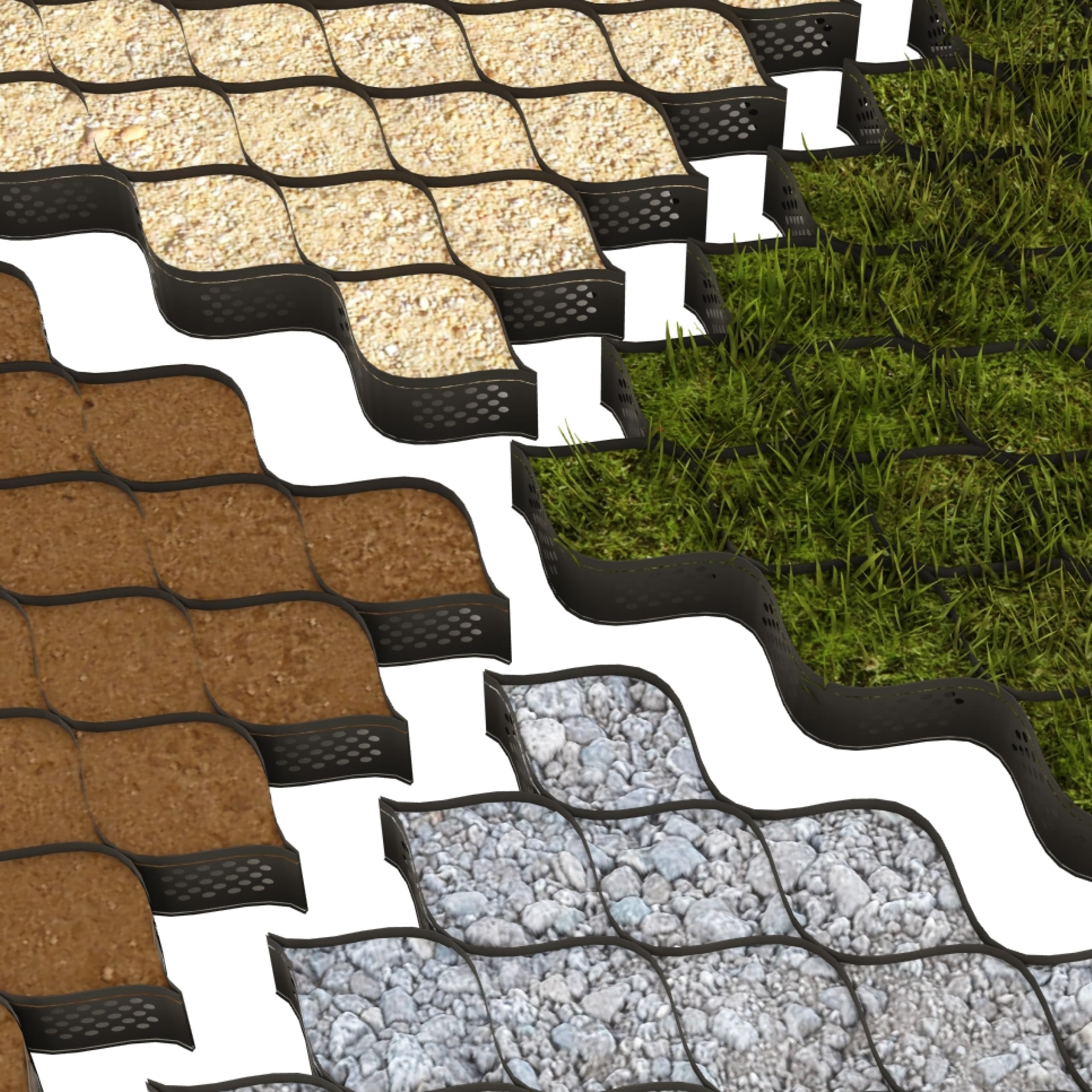
The BaseCore HD Geocell Ground Grid is a budget-friendly powerhouse that offers exceptional value for those needing to stabilize poor or sloped soil under a storage shed. The honeycomb cells are half the size of those found in competing geocell grids, meaning you get more material and better aggregate containment per square foot. The high-density polyethylene construction is thick-gauge and double-welded at every seam, achieving a tensile strength exceeding 2,000 pounds per square foot — a spec that makes it capable of handling lateral forces from shifting ground that would crack traditional concrete.
Installation is remarkably straightforward: the grid expands like an accordion, is trimmed with standard scissors for custom fits, and is secured using optional BaseClips and steel spikes. Users who have installed this grid under paver walkways on slopes and on dirt roads plagued by rain runoff report that it solves erosion issues that years of other methods failed to fix. The 2-inch cell depth is ideal for containing crushed limestone or decomposed granite, and the grid reduces fill requirements by roughly ⅔ compared to uncontained gravel.
The learning curve during installation is real — several users caution that gravel can cause the cells to rise if not carefully tamped, and the grid requires a generous number of stakes to remain flat under heavy aggregate weight. The single-panel design (6×9 feet) may require multiple panels for larger sheds, and the BaseClips for connecting panels are sold separately. For the price, however, the BaseCore HD delivers serious ground stabilization that dramatically outperforms its cost would suggest.
Why it’s great
- Double-weld seams rated over 2,000 lb/sq ft tensile strength
- 50% smaller cell size than competitors for better aggregate lock
- Very affordable entry point for geocell stabilization
Good to know
- Requires many stakes to keep cells flat during fill
- BaseClips for connecting multiple panels sold separately
- Single panel covers only 54 sq ft; larger sheds need more panels
4. Confer Plastics Handi Spa Pad 3-Pack

The Confer Plastics Handi Spa Pad is a unique entry in the shed foundation space because it was originally designed for hot tubs, but its locked-together HDPE panel system works exceptionally well as a quick and clean base for smaller plastic or resin sheds. Each of the three panels measures 32 by 48 inches and is 2 inches thick, providing a solid 4×8-foot footprint that keeps the shed floor elevated above ground moisture. The built-in strength pockets on the underside handle up to 300 pounds per square foot, and the interlocking connectors prevent the panels from shifting apart once assembled.
The primary advantage of this system is the sheer speed of installation — you level the ground, lay the panels, clip them together, and place your shed on top with no curing time, no gravel, and no complex site prep. Customers have successfully used these pads under small 6×4 resin sheds for years without any sinking or deterioration, and the thick plastic cushion protects the shed bottom from abrasion against rough gravel or wood. The gray color blends well with most outdoor environments and doesn’t look out of place as a visible perimeter base.
The dense plastic material is expensive per square foot compared to gravel-grid alternatives, and the 4×8-foot coverage from the three-pack is best suited for smaller sheds. Larger structures will require additional packs, which adds up quickly. The pad is not designed to handle the concentrated point loads of a heavy metal shed’s skids — it works best when supporting a flat-bottomed resin or wood shed. For a quick, no-mess foundation for a small storage unit, however, it is one of the most convenient options available.
Why it’s great
- Install in minutes — no gravel, no tools, no curing time
- Built-in interlocking connectors prevent panel shifting
- 300 lb/sq ft rating is solid for small to medium sheds
Good to know
- Expensive per square foot for larger shed footprints
- Not ideal for heavy point loads from metal shed skids
- Best suited for flat-bottomed resin sheds under 8×6 feet
5. BULLKE Round Foundation Block 10-Pack
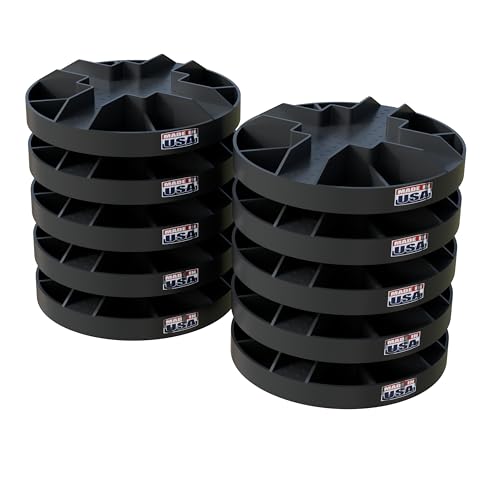
The BULLKE Round Foundation Blocks offer a fundamentally different approach to shed bases — instead of a continuous solid surface, you create a series of elevated support points that lift the shed above the ground, allowing air to circulate freely underneath and preventing moisture from wicking up into the floor. Each 10-inch diameter round block is 1.75 inches tall and made from 100% recycled high-density polyethylene that is resistant to rot, rust, and insect damage. The load rating of 1,250 pounds per block means a set of ten blocks can support over 12,000 pounds when evenly distributed.
The system is ideal for constructing a floating shed platform where the structure rests on a grid of 4×4 timbers or directly on the blocks themselves. Unlike concrete piers, these blocks are lightweight and easy to reposition during the leveling process — just add or remove sand beneath each block until the surface is perfectly flat. Users building floating decks and deck landings praise the blocks for their stability and the simplicity of the installation, noting that the groove design accepts treated 2x4s snugly without needing additional hardware.
The design lacks pre-drilled drain holes, meaning water can pool inside the block if it gets trapped between the top of the block and the shed floor. Some customers have drilled their own drainage holes, but this is an extra step that should be included from the factory. The 10-pack also covers a relatively small area for a large shed unless you order multiple packs. For medium floating decks and sheds where airflow under the structure is a priority, these blocks provide a clean, eco-friendly solution.
Why it’s great
- Exceptional 1,250 lb per block load rating from recycled HDPE
- Allows full air circulation under shed floor to prevent rot
- Lightweight and easy to reposition for perfect leveling
Good to know
- No drain holes; water may pool inside block tops
- 10-pack covers a limited area for larger sheds
- Requires a framework of timbers for most shed types
6. Arrow Sheds Floor Frame Kit

The Arrow Sheds Floor Frame Kit is a purpose-built steel foundation designed exclusively for Arrow Classic and Select storage sheds in the larger 10×11, 10×12, and 10×14-foot sizes. Instead of a gravel grid or pedestal system, this uses a perimeter frame of hot-dipped galvanized steel to create a rigid border that lifts the shed floor off the ground, providing a stable platform that resists corrosion from ground moisture. The frame includes a metal door track and all the hardware needed for installation, making it a seamless addition to a compatible Arrow shed.
Installing the frame after the shed is assembled is a straightforward process that involves positioning the steel rails around the shed perimeter and securing them together with the included fasteners. You then fill the enclosed area with a non-pressure-treated flooring material of your choice — typically pressure-treated plywood or composite decking — to create a level, durable interior floor. Users who pair this kit with their Arrow sheds consistently note that it makes the shed floor perfectly even and adds significant rigidity to the structure that prevents the walls from bowing outward over time.
The major caveat is compatibility: this frame is not universal and will not fit Arrow sheds outside the stated size range or sheds from other manufacturers. One verified reviewer reported a complete mismatch that resulted in a non-returnable kit after the 30-day window, so double-checking the exact shed model number is critical before purchase. The frame also does not include the actual floor decking, adding to the total project cost. For owners of compatible Arrow sheds, however, this is the only frame that provides a perfect factory-fit solution.
Why it’s great
- Factory-fit design for Arrow Classic & Select large sheds
- Galvanized steel frame resists corrosion from damp ground
- Includes metal door track and all installation hardware
Good to know
- Only compatible with specific Arrow shed models and sizes
- Floor decking material is not included
- Verify shed model before buying to avoid fitment issues
7. Gizoon Outdoor Storage Shed 8×6 FT
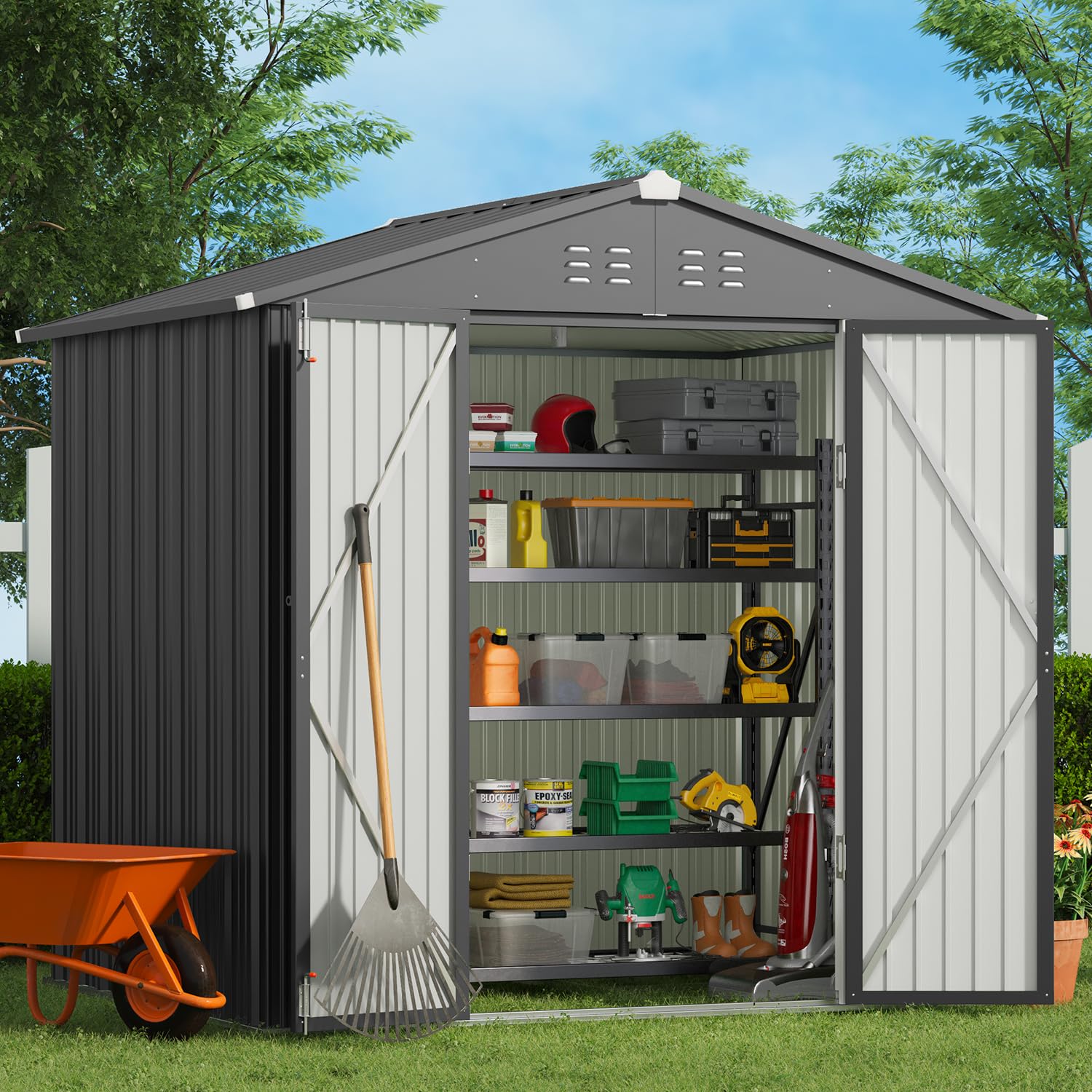
The Gizoon 8×6 FT Outdoor Storage Shed is unique in this guide because it is a complete shed unit that includes its own base structure, eliminating the need to source a separate foundation system if you are buying this specific shed. The body is constructed from premium galvanized steel with a UV-defensive paint coating that resists sun damage, and the reinforced base frame and heavy-duty hinged doors provide a stable enclosure for garden tools, bikes, or lawn equipment. The sloping roof design prevents water accumulation, addressing one of the most common causes of metal shed roof failure.
While the shed includes a base frame, customers strongly recommend placing it on a prepared foundation such as a gravel grid, concrete pavers, or a treated wood platform to ensure long-term stability and prevent the metal frame from sinking into soft soil. Many users have successfully used pallets on a layer of pea gravel and a pressure-treated decking floor to create a solid, level platform that keeps the shed well above ground moisture. The shed itself provides 47.67 square feet of interior storage in a compact footprint that fits easily into a backyard or side yard.
The galvanized steel panels are thin relative to industrial-grade sheds, and several users report sharp edges during assembly that can cause injury without proper gloves. Holes may not align perfectly on every unit, requiring some drilling to fit all bolts. Assembly is a multi-hour project that definitely requires two people, and the instructions could be clearer. For the price point, however, the Gizoon shed offers a complete storage solution, and when combined with a proper base like the BaseCore or TRUEGRID grids below it, it becomes a surprisingly durable outdoor storage package.
Why it’s great
- Complete shed with reinforced steel base frame included
- Galvanized steel with UV-defensive paint for weather resistance
- Compact 8×6 ft footprint fits tight backyard spaces
Good to know
- Thin sheet metal with sharp edges requires careful handling
- Some holes may misalign; drilling may be needed
- Assembly is intensive and best done with two people
FAQ
Do I need a vapor barrier under a geocell shed base?
Can I place a plastic resin shed directly on grass?
How deep should I excavate for a geocell shed base?
Final Thoughts: The Verdict
For most users, finding the best base for storage shed comes down to matching the solution to the shed’s size and your soil type. The TRUEGRID PRO LITE wins for heavy-duty installations where load capacity and permanent stability are non-negotiable. If you want a balanced mix of cost and performance, the BaseCore HD Geocell Grid delivers serious ground stabilization without breaking the bank. And for a small plastic shed on a weekend project timeline, the Confer Handi Spa Pad provides the fastest path to a level, dry foundation.