
A 120mm ski binding brake width is not a suggestion—it’s a hard physical constraint. Cram a 100mm brake onto a 120mm waisted ski and you’ll drag an edge on every carve, pop a brake arm on the first icy mogul, or worse, fail to release cleanly in a fall. The bindings in this list are all built around a 120mm brake footprint, matched to specific DIN ranges, heel elasticity, and power transmission geometry that dictates how a ski actually feels at speed.
I’m Min — the co-founder and writer behind Gadgets Feed. This guide comes from cross-referencing hundreds of hours of brake-width compatibility data, heel-tower durability tests, and AFD plate material analysis to separate the bindings that skive on safety from the ones that genuinely hold an edge.
Finding the right 120mm ski bindings means balancing your DIN setting against your boot sole standard and the terrain you ride most often, not just picking the lightest or cheapest option in the rack.
How To Choose The Best 120mm Ski Bindings
Selecting a 120mm binding starts with your ski’s waist width and your DIN requirement, but the decision doesn’t stop there. Heel elasticity, AFD material, and boot sole compatibility determine whether a binding releases reliably and retains energy through a carve. Rushing past these details often leads to pre-release at speed or a heel that won’t hold in variable snow.
Brake Width Must Match Ski Waist
A 120mm brake is designed for skis with a waist between roughly 115mm and 125mm. If your ski waist exceeds 125mm, the brake arms may not clear the edge during a turn; if it’s under 115mm, the arms overhang and catch on packed snow. Always measure your ski’s narrowest point—printed waist numbers on the topsheet are often rounded down by 2-3mm.
DIN Range Matches Your Ability and Weight
The DIN setting controls the force required to release the boot from the binding. Entry-level bindings with a 3-11 DIN range suit lighter or less aggressive skiers, while high-DIN options like 4-13 or 5-15 are built for heavier, expert-level riders who need higher retention. Buying a binding with a DIN ceiling well above your actual setting adds unnecessary weight and stiffness.
Boot Sole Standards and AFD Compatibility
Alpine soles (ISO 5355) and GripWalk soles (ISO 23223) require a binding with an adjustable or auto-adjusting Anti-Friction Device (AFD). The AFD allows the boot toe to slide laterally during a release, reducing the risk of ACL injury. If you plan to switch between sole standards, choose a binding with Multinorm or SOLE.ID technology that accommodates both without adapters.
Heel Elasticity and Step-in Force
Heel elasticity—measured as the vertical and horizontal spring travel before release—determines how much vibration and shock the binding absorbs before triggering. Higher elastic travel (8-12mm) prevents pre-release on bumpy terrain without compromising safety. Low elastic travel (under 6mm) can cause early release on rough snow, especially in heavier riders.
Quick Comparison
On smaller screens, swipe sideways to see the full table.
| Model | Category | Best For | Key Spec | Amazon |
|---|---|---|---|---|
| Marker Griffon 13 | Premium Freeride | Advanced to expert all-mountain | DIN 4.0-13.0, 120mm brake | Amazon |
| Tyrolia Attack 11 GW | Mid-Range All-Mountain | Intermediate to advanced carvers | DIN 3.0-11.0, GripWalk ready | Amazon |
| Marker Squire 11 | Entry-Level Value | Beginner to intermediate progression | DIN 3.0-11.0, Hollow Linkage heel | Amazon |
| Nidecker LT Supermatic | Premium Entry | Quick in/out convenience on all terrain | Dual-entry, flax fiber highback | Amazon |
| Union Strata | Premium Freestyle | Park and pipe advanced riders | EVA + aluminum chassis, mini disc | Amazon |
| Union Flite Pro | Budget All-Mountain | Beginner to intermediate freeride | Aluminum heelcup, 4/10 flex | Amazon |
| K2 Indy | Mid-Range All-Mountain | All-mountain intermediate riders | GF Profusion chassis, 3° canted footbed | Amazon |
| HEAD RX ONE | Entry-Level Step-In | Learning control and progression | Reclining highback, EVA base pads | Amazon |
| Burton Freestyle Re:Flex | Mid-Range Freestyle | Park and playful all-terrain riding | Re:Flex FullBED, MicroFLAD lean | Amazon |
In‑Depth Reviews
1. Marker Griffon 13 Ski Bindings
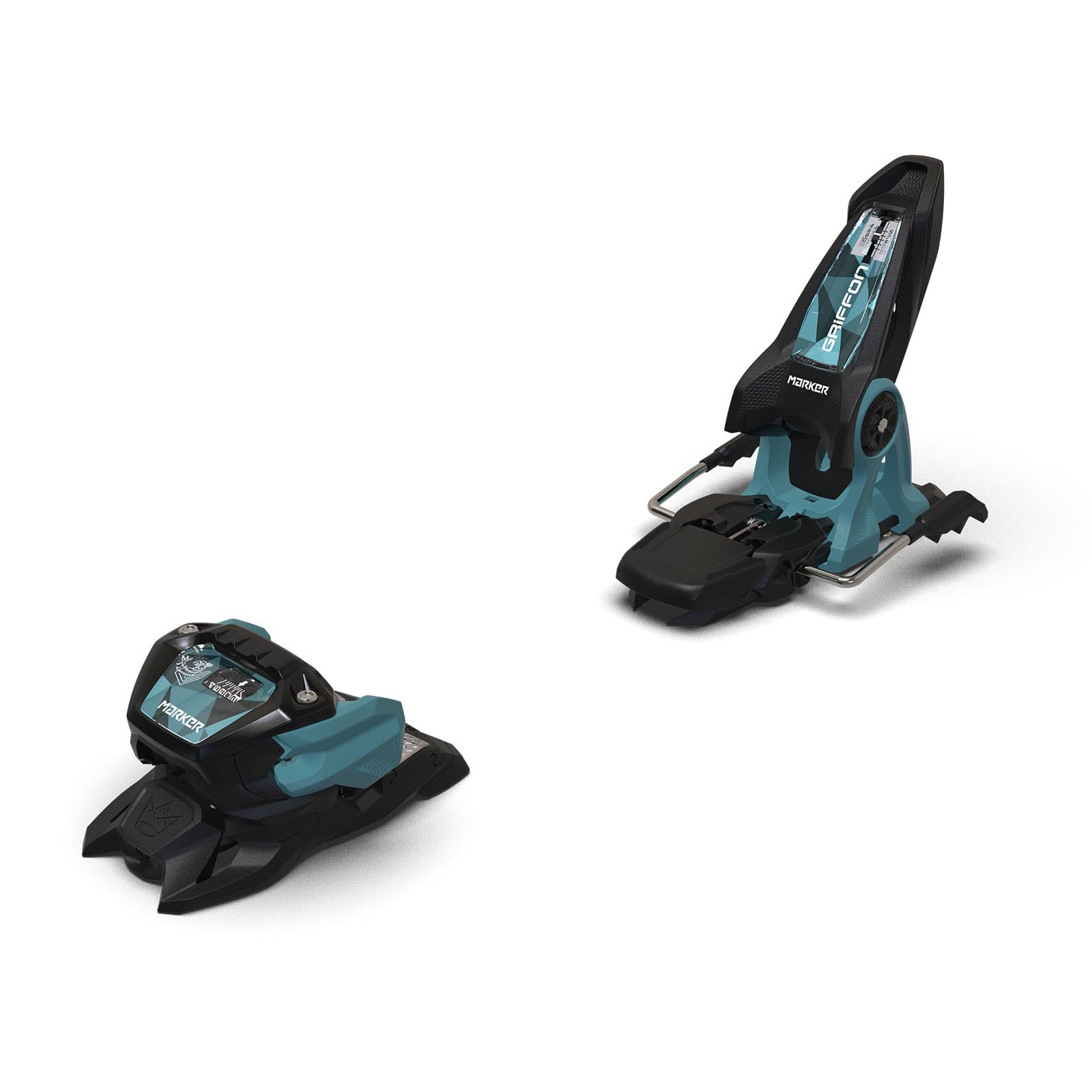
The Marker Griffon 13 anchors this list because its Triple Pivot Elite toe delivers 12mm of elastic travel—enough to absorb chatter on hardpack without pre-releasing, but stiff enough that an expert skier can load it at 50 mph. The Inter Pivot 3 Freeride Heel adds vertical elasticity of 10mm, which prevents the boot from popping out during heavy landings in variable snow.
The Multinorm (SOLE.ID) technology means the AFD plate adjusts automatically whether you’re running standard Alpine soles or GripWalk boots, eliminating the shim swaps that cheaper bindings require. At 5.5 pounds per pair, it isn’t the lightest option, but the reinforced screws and stainless steel Gliding AFD resist corrosion from wet snow and road salt better than any composite competitor.
DIN tops out at 13, which suits advanced to expert skiers weighing over 90kg who ski aggressively on all-mountain terrain. The centralized swing weight also benefits freestyle riders—the chassis geometry keeps the mass close to the ski centerline, reducing rotational inertia during spins without sacrificing edge grip on the landing.
Why it’s great
- Triple Pivot Elite toe offers highest elastic travel in this price bracket
- Multinorm compatibility handles Alpine, GripWalk, and touring soles without adapters
- Reinforced screws and stainless steel AFD resist long-term corrosion
Good to know
- Heavier than dedicated freeride touring bindings by about 300g per pair
- Step-in force is slightly higher than the Squire 11 due to the stiffer heel spring
2. Nidecker LT Supermatic Snowboard Bindings
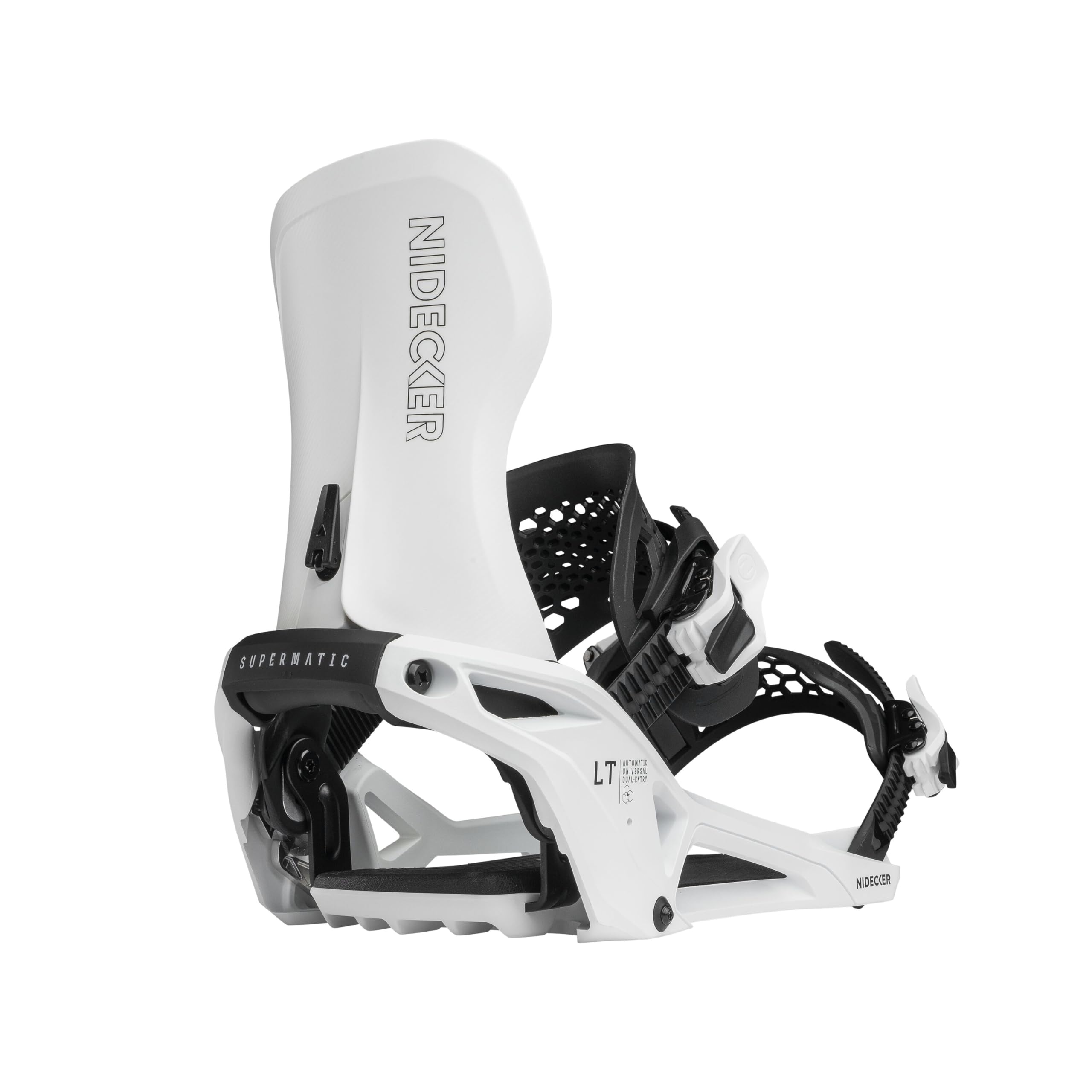
The Nidecker LT Supermatic redefines the step-in experience with an assisted-entry heel pedal that locks the boot automatically—no bending, no strap wrestling in pow. Once latched, the recycled carbon hanger and flax fiber highback deliver a mid-stiff flex that feels responsive edge-to-edge without the dead feel of early step-in designs. The reinforced chassis transmits power directly through the binding into the edge, so carving at speed doesn’t introduce slop.
The damp footbed uses a layered EVA and rubber compound that attenuates high-frequency vibrations from icy groomers, keeping the board planted during choppy landings. Tool-free micro-adjustments allow dialing the strap tension and highback rotation on the fly, which is critical when you transition from park to backcountry in the same session.
At 6 pounds per pair, these are heavier than traditional strap bindings by roughly half a pound, but the convenience of 30+ step-ins per day—common in low-vertical Midwest terrain—offsets the weight penalty. The leash provided is slightly short for larger boot sizes; a longer leash solves the issue without compromising retention.
Why it’s great
- Assisted-entry heel pedal eliminates strap binding fatigue on high-run days
- Flax fiber and recycled carbon highback provide responsive flex without excess weight
- Tool-free micro-adjustments for strap tension and highback lean angle
Good to know
- Heavier than traditional strap bindings; noticeable on long hikes
- Included leash is short—upgrade for extra security with larger boots
3. Union Strata Men’s Snowboard Bindings
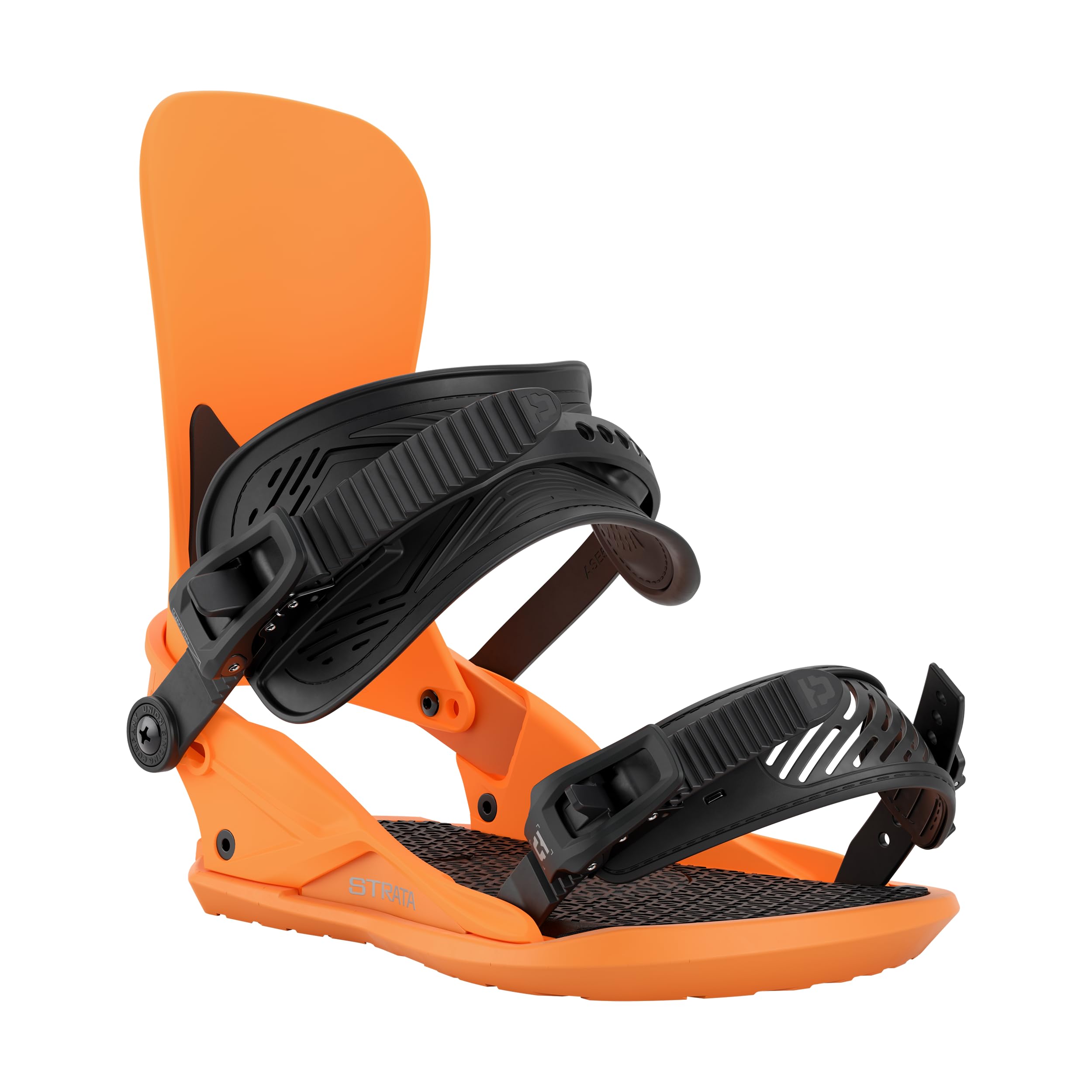
The Union Strata uses a rubber-damped baseplate that isolates the board from vibration, preventing the mounting hardware from loosening over a season of hard charging. The upgraded bushing material around the ankle strap absorbs shock on landings, which reduces fatigue in the park where repeated impacts are the norm. The mini disc mounting system lowers the overall stack height, improving board feel and edge control.
The over-toe strap wraps the boot toe without pressure points, though the design can feel awkward to adjust on the first few rides. Once dialed, the strap holds securely through deep carves without creeping. Tool-less top strap adjustment is straightforward, but the pins are short, so you need to keep the ladder tight to prevent the strap from backing out.
Ridden by Union team athletes Brandon Cocard and Austin Vizz, the Strata leans into a medium-stiff flex that balances pop off jumps with enough give for jibbing rails. Note that the mini disc is incompatible with vintage Burton 3D mounting patterns—verify your board’s insert layout before purchasing.
Why it’s great
- Rubber-damped baseplate prevents vibration loosening of mounting screws
- Upgraded bushing material absorbs repeated park landings
- Mini disc reduces stack height for better board feel
Good to know
- Over-toe strap takes a few sessions to dial in properly
- Mini disc incompatible with vintage Burton 3D mounting patterns
4. Tyrolia Attack 11 GW
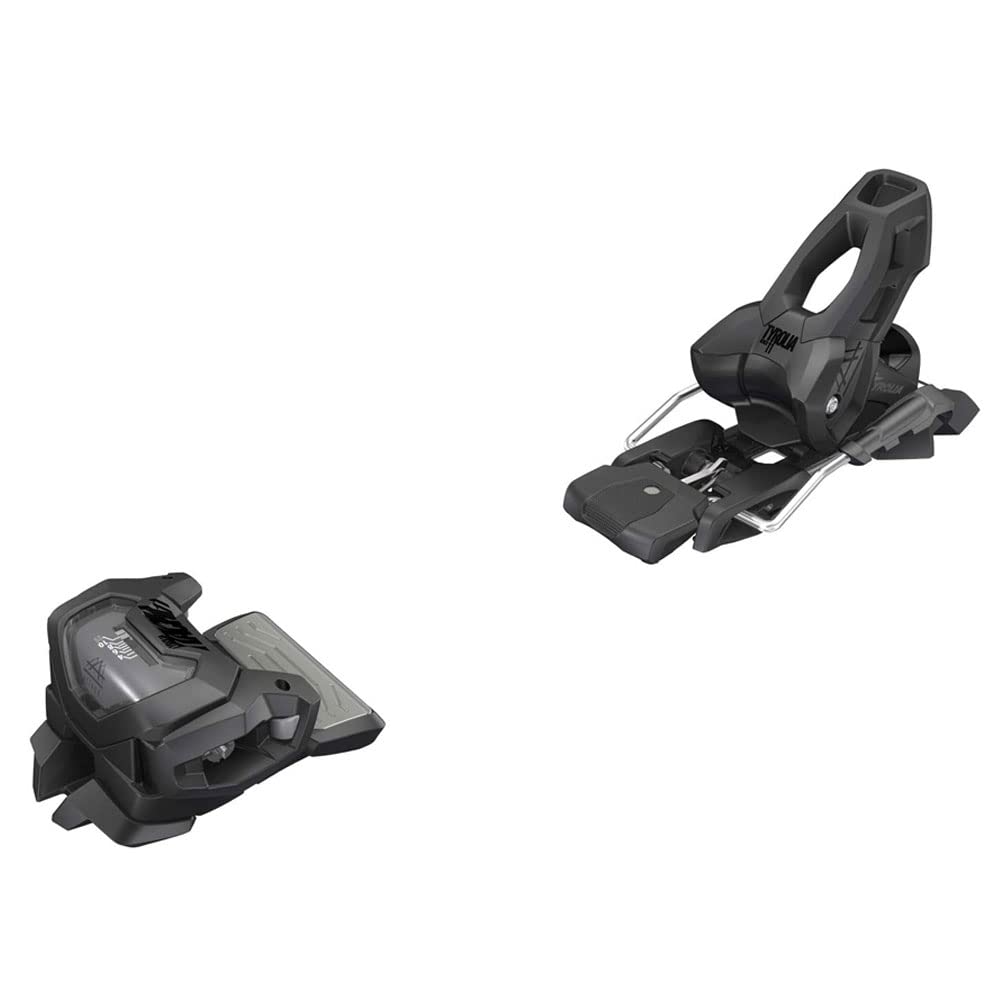
The Tyrolia Attack 11 GW is built for the intermediate to advanced skier who wants reliable retention without paying for a 13 DIN binding they’ll never use at the top end. The Attack’s heel mechanism delivers a smooth step-in with low force—critical when you’re clicking in on a steep sidehill. The GripWalk-ready AFD accepts both Alpine and GripWalk soles without any adjustment, so switching between boots doesn’t require a shop visit.
The 110mm brake width is slightly narrower than the 120mm standard for this list, but it fits skis with waists up to roughly 115mm, which covers many all-mountain skis in the 105-115mm range. The stainless steel AFD plate resists ice buildup, keeping release values consistent even after skating across a frozen parking lot.
At 16 ounces per binding, it’s one of the lightest options here, making it a strong choice for skiers who spend as much time hiking as they do riding lifts. The warranty is a limited manufacturer coverage, so hold onto your receipt for any heel tower or toe spring issues down the line.
Why it’s great
- Low step-in force ideal for steep or icy boot packs
- GripWalk-ready AFD accepts both sole standards without adapters
- Lightweight 16-ounce construction reduces swing weight
Good to know
- 110mm brake fits skis with waists up to 115mm only—verify width
- Limited warranty; retain proof of purchase for heel/spring issues
5. Marker Squire 11 Alpine Ski Bindings
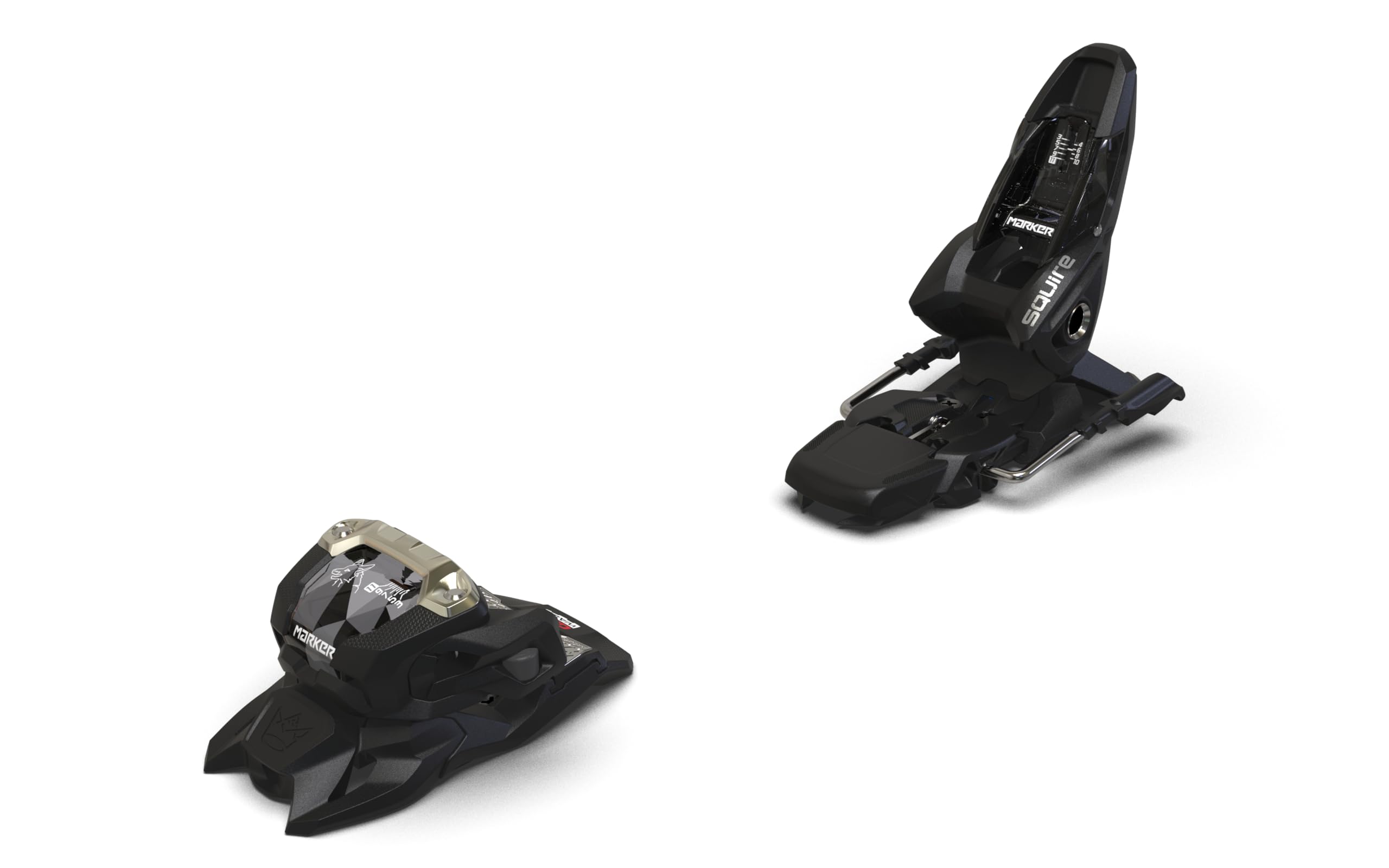
The Marker Squire 11 is the go-to binding for skiers moving from groomed blues into moguls and light trees. The Hollow Linkage 2 heel reduces step-in force by 30 percent compared to the previous generation, which matters when you’re wrestling with cold fingers and a steep runout. The Triple Pivot Light 2 toe incorporates an Anti Ice Rail that lets you scrape the boot sole clean before clicking in, preventing ice from interfering with the AFD’s function.
The DIN range of 3.0 to 11.0 covers skiers weighing roughly 45kg to 110kg, but the binding’s construction prioritizes ease of release over high-energy retention. On hard mogul fields, the lower elastic travel (approximately 7mm in the toe) can cause pre-release for heavier aggressive skiers pushing the upper DIN. For the majority of intermediates, though, the Squire offers predictable release behavior that protects the knees.
At 820 grams per binding, it’s notably lighter than the Griffon 13, making it a good match for skiers who want a light setup for all-day touring or long lift lines. The composite and stainless steel construction holds up well in wet conditions, and the GripWalk compatibility means it will work with modern boot soles out of the box.
Why it’s great
- Hollow Linkage 2 reduces step-in force by 30% for easy engagement
- Anti Ice Rail allows sole scraping before clicking in
- Lightweight 820g per binding suits all-day use
Good to know
- Lower elastic travel may cause pre-release for heavy aggressive skiers at high DIN
- Not built for sustained big-mountain or park abuse
6. K2 Indy Men’s Snowboard Bindings
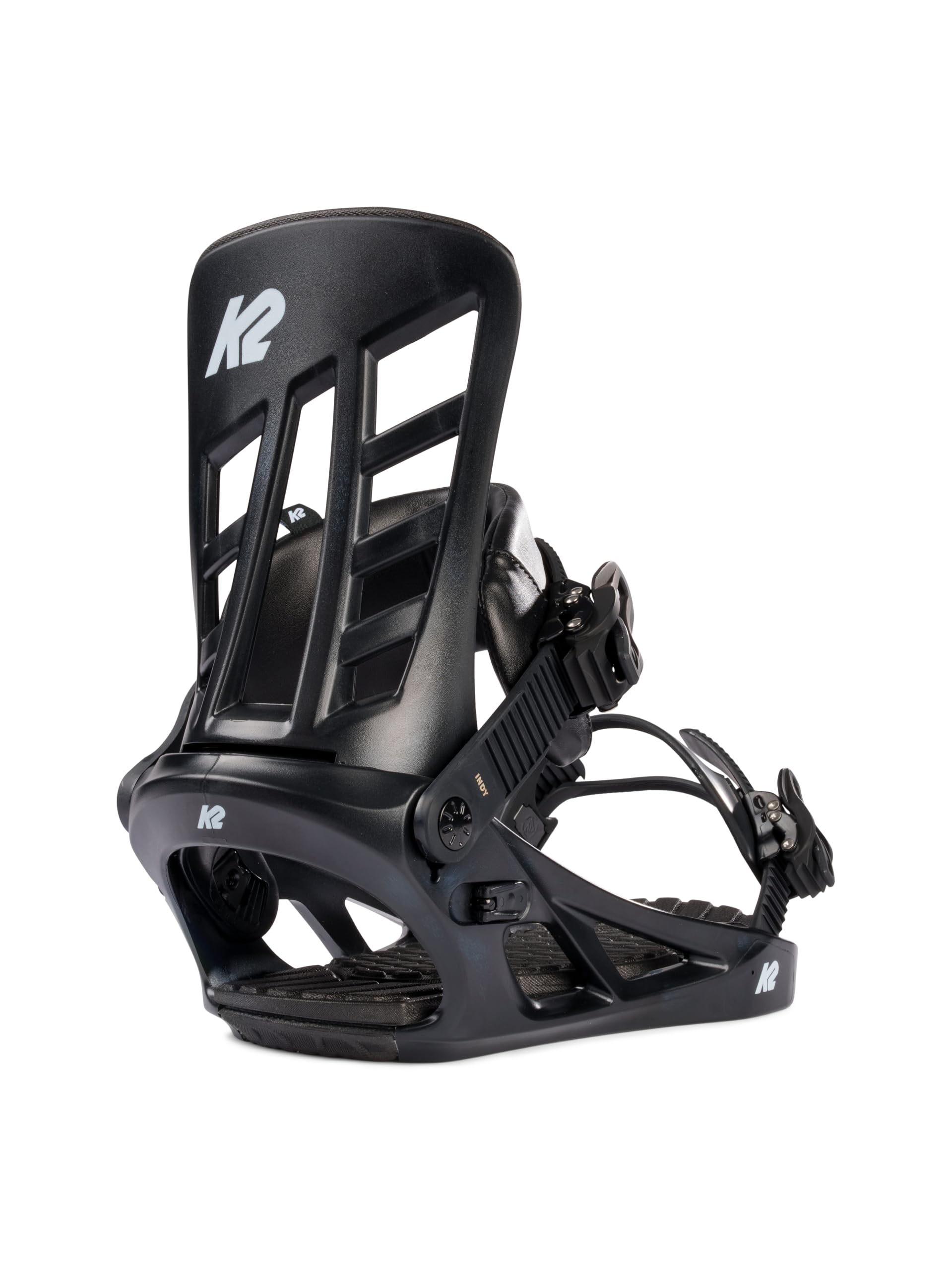
The K2 Indy targets the intermediate rider who wants a responsive binding without paying for flagship materials. The GF Profusion chassis uses integrated fiberglass in the baseplate to stiffen the frame without adding metal weight, providing a consistent flex across temperature swings that would soften a pure plastic base. The 3° canted footbed rotates the rider’s knees into a more natural alignment, which reduces foot fatigue on long carving days and improves edge control.
The Gap Eraser highback eliminates the space between boot and highback, creating a direct connection that translates every ankle movement into board response. The CustomCaddi ankle strap is the most padded option in this price bracket, distributing pressure across the instep rather than concentrating it on the tongue of the boot. The Perfect Fit 2.0 toe strap uses flexible hinges that contour to any boot shape, eliminating the toe-overhang sensation that some strap designs create.
However, the tool-less adjustment system is a mixed bag—while it’s convenient for on-mountain tweaks, the heel adjustment mechanism feels less secure than a traditional screw-down setup. Some users reported strap failures after limited use, particularly in the toe strap ladder, so inspect the hardware periodically if you ride park or high-impact terrain.
Why it’s great
- 3° canted footbed reduces knee fatigue and improves edge control
- Gap Eraser highback eliminates dead space for instant response
- Padded CustomCaddi ankle strap distributes pressure evenly
Good to know
- Tool-less heel adjustment feels less secure than traditional screw systems
- Strap durability reported as inconsistent after heavy use in high-impact terrain
7. Union Flite Pro Men’s Snowboard Bindings
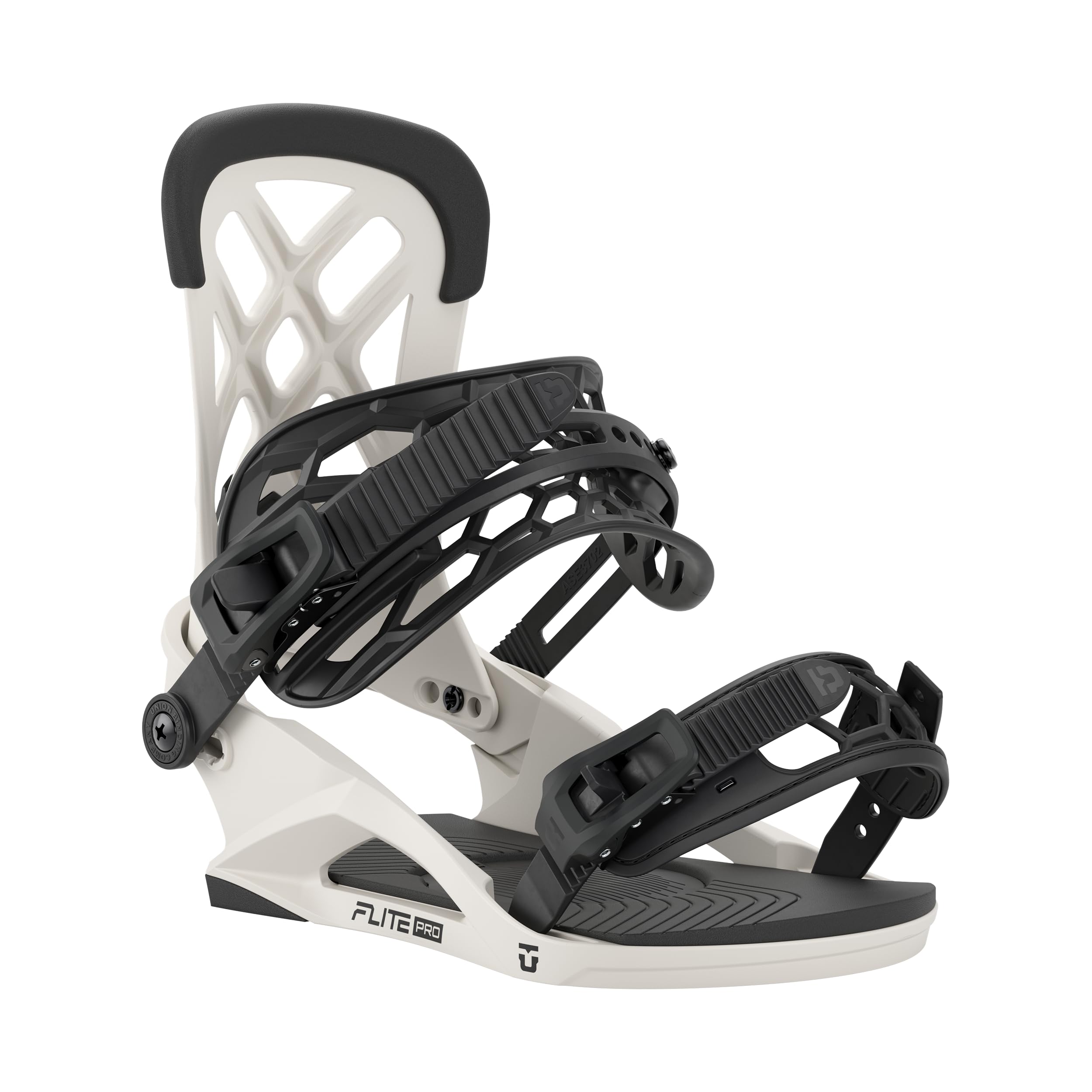
The Union Flite Pro serves as the entry point for riders who want a lightweight binding with an aluminum heelcup—a feature usually reserved for higher-priced models. The 4/10 flex rating makes it forgiving for beginners learning to carve but soft enough that intermediate riders may outgrow it within a single season. The EVA footbed provides decent vibration damping for groomer cruising, but it lacks the layered damping found in premium bindings that handle chatter on refrozen snow.
The straps use a standard ratchet system that feels smooth out of the box, and the ratchet’s release button is large enough to operate with gloves. Compatibility with all mounting systems means it fits Burton channel boards, 4×4 inserts, and 3D patterns without an adapter, which simplifies the purchase decision for riders with multiple boards.
The primary trade-off is the plastic baseplate—while it keeps weight down to 4.3 pounds per pair, it flexes under heavy loading during steep carves or hard landings, reducing edge hold. For riders progressing beyond blue runs, the Flite Pro will feel loose quickly, making it best suited for lighter riders or dedicated park beginners who value forgiveness over precision.
Why it’s great
- Aluminum heelcup at a price point where most competitors use plastic
- Compatible with all mounting systems, including Burton channel
- Lightweight 4.3-pound construction reduces leg fatigue on long days
Good to know
- 4/10 flex outgrown quickly by intermediate riders on steep terrain
- Plastic baseplate flexes under heavy loading, reducing edge hold
8. Burton Men’s Freestyle Re:Flex Snowboard Bindings
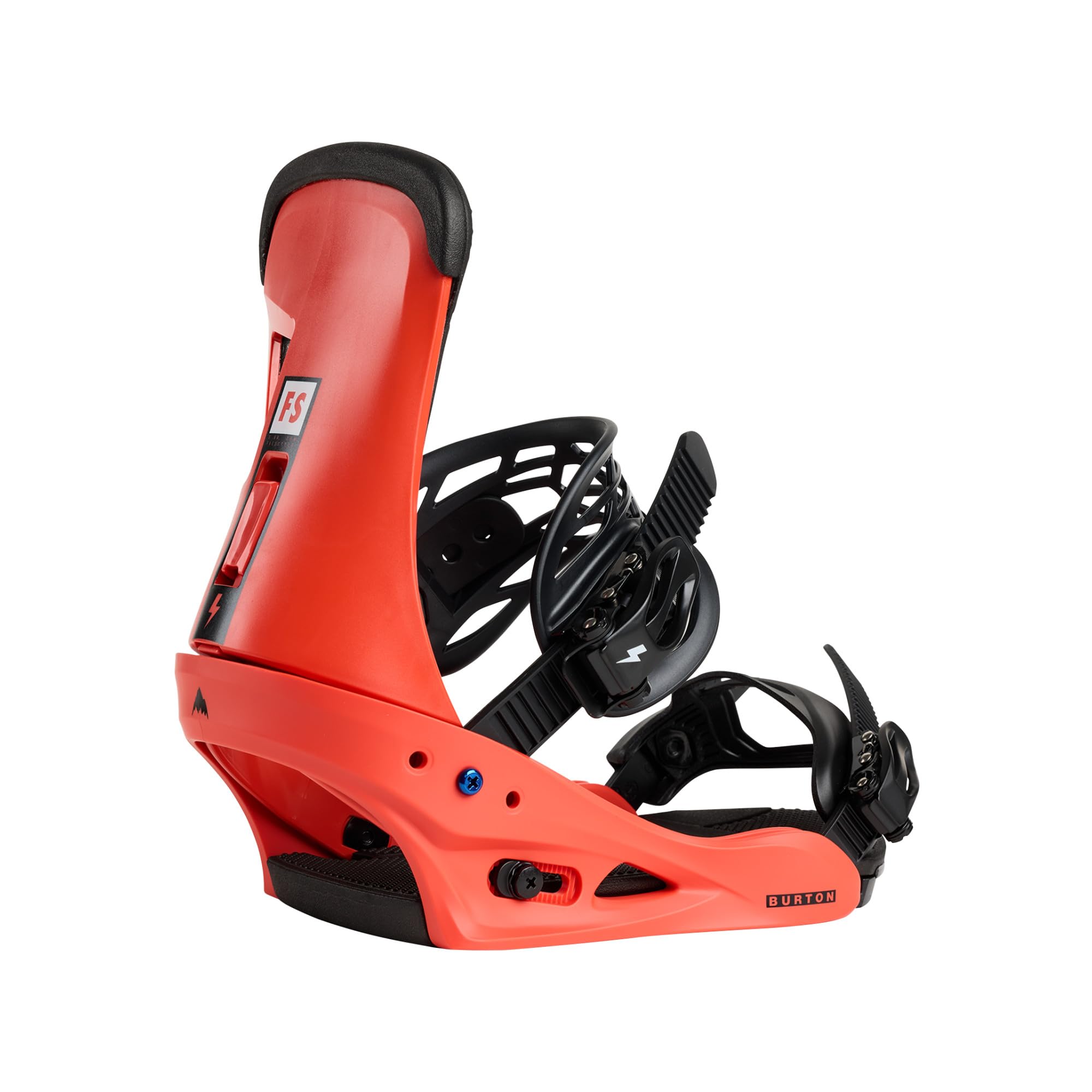
The Burton Freestyle Re:Flex brings a lifetime warranty on the baseplate—a rare offering at this tier. The Re:Flex FullBED Cushioning System runs the entire length of the footbed, absorbing chatter and impact during park landings while keeping the mounting hardware accessible for easy adjustment. The single-component baseplate and hi-back construction means there’s no layered material to delaminate over time, delivering consistent flex from day one through season three.
The MicroFLAD system uses a lever-and-slide plate to set forward lean on the highback without tools, allowing riders to dial in response for park (low lean) or all-mountain charging (high lean) without stopping. The Reactstrap ankle strap wraps the boot shape without creating pressure points, and the Supergrip Capstrap toe strap is fully injected to resist snow buildup and ice crusting that can freeze traditional straps shut.
Some users reported rust forming on the hardware after exposure to wet snow and salt air, so a post-ride wipe-down is advisable. The large size accommodates boot sizes roughly US 10-13, but riders with very wide boots should test the toe strap fit before committing—the Supergrip Capstrap can feel restrictive if the boot toe is oversized.
Why it’s great
- Lifetime warranty on the baseplate provides long-term value
- MicroFLAD tool-less forward lean adjustment for quick tuning
- FullBED cushioning reduces fatigue on all-day park sessions
Good to know
- Hardware prone to rusting in wet conditions—requires post-ride drying
- Supergrip Capstrap may feel restrictive on oversized boot toes
9. HEAD RX ONE
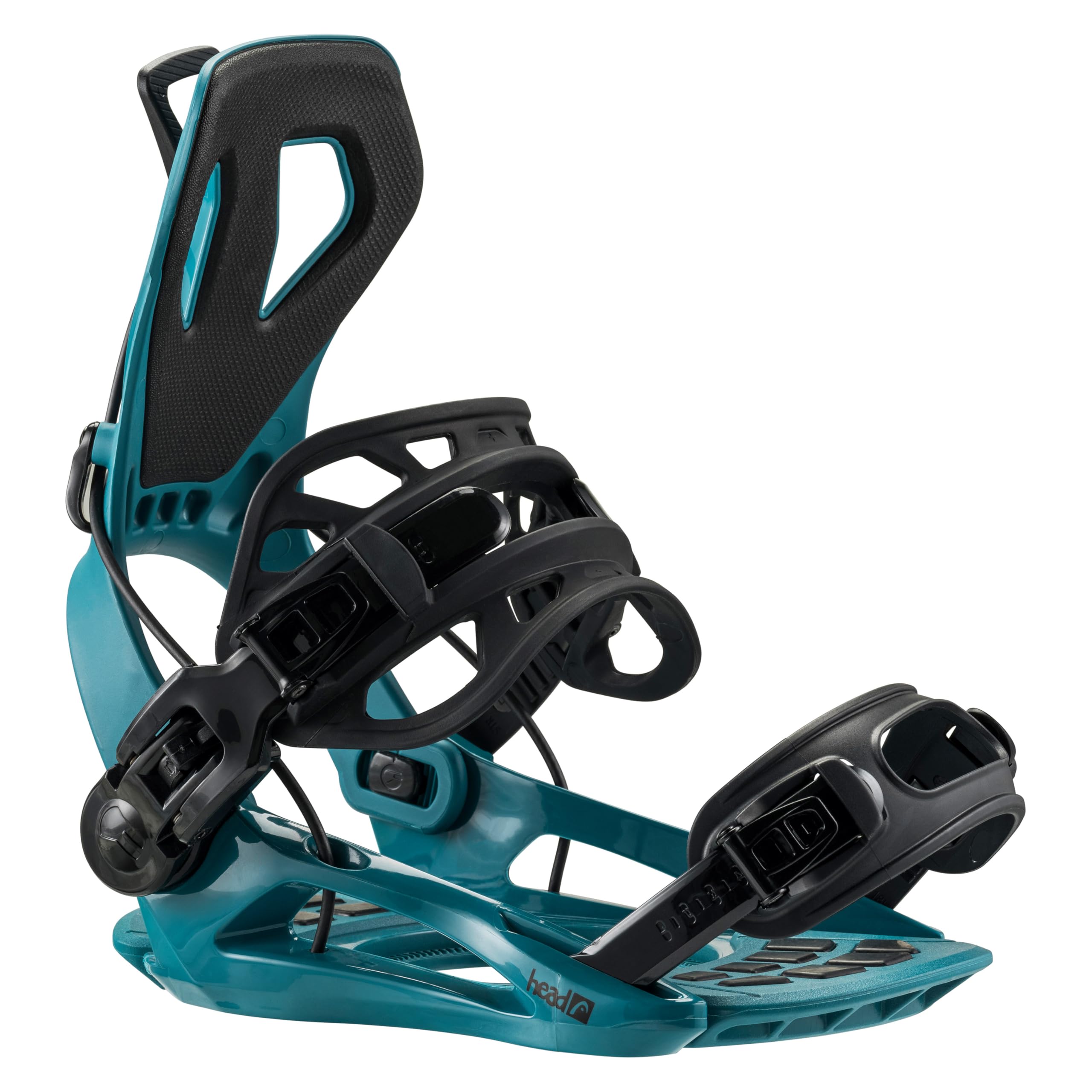
The HEAD RX ONE solves the beginner’s biggest friction point: fumbling with straps on cold, windy chairlift unloads. The reclining highback lays flat for step-in entry, then snaps upright once the boot is seated, cutting strap time by roughly 75 percent. Riders report getting 8 extra runs per day simply because they’re not wrestling bindings every lap. The Flex Index 3 delivers a forgiving, playful flex that suits beginners learning edge control and intermediates refining their technique.
The EVA-formed toe and heel base pads absorb chatter from scraped-off groomer patches, which reduces the vibration that rattles inexperienced riders into bad body positions. The lightweight FT1 base uses a PA frame that transfers energy efficiently without the weight penalty of a full metal chassis, keeping the setup agile for quick turn initiation. The 3D Comfort Strap molds around the boot contour with minimal pressure points, providing a secure connection that doesn’t feel restrictive.
However, the rear toe strap broke on the first day for one user, suggesting component inconsistency in the entry-level batch. The small size fits boot sizes roughly US 6-9, while the recommended XL handles up to size 12; riders above size 12 may find the heel rubs at max strap extension. Budget for a potential hardware replacement if the toe strap fails.
Why it’s great
- Reclining highback enables step-in entry, saving significant time per run
- EVA-formed base pads absorb chatter for smoother beginner progression
- Flex Index 3 provides forgiving response ideal for learning control
Good to know
- Rear toe strap reported failing on first day for some users
- Not suitable for boots above size 12; heel rub occurs at max strap extension
FAQ
Can I mount a 120mm brake on a ski with a 110mm waist?
What DIN should I set for a 180lb skier riding aggressively?
Do GripWalk boots require special ski bindings?
Final Thoughts: The Verdict
For most skiers, the 120mm ski bindings winner is the Marker Griffon 13 because its Triple Pivot Elite toe offers class-leading elastic travel while maintaining DIN compatibility up to 13, covering aggressive experts without overbuilding for lighter riders. If you want tool-free step-in convenience on the snowboard side, grab the Nidecker LT Supermatic. And for the budget-conscious skier seeking reliable release characteristics without the premium price, nothing beats the Marker Squire 11.