
The moment your baby takes those first wobbly steps, the wrong shoe can turn confidence into frustration. Slippery soles, narrow toe boxes that pinch, and stiff materials that resist natural foot movement are the primary complaints from parents who have been through the gauntlet of infant footwear. A genuinely effective walking shoe needs to blend a rigid enough heel counter for stability with a flexible forefoot that lets tiny muscles develop naturally.
I’m Min — the co-founder and writer behind Gadgets Feed. I’ve spent countless hours analyzing the technical specifications, customer feedback patterns, and podiatric recommendations that separate a supportive toddler walker from a decorative foot cover.
After reviewing dozens of models and cross-referencing real parent experiences with biomechanical requirements, I’ve identified the seven most reliable options for the best baby hard bottom shoes that actually support developmental walking without compromising on comfort or durability.
How To Choose The Best Baby Hard Bottom Shoes
The phrase “hard bottom” is often misinterpreted by new parents. A proper first walker needs a sole that is firm enough to provide stability for a new walker but still allows the shoe to bend at the ball of the foot. Stiff, unbending soles force toddlers to walk with an unnatural gait and increase the risk of tripping. The goal is a shoe with a supportive heel cup and a flexible forefoot—not a board-like sole.
Toe Box Width and Shape
A baby’s foot is widest at the toes, so the toe box should mimic the natural shape of the foot rather than tapering to a point. Narrow toe boxes can crowd developing toes and lead to balance issues. Look for models specifically marketed with a “wide toe box” or natural foot shape, as these allow toes to splay naturally for better grip and stability on the floor.
Outsole Traction and Material
Slippery soles are the number one complaint in the baby shoe category. A good outsole uses rubber or a textured synthetic material that grips indoor surfaces like hardwood, tile, and laminate. Avoid shoes with smooth leather or plastic bottoms unless they are intended strictly for outdoor use where rougher surfaces provide more natural friction. Test the grip by running your hand across the sole before purchasing.
Closure System and Ease of Use
Hook-and-loop straps dominate the category for good reason: they allow micro-adjustments for different foot widths and are far faster to operate than traditional laces. A good closure system should have at least one adjustable strap that crosses the midfoot to prevent the heel from slipping. Elastic slip-ons can be convenient but often lack the secure fit needed for active toddlers.
Weight and Flexibility
Babies burn significantly more energy lifting heavier shoes. A shoe that weighs more than roughly 100 grams per shoe can cause fatigue and increase tripping incidents. The shoe should flex at the ball of the foot with minimal resistance while maintaining a rigid heel section. Test this by holding the heel and forefoot and bending—the shoe should bend easily at the ⅓ point nearest the toes, not in the middle.
Quick Comparison
On smaller screens, swipe sideways to see the full table.
| Model | Category | Best For | Key Spec | Amazon |
|---|---|---|---|---|
| Stride Rite Kamila | Premium | First girl walkers | Flexible forefoot, 7.83 oz | Amazon |
| Stride Rite Nick | Premium | PT-recommended stability | Wide toe box, removable insole | Amazon |
| See Kai Run Stevie Mini | Premium | Natural foot development | Wide toe box, flexible sole | Amazon |
| Ten Little First Walker | Mid-Range | Breathable daily wear | Cotton upper, non-slip outsole | Amazon |
| Josmo Walking Boots | Mid-Range | Chubby wide feet | EEE width, sturdy build | Amazon |
| STQ KIDS Mid-Top | Budget-Friendly | Stride Rite dupe budget | PU leather, 2-18 months | Amazon |
| Baby Slip On Sneakers | Budget-Friendly | Stylish van-like look | Stretchy material, flexible sole | Amazon |
In‑Depth Reviews
1. Stride Rite Baby Girl’s Kamila (Infant/Toddler)

The Stride Rite Kamila delivers the gold standard in first-walker engineering: a flexible forefoot that bends precisely at the ball of the foot combined with a rigid heel counter that prevents ankle rolling. At only 7.83 ounces per shoe, it reduces the metabolic load on developing legs compared to heavier alternatives. The white leather upper cleans easily with a wipe, which is essential for the inevitable scuffs and stains that come with daily wear.
Parents consistently praise its performance on wide feet—the toe box is generous enough to accommodate what one reviewer called “potato foot” toddlers who struggle with narrower lasts. The hook-and-loop closure uses heavy-duty straps that stay fastened through active play, while the bow detail adds a dressy touch without compromising flexibility. Multiple verified buyers report the Velcro outlasts other brands by months of daily use.
The outsole provides adequate grip on hardwood and tile surfaces, though it is not aggressively treaded like outdoor-focused shoes. The removable insole is a practical feature that lets parents measure foot growth without guesswork. For parents prioritizing foot health, aesthetics, and long-term durability in a single package, this model checks every box.
Why it’s great
- Flexible sole at the ball promotes natural gait development
- Wide toe box accommodates chubby and growing feet comfortably
- Removable insole makes sizing checks straightforward
Good to know
- White upper shows scuffs quickly, though they clean off easily
- Not available in larger sizes beyond toddler stages
2. Stride Rite Baby Boys’ Nick (Infant/Toddler)
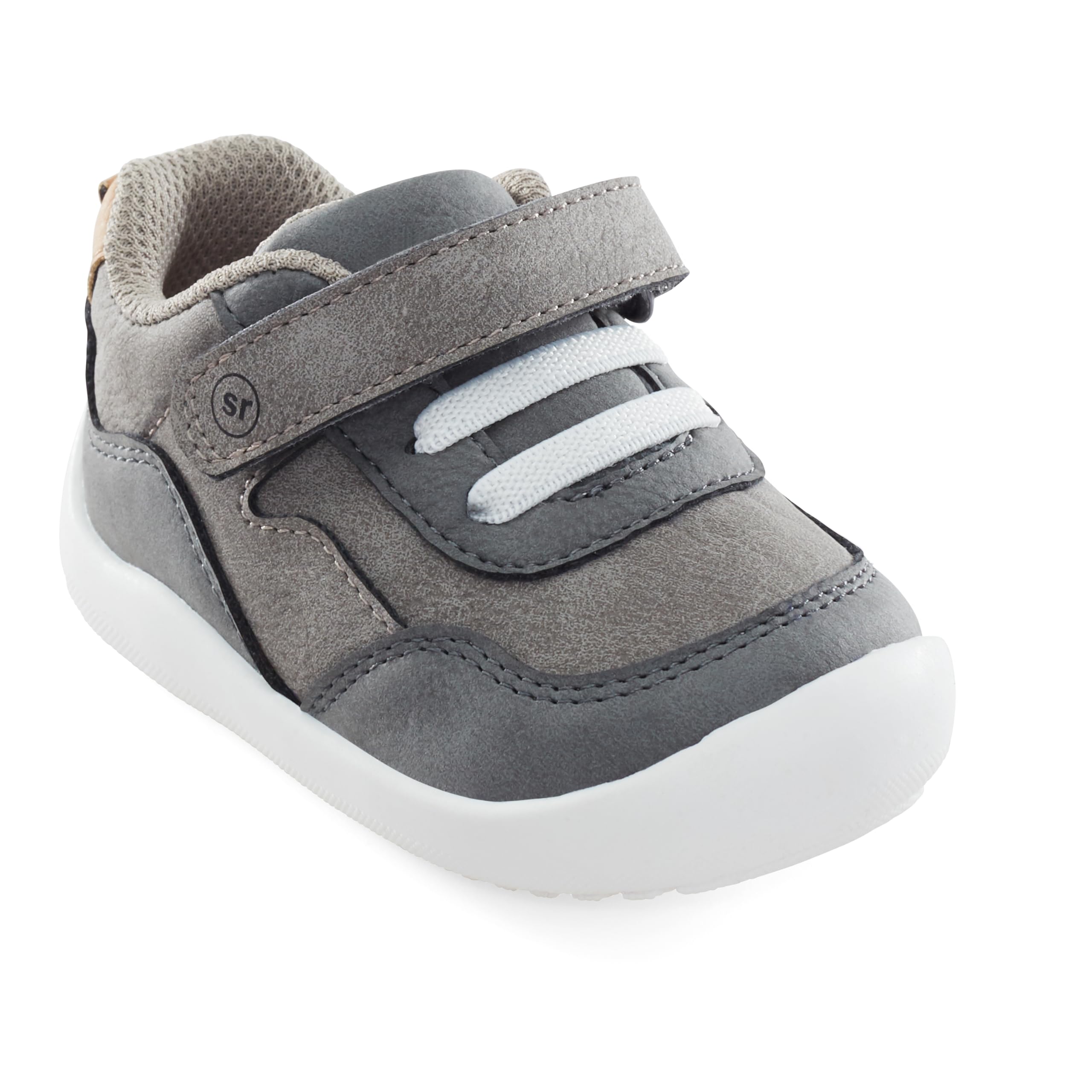
The Stride Rite Nick earns an unusual distinction in this category: physical therapists specifically recommend it for toddlers with gait delays. The design philosophy here prioritizes stability through a structured heel that cups the calcaneus without restricting the forefoot. The wide toe box allows natural toe splay, which improves balance and reduces the lateral wobble that destabilizes new walkers on smooth surfaces.
Durability is a standout feature across long-term reviews—one parent reported minimal wear after five months of daily use, which is exceptional for a category where shoes are often outgrown before they wear out. The removable insole serves double duty as a foot tracker and accommodates orthotic inserts if your pediatrician recommends them. The hook-and-loop strap crosses the midfoot securely, preventing heel slip that can cause blisters on tender infant skin.
The outsole uses a textured rubber compound that grips laminate and tile significantly better than smooth-bottomed alternatives. At the premium price point, the value extends beyond mere construction: the brand’s sizing consistency means you can order confidently without the gamble of returns that plagues lesser-known labels. For parents seeking podiatrist-backed engineering with real-world proof of performance, this model delivers.
Why it’s great
- Physical therapist recommended for improving walking confidence
- Removable insole fits orthotics and tracks foot growth
- Extremely durable construction holds up for months of daily wear
Good to know
- Premium price reflects specialist-grade design
- Not available in larger sizes beyond toddler range
3. See Kai Run Stevie Mini – Baby Sneaker with Traction
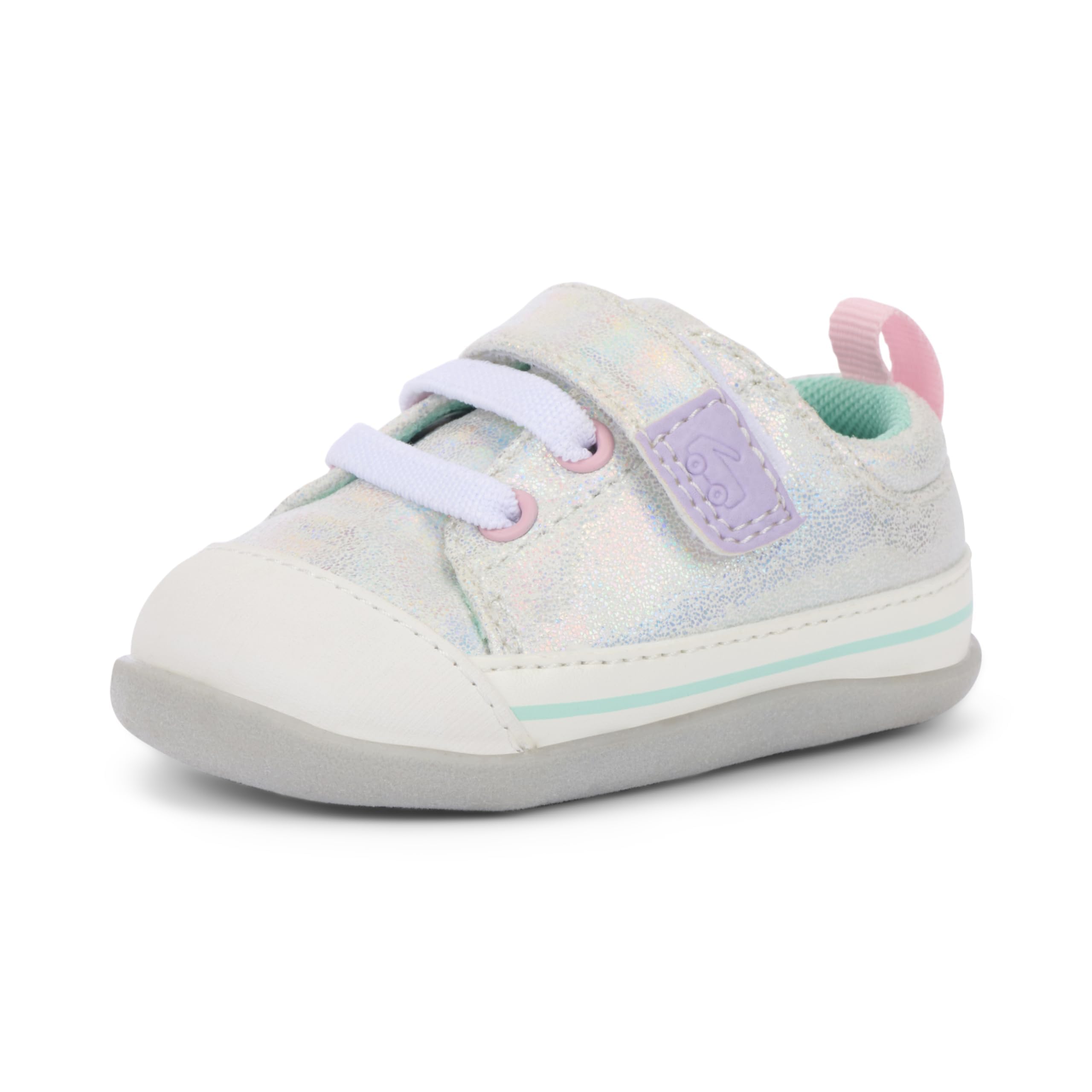
The See Kai Run Stevie Mini takes a minimalist approach to the hard bottom category, emphasizing flexibility and ground feel over bulky padding. The wide toe box is engineered to mimic a barefoot shape, allowing toes to spread naturally for better proprioceptive feedback—the sensory input that helps toddlers adjust their balance. The outsole uses a textured rubber pattern that provides traction without adding significant weight, keeping the shoe light enough for unhindered movement.
Fit consistency is a recurring praise point, with multiple parents noting that sizes run true to typical toddler foot measurements. The hook-and-loop closure is simple enough for older toddlers to manage independently—a feature parents appreciate as their child gains autonomy. The materials are easy to clean, with a simple soap-and-water wipe restoring the look after muddy outdoor sessions.
The trade-off for the minimalist design is a slightly higher price point that some parents find hard to justify for a shoe that might only fit for three to four months. However, for those who prioritize healthy foot development and appreciate the barefoot-inspired geometry, the investment pays dividends in walking confidence. The Stevie Mini sits at the intersection of premium materials and biomechanical thoughtful design.
Why it’s great
- Wide toe box promotes natural toe splay for balance
- Flexible sole allows excellent ground feel and sensory feedback
- True-to-size fit reduces return rates and guessing
Good to know
- Premium price relative to short wear period
- Minimal padding reduces impact protection on rough surfaces
4. Ten Little First Walker Baby Shoes & Toddler Shoes
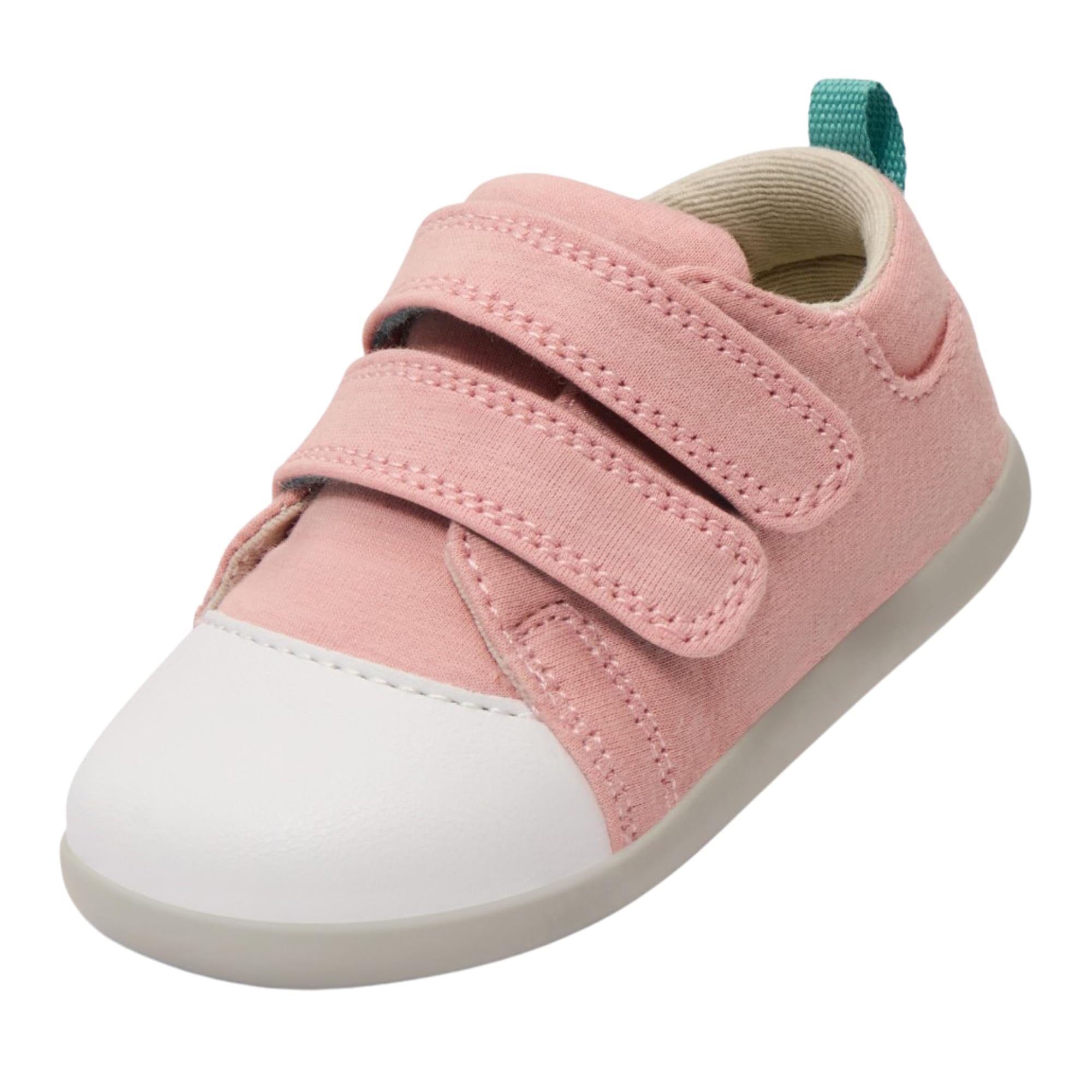
Ten Little punches above its mid-range price point by delivering a cotton upper that breathes significantly better than synthetic leather alternatives—a critical feature for babies whose feet sweat more than adults realize. The non-slip outsole uses a rubber compound with multi-directional treads that provide reliable grip on both hardwood floors and low-pile carpet. At this price tier, the quality-to-cost ratio is exceptional, with parents reporting the shoes hold up well to washing machines and daily wear.
The wide design accommodates chubby feet without compression, and the hook-and-loop strap is wide enough to distribute pressure evenly across the instep. Customer service is a hidden differentiator here: multiple reviews describe prompt replacement of pairs where the Velcro started failing, suggesting a warranty responsiveness that larger brands often lack. The cotton fabric makes these a strong choice for warmer climates where breathability is a primary concern.
The sole flexibility is comparable to premium models twice the price, bending easily at the forefoot while maintaining a supportive heel. Some parents note that the sizing runs slightly large, so ordering down a half-size is a common recommendation. For budget-conscious parents who refuse to compromise on developmental features, this model bridges the gap effectively.
Why it’s great
- Breathable cotton upper prevents sweaty feet in warm weather
- Multi-directional tread grips hardwood and carpet reliably
- Responsive customer service replaces defective pairs quickly
Good to know
- Sizing can be slightly generous, consider ordering down
- Cotton upper absorbs stains more than synthetic leather
5. Josmo Baby Walking Shoes Wide Walker Boots

The Josmo Walking Boots are specifically cut to an EEE width, making them one of the few options in this roundup that genuinely accommodate extra-wide infant feet without pinching. The high-top design provides additional ankle support for toddlers still mastering the transition from furniture-cruising to independent walking. The materials are sturdy enough to survive multiple children—a point that hand-me-down buyers will appreciate.
The critical Achilles’ heel here is the outsole grip, which multiple verified reviewers flag as dangerously slippery on smooth indoor surfaces. The smooth bottom texture that looks acceptable in product photos translates to poor traction on tile and hardwood, causing slides that undermine walking confidence. This is a dealbreaker for parents with mainly indoor floors unless they add aftermarket grip pads.
For those with outdoor-heavy use or carpeted homes, the fit, width accommodation, and structural durability are genuinely impressive at the mid-range price. The boots run slightly large, which is actually beneficial for fast-growing feet, and the wide opening makes getting them onto squirming toddlers a less frustrating experience. Just be prepared to address the traction issue separately if your home has hard floors.
Why it’s great
- EEE width comfortably fits extra-wide and chubby feet
- High-top design provides excellent ankle support for new walkers
- Durable construction suitable for sibling hand-me-downs
Good to know
- Outsole is dangerously slippery on hardwood and tile floors
- Runs large, requiring careful sizing management
6. STQ KIDS Unisex-Baby Mid-Top First Walker Shoes
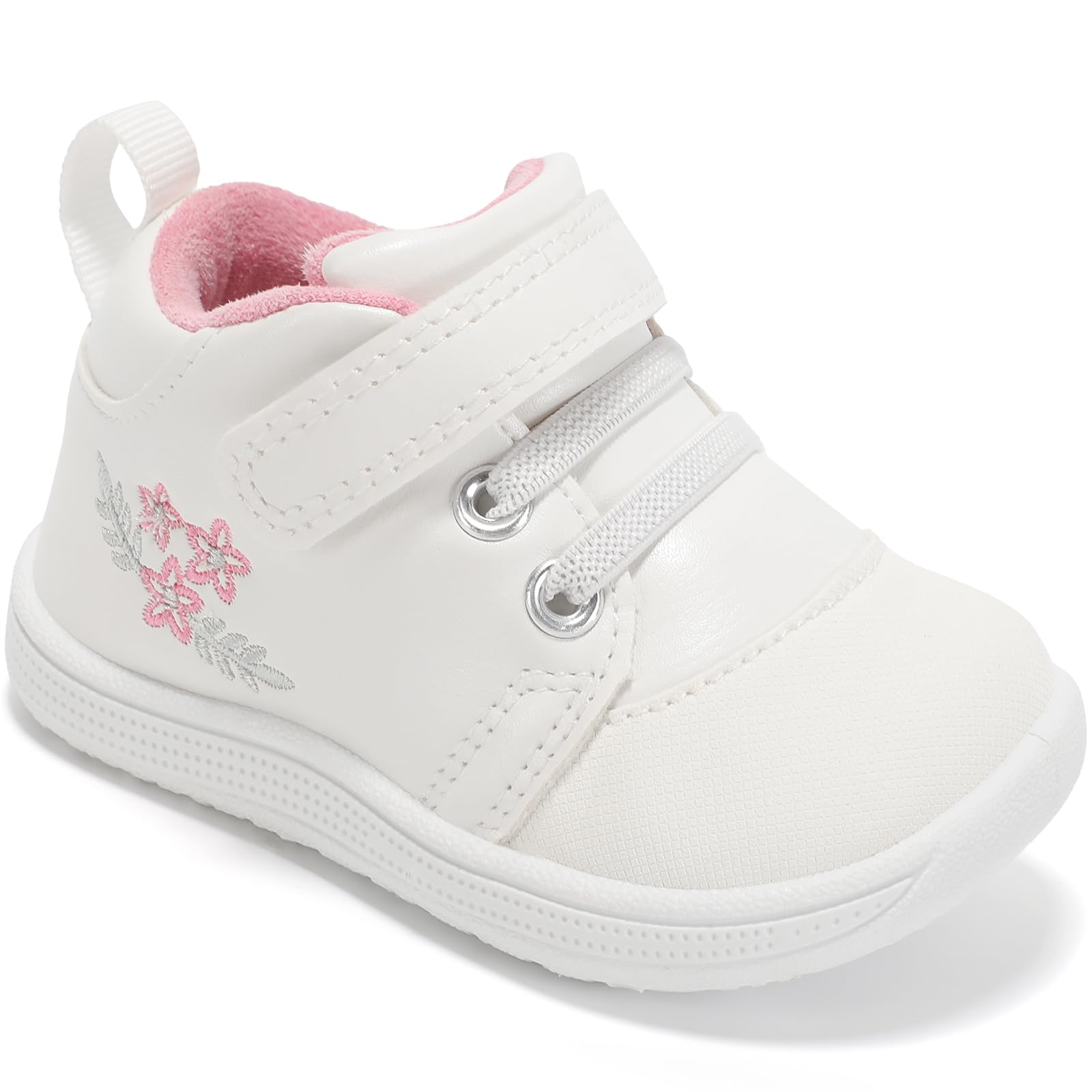
The STQ KIDS Mid-Top has become a cult favorite among budget-savvy parents who recognize it as a near-exact dupe for Stride Rite’s aesthetic at roughly 40% lower cost. The PU leather upper mimics the look of genuine leather without the premium price, and the soft inner lining prevents friction chafing on tender heels. The wide toe box design explicitly prioritizes toe splay, a feature typically reserved for much more expensive models.
Multiple reviewers confirm the strong Velcro stays fastened through active play, and the lightweight construction helps prevent the fatigue that heavier shoes cause. The sizing runs slightly generous, which parents of fast-growing toddlers actually prefer—it allows for an extra month of wear before the inevitable size jump. The mid-top cut provides ankle coverage without restricting dorsiflexion, the upward flex movement critical for walking.
The outsole uses a textured synthetic that offers adequate grip on most indoor surfaces, though it does not match the rubber compound traction of premium competitors. The value proposition is undeniable: parents save enough to buy two pairs at different sizes as their child grows. For families on a tight budget who refuse to sacrifice the wide toe box and flexible sole, this is the smartest financial play in the category.
Why it’s great
- Budget-friendly price with Stride Rite dupe aesthetics and fit
- Soft inner lining prevents heel chafing during long wear
- Generous sizing accommodates growth spurts effectively
Good to know
- Outsole traction is adequate but not as grippy as premium rubber
- PU leather may show wear faster than genuine leather
7. Baby Shoes Boy Girl Walking Slip On Sneakers Infant First Walker
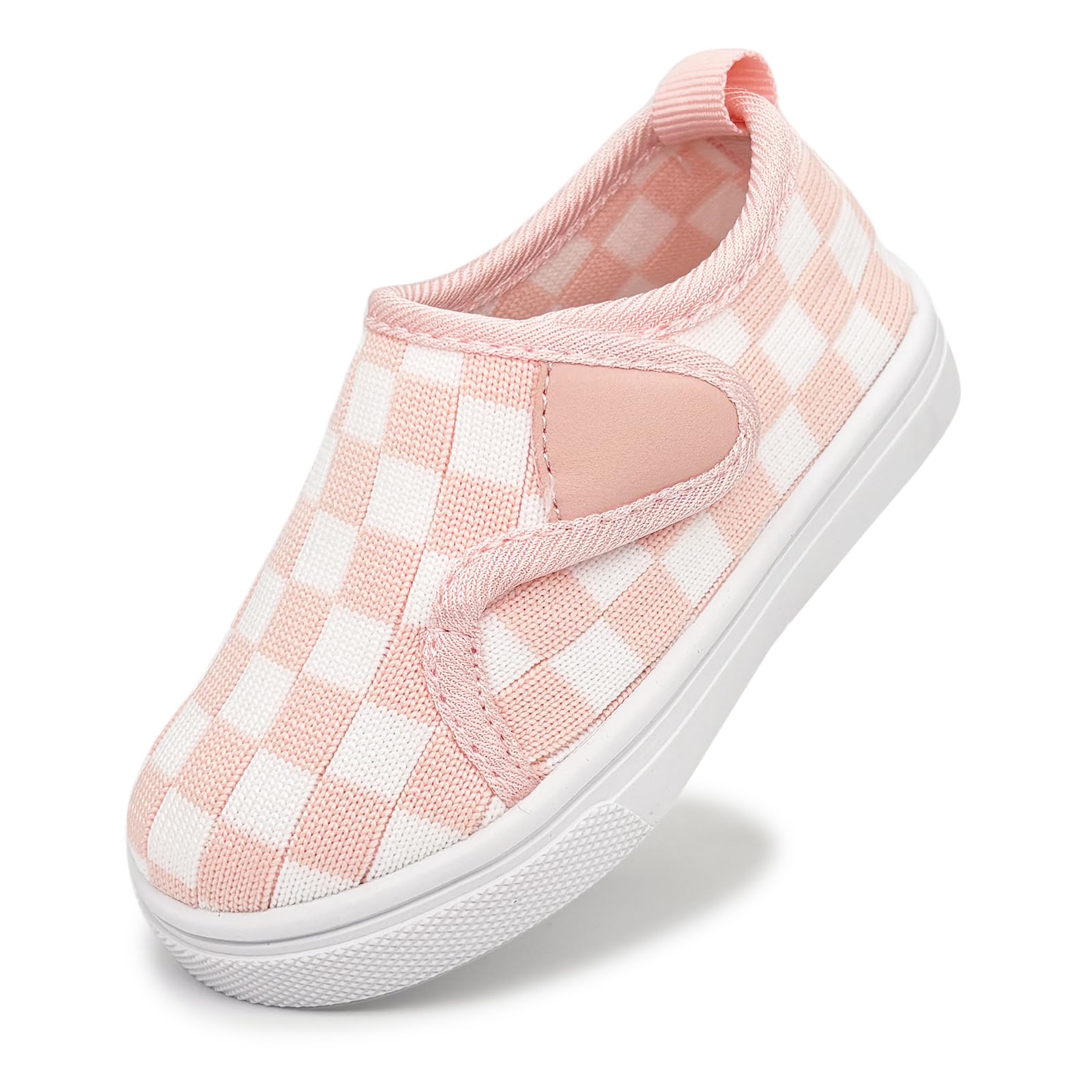
These slip-on sneakers win the aesthetics battle hands-down, with a design that consistently fools strangers into asking if the baby is wearing real mini Vans. The stretchy material upper makes entry easy for even the squirmiest toddler, and the flexible sole bends at the appropriate point for walking. At the budget-friendly price point, they receive regular compliments and photograph well for milestone documentation.
The primary functional concern is sizing consistency—multiple verified reviews note that these run significantly large, sometimes by a full size. A pair purchased for an eight-month-old may not fit until twelve months, which requires planning ahead. The flexible sole also adds noticeable weight compared to similarly priced alternatives, and some parents report that toddlers trip more frequently in these due to the added mass.
The outsole uses a textured pattern that provides reasonable grip on dry surfaces but can slip on wet floors. For parents who prioritize style and ease of entry above all other considerations, these deliver exceptional value. They make excellent backup shoes for outings where appearance matters more than athletic performance, and the complement factor alone justifies the purchase for many families.
Why it’s great
- Stylish design that earns compliments everywhere
- Stretchy material makes slip-on entry extremely easy
- Flexible sole bends at the proper point for walking
Good to know
- Sizing runs large, often by a full size
- Heavier than competitors, which can increase tripping risk
FAQ
What does hard bottom shoe mean for a baby?
How do I measure my baby’s foot for these shoes?
Can I use these shoes on hardwood floors safely?
How often should I replace my baby’s walking shoes?
Are expensive baby shoes actually better for development?
Final Thoughts: The Verdict
For most users, the best baby hard bottom shoes winner is the Stride Rite Kamila because it balances flexible forefoot design, wide toe box accommodation, and premium materials at a price that reflects genuine engineering investment. If you want a physical therapist-backed option with a removable insole for growth tracking, grab the Stride Rite Nick. And for budget-conscious families who refuse to compromise on the wide toe box shape, nothing beats the value-to-performance ratio of the STQ KIDS Mid-Top.