
Finding a winter boot that handles a morning trail run, an afternoon of shoveling, and evening ice-slick sidewalks without swapping footwear feels impossible. Most insulated boots are too stiff for movement, while lightweight hikers leave your toes numb the minute the mercury dips. The narrow category of athletic winter boots demands a unique balance: flexible enough for active use but sealed against freezing temps, deep snow, and black ice.
I’m Min — the co-founder and writer behind Gadgets Feed. After spending weeks cross-referencing insulation weights, outsole rubber compounds, and waterproof membrane ratings across dozens of models, I’ve narrowed down the contenders that actually deliver on that promise.
Whether you need a boot for trail hiking, urban commutes, or extreme cold barn work, this guide to the best athletic winter boots covers the top performers across insulation, traction, and waterproofing specs that matter most in real winter conditions.
How To Choose The Best Athletic Winter Boots
Choosing an athletic winter boot means weighing insulation against activity level. A sedentary boot with 800g insulation will cook your feet on a hike, while a 200g boot leaves you shivering during a long stand in deep snow. The right pick depends on your specific use case, foot shape, and the climate you face.
Insulation Type and Weight
Insulation weight, measured in grams, refers to the weight of the insulation material per boot. Budget-friendly models often use synthetic fill, while premium options use proprietary materials like Primaloft or Thermolite. For active use above 20°F, 200g to 400g works best. For extreme cold below 0°F, 400g to 800g is necessary. Heavier insulation adds bulk and reduces breathability, so don’t over-buy.
Traction and Outsole Design
Winter boots live and die by their outsoles. Look for deep, multi-directional lugs (at least 4-5 mm deep) made from low-temperature rubber that stays pliable in the cold. Some models use proprietary compounds like HH Max Grip or Vibram Arctic Grip specifically formulated for ice traction. A flat, shallow outsole will leave you sliding on packed snow or glare ice.
Waterproofing and Breathability
Waterproofing is non-negotiable for snow and slush, but it must balance with breathability to prevent sweat buildup. Most athletic winter boots use a membrane like Omni-Tech, Gore-Tex, or KEEN.DRY. Sealed seams and waterproof zippers add protection. Cheaper boots use a simple waterproof coating that wears off quickly — look for a multi-layer membrane system for long-term reliability.
Boot Height and Ankle Support
Athletic winter boots typically range from mid-calf to ankle height. Taller boots (6-8 inches) offer better snow protection and ankle support for uneven terrain, but they restrict flexibility. Shorter boots (4-5 inches) allow more natural movement for running or hiking but risk snow ingress in deep powder. Match the height to your primary activity — deeper snow demands taller shafts.
Quick Comparison
On smaller screens, swipe sideways to see the full table.
| Model | Category | Best For | Key Spec | Amazon |
|---|---|---|---|---|
| Merrell Coldpack 3 Thermo Mid | Premium | Everyday winter versatility | 400g insulation, Vibram Arctic Grip outsole | Amazon |
| Helly Hansen Garibaldi V3 | Premium | Stylish cold-weather performance | Primaloft 400g, HH Max Grip outsole | Amazon |
| KEEN Revel 4 Mid Polar | Premium | Backcountry and snowshoe use | 400g KEEN.Warm insulation, wide toe box | Amazon |
| Columbia Expeditionist Shield | Mid-Range | Lightweight daily wear | Omni-Heat thermal reflective, 200g insulation | Amazon |
| Columbia Minx IV | Mid-Range | Warmth on a budget | Synthetic insulation, waterproof membrane | Amazon |
| SOREL Tivoli V Tall | Mid-Range | Women’s fashion-forward winter boot | Seam-sealed waterproof construction | Amazon |
| North Face Chilkat V 400 | Premium | Wet pavement and snow slush | 400g Heatseeker insulation, Surface Control outsole | Amazon |
| Dryshod Arctic Storm Hi | Premium | Extreme cold farm and ranch work | 7-layer insulation rated to -50°F | Amazon |
| Baffin CrossFire | Premium | Extreme cold hunting and ice fishing | Leather upper, removable liner | Amazon |
In‑Depth Reviews
1. Merrell Men’s Coldpack 3 Thermo Mid Waterproof

The Merrell Coldpack 3 Thermo Mid hits the sweet spot for athletic winter boot buyers. Its 400g insulation keeps feet warm down to 20°F without creating the sauna effect of heavier boots, making it suitable for both active hiking and casual errands. The Vibram Arctic Grip outsole is specifically formulated for wet ice traction, a rare feature in this price tier that outperforms standard winter rubber compounds on glare ice.
Users consistently report true-to-size fit with enough room for a medium-weight wool sock, plus reliable waterproofing in moderate rain and snow. The boot requires zero break-in time — reviewers noted no blisters on first hikes. The mid-height shaft provides adequate ankle support for uneven trails without restricting natural flex during faster paces.
One trade-off: the insulation is optimized for cold, not extreme cold. Below 0°F, you will need thicker socks or supplemental warmth. The boot runs slightly narrow for those with very wide feet, though the wide sizing option accommodates most builds. For three-season-plus-deep-winter versatility, this is the most balanced pick in the lineup.
Why it’s great
- Vibram Arctic Grip outsole delivers standout traction on wet ice
- Zero break-in with arch support and cushioning out of the box
- Waterproof enough for moderate rain and snow without breathability loss
Good to know
- 400g insulation may not be enough for sub-zero temps
- Runs slightly narrow for E-width feet
2. Helly Hansen Men’s Garibaldi V3 Waterproof Winter Boots
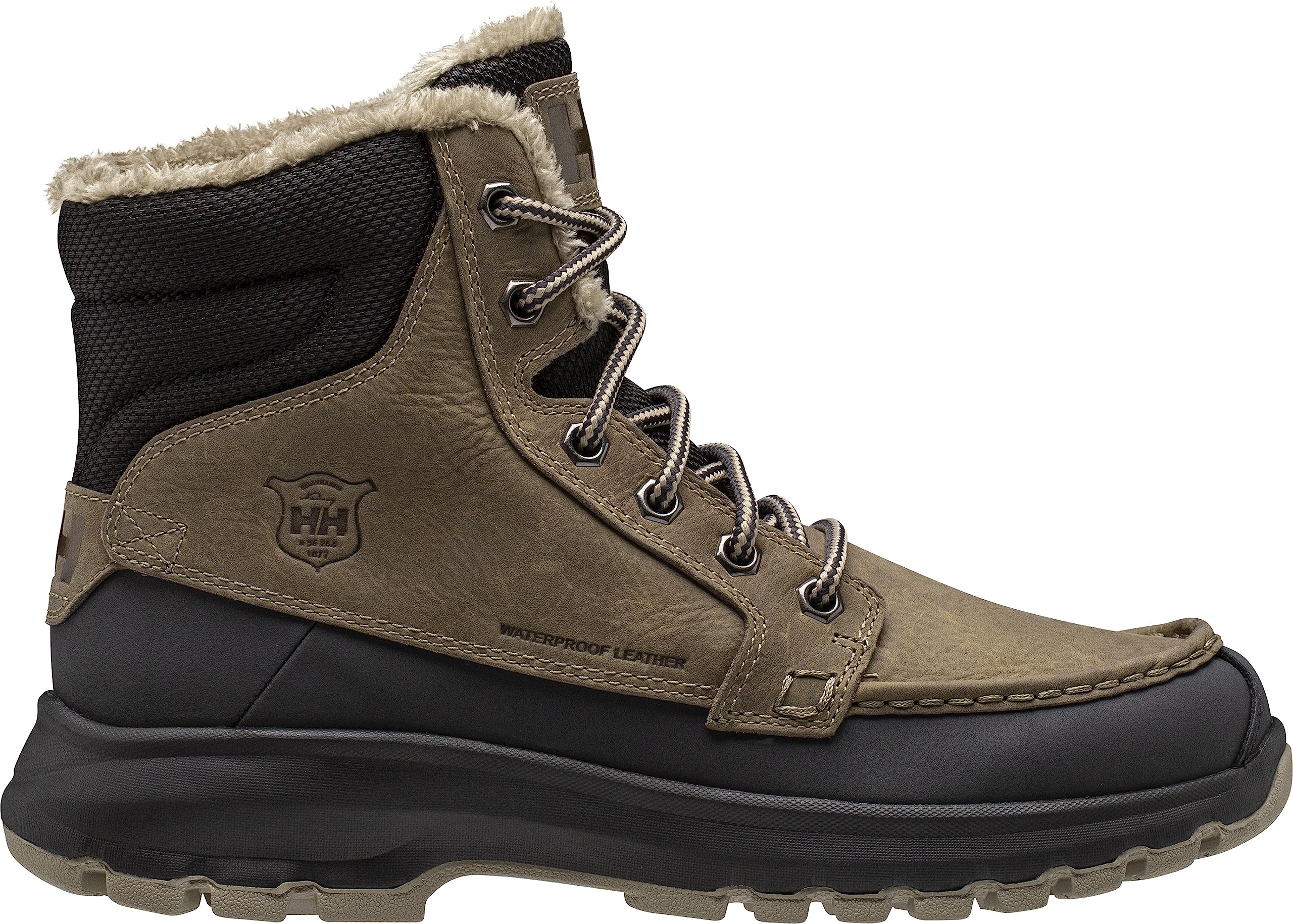
The Helly Hansen Garibaldi V3 proves that winter boots can look sharp without sacrificing performance. The LWG-rated leather upper and clean silhouette make these acceptable in urban settings, but the real story is underfoot. The HH Max Grip outsole uses a multi-directional lug pattern and a rubber compound that stays pliable in deep cold, providing confident traction on packed snow and icy sidewalks. The Primaloft 400g insulation handles temps down to -11°F without overheating during active wear.
Reviewers praise the boot’s durable construction after a full year of harsh northern Michigan winters — the leather cleans easily, the sole shows minimal wear, and the waterproof membrane remains intact. The HH Hover-Stride midsole provides noticeable cushioning for all-day wear, and the HH Pro Guard protects the toe from accidental impacts. Fit is true to size with normal-width feet.
The downsides are minor but real: the boot is on the heavier side at 3.1 pounds per pair, and the price positions it as a premium investment. Some users wish the lacing system allowed a tighter lockdown around the ankle. If you want a boot that transitions from trail to dinner without screaming “winter gear,” this is the one.
Why it’s great
- Premium leather upper with durable, easy-clean construction
- HH Max Grip outsole excels on ice and packed snow
- Primaloft 400g insulation balances warmth and breathability to -11°F
Good to know
- Heavier than similarly insulated competitors
- Lacing system doesn’t lock the ankle as securely as some prefer
3. KEEN Revel 4 Mid Height Polar Insulated Waterproof
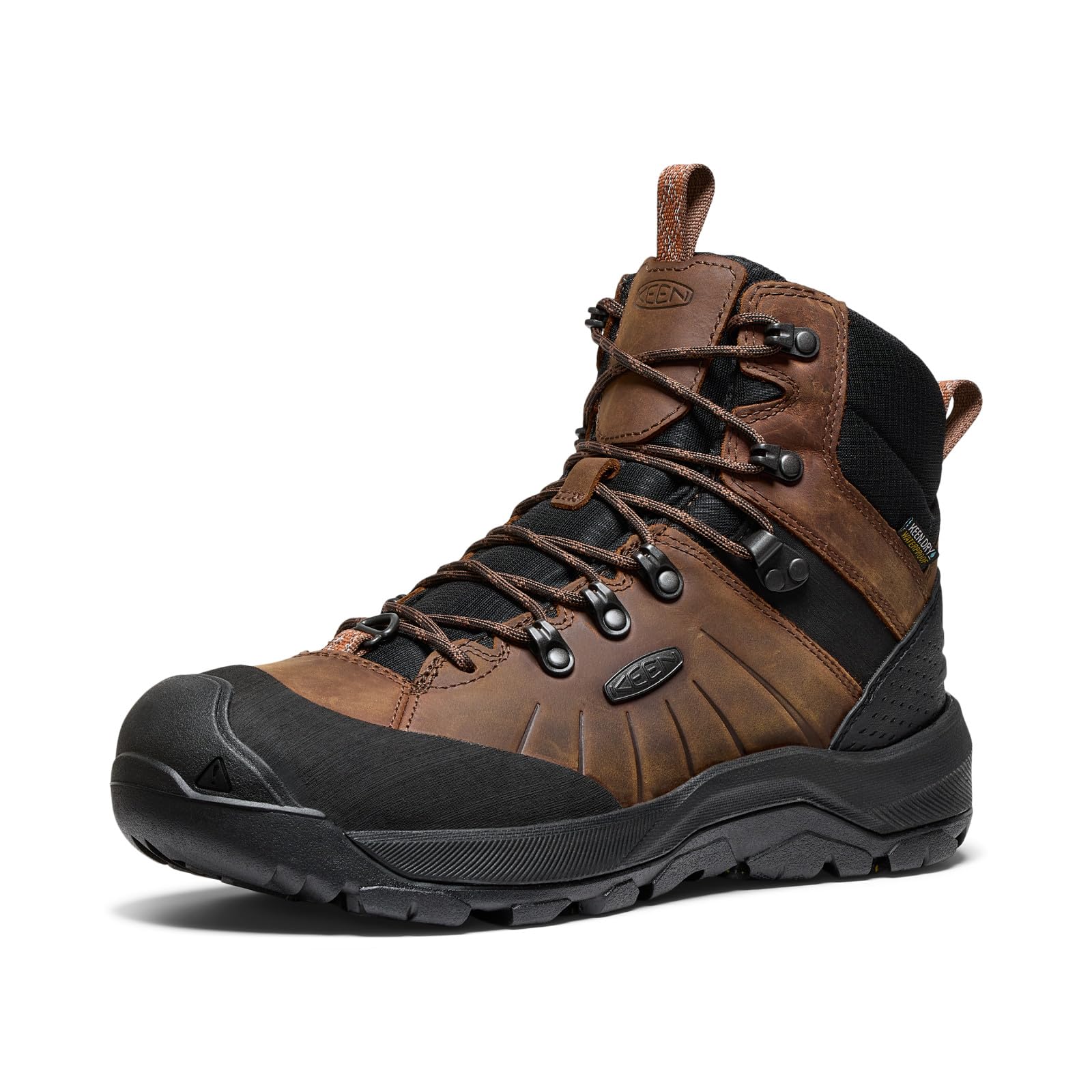
The KEEN Revel 4 Mid Polar is built for the person who treats winter as an active season. Its 400g KEEN.Warm insulation sits in the same thermal class as the Merrell and Helly Hansen picks, but the defining advantage here is the wide toe box — a signature KEEN feature that allows natural toe splay during descents and long miles. Hikers who suffered through cramped toes in conventional boots will immediately appreciate the difference. The KEEN.DRY waterproof membrane has proven reliable in snow and slush over years of use.
Customer reviews from Colorado fourteener climbs and heavy snow use confirm the boot’s durability — after a full season, the outsoles show minimal wear and the waterproofing remains consistent. The traction is good enough that many users skip cleats on moderate ice. The boot fits true to size and accommodates snowshoes and crampons without issue.
The mid-height shaft provides ample ankle protection for uneven terrain, but the boot is slightly heavier than a standard hiking boot. The insulation is warm enough for active use above 0°F, but standing still for extended periods below that temperature will require supplemental warmth. For anyone with wide feet or a history of toe bang, this boot solves a problem most competitors ignore.
Why it’s great
- Wide toe box prevents toe bang on descents and allows thick socks
- KEEN.DRY membrane delivers proven long-term waterproofing
- Traction works well with snowshoes and crampons
Good to know
- Heavier than some mid-height competitors
- Not ideal for standing still in sub-zero temps
4. Columbia Men’s Expeditionist Shield

The Columbia Expeditionist Shield is the smart budget-friendly choice for mild to moderate winter conditions. Its Omni-Heat thermal reflective lining — a metallic dot pattern that reflects body heat — allows the boot to use a lighter 200g insulation layer while still keeping feet warm down to 10°F. This makes the boot lighter and more flexible than heavily insulated alternatives, ideal for walking the dog, commuting, or light trail use. The Omni-Grip outsole provides reliable traction on snow and wet pavement.
Reviewers consistently call this boot “surprisingly comfortable” and note that it becomes a daily driver after break-in. The waterproof treatment resists water well and the boot dries quickly after wet use. Many users wear it as a year-round winter shoe due to its low weight and comfort. The fit runs a half size small, so order up.
The trade-off is clear: the 200g insulation is not enough for prolonged exposure below 10°F or standing still in deep cold. The insole is thin and should be replaced for better arch support. Some users find the gold inner lining design juvenile. For active use in typical winter temps, this boot delivers outsized value that punches well above its price tier.
Why it’s great
- Lightweight and flexible for active daily wear
- Omni-Heat reflective lining extends warmth without bulk
- Excellent value for mild to moderate winter conditions
Good to know
- Insole is low quality and should be replaced
- Runs a half size small
5. Columbia Minx IV
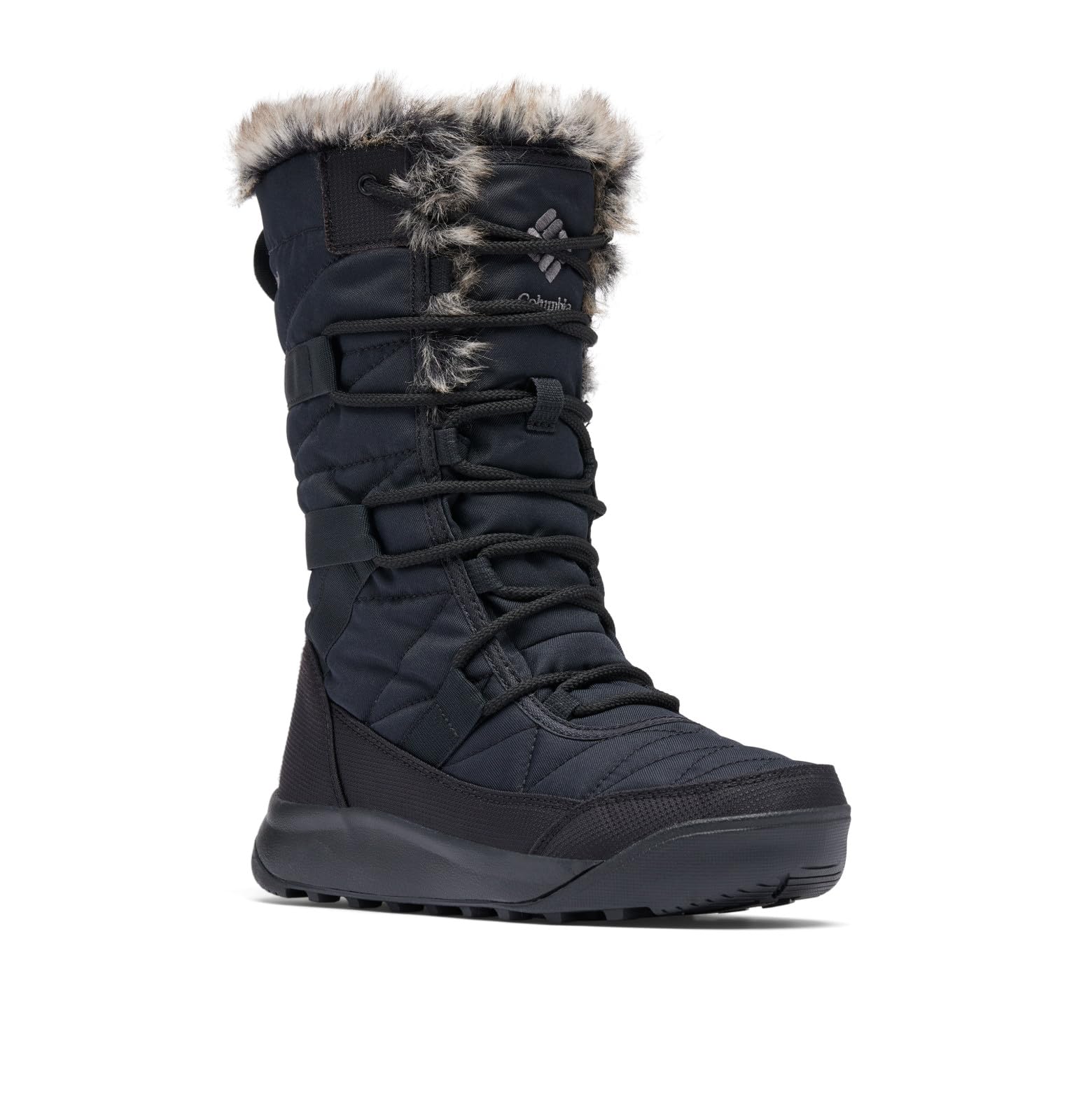
The Columbia Minx IV is a straightforward, no-nonsense winter boot that prioritizes warmth and dryness over frills. It uses synthetic insulation and a waterproof membrane that have kept users’ feet warm and dry in sub-zero temps without requiring thick socks. The soft interior lining is comfortable against bare feet and the boot is not stiff out of the box, allowing easy movement during daily wear. The outsole provides good traction in snow and slush.
Customer feedback is clear: this boot runs narrow and runs small. Users consistently recommend ordering a half to a full size up, and those with wide feet should strongly consider the wide sizing option. The boot accommodates bunions and stretches slightly with break-in, but the narrow fit is the primary complaint. Laces are reported as too short to achieve a snug fit with thick socks.
The main limitation is ice traction — multiple reviewers note the boot is slippery on pure ice, requiring separate cleats or crampons for safe walking on frozen surfaces. The tread pattern is adequate for snow but lacks the specialized rubber compound needed for ice grip. For snow-dominant climates where ice is rare, this is a warm, comfortable, budget-friendly choice.
Why it’s great
- Exceptional warmth for the price, works in sub-zero temps
- Soft, comfortable interior that requires no break-in
- Dries quickly after wet use
Good to know
- Runs narrow and small — size up and consider wide
- Slippery on ice; cleats are needed for safe walking
6. SOREL Women’s Tivoli V Tall Waterproof Boot
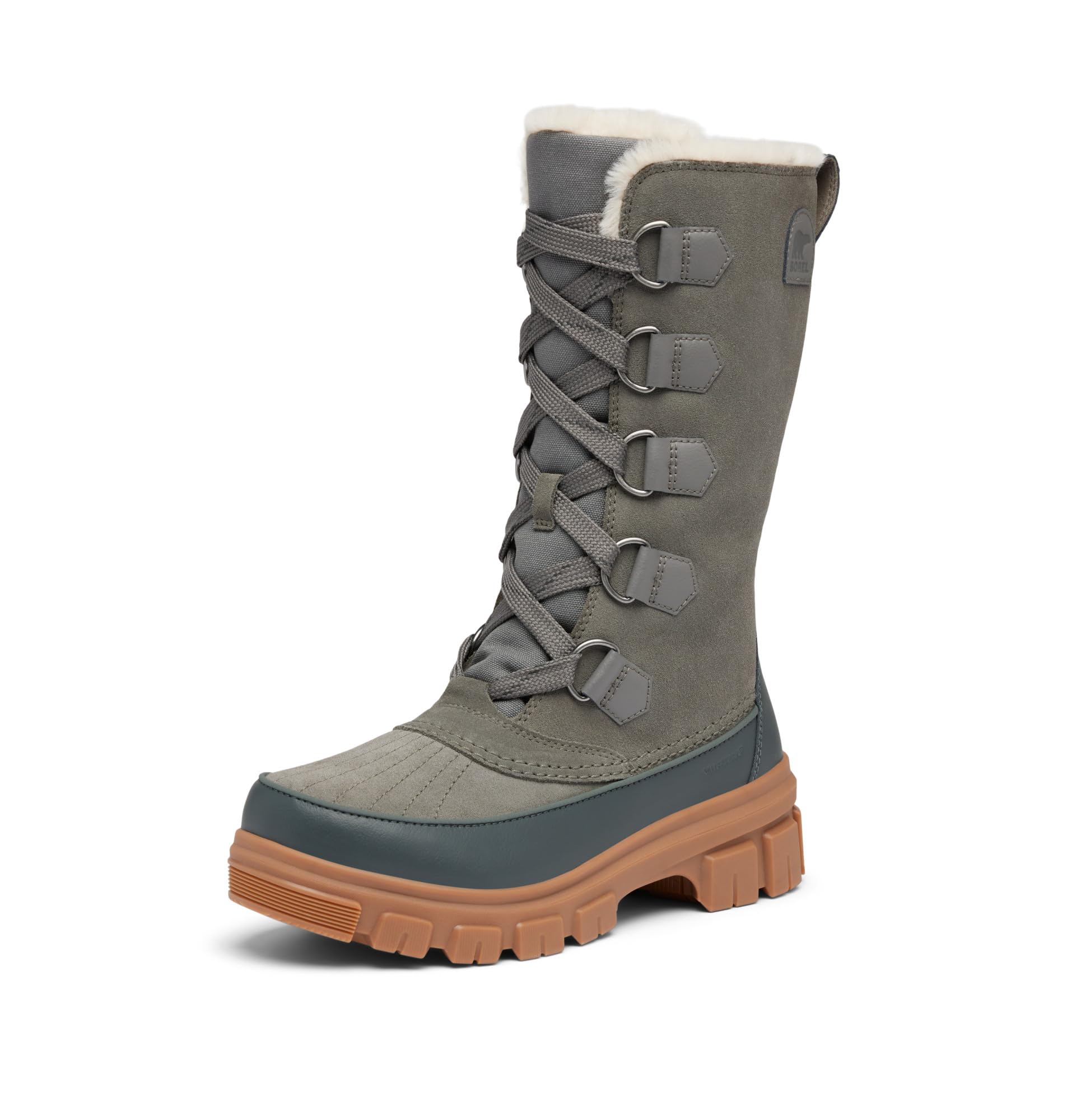
The SOREL Tivoli V Tall is the boot for women who refuse to sacrifice style for warmth. The tall shaft provides deep snow protection, rising well above the ankle to keep powder out, while the seam-sealed waterproof construction ensures dry feet in slush and rain. The boot is true to size and accommodates orthotics, which is rare for a fashion-forward winter boot. With thin wool socks, users report warmth down to freezing and below.
Reviewers with multi-year SOREL experience note the brand’s durability — one user reported 10 years of service from their previous pair. The traction is suitable for snow hiking and hunting in wet conditions, and the laces are thick enough not to freeze solid in cold temps. The boot is comfortable for hours of walking and offers good arch support out of the box.
The boot is not designed for extreme athletic use. The sole lacks the deep lugs and specialized rubber of premium hiking boots, making it less ideal for steep, icy trails. Some users experience minor ankle rubbing from the snug shaft, which is remedied with moleskin. For urban winters, snowy commutes, and moderate outdoor activity, this boot delivers standout style and reliable protection.
Why it’s great
- Tall shaft provides excellent deep-snow protection
- True to size with orthotic-friendly fit
- Durable construction with proven multi-year longevity
Good to know
- Sole lacks deep lugs for technical ice and steep trails
- Snug shaft may cause ankle rubbing for some users
7. THE NORTH FACE Women’s Chilkat V 400 Waterproof Snow Boot

The North Face Chilkat V 400 uses 400g Heatseeker insulation and a Surface Control outsole to deliver a women’s-specific winter boot that is remarkably non-slippery on wet pavement. Multiple reviewers specifically note the boot’s excellent grip on slick surfaces, a differentiator in a category where ice traction is the most common complaint. The boot is lightweight for its insulation level at 2.5 pounds per pair, and the mid-top height provides a good balance of snow protection and flexibility.
Users with wider feet appreciate the boot’s roomy fit, which accommodates thick socks without pinching. The boot is warm enough for all-day wear in cold conditions, and the waterproofing handles snow and moderate rain well. Some reviewers note the boot is not fully waterproof in deep puddles, but the Surface Control outsole more than compensates for most winter conditions.
The sizing is the main headache — the boot runs small, and most users recommend ordering a full size up. The fit is initially narrow inside but adjusts after a few wears around the house. For women who prioritize slip resistance on icy sidewalks and paved surfaces over deep snow technical hiking, this boot delivers category-leading wet pavement traction.
Why it’s great
- Surface Control outsole provides exceptional wet pavement traction
- Lightweight for a 400g insulated boot
- Roomy fit accommodates wide feet and thick socks
Good to know
- Runs a full size small; size up
- Not fully waterproof in deep puddles
8. Dryshod Arctic Storm Hi Extreme Cold Conditions Women’s Winter Boot
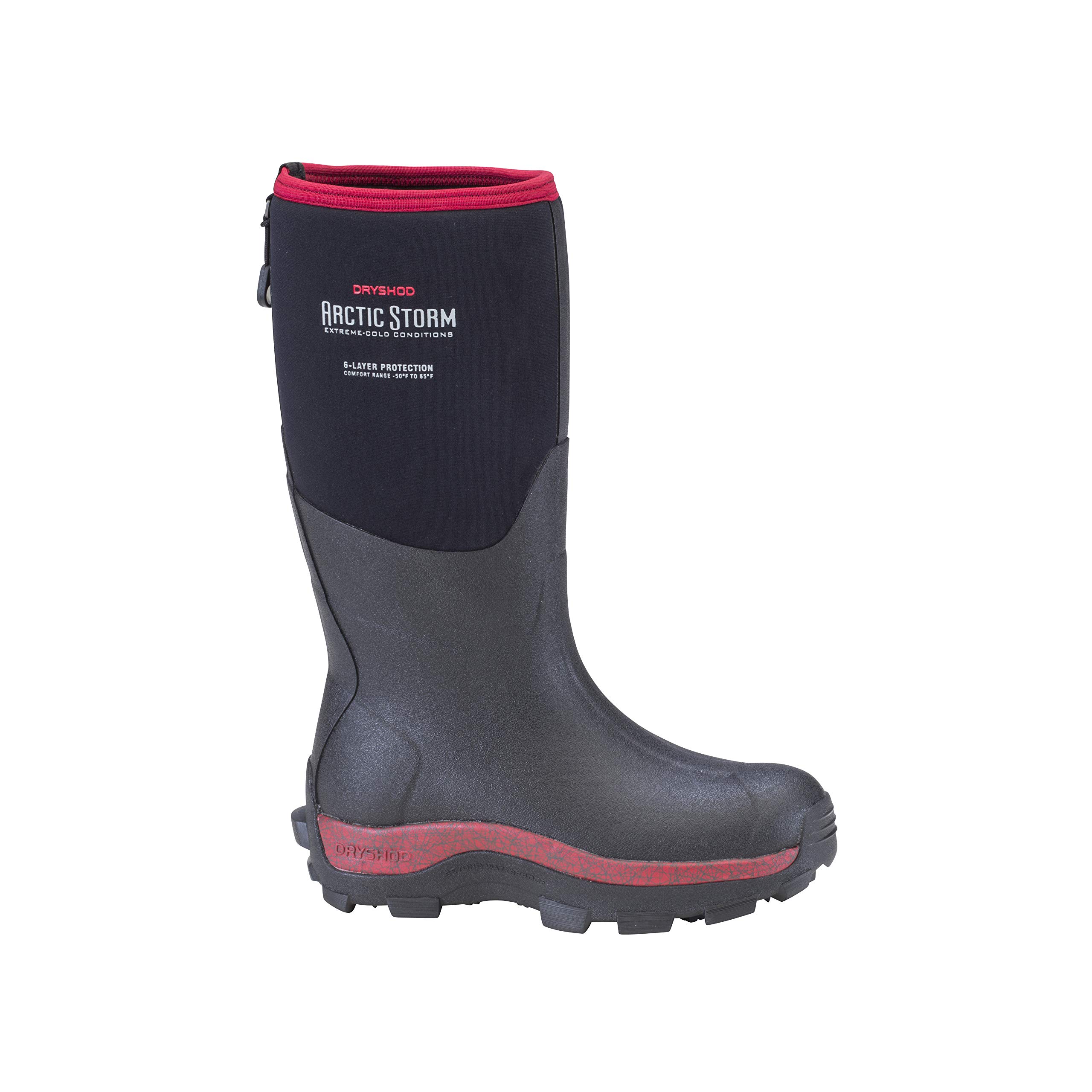
The Dryshod Arctic Storm Hi is not a hiking boot — it is a extreme-cold work boot designed for sub-zero barn chores, ice fishing, and standing on frozen ground for hours. Its 7-layer construction includes 5.5 mm neoprene, 2.5 mm Densoprene XD foam, 2 mm airmesh, and 2 mm fleece, all backed by an EVA cold-blocking midsole, creating a comfort range from -50°F to 65°F. This is the warmest boot on this list by a significant margin.
The DS1 premium outsole uses natural rubber with a two-piece design: inner lugs for flex and angle grip, outer lugs for lateral support. The tread pattern releases mud and debris effectively. The pull-on design with a generous heel kick and 4-way stretch airmesh lining makes entry and exit easy, even with thick gloves. The shaft is wide enough to tuck pants into, a small but meaningful detail for farm and ranch use.
The boot is heavy, which is expected for its insulation level, and not suited for running or fast hiking. The pull tab durability is a concern for long-term ownership. The rubber overlay construction is not breathable, so feet will sweat during active use. For its intended audience — people who need to stay warm while standing still in extreme cold — this boot is unmatched.
Why it’s great
- 7-layer insulation system rated to -50°F for extreme cold protection
- Natural rubber outsole with aggressive tread for slip resistance on ice
- Easy pull-on design with wide shaft for pant tucking
Good to know
- Heavy and not suitable for running or fast hiking
- Not breathable; feet will sweat during active use
9. Baffin Men’s CROSSFIRE Winter Boots
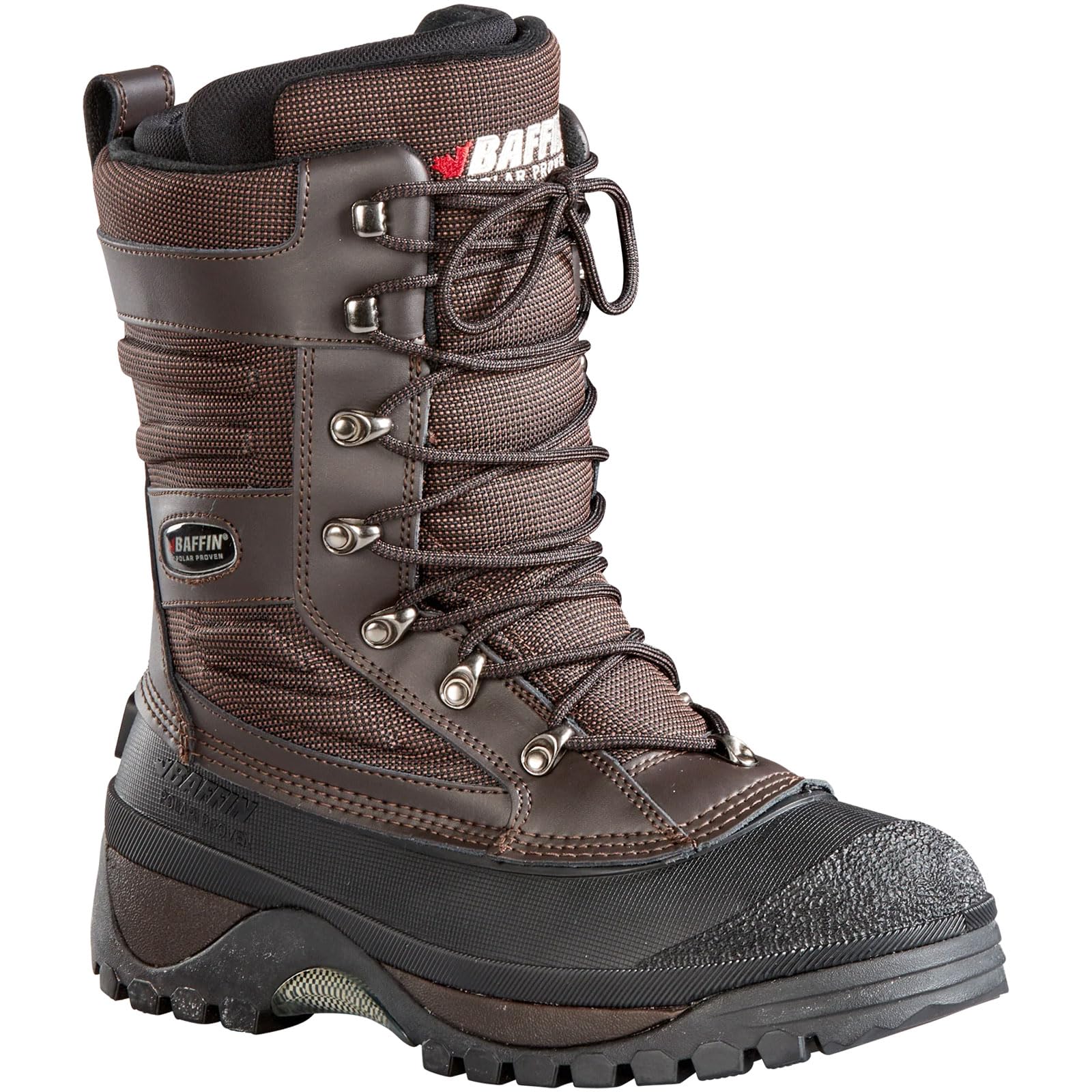
The Baffin CrossFire is built for hunters, ice fishermen, and anyone who needs extreme warmth in a mobile package. The removable liner system allows drying and customization, and the leather upper provides durability against brush and wear. Users consistently call these the warmest boots they have ever owned, capable of standing on ice without cold transfer. The tread is excellent on ice, with deep lugs that bite into frozen surfaces.
The boot is surprisingly light for its insulation level, and the fit allows room for thick wool socks. The memory foam liner requires a brief break-in period but conforms to the foot over time. The build quality is high, with the boots assembled in Myanmar using durable materials. Sizing up by one full size is recommended for heavy sock use.
The boot has notable design flaws. The open tongue area allows slush and deep snow to enter if you step into powder above the ankle. The laces are short and hard to adjust, and the top of the boot does not close tightly, compromising deep snow protection. The waterproofing only extends to the ankle. For dry-snow conditions or activities where deep powder is not an issue, this boot delivers unmatched warmth. For slushy, wet, or deep snow environments, consider a taller or better-sealed alternative.
Why it’s great
- Extremely warm — stands on ice without cold transfer
- Removable liner for drying and customization
- Lightweight for its insulation and leather construction
Good to know
- Open tongue design lets in slush and deep snow
- Laces are short and difficult to adjust
FAQ
What insulation weight should I get for running in winter?
How do I prevent my boots from being slippery on ice?
Should I size up for winter boots to accommodate thick socks?
Final Thoughts: The Verdict
For most users, the best athletic winter boots winner is the Merrell Coldpack 3 Thermo Mid because it delivers the ideal balance of 400g insulation, Vibram Arctic Grip ice traction, and all-day comfort without requiring break-in. If you need maximum warmth for standing in extreme cold, grab the Dryshod Arctic Storm Hi with its 7-layer system rated to -50°F. And for technical winter hiking with a wide toe box, nothing beats the KEEN Revel 4 Mid Polar.