
Fogged goggles and frozen cheeks are the two fastest ways to ruin a pristine run. The right face layer solves both problems at once, but most skiers grab the thickest fleece they see and end up sweating up the mountain. The balance between warmth, breathability, and helmet compatibility is tighter than you think — especially when sub-zero wind and high-output descents happen in the same lap.
I’m Min — the co-founder and writer behind Gadgets Feed. I’ve spent countless hours digging through synthetic fiber blends, merino wool weights, and real user reports to understand exactly what separates a great balaclava for skiing from a sweaty, fog-prone disappointment.
Fabric weight, face-hinge design, and moisture management determine whether your mask works with your helmet or fights it. The ideal choice stays warm without overheating, blocks wind without trapping moisture, and fits snugly under a helmet without bunching — letting you focus on the line, not your face.
How To Choose The Best Balaclava For Skiing
Not all face masks handle the unique demands of alpine skiing. High output on the ascent, cold wind on the descent, and a helmet sitting on top create a narrow performance window. Here are the three factors that matter most.
Fabric Type and Weight
Merino wool offers the best warmth-to-weight ratio for skiing because it insulates when wet, resists odor over multiple days, and breathes better than synthetic fleece. Heavyweight merino (250-300 g/m²) suits resort riders in sub-zero conditions, while midweight (200 g/m²) works for backcountry skiers who generate more heat. Fleece is cheaper and dries faster but traps moisture against the skin during high exertion, increasing the risk of chill when you stop.
Goggle Fog Prevention
The most common ski-specific design feature is a face hinge — a separate flap that covers the mouth and nose independently. A good hinge lets you direct warm, moist breath downward instead of straight into your goggles. Look for a balaclava with a sculpted nose bridge or an articulated panel that creates a cavity between your mouth and the fabric. Dual-layer hinges with a breathable inner mesh further reduce fog by spreading exhalation across a larger surface area.
Helmet Compatibility and Fit
A balaclava that fits under a ski helmet must be thin at the crown and seamless around the ears. Bulky fleece layers on top of the head lift the helmet, compromising both safety and comfort. Stretchy 4-way fabrics allow a snug fit without pressure points. The neck portion should be long enough to tuck into a jacket collar while leaving no exposed skin at the back of the neck.
Quick Comparison
On smaller screens, swipe sideways to see the full table.
| Model | Category | Best For | Key Spec | Amazon |
|---|---|---|---|---|
| SmartWool Thermal Merino | Merino Wool | All-day resort skiing | 200 g/m² heavyweight merino | Amazon |
| BLACKSTRAP Expedition Hood | Dual-Layer | Breathability & fog control | ExoHinge face flap + 4-way stretch | Amazon |
| Minus33 Expedition Merino | Heavyweight Merino | Extreme cold (-35°F) | 100% merino, 310 g/m² weight | Amazon |
| Turtle Fur Shellaclava | Fleece Hybrid | Wind blocking & durability | Double-layer neck with fleece | Amazon |
| adidas Alphaskin Balaclava | Synthetic Stretch | Active, high-output skiing | Alphaskin lightweight knit fabric | Amazon |
| Carhartt A202 Fleece 2-in-1 | Hat + Mask Combo | Ultimate warmth, standalone use | Ushanka-style ear flaps | Amazon |
| Alpinestars Open Face | Lightweight | Warm-weather or spring skiing | Open-face design, 2.2 oz weight | Amazon |
In‑Depth Reviews
1. SmartWool Unisex Adult Thermal Merino Balaclava
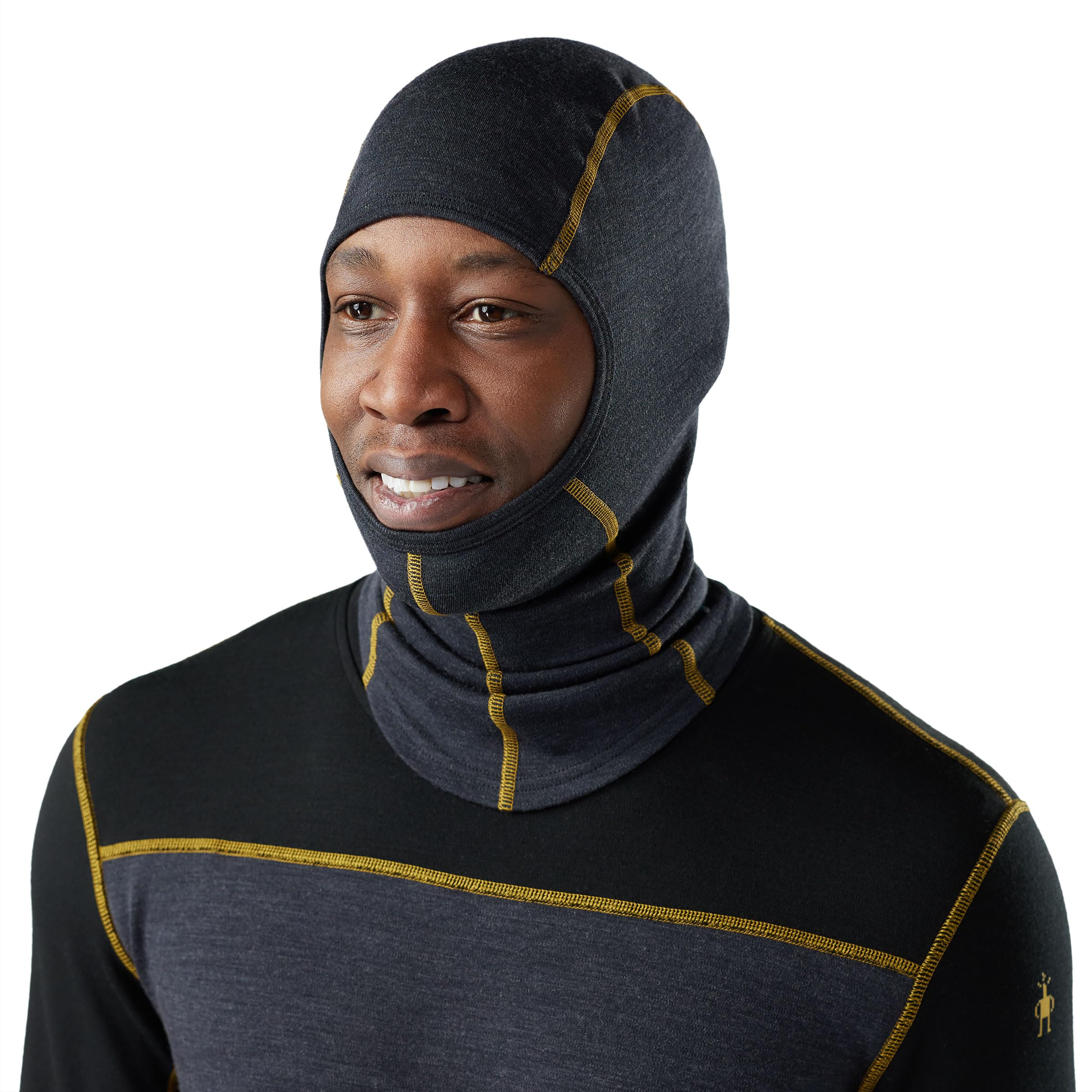
The SmartWool Thermal Merino Balaclava hits the sweet spot of warmth, comfort, and helmet compatibility better than anything else in this lineup. Its 200 g/m² merino construction insulates effectively without the bulk that pushes helmets forward — a common complaint with fleece-based masks. The fabric feels soft against the skin straight out of the package, with zero itch, and the natural lanolin content resists odor even after consecutive days of use.
Real skiers report that this balaclava keeps the face and head warm under a helmet while remaining thin enough to avoid pressure points. The fit accommodates larger head sizes without being baggy on smaller frames, and the seamless crown prevents that uncomfortable ridge that some masks create at the top of the head. Multiple reviewers noted that a quick cold-water wash eliminates any factory smell before first use.
For lodge-to-lift resort skiing where temperatures range from 15°F down to -10°F, this is the most balanced performer. It’s not as thick as the Minus33 Expedition for extreme cold, but it breathes better during active runs and weighs less in your pack. The SmartWool is the gold standard for daily skiing use.
Why it’s great
- Premium merino feels soft and resists odor buildup
- Thin crown profile fits under any ski helmet without lift
- Breathable enough for high-exertion riding
Good to know
- Strong factory smell requires pre-wash
- May feel snug for very large head sizes initially
2. BLACKSTRAP Expedition Hood Balaclava Face Mask
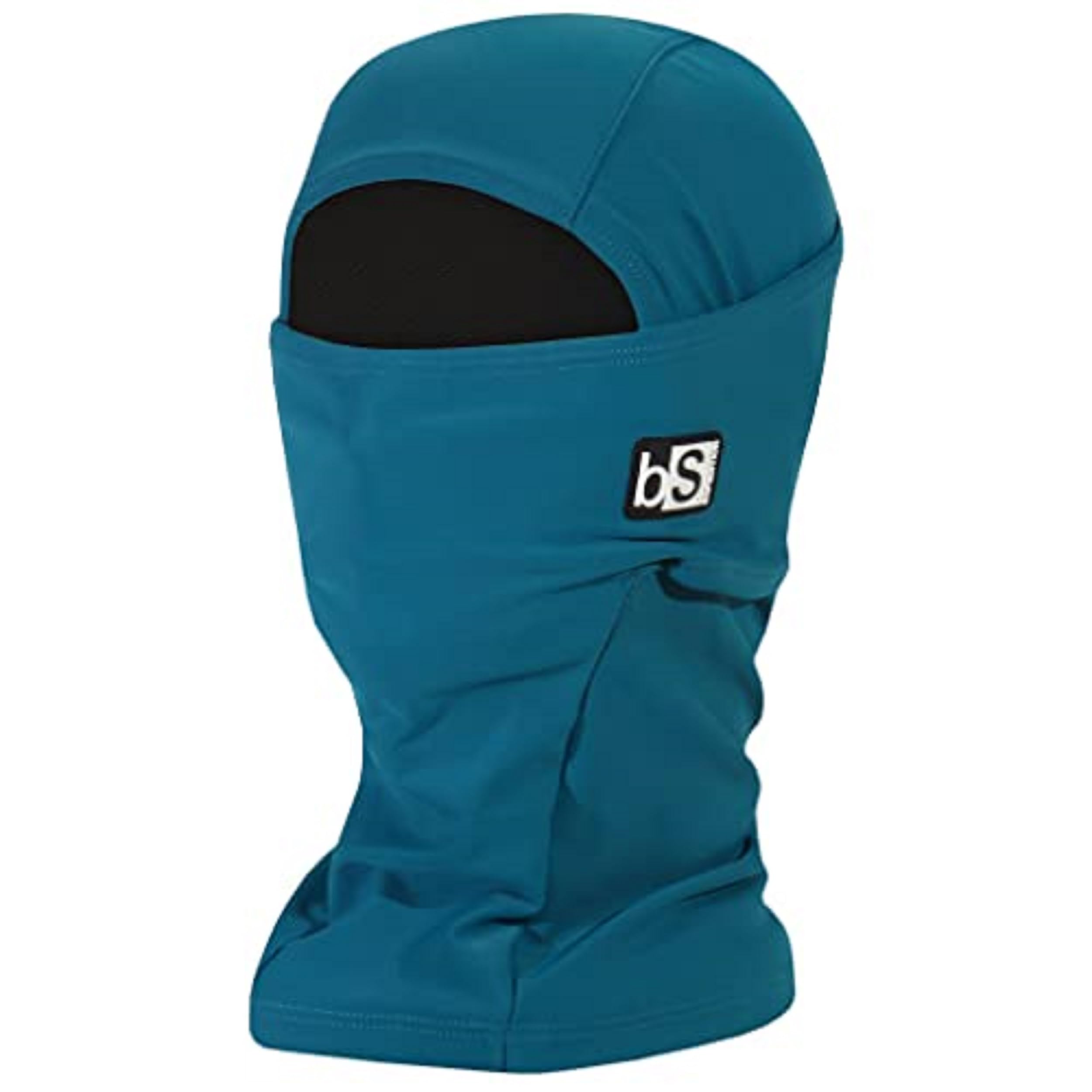
If you struggle with goggle fog, the BLACKSTRAP Expedition Hood is the most effective solution. Its patented ExoHinge system uses a separate articulating face flap that directs warm breath downward and away from your lens, dramatically reducing condensation. The dual-layer construction combines a wind-resistant shell with a moisture-wicking inner that stays dry during long chairlift rides and high-output descents.
The 100% polyester fabric is thin and highly stretchable — users describe it as “light and breathable” while still trapping enough heat for sub-zero temperatures. The four-way stretch ensures a glove-like fit that stays put without constant adjustment, and the elongated hood shape covers the neck completely when tucked into a jacket. Multiple reviewers report zero fog issues when worn with ski goggles, even in humid conditions.
One trade-off: in extreme cold below -20°F, moisture can freeze on the outer layer near the mouth, requiring a backup. But for the vast majority of resort days where temps hover around 0°F to 20°F, the breathability advantage outweighs the marginal warmth loss. This is the best choice for skiers who prioritize clear vision above all else.
Why it’s great
- ExoHinge flap nearly eliminates goggle fog
- Ultra-stretchy fabric conforms to any face shape
- Machine washable and holds up over multiple seasons
Good to know
- Moisture can freeze on mouth area in extreme sub-zero temps
- Initial fit may feel tight before fabric stretches
3. Minus33 Merino Wool Expedition Balaclava

When the temperature drops below -20°F and wind chill makes exposed skin dangerous in seconds, the Minus33 Expedition Balaclava is the only choice. Its heavyweight 100% merino construction at approximately 310 g/m² provides maximum insulation while maintaining the natural moisture-wicking and odor-resistance that wool is known for. This is not a balaclava for spring skiing — it’s built for arctic conditions.
Users who tested this mask in northern Norway at -35°F reported that it kept their face completely protected without any windburn. The fabric is dense enough to block cold air on the chairlift yet breathable enough to avoid feeling suffocating during high-exertion runs. The neck area is smooth and logo-free, eliminating chafe points, and the overall length is generous enough to accommodate ponytails without creating tight pressure points.
One caveat: the thicker fabric means this balaclava takes more room under a helmet than lighter options. It also holds more moisture on the upper lip during heavy breathing in extreme cold, though that’s a physics reality for any heavyweight mask. If your ski trips involve northern Canada, Scandinavia, or high-alpine terrain, this is the safety blanket your face needs.
Why it’s great
- Proven warmth in -35°F conditions
- 100% merino — soft, no itch, natural odor control
- Generous cut fits ponytails and larger heads
Good to know
- Bulky profile may lift some helmet models
- Condensation can freeze on upper lip in severe cold
4. Turtle Fur Shellaclava Ski Mask
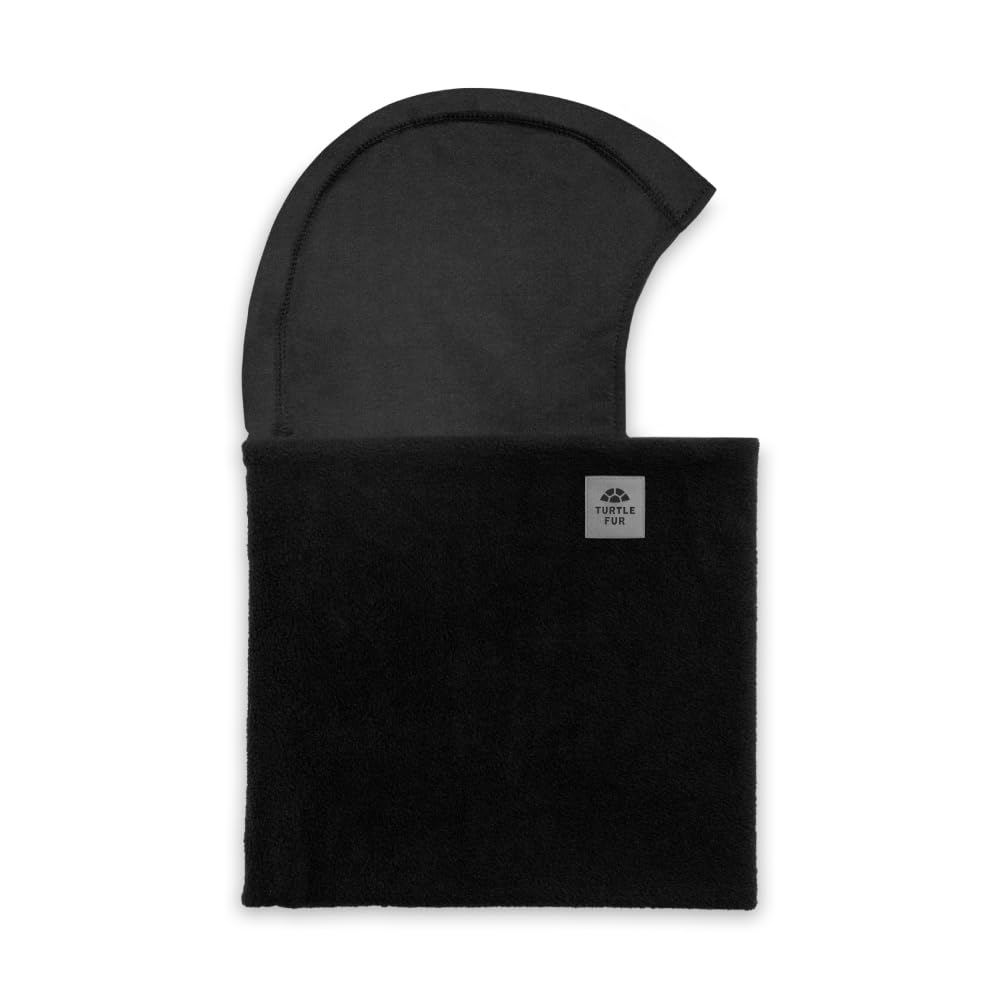
The Turtle Fur Shellaclava proves that you don’t need pure merino to get excellent skiing performance. Its unique two-piece construction pairs a thin, stretchy cap section designed specifically for helmet compatibility with a double-layer fleece neck gaiter that blocks wind and resists moisture. The 150-weight fleece used in the warmest variant hits a sweet spot: thick enough for sub-zero chairlifts but not so bulky that it interferes with goggles.
Skiers who tested this on 7-day resort trips report that the moisture-wicking properties kept the neck dry for up to 4 hours of continuous skiing, and the fabric dries impressively fast overnight. The shell material on the outer face of the neck piece adds meaningful wind resistance without sacrificing flexibility. Users consistently describe it as soft, comfortable, and free of the stiffness that plagues cheaper fleece masks.
For skiers who want reliable performance at a reasonable price point, the Shellaclava delivers everything you actually need: wind protection, moisture management, and a helmet-friendly profile. The only drawback is fit — some users find it runs slightly short in length and snug around the face, so larger head sizes may want to size up or look at the merino options.
Why it’s great
- Wind-resistant shell blocks biting cold on chairlifts
- Thin top layer fits seamlessly under ski helmets
- Moisture-wicking fleece dries fast between runs
Good to know
- Neck length is on the shorter side
- Fit runs snug for larger heads
5. adidas Alphaskin Balaclava Ski Mask

The adidas Alphaskin Balaclava is the most athletic-feeling option here, designed for skiers who generate significant body heat and don’t need extreme cold insulation. Its lightweight Alphaskin knit fabric stretches in four directions, creating a compression-like fit that stays put during aggressive movement. The material is thin enough to fit under a helmet with zero noticeable bulk, and the low-profile design means it disappears once you’re geared up.
Customers confirm that it runs warm and snug while remaining breathable enough for high-output skiing. The face area covers the nose and mouth without restricting breathing, and the fabric has no weird chemical smell out of the package — a small but appreciated detail. One user reported using it under a football helmet for cold-weather training, which speaks to its versatility, though its primary home is the ski slope.
The trade-off is clear: this is not a balaclava for sub-zero days. Its warmth ceiling sits around 10°F to 20°F, making it ideal for spring skiing, mild winter days, or skiers who run hot. If you tend to strip layers on the mountain, or if your local hill rarely sees extreme cold, the adidas Alphaskin offers a sleek, sporty solution that prioritizes mobility over insulation.
Why it’s great
- Compression fit stays in place during active skiing
- Ultra-thin profile disappears under helmets
- No chemical smell — ready to wear out of package
Good to know
- Not warm enough for sub-zero temps
- Limited color options — primarily black or camo
6. Carhartt Men’s A202 Fleece 2-in-1 Headwear

The Carhartt A202 is not a conventional balaclava — it’s a fleece ushanka-style hat with a built-in pull-down face mask. This design serves two distinct purposes: it works as a standalone winter hat on non-ski days, and the integrated mask provides full face coverage when the wind picks up. The fleece lining is thick and warm, rated by users for temperatures as low as -10°F, and the ear flaps add a layer of protection that traditional balaclavas don’t offer.
Skiers who wear hard hats or prefer a helmet-free day at the mountain appreciate that the Carhartt eliminates the need for a separate head cover. The mask portion flips inside the hat when not in use, keeping it clean and out of the way. Customers consistently praise the build quality — the material holds its shape after repeated use and maintains its softness through washing cycles.
However, this design has two limitations for dedicated skiers. The one-size-fits-all fit is tight and difficult to put on for larger heads, and the mask works best with sunglasses (goggles can interfere with the hat’s ear flaps). It also doesn’t function as a low-profile layer under a helmet. If you ski primarily without a helmet or want a multi-use winter accessory, the Carhartt is a rugged choice. For helmet-based skiing, look at the dedicated balaclava options above.
Why it’s great
- Dual-purpose design — hat and mask in one piece
- Ear flaps provide exceptional warmth in wind
- Carhartt build quality holds up to years of use
Good to know
- Not designed for use under ski helmets
- One-size-fits-all runs tight on larger heads
7. Alpinestars Mens Open Face Balaclava

The Alpinestars Open Face Balaclava occupies a narrow but valuable niche: it’s for spring skiing, warm days, or high-output backcountry touring where excess insulation is a liability. Its open-face design covers the crown, ears, and neck while leaving the entire face exposed, allowing complete freedom of breath and zero goggle fog. This is the lightest option at roughly 2.2 ounces, and it packs down to nearly nothing in a jacket pocket.
Users coming from the motorcycle world report that the Alpinestars fabric is a smooth, wick-away blend that prevents ear folding under a helmet and improves overall comfort by adding a layer between the hard shell and your skin. The snug neck fit prevents jacket zipper rash, and the open design keeps the interior of a helmet cooler and less sweaty during warm-weather riding.
The key limitation is obvious: it doesn’t cover your face. For any skiing below 25°F or when wind chill is a factor, this balaclava is insufficient. It also has an initial fuel-oil chemical smell that requires airing out before first use, and some units arrive with loose stitching. If you frequently find yourself overheating and stripping layers on the mountain, the Alpinestars is a smart backup. For full winter protection, choose one of the heavier options above.
Why it’s great
- Wick-away fabric prevents helmet overheating
- Lightest and most packable option in the lineup
- Snug neck fit prevents zipper chafe
Good to know
- Open face design offers zero cold-weather face protection
- Strong chemical smell requires airing out
FAQ
Should I choose merino wool or fleece for skiing?
How do I prevent my balaclava from fogging my goggles?
Can I wear a balaclava under a ski helmet?
Final Thoughts: The Verdict
For most skiers, the best balaclava for skiing overall is the SmartWool Thermal Merino Balaclava because it balances warmth, breathability, and helmet compatibility in a package that performs reliably from 15°F down to -10°F. If goggle fog is your biggest frustration, grab the BLACKSTRAP Expedition Hood for its exceptional ExoHinge breathability. And for extreme cold trips where temperatures drop below -20°F, nothing beats the Minus33 Expedition Merino Balaclava for pure arctic-grade protection.