
Swapping bulky knobby tires for a set of sleek, narrow 26-inch street tires transforms a heavy mountain bike into an efficient pavement-pounding machine. The right tire sheds rotational weight and rolling resistance, translating every pedal stroke into forward momentum instead of wasted energy.
I’m Min — the co-founder and writer behind Gadgets Feed. I spend hundreds of hours cross-referencing rolling resistance charts, bead construction, and TPI counts to separate marketing fluff from pavement-proven performance.
Whether you’re converting a vintage mountain bike for commuting or upgrading a hybrid for weekend fitness rides, this guide to the best 26 x 1.25 bike tire options will help you find the perfect balance of speed, grip, and puncture protection.
How To Choose The Best 26 X 1.25 Bike Tire
Selecting the right 26 x 1.25 tire comes down to matching your riding terrain and priorities with the tire’s construction, tread pattern, and intended pressure range. A pure street slick won’t grip loose gravel, while a file-tread design may lack the edge grip for hard cornering on damp pavement.
Bead Type: Wire vs. Folding
Wire beads are stiff, heavy, and significantly cheaper — but they make for a difficult installation and offer zero weight savings. Folding beads use Kevlar or similar material, reduce rotational mass by 50–100g per tire, and are far easier to pack as a spare on long rides. For daily commuting on a budget, wire beads are fine. For performance, go folding.
Tread Pattern: Slick vs. File vs. Light Knob
A true slick (no grooves) offers the lowest rolling resistance on smooth tarmac but can be treacherous in rain or on painted lines. File treads feature fine grooving that sheds water while keeping most of the speed. Light knobby treads with small shoulder blocks add cornering confidence on gravel without the constant buzz of a full off-road pattern. Choose based on how much wet pavement and hardpack you encounter.
Quick Comparison
On smaller screens, swipe sideways to see the full table.
| Model | Category | Best For | Key Spec | Amazon |
|---|---|---|---|---|
| Continental Contact | Premium | Long-distance touring & wet grip | SafetySystem Breaker puncture layer | Amazon |
| Panaracer Closer Plus | Premium | Low rolling resistance & comfort | ZSG Natural folding bead | Amazon |
| YUNSCM 26×1.75 | Mid-Range | Versatile pavement & gravel | Butyl rubber + soft wire folding | Amazon |
| Kenda K-193 Kwest | Mid-Range | Street conversion & speed gains | 100 PSI max pressure | Amazon |
| Hapleby Folding 26×1.95 | Mid-Range | Budget dual-purpose (street/dirt) | 60 TPI / 65 PSI max | Amazon |
| Kenda Kwest 26×1.5 | Entry-Level | Budget commuter replacement | 65 PSI max pressure | Amazon |
| BELL Flat Defense 27×1.25 | Entry-Level | Puncture protection on road | Flat Defense inner layer | Amazon |
In‑Depth Reviews
1. Continental Contact Tire (26×1.75)

The Continental Contact is the benchmark for all-around reliability in the skinny 26-inch tire segment. Its SafetySystem Breaker uses an ultra-fine carcass fabric to reduce rolling resistance while sandwiching a supplemental puncture layer between the tread and casing — a setup that has held up over thousands of commuting miles for users carrying up to 225 pounds.
Riders consistently report excellent rain traction and minimal tread wear after 1000+ miles, which makes this a strong candidate for daily commuters who cannot afford mid-ride flats. The wire bead is notoriously stiff to mount — expect to use tire levers and some elbow grease — but once seated, the tire stays true and holds air exceptionally well.
At 61.95, this is the most expensive option in the lineup, but the per-mile cost is lower than replacing budget tires every season. If you ride through wet conditions or long distances on mixed surfaces, the Continental Contact justifies its price with the peace of mind of a premium touring tire.
Why it’s great
- SafetySystem Breaker offers excellent puncture protection
- Quiet, comfortable ride at moderate pressures
- Reflective sidewall for low-light visibility
Good to know
- Very difficult to mount and remove with stiff wire bead
- Slightly heavier than folding-bead competitors
2. Panaracer Closer Plus (26 x 1.25)
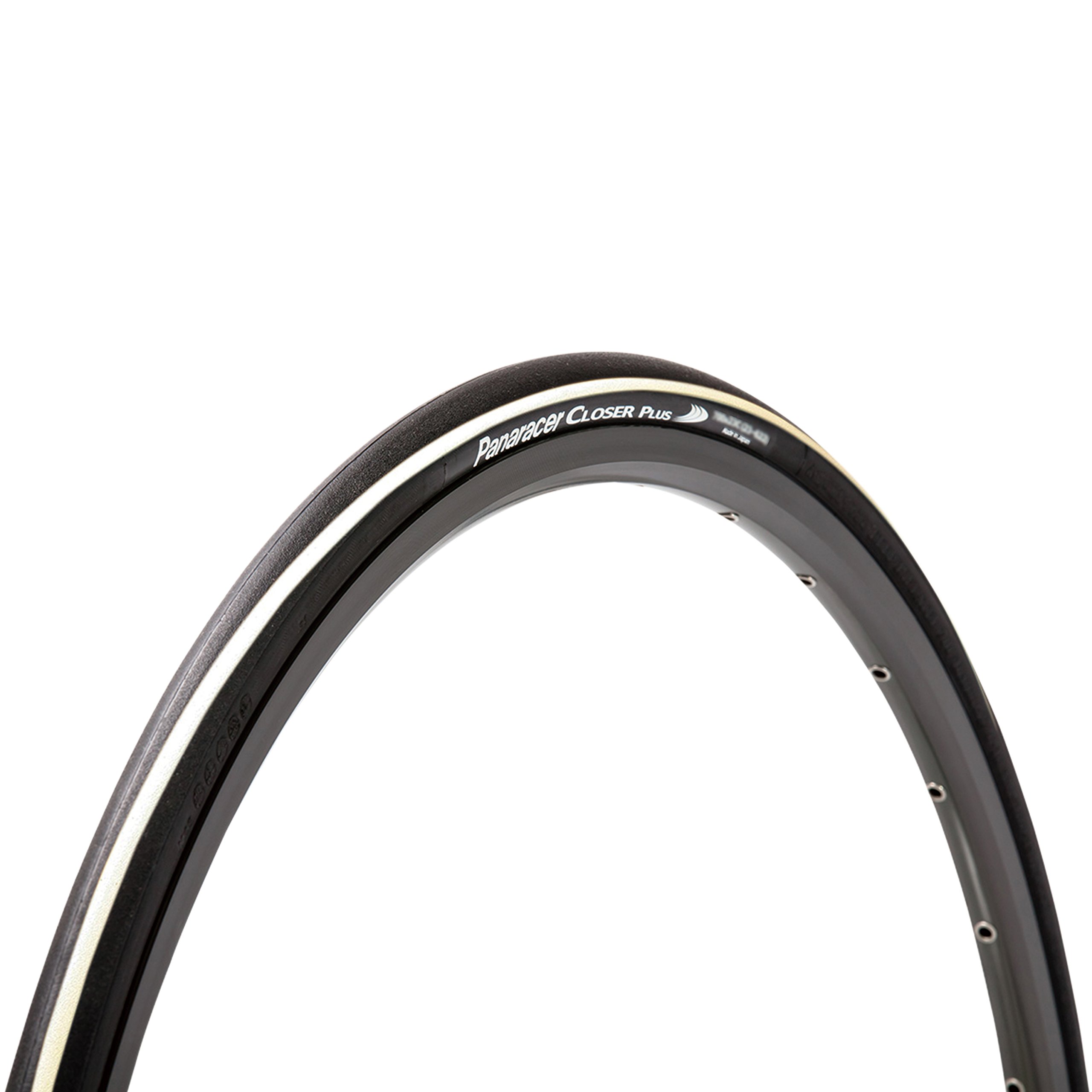
Panaracer’s Closer Plus is the only true 26 x 1.25 tire in this guide — exactly matching the target dimension — and it uses a ZSG Natural rubber compound that delivers a noticeably softer, more compliant ride than cheap wire-bead offerings. The folding bead saves rotational weight and makes storage and installation significantly easier compared to stiff steel beads.
Riders crossing 2000–3000km report zero punctures, with the tire maintaining excellent grip and a supple feel that reduces road fatigue on long days. The 30C-equivalent width (roughly 1.18 inches) is narrower than most competitors here, which maximizes aerodynamics and speed but transmits more road vibration at high pressures.
The trade-off is sidewall durability — the casing is thin to keep weight low, so you need to be careful about pinch flats if you run pressures below 80 psi on rough surfaces. For riders prioritizing low rolling resistance and a fast, lively feel on smooth tarmac, this is the best pure-performance option available.
Why it’s great
- Folding bead saves weight and simplifies packing
- ZSG Natural compound provides excellent grip and low rolling resistance
- Proven track record of 3000km without puncture
Good to know
- Thin sidewalls are vulnerable to pinch flats at low pressure
- Narrow width transmits more road vibration than wider tires
3. YUNSCM 2-PCS 26×1.75 Bike Tires

The YUNSCM tires deliver a compelling two-pack deal at the mid-range price point, coming in at a wider 1.75 inches than the 1.25 target but offering the same 26-inch diameter and a tread pattern that bridges pavement and hardpack gravel effectively. The arrow-shaped center grooves aid water dispersion, while alternating rectangular blocks on the shoulders improve cornering stability on loose over pavement.
Buyers report that these mount easily after warming the rubber with a heat gun, which is necessary because the soft wire bead arrives folded and can be temporarily deformed. Once aired up, the tire rounds out and exhibits no wobble. The butyl rubber compound produces less odor than many budget alternatives and shows good wear resistance on mixed terrain.
These are not suitable for aggressive trail riding — the knobs are too shallow — but for urban riders who occasionally cut through a park or gravel path, this set provides excellent versatility. The included two-pack and tire levers make it a complete drop-in replacement for both wheels.
Why it’s great
- Two-pack with tire levers included for a complete swap
- Versatile tread works on pavement and light gravel
- Low-odor butyl rubber compound
Good to know
- Soft wire may require heat to restore shape before mounting
- 1.75 width is not true 1.25 — check frame clearance
4. Kenda K-193 Kwest Commuter (26×1.5)
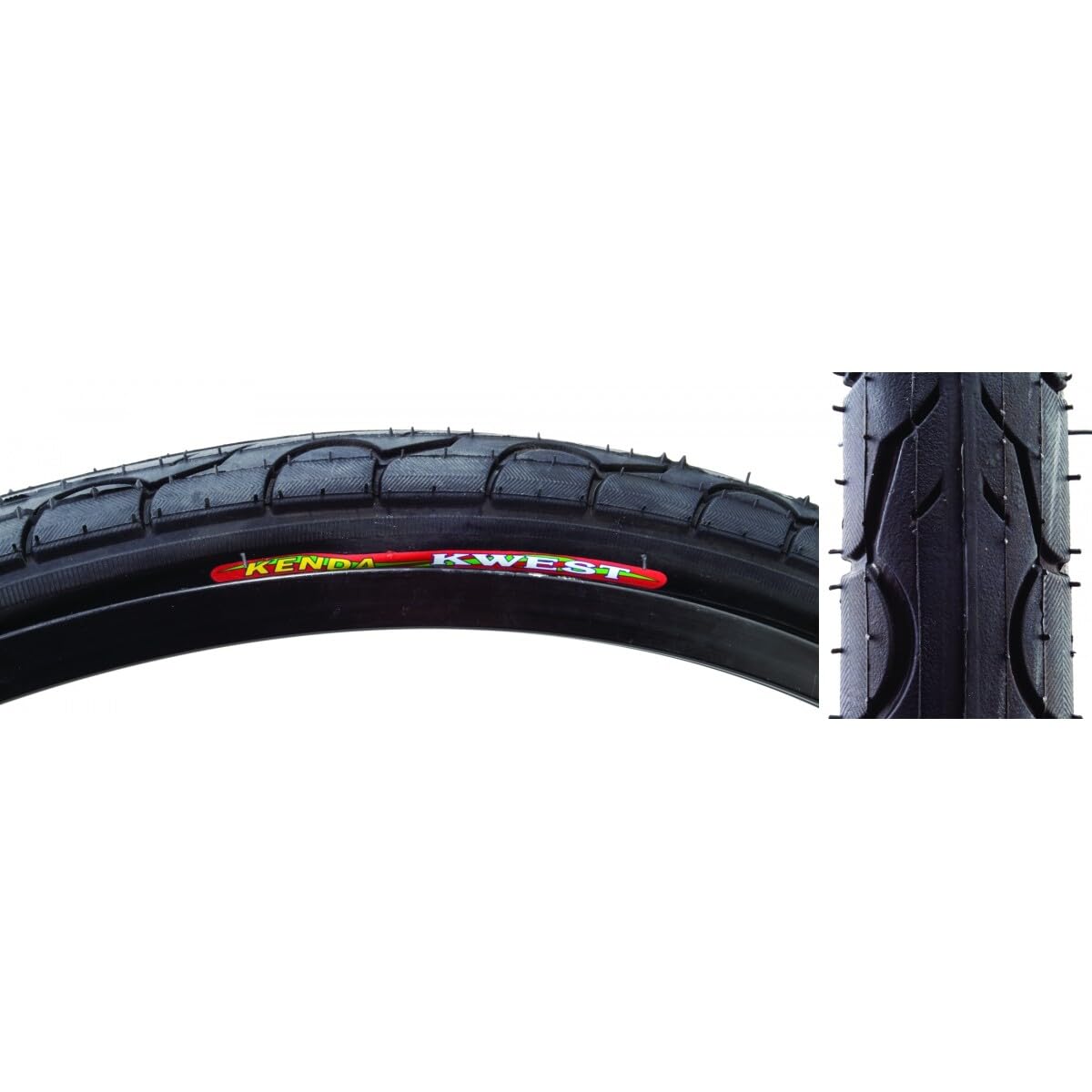
The Kenda K-193 Kwest is a classic mountain-bike-to-commuter conversion tire that prioritizes speed and low noise over off-road capability. Rated for a maximum of 100 PSI — one of the highest pressure ceilings in this lineup — this 1.5-inch slick rolls with minimal resistance, and users consistently report average speed gains of 1.2 to 3 mph after swapping from knobby 2.2-inch tires.
The deep water grooves channel moisture away effectively in wet conditions, though some users note the tire is only rated for 65 PSI on certain batches, so double-check the sidewall stamp before inflating. The wire bead makes installation moderately challenging, but the payoff is a stable, confidence-inspiring ride on paved surfaces and packed gravel.
With over 300 miles of reported use without flats and thousands of miles of wear life, this tire offers strong durability for the price. It is not ideal for loose sand or technical trails, but as a dedicated street tire for a hybrid or vintage mountain bike, it punches well above its weight.
Why it’s great
- High 100 PSI rating minimizes rolling resistance
- Deep grooves provide wet-weather confidence
- Proven speed gains of 1–3 mph over knobby tires
Good to know
- Some batches stamped at 65 PSI — verify before use
- Wire bead is stiff and may be difficult to mount
5. Hapleby Folding 26×1.95 Tires (2-Pack)

Hapleby’s two-pack delivers the widest tread in this roundup at 1.95 inches, using a 60 TPI casing and a symmetrical directional pattern that balances pavement smoothness with light trail capability. The center knobs are close enough together to avoid the loud buzzing of full mud tires, while the shoulder blocks provide enough edge grip for packed dirt and gravel corners.
Buyers note that the tires arrive folded and can look flimsy or out-of-round until inflated — once mounted and aired to the 40–65 PSI range, they round out perfectly and hold air without issue. The included tire levers are a nice bonus, though a couple of users reported the lever set was missing from their package.
At this price point, the Hapleby tires are an affordable way to refresh a bike that sees mixed use, but the 60 TPI casing and wire-bead construction mean they are heavier and less supple than premium options. They work well on e-bikes and commuters where absolute speed is less critical than reliable traction and durability.
Why it’s great
- Affordable two-pack with tire levers included
- Quiet tread that still grips packed dirt and gravel
- Easy to install once unfolded and aired up
Good to know
- 1.95 width is significantly wider than 1.25 target
- 60 TPI casing is less comfortable than higher-TPI options
6. Kenda Kwest W Tire (26 x 1.5)

The Kenda Kwest W is the entry-level workhorse that has been keeping budget bikes rolling for years. At 1.5 inches wide, it offers a noticeable reduction in rolling resistance compared to standard 2.2-inch knobbies, and the center rib with inset treads provides predictable handling on pavement, potholes, and occasional gravel.
Multiple users report zero flats after three months of commuting on New England rail trails and paved roads, which speaks to the tire’s adequate puncture resistance given its cost. The wire bead makes mounting straightforward on most rims, and the 65 PSI max pressure is sufficient for a comfortable ride without the harshness of higher-pressure road tires.
The obvious compromise is weight — the steel bead adds rotational mass, and the standard rubber compound does not offer the grip or speed of premium materials. But for a bike that sits outside or sees casual use, this tire delivers reliable performance at a price that makes it disposable enough to replace without hesitation.
Why it’s great
- Extremely affordable — one of the cheapest 26-inch street tires
- Tire rides quietly and smoothly on pavement
- Inset tread provides decent grip on light gravel
Good to know
- Wire bead adds significant weight
- Standard rubber compound wears faster than premium tires
7. BELL Flat Defense Road Tire (27 x 1.25)
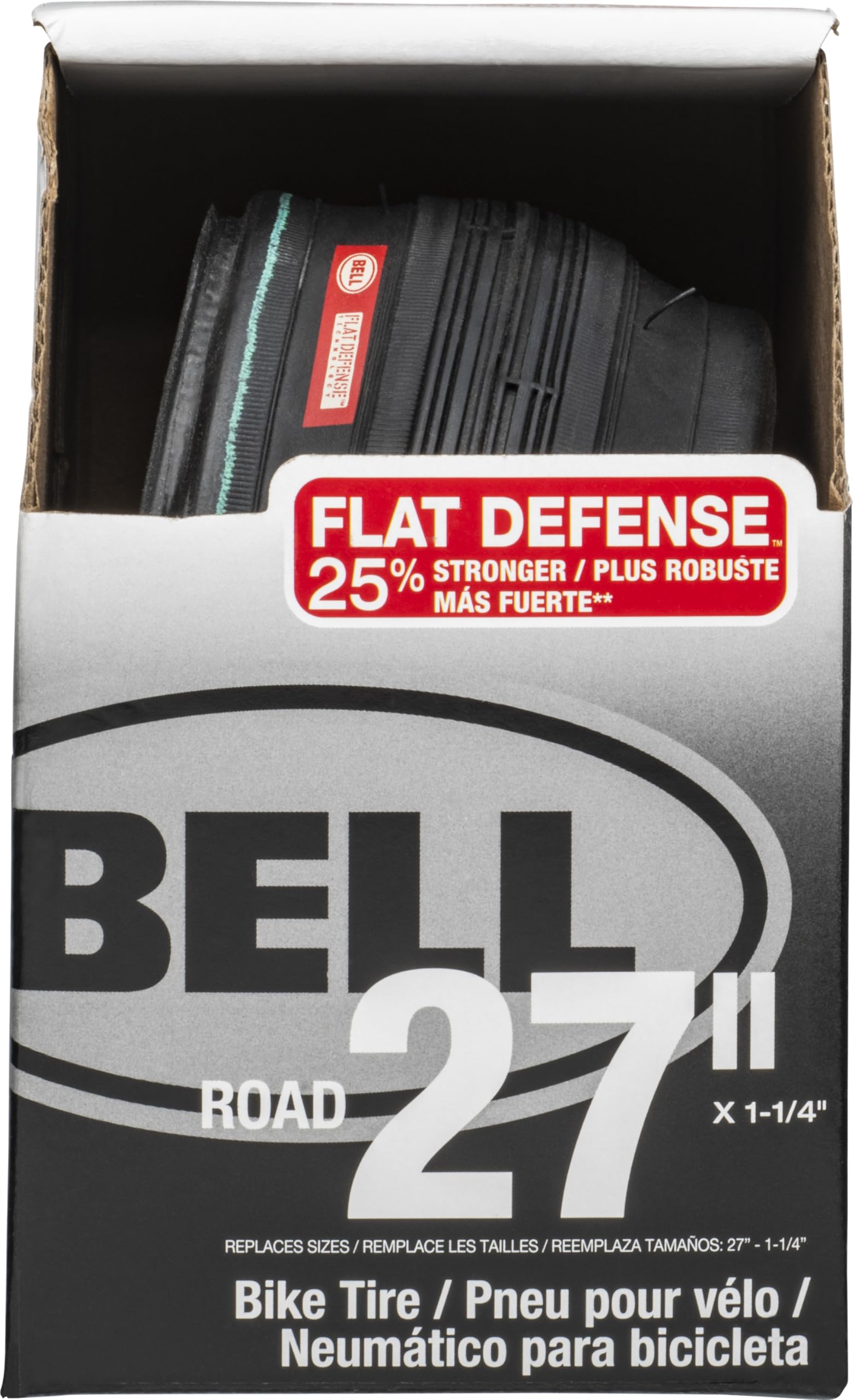
BELL’s Flat Defense tire incorporates a protective inner layer that provides 25% more puncture resistance than a standard tire, making it a smart choice for riders who frequent glass-laden bike lanes or debris-strewn shoulders. The inverted tread pattern reduces rolling resistance while maintaining grip, and the carbon steel bead allows the tire to be folded for storage without damage — though the fold does not make installation any easier.
Customer feedback reveals a split experience: some find the tire smooth and long-lasting, while others note that the tire measures slightly undersized (1.125 inches instead of the marked 1.25) and that the bead is extremely stubborn on straight-sided rims. The 27-inch diameter means this tire is not compatible with standard 26-inch wheels, so double-check your wheel size before purchasing.
For owners of 27-inch road bikes seeking an affordable flat-guard upgrade, this tire offers genuine puncture protection at a budget price. The stiff casing and undersized fit mean it is best suited for experienced mechanics who can wrestle the bead onto the rim without damaging the inner tube.
Why it’s great
- Flat Defense inner layer reduces puncture risk by 25%
- Inverted tread offers low rolling resistance
- Carbon steel bead allows folding for storage
Good to know
- 27-inch diameter — NOT compatible with standard 26-inch rims
- Undersized fit and very difficult to mount on some rims
FAQ
Can I use a 26 x 1.5 tire on a rim designed for 26 x 1.25?
What PSI should I run in a 26 x 1.25 street tire?
Can I use a slick tire on a mountain bike for pavement riding?
Final Thoughts: The Verdict
For most users, the best 26 x 1.25 bike tire winner is the Panaracer Closer Plus because it offers the perfect blend of low rolling resistance, folding bead convenience, and proven long-distance durability. If you want maximum puncture protection for wet commuting, grab the Continental Contact. And for the best budget-friendly two-pack value, nothing beats the YUNSCM 26×1.75 set.