
For those managing Postural Orthostatic Tachycardia Syndrome (POTS), the simple act of standing upright can trigger a cascade of symptoms, from lightheadedness to fatigue, as blood pools in the lower extremities and abdomen. Counteracting this pooling requires targeted, external compression, and the abdominal area is the largest reservoir for blood volume in the body. An abdominal binder applies the necessary resistance to the splanchnic bed, helping to maintain cardiac output and cerebral perfusion when gravity pulls blood downward.
I’m Min — the co-founder and writer behind Gadgets Feed. I’ve spent countless hours dissecting the material science, pressure profiles, and real-world feedback behind medical-grade compression garments to identify which designs genuinely deliver the therapeutic benefit POTS patients require, not just general support.
This guide narrows the search to the top performers on the market, evaluating each for its ability to provide sustained, comfortable compression that manages blood pooling and orthostatic intolerance. The result is a focused look at the abdominal compression for pots that actually works.
How To Choose The Best Abdominal Compression For POTS
Selecting the right abdominal binder for POTS isn’t about general comfort; it’s about specific physiological counter-pressure. The wrong choice can be ineffective or even uncomfortable, leading to poor compliance. Focus on these three criteria to find a binder that delivers therapeutic compression daily.
Compression Profile & Width
POTS compression requires a broad, even distribution of pressure across the entire abdomen, from just below the ribcage to the hips. A narrow belt (4-6 inches) targets the waist but fails to engage the splanchnic reservoir effectively. Look for binders that are at least 8-9 inches wide, with multi-panel construction that prevents pressure points. The material should be firm enough to resist stretching out over hours of wear, yet flexible enough to conform to the body’s contours without digging in.
Material Breathability & Durability
Since abdominal binders for POTS are often worn for extended periods—sometimes all day—breathability is critical. Materials like moisture-wicking polyester blends, bamboo charcoal fiber, and mesh panels prevent sweat buildup and skin irritation, especially in warmer climates. The hook-and-loop closure system must maintain its grip through hundreds of adjustment cycles; a degraded closure will cause the binder to loosen over the day, negating its therapeutic effect. Avoid neoprene, which traps heat and is unsuitable for all-day wear.
Adjustability & Fit for All-Day Use
POTS symptoms can fluctuate, so a binder that offers micro-adjustments is a major advantage. Look for wide hook-and-loop panels that allow you to incrementally tighten or loosen compression without removing the device. Features like secondary compression straps or removable stays offer further customization. The binder must stay in place without riding up when you sit, bend, or walk. A non-slip silicone strip or a curved shape that follows the torso’s natural geometry will prevent bunching, which can create uncomfortable pressure points and reduce compliance.
Quick Comparison
On smaller screens, swipe sideways to see the full table.
| Model | Category | Best For | Key Spec | Amazon |
|---|---|---|---|---|
| Paskyee Postpartum Belly Band | Premium | Full abdominal + back support | 9-inch width; 3 removable stays | Amazon |
| ARMSTRONG AMERICA Binder | Premium | Post-op & hernia combo | Wide compression bands; 50% Polyester | Amazon |
| Strenbodi 2-in-1 Binder | Premium | Six-way adjustable fit | Carbon fiber; dual-compression hip belt | Amazon |
| DOREIPA Abdominal Binder | Mid-Range | Strong core compression | Bamboo charcoal fiber; 3-point closure | Amazon |
| Vive Abdominal Binder | Mid-Range | Cotton, sensitive skin | 4-panel design; Latex-free cotton | Amazon |
| Everyday Medical Hernia Belt | Budget | Discrete daily wear | 0.06 kg weight; removable silicone pad | Amazon |
| Velpeau Umbilical Hernia Belt | Budget | Ventilated comfort | Mesh fabric; Neoprene-free | Amazon |
In‑Depth Reviews
1. Paskyee Postpartum Belly Band
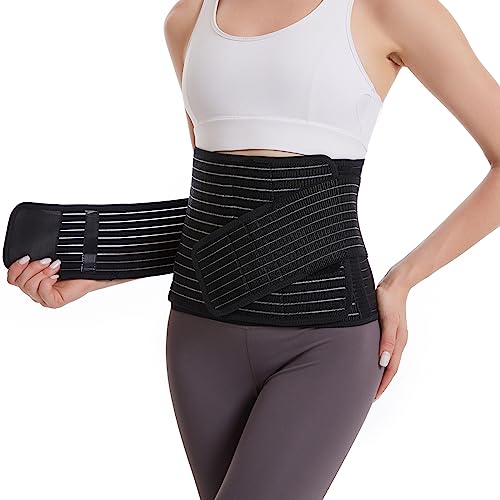
The Paskyee band stands out as the most versatile option for POTS because of its 9-inch width, which provides the broad splanchnic compression necessary to combat venous pooling effectively. The three removable stays offer a unique customization layer: you can dial in extra rigidity for severe symptom days or remove them for lighter support on better days, all while maintaining the wide coverage that prevents blood from shifting downward.
Users report that the band stays firmly in place without rolling or bunching, a critical failure point for many binders during daily movement. The mesh weave construction ensures breathability during all-day wear, a feature often missing from thicker, neoprene-based binders. The dual Velcro straps allow for micro-adjustments, making it easy to tighten or loosen compression incrementally without removing the entire band.
The main trade-off is that the side “bones” (stays) can press into the hip bones after extended daily use, particularly for those with less natural padding around the iliac crest. For best results, wear a thin cotton layer between the skin and the binder to prevent friction, and consider removing the stays if hip discomfort arises. The band’s 9-inch width may also conflict with higher-waisted pants for some body shapes.
Why it’s great
- Broad 9-inch panel provides the wide compression needed for effective splanchnic counter-pressure in POTS.
- Removable stays allow adjustable rigidity, letting you match compression to daily symptom severity.
- Breathable mesh fabric prevents overheating during extended wear, a common issue with other binders.
Good to know
- Side stays can create pressure points on the hip bones if worn continuously for many hours.
- Wide band may not fit well under all wardrobe styles, especially low-rise pants.
2. ARMSTRONG AMERICA Abdominal Binder
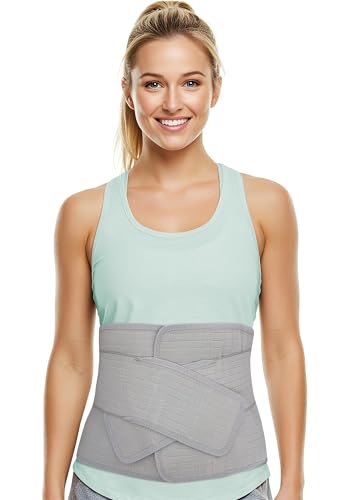
The ARMSTRONG AMERICA binder is engineered with wide compression bands that apply an even, firm grip across the entire abdomen, which is exactly what the splanchnic veins need to prevent pooling. Its standout feature is an integrated strap pocket that allows you to pull the binder tight and fasten it independently — a huge advantage for POTS patients who may feel lightheaded when reaching or twisting during application.
The material is a blend of polyester, spandex, and nylon that holds its shape remarkably well, resisting the rolling and stretching that can reduce compression effectiveness over a day. Users with female curves report that the binder conforms better than many unisex designs, though sizing can be tricky — the length measurement runs shorter than advertised, so ordering up is recommended for full abdominal coverage.
Despite its excellent construction, the binder’s height can be problematic for shorter torsos, as it may push into the lower ribs or ride over the hips. It is best suited for those with an average to long torso who need a rigid, non-collapsing compression surface. The fabric is also thick enough to provide lower back support, which is a welcome bonus for many POTS patients dealing with orthostatic muscle tension.
Why it’s great
- Wide compression bands deliver consistent, broad pressure across the splanchnic area, ideal for POTS.
- Strap pocket design makes independent application easier, reducing strain during dressing.
- Material blend resists rolling and maintains shape, ensuring compression stays effective all day.
Good to know
- Length runs shorter than chart claims; most users need to size up for full coverage.
- Binder height may be too tall for shorter torso users, causing rib or hip impingement.
3. Strenbodi 2-in-1 Binder
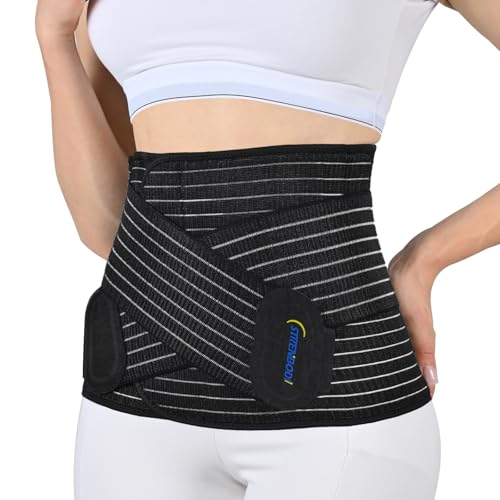
The Strenbodi binder’s 2-in-1 design features a widened inner band and a separate dual-compression hip belt, allowing up to six different wearing configurations. This modular approach is a strategic advantage for POTS management: you can isolate compression to the lower abdomen, the upper core, or combine both for maximum splanchnic engagement. The carbon fiber-infused fabric is exceptionally breathable and offers anti-odor properties, making it practical for uninterrupted all-day wear.
Real-world use shows that the high-adhesion hook-and-loop fasteners maintain their grip through repeated adjustments — a common weakness on cheaper binders. The system’s flexibility also allows users to alternate between tighter compression during symptomatic mornings and looser settings later in the day, without fully removing the device. The back support element is an added benefit, stabilizing the lower spine during upright activities.
The complexity of the six-way design can be overwhelming initially, and the outer hip belt’s hook-and-loop patch may have trouble adhering in the exact spot you want on the inner band. Additionally, while the carbon fiber fabric is breathable, it adds a slight stiffness that some users find less comfortable than pure cotton blends for sleeping or prolonged rest.
Why it’s great
- Six-way modular design allows precise targeting of splanchnic compression to match POTS symptom levels.
- Carbon fiber fabric provides excellent breathability and odor resistance for extended daily wear.
- Separate inner and outer straps allow micro-adjustment of compression without removing the whole binder.
Good to know
- Multiple straps and configurations create a steeper learning curve for daily use.
- Outer belt’s Velcro can be finicky about sticking to the exact desired position on the inner wrap.
4. DOREIPA Abdominal Binder
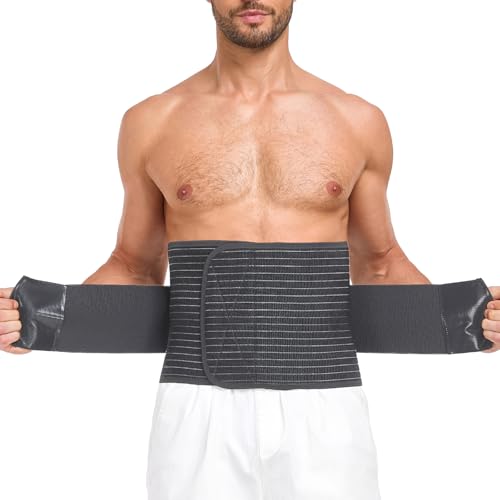
The DOREIPA binder has garnered specific praise from the POTS community, with verified reviews noting that it directly helps reduce “eating triggers and dizziness” — a classic POTS phenomenon where digestion diverts blood flow, worsening symptoms. The 3-point closure system with an extra outer belt allows you to tighten different zones of the abdomen independently, providing focused compression where the splanchnic veins are most distensible.
Its bamboo charcoal fiber construction is a standout for breathability; the material is soft yet sturdy, and it softens further after a few wears without losing its compressive integrity. The added back rods (three support stays) provide stabilization for the lower back, which is helpful for POTS patients who also struggle with orthostatic muscle tension. The wide hook-and-loop panels allow for smooth, continuous adjustment across a range of body sizes.
The main caveat is sizing sensitivity: the band runs true to the size chart, but it feels thick and stiff initially before breaking in. Some users report that the binder is more comfortable when worn over a thin t-shirt rather than directly against the skin. The outer tensioning straps can also create a slightly bulky silhouette under tighter clothing, though this trade-off is acceptable for the compression performance.
Why it’s great
- Directly reported by POTS users to reduce postprandial dizziness and blood pooling triggers.
- Bamboo charcoal fabric is breathable, moisture-wicking, and becomes more comfortable with wear.
- Three-point closure with side belts allows differentiated compression across the abdominal zone.
Good to know
- Material feels stiff out of the box and requires a short break-in period to reach peak comfort.
- Extra tensioning straps can create a noticeable bulk under slim-fit clothing.
5. Vive Abdominal Binder (4 Panel)
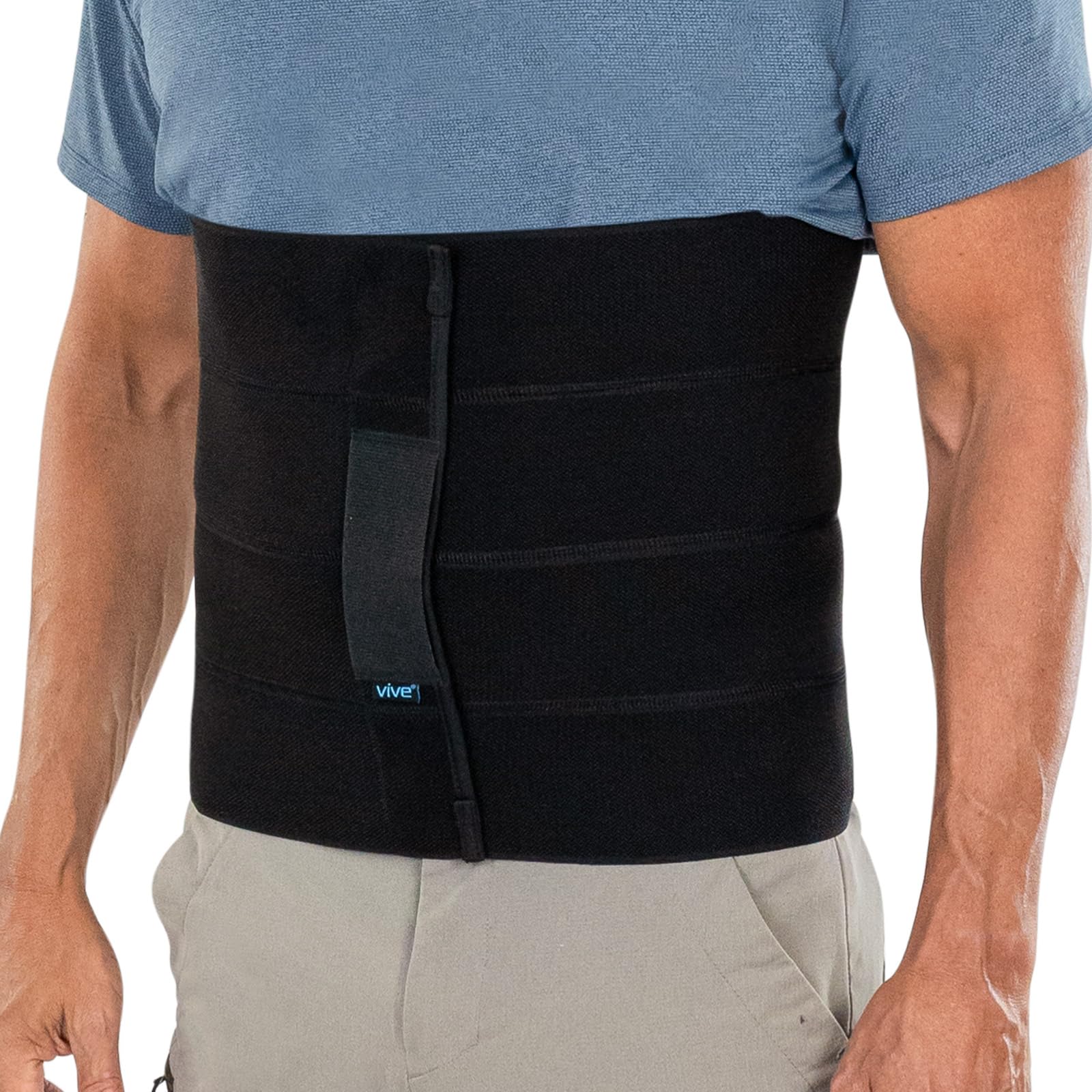
The Vive 4-panel binder differentiates itself through its cotton construction and hypoallergenic, latex-free materials, making it the best choice for those with sensitive skin or allergies to synthetic blends. The 4-panel design — available in 2-panel (6-inch) and 3-panel (9-inch) widths — allows you to select the compression zone that best matches your torso length. POTS patients needing a slightly larger coverage area will gravitate toward the 3-panel version for full splanchnic engagement.
The cotton fabric is soft against the skin and less likely to cause chafing during prolonged wear, which is a common complaint with polyester-dominant binders. The wide hook-and-loop closure provides a secure hold that users report stays fastened throughout a full workday, even during physical movement. The binder’s design also accommodates long torsos, with enough vertical space to cover the full abdomen without rolling.
However, cotton is inherently less durable and less elastic than synthetic blends; users note that the compression can feel comfortable rather than firm, and some find it loosens slightly after several hours of wear. The 2-panel version at 6 inches is likely too narrow for effective POTS management, so buyers should specifically select the 3-panel option for the 9-inch width that provides the broad, anti-pooling pressure required.
Why it’s great
- Cotton, latex-free construction is ideal for those with sensitive skin or allergies to neoprene/spandex.
- 4-panel design offers width options; the 3-panel 9-inch version provides adequate coverage for splanchnic compression.
- Stays fastened securely throughout daily activity, reducing the need for mid-day readjustments.
Good to know
- Cotton material may lose elastic tension over several months of consistent use, requiring replacement sooner.
- Comfort-focused compression may not be firm enough for users requiring high-pressure splanchnic resistance.
6. Everyday Medical Umbilical Hernia Belt
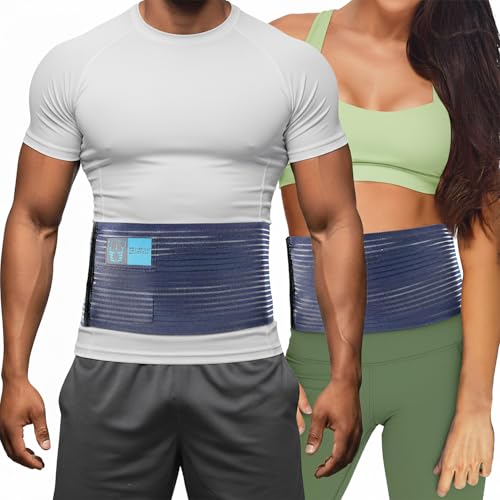
For POTS patients exploring abdominal compression for the first time or needing a low-profile, lightweight option, the Everyday Medical belt offers a thin, discreet design that weighs only 0.06 kg. Its slim profile is virtually invisible under clothing, which is a significant advantage for those who prefer not to draw attention to their medical device. The breathable elastic cotton blend keeps the skin cool, reducing the urge to remove the binder by mid-afternoon.
The belt’s Velcro closure is strong and holds well during physical activity, and users appreciate that the hook-and-loop surface allows infinite micro-adjustments within its sizing range. However, the belt is relatively narrow compared to the 9-inch panels recommended for splanchnic compression — it covers the mid-abdomen but does not engage the full lower or upper abdominal reservoir. The silicone pad can be removed entirely, which is advisable for POTS as the localized pressure may be unnecessary or uncomfortable.
The most significant durability issue reported is that the fuzzy side of the Velcro degrades after roughly two months of daily use, losing its grip and potentially requiring a sewing repair or replacement. This makes it a serviceable entry-level choice but not a long-term investment for sustained therapy. Users with larger hernias also note the sizing runs generous, so considering a size down from chart recommendations is wise.
Why it’s great
- Extremely lightweight and low-profile design makes it an easy entry point for POTS compression trials.
- Breathable elastic cotton blend keeps the skin cool and dry during extended wear.
- Removable silicone pad gives the option to customize the compression profile.
Good to know
- Narrow width limits its effectiveness for full splanchnic compression management in POTS.
- Velcro hook-and-loop wear is a known durability issue, with grip degrading after a couple of months.
7. Velpeau Umbilical Hernia Belt

The Velpeau belt’s defining characteristic is its breathable mesh fabric, designed with elongated strips to promote maximum airflow. This makes it arguably the coolest option in this lineup, a critical factor for POTS patients who experience temperature dysregulation or live in warmer climates. The belt is also entirely neoprene- and latex-free, eliminating the heat-trapping, smell-retaining issues typical of medical rubber products.
The compression pad features integrated ventilation holes, and the entire design is slim enough to be worn discreetly under everyday clothing without creating a bulky profile. Users consistently praise the comfort and the ability to wear it for hours without irritation. The hook-and-loop closure is strategically placed so that the Velcro can stick anywhere on the belt’s fabric, allowing a fully customized tightening point — a design detail that makes it more adaptable than belts with limited landing zones.
The trade-off for this ventilation is that the belt’s fabric is softer and less rigid than the premium binders, meaning the compression it delivers is moderate rather than firm. For severe POTS symptoms requiring high-pressure splanchnic resistance, this belt may not provide enough counter-pressure. The largest size also may not accommodate plus-sized users effectively, as verified by customer feedback noting the need for DIY fabric extensions.
Why it’s great
- Superior mesh ventilation makes this the most breathable option for heat-sensitive POTS patients.
- Neoprene- and latex-free construction prevents overheating and skin reactions during long wear.
- Velcro can secure anywhere on the belt, offering a fully customizable compression angle.
Good to know
- Softer fabric delivers lighter compression, potentially insufficient for severe blood pooling.
- Sizing may not extend adequately for plus-sized body types without modification.
FAQ
How tight should an abdominal compression garment be for POTS?
Can I wear an abdominal binder under my clothes all day?
Why do POTS patients need abdominal compression specifically, not just leg compression?
Final Thoughts: The Verdict
For most users, the abdominal compression for pots winner is the Paskyee Postpartum Belly Band because its 9-inch width, removable stays, and breathable construction provide the broad, adjustable splanchnic compression that directly counteracts orthostatic blood pooling. If you need a more customizable pressure profile, the Strenbodi 2-in-1 Binder with its six-way configuration offers unmatched versatility. And for those with sensitive skin seeking a softer, all-day feel, the Vive Abdominal Binder in the 3-panel width delivers effective compression in a hypoallergenic cotton fabric.