
Finding a drone under the $300 mark that doesn’t feel like a toy used to be a fantasy. You either got a shaky camera that recorded in blurry 720p or a fragile quadcopter that couldn’t handle a light breeze. That line has completely shifted. Modern sub-250g drones now pack 4K cameras, mechanical gimbals, and GPS return-to-home features that were exclusive to models costing twice as much three years ago. The challenge isn’t finding a capable drone anymore—it’s separating the genuine performers from the spec-inflated duds that look great on paper but fall apart mid-flight.
I’m Min — the co-founder and writer behind Gadgets Feed. I’ve spent hundreds of hours cross-referencing transmission ranges, gimbal types, battery capacities, and real user footage to identify which sub-$300 drones actually deliver on their marketing claims without burying you in hidden costs or unreliable parts.
By the end of this guide, you will know exactly which $300 drone gives you the best camera, flight time, and safety features for your skill level and budget.
How To Choose The Best $300 Drone
At this price point, the market splits sharply between GPS-enabled camera drones and simplified selfie fliers. The first group offers manual control, long range, and higher wind resistance. The second group prioritizes portability and automated one-button shots. Knowing which camp fits your use case is the first step toward not wasting money.
Camera Stabilization is the Deciding Factor
A drone’s camera spec sheet will quote 4K resolution and high megapixel counts, but those numbers mean nothing if the footage is a shaky mess. The critical separator is the stabilization type: a 3-axis mechanical gimbal physically counteracts tilt, roll, and yaw in real time, delivering smooth cinematic footage. Electronic Image Stabilization (EIS) crops the frame and can introduce a jello effect during fast movement or wind. Under $300, true mechanical gimbals are found on premium-tier models like the DJI Mini 4K and the Ruko F7, while budget options rely entirely on EIS.
Flight Time and Battery Strategy
Real-world flight time is often 60-70% of the advertised number due to wind, aggressive maneuvering, and hovering time. Single-battery bundles are the industry’s default trap—31 minutes on paper translates to roughly 18-22 usable minutes, which is barely enough for a single shooting session. Multi-battery expansion kits that include two or three intelligent batteries push total airtime past 75 minutes, letting you capture multiple locations or fly several practice sessions without a charging break in between.
Transmission Technology and Range
Budget drones often rely on Wi-Fi-based transmission, which offers a theoretical range of 300-500 meters before the feed cuts out entirely, especially in areas with Wi-Fi congestion. Mid-range and premium models under $300 use dedicated digital transmission systems (like DJI’s OcuSync or Potensic’s PixSync 2.0) that operate on 5.8GHz or proprietary frequency bands, providing stable video feeds up to 4-10 kilometers in open areas. If you plan to fly in suburban or semi-urban environments, a digital transmission system is not a luxury—it is a reliability requirement.
Quick Comparison
On smaller screens, swipe sideways to see the full table.
| Model | Category | Best For | Key Spec | Amazon |
|---|---|---|---|---|
| DJI Mini 4K | Premium | Best all-around beginner drone | 3-Axis Gimbal, 4K/30fps | Amazon |
| Potensic ATOM LT | Mid-Range | Longest flight time bundle | 80 Mins total flight | Amazon |
| Ruko F7 | Premium | Best night-time aerial footage | 3-Axis Gimbal, 75 Mins flight | Amazon |
| Holy Stone HS900Pro | Mid-Range | Long range exploration | 10KM Transmission, 8K Photo | Amazon |
| Gleesfun G11PRO | Mid-Range | Best kit with carrying case | 3-Axis Gimbal, 4K/30fps | Amazon |
| Specta Mini Drone | Budget-Friendly | Lightweight, no FAA registration | 3-Axis Gimbal, 4K/30fps | Amazon |
| CHUBORY G9 | Budget-Friendly | Built-in screen on controller | 90 Mins total flight, 4K | Amazon |
| HOVERAir X1 | Premium | Selfie and hands-free flying | 125g, Follow-Me, 2.7K HDR | Amazon |
| Bwine F7GB2 Pro | Premium | High altitude and wind resistance | 3-Axis Gimbal, Level 6 Wind | Amazon |
In‑Depth Reviews
1. DJI Mini 4K

The DJI Mini 4K remains the benchmark that every other sub-$300 drone is measured against. Its 3-axis mechanical gimbal delivers genuinely smooth 4K footage at 30fps, and the 10-kilometer video transmission system uses DJI’s OcuSync technology, which is leaps ahead of the Wi-Fi-based systems found on many competitors. The 31-minute advertised flight time works out to around 22-25 real minutes in calm conditions, which is standard for the class.
Weighing under 249 grams, it avoids FAA registration for recreational use, and the GPS-enabled auto return home provides a reliable safety net for beginners. The single-battery bundle is the main limitation—you will want the two-battery or three-battery versions for any serious outing. The DJI Fly app interface is polished and includes intelligent quick shots like Dronie, Rocket, and Circle that help new pilots capture cinematic moves without manual practice.
Build quality is excellent, with Level 5 wind resistance allowing stable hovering in breezes up to 38 kph. The remote controller uses a smartphone as the display, which some users find slightly inconvenient compared to a built-in screen, but the trade-off keeps weight and cost down. If you want the most reliable, well-supported beginner drone at this price tier, this is it.
Why it’s great
- Industry-leading 3-axis gimbal stabilization for smooth footage
- 10km OcuSync digital transmission, not Wi-Fi
- Under 249g with full GPS auto-return safety
Good to know
- Single battery delivers only 22-25 real minutes
- Requires smartphone for live view on controller
- No obstacle avoidance sensors
2. Potensic ATOM LT

The Potensic ATOM LT packs the longest total flight time in this price bracket thanks to two 3000mAh intelligent batteries that deliver about 40 minutes each. That 80-minute combined airtime is a genuine advantage for anyone who wants to cover multiple locations in a single trip without recharging on site. The 2.5K EIS camera with a Sony sensor is a step down in resolution from true 4K, but the ShakeVanish 2.0 stabilization ensures smooth footage for social media clips and casual use.
The PixSync 2.0 transmission system provides a 4-kilometer range on 5.8GHz, which is stable and low-latency for a drone at this price. The ATOM LT supports four satellite positioning systems (GPS, GLONASS, Galileo, BeiDou), giving it fast lock times and reliable auto-return even in challenging environments. It includes Follow Me, Waypoint Fly, and Circle Fly modes that add versatility without extra cost.
The main compromise is the camera resolution—this is not a true 4K drone, and the Electronic Image Stabilization crops the frame and struggles in low light. The plastic body feels lighter than the DJI Mini 4K, but at under 249 grams, it remains FAA-exempt and extremely portable. For budget-conscious buyers who prioritize flight time over absolute image quality, this is the smartest pick.
Why it’s great
- 80 minutes of total flight time with two batteries included
- 4KM digital transmission with minimal latency
- Multi-GNSS support for fast GPS lock
Good to know
- Camera is 2.5K EIS, not true 4K
- EIS crops the frame and struggles in low light
- Requires good lighting for best video results
3. Ruko F7

The Ruko F7 enters the sub-$300 arena with a 3-axis brushless gimbal and a 48MP 1/2-inch CMOS sensor that captures 8K stills and 4K/30fps video. In practice, the gimbal provides visibly smoother footage than EIS-based rivals, and the 8K photos offer genuine cropping flexibility for prints or social media crops. The triple-battery bundle delivers an advertised 96 minutes of total flight time, which real users report as roughly 60-75 minutes of mixed flying.
The R2 digital transmission system provides a 20,000-foot range with stable HD video, and the controller features a dedicated button for auto return home plus a built-in beeper to locate the drone after landing. The AI takeoff and landing system, combined with quadruple positioning (GPS, barometric, TOF, optical flow), ensures reliable hovering even in indoor or GPS-denied environments. The included carrying case is a welcome bonus that most competitors charge extra for.
The downsides are subtle but worth noting. The remote controller joysticks are sensitive, which can feel jerky to absolute beginners, and the app interface is not as polished as DJI’s Fly app. Some users report that the gimbal calibration occasionally needs to be redone after firmware updates. For the price, the combination of a mechanical gimbal, long flight time, and comprehensive accessory kit is hard to beat.
Why it’s great
- 3-axis brushless gimbal for shake-free 4K footage
- 96 minutes total flight with three batteries
- 8K still photos with 48MP sensor
Good to know
- Sensitive joysticks require a steady hand
- Gimbal calibration may need occasional reset
- Heavier at 357 grams, not under 249g
4. Holy Stone HS900Pro
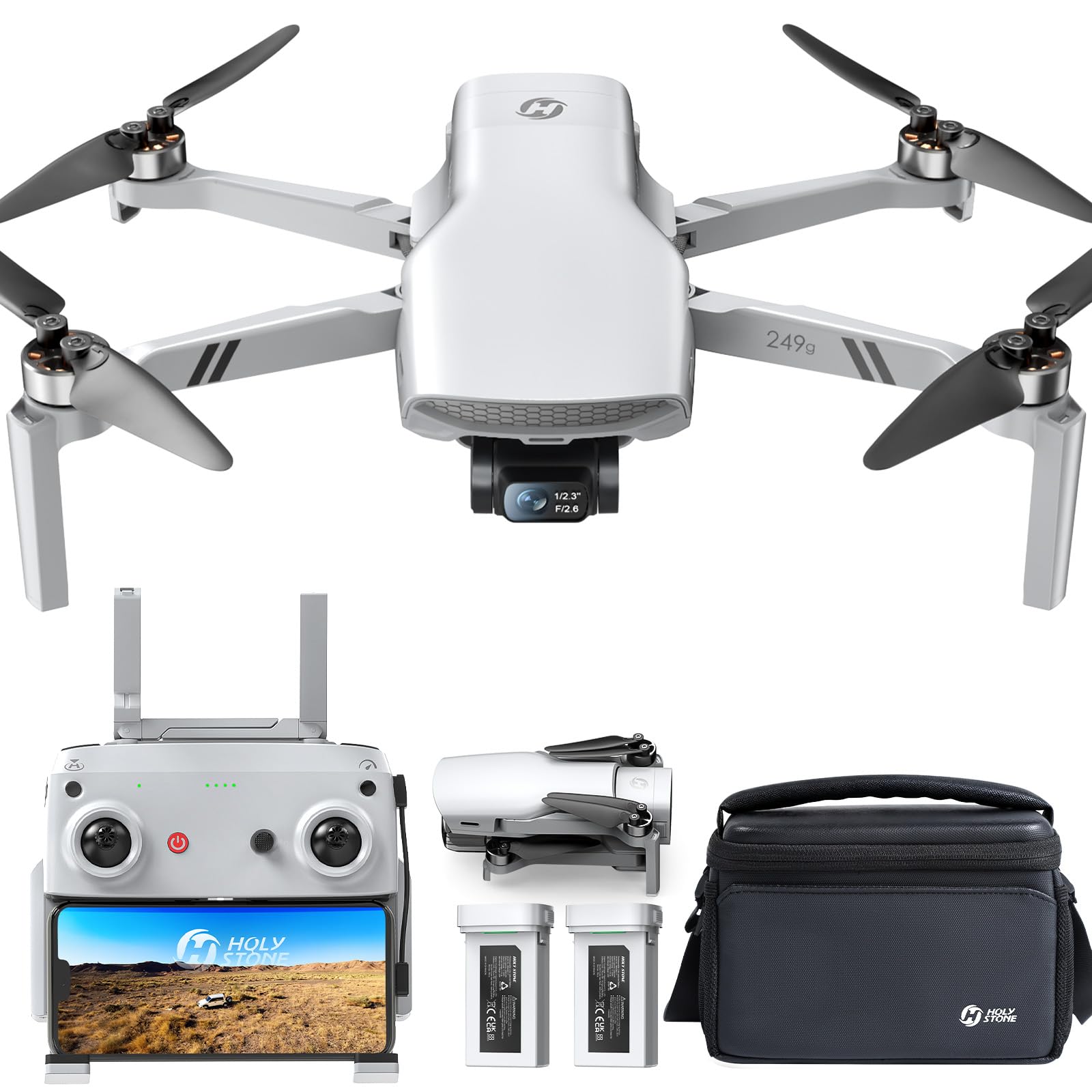
The Holy Stone HS900Pro stands out for its transmission range, promising up to 10 kilometers on 5.8GHz—easily the longest range in this comparison. This makes it ideal for pilots who want to explore wide open landscapes or film coastlines from a distance. The 48MP camera captures 8K stills and 4K/30fps video, and the 3-axis mechanical gimbal keeps the footage stable even during moderate wind conditions.
The dual-battery configuration delivers 60 minutes of total flight time, and the GPS-assisted features include Follow Me, Waypoint Flight, and orbit rotation for automated cinematic shots. The Dolly Zoom and orbit rotation modes are genuinely useful for social media content creators who want dramatic visual effects without manual editing. The app interface is beginner-friendly and includes a tutorial mode for first-time pilots.
The primary trade-off is that the HS900Pro is a heavier drone (357 grams) and requires FAA registration for recreational use. The controller uses a smartphone cradle, and some users report that the app can occasionally lose connection during firmware updates. The build quality is solid but not as refined as the DJI Mini 4K. For long-range enthusiasts who prioritize transmission distance over portability, this is a strong choice.
Why it’s great
- 10km 5.8GHz digital video transmission range
- 3-axis gimbal for smooth 4K/30fps footage
- Dolly Zoom and orbit rotation for creative shots
Good to know
- Weighs 357g, requires FAA registration
- App connection occasionally drops during updates
- Build quality not as premium as DJI
5. Gleesfun G11PRO

The Gleesfun G11PRO comes out of the box with the most comprehensive accessory kit in this price tier—40 pieces including a hard carrying case, two spare battery sets, eight propeller blades, and multiple USB cables. The drone itself features a 3-axis brushless gimbal that stabilizes 4K/30fps video and 6K stills, giving you real mechanical stabilization rather than software-based EIS. The GQ2.0 digital transmission system provides a 10,000-foot range with two-way dual-antenna design for reliable signal retention.
The two 3200mAh batteries produce about 35 minutes each, totaling 70 minutes of flight time, and the GL2.0 smart battery management system fast-charges in roughly 2.5 hours. The cruise control mode maintains a steady track for cinematic recording without constant joystick adjustment—a feature that genuinely helps beginners produce smoother footage. The FAA compliance with Remote ID certification means you can fly legally without additional registration steps.
The downsides include a 357-gram weight that requires FAA registration, and the camera, while good, does not match the dynamic range of the DJI Mini 4K in mixed lighting. Some users report that the Follow Me mode works inconsistently in open fields. For the sheer value of the included accessories and the mechanical gimbal stabilization, this kit is a compelling package for beginners who want everything in one box.
Why it’s great
- 3-axis brushless gimbal for true mechanical stabilization
- 70 minutes flight time with two 3200mAh batteries
- Comprehensive kit with hard case and 40 pieces
Good to know
- Weighs 357g, FAA registration required
- Follow Me mode can be inconsistent
- Camera dynamic range limited in high-contrast scenes
6. Specta Mini Drone
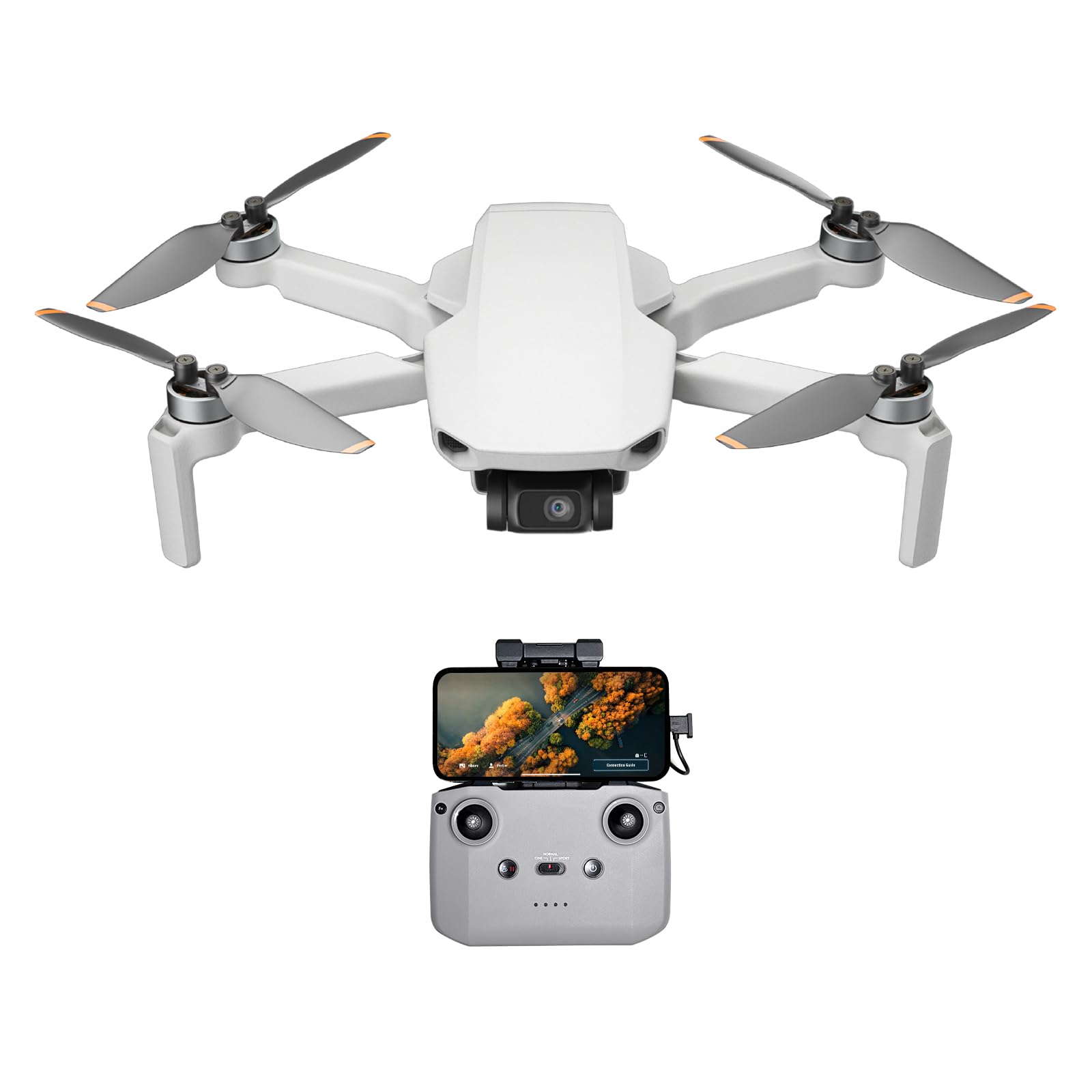
The Specta Mini Drone offers an attractive price point for pilots who want a 4K camera with a 3-axis gimbal without paying for a DJI premium. The 31-minute flight time is respectable, and the claimed 32,800-foot (10km) video transmission range is generous for this tier. The drone weighs under 249 grams, making it FAA-exempt and extremely travel-friendly—ideal for spontaneous outdoor adventures where you do not want to carry extra gear.
The camera produces genuinely smooth footage thanks to the mechanical gimbal, and the GPS return-to-home feature provides basic safety for beginners. The included 2250mAh battery delivers around 20-26 minutes in real-world testing, according to user reports, which is reasonable for a sub-250g drone. The Level 5 wind resistance means it handles moderate breezes without significant drift.
The biggest concern is long-term support and parts availability. Replacement batteries cost roughly each and are non-interchangeable with other brands, and there are no aftermarket propeller or motor parts currently available. Some users report weak propeller durability and an annoying continuous beep from the controller when the battery drops below 20%. If you treat this as an entry-level drone to learn on, it is a fine value, but plan to upgrade within a year.
Why it’s great
- 3-axis mechanical gimbal for 4K footage under 249g
- FAA-exempt and ultra-portable
- 10km claimed video transmission range
Good to know
- Replacement batteries are expensive and proprietary
- Controller beeps continuously below 20% battery
- No aftermarket parts or support if manufacturer fails
7. CHUBORY G9
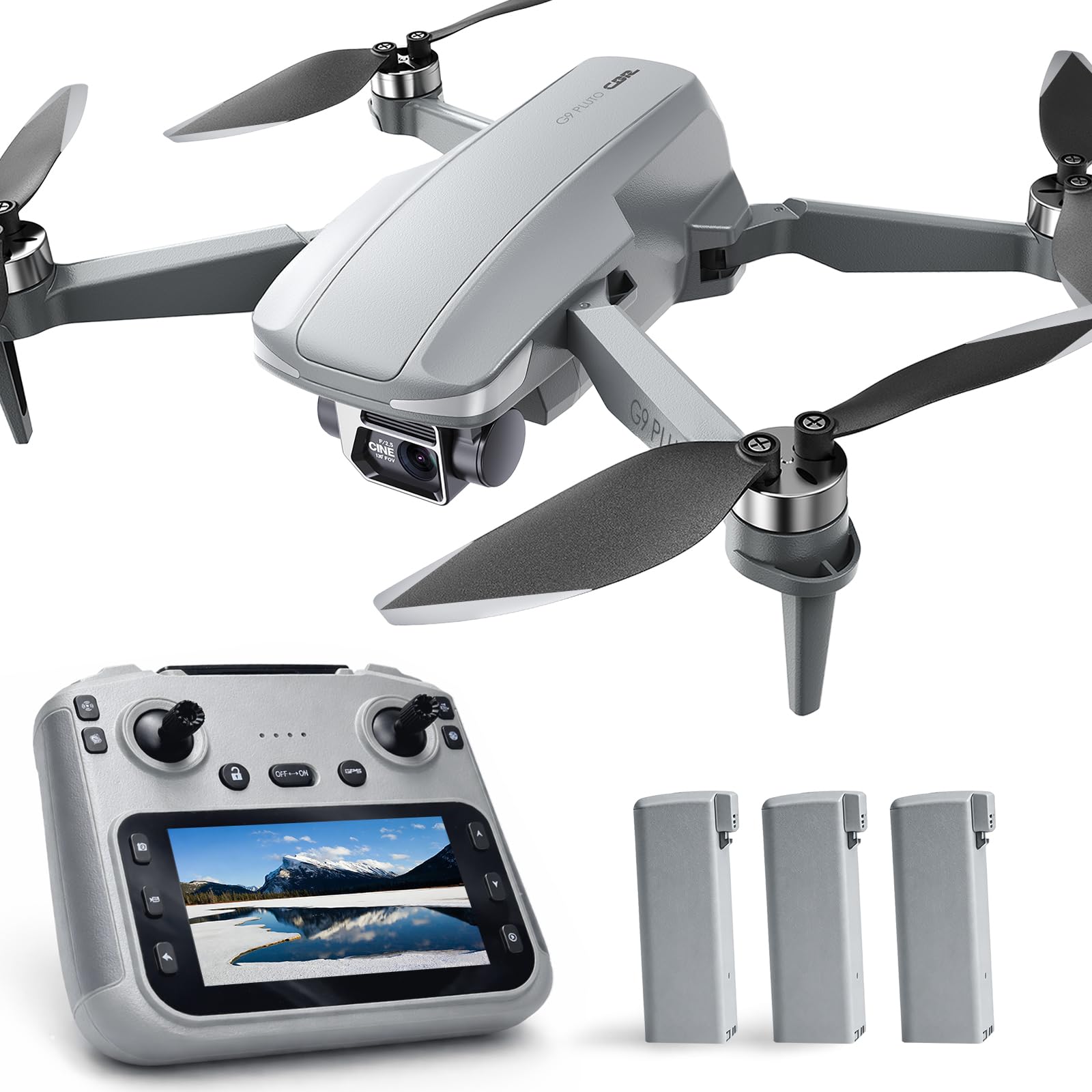
The CHUBORY G9 distinguishes itself with a 4.5-inch non-touch HD display built directly into the remote controller, removing the need to clip your smartphone onto the controls. This is a genuine convenience for beginners who do not want to manage phone brightness, cable connections, or battery drain during flight. The 90-minute total flight time comes from three high-capacity batteries, and the 3280-foot control range is adequate for recreational flying in parks or open spaces.
The 4K UHD camera is adjustable 90 degrees vertically, and the GPS-enabled features include circle fly, follow me, and automatic return home. The drone weighs under 249 grams, so no FAA registration is needed, and the foldable design with the included carrying case makes it easy to pack. The 32GB SD card included in the box is a thoughtful addition that saves you from a separate purchase.
The trade-offs are notable. The built-in screen is not a touch display, so all menu navigation and flight mode selection happen via buttons on the controller, which takes practice to memorize. The camera quality, while advertised as 4K, is not on par with the DJI Mini 4K or the Ruko F7—the sensor is smaller, and the video lacks dynamic range in sunny conditions. This drone is best suited for casual fliers who prioritize the all-in-one controller experience over absolute image fidelity.
Why it’s great
- Built-in 4.5-inch HD screen eliminates phone-clip hassle
- 90 minutes total flight with three batteries
- Under 249g and includes 32GB SD card
Good to know
- Screen is non-touch, relies on button navigation
- Camera quality lags behind mechanical gimbal drones
- Limited 3280ft range compared to rivals
8. HOVERAir X1

The HOVERAir X1 is not a traditional manual drone—it is a fully automated, palm-launched selfie camera that flies itself. Weighing just 125 grams, it is lighter than most smartphones and fits in a jacket pocket. The core appeal is zero learning curve: you press the power button, toss it in the air, and it autonomously follows you using pre-programmed flight paths (Hover, Follow, Zoom Out, Orbit, Bird’s Eye). This makes it ideal for solo content creators, runners, or cyclists who want aerial footage without juggling a controller.
The camera records up to 2.7K at 30fps with HDR, and the triple stabilization system delivers smooth footage for action shots at speeds up to 15 mph. The 32GB internal storage eliminates the need for SD cards, and the fully enclosed design with safety guards makes it safe to use around people and property. Each battery delivers about 11 minutes of flight, and the Combo Plus version includes two batteries plus a charging hub.
The limitations are significant for traditional drone users. You cannot manually pilot the X1 with the precision of a GPS drone—it is designed for automated shots only. Wind resistance is limited to Level 4, and it does not fly well at altitudes above 2,000 meters. The 1050mAh batteries give you about 20 intelligent flight paths per battery, which feels short compared to traditional drones. This is a specialized tool for content creators who prioritize portability and ease of use over manual control and flight time.
Why it’s great
- 125g, fully enclosed, palm-launch design
- Hands-free automated flight paths for selfies
- 32GB internal storage, no SD card needed
Good to know
- 11 minutes per battery limits extended sessions
- Not suitable for manual piloting or long range
- Limited wind resistance and altitude capability
9. Bwine F7GB2 Pro

The Bwine F7GB2 Pro is built for pilots who fly in demanding environments—high altitudes up to 2,000 meters and wind conditions up to Level 6. The 1806 brushless motors and internal barometer provide the stability needed to shoot crisp footage on mountaintop hikes or coastal cliffs where thinner air and strong gusts would send lesser drones tumbling. The 3-axis gimbal and 4K camera with a 120-degree FOV deliver wide, stable shots that hold up well in post-production.
The triple 2600mAh battery bundle provides 75 minutes of total flight time, and the batteries are UL 2054 safety certified, which adds peace of mind for long charging cycles. The GPS features are comprehensive: Follow Me, Waypoint Fly, Orbit Fly, and a reliable auto-return that activates on low battery, signal loss, or one-key press. The app includes built-in editing tools with six filters and ten background music tracks, letting you edit and share directly to social media without a separate software suite.
The trade-offs are mostly around weight and portability. At 550 grams, the Bwine F7GB2 Pro is significantly heavier than sub-250g drones and requires FAA registration. The camera quality is good for the price but does not match the color science of the DJI Mini 4K, especially in overcast conditions. Some users report that the remote’s display is hard to see in direct sunlight. For adventurous pilots who need a drone that can handle rough weather and high altitudes without breaking the bank, this is the most capable option.
Why it’s great
- Level 6 wind resistance and 2000m altitude capability
- 75 minutes flight with three safety-certified batteries
- Comprehensive GPS modes with reliable auto-return
Good to know
- 550g weight requires FAA registration
- Camera color science lags behind DJI in overcast light
- Remote screen difficult to read in bright sunlight
FAQ
Does a $300 drone need FAA registration?
What real flight time can I expect from a $300 drone?
Are sub-$300 drones safe for windy conditions?
Can I use a $300 drone for professional content creation?
Final Thoughts: The Verdict
For most users, the $300 drone winner is the DJI Mini 4K because it delivers a proven 3-axis gimbal, reliable OcuSync transmission, and DJI’s industry-leading software support in an FAA-exempt package. If you want the longest flight time and best value for your money, grab the Potensic ATOM LT with its dual-battery bundle and 80-minute total airtime. And for high-altitude adventures with Level 6 wind resistance, nothing beats the Bwine F7GB2 Pro.