
The daily challenge for anyone managing diabetes is finding a sweetener that delivers genuine sugar-like taste without triggering a glucose spike. The wrong choice—whether it’s a sugar alcohol that causes digestive distress or a chemical packet leaving a metallic finish—can ruin a cup of coffee or a carefully prepared keto dessert. You need something that measures, bakes, and dissolves like the real thing without the glycemic rollercoaster.
I’m Min — the co-founder and writer behind Gadgets Feed. I’ve spent countless hours analyzing the molecular composition, glycemic index data, and real-world user feedback on every major zero-calorie sweetener on the market to separate the genuinely diabetic-friendly options from the marketing hype.
After comparing everything from monk fruit blends to allulose powders, these are the top-rated contenders for any diabetic kitchen. This guide breaks down the best options for the best artificial sweetener for diabetics, covering taste, texture, baking performance, and glycemic impact.
How To Choose The Best Artificial Sweetener For Diabetics
The market is flooded with sugar replacements, but not all are created equal for diabetic needs. The critical factors go far beyond just “zero calories”—you need to understand which sweeteners actually bypass the bloodstream entirely and which ones still cause a glucose response through hidden fillers.
Glycemic Index and Hidden Carriers
The most common trap diabetics fall into is assuming a “zero-calorie” label means zero glycemic impact. Many popular packet sweeteners—especially saccharin and some stevia blends—use maltodextrin or dextrose as a bulking agent to give the packet volume. These are simple sugars that spike blood glucose almost immediately. Always check the ingredient list for the first listed item. If it’s dextrose, glucose, or maltodextrin, that sweetener is not diabetic-friendly regardless of the front-label claims.
Aftertaste and Heat Stability
Bitter aftertaste is the number one complaint in this category. Stevia-based sweeteners often carry a licorice-like bitterness, especially when heated. Monk fruit blends tend to be cleaner but vary wildly by brand. For baking, allulose is the gold standard—it caramelizes, browns, and melts like table sugar because it is a monosaccharide. Most sugar alcohols (erythritol, xylitol) produce a cooling sensation in the mouth and can recrystallize when cooled, ruining the texture of baked goods and ice creams.
Quick Comparison
On smaller screens, swipe sideways to see the full table.
| Model | Category | Best For | Key Spec | Amazon |
|---|---|---|---|---|
| Truvia Allulose Bag | Premium | Baking & Coffee | 100% Allulose, 3 lbs | Amazon |
| Micro Ingredients Golden Monk Fruit + Allulose | Premium | Brown Sugar Replacement | Erythritol-free, 2 lbs | Amazon |
| Golden Monk Fruit with Erythritol | Premium | Bulk Baking | 1:1 Brown Sugar, 4 lbs | Amazon |
| Morning Pep Allulose | Mid-Range | Clean Label Baking | 100% Pure Allulose, 2 lbs | Amazon |
| Happy Belly Saccharin | Mid-Range | Everyday Beverages | 1000 Packets, 35.2 oz | Amazon |
| Amazon Grocery Stevia & Erythritol | Mid-Range | Budget Bulk | Stevia + Erythritol, 1000 Ct | Amazon |
| Splenda Stevia | Mid-Range | Convenient Packets | 500 Count, Plant-Based Stevia | Amazon |
In‑Depth Reviews
1. Truvia Allulose Calorie-Free Sweetener Bag
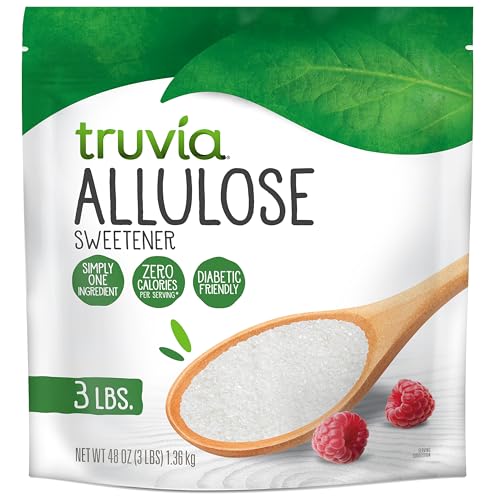
Truvia’s allulose bag is the closest thing to cane sugar that won’t spike insulin. At 3 pounds, this bulk bag delivers a 1 tablespoon per 2 teaspoons sugar sweetness ratio, making it easy to substitute in any recipe without complicated conversion math. The granulated texture is fine and powdery, dissolving rapidly in cold beverages—a rare trait for zero-calorie sweeteners.
What sets allulose apart chemically is that your body absorbs it but does not metabolize it into glucose. It passes through the digestive system almost entirely unchanged, meaning a zero-glycemic response verified in multiple user glucose monitoring tests referenced in the reviews. Users specifically highlight how this sweetener produced creamy ice cream without the rock-hard freezing texture that erythritol or Splenda creates.
The only drawback is the premium cost per pound relative to bulked-up alternatives, and some users noted that excessive consumption—more than 30-40 grams per day—can cause mild digestive discomfort. But for anyone who bakes, brews coffee, or makes frozen desserts while managing diabetes, this is the most versatile single ingredient available.
Why it’s great
- Single ingredient: 100% allulose with zero aftertaste
- Bakes and caramelizes identically to real sugar
- Verified zero blood glucose spike in user testing
Good to know
- Only 70% as sweet as sugar; use about 1.3x the volume
- Can cause loose stools if consumed in very large quantities
2. Micro Ingredients Golden Monk Fruit with Allulose
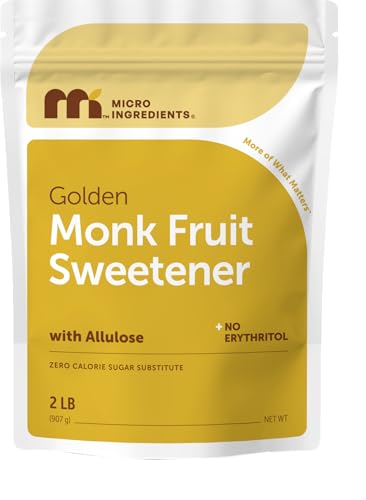
This two-ingredient blend of golden monk fruit and allulose solves the two biggest complaints against sugar substitutes: the cooling sensation of erythritol and the bitter tail of stevia. The golden monk fruit delivers a warm, molasses-like brown sugar profile that works perfectly in coffee, oatmeal, and baked goods like cookies where you want a soft, chewy texture rather than a crisp crunch.
The absence of erythritol is critical for diabetics who are sensitive to sugar alcohols. Erythritol can cause bloating and a sensation of coldness on the tongue, especially in cold beverages. This blend avoids that entirely while maintaining a 1:1 replacement ratio for brown sugar. Users with diabetic family members reported using it in everything from stir-fry sauces to barbecue rubs with zero glucose impact.
One thing to note: the sweetness level is slightly less concentrated than pure stevia, so you may need to use about 1.2x the volume the recipe calls for if you’re subbing in white sugar. Also, because allulose browns faster than sugar, keep an eye on baked goods a few minutes earlier than usual.
Why it’s great
- Rich brown sugar flavor without artificial aftertaste
- No erythritol means no cooling sensation or digestive upset
- Erythritol-free and keto certified
Good to know
- Not as sweet as pure monk fruit; requires slightly more volume
- Allulose content means it caramelizes faster than sugar
3. Golden Monk Fruit Sweetener with Erythritol
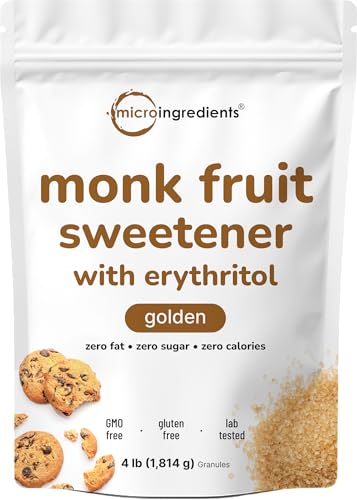
For diabetics who go through sweetener quickly—whether for large-batch baking, iced tea pitchers, or daily yogurt parfaits—this 4-pound bag of golden monk fruit blended with erythritol offers the best cost-per-serving ratio among premium options. The blend delivers a clean sweetness that multiple reviewers describe as “just like sugar, no weird taste,” which is a strong claim in a category dominated by bitter aftertastes.
The key difference between this and the allulose-blend version above is the presence of erythritol. While this avoids the cooling sensation more effectively than pure erythritol, some users may still notice a slight chill on the tongue when used in cold drinks. The trade-off is a much sweeter profile—this blend is closer to a 1:1 sugar replacement by volume, meaning less measuring guesswork.
Several users with diabetes noted that this sweetener did not cause any glucose spikes when tested with home monitoring. The 363 servings per bag make this a long-term solution for households where multiple members are reducing sugar intake. Just be aware that if you are sensitive to erythritol’s digestive effects, you may want to test a small quantity first.
Why it’s great
- True 1:1 replacement for brown sugar by volume
- No bitter aftertaste—reviewers consistently praise the clean flavor
- Bulk 4-pound bag offers excellent value per serving
Good to know
- Contains erythritol, which may cause mild digestive issues in sensitive users
- Slightly less sweet than some expect; may need a pinch extra
4. Morning Pep Allulose Sweetener
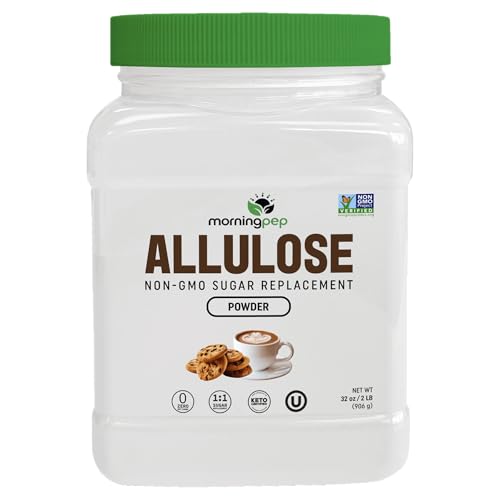
Morning Pep offers a 100% pure allulose sweetener with no fillers, no erythritol, and no bulking agents—just a single ingredient that tastes remarkably similar to white sugar. The Non-GMO Project Verified and OU Kosher certifications make this a strong choice for clean-label households. Users report that it dissolves effortlessly in both hot and cold liquids and has zero of the gastric distress often associated with sugar alcohols.
The real-world feedback is particularly strong on the taste front. Multiple reviewers explicitly mention that this allulose did not spike their blood sugar when tested with a glucose monitor—a critical validation that the zero-glycemic marketing claim holds up in practice. The 2-pound bag is a manageable size for those who want to try allulose before committing to the larger Truvia bag.
The one catch: allulose is about 70% as sweet as table sugar, so you’ll need to use roughly 1.4 tablespoons to match the sweetness of 1 tablespoon of sugar. Some users avoided this by blending it with monk fruit, which is much sweeter, to get the texture of allulose with the concentrated sweetness of monk fruit. If you prefer baking with a single ingredient, though, this is the cleanest allulose option on the list.
Why it’s great
- Single-ingredient allulose: no fillers, erythritol, or additives
- Non-GMO Project Verified and OU Kosher certified
- Users confirm zero blood glucose spike with home monitoring
Good to know
- Only 70% as sweet as sugar; requires more volume per recipe
- Best combined with monk fruit for concentrated sweetness
5. Happy Belly Zero Calorie Pink Saccharin Sweetener
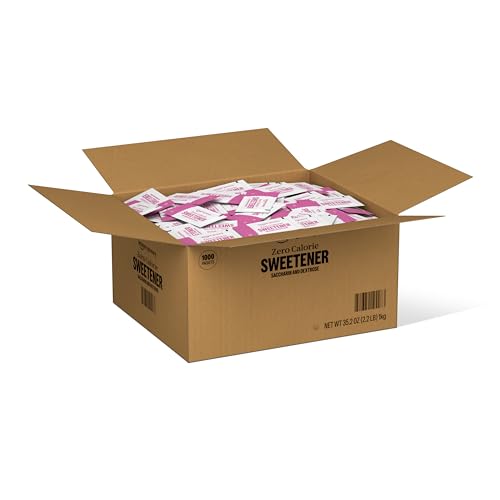
Happy Belly’s saccharin sweetener is the classic pink packet formula, repackaged in a massive 1000-count box at a price that undercuts every national brand. For diabetics who have been using saccharin for years and know exactly what to expect, this offers pure value—there is no learning curve, no new flavor profile, and no guesswork about sweetness ratios. One packet delivers the same sweetness as two teaspoons of sugar.
The critical warning, noted by several reviewers, is that each packet contains about a quarter teaspoon of dextrose as a bulking agent. Dextrose is pure glucose, and for diabetics who are extremely carb-sensitive or count every gram, those tiny amounts can add up if you use six to eight packets per day. However, for the average user consuming 2-3 packets daily in coffee or tea, the effective carb load is negligible.
This is the most cost-effective option if you want individual packets for on-the-go use and you don’t mind the classic saccharin aftertaste (which many long-time users prefer). It is not suitable for baking, as saccharin does not caramelize and can turn bitter at high temperatures.
Why it’s great
- Extremely low cost per packet—great for everyday use
- Familiar taste for long-time saccharin users
- Convenient individual packets for portability
Good to know
- Contains dextose as a bulking agent—monitor if your carb allowance is tight
- Not suitable for baking or high-heat applications
6. Amazon Grocery Zero Calorie Stevia and Erythritol Sweetener Packets
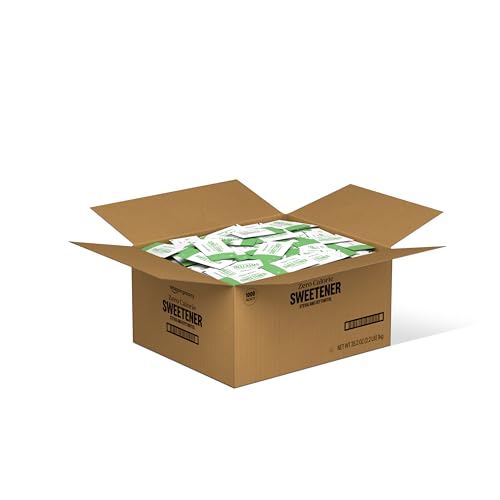
This Amazon Grocery house brand combines stevia leaf extract with erythritol to create a zero-calorie sweetener that tastes nearly identical to the national name-brand stevia blends at roughly half the per-packet cost. One packet provides the sweetness equivalent of 1.5 teaspoons of sugar, making it an easy swap for coffee, iced tea, or cereal without any complex math.
The blend of stevia and erythritol is specifically engineered to minimize the bitter aftertaste that pure stevia is notorious for. Erythritol, being a sugar alcohol, adds bulk and a clean sweetness, but users who are sensitive to sugar alcohols may notice a slight cooling sensation in cold beverages. Multiple reviewers specifically mention switching to this from a more expensive brand and noticing no difference in taste.
One important detail: the packet fill is inconsistent. Several users noted that some packets are nearly full while others contain a notably smaller amount of powder. Since the total box weight matches other 1000-count competitors, this may be a packaging variance rather than under-filling. If you use the packets one at a time for individual beverages, the variance is negligible—but if you’re using them for precise baking measurements, you might want to weigh the contents.
Why it’s great
- Costs roughly half the price of comparable name-brand stevia blends
- 1 packet = 1.5 tsp sugar sweetness, easy swap
- Minimal bitter aftertaste compared to pure stevia
Good to know
- Packet fill can be inconsistent; some packets appear under-filled
- Erythritol may cause mild cooling sensation in cold drinks
7. Splenda Stevia Zero Calorie Sweetener Packets
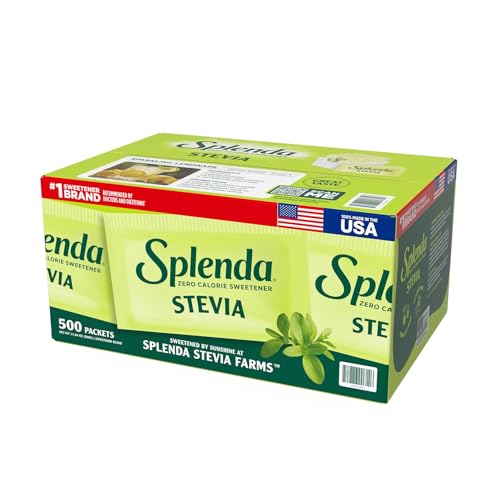
Splenda Stevia brings the trusted Splenda brand name into the plant-based sweetener space with 500 individual packets of stevia sourced from their own farms in central Florida. The key selling point here is the claim of “no bitter aftertaste”—a common pain point with generic stevia products. Users who made the switch from the yellow Splenda packets (which contain sucralose) found this to be a safer, plant-based alternative that still delivers recognizable sweetness.
The packets are designed specifically for beverages. They dissolve quickly in both hot coffee and iced tea without clumping, and the single-serve format makes them ideal for desk drawers, purses, and travel bags. For diabetics who want the convenience of grab-and-go packets without carrying a measuring spoon, this hits the mark. Users with diabetes specifically noted in reviews that they felt safe using this sweetener without worrying about blood sugar spikes.
The trade-off is packet count. At 500 packets, you’re paying a bit more per packet compared to the Amazon Grocery or Happy Belly bulk boxes, but you’re getting the Splenda quality guarantee and the farm-to-table stevia sourcing story. If you regularly host guests or want a sweetener that looks familiar on a restaurant-style table, the recognizable brand name adds a layer of trust.
Why it’s great
- Trusted brand with farm-sourced US-grown stevia
- No bitter aftertaste reported by most users
- Convenient single-serve packets for on-the-go use
Good to know
- Higher per-packet cost than generic bulk options
- Not ideal for baking; best reserved for beverages
FAQ
Can allulose really be used 1:1 in place of sugar for baking without affecting blood glucose?
Why does stevia sometimes leave a bitter aftertaste and how can I avoid it?
Does erythritol cause digestive problems for diabetics and should I avoid it?
Final Thoughts: The Verdict
For most users, the best artificial sweetener for diabetics winner is the Truvia Allulose Bag because it provides the most sugar-like baking performance and verified zero-glycemic impact without any bitter aftertaste. If you want a convincing brown sugar replacement for low-carb baking, grab the Micro Ingredients Golden Monk Fruit with Allulose. And for the best value in a bulk packet format, nothing beats the Happy Belly Saccharin for everyday beverage use.