
The real challenge for buyers isn’t finding a phone—it’s cutting through the marketing noise to understand which specs actually affect daily use. A 7000mAh battery sounds amazing until you learn the phone lacks proper water resistance, and a 200MP sensor is wasted if the image processing pipeline can’t keep up.
I’m Min — the co-founder and writer behind Gadgets Feed. I’ve spent hundreds of hours analyzing the technical specifications, processor benchmarks, display panel types, battery chemistries, and camera sensor data across the entire Android landscape to separate genuine breakthroughs from spec-sheet padding.
Whether you need a durable workhorse for construction sites or a photography tool that rivals dedicated cameras, this guide dissects the measurable differences behind the best android phones to help you match the right hardware to your real-world priorities.
How To Choose The Best Android Phone
The right Android phone balances four pillars: processing power that won’t stutter in two years, a display that’s usable outdoors, a camera system that doesn’t distort colors, and battery life that survives a full day of mixed use. Ignoring any one of these creates a frustrating experience, regardless of marketing claims.
Processor and RAM: The Real Performance Ceiling
The processor generation determines not just speed but also camera processing quality, modem efficiency, and Android version support longevity. A Snapdragon 7-series chip handles daily tasks well but will struggle with sustained gaming or heavy video editing. Look for at least 8GB of RAM for smooth multitasking—12GB or more is beneficial for power users running demanding apps simultaneously.
Display Technology: Beyond Resolution Numbers
Resolution (1080p vs 1440p) matters less than panel type and refresh rate. AMOLED displays deliver true blacks and superior contrast compared to standard OLED panels, while a 120Hz refresh rate makes scrolling and animations feel significantly smoother than 60Hz. Peak brightness of 3000 nits or higher is critical for outdoor readability in direct sunlight.
Camera System: Sensor Size Over Megapixel Count
A 50MP sensor with a large 1/1.4-inch physical size and optical image stabilization (OIS) will outperform a 200MP sensor with small individual pixels in low light. Pixel binning technology combines multiple pixels into one larger pixel for better light capture—a feature that’s more impactful than raw megapixel figures for everyday photography.
Quick Comparison
On smaller screens, swipe sideways to see the full table.
| Model | Category | Best For | Key Spec | Amazon |
|---|---|---|---|---|
| Nothing Phone (3) | Premium | Unique design & clean software | Snapdragon 8s Gen 4 / 12GB RAM | Amazon |
| Google Pixel 10 | Premium | Best camera & AI features | Tensor G5 / 5x telephoto lens | Amazon |
| Samsung Galaxy Z Fold7 | Flagship | Multitasking & large screen | 200MP camera / 7.6″ foldable display | Amazon |
| Google Pixel 10a | Mid-Range | Long software support & camera | IP68 / 30hr battery life | Amazon |
| Motorola Edge 2024 | Mid-Range | Fast charging & build quality | 68W TurboPower / IP68 | Amazon |
| Samsung Galaxy A36 5G | Mid-Range | Reliable Samsung experience | 6 major OS upgrades / IP67 | Amazon |
| Xiaomi Redmi Note 14 Pro+ | Mid-Range | Camera enthusiasts on T-Mobile | 200MP OIS / 120W charging | Amazon |
| BLU Bold N4 5G | Value | Massive storage & dual screens | 512GB / 66W charging | Amazon |
| Huness 17 PM | Budget | Huge battery & storage on budget | 7000mAh / 16GB RAM | Amazon |
In‑Depth Reviews
1. Nothing Phone (3)

The Nothing Phone (3) delivers a refreshingly clean Android experience with the Glyph Interface—a matrix of LED lights on the back that creates smart notification patterns, charging animations, and interactive games. Under the hood, the Snapdragon 8s Gen 4 chip paired with 12GB of LPDDR5X RAM and UFS 4.0 storage ensures buttery smooth performance across demanding tasks, all while the 5150mAh battery provides reliable all-day endurance with 33 hours of talk time.
The quad 50MP camera system—main, periscope, ultrawide, and front—captures detailed 4K video with Ultra XDR processing and features a dedicated Portrait Optimiser mode. The 6.67-inch 1.5K AMOLED display hits 4500 nits peak brightness with a 120Hz adaptive refresh rate and 1000Hz touch sampling, making it exceptionally usable outdoors and responsive for gaming. IP68 water resistance adds peace of mind for daily durability.
What truly sets this phone apart is the software philosophy: a near-stock Android 15 build with zero bloatware, customizable widgets, and the Essential Key for quick screen captures and voice notes. The Glyph Matrix transforms notifications into a visual light language, while NFC tap triggers animated interactions. The primary compromise is limited Verizon support, requiring IMEI whitelisting, and the unique design makes finding quality third-party cases challenging.
Why it’s great
- Clean, bloat-free Android 15 with long-term updates
- Unique Glyph Interface for visual notifications
- Excellent 4500-nit AMOLED display with 120Hz
Good to know
- Limited case and accessory selection
- Requires IMEI whitelisting for Verizon
- Top speaker can hiss at high volume
2. Google Pixel 10
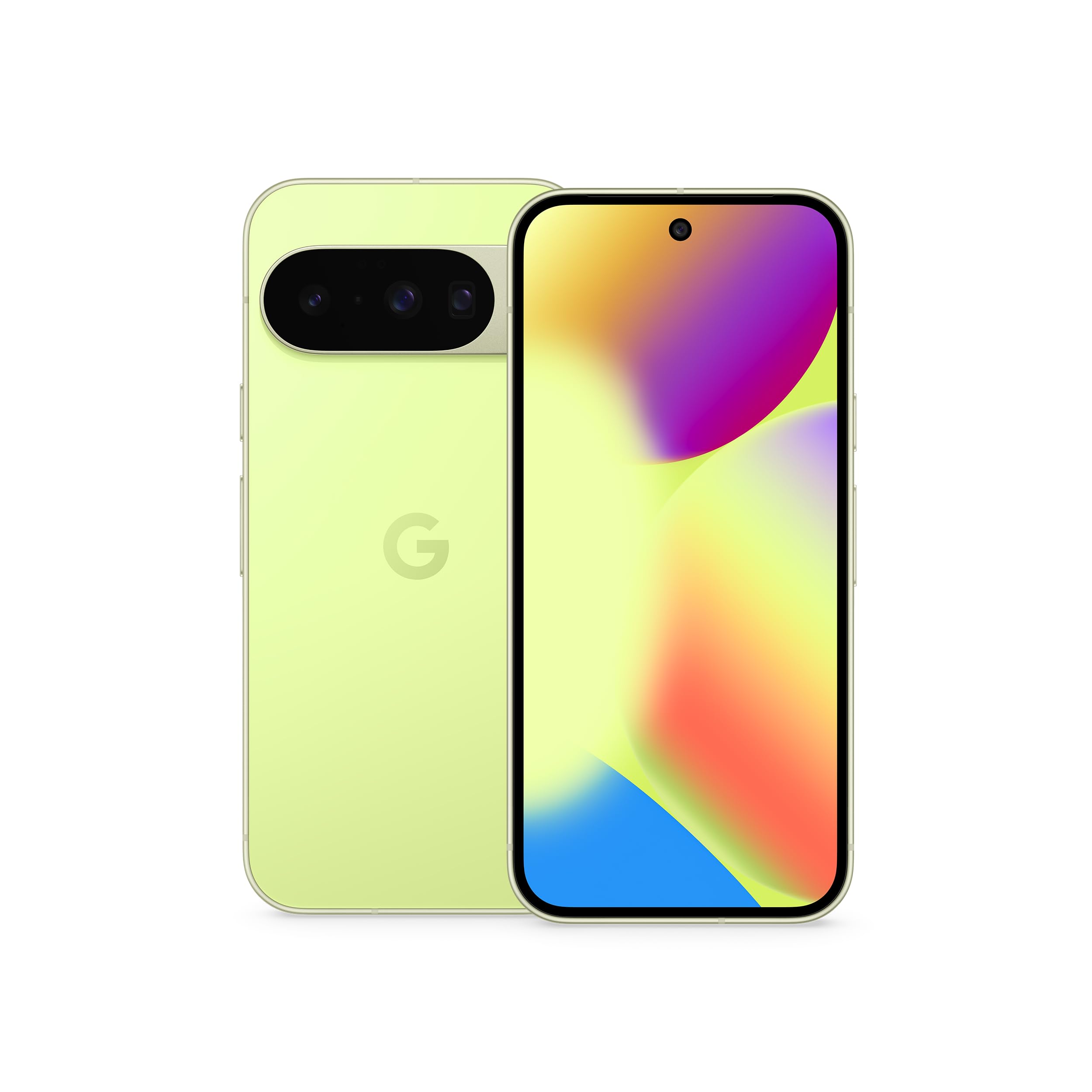
The Google Pixel 10 represents the pinnacle of computational photography with its Tensor G5 chipset, a custom silicon that powers advanced AI features like Magic Editor and real-time Gemini integration. The upgraded triple rear camera system includes a new 5x telephoto lens capable of up to 20x Super Res Zoom, paired with Night Sight for crisp low-light captures. The 4970mAh battery delivers 24+ hours of mixed use, and the 6.3-inch Actua display reaches 3000 nits peak brightness for excellent outdoor readability.
Build quality is flagship-grade with Corning Gorilla Glass Victus 2 on both front and back, combined with IP68 dust and water resistance. The 422 PPI display at 2340 x 1330 resolution provides sharp text and vibrant colors. The Pixel 10 supports all major US carriers including Verizon, T-Mobile, and AT&T out of the box, though it uses eSIM-only for the primary line—there’s no physical SIM slot.
Google’s software commitment is unmatched with 7 years of Pixel Drops, security updates, and feature upgrades. Camera Coach helps frame shots, Add Me ensures everyone gets into group photos, and Auto Best Take picks the best expressions from a burst. The primary downsides are the premium pricing tier and the absence of a physical SIM tray, which may inconvenience travelers who rely on local physical SIM cards.
Why it’s great
- Best-in-class computational photography with 5x telephoto
- 7 years of guaranteed software updates
- Bright 3000-nit Actua display with Gorilla Glass Victus 2
Good to know
- eSIM-only, no physical SIM card slot
- No wall charger included in box
- Premium pricing tier
3. Samsung Galaxy Z Fold7
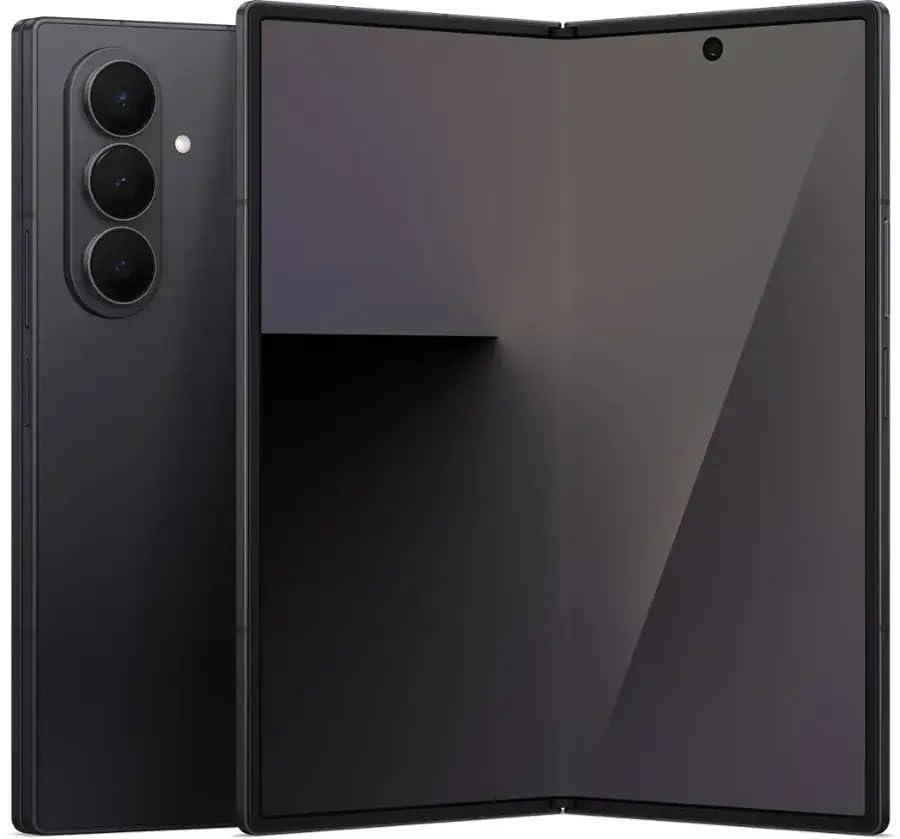
The Galaxy Z Fold7 redefines mobile multitasking with an 8-inch main display that supports simultaneous three-window viewing, paired with a refined cover screen that’s wider and more practical than previous generations. The 200MP main camera with Pro-Visual Engine is the best camera system ever fitted to a foldable, capturing incredibly detailed shots with OIS stabilization. The Snapdragon 8 Elite processor for Galaxy handles peak loads effortlessly, while the 4400mAh battery delivers up to 33 hours of talk time.
The build uses advanced Armor Aluminum and Corning Gorilla Glass Ceramic 2 for the display, making it more durable than earlier foldables. The hinge mechanism is thinner and lighter than the Z Fold6, reducing overall weight while improving the folding action. The 200MP sensor uses pixel binning to create sharp, well-exposed images in various lighting conditions, and the Pro-Visual Engine enhances dynamic range and color accuracy.
Samsung’s One UI 7 optimized for foldables includes taskbar shortcuts, drag-and-drop split-screen, and optimized apps that seamlessly transition between cover and main displays. The Galaxy Z Fold7 supports S Pen input for note-taking on the large screen. The main drawbacks are the high price point—the most expensive in this guide—and the inherent fragility of foldable displays, though Samsung has improved hinge reliability over earlier models.
Why it’s great
- 200MP camera with best-in-class foldable photography
- 8-inch display with three-window multitasking
- Refined, lighter hinge design with Armor Aluminum frame
Good to know
- Premium price tier—most expensive Android phone available
- Foldable displays are more fragile than standard phones
- Battery capacity lower than some mid-range slabs
4. Google Pixel 10a

The Google Pixel 10a brings flagship camera intelligence and 7 years of software support to a mid-range price point. The 4300mAh battery delivers 30+ hours of mixed use, and the Actua display reaches 3000 nits peak brightness for excellent outdoor visibility. The camera system includes Camera Coach for guided shots, Add Me for group photos, and Auto Best Take for the perfect expression—all powered by Google’s computational photography algorithms.
Build quality includes scratch-resistant Corning Gorilla Glass 7i and IP68 water and dust protection, matching many flagships. The Tensor G5 chip enables Gemini AI assistant integration for tasks like brainstorming meal plans or screening spam calls. The phone supports all major US carriers including Google Fi, Verizon, T-Mobile, and AT&T, with both physical SIM and eSIM support for dual SIM functionality.
Pixel Drops ensure the phone gets better over time with new features and security patches. The 128GB storage option may feel limiting for heavy media users—the 256GB variant is recommended. The power button is default-mapped to Gemini, though this can be remapped in Settings. Google’s bloatware-free approach means a clean, fast interface out of the box.
Why it’s great
- Flagship-quality camera with computational photography features
- 7 years of guaranteed software and security updates
- IP68 water resistance at a mid-range price
Good to know
- 128GB base storage may be insufficient for heavy users
- Power button defaulted to Gemini assistant
- 4300mAh battery smaller than some competitors
5. Motorola Edge 2024

The Motorola Edge 2024 is a mid-range standout with its 68W TurboPower charging that delivers a full day’s power in just 15 minutes—a genuine game-changer for users who always forget to plug in overnight. The 50MP main camera uses Ultra Pixel technology for excellent low-light shots, supported by Google Auto Enhance for refined image processing. The 5000mAh battery provides 36 hours of average life, making it one of the most endurance-focused phones in its class.
The 6.6-inch pOLED display features 144Hz refresh rate—higher than many phones in this price range—delivering exceptionally smooth scrolling and animations. The Snapdragon 7s Gen 2 processor handles daily tasks with ease, though it’s not optimized for heavy gaming. The vegan leather back and IP68 water protection give it a premium feel and real durability, surviving immersion in up to 1.5 meters of fresh water for 30 minutes.
Motorola’s exclusive software includes useful Moto experiences like gesture controls and Quick Button customization. The 256GB storage is generous for the price, though there’s no microSD card slot for expansion. The curved display, while attractive, makes finding compatible screen protectors and cases more difficult. Overall, this phone offers flagship-like build quality and charging speed at a mid-range price point.
Why it’s great
- 68W TurboPower charging: full day in 15 minutes
- 144Hz pOLED display for ultra-smooth visuals
- Premium vegan leather design with IP68 water resistance
Good to know
- No microSD card slot for storage expansion
- Curved display makes screen protectors difficult to install
- Snapdragon 7s Gen 2 not ideal for heavy gaming
6. Samsung Galaxy A36 5G
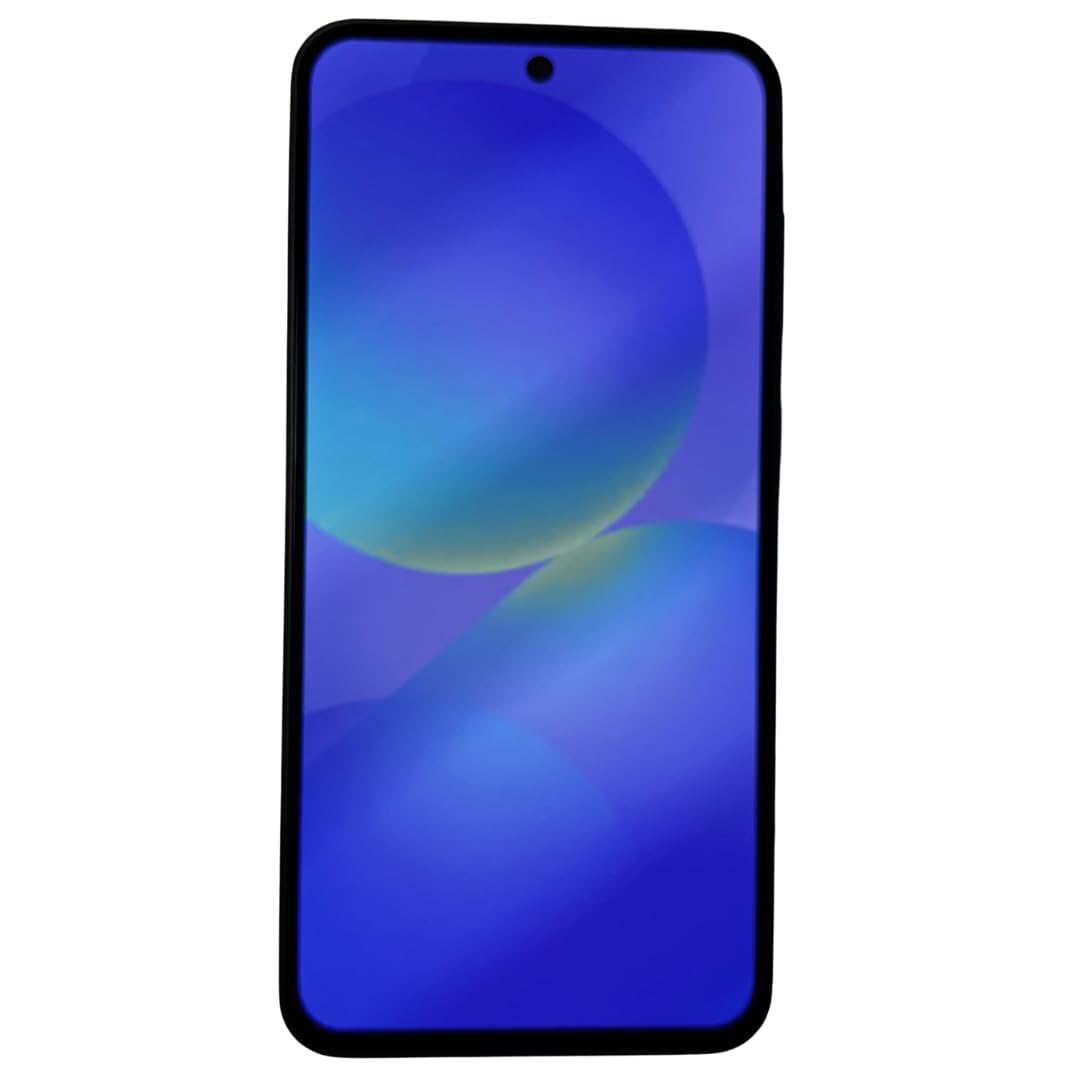
The Samsung Galaxy A36 5G brings the reliability of Samsung’s One UI 7 with an impressive promise of up to 6 major Android OS upgrades, making it one of the longest-supported mid-range devices available. The 6.7-inch FHD+ Super AMOLED display with 120Hz refresh rate delivers vibrant colors and smooth scrolling, while the 50MP main camera with f/1.8 aperture captures detailed photos with good dynamic range. The 5000mAh battery provides full-day endurance with 29 hours of average life.
The Snapdragon 6 Gen 3 processor handles daily tasks and moderate gaming without issue. The IP67 rating means it can survive immersion in up to 1 meter of water for 30 minutes—slightly less than IP68 but still reassuring for rain and accidental drops. The under-display optical fingerprint sensor is fast and reliable. This is an international model factory unlocked for T-Mobile and its MVNOs like Mint Mobile, but it’s not guaranteed to work with MVNOs like Spectrum or Xfinity.
The 256GB storage with 8GB RAM provides ample space for apps and media, though there’s no microSD card slot. The 25W charging is slower than some competitors, but the included generic charger works adequately. Samsung’s One UI 7 is efficient with minimal bloatware, and the phone connects seamlessly with Windows Phone Link for desktop integration. This is the ideal choice for users who prioritize Samsung’s ecosystem and long-term software support.
Why it’s great
- 6 major Android OS upgrades for long-term value
- 120Hz Super AMOLED display with great color accuracy
- IP67 water resistance for daily durability
Good to know
- Not compatible with all US MVNOs like Spectrum or Xfinity
- 25W charging is slower than competitors
- No microSD card slot
7. Xiaomi Redmi Note 14 Pro+

The Xiaomi Redmi Note 14 Pro+ packs an extraordinary 200MP main camera with OIS and a large 1/1.4-inch sensor that uses 16-in-1 pixel binning to create huge 2.24μm pixels for exceptional low-light performance. The camera system also includes an 8MP ultrawide and a 2MP macro sensor, with 4K video recording at 30fps. The Snapdragon 7s Gen 3 processor handles the heavy image processing, while the 5110mAh battery with 120W HyperCharge can go from 0 to 100% in approximately 20 minutes.
The 6.67-inch CrystalRes AMOLED display is stunning with 1.5K resolution (2712 x 1220), 120Hz refresh rate, and an incredible 3000 nits peak brightness with Dolby Vision support. The display also features 1920Hz PWM dimming for reduced eye strain and TÜV Rheinland certifications for low blue light and flicker-free viewing. The in-screen fingerprint sensor is fast, and the X-axis linear motor provides precise haptic feedback.
The phone includes advanced AI features like Circle to Search with Google, AI Interpreter, AI Notes, and Gemini integration. The main caveat is US carrier compatibility: this model is confirmed to work on T-Mobile and its MVNOs like Mint and Tello but is not compatible with Verizon or AT&T networks. The dual SIM slot does not accept a microSD card. Some users report faster-than-expected battery discharge under heavy use.
Why it’s great
- 200MP camera with OIS and 16-in-1 pixel binning
- 120W HyperCharge for ultra-fast top-ups
- 3000-nit AMOLED display with Dolby Vision
Good to know
- Only compatible with T-Mobile and its MVNOs in the US
- No microSD card slot
- Battery can drain quickly during intensive use
8. BLU Bold N4 5G
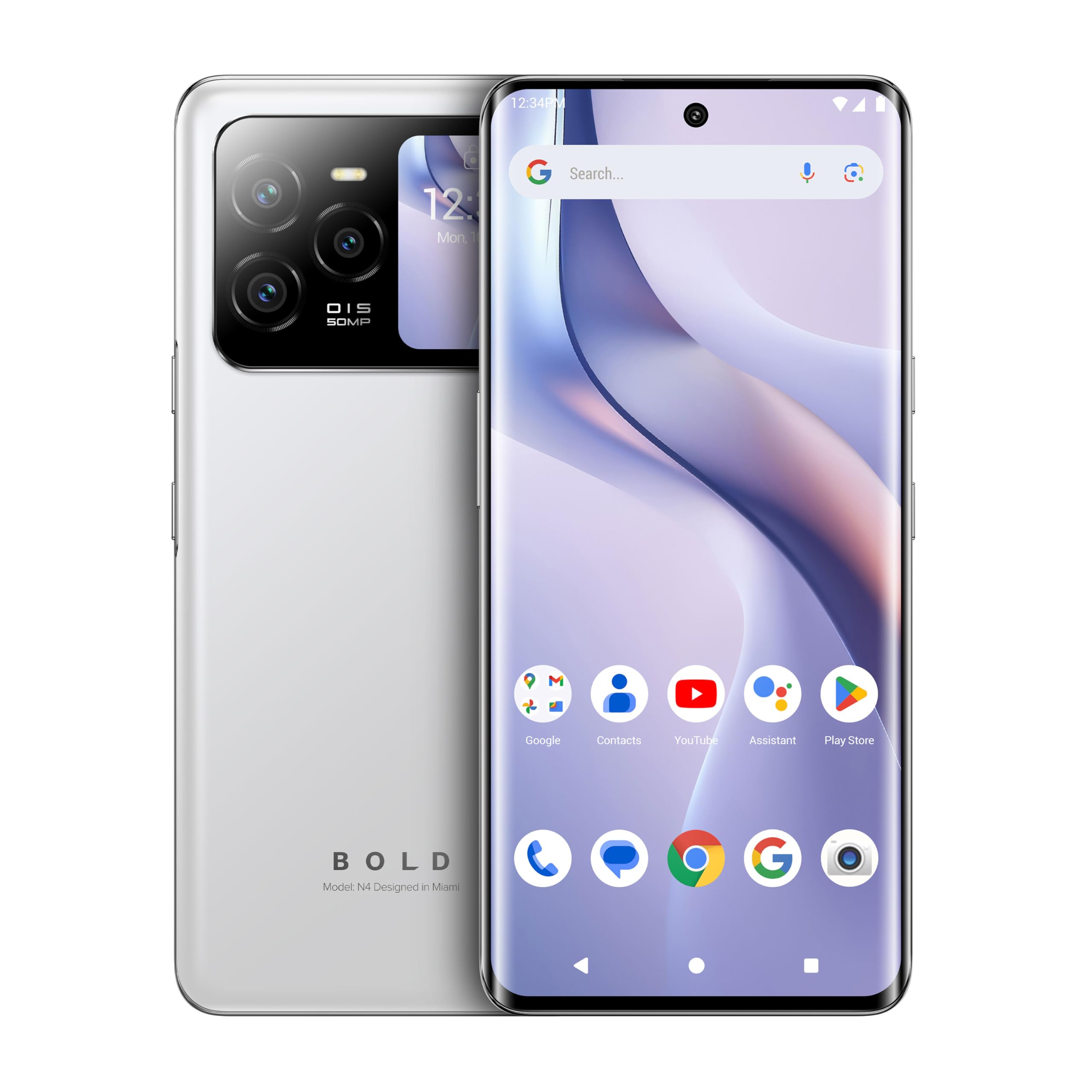
The BLU Bold N4 5G is a standout value proposition with an unmatched 512GB of internal storage and 8GB of RAM, making it ideal for users who store large media libraries or run many apps simultaneously. The unique dual-screen design features a 6.78-inch curved AMOLED main display and a 1.74-inch rear screen for quick selfies, notifications, and music control without unfolding—a genuinely useful secondary display for glanceable information.
The 50MP triple camera system and 16MP selfie camera capture 4K video at 30fps, with the rear display doubling as a viewfinder for self-portraits. The 5000mAh battery lasts all day, and 66W fast charging refills from 0 to 100% in just 20 minutes. The phone ships with Android 15, NFC for tap-to-pay, and includes a case, charger, and headphones in the box—rare for modern smartphones.
The phone is GSM unlocked and works with T-Mobile and Metro PCS, but it’s not compatible with AT&T, Cricket, or CDMA networks like Verizon and Sprint. The curved edges can make one-handed grip challenging, and the rear display does consume additional battery when active. The phone includes some bloatware, though most can be removed. BLU’s software update track record is limited, so long-term Android version upgrades are not guaranteed.
Why it’s great
- Massive 512GB storage with 8GB RAM for heavy users
- 1.74-inch rear display for notifications and selfies
- 66W fast charging from 0 to 100% in 20 minutes
Good to know
- Not compatible with AT&T, Verizon, or Sprint networks
- Limited long-term software update commitment
- Curved edges make grip and screen protector installation difficult
9. Huness 17 PM
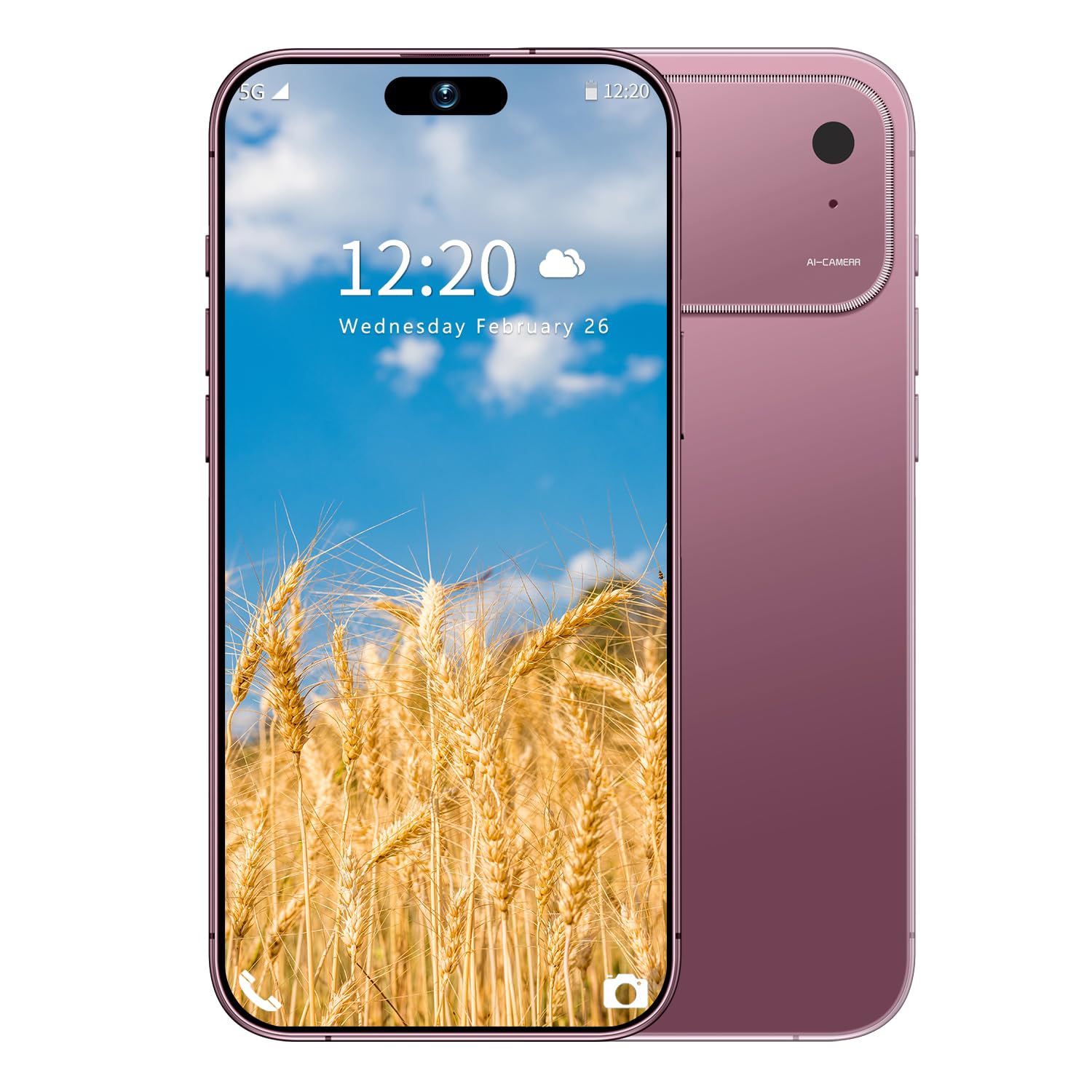
The Huness 17 PM targets buyers who prioritize raw battery life and storage capacity over brand recognition or polish. The 7000mAh battery is the largest in this guide, providing enough power for multiple days of moderate use without charging. The claimed 16GB RAM and 1TB internal storage are extraordinary for the price tier, though real-world performance is typical of budget components. The Snapdragon 8s Gen 4 processor listed is credible for basic tasks and light gaming.
The 6.9-inch HD+ OLED display at 1440×3040 resolution delivers 367 PPI—serviceable for media consumption. The 108MP rear camera and 68MP front camera capture acceptable photos in good lighting, though low-light performance is limited. The phone includes facial recognition and a fingerprint button unlock for biometric security, plus a dedicated quick photo button. The IP rating is not specified, so water resistance should not be assumed.
Global 5G band support and dual SIM functionality are welcome features at this price. The phone comes with a comprehensive accessory bundle including a screen protector, case, earphones, and power adapter. The primary compromises are the lack of water resistance certification, unknown software update support, and the fact that two of the three rear cameras are decorative. Customer reviews confirm the phone is functional and durable for its price class.
Why it’s great
- Massive 7000mAh battery for multi-day endurance
- 16GB RAM and 1TB storage at a budget price point
- Includes comprehensive accessory bundle out of the box
Good to know
- Two of three rear cameras are decorative only
- No official water resistance rating
- Unknown long-term software update commitment
FAQ
Is 8GB of RAM sufficient for an Android phone in 2025?
What does the IP68 water resistance rating actually protect against?
How many years of Android updates should I expect from a mid-range phone?
Final Thoughts: The Verdict
For most users, the best android phones winner is the Nothing Phone (3) because it delivers a clean, bloat-free Android experience with a unique Glyph Interface, a versatile 50MP quad camera system, and a bright 120Hz AMOLED display—all at a competitive price point that undercuts traditional flagships. If you want the absolute best camera and 7 years of software support, grab the Google Pixel 10. And for multitasking and productivity where a large foldable display transforms how you work, nothing beats the Samsung Galaxy Z Fold7.