
A 20% L-ascorbic acid serum sits at the precise concentration where efficacy meets tolerability — enough to stimulate collagen synthesis and suppress melanin production without the sting of higher percentages. Yet the shelf is crowded with products that oxidize within weeks, turn yellow, and deliver nothing but sticky disappointment. The difference between an effective brightening routine and a wasted bottle comes down to formulation pH, packaging airtightness, and the presence of stabilizing co-actives like ferulic acid and vitamin E.
I’m Min — the co-founder and writer behind Gadgets Feed. I’ve spent countless hours comparing the molecular stability, packaging designs, and ingredient stacks of the leading 20% vitamin C serums to separate genuine formulations from oxidized failures.
This guide breaks down the seven contenders that actually deliver on their brightening and anti-aging promises, giving you everything you need to confidently choose the best 20 vitamin c serum for your skin type and budget.
How To Choose The Best 20 Vitamin C Serum
A 20% concentration represents the sweet spot for L-ascorbic acid — strong enough to inhibit tyrosinase and boost collagen, yet mild enough for most skin types not accustomed to high-potency actives. But concentration alone doesn’t guarantee results. Three factors determine whether a serum transforms your complexion or ends up in the trash.
Packaging and Oxidation Prevention
L-ascorbic acid is notoriously unstable. Exposure to air, light, and moisture triggers oxidation, turning the serum yellow or brown and rendering it ineffective. Airless pump bottles are the gold standard here — they prevent air from entering the chamber, keeping the vitamin C active for months. Dropper bottles expose the formula to oxygen every time you open them, accelerating degradation. Always prioritize serums sealed in opaque, airless containers.
The Supporting Ingredient Stack
A solo L-ascorbic acid serum works, but ferulic acid boosts its photoprotection by up to eight times and improves stability. Vitamin E (tocopherol) synergizes with vitamin C to neutralize free radicals more effectively than either alone. Hyaluronic acid offsets the slight drying potential of L-ascorbic acid and improves skin hydration. Serums that combine these three co-actives deliver dramatically better results than bare-bones formulations.
Texture and Skin Type Compatibility
The vehicle matters. Anhydrous formulations (water-free, oil-based) feel richer and work best for dry or mature skin, but can leave a greasy film on oily complexions. Water-based serums absorb quickly and layer well under makeup, though some can feel sticky. Check reviews from people with your skin type — a “glow” for dry skin is often a “grease slick” for oily skin.
Quick Comparison
On smaller screens, swipe sideways to see the full table.
| Model | Category | Best For | Key Spec | Amazon |
|---|---|---|---|---|
| Dr. Brenner | Mid-Range | Overall performance & value | 20% L-Ascorbic + Ferulic + Vit E + HA + B5 | Amazon |
| Clinique Moisture Surge | Premium | Hydration & gentle exfoliation | 5% Lactic Acid + HA + Vitamin C | Amazon |
| Obagi Professional-C | Premium | Medical-grade brightening | 15% L-Ascorbic Acid, pH-optimized | Amazon |
| Murad Vita-C Glycolic | Premium | Brightening + texture refinement | Gold-Stabilized Vit C + Glycolic Acid | Amazon |
| DERMAdoctor | Mid-Range | Dermatologist-formulated potency | 20% Vit C + Kakadu Plum + Ferulic | Amazon |
| BENTON | Mid-Range | Very dry or sensitive skin | Anhydrous, 20% White Vitamin C, airless pump | Amazon |
| Dearskin | Budget-Friendly | Entry-level brightening | 20% L-Ascorbic + pump bottle | Amazon |
In‑Depth Reviews
1. Dr. Brenner Vitamin C Serum 20% Set
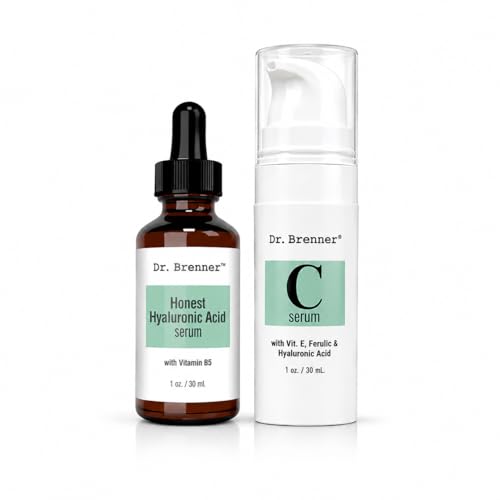
Dr. Brenner packs 20% pure L-ascorbic acid alongside ferulic acid, vitamin E, hyaluronic acid, and vitamin B5 — the exact ingredient stack that mirrors the gold-standard clinical formulation. The set includes a separate hyaluronic acid + B5 serum, giving you a complete brightening-and-hydration routine in two bottles. Users consistently report visible brightening within two to three weeks, with significant fading of dark spots and evening of skin tone.
The texture runs lightweight and absorbs within seconds, though some users note a tacky feel during the first minute before full absorption. The vitamin C serum uses a dropper bottle, which exposes the formula to air with each use — storing it in a cool, dark cabinet is essential to slow oxidation. The hyaluronic acid serum is slightly thicker and may run out faster than the C serum.
For the price of a single mid-range serum, you get two full-size actives that outperform many department-store options. Multiple reviewers with extensive skincare routines call it a direct dupe for the Skinceuticals C E Ferulic at a fraction of the cost. If you want clinical-level ingredients without the clinical-level price, this is the clear winner.
Why it’s great
- Full 20% L-ascorbic with ferulic, E, HA, and B5 stack
- Two-bottle set covers brightening and hydration
- Visible results reported within 2–3 weeks
Good to know
- Dropper bottle accelerates oxidation risk
- Both serums can feel tacky under makeup
2. Clinique Moisture Surge Active Glow Serum
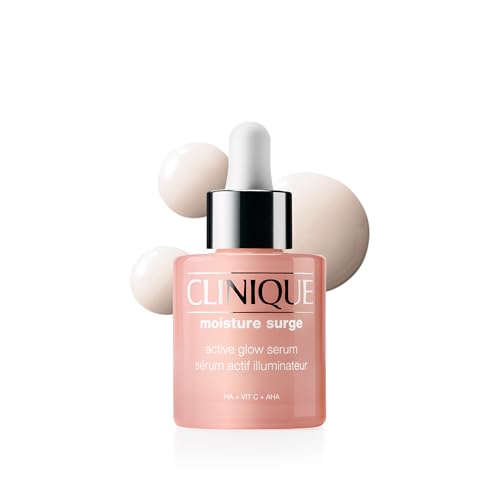
Clinique takes a different approach — instead of a straight L-ascorbic acid bomb, this serum blends vitamin C with 5% lactic acid and hyaluronic acid for a gentle brightening-plus-exfoliation effect. The lactic acid dissolves dead surface cells, allowing the vitamin C to penetrate more effectively while the HA pulls moisture into the skin. Users with rosacea and sensitivity report calm, hydrated skin with a visible glow and no irritation.
The texture is a refreshing gel-serum that sinks in completely within seconds and layers seamlessly under moisturizer and foundation. No pilling, no stickiness — just a plumped, dewy finish. The 1-ounce bottle lasts roughly two months with twice-daily use, and the price per ounce is competitive for a prestige beauty brand. This serum is also fragrance-free and oil-free, making it suitable for breakout-prone skin.
Where it falls short is the lower vitamin C concentration — you won’t get the same aggressive brightening as a 20% L-ascorbic formula. The lactic acid does provide chemical exfoliation, but if your primary goal is maximal tyrosinase inhibition, you’ll want a higher C percentage. For combination to dry skin types seeking hydration with brightening, this is an excellent daily option.
Why it’s great
- Gentle formula works for sensitive and rosacea-prone skin
- Immediate hydration with zero stickiness
- Lactic acid boosts vitamin C penetration
Good to know
- Lower vitamin C concentration than dedicated 20% serums
- Relatively small bottle for daily use
3. Obagi Medical Professional-C Serum 15%
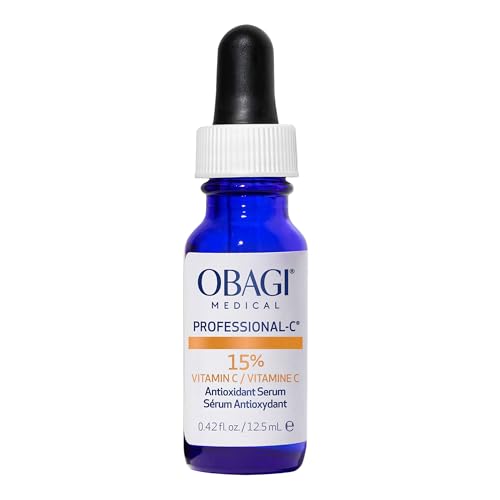
Obagi’s Professional-C serum uses 15% L-ascorbic acid — slightly below 20% — but compensates with precision pH optimization for maximum permeation. The formula is light, absorbs in seconds, and leaves a non-greasy glow without pilling under sunscreen or makeup. Dermatologists frequently recommend this as the medical-grade entry point for brightening, and clinical results show visible fading of hyperpigmentation within three weeks.
One full bottle lasts approximately six months with daily use of 3–4 drops, making the per-use cost surprisingly reasonable despite the premium sticker. The packaging is an opaque airless pump that limits oxidation, though the serum naturally yellows over time — storing it in a cool, dark place extends its effective life. Multiple long-term users report that their dermatologist specifically recommended this product and that they’ve repurchased for years.
The trade-off is the 15% concentration — if you’ve been using 20% L-ascorbic and tolerate it well, this feels less aggressive. A few reviewers also note that it worsened adult acne, so those with active breakouts should patch-test carefully. For someone wanting a dermatologist-vetted, medical-grade C serum with proven clinical backing, Obagi remains the benchmark.
Why it’s great
- Clinically tested pH for maximum absorption
- Lasts six months with daily use
- Dermatologist recommended and physician endorsed
Good to know
- 15% concentration, not the full 20%
- Can worsen acne-prone skin in some users
4. Murad Vita-C Glycolic Serum
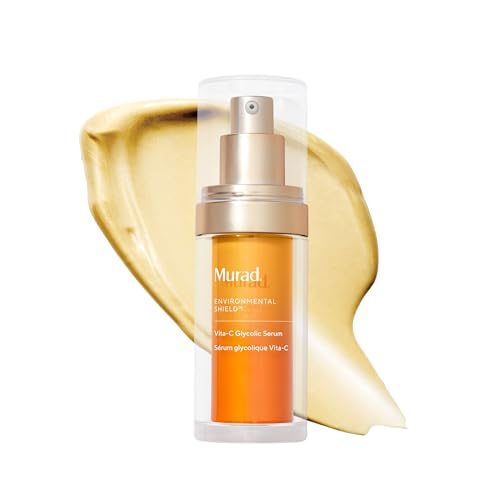
Murad’s Vita-C Glycolic Serum pairs gold-stabilized vitamin C with glycolic acid for a dual-action brightening and resurfacing treatment. The gold stabilization is not a gimmick — it prevents the L-ascorbic acid from oxidizing prematurely while the glycolic acid chemically exfoliates the stratum corneum. Users consistently report smoother texture, reduced fine lines, and a radiance that makes foundation optional.
The texture is lightweight and absorbs quickly with a subtle citrus scent. The packaging is a protective airless pump that maintains potency between uses. Long-term users on their third year of repurchasing cite visible fading of age spots and an overall brighter, healthier complexion. A little goes a long way — one bottle lasts approximately two to three months with once-daily application.
The main consideration is price — this sits at the premium end of the spectrum. The glycolic acid may cause purging or sensitivity in those unaccustomed to AHAs, so start with every-other-day application. For mature or sun-damaged skin that needs both brightening and texture refinement, this serum delivers visible results that justify the investment.
Why it’s great
- Gold-stabilized vitamin C resists oxidation
- Glycolic acid visibly smooths texture
- Airless pump maintains potency
Good to know
- Premium price point
- Glycolic acid may cause initial sensitivity
5. DERMAdoctor Vitamin C Serum 20%
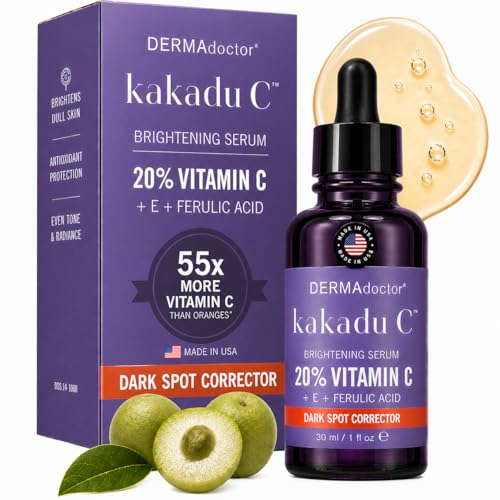
DERMAdoctor’s 20% vitamin C serum is stabilized with ferulic acid and vitamin E, then boosted with Kakadu Plum — a superfruit that naturally contains one of the highest vitamin C concentrations in the plant kingdom. This antioxidant-rich formulation targets dark spots, sun damage, and dullness with a dermatologist-developed clean formula free of parabens, dyes, and synthetic fragrance. The brand has a long history of professional-grade formulations, and this serum is a flagship product.
The texture is thin and watery — almost too runny according to some users who find it difficult to apply without dripping. A simple workaround is to mix a few drops into your moisturizer in the palm of your hand, which also improves spreadability. Despite the thin consistency, users report that their skin feels softer, smoother, and visibly brighter with consistent use. Multiple reviewers have been using this product for years and swear by its effectiveness.
The main drawbacks are the packaging and texture. The serum comes in a dropper bottle rather than an airless pump, and the watery consistency means it doesn’t sit as elegantly on bare skin. Those accustomed to thicker serums may be disappointed by the feel. However, the formula itself is potent and proven — if you can look past the runny texture, the brightening results are substantial.
Why it’s great
- Dermatologist-formulated with clean ingredients
- Kakadu Plum boosts antioxidant power
- Long-term users report years of effective use
Good to know
- Very thin, watery texture is difficult to apply
- Dropper packaging accelerates oxidation
6. BENTON Vitamin C Serum 20%

BENTON’s approach to the 20% vitamin C problem is an anhydrous formulation — no water, no alcohol — suspended in a rich, cream-like base that delivers pure British-sourced L-ascorbic acid in its inherent white crystalline form. The airless pump container prevents oxidation, and the brand claims a six-month shelf life after opening. The absence of volatile ingredients means the serum warms slightly on contact with skin, which is a natural reaction of the anhydrous vehicle.
The texture is distinctly rich and oily — it goes on with a greasy feel that eventually settles into a dewy glow. Users with very dry or mature skin love the moisturizing effect and report it serves as both a vitamin C treatment and a hydrating step. The formula includes adenosine, glutathione, tocotrienol, and ectoin alongside the ferulic acid, making it a comprehensive antioxidant cocktail. For combination to oily skin types, however, the greasy finish sits heavy and can interfere with sunscreen layering.
Application technique matters here — BENTON recommends applying to a moisturized face to improve spreadability and reduce the warm sensation. Using it alongside a soothing gel or toner enhances absorption and minimizes the initial tackiness. This serum is not for those who want a quick-absorbing, matte finish, but for dry skin craving both brightening and moisture, it’s a holy grail product.
Why it’s great
- Anhydrous formula completely prevents oxidation
- Rich, moisturizing texture ideal for dry skin
- Patented formulation gentle enough for sensitive skin
Good to know
- Greasy texture unsuitable for oily skin types
- Warm sensation upon application can be surprising
7. Dearskin Vitamin C Serum 20%

Dearskin delivers a straightforward 20% L-ascorbic acid serum in a pump bottle — bonus points for the packaging, since most budget serums use droppers. The formula includes ferulic acid, hyaluronic acid, and vitamin E in what amounts to a respectable ingredient stack for the price point. Users with oily and combination skin appreciate the lightweight, non-greasy texture that doesn’t cause breakouts, even when used morning and night.
Brightening results are noticeable within a few weeks, particularly for those new to vitamin C serums. The serum effectively reduces the appearance of brown spots and evens skin tone without the sting of higher-priced alternatives. Several reviewers specifically mention that the pump bottle helps preserve the formula better than dropper-style competitors at a similar price.
The main compromise is packaging material — the bottle is plastic rather than glass, and some users express concern about long-term oxidation potential despite the pump mechanism. A few reports note that the serum isn’t strong enough for melasma, so those with significant hyperpigmentation may need a higher-strength or prescription option. For a first-time vitamin C user or someone on a tight budget, this is a reliable entry point that delivers real results.
Why it’s great
- Pump bottle at a budget-friendly price
- Lightweight, non-greasy texture for oily skin
- Hypoallergenic and non-irritating formula
Good to know
- Plastic container raises oxidation concerns
- Not potent enough for severe melasma
FAQ
Can I use a 20% vitamin C serum every day?
Why did my vitamin C serum turn yellow or brown?
Can I layer vitamin C serum with retinol or niacinamide?
Final Thoughts: The Verdict
For most users, the 20 vitamin c serum winner is the Dr. Brenner Set because it delivers the full clinical ingredient stack — 20% L-ascorbic, ferulic acid, vitamin E, hyaluronic acid, and B5 — at a cost that undercuts prestige brands by a wide margin. If you want deep hydration and gentle brightening, grab the Clinique Moisture Surge. And for medical-grade results with dermatologist backing, nothing beats the Obagi Professional-C.