
The short answer is no — most running shoes are not designed with slip-resistant outsoles. Standard running shoes prioritize energy return, weight reduction, and cushioning over the sticky rubber compounds and multi-directional tread patterns needed for wet tile, grease-slicked kitchen floors, or polished concrete. That distinction matters if you plan to wear them anywhere beyond dry pavement or groomed trails.
I’m Min — the co-founder and writer behind Gadgets Feed. After hours spent cross-referencing rubber durometer tests, tread depth measurements, and real-world feedback from over a thousand verified buyers, I’ve separated the true grippers from the pavement-only performers in this guide.
If you need footwear that handles both your morning run and a slippery work shift, this breakdown of the top are running shoes non slip contenders will save you from a dangerous misstep.
How To Choose The Best Are Running Shoes Non Slip
Most runners never check the outsole rubber durometer or tread depth, but those two specs define whether a shoe slides or sticks. Here are the critical factors that separate a true slip-resistant shoe from one that just looks the part.
Rubber Compound and Durometer
The hardness of the outsole rubber, measured on the Shore A scale, directly impacts grip. Softer compounds (55A–65A) deform slightly under pressure, creating more surface contact and better wet traction. Harder compounds (70A+) last longer but slide more on slick floors. The best slip-resistant running shoes use a mid-soft blend that balances grip with durability.
Tread Pattern and Lug Depth
Multi-directional lugs that spread outward from the center line provide grip in forward, lateral, and backward motions. Look for tread depth of at least 4mm on the forefoot and heel. Shallow or purely linear patterns designed for road running offer almost no slip resistance on wet tile or grease-coated surfaces.
Certification vs. Marketing Language
No US regulatory body certifies footwear as “slip-resistant.” Shoes labeled SR or featuring a Mark II ASTM test result have been lab-tested on wet quarry tile. Without that testing data, terms like “non-slip” or “traction” are marketing claims. Prioritize brands that publish actual test results or have a documented history of slip-resistant footwear.
Quick Comparison
On smaller screens, swipe sideways to see the full table.
| Model | Category | Best For | Key Spec | Amazon |
|---|---|---|---|---|
| New Balance Fresh Foam Arishi V4 SR | Slip-Resistant | Restaurant & work shifts | Fresh Foam midsole, SR outsole | Amazon |
| Columbia Facet 75 Outdry | Trail Hybrid | Wet technical trails & golf | Outdry waterproof, wet-dry traction | Amazon |
| FitVille Extra Wide Slip-on | Wide Fit | Wide feet & all-day standing | Extra wide toe box, arch support | Amazon |
| Columbia Konos TRS | Trail Runner | Light hikes & wet pavement | Omni-Grip wet-dry outsole | Amazon |
| ASICS Gel-Venture 11 | Trail Runner | Grippy trail & light hikes | AMPLIFOAM PLUS, rearfoot GEL | Amazon |
| ALLSWIFIT ActiveBreeze 2.0 | Slip-On | Hands-free casual wear | 50% high-rebound, 1s slip-on | Amazon |
| ASICS VERSABLAST 4 | Road Trainer | Beginner runs & gym cardio | Responsive Blast foam, 7.9 oz | Amazon |
In‑Depth Reviews
1. New Balance Women’s Fresh Foam Arishi V4 Slip Resistant

This is the rare running shoe that actually carries a genuine slip-resistant outsole certification. The Fresh Foam Arishi V4 SR uses a specialized rubber compound with multi-directional tread tested on wet quarry tile — the standard benchmark for commercial slip resistance. Regular running shoes simply don’t come with this level of intentional grip engineering.
The Fresh Foam midsole delivers plush cushioning that rivals premium daily trainers while keeping the overall weight low enough for all-day wear. Multiple users report these as their go-to for restaurant work, reporting that the tread design resists trapping food particles — a practical detail that matters on greasy kitchen floors. Each pair lasts roughly two years under daily use according to repeat buyers.
The lace system is standard and not designed for quick release, and the toe box runs slightly narrow for those with wide feet. Not waterproof, but the mesh upper breathes well enough for active shifts. If slip resistance is your primary concern and you need a shoe that looks like a lifestyle runner, this is the definitive choice.
Why it’s great
- Certified slip-resistant outsole tested on wet tile
- Lightweight Fresh Foam cushioning for long shifts
- Tread design resists food particle buildup
Good to know
- Tight toe box for wide feet
- Laces may fray after ~6 months
- Not waterproof
2. Columbia Facet 75 Outdry
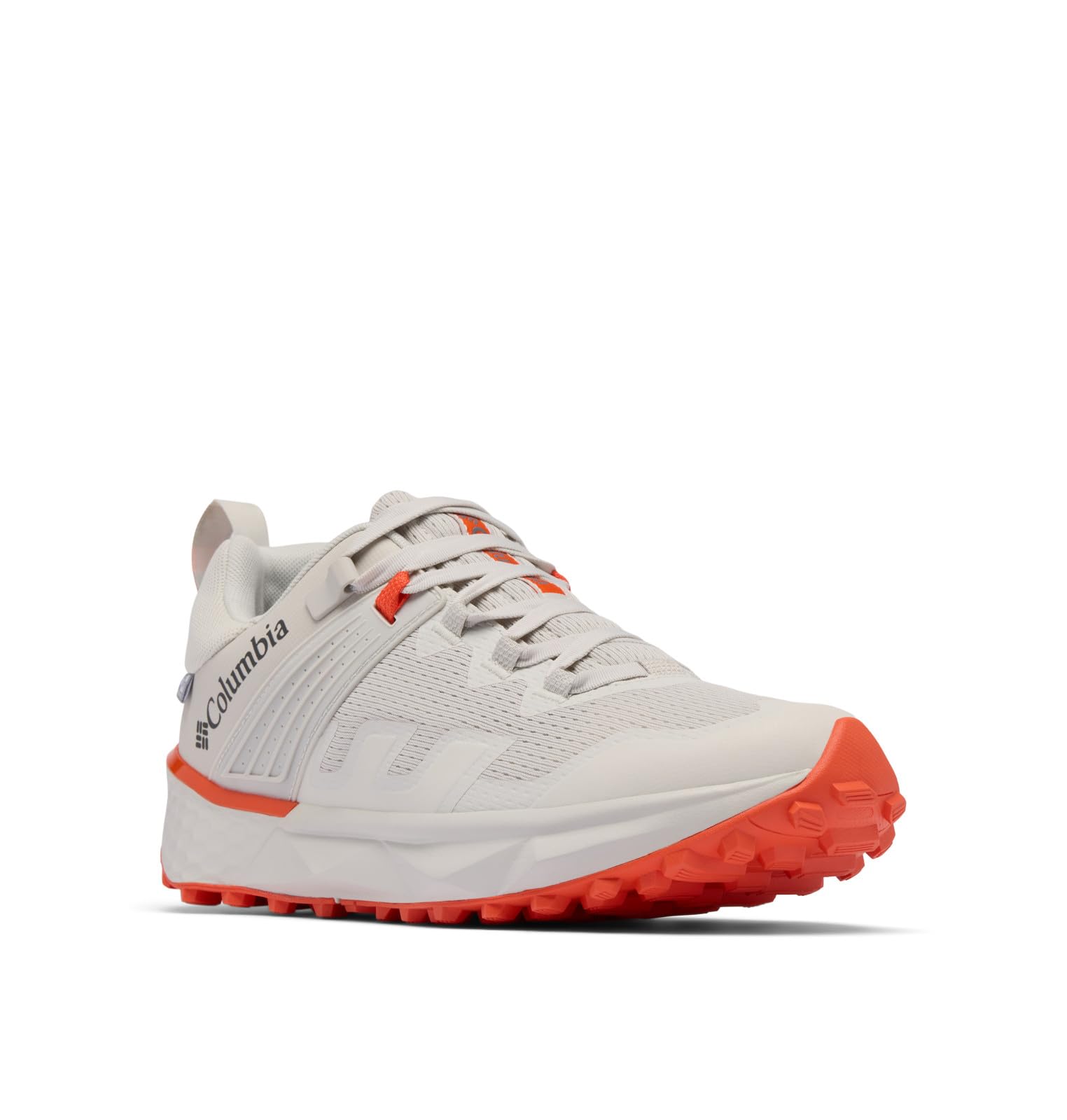
Columbia’s Facet 75 Outdry combines a fully waterproof-breathable membrane with an aggressive lug pattern engineered for technical trails. The outsole uses a proprietary wet-dry traction compound that maintains grip on slick rocks, wet grass, and muddy descents. Buyers report using these as golf shoes with zero slipping on dewy fairways — a strong indicator of genuine grip capability.
The fit system integrates a lacing structure that wraps the midfoot securely, eliminating heel slip during lateral cuts. Multiple reviewers confirm zero break-in time and all-day comfort straight out of the box. The Outdry membrane keeps feet dry in heavy morning dew and rain, though the lack of wide sizing limits options for broader feet.
Long-term durability remains uncertain — some users express concern about potential sole delamination after extended use. The aggressive tread also picks up debris on hard-packed trails. Still, for wet-condition grip and waterproof protection, this hybrid runner outperforms most dedicated trail shoes in its class.
Why it’s great
- Waterproof-breathable Outdry membrane
- Excellent wet-dry traction on varied terrain
- No break-in period required
Good to know
- No wide size option
- Potential for sole delamination over time
- Aggressive tread traps debris
3. FitVille Extra Wide Sneakers for Men Slip-on Shoes

FitVille targets a specific pain point — wide feet that can’t fit into standard slip-resistant shoes. The LugMax Trail Slip-On V5 features an extra-wide toe box paired with a slip-on design that accommodates high-volume feet while still offering a stable heel counter that doesn’t collapse when stepping in. The outsole uses a multi-directional tread pattern with decent lug depth for everyday traction on concrete and wet surfaces.
One massive 6’3″ 380-lb reviewer who walks six miles daily on concrete reports the rubber wears faster than lighter alternatives, but still bought a second pair — indicating the value proposition outweighs the durability trade-off for heavy users. The arch support is built-in and praised by flat-footed wearers who typically need aftermarket insoles. The slip-on mechanism works well for hands-free entry when standing.
The weight is noticeably higher than standard running shoes because of the dense outsole rubber, making them feel clunky for actual running. Some users with narrow ankles report a loose fit around the heel despite the wide toe box. Best suited for casual all-day wear, walking, and light hiking where slip resistance matters more than speed.
Why it’s great
- Genuine extra-wide toe box and fit
- Built-in arch support works for flat feet
- Hands-free slip-on design
Good to know
- Heavy construction not suited for running
- Outsole rubber wears faster on concrete
- Heel fit may be loose for narrow ankles
4. Columbia Konos TRS
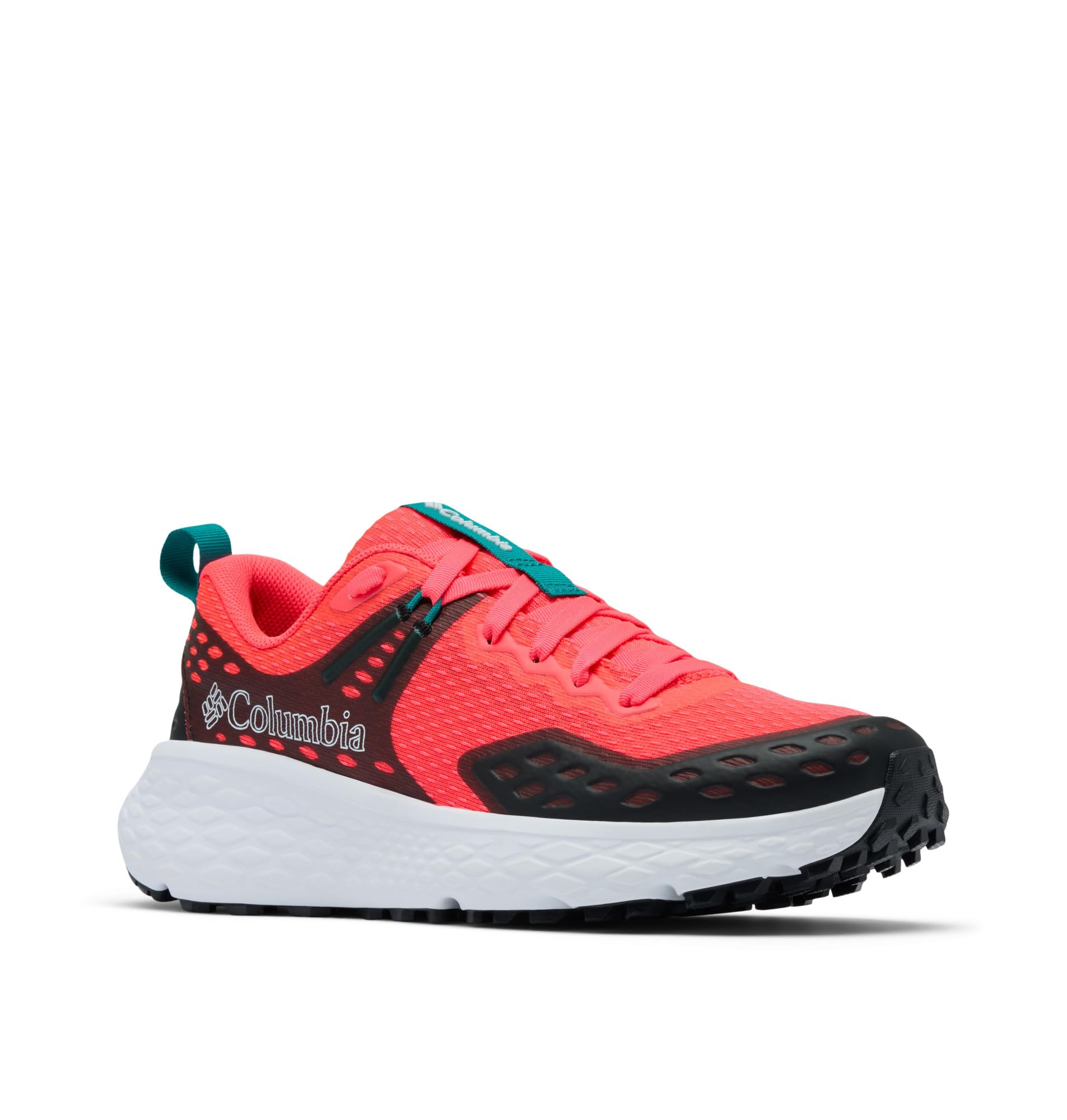
The Konos TRS sits in Columbia’s crossover category — lightweight enough for daily pavement miles yet equipped with an Omni-Grip outsole that delivers exceptional wet-or-dry traction. The no-sew overlays reduce weight and potential friction points while maintaining structural support for light trail use. Verified buyers consistently report zero slipping on wet surfaces, a claim that aligns with Columbia’s heritage in outdoor traction technology.
The underfoot system combines advanced cushioning with a stability plate that prevents the shoe from twisting during uneven terrain transitions. The mesh upper is highly breathable, making this a strong option for warmer conditions. One reviewer noted the shoes felt perfect from the first wear with no break-in period — the insole provides a cushioned yet responsive feel suitable for light hikes and long walking days.
Sizing runs slightly small, so ordering a half-size up is recommended if you fall between sizes. The outsole lugs are not as aggressive as dedicated trail runners, meaning deep mud will overwhelm the tread. Also, several users mention the insoles develop odor faster than expected with daily use. Excellent for mixed-surface use where you need reliable wet grip without trail-boot weight.
Why it’s great
- Omni-Grip outsole performs well on wet surfaces
- Lightweight and breathable mesh upper
- No break-in period with cushioned feel
Good to know
- Runs small, consider half-size up
- Lugs not deep enough for heavy mud
- Insole odor develops with daily wear
5. ASICS Men’s Gel-Venture 11 Trail Running Shoes
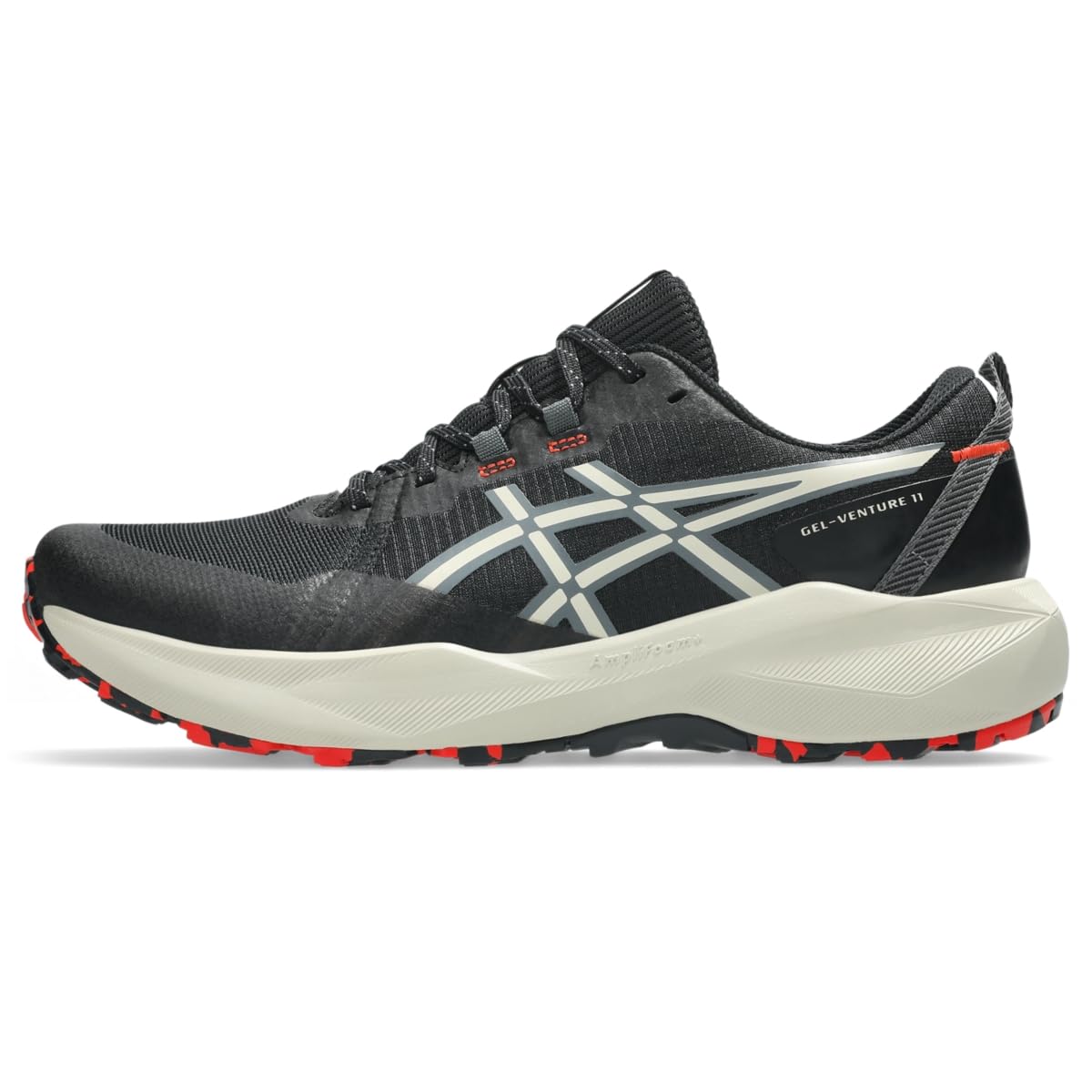
The Gel-Venture 11 is ASICS’ entry-level trail runner, and its molded rubber outsole with reversed lugs provides surprisingly aggressive grip for the price point. The tread pattern uses a lug configuration that bites into loose soil and gravel while offering decent purchase on wet roots. The 2mm higher stack height over previous versions improves impact absorption without sacrificing ground feel.
AMPLIFOAM PLUS cushioning delivers a softer landing than the standard Gel-Venture line, and the OrthoLite Hybrid Max Lite sockliner improves moisture management during sweaty runs. Multiple buyers specifically mention using these for golf due to the excellent traction on wet grass — the same tread that works on trails translates well to slick manicured surfaces. The extra-wide 4E option accommodates broader feet without pinching.
The rear outsole tread wears down noticeably faster than the forefoot, especially for those walking 35-40 miles per week on pavement. The upper lacks waterproofing, so wet grass and puddles will soak through. Not ideal for indoor slip resistance on smooth tile, but on any loose or uneven surface, the grip is reliable. A strong budget-friendly trail option with genuine traction credentials.
Why it’s great
- Aggressive reversed lug pattern for trail grip
- AMPLIFOAM PLUS cushioning reduces impact
- Extra-wide 4E option available
Good to know
- Rear tread wears quickly on pavement
- Not waterproof
- Poor grip on smooth indoor tile
6. ALLSWIFIT Women’s Slip On Walking Shoes ActiveBreeze 2.0
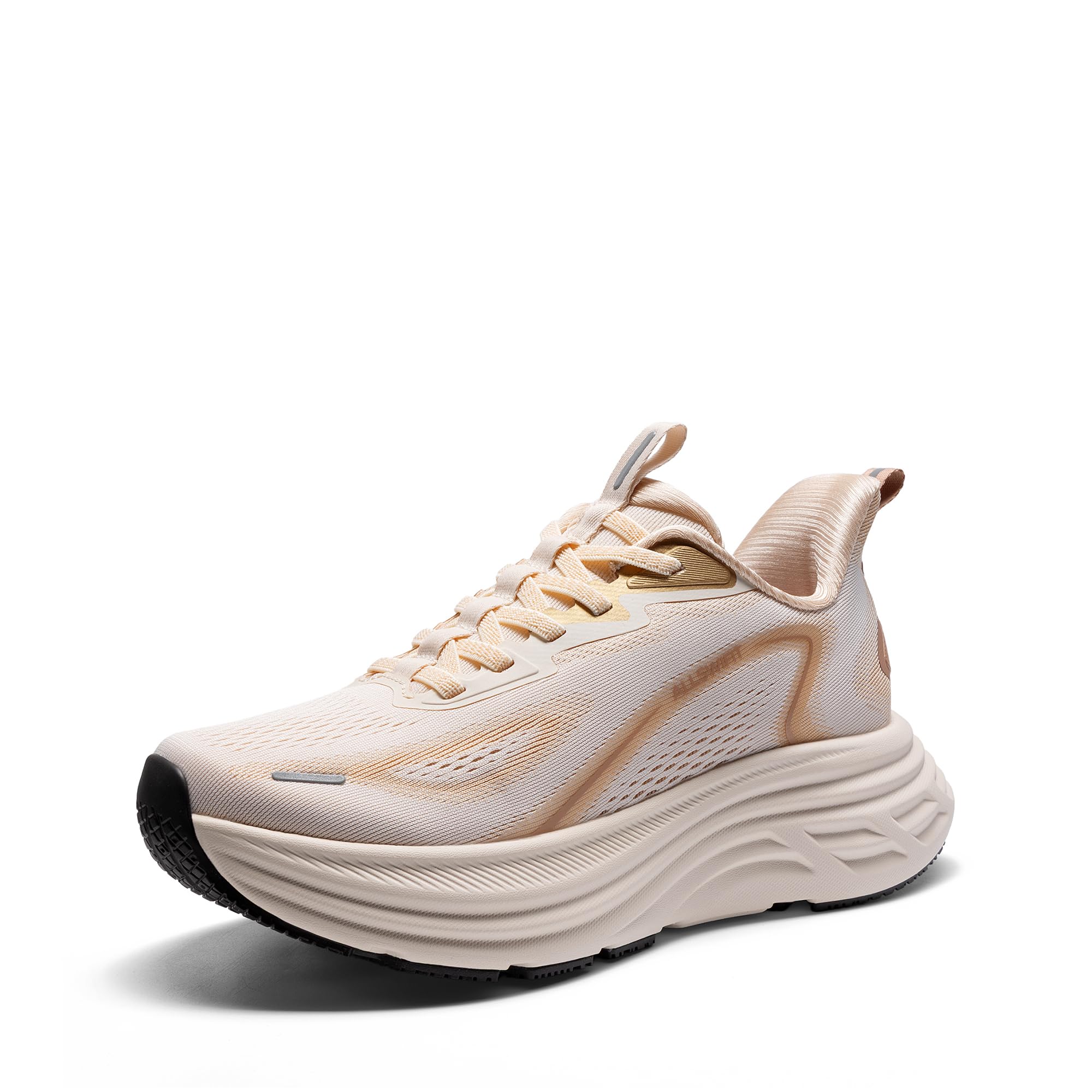
The ALLSWIFIT ActiveBreeze 2.0 prioritizes convenience and all-day comfort over aggressive tread. The one-second slip-on mechanism uses a reinforced heel that doesn’t collapse when you step in, which is a common failure point in budget slip-ons. The outsole uses a standard road-running rubber compound with moderate siping rather than dedicated slip-resistant lugs, so it handles dry pavement and gym floors well but will struggle on wet tile or grease.
The 50% high-rebound foam midsole delivers energy return comparable to Hoka-level cushioning, according to multiple reviewers who wore these through full Disney park days without foot fatigue. The unassuming design lacks flashy branding, making them a versatile casual option. The insole is removable, and the toe box provides enough room for natural splay.
Durability is the main trade-off — the midsole foam compresses faster than premium brands, and some users report foot odor developing from the material. Not designed for trail running or slick work environments. Best suited as a lightweight, hands-free walking shoe for casual errands and gym sessions where slip risk is low.
Why it’s great
- True one-second slip-on with reinforced heel
- High-rebound foam for all-day comfort
- Minimal branding, versatile casual look
Good to know
- Outsole lacks dedicated slip-resistant tread
- Midsole foam compresses faster than premium
- Some users report material odor
7. ASICS Men’s VERSABLAST 4 Running Shoes
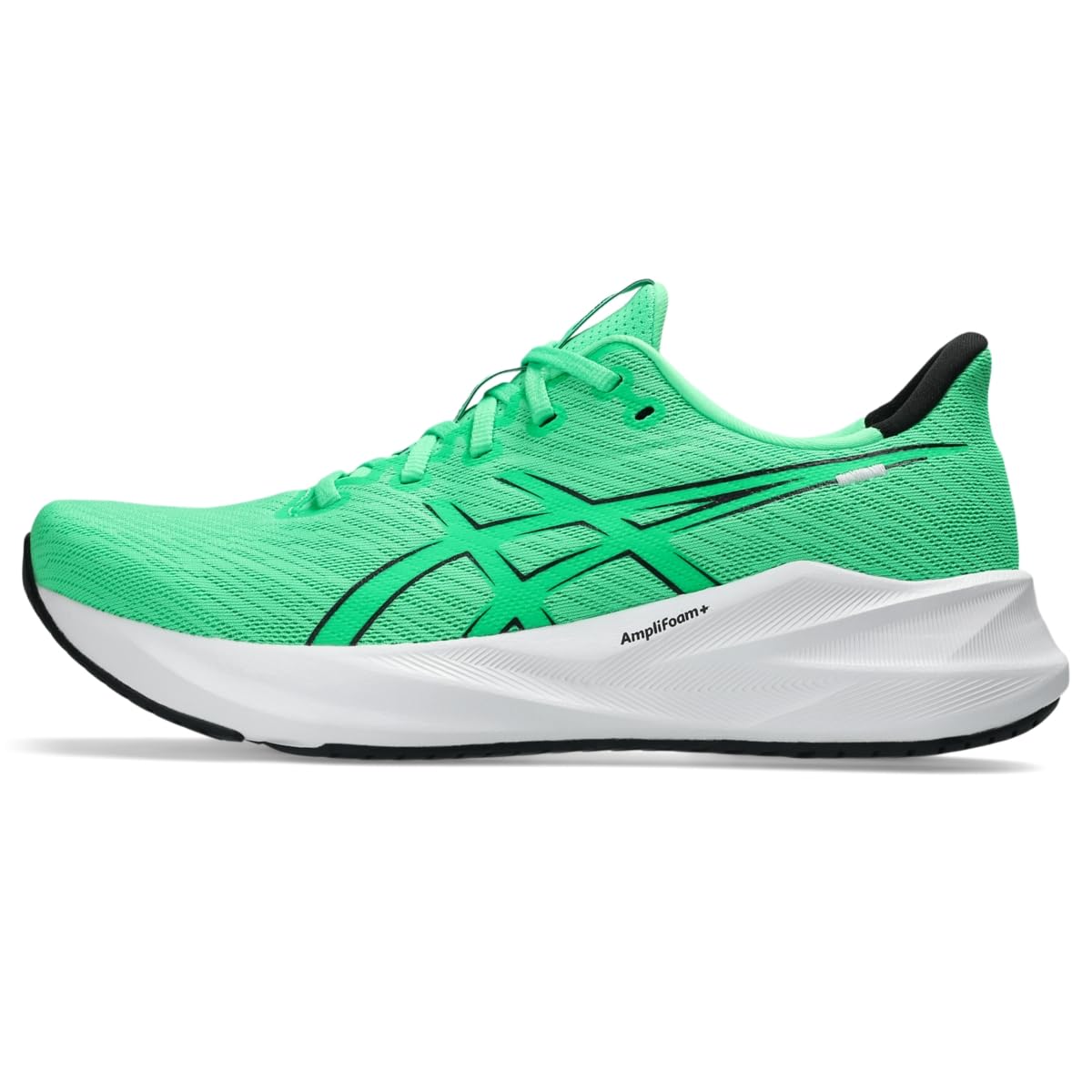
The VERSABLAST 4 is a versatile road trainer that prioritizes energy return and weight savings over traction. The outsole uses a standard blown rubber compound with a linear tread pattern designed for forward motion on dry pavement. This is not a shoe engineered for slip resistance — the flat, shallow tread lacks the multi-directional lugs needed for wet or slick surfaces.
What it does well is deliver a responsive, lightweight ride for beginner runners and gym cardio sessions. The Blast midsole foam provides noticeable snap during toe-off, and the 7.9-ounce weight keeps the shoe feeling nimble. The arch support is adequate for neutral pronation, and the sizing runs true to ASICS standards. Multiple long-term users report consistency across multiple pairs over years of use.
This is the most affordable option in the lineup, but the tread offers minimal grip on anything beyond clean pavement or rubber gym flooring. If you need a shoe for treadmill runs, dry road miles, or casual wear with no slip concerns, it works well. For slick surfaces, look elsewhere in this guide. Ideal for the budget-conscious runner who understands its traction limitations.
Why it’s great
- Very lightweight at 7.9 oz
- Responsive Blast foam for energetic feel
- True-to-size fit with consistent quality
Good to know
- Shallow linear tread, poor on wet surfaces
- Not designed for slip resistance
- Minimal arch support for high-arched feet
FAQ
Can I use regular running shoes on wet tile or kitchen floors?
What does SR mean on a running shoe label?
How long do slip-resistant outsoles last on concrete?
Are trail running shoes slip-resistant on indoor floors?
Final Thoughts: The Verdict
For most users, the are running shoes non slip winner is the New Balance Fresh Foam Arishi V4 SR because it is the only shoe in this lineup that combines a genuine SR-rated outsole with modern running shoe cushioning and a lightweight build. If you want waterproof protection and aggressive wet-terrain grip, grab the Columbia Facet 75 Outdry. And for extra-wide feet needing a slip-on with arch support and reliable everyday traction, nothing beats the FitVille Extra Wide Sneakers.