
Every gram counts when you’re staring down a multi-day approach, and a heavy tent is the fastest way to ruin a long traverse. The difference between a 4-pound clunker and a 2-pound shelter isn’t just back strain — it’s the margin between a comfortable hike and an exhausting ordeal that leaves you too tired to enjoy the summit.
I’m Min — the co-founder and writer behind Gadgets Feed. After spending hundreds of hours researching material science, pole architecture, and real-world moisture management data across the current market, I’ve distilled what actually matters when choosing a shelter that won’t break your back or your budget.
The best affordable ultralight tents combine sub-3-pound trail weights with reliable weather protection, which is exactly what this buying guide targets for weight-conscious hikers and thru-hikers.
How To Choose The Best Affordable Ultralight Tents
Choosing an ultralight tent involves more than just looking at total weight. You need to balance fabric durability, floor space, condensation control, and setup style against the ounces you’re willing to carry. The most expensive gram-saving designs often compromise livability in ways that ruin sleep quality.
Trekking Pole vs Free-Standing
Trekking-pole tents cut weight by eliminating dedicated poles, but they require proper staking and guyline tension to stand upright. Free-standing tents pitch on any surface, including wooden platforms and rocky terrain, but add 8 to 16 ounces of pole weight. Your typical hiking terrain dictates the better choice — alpine granite demands free-standing, while forest soils reward pole-less designs.
Fabric Coatings Matter More Than Denier
Double-silicone-coated nylon fabrics (SilPoly or SilNylon) offer higher tear strength and longer-lasting waterproofing than standard polyurethane coatings, but they require seam sealing because silicone doesn’t bond to seam tape. Polyurethane-coated floors are simpler to manufacture and usually seam-taped from the factory, but they degrade faster under UV exposure and repeated wet packing.
Condensation Management Strategy
Single-wall tents shed weight but allow interior moisture buildup from your breath. Hybrid double-wall designs use mesh sidewalls to separate condensation from your sleeping bag while keeping the fly weight low. If you hike in high-humidity regions like the Southeast or Pacific Northwest, a hybrid or true double-wall design dramatically improves sleep quality compared to a fully single-wall shelter.
Floor Area and Peak Height Realities
A 26-square-foot floor sounds adequate on paper, but a 45-inch peak height prevents you from sitting up comfortably to change clothes in the rain. Taller hikers need at least 90 inches of floor length and 40 inches of peak height for reasonable livability. Keep in mind that stated floor dimensions often assume maximum pole spread — actual usable space may be smaller once wall slope is factored in.
Quick Comparison
On smaller screens, swipe sideways to see the full table.
| Model | Category | Best For | Key Spec | Amazon |
|---|---|---|---|---|
| MSR Freelite 2 | Premium | Fast-Packing Soloists | 2 lbs 0 oz trail weight | Amazon |
| Big Agnes Tiger Wall UL Bikepack | Mid-Range | Bikepacking & Motorcycle Camping | 2 lb 7 oz trail weight | Amazon |
| NEMO Dragonfly OSMO | Premium | Tall Hikers Needing Headroom | 3.3 lbs total weight | Amazon |
| Big Agnes Copper Spur HV UL 2 | Premium | Couples & Two-Adult Backpacking | 29 sq ft floor area | Amazon |
| NEMO Dagger OSMO 2 | Premium | Spacious Couple Camping | 30.6 sq ft floor area | Amazon |
| Gale Lite 2 Tunnel | Mid-Range | Minimalist Duo Thru-Hiking | 2.89 lbs total weight | Amazon |
| Six Moon Designs Lunar Solo | Mid-Range | Budget Solo Backpackers | 26 sq ft floor area | Amazon |
| Six Moon Designs Skyscape Trekker | Mid-Range | Weight-Conscious Thru-Hikers | 28 oz trail weight | Amazon |
| CORE Instant Cabin 10 Person | Budget | Family Car Camping Basecamps | 140 sq ft floor area | Amazon |
In‑Depth Reviews
1. MSR Freelite 2-Person Ultralight Backpacking Tent
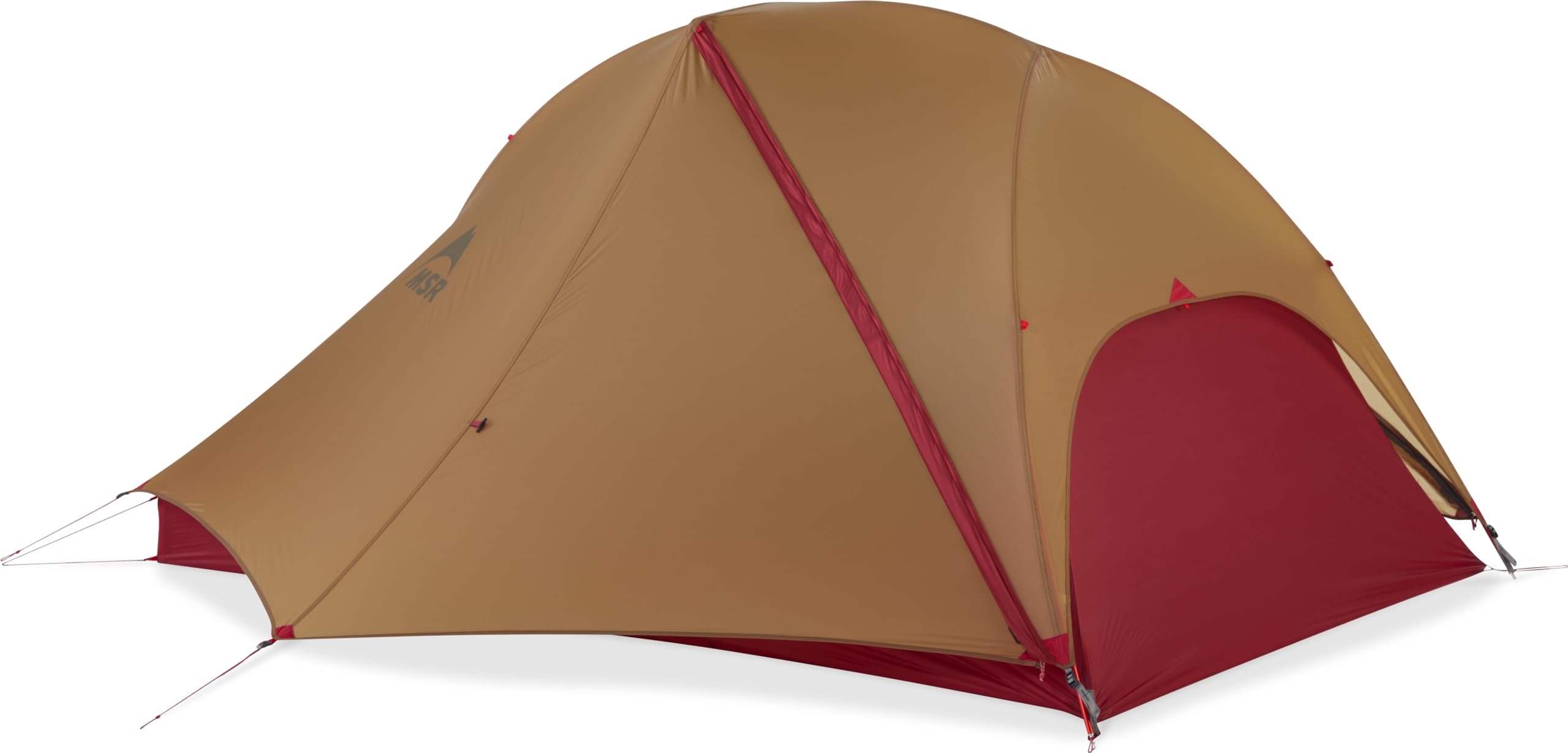
The MSR Freelite 2 drops the trail weight to just 2 pounds while retaining a fully free-standing structure that pitches on any surface. That 0.91-kilogram package includes a 29-square-foot floor and 39 inches of peak height, which is remarkably spacious for a soloist who wants room to spread gear or a couple who accepts close-quarters sleeping.
The DuraShield polyurethane coating on 100% ripstop nylon provides factory-taped seams and PFAS-free waterproofing that’s tested in real downpours. Multiple customer reports confirm dry performance in 32°F rain and snow with excellent wind shedding. The unified hub-and-pole system makes breakdown intuitive even after dark, and the compact stuff sack swallows everything easily.
Two large side-entry vestibules offer dedicated gear storage out of the weather, and the tech-friendly pockets include cable ports for cord management. The main downside is the thin 10D-style fabric that requires careful site selection to avoid punctures, and some users note that water drips from the fly when opening side doors in rain.
Why it’s great
- True free-standing design eliminates need for trekking poles
- Factory-sealed seams demand no DIY seam sealing
- Weight-to-space ratio among the best in its price tier
Good to know
- Floor fabric is thin and prone to tearing on sharp rocks
- Doors open on the same end, reducing layout flexibility
- Mesh netting reported as fragile by some users
2. Big Agnes Tiger Wall UL Ultralight Bikepacking Tent

The Tiger Wall UL Bikepack version uses a 12-inch Shortstik poleset that fits into handlebar rolls, panniers, and saddlebags without awkward strapping. The 2-pound 7-ounce trail weight lands in the sweet spot between ultralight and durable, and the solution-dyed fabric resists UV fade better than standard dyed nylon.
Exclusive TipLok Tent Buckles combine pole-tip capture, rainfly attachment, and stake-out tensioning into one plastic piece, dramatically reducing fumbling during setup. The dual-zipper doors and Quick Stash door keeper let you reach through with one hand to grab water bottles or boots without fully unzipping. Two vestibules and a 3D shelf above the foot area store a full bike touring load.
This is not a fully free-standing tent — the corners require staking for proper pitch. The Dirt Dagger UL stakes are strong but bend in rocky soil. Some users find the dual-zipper door system slower to close than a single continuous zipper when insects are swarming. Durability of the thin floor fabric is an open question after extended use.
Why it’s great
- Compact pole length enables frame and handlebar packing
- Solution-dyed fabric reduces environmental footprint and UV fading
- 3D shelf and daisy-chain webbing maximize interior storage
Good to know
- Requires staking for proper tension — not free-standing
- Dual-zipper doors are slower to operate than single-zip designs
- Stakes bend easily on hard or rocky ground
3. NEMO Equipment Dragonfly OSMO Ultralight Backpacking Tent
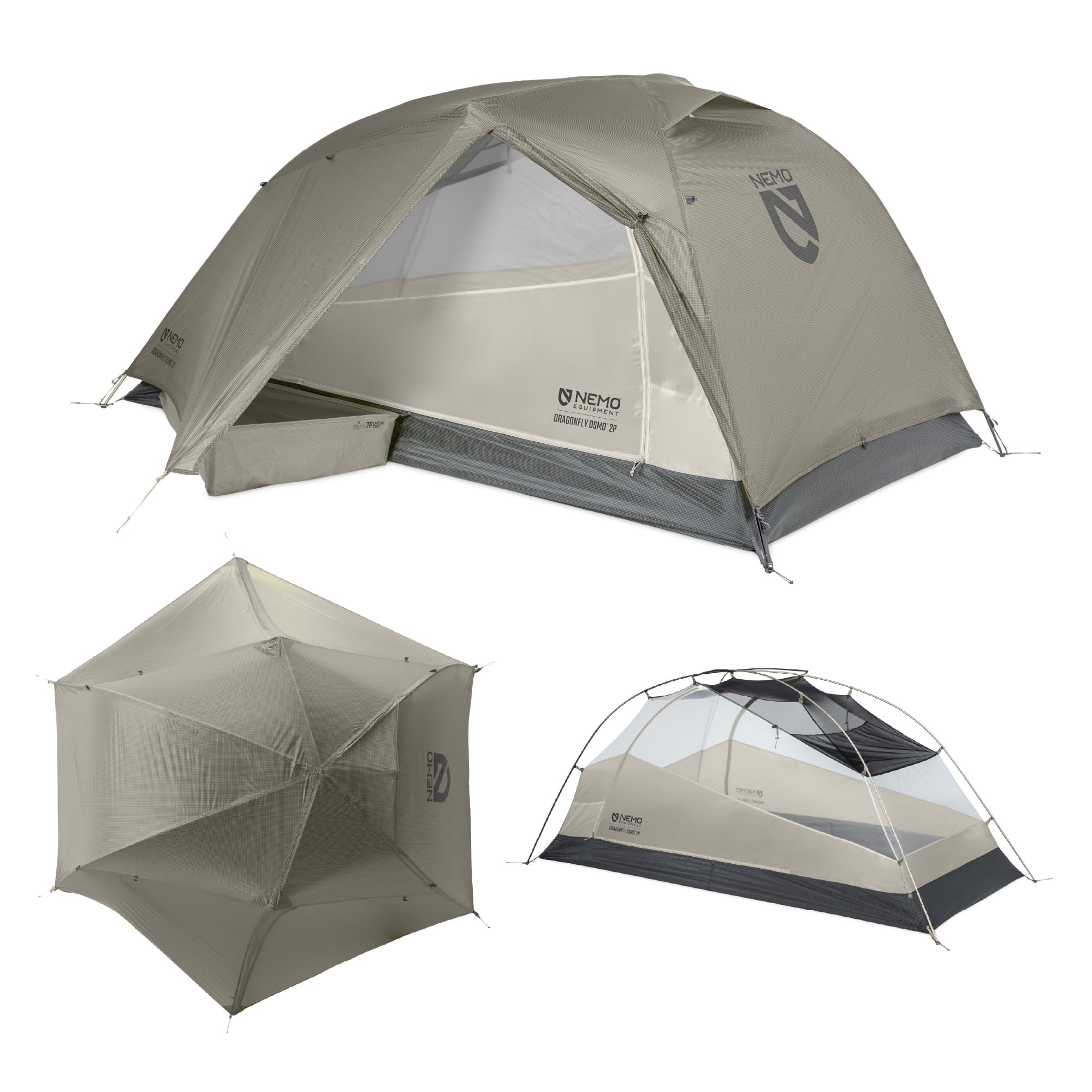
The Dragonfly OSMO uses a prebent DIAPOLE cross pole that increases head volume by 34 percent compared to a standard dome geometry, creating space for tall hikers to sit upright without brushing the ceiling. The OSMO poly-nylon ripstop fabric offers five times longer-lasting water repellency and three times less stretch when wet compared to standard nylon.
Color-coded poles, matched webbing, and Axial Lite corner anchors eliminate setup guesswork — first-time users report a complete pitch in under five minutes. The interior feels genuinely spacious for one 5-foot-10-inch occupant plus gear, and the side vestibules provide weatherproof storage access without crawling over a partner. The Divvy Cube stuff sack includes a Landing Zone storage tub that doubles as a camp sink.
The 3.3-pound total weight is higher than the true ultralight crowd wants, and some units have shipped with incorrect colored poles. A handful of users report that stake-out loops required re-tying after minimal use and that frayed cords needed sealing. At this price point, durability expectations are high, and a few customers question the long-term material resilience.
Why it’s great
- Prebent pole geometry provides exceptional headroom for tall campers
- OSMO fabric sheds water far longer than standard nylon alternatives
- Bluesign-approved and made from 100% recycled yarns
Good to know
- Total weight exceeds 3 pounds, heavier than dedicated ultralight shelters
- Quality control issues reported with pole color matching and frayed cords
- High price relative to material thickness and perceived durability
4. Big Agnes Copper Spur HighVolume Ultralight Backpacking and Camping Tent

The Copper Spur HV UL 2 features a high-volume pole architecture that creates steeper sidewalls than typical dome designs, converting more of the 29-square-foot floor into usable interior space. At just over 3 pounds, it’s fully free-standing — no trekking poles or stakes required to hold its shape — which makes it ideal for alpine granite and beach sand where staking is unreliable.
Dual doors and dual vestibules provide independent access from either side, and the interior storage network includes multiple mesh pockets, a ceiling gear loft, and daisy-chain loops for drying clothes. Customer reports include surviving 60-plus-MPH winds in dust storms and heavy rain without leaks, with users praising the orange color for high visibility in dense brush. Setup is intuitive with color-coded corner webbing.
The Copper Spur is a premium-priced product that some users claim is over cheaper on direct brand sales. The included stake count of 8 is insufficient for severe weather — experienced users carry 12 stakes for full guyline deployment. Fabric feels thin despite reliable performance, and the intended awning feature with trekking poles is widely described as not worth the effort.
Why it’s great
- Fully free-standing design pitches on any terrain type
- Steep sidewalls maximize usable headroom and floor space
- Survives extreme weather including 60-MPH winds when properly guyed
Good to know
- Price point may be discounted via direct brand sales
- Only 8 stakes included despite need for 12 in strong winds
- Trekking pole awning feature is impractical in real use
5. NEMO Equipment Dagger OSMO Lightweight Backpacking Tent
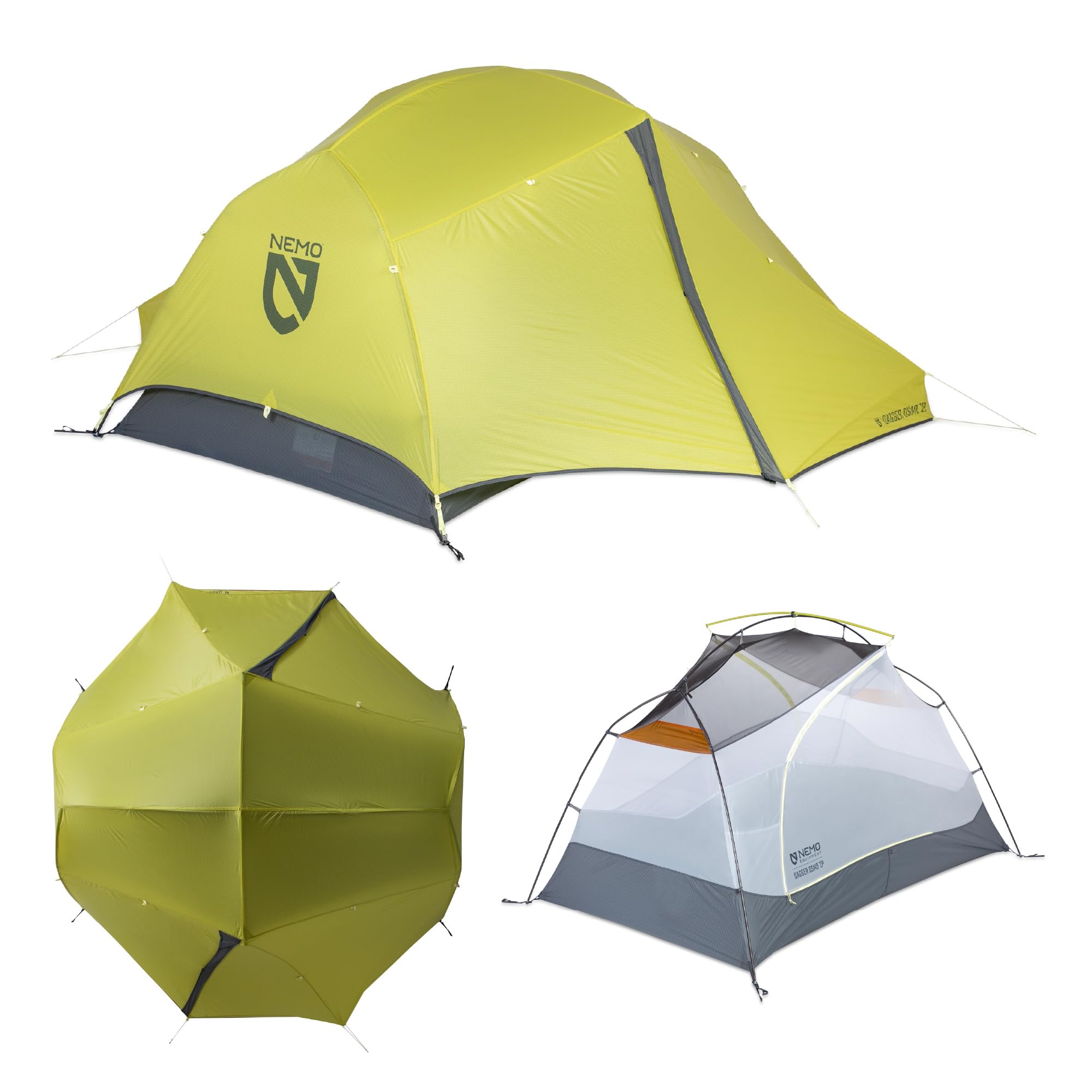
The Dagger OSMO claims 30.6 square feet of floor area and 43 inches of peak height, making it the largest interior in this comparison. The vertical sidewalls mean even 6-foot-4-inch users can sleep end-to-end comfortably, and the bathtub floor fits two 25-inch-wide sleeping pads with room to spare. The Volumizing Stash strut increases the vestibule space by 22 percent over the previous design.
The OSMO fabric’s four-times-longer-lasting water repellency paid off for users who faced 30-to-50-MPH winds and 6 inches of snow accumulation — the shelter stayed dry and structurally sound despite the unexpected load. The Axial corner anchors allow one-handed tensioning, and the color-coded poles match the webbing for beginner-friendly assembly. Interior organization includes multiple pockets and loops for hanging gear.
At nearly 4 pounds total, the Dagger is not an ultralight shelter — it’s a lightweight palace for basecamp-heavy trips or couples who refuse to sacrifice space. The plastic hooks on the fly corners feel fragile compared to metal alternatives, and the Jake’s Foot stake system has a learning curve for first-time users. The included stakes are heavy three-blade designs that are overkill for ultralight packing.
Why it’s great
- Largest floor area and peak height in this comparison class
- Vertical sidewalls allow two wide pads side by side
- Survived extreme snow and wind loads in real-world conditions
Good to know
- Total weight approaches 4 pounds — not for gram counters
- Plastic hook hardware feels less durable than metal alternatives
- Stake system has a steep initial learning curve
6. Gale Lite 2 Ultralight 2-Person Tunnel Tent
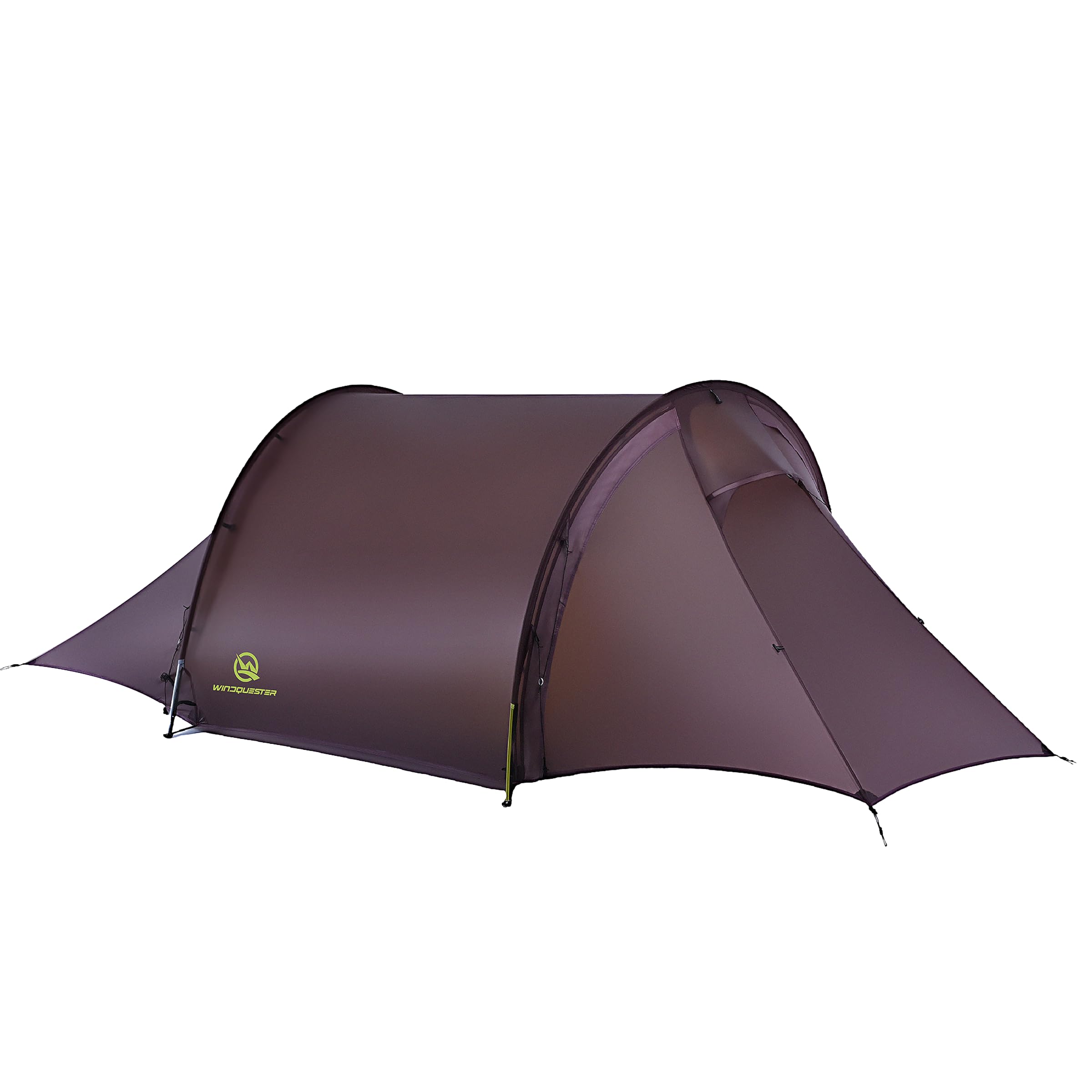
The Gale Lite 2 uses a tunnel tent architecture, which sheds weight by substituting pole arches for a continuous ridgeline that requires fewer structural components. At 2.89 pounds, it’s one of the lightest two-person shelters available at its price point, and the double-silicone-coated 10D ripstop nylon and 15D floor provide 2000mm hydrostatic head waterproofing — competitive with far more expensive DCF shelters.
The Dyneema guylines, YKK zippers, and DAC J-stakes indicate serious attention to hardware quality that typically only appears at double the price. Customer reviews consistently praise the steep wall geometry that maximizes livable space for two occupants and the rear vent placement that reduces condensation without sacrificing weather protection. Setup time averages three minutes after the first pitch, and the packed size of 16 by 5 inches fits easily into a 40-liter pack.
The tunnel design requires proper orientation into the wind for stability — pitching broadside to prevailing winds can cause flapping. The outer zipper is stiff to operate with cold hands or gloves, and the wine brown color is polarizing for those who prefer high-visibility shelters. Some users note that the single-wall lower sections can accumulate condensation in high-humidity environments.
Why it’s great
- Double-silicone 2000mm coating rivals premium DCF waterproofing
- Dyneema guylines and YKK zippers offer exceptional hardware quality
- Aerodynamic tunnel shape stands up to strong alpine winds
Good to know
- Requires correct wind orientation for optimal aero stability
- Zipper stiffens significantly in cold or wet conditions
- Condensation can form on single-wall sections in humid climates
7. Six Moon Designs Lunar Solo Backpacking Tent

The Lunar Solo is a single-wall trekking-pole tent that tips the scales at just over 26 ounces, making it one of the lightest fully enclosed shelters available at its price tier. The 100% silicone-coated polyester fabric provides excellent water resistance without the weight of a separate rainfly, and the 26-square-foot floor accommodates a 5-foot-11-inch user with gear spread.
Customer reports from thousands of real trail miles confirm the Lunar Solo survives heavy wind, rain, and snow when properly pitched — the large vestibules provide protected gear storage, and the adjustable ventilation system manages Florida-level humidity better than most single-wall designs. Setup takes five minutes with practice, and the packed size is remarkably small for a fully enclosed shelter.
The tent does not include stakes or a trekking pole, which adds hidden weight and cost for new backpackers. The floor lacks stake loops at the corners and stays wrinkled even after tight pitching. The front zipper can snag on a guy line, and condensation management requires leaving the door flap open slightly, which may let in insects on buggy nights.
Why it’s great
- Sub-27-ounce trail weight at a fraction of DCF shelter pricing
- Large vestibules protect gear from rain and splashback
- Proven performance in heavy weather from PCT and CDT users
Good to know
- Requires a separate trekking pole and stakes to set up
- Floor stays wrinkled and lacks stake loops at all corners
- Condensation management requires leaving the door door flap open
8. Six Moon Designs Skyscape Trekker Ultralight 1 Person Backpacking Tent
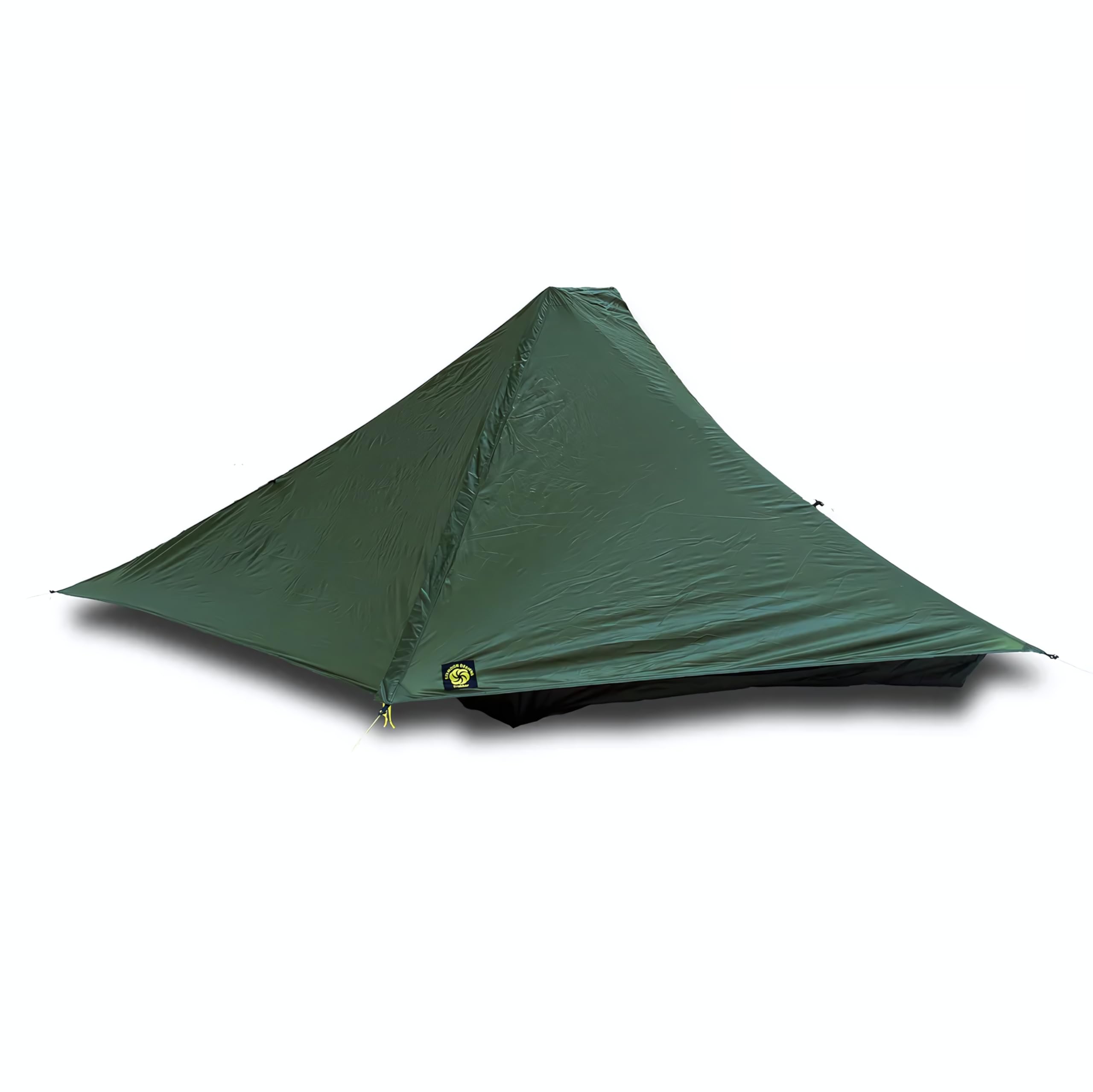
The Skyscape Trekker uses a hybrid double-wall design that wraps 80 percent of the canopy in mesh, separating condensation from your sleeping bag while maintaining a single-wall weight of 28 ounces. The dual-pole A-frame setup requires two trekking poles, but the resulting structure is remarkably stable for a sub-2-pound shelter — users report surviving high-altitude wind and snow above 10,000 feet.
The asymmetric design provides 45 inches of peak height, allowing most users to sit upright, and the two large vestibules offer weather-protected external storage for a full thru-hiker’s pack load. The 20D SilPoly fly and 40D bathtub floor provide excellent abrasion resistance for a tent at this weight, and the packed size of 15 by 5 inches fits into panniers for bikepacking trips.
The Skyscape Trekker does not come seam-sealed from major retailers — buyers must either order directly from the manufacturer or apply sealant themselves, which is a critical omission that has caught many first-time owners off guard. The single-wall foot panel has a low slope that can sag and pool water if not guyed out properly on rocky terrain. The vestibule design lacks loops for winging out doors for added airflow.
Why it’s great
- Hybrid mesh canopy reduces condensation without adding significant weight
- 40D bathtub floor provides exceptional puncture resistance for the weight class
- Dual vestibules offer generous gear storage for long resupply stretches
Good to know
- Does NOT come factory seam-sealed — must be sealed by buyer
- Foot panel single-wall section can sag and pool water if improperly guyed
- Vestibule lacks attachment loops for optimal airflow winging
9. CORE Instant Cabin Tents Family Cabin Multi Room Pop Up Tents
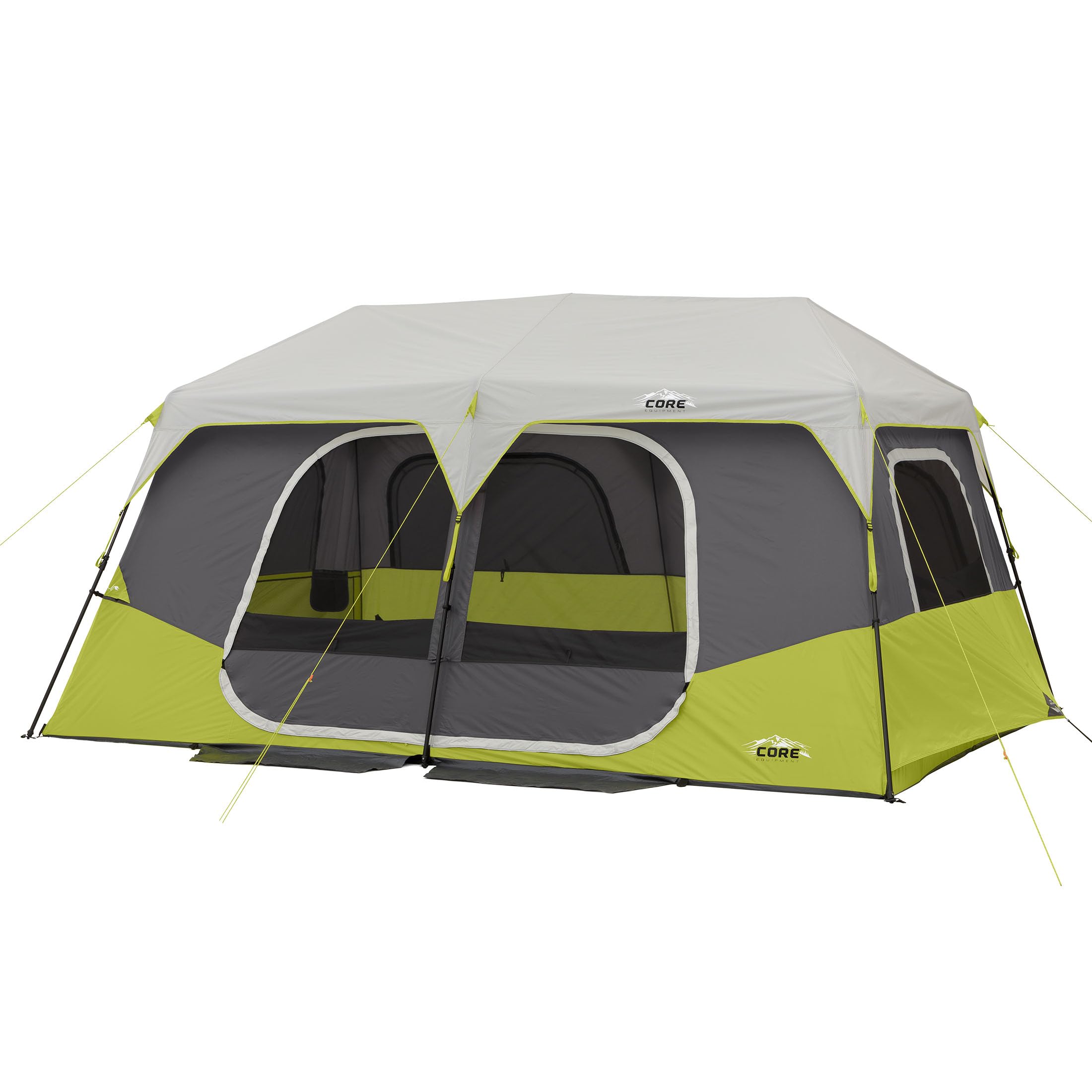
The CORE Instant Cabin tent is a 140-square-foot behemoth that packs pre-attached poles that lock into place in under two minutes. At a weight that approaches 20 pounds, this is not an ultralight backpacking tent — it’s a car-camping base camp for families who need privacy dividers, 78 inches of stand-up height, and enough floor space to fit four queen air mattresses or 10 sleeping people.
The H20 Block Technology uses 1200mm fabric with a fully taped rainfly and sealed seams, and the included room divider lets parents create separate sleeping quarters. Adjustable lower vents draw cool ground air while the mesh ceiling vents hot air, improving comfort even when fully occupied. Storage pockets along the walls keep headlamps, phones, and glasses organized and off the floor.
Water leakage is a recurring complaint from customers who encountered real rain — the 1200mm hydrostatic head rating is far below what ultralight shelters use, and multiple reviews report wet floors after moderate storms. The steel stakes and guylines provide adequate wind resistance for fair-weather camping but struggle in sustained gusts above 20 MPH. The 10-person capacity claim is optimistic for adults with full sleeping pads.
Why it’s great
- Instant setup with pre-attached poles in under two minutes
- Enormous 140-square-foot floor with stand-up center height
- Room divider provides privacy separation for families
Good to know
- Frequent water leakage reports in real rain conditions
- Not suitable for backpacking — weight is over 20 pounds
- 10-person capacity is optimistic for adults with gear and pads
FAQ
Is a trekking-pole tent more weather-resistant than a freestanding tent?
How important is seam sealing on a budget ultralight tent?
Can two adults actually sleep in a budget two-person ultralight tent?
Final Thoughts: The Verdict
For most users, the best affordable ultralight tents winner is the MSR Freelite 2 because it combines true free-standing convenience with a 2-pound trail weight that beats most competitors at this price. If you want an ultralight hybrid that minimizes condensation without breaking the bank, grab the Six Moon Designs Skyscape Trekker. And for a budget solo option with proven thru-hiking pedigree, nothing beats the Six Moon Designs Lunar Solo.