
The line between a dedicated camera and a smartphone has blurred, but when your budget is tight, the difference often comes down to how the sensor handles the golden hour or a poorly lit restaurant. A budget smartphone with a great camera is no longer a contradiction — it’s a carefully engineered compromise that can deliver sharp, vibrant shots when you know exactly which specs to prioritize.
I’m Min — the co-founder and writer behind Gadgets Feed. I’ve spent countless hours analyzing sensor sizes, aperture values, and image processing pipelines across dozens of budget-friendly models to find the ones that punch far above their weight class.
The market is flooded with options that promise flagship quality for a fraction of the price, but only a select few deliver on that promise. This guide cuts through the marketing noise and identifies the very best camera in a budget smartphone, helping you capture memorable moments without stretching your finances.
How To Choose The Best Camera In A Budget Smartphone
Finding a phone that takes stunning pictures without costing a month’s rent requires focusing on a few key hardware and software attributes. The biggest mistake is chasing a high megapixel number while ignoring the sensor that captures the light.
Sensor Size: The Real Resolution Metric
A 108MP sensor crammed into a tiny 1/2.0-inch format often produces noisier results than a well-tuned 50MP sensor on a larger 1/1.4-inch or 1/1.56-inch substrate. The physical area of the sensor determines how many photons it collects — more photons mean cleaner shadows, better dynamic range, and less grain in low light. Always check the sensor size in marketing materials or reviews before committing.
Optical Image Stabilization vs. Electronic Stabilization
Optical Image Stabilization (OIS) physically moves the lens module to counteract hand shake during longer exposures. This is critical for night photography, indoor portraits, and video capture. Electronic stabilization (EIS) crops and smoothes the image in software, which can soften details and narrow the field of view. A budget phone with OIS on its main sensor is a rare and valuable find.
Computational Photography and the ISP
The Image Signal Processor (ISP) and the software algorithms running on the phone’s chipset can elevate mediocre hardware into something special. Google’s Pixel phones have historically demonstrated that excellent processing can outshine superior physical components. For non-Pixel devices, look for capable mid-range chipsets like the MediaTek Dimensity series or Snapdragon G-series that include modern ISPs with noise reduction, HDR merging, and multi-frame stacking.
Quick Comparison
On smaller screens, swipe sideways to see the full table.
| Model | Category | Best For | Key Spec | Amazon |
|---|---|---|---|---|
| XIAOMI Redmi Note 15 Pro 5G | Mid-Range | Detail & Zoom | 200MP OIS Main, 1/1.4″ Sensor | Amazon |
| Google Pixel 10a | Mid-Range | Processing & AI | Camera Coach AI, 30hr Battery | Amazon |
| Nothing Phone (3a) Pro | Mid-Range | Zoom & Portraits | 50MP Periscope 60x Zoom | Amazon |
| Google Pixel 10 | Premium | Top-Tier Results | Triple Camera, 5x Telephoto | Amazon |
| Samsung Galaxy A37 5G | Mid-Range | Nightography & Durability | 50MP HDR, Nightography, IP68 | Amazon |
| BLU Bold N4 5G | Budget | Value & Storage | 50MP + 16MP Selfie, 512GB | Amazon |
| Samsung Galaxy A26 5G | Budget | Balanced All-Rounder | 50MP f/1.8 Wide, 4K Video | Amazon |
| Minolta MN40Z | Budget | Dedicated Zoom Camera | 40x Optical Zoom, 20MP | Amazon |
| MMY Rugged Armor 16PROMA X | Budget | Extreme Durability | 108MP Main, 68MP Selfie | Amazon |
In‑Depth Reviews
1. XIAOMI Redmi Note 15 Pro 5G
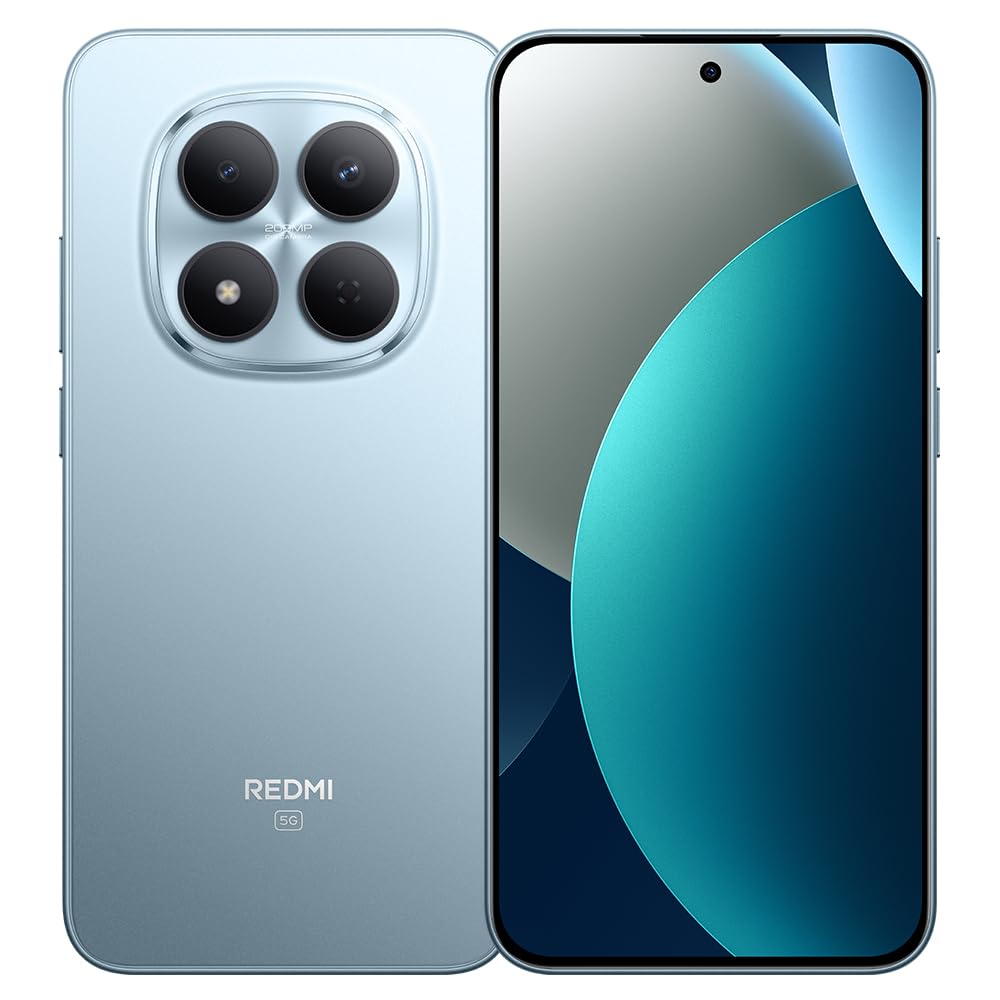
The XIAOMI Redmi Note 15 Pro 5G sits firmly at the top of this list because it delivers a genuine flagship sensor experience for a mid-range price. Its 200MP main camera uses a large 1/1.4-inch sensor with optical image stabilization, enabling pixel-binning to a 2.24μm effective pixel size for exceptional light collection. The 4K video recording at 30fps is stable and detailed, while the 8MP ultrawide adds versatility for landscape shots.
Beyond the impressive hardware, the MediaTek Dimensity 7400-Ultra chipset handles computational photography tasks efficiently, and the 6.83-inch AMOLED display with 3200-nit peak brightness makes composing shots in direct sunlight a breeze. The AI editing suite including Erase Pro and Image Expansion is a genuinely useful bonus that turns average snapshots into polished memories.
Battery life is another standout feat here — the 6580mAh cell with 45W charging keeps you shooting all day without anxiety. The only real trade-offs are carrier limitations (best on T-Mobile or its MVNOs) and the lack of a microSD slot. If you prioritize image detail and dynamic range above all else, this is the smartphone to beat.
Why it’s great
- 200MP OIS main sensor produces exceptional detail and low-light clarity.
- Massive 6580mAh battery ensures all-day shooting without recharge.
- AI photo editing tools like Erase Pro remove objects and reflections effectively.
Good to know
- Not compatible with AT&T or Verizon networks in the US.
- No microSD slot for storage expansion.
- Some pre-installed bloatware requires manual removal.
2. Google Pixel 10a

The Google Pixel 10a is proof that software intelligence can make a mid-range camera feel flagship-ready. While its 4300mAh battery and 128GB storage are modest on paper, the real story is Camera Coach — an AI tool that gently suggests framing and exposure adjustments in real-time. The result is consistently vibrant, balanced photos with natural skin tones, even without a dedicated telephoto lens.
Night Sight continues to be a class-leading feature here, delivering bright, low-noise images in near-darkness where many competitors produce muddy results. Pixel Drops guarantee seven years of feature and security updates, meaning this phone’s camera software will only improve over time. The IP68 rating adds peace of mind for outdoor and rainy day photography.
The 6.3-inch Actua display with 3000-nit peak brightness is outstanding for reviewing shots in sunlight, and the clean Android 15 interface is free from bloatware. The lack of a physical SIM slot (eSIM only) may frustrate some travelers, but for pure image processing and long-term value, the Pixel 10a is incredibly difficult to beat.
Why it’s great
- Camera Coach AI provides real-time framing and exposure guidance.
- Seven years of Pixel Drops keep the camera software evolving.
- IP68 water and dust protection for worry-free outdoor photography.
Good to know
- No dedicated telephoto lens — relies on digital zoom.
- eSIM only, no physical SIM card slot.
- Charger not included in the box.
3. Nothing Phone (3a) Pro

The Nothing Phone (3a) Pro disrupts the budget segment by offering a genuine 50MP periscope telephoto lens with 3x optical zoom and up to 60x ultra zoom. This makes it the clear choice for concertgoers, wildlife enthusiasts, and anyone who needs to capture distant subjects with sharp detail. The OIS stabilization on the periscope module keeps those high-zoom shots surprisingly steady.
Beyond the zoom, the 50MP main sensor with OIS supports 4K video and benefits from Nothing’s TrueLens Engine for accurate skin tones and dynamic range. The 50MP front-facing selfie camera is also a rare find in this price bracket, delivering sharp selfies and stable vlogging video. The 6.77-inch flexible AMOLED display with 3000-nit peak brightness and 120Hz refresh rate is a joy for composing and reviewing shots.
The Snapdragon 7s Gen 3 chipset handles multitasking and AI features smoothly, and the 5000mAh battery with 50W fast charging (50% in 20 minutes) ensures you’re never waiting around. The unique Essential Key allows quick voice memo capture with AI transcription, adding a productivity angle. Carrier compatibility is excellent for T-Mobile and AT&T, though Verizon requires manual IMEI registration.
Why it’s great
- 50MP periscope telephoto lens with OIS and 60x ultra zoom.
- 50MP front-facing camera for sharp selfies and video.
- 120Hz AMOLED display with 3000-nit peak brightness.
Good to know
- Verizon requires manual IMEI registration before use.
- No wireless charging support.
- Glyph interface is a fun aesthetic but adds bulk.
4. Google Pixel 10

The Google Pixel 10 represents the ceiling of what a camera phone under can achieve, thanks to its Google Tensor G5 chipset and an upgraded triple rear camera system with a new 5x telephoto lens that supports up to 20x Super Res Zoom. The combination of hardware and computational photography produces images with incredible detail, natural bokeh, and accurate color science that rivals devices costing significantly more.
Night Sight remains best-in-class, pulling out shadow detail and suppressing noise in near pitch-black conditions. The Actua display with 3000-nit peak brightness makes outdoor shot review effortless, and the IP68 rating provides the same robust protection as its sibling. Gemini AI integration offers contextual photo editing suggestions and voice-assisted framing through Camera Coach.
The 4970mAh battery delivers a reliable 24+ hours of mixed use, and the clean, bloatware-free Android experience is a huge plus. The absence of a physical SIM slot (eSIM only) and the lack of an included charger are minor inconveniences. For buyers who want the absolute best camera results and are willing to stretch the budget slightly, the Pixel 10 is the definitive choice.
Why it’s great
- 5x optical telephoto lens with up to 20x Super Res Zoom.
- Tensor G5 chip delivers best-in-class computational photography.
- IP68 dust and water resistance for all-weather shooting.
Good to know
- eSIM only — no physical SIM card tray.
- No charging brick included in the box.
- Premium pricing is at the edge of the budget category.
5. Samsung Galaxy A37 5G
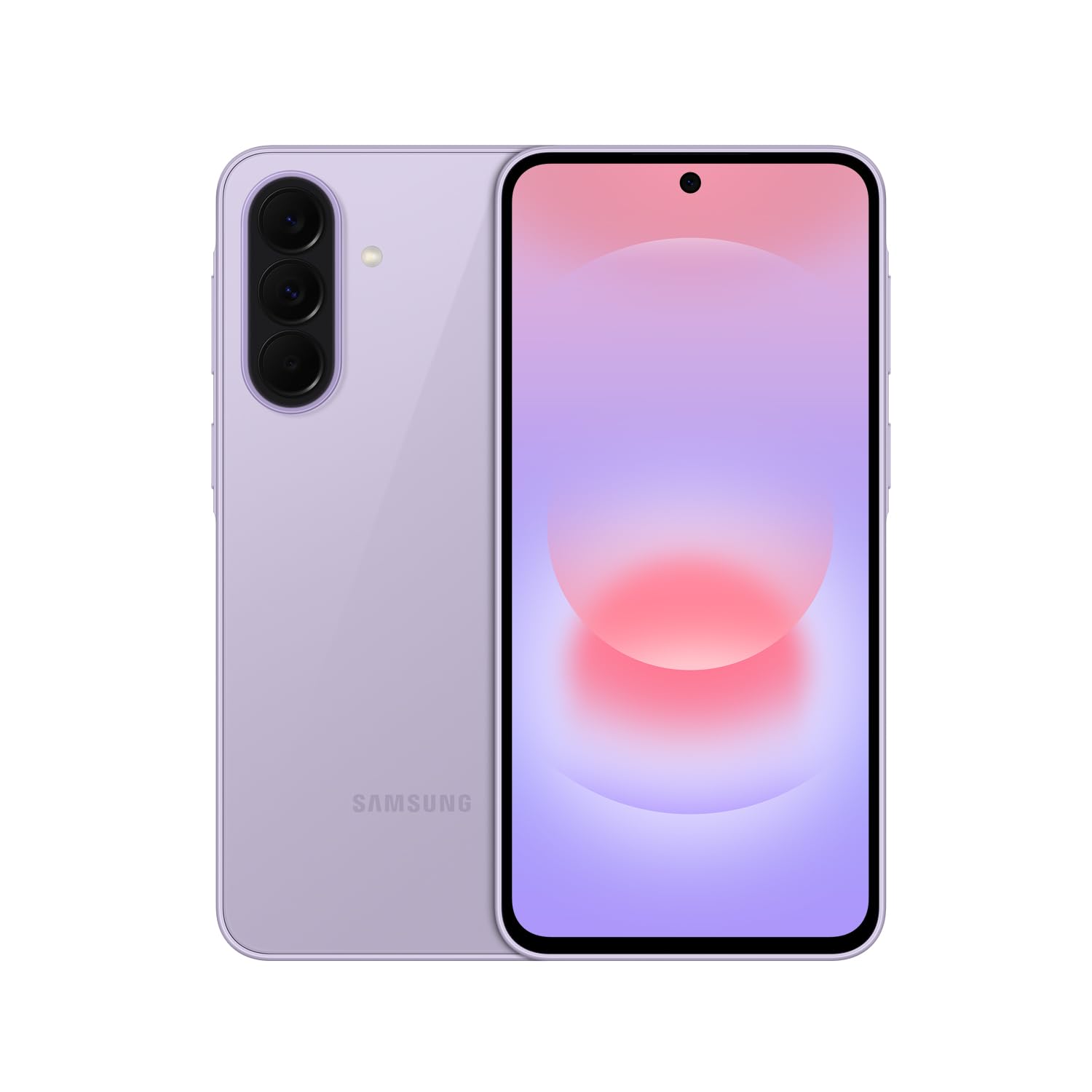
Samsung’s Galaxy A37 5G brings Nightography to the mid-range segment, automatically optimizing exposure and noise reduction for low-light scenes without requiring manual intervention. The 50MP HDR main camera captures excellent detail in challenging lighting, while the triple-lens system adds useful versatility for portraits and close-ups. The 6.7-inch Super AMOLED display with 120Hz refresh rate is gorgeous for reviewing photos.
Durability is a strong suit here — the IP68 rating means this phone can survive splashes, rain, and even submersion, making it a reliable companion for outdoor photography. The Exynos 1480 chipset provides smooth performance for processing multi-frame HDR shots, and Samsung’s commitment to six OS upgrades and six years of security updates is outstanding for long-term value.
The 5000mAh battery with Super Fast Charging 2.0 keeps the phone running for long days of shooting, and the inclusion of expandable storage via microSD is a welcome bonus for media-intensive users. The main camera lacks OIS, which means night shots can blur with unsteady hands, but the software does an excellent job compensating in most scenarios.
Why it’s great
- Nightography automatically optimizes low-light photo quality.
- IP68 water and dust resistance for rugged outdoor use.
- Six years of OS and security updates guaranteed.
Good to know
- Main camera lacks optical image stabilization (OIS).
- Processing power is modest compared to Dimensity or Tensor chips.
- Super AMOLED display has a standard 60Hz refresh rate option in power-saving mode.
6. BLU Bold N4 5G
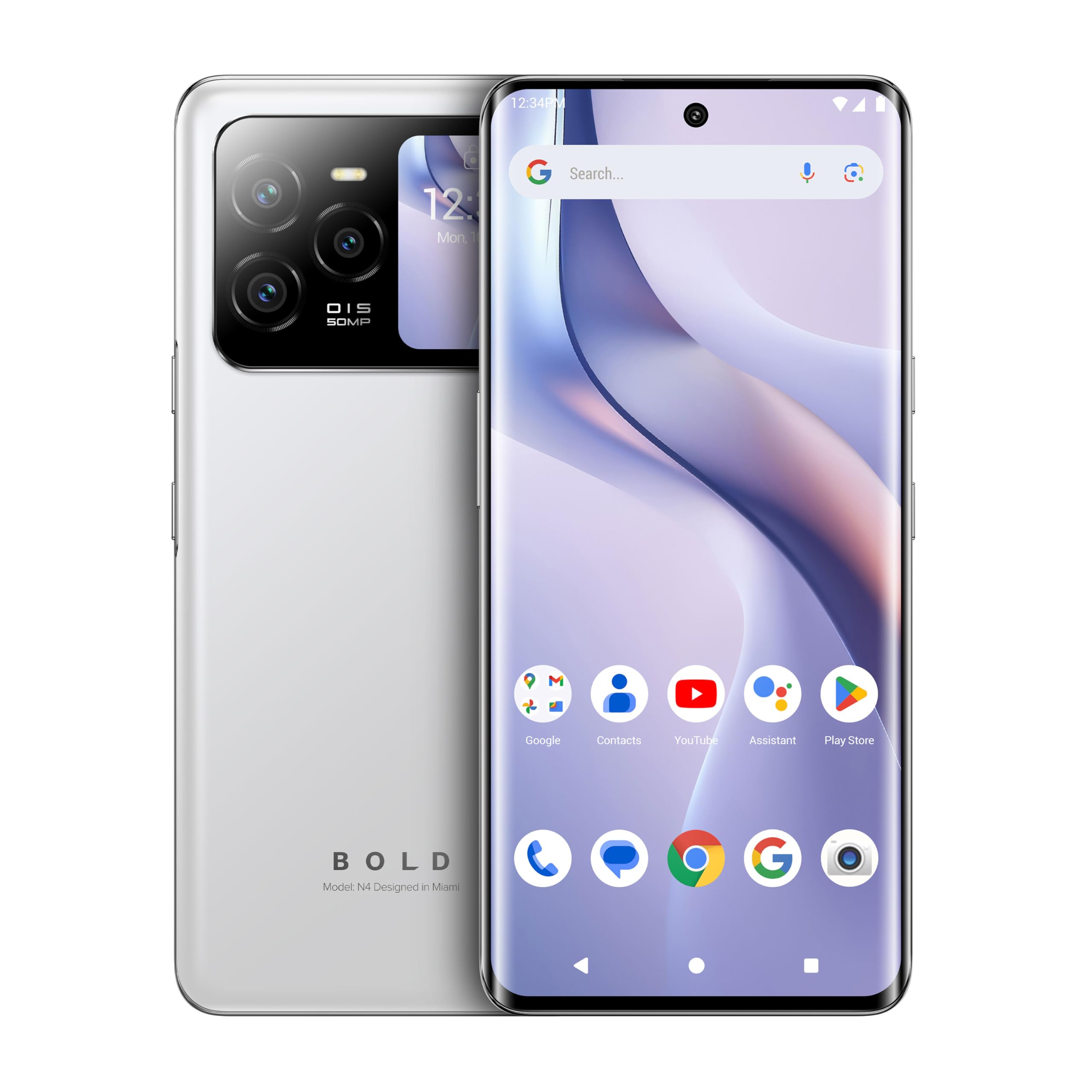
The BLU Bold N4 5G delivers a near-flagship experience for a price that undercuts most competitors, starting with its massive 512GB of internal storage. The 50MP main camera produces sharp, vibrant images with good dynamic range, and the 16MP front-facing camera is excellent for selfies and video calls. 4K video recording is supported, and the included 66W fast charger can fill the 5000mAh battery in roughly 20 minutes.
The 6.78-inch curved AMOLED display is bright and immersive, and the secondary 1.74-inch rear display offers quick access to selfies, notifications, and music controls — a unique feature at this price tier. The phone runs Android 15 with some customization, and the inclusion of NFC for tap-to-pay adds modern convenience.
There are notable caveats: the phone is GSM-unlocked only, meaning it works well with T-Mobile but is not compatible with AT&T, Cricket, or any CDMA carrier like Verizon. The camera quality, while good, shows some color oversaturation compared to the more refined processing of Pixel and Samsung phones. The curved display edges can cause accidental touches, and the lack of microSD expansion means you’re committed to the built-in 512GB.
Why it’s great
- Massive 512GB internal storage is ideal for photo and video hoarders.
- 66W fast charging reaches 100% in approximately 20 minutes.
- Unique rear display for quick selfies and notifications.
Good to know
- GSM only — not compatible with AT&T, Cricket, or Verizon.
- Camera processing can oversaturate colors slightly.
- Curved display edges may cause accidental input.
7. Samsung Galaxy A26 5G

The Samsung Galaxy A26 5G is a well-rounded entry-level phone that punches above its weight with a 50MP f/1.8 main camera capable of recording 4K video at 30fps. The 6.7-inch Super AMOLED FHD+ display with 120Hz refresh rate provides a smooth, vibrant canvas for composing shots and reviewing footage, and the 5000mAh battery ensures long shooting sessions without constant charging.
The camera setup includes an 8MP ultrawide and a 2MP macro lens, offering decent versatility for the price. Samsung’s One UI 7 is clean and user-friendly, and the promise of up to six major Android upgrades is excellent for long-term value. The Exynos 1280 chipset handles basic photo processing well, though it shows its limits with heavy multitasking or demanding gaming.
The international model works best on T-Mobile and its MVNOs but may have compatibility issues with AT&T and Verizon, as some carriers may not recognize the IMEI. The included 25W fast charger is a generic accessory, not a Samsung-branded unit. For a truly entry-level price, the A26 delivers a solid, dependable camera experience that outperforms many similarly priced competitors.
Why it’s great
- 50MP f/1.8 main camera captures bright, detailed photos.
- 6.7-inch 120Hz Super AMOLED display is excellent for the price.
- Six major Android upgrades ensure long-term software support.
Good to know
- Carrier compatibility varies — best on T-Mobile networks.
- Included charger is a generic accessory, not Samsung OEM.
- Exynos 1280 chipset can struggle with intensive tasks.
8. Minolta MN40Z

The Minolta MN40Z takes a different approach — it’s a dedicated 20MP digital bridge camera rather than a smartphone, but it fills a unique niche for photography enthusiasts on a strict budget. Its standout feature is the 40x optical zoom, which provides genuine long-reach capability that no budget smartphone can match. The 3.0-inch LCD display and intuitive controls make it accessible for beginners.
Wi-Fi connectivity allows instant photo and video transfer to a smartphone for social media sharing, and the remote control shooting feature is handy for group shots. The 1080p Full HD video at 30fps is decent for casual recording. The camera supports JPEG and RAW formats, giving users flexibility for post-processing, and the self-timer with face, smile, and blink detection adds automation for portraits.
The trade-offs are significant: image quality is good in daylight but suffers in low light due to the smaller sensor, and the autofocus can be slow compared to modern phone cameras. The use of AA batteries (not rechargeable) may frustrate some users. For those who need genuine optical zoom power and want a standalone camera, the MN40Z is a compelling budget choice.
Why it’s great
- 40x optical zoom provides reach far beyond any smartphone.
- Wi-Fi and remote control for easy sharing and group shots.
- RAw file support allows for advanced post-processing.
Good to know
- Image quality degrades in low-light conditions.
- Autofocus can be slow, especially at high zoom.
- Uses AA batteries — not built-in rechargeable.
9. MMY Rugged Armor 16PROMA X
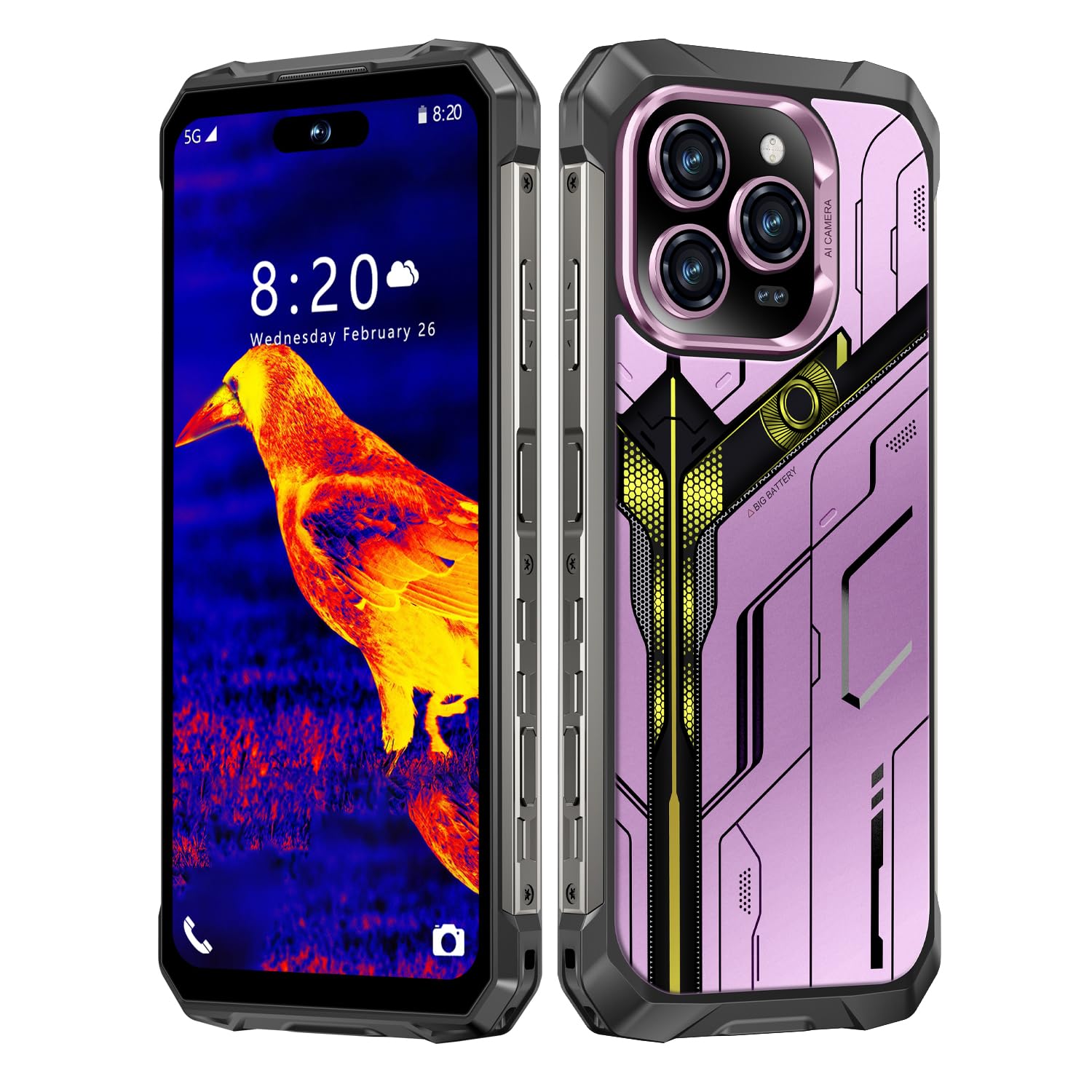
The MMY Rugged Armor 16PROMA X is an unconventional choice designed for users who need a tough, durable phone with decent camera capabilities. It boasts a 108MP main camera and a 68MP front-facing camera, numbers that look impressive on paper. The phone supports underwater photography and night vision photography, making it a unique proposition for outdoor and industrial environments.
The 22000mAh battery is absolutely massive, offering days of use on a single charge, and the IP68 waterproof rating combined with high-altitude drop resistance means it can survive conditions that would destroy typical smartphones. The 6.99-inch HD+ display with 1440×3040 resolution is large and practical for reviewing photos, and the inclusion of NFC and infrared adds versatility.
That said, the camera performance does not match the sensor resolution — image quality is heavily dependent on processing software, which lags behind major brands. The Snapdragon 8s Gen4 chipset claim and 32GB+1TB memory configuration should be taken with caution as the device appears to be a lesser-known OEM model. It is best suited for users whose primary need is durability rather than photographic excellence.
Why it’s great
- Massive 22000mAh battery lasts multiple days on a single charge.
- IP68 waterproof and drop-resistant for extreme environments.
- Underwater and night vision photography modes are genuinely unique.
Good to know
- Camera processing software lags behind major brands significantly.
- Specifications may not match well-known brand expectations.
- Heavy and bulky — not suitable for everyday carry.
FAQ
Why does my 108MP phone take worse photos than a 50MP phone?
Is optical image stabilization necessary for a budget camera phone?
How important is the chipset for camera quality on a budget phone?
Final Thoughts: The Verdict
For most users, the camera in a budget smartphone winner is the XIAOMI Redmi Note 15 Pro 5G because its 200MP OIS sensor on a large 1/1.4-inch substrate delivers flagship-level detail and low-light performance at a mid-range price. If you want the absolute best computational photography and long-term software support, grab the Google Pixel 10a. And for zoom capabilities that no other budget smartphone can match, nothing beats the Nothing Phone (3a) Pro.