
A backpacking beanie isn’t just a hat—it’s a critical piece of your sleep system and a vital tool for managing body temperature on the trail. The wrong one leaves you shivering at camp or soaked in sweat during a climb, adding misery and weight to your pack.
I’m Min — the co-founder and writer behind Gadgets Feed. I’ve spent countless hours researching the thermal properties, packability, and real-world performance of merino wool and synthetic blends to separate the true backpacking gear from the fashion accessories.
This guide focuses exclusively on beanies that earn their place in your pack through warmth-to-weight ratio, moisture management, and odor resistance. I’ve analyzed the specs and real user feedback to find the absolute best backpacking beanie for every type of trip.
How To Choose The Best Backpacking Beanie
Selecting the right beanie for backpacking is about balancing warmth, weight, packability, and moisture management. A beanie that works on a casual walk to the bus stop might leave you cold and wet on a multi-day trek. Here’s what matters.
Fabric and Micron Count
Merino wool is the gold standard for backpacking because it insulates even when damp and resists odor naturally. The key spec is the fiber diameter, measured in microns. Look for 17.5 to 19.5 micron merino—anything coarser (over 24 microns) can feel itchy against your forehead. Blends with nylon or polyester add durability without sacrificing too much breathability.
Weight and Packability
Every gram counts in your pack. A true backpacking beanie should weigh under 80 grams and compress to the size of a tennis ball or smaller. Double-layer construction adds warmth but adds bulk, while single-layer beanies are lighter and dry faster. The ideal beanie disappears into a jacket pocket until you need it at camp.
Fit and Coverage
A beanie that slips off during sleep or bunches under a hood is worse than useless. Look for a snug ribbed knit that stays put without being tight enough to cause a headache. Full ear coverage is essential for sleep warmth. Some backpackers prefer a cuffless skull cap that fits seamlessly under a helmet or hood.
Quick Comparison
On smaller screens, swipe sideways to see the full table.
| Model | Category | Best For | Key Spec | Amazon |
|---|---|---|---|---|
| Minus33 Midweight Cuff Beanie | Merino Wool | Standalone winter warmth | 100% Merino, double-layer, UPF 50+ | Amazon |
| MERIWOOL Beanie | Merino Blend | Best value merino warmth | 50/50 Merino-acrylic blend, UPF 30+ | Amazon |
| Wigwam Thermax Cap II | Synthetic | Windproof inner layer | 100% Thermolite polyester, hollow-core fiber | Amazon |
| First Lite Tag Cuff Beanie | Merino Wool | Backcountry hunting & cold weather | 100% Merino, heavy wool construction | Amazon |
| SmartWool The Lid | Merino Blend | Low-profile, lightweight warmth | 55/45 Merino-polyester blend, jersey knit | Amazon |
| Merino Wool Beanie + Socks Set | Merino Wool | Ultralight, packable multi-use | 17.5 micron superfine merino, double-layer | Amazon |
| Turtle Fur Brain Shroud | Synthetic | Helmet liner & high-exertion use | Moisture-wicking nylon, 1.6 oz weight | Amazon |
In‑Depth Reviews
1. Minus33 Midweight Everyday Knit Cuff Beanie

This 100% merino wool beanie from Minus33 hits the sweet spot between warmth and versatility. The midweight double-layer construction provides substantial insulation for winter backpacking, while the 100% merino composition keeps you warm even when damp—a critical advantage over cotton or acrylic options that lose all thermal properties when wet. The knit allows enough breathability to prevent overheating during uphill sections.
Backpackers will appreciate the flat-lock seams that eliminate pressure points under a hood or helmet, and the tear-away care label is a small but thoughtful touch for ultralight enthusiasts. The cuff can be worn folded for a traditional look or unfolded for extra ear coverage at camp. Reviewers note it molds to the head shape after a brief break-in period, improving the fit over time.
The trade-off is that this is a midweight beanie, not a sub-zero specialist. It excels in the 15°F to 35°F range common to three-season backpacking but will need layering under a hood for extreme cold. The price reflects the premium 100% merino construction, but the durability of the knit warrants the investment for regular use.
Why it’s great
- 100% merino wool insulates when wet
- Double-layer midweight design balances warmth and breathability
- Flat-lock seams for helmet and hood compatibility
Good to know
- Midweight construction adds more pack bulk than ultralight beanies
- Requires a brief break-in period to reach perfect fit
2. MERIWOOL Beanie for Men and Women
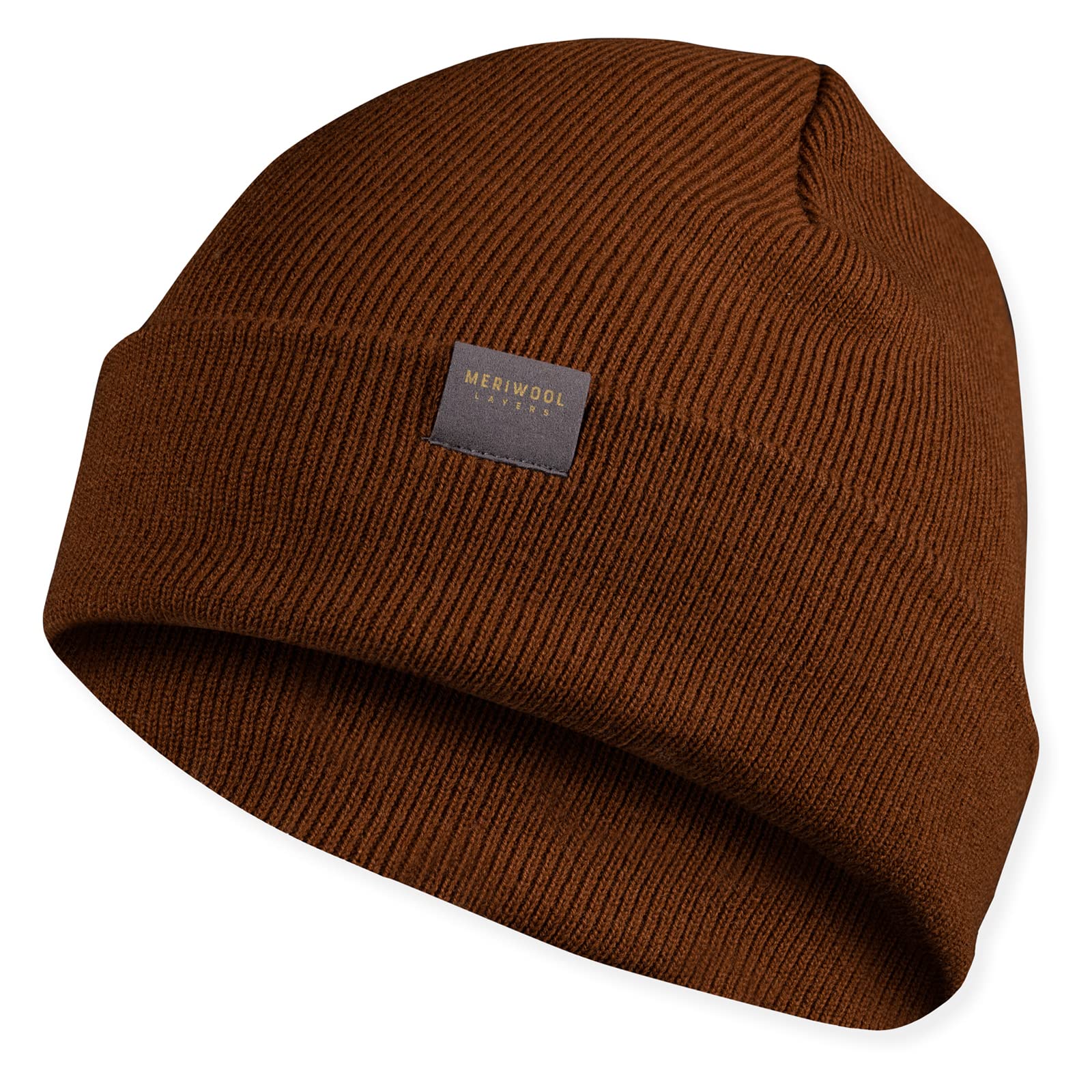
This MERIWOOL beanie proves you don’t need to spend premium money for genuine merino performance. The 50/50 merino wool and acrylic blend delivers the odor resistance and moisture-wicking properties of wool while the acrylic adds structure and stretch retention that pure merino sometimes lacks after repeated pack cycles. The ribbed cuff design fits heads up to 7-5/8 comfortably, according to reviews, and the fabric softens with each wash.
The UPF 30+ sun protection is a useful bonus for high-altitude hiking where UV exposure is intense, and the static-resistant merino fibers prevent the annoying cling that synthetic beanies produce. Reviewers specifically praise the non-itchy feel, with many calling it the most comfortable beanie they’ve worn. The multiple color options let you choose dark tones for camo hunting or bright hues for trail visibility.
The biggest drawback is that the 50% acrylic content means this beanie doesn’t insulate quite as well as 100% merino when soaking wet. It’s also a standard-weight beanie—not ultralight enough for serious gram-counters but perfectly acceptable for the average backpacker. The fold-back cuff can be too tall on smaller heads, requiring a double fold.
Why it’s great
- Excellent value for a merino blend with solid odor resistance
- UPF 30+ rating for high-altitude sun protection
- Stretchy blend fits larger head sizes without pressure
Good to know
- Acrylic blend reduces insulation performance when wet
- Tall cuff may require double fold on smaller heads
3. Merino Wool Beanie + Hiking Socks Set
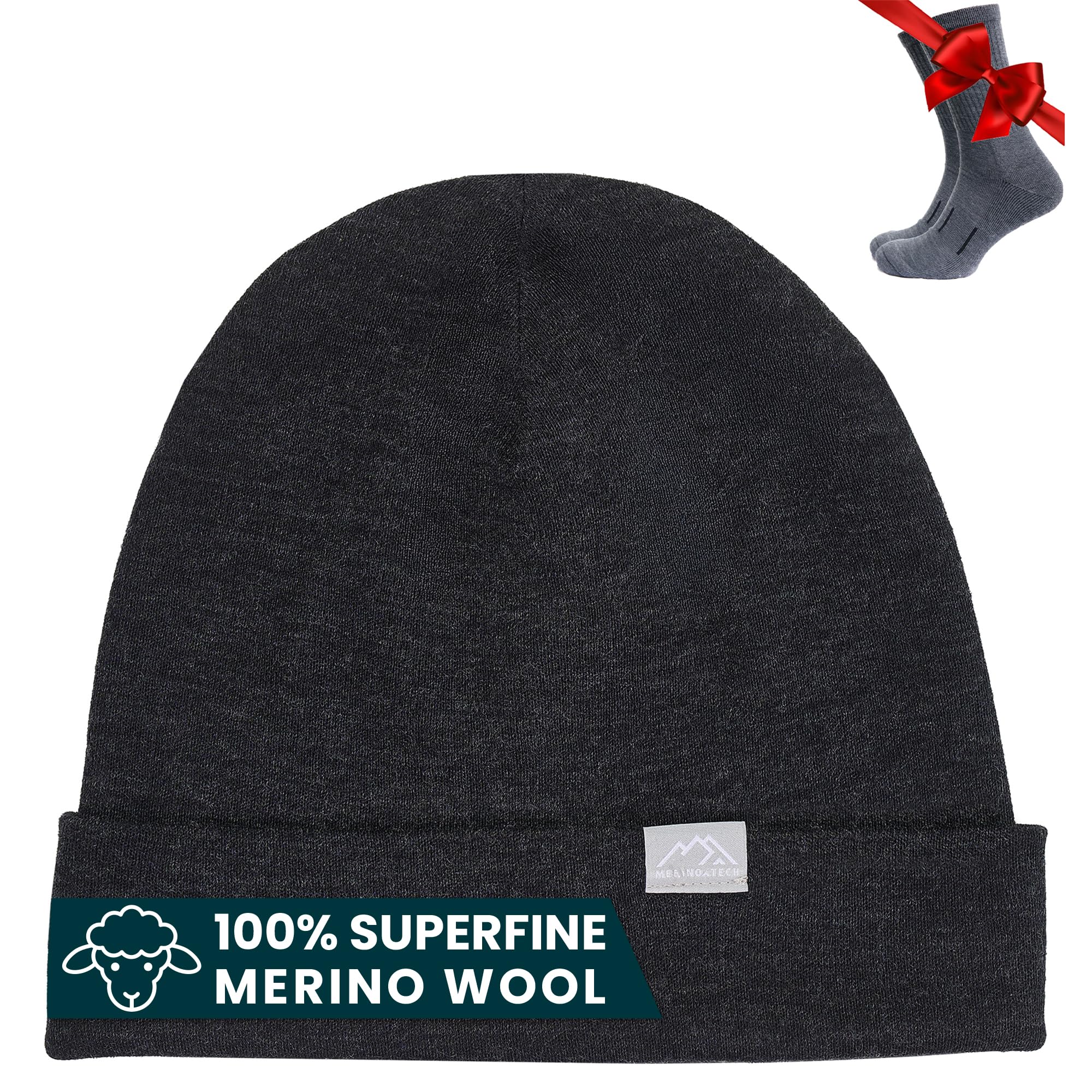
This beanie and hiking socks combo from a specialized merino brand targets the ultralight backpacker who values packability above all else. The 17.5 micron superfine merino wool is finer than human hair, eliminating the itch factor entirely at the cost of reduced long-term durability compared to coarser fibers. The beanie itself is a thin double-layer that compresses to the size of an energy bar and weighs virtually nothing in your pack.
The OEKO-TEX Standard 100 certification and Responsible Wool Standard (RWS) sourcing from New Zealand farms provide peace of mind for eco-conscious hikers. The matching hiking socks are a genuine bonus—made from the same superfine merino, they extend the value proposition considerably. Reviewers consistently note the beanie stores easily in a chest pocket and maintains perfect head temperature across varying exertion levels.
The thin construction is the defining limitation. This beanie works best as a liner under a hood or for mild to moderate cold down to about 20°F. In sustained sub-freezing conditions or for sleeping in a cold tent, you’ll want a thicker beanie. The superfine merino also requires careful washing—tumble drying will permanently damage the fibers.
Why it’s great
- 17.5 micron superfine merino is completely itch-free
- Incredibly packable—compresses to palm size
- Includes quality hiking socks for expanded value
Good to know
- Too thin for extreme cold without a hood layer
- Delicate fibers require cold wash and air dry only
4. First Lite Tag Cuff Merino Wool Beanie

First Lite built this beanie for the backcountry hunter, which means it prioritizes silence, warmth, and durability over ultralight weight. The pure merino construction is a heavy-weight fabric that blocks wind far better than most knit beanies, making it a legitimate cold-weather stand-alone piece for stationary use at glassing spots or in a tree stand. Reviews from Alaska consistently confirm it performs in harsh climates.
The tight weave and heavy wool content create excellent wind resistance while remaining breathable enough for active approaches. The stretch fit is intentionally snug—reviewers note it stays put even while sleeping, a critical feature for winter camp comfort. The camo patterns are subdued and effective for hunting, though First Lite also offers solid colors for general backpacking.
The heavy wool construction means this is not a lightweight, packable beanie. It’s also expensive relative to other merino beanies, justified by the specialized hunting-grade build. During high-exertion hiking, the warmth can become excessive, requiring you to remove it and stash it.
Why it’s great
- Heavy-weight merino provides excellent wind blocking
- Snug fit stays in place during sleep and activity
- Proven performance in extreme Alaskan conditions
Good to know
- Heavy construction is bulky for ultralight packing
- Overheating risk during high-exertion hiking
5. SmartWool The Lid
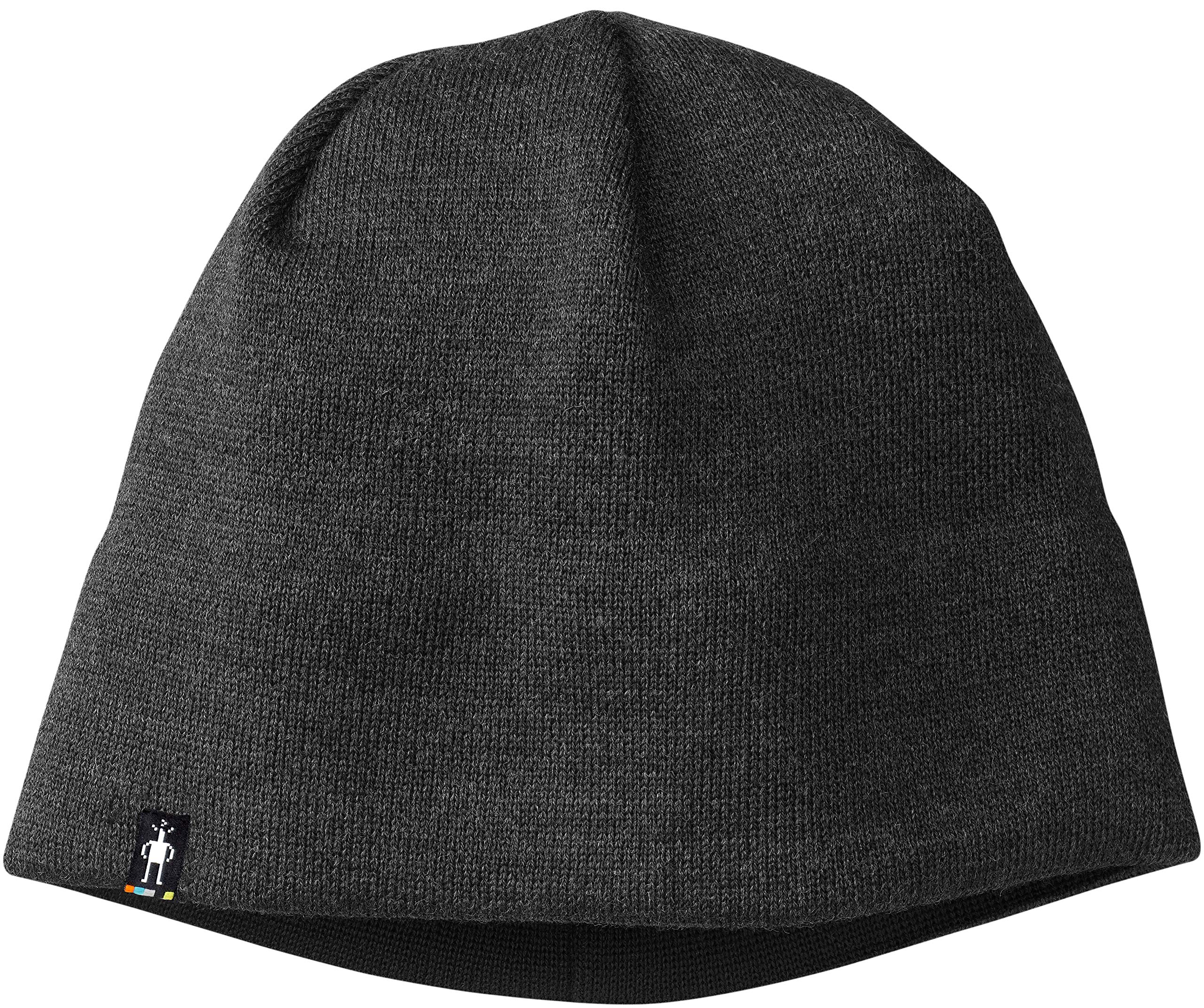
SmartWool’s “The Lid” is a refined expression of the classic beanie: a single-layer jersey knit that prioritizes a low-profile fit and modern aesthetic. The 55/45 merino wool and recycled polyester blend is a deliberate choice here—the merino provides the moisture management and odor resistance backpackers rely on, while the polyester lends durability and shape retention to a construction that would otherwise stretch out over time.
The interior headband liner is a subtle but important feature, wicking sweat away from the brow during active use. The cuffless design fits snugly under a climbing helmet or hood without the bulk of a folded cuff. At just over 80 grams, it’s lightweight enough for any pack. The charcoal heathered color in the data is a trail classic, but multiple color options are available.
The single-layer construction inherently provides less insulation than a double-layer beanie. This is ideal for three-season use and mild winter conditions but won’t cut it for deep winter camping or sleeping in sub-20°F temperatures. Some wearers with larger heads find the fit too snug, particularly around the crown. The low stretch fabric doesn’t accommodate as much variability in head shapes.
Why it’s great
- Low-profile jersey knit fits seamlessly under a helmet
- Interior headband improves sweat management
- Recycled polyester adds durability to merino fibers
Good to know
- Single-layer construction is not for deep winter cold
- Limited stretch may not suit larger head sizes
6. Turtle Fur Brain Shroud Low Profile Skull Cap
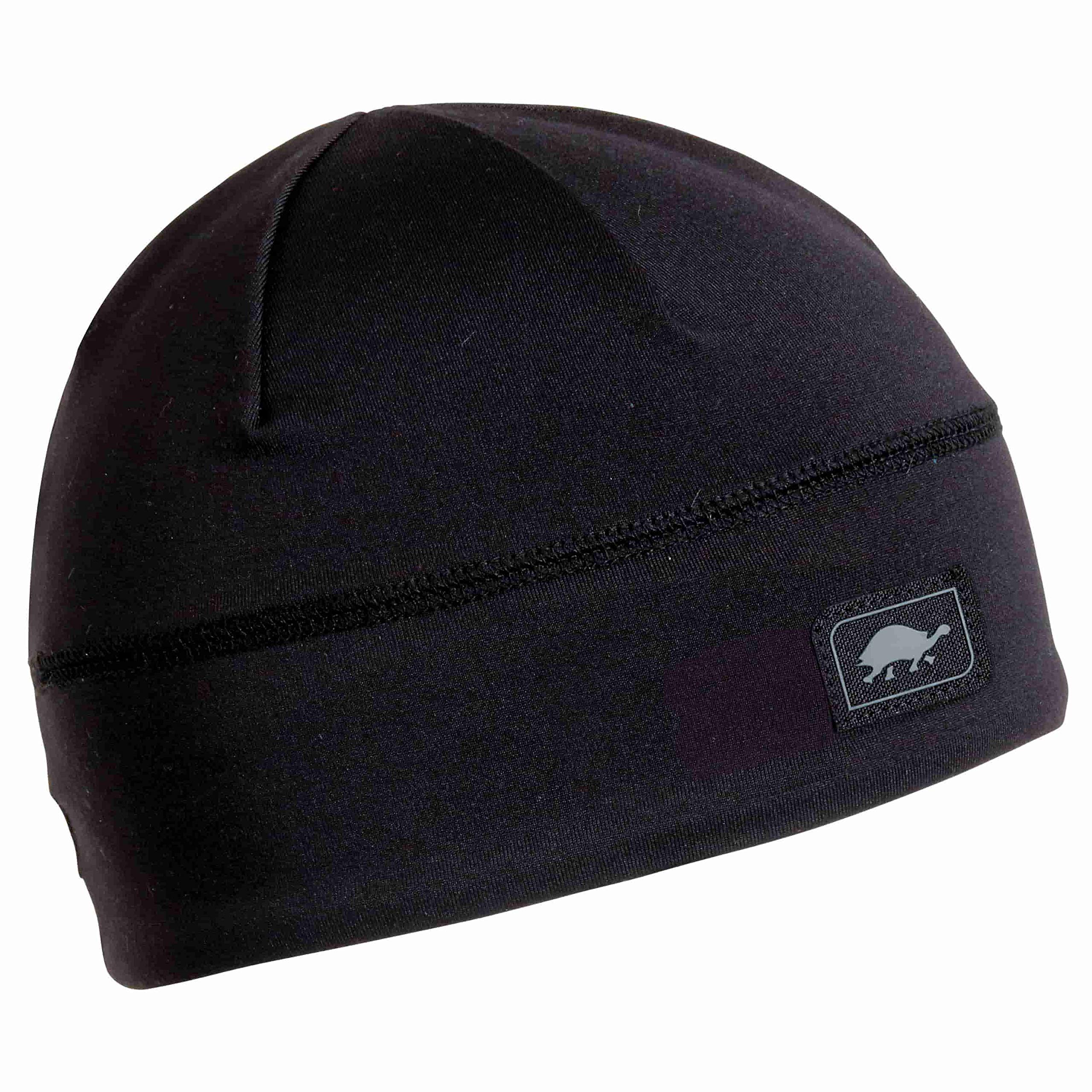
The Turtle Fur Brain Shroud is a specific tool for a specific job: it’s the best beanie on this list for high-exertion activity under a helmet. Weighing only 1.6 ounces, this skull cap uses a moisture-wicking nylon fleece construction that pulls sweat away from the scalp during running, skiing, or climbing. The low profile design adds minimal bulk under a helmet, eliminating the uncomfortable pressure points that folded cuffs create.
Reviewers consistently praise its breathability during winter running, noting it provides enough warmth to take the edge off without causing overheating. The form-fitting elastic stays put during active movement, and the ear coverage is adequate for protection in motion. The XL size option genuinely has more height for longer hair, not just a wider circumference.
This is not a standalone winter beanie for cold camp lounging. The thin fleece does provide surprising warmth when worn alone in mild conditions, but in sustained cold below 30°F, it functions best as a base layer under a thicker hat or hood. The stretch material can loosen with regular use, and after months of daily wear, the elastic may not return to its original shape.
Why it’s great
- Extremely thin and light at 1.6 ounces
- Superior moisture wicking for high-exertion use
- Fits seamlessly under any helmet without pressure points
Good to know
- Too thin for standalone use in cold weather
- Elastic material may stretch out with heavy daily use
7. Wigwam Thermax Cap II
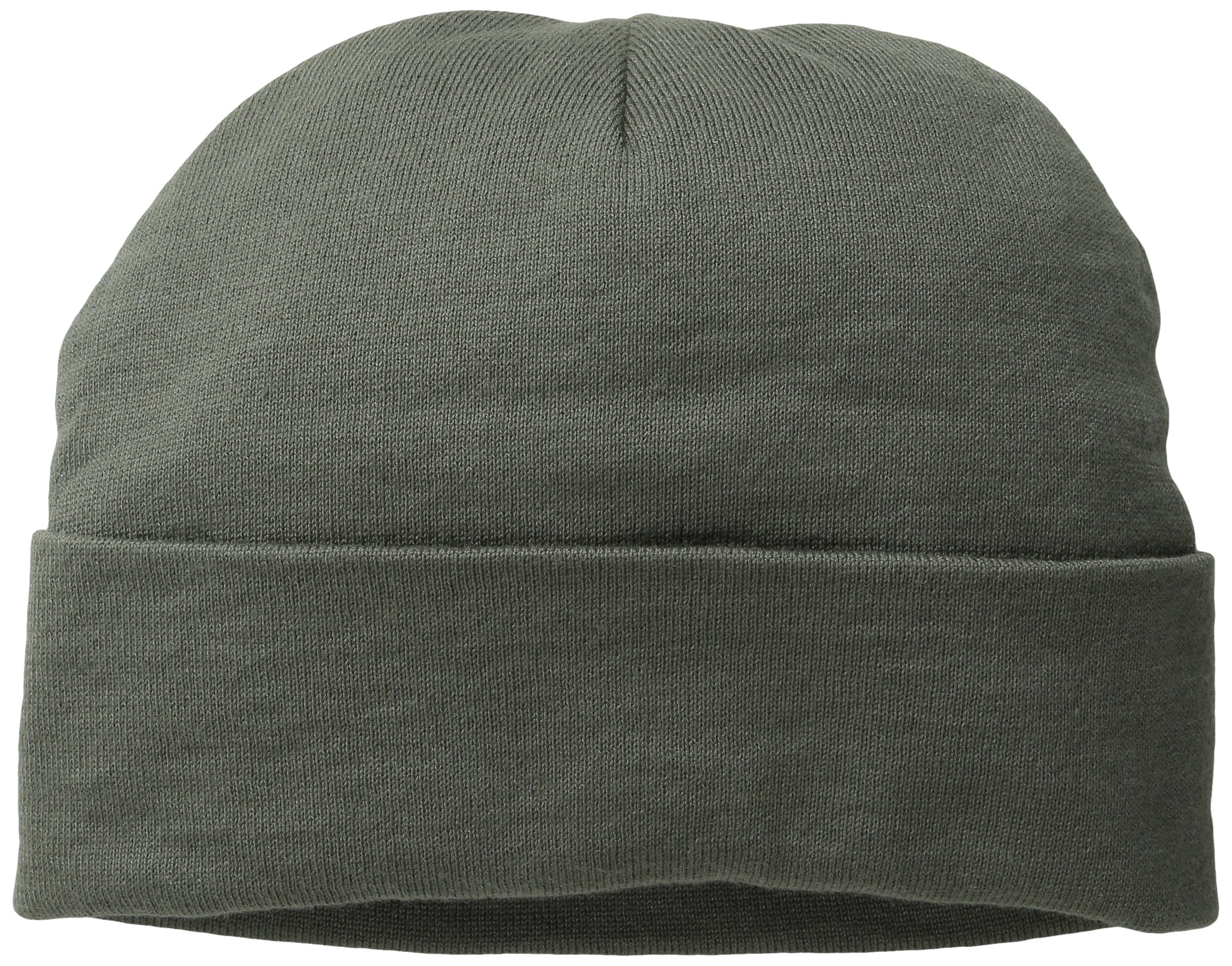
The Wigwam Thermax Cap II is the synthetic alternative for backpackers who need windproof performance and fast drying above all else. The 100% Thermolite polyester construction uses a hollow-core fiber that traps heat while moving moisture away from the skin. The tight acrylic-like knit is so dense it provides genuine wind resistance, a quality that makes it immediately perceptible when you step into a gust on an exposed ridgeline.
Reviewers with flightline and military experience specifically recommend this beanie for long hours in cold wind, noting it’s often sold out at base exchanges. The thin profile folds flat to about two inches thick and fits in any cargo pocket. The machine-washable synthetic material dries in a fraction of the time merino requires, making it a low-maintenance option for long trips. The 2-year Wigwam guarantee, backed by over 110 years of US manufacturing, adds peace of mind.
The primary downside is that synthetic fabric will develop odors after extended wear—there’s no natural odor resistance like merino. The warmth, while solid for its weight, doesn’t match the insulating capacity of a thick merino beanie in truly cold conditions. Some users find the fit too long, covering the eyes if not folded back, and the single-size fit can be tight on larger heads.
Why it’s great
- Windproof tight knit outperforms most wool beanies in exposed conditions
- Dries quickly and is fully machine-washable
- Thin and packable—folds flat to pocket size
Good to know
- No natural odor resistance like merino wool
- Fit can be too long or too snug for some head shapes
FAQ
What is the best micron count for an itch-free merino beanie?
Can I wear a 100% merino beanie for high-exertion winter hiking?
How do I wash a backpacking beanie to make it last?
Final Thoughts: The Verdict
For most backpackers, the backpacking beanie winner is the Minus33 Midweight Everyday Knit Cuff Beanie because its 100% merino wool construction delivers a perfect blend of warmth, moisture management, and packability for three-season use. If you want a windproof synthetic option that dries in minutes, grab the Wigwam Thermax Cap II. And for ultralight packability and an included pair of socks, nothing beats the Merino Wool Beanie + Hiking Socks Set.