
Doubles badminton is less about raw power and more about reflex speed, net control, and quick recovery. Every rally is a sprint of precise drives, deceptive drops, and sudden flat exchanges — your racquet needs to be an extension of your hand, not a dead weight slowing you down.
I’m Min — the co-founder and writer behind Gadgets Feed. I’ve spent hundreds of hours cross-referencing shaft stiffness, balance points, weight distributions, and frame geometries to isolate exactly which models give you the competitive edge in fast-paced doubles play.
After poring over real-world feedback and spec sheets, I’ve pinned down the models that genuinely deliver faster swing speeds and tighter net control. This guide straightens out the noise and surfaces the best badminton racquet for doubles that actually fits your game.
How To Choose The Best Badminton Racquet For Doubles
Doubles is a game of angles and interception. A racquet built for singles can feel sluggish when you’re facing flat drives and rapid net exchanges. The wrong balance or flex will punish your reflexes. Here are the three specs that define a doubles-ready frame.
Balance Point: Head-Light vs Head-Heavy
A head-light racquet (280–290 mm) lets you whip through defensive blocks and redirect smashes with minimal delay. Head-heavy frames load power into clears and smashes, but they lag on the backhand lift and cross-court net kill. For doubles, a head-light or even-balance frame gives you the snap recovery you need between shots.
Weight Class: 4U vs 5U vs 6U
The U-rating matters intensely in doubles. 4U (80–84 g unstrung) offers a solid mix of mass for drive penetration and maneuverability. 5U (75–79 g) favors speed and quick rotation — ideal if you play front court. 6U (under 75 g) suits players who prioritize lightning-fast flat exchanges but sacrifices some smash weight. Stay in 4U or 5U for doubles unless you are exclusively a finesse player.
Shaft Flex: Stiff vs Medium
Stiff shafts transfer energy faster, giving you snappier drives and clears with less swing effort. Medium flex stores energy and releases it later, which helps with clearing the baseline but can feel slower on fast intercepts. For doubles, go stiffer — you need instant feedback and quick racquet head acceleration through short backswings.
Quick Comparison
On smaller screens, swipe sideways to see the full table.
| Model | Category | Best For | Key Spec | Amazon |
|---|---|---|---|---|
| Li-Ning Wind Lite 900 II | Head-Heavy | Power smashes with control | 79 g / Head-Heavy | Amazon |
| YODIMAN 50T Graphite | Head-Heavy | Advanced tournament play | 75–79 g / 50T shaft | Amazon |
| Yonex Astrox 88 Play | Head-Heavy | Aggressive attackers | 4U / Stiff flex | Amazon |
| Li-Ning Ignite 7 | Speed | Fast drives and defense | 77 g / Ultralite frame | Amazon |
| Yonex Nanoflare 1000 Play | Head-Light | Speed and mid-level doubles | 4U 5G / Medium Stiff | Amazon |
| Yonex ArcSaber 11 Play | Even-Balance | Control-focused doubles | 4UG5 / 250 g | Amazon |
| LI-NING G-Force 5900 | Budget | Entry-level doubles play | 79 g / 30 LBS max | Amazon |
In‑Depth Reviews
1. Li-Ning Wind Lite 900 II Carbon Graphite

The Wind Lite 900 II punches above its weight class for doubles players who want smash power without switching to a sluggish 3U frame. Its head-heavy balance at 79 grams generates impressive momentum on overhead clears and jump smashes, while the Superlight technology keeps the swing snappy enough for fast net rotation.
The Nano power frame expands the sweet spot noticeably — mis-hits near the frame edge still produce clean drives and drops. The compressed groove shaft reduces drag during flat exchanges, so you can maintain pressure from the mid-court without losing racquet head speed.
Pre-strung tension feels playable out of the box, but serious doubles players should consider a restring to match their preferred pounds. The full cover is a nice inclusion, and the white/black finish stays looking sharp after repeated court use.
Why it’s great
- Head-heavy power with 79 g maneuverability
- Nano frame enlarges the sweet spot for off-center hits
- Compressed groove reduces drag for faster drives
Good to know
- Factory string tension is moderate — a custom restring reveals its true potential
- Long-term shaft durability unproven over heavy use
2. YODIMAN Single Professional 50T Graphite
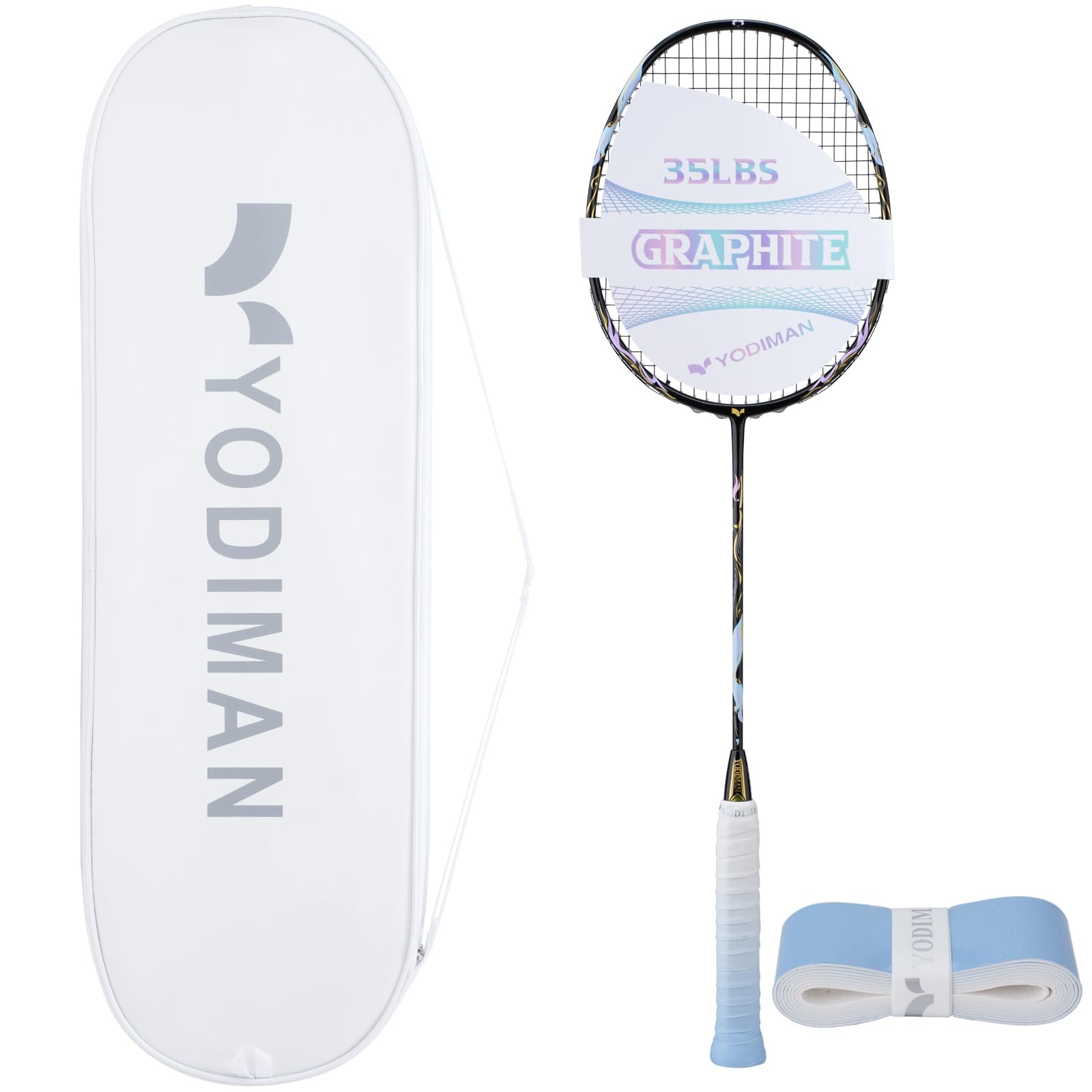
The YODIMAN is one of the few sub- frames that genuinely targets the advanced doubles player. The 50T high-rigidity graphite shaft delivers exceptional feedback on drives and flat flicks — you feel the shuttle compression on every clear. Hand-strung at 26 lbs with YDM-95 string, it arrives competition-ready and rated to handle up to 35 lbs for those who want higher tension.
At 75–79 grams with a head-heavy balance, this 5U frame offers the best of both worlds: a fast swing weight for front-court blocking and enough mass in the head to generate depth on backhand baseline clears. The aerodynamic frame cuts through air resistance noticeably, especially during quick one-two combinations at the net.
The beryl coral gradient finish is striking without being gaudy. A spare overgrip and a carry case are included. Some users reported the factory grip runs thin — layer the included overgrip if you prefer a thicker feel.
Why it’s great
- 50T graphite shaft for stiff, responsive drives
- Hand-strung at 26 lbs — ready for tournament play
- Ultra-light 5U frame with head-heavy power balance
Good to know
- Factory grip may be too thin for some — add the included overgrip
- Limited brand recognition compared to Yonex or Li-Ning
3. Yonex Astrox 88 Play 4U
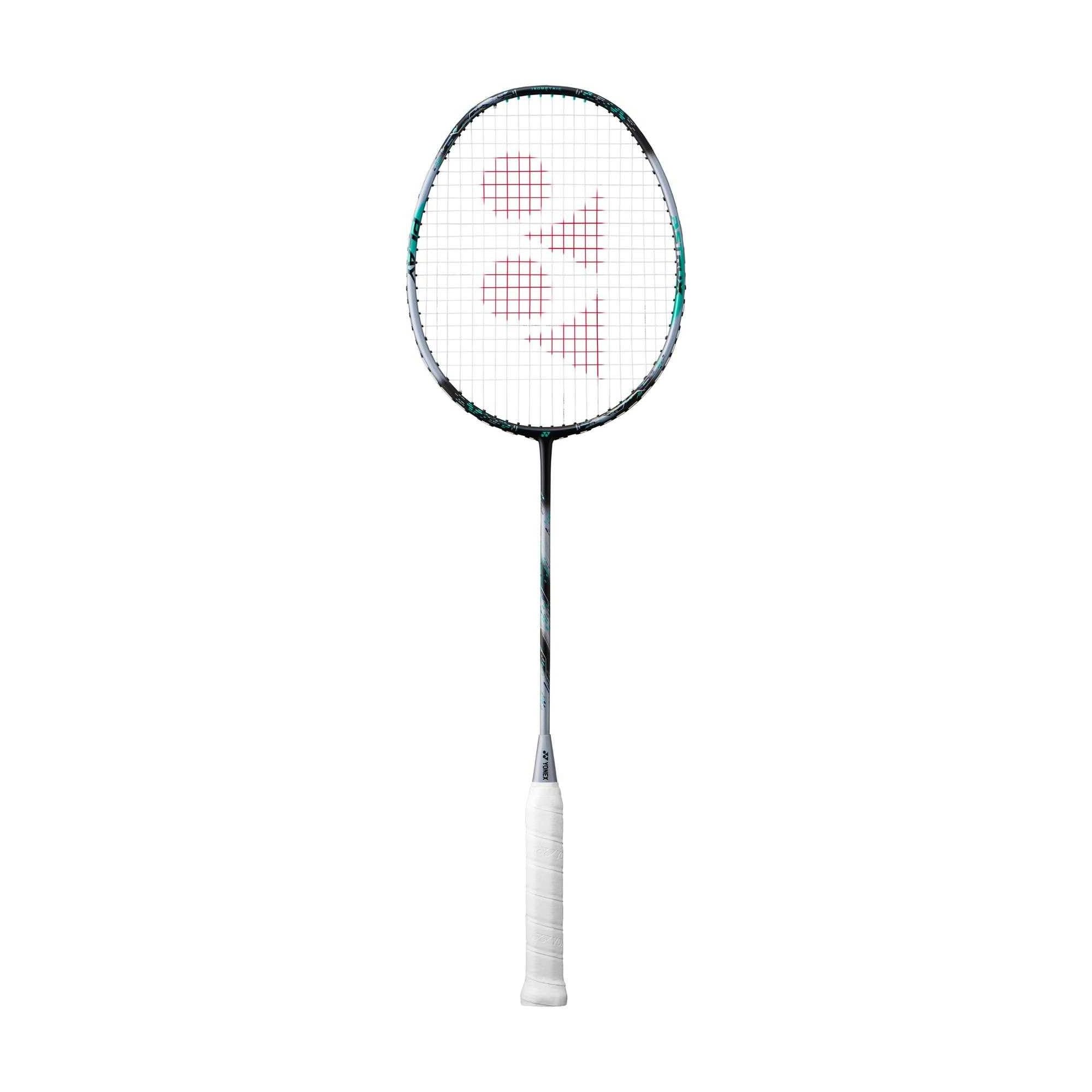
The Astrox 88 Play is the third-generation frame in Yonex’s attack-oriented Astrox line. The stiff flex combined with a head-heavy balance makes this a natural fit for aggressive back-court players who smash early and often. The 4U weight keeps it nimble enough to transition forward after a big hit, so you don’t get caught flat-footed on the follow-up.
Rotation mass is lower than the pro-tier Astrox but still substantial — you feel the weight behind your clears and smashes. The ISO frame shape provides a generous sweet spot that forgives slight timing errors on defensive lifts. The grey/black finish is understated but looks premium on court.
This is a frame built for players who already have a defined attacking style. If you are still developing your smash timing, the stiff flex may feel unforgiving at first. The factory string tension is moderate, so budget for a restring if you want to push higher tensions.
Why it’s great
- Stiff shaft and head-heavy balance for dominant smashes
- ISO frame enlarges sweet spot for cleaner clears
- 4U weight allows rapid front-court transition after smashes
Good to know
- Stiff flex requires good timing — not ideal for raw beginners
- Factory string tension is modest; plan to restring
4. Li-Ning Ignite 7 Speed Racket

The Ignite 7 is built for sheer speed. At 77 grams with an ultralite carbon graphite frame, it feels nearly weightless during rapid net exchanges and cross-court interceptions. The nano power shaft technology keeps the frame rigid despite the low weight, so you still get decent drive depth on flat pushes.
The dynamic optimum frame shape is the key differentiator here — it adjusts the sweet spot distribution based on your shot angle, giving you more forgiveness on defensive lifts and sharper response on attacking drops. This makes it an excellent choice for front-court players who rely on placement rather than raw power.
One downside: the S1 grip size is smaller than standard G4/G5 grips. Players with larger hands will want to add a replacement grip or use the included cover. The bag zipper on early batches has been reported as finicky, but the racquet itself performs reliably.
Why it’s great
- Ultralite 77 g swing for lightning-fast net plays
- Dynamic frame adjusts sweet spot for defensive versatility
- Nano shaft maintains stiffness at low weight
Good to know
- S1 grip size is narrower than standard — budget for a grip build-up
- Bag zipper can be sticky; inspect on arrival
5. Yonex Nanoflare 1000 Play 4U
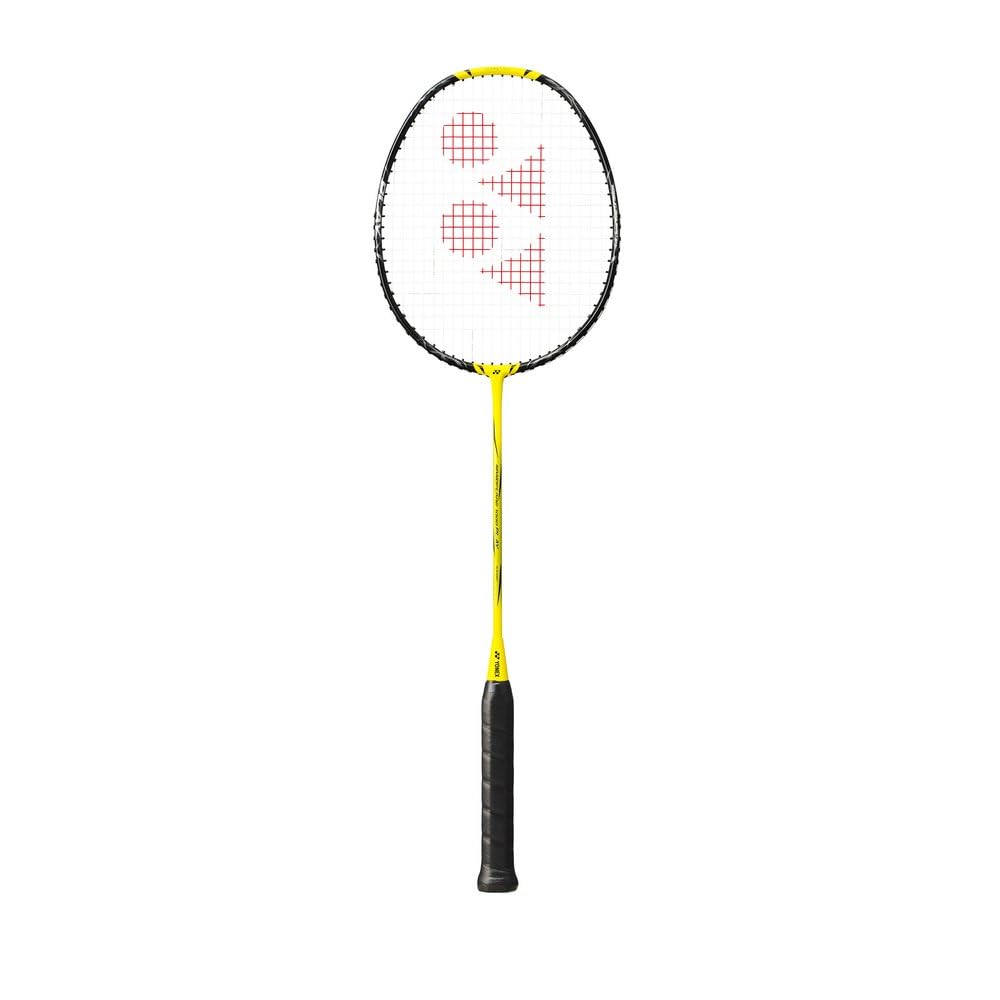
The Nanoflare 1000 Play brings the explosive Sonic Flare System into the mid-level bracket. Its head-light balance and medium stiff shaft make it a natural fit for doubles players who want instant racquet head speed on defense. The AERO frame and compact design reduce drag, helping you whip through cross-court backhand blocks that catch opponents off guard.
The EX-HMG material in the shaft provides sharper power delivery on drives — you can reliably punch shuttles to the back line with minimal effort. The ISOMETRIC head shape keeps the sweet spot consistent, which helps when you’re stretching for a late interception at the net.
It is worth noting that this is the Play series version, meaning it does not carry the higher-end materials found in the Tour or Pro variants. For club-level doubles and intermediate play, it offers outstanding speed and comfort. Advanced players may eventually desire the stiffer response of a full graphite model.
Why it’s great
- Head-light balance for lightning-fast defensive blocks
- AERO frame reduces air drag for faster swing speeds
- EX-HMG shaft delivers snappy drive power
Good to know
- Play series lacks premium materials of Tour/Pro tiers
- Medium stiffness may feel soft for aggressive attackers
6. Yonex ArcSaber 11 Play 4UG5

The ArcSaber 11 Play is a control-oriented frame that shines in doubles when precision matters more than raw pace. The even-balance distribution at 250 grams lets you switch between net kills and backhand lifts without adjusting your grip. It holds the shuttle on the strings slightly longer — noticeable on drop shots and net spins where feel is everything.
The graphite frame feels solid without being brittle. Despite being the Play version, reviews consistently note that it plays similarly to higher-end ArcSaber models. The G5 grip size (4 5/8 inches) is standard and comfortable for most adult hands. The grayish pearl finish has a subtle shimmer that looks clean under court lights.
It strung with moderate tension out of the box, which is fine for a beginner or intermediate who is still developing their feel. More advanced players will want to cut the factory string and re-string at a higher poundage. This racquet won’t overpower you, but it will make your placement sharper.
Why it’s great
- Even-balance design allows instant switching between offense and defense
- Slight shuttle hold improves drop shot and net spin control
- Plays close to pro-tier ArcSaber models
Good to know
- Factory string tension is moderate for higher-level play
- Not built for players who prioritize smash power over placement
7. LI-NING G-Force 5900 Superlite 5U

The G-Force 5900 is a defensive-first frame best suited for beginners entering doubles play. The 5U weight (79 grams) keeps it light for blocking smashes and initiating net rallies. The dynamic optimum frame shape provides a wider sweet spot than basic frames, so early mis-hits still travel reasonably well.
Rated for a maximum tension of 30 lbs, it offers room to grow as your power and technique improve. The carbon fiber construction feels solid at the price point, and it comes strung with a medium tension that works for casual club play. The full cover is a practical bonus for transport.
The main limitation is that this is a beginner-level frame. Intermediate players pushing for tight net play and high-speed clears will eventually find the shaft too soft and the frame lacking the response needed for advanced doubles. If you are just getting started or want a spare for casual games, it does the job.
Why it’s great
- Ultra-light 79 g frame perfect for learning defensive blocks
- Rated up to 30 lbs — room to grow with higher tension
- Wide sweet spot from dynamic optimum frame
Good to know
- Shaft is soft — not responsive enough for intermediate doubles speed
- Factory string tension is modest; consider a restring early
FAQ
Should I pick a head-light or head-heavy racquet for doubles?
What weight class do most doubles players choose?
How often should I restring a doubles racquet?
Final Thoughts: The Verdict
For most players, the best badminton racquet for doubles is the Li-Ning Wind Lite 900 II because it blends head-heavy smash power with a 79-gram frame that still recovers fast at the net. If you prioritize drive speed and net dominance, grab the YODIMAN 50T Graphite for its stiff 5U responsiveness. And for tournament-level attack with proven brand backing, nothing beats the Yonex Astrox 88 Play.