
An antifungal face wash isn’t just another cleanser — it’s a targeted treatment designed to combat overgrowths of yeast and dermatophytes that cause seborrheic dermatitis, tinea faciei, and stubborn fungal acne. The wrong cleanser can feed the infection; the right one strips the biofilm and restores your skin’s microbiome balance.
I’m Min — the co-founder and writer behind Gadgets Feed. I’ve spent hundreds of hours cross-referencing dermatological studies, parsing ingredient decks, and analyzing verified buyer feedback to find which antifungal face washes actually deliver measurable results against Malassezia and other strains.
This guide breaks down the top contenders by active ingredient, formulation strength, and skin compatibility so you can confidently choose the best antifungal face wash for your specific condition without wasting money on ineffective alternatives.
How To Choose The Best Antifungal Face Wash
Selecting an antifungal face wash requires matching the active agent to your specific fungal issue while respecting your skin’s barrier. A misstep here can worsen irritation or drive the infection deeper.
Identify the Active Antifungal Agent
The primary distinction between products lies in their active ingredient. Ketoconazole (1%) is the gold standard for seborrheic dermatitis and Malassezia overgrowth, with clinical backing for reducing flaking and redness. Tolnaftate (1%) works well against dermatophytes like ringworm and jock itch, making it a strong choice for tinea faciei. Benzoyl peroxide (4%–10%) kills Cutibacterium acnes and also has antifungal properties, ideal for mixed fungal-bacterial acne. Tea tree oil offers a natural alternative with mild antifungal activity, though it lacks the potency of pharmaceutical-grade actives.
Consider Formulation and Skin Compatibility
Fungal infections often coexist with compromised skin barriers, so the delivery system matters as much as the active. Foaming cleansers can strip already irritated skin while cream-to-foam or lotion-based washes preserve moisture. Ingredients like ceramides, hyaluronic acid, niacinamide, and colloidal oatmeal help repair the barrier while the antifungal agent does its work. Fragrance-free, non-comedogenic, and National Eczema Association–certified formulas lower the risk of additional irritation.
Evaluate Usage Frequency and Contact Time
Antifungal washes require adequate contact time — typically 3–5 minutes — for the active to penetrate the fungal cell wall. Some products are designed for daily use, while others (like ketoconazole shampoos repurposed for the face) should be used only twice weekly to prevent over-drying. Consider your routine tolerance: a harsh 10% benzoyl peroxide wash used daily will cause peeling, whereas a gentle 1% ketoconazole formulation can be maintained long-term.
Quick Comparison
On smaller screens, swipe sideways to see the full table.
| Model | Category | Best For | Key Spec | Amazon |
|---|---|---|---|---|
| CeraVe Hydrating Facial Cleanser | Barrier Support | Daily fungal-safe hydration | 3 Essential Ceramides + Hyaluronic Acid | Amazon |
| CeraVe Acne Foaming Cream Cleanser | Antimicrobial | Fungal acne + bacterial acne | 4% Benzoyl Peroxide | Amazon |
| Thursday Plantation Tea Tree Face Wash Foam | Natural | Mild fungal control, acne-prone skin | 100% Tea Tree Oil | Amazon |
| Nizoral Anti-Dandruff Shampoo 1% Ketoconazole | Medicated | Seborrheic dermatitis, facial fungus | 1% Ketoconazole | Amazon |
| Benzoyl peroxide topical wash 10% | High Strength | Stubborn fungal acne, hyperhidrosis | 10% Benzoyl Peroxide | Amazon |
| ECZEMA HONEY Oatmeal Facial Cleanser | Soothing | Eczema-prone, fungal-adjacent irritation | Colloidal Oatmeal + Honey | Amazon |
| Armor Medicated Antifungal Soap 1% Tolnaftate | Broad Spectrum | Dermatophyte infections, body + face | 1% Tolnaftate | Amazon |
In‑Depth Reviews
1. Nizoral Anti-Dandruff Shampoo 1% Ketoconazole

Nizoral is the dermatologist‑go‑to for seborrheic dermatitis and Malassezia folliculitis because ketoconazole 1% directly inhibits fungal ergosterol synthesis. Clinical data and thousands of verified reviews confirm that using it as a 3‑5‑minute face mask 2‑3 times per week significantly reduces flaking, redness, and the characteristic itch of fungal overgrowth. The formulation lathers well enough to spread across the face and hairline without excessive friction.
The primary trade‑off is drying potential — ketoconazole shampoos strip sebum, so pairing with a ceramide‑rich moisturizer is non‑negotiable. Many users report noticeable improvement after the second or third application, with maintenance required only twice weekly once symptoms subside. The 7‑ounce bottle lasts roughly two months when used sparingly on the face, making the cost per treatment extremely low.
While marketed as a dandruff shampoo, its antifungal mechanism works identically on facial skin. Cases of seborrheic dermatitis on the eyebrows, nasolabial folds, and beard area respond to the same protocol. One caveat: the fresh scent contains mild fragrance that irritates a small subset of users with highly reactive skin, though most tolerate it well.
Why it’s great
- Clinically proven 1% ketoconazole targets Malassezia directly
- Fast symptom relief often within 2–3 uses
- Extremely economical compared to prescription alternatives
Good to know
- Can be drying to facial skin; requires follow‑up moisturizer
- Mild fragrance may irritate ultra‑sensitive skin
2. CeraVe Acne Foaming Cream Cleanser 4% Benzoyl Peroxide
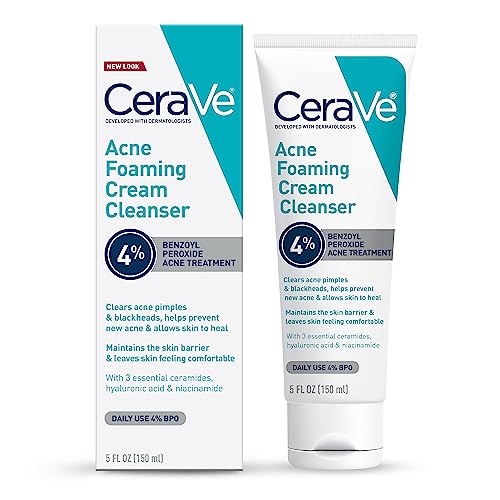
Benzoyl peroxide at 4% delivers both broad‑spectrum antimicrobial action and specific antifungal efficacy against Malassezia species. This CeraVe formulation is unique because it pairs the active with hyaluronic acid, niacinamide, and three essential ceramides (1, 3, 6‑II), creating a cream‑to‑foam texture that cleanses without the tightness typical of acne washes. It is an excellent option when fungal acne coexists with bacterial acne or when seborrheic dermatitis is accompanied by inflammatory papules.
The National Eczema Association seal is absent here, but the ceramide complex compensates by reinforcing the skin barrier during treatment. Users with mixed acne — those small, uniform bumps that resist salicylic acid — often see clearance within two weeks of daily use. The 5.93‑ounce tube lasts roughly 4–6 weeks when used once daily; beginning every other day is recommended to assess tolerance.
The main downside is that benzoyl peroxide bleaches fabric, so thorough rinsing off towels and pillowcases is essential. A small percentage of users experience initial purging or mild stinging. Those with very dry or compromised skin should start with the 4% strength rather than jumping to 10%.
Why it’s great
- Effective against both fungal and bacterial acne in one wash
- Ceramide blend prevents barrier disruption during treatment
- Cream‑to‑foam texture is gentler than traditional BP washes
Good to know
- Bleaches colored fabrics; requires careful rinsing
- Can cause initial irritation if used more than once daily
3. CeraVe Hydrating Facial Cleanser
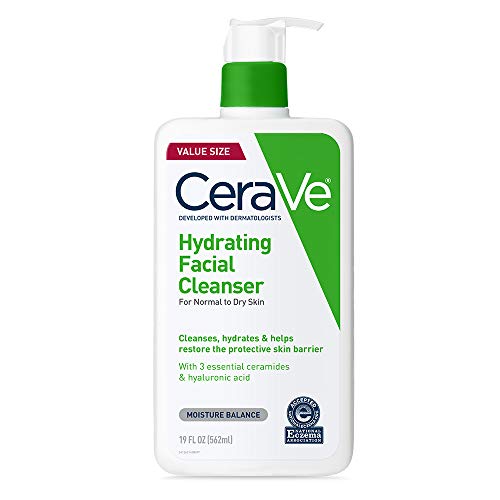
This hydrating cleanser does not contain a direct antifungal agent, but it earns its place as a critical adjunct in any antifungal regimen. When treating fungal overgrowth with ketoconazole or benzoyl peroxide, the skin barrier often becomes compromised and more susceptible to reinfection. CeraVe’s three essential ceramides, hyaluronic acid, and glycerin restore the lipid matrix while gently removing debris without stripping. The National Eczema Association certification confirms its safety for compromised skin.
Users with chronic seborrheic dermatitis who alternate between Nizoral and this cleanser report significantly less rebound redness between treatments. The lotion‑like consistency does not foam, which avoids the mechanical irritation of foaming surfactants. The 19‑ounce bottle offers exceptional value for a ceramide‑based cleanser, lasting 3–4 months with twice‑daily use.
The limitation is obvious: it will not kill fungus on its own. Relying solely on this wash while an active fungal infection is present will not resolve the underlying issue. It functions best as a restorative, daily maintenance wash used on non‑treatment days.
Why it’s great
- Repairs skin barrier compromised by antifungal treatments
- National Eczema Association certified for sensitive skin
- Large bottle size delivers low cost per use
Good to know
- Contains no active antifungal ingredient
- Non‑foaming texture may not feel deeply cleansing to some users
4. Thursday Plantation Tea Tree Face Wash Foam
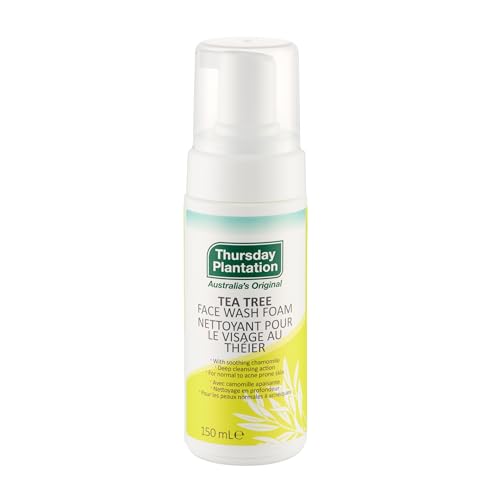
Tea tree oil has demonstrated in‑vitro antifungal activity against Malassezia furfur at concentrations as low as 0.5%. Thursday Plantation uses 100% tea tree oil in a foaming base that delivers a consistent dose across each pump. The foam texture spreads easily and avoids the oily residue some tea tree products leave behind. Users report that 2 pumps with a facial brush for 60 seconds keeps breakouts under control without the chemical smell of medicated washes.
Adult acne sufferers and those with postpartum hormonal breakouts have noted a measurable reduction in the number of active lesions, though complete clearance for severe fungal overgrowth is less reliable than with ketoconazole. The tea tree scent is noticeable but fades quickly and is generally well‑tolerated. A single 5.1‑ounce bottle lasts 2–3 months with twice‑daily use.
The main drawback is that tea tree oil can cause contact dermatitis in some individuals, especially at higher concentrations. Users with known allergies to botanicals should patch‑test first. The packaging has a known issue where the pump can leak during travel.
Why it’s great
- Natural antifungal alternative with clinical backing
- Foam format is easy to use and non‑greasy
- Significantly reduces mild to moderate acne breakouts
Good to know
- Less potent than pharmaceutical antifungals for severe infections
- Potential for contact dermatitis in sensitive individuals
5. Benzoyl peroxide topical wash 10%
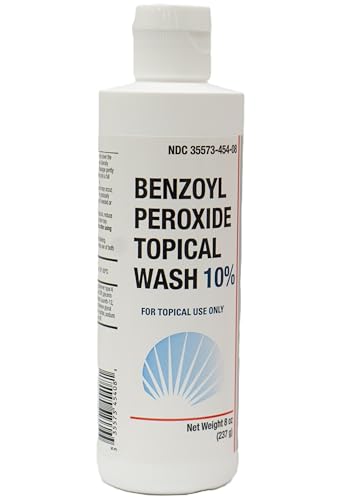
This 10% benzoyl peroxide wash from Burelpharma is the most potent antimicrobial option in this lineup. The active ingredient is incorporated with aloe vera and vitamin E to offset some of the drying effects. At this concentration, it effectively kills Cutibacterium acnes and demonstrates significant antifungal activity against Malassezia, making it suitable for severe mixed infections that have not responded to lower‑strength treatments.
User reports confirm that consistent 30‑day daily use can clear stubborn, treatment‑resistant facial acne. The flip‑top cap makes shower application straightforward, though the 1‑ounce bottle is small — users treating large body areas will go through it quickly. The aloe and vitamin E do mitigate irritation, but the 10% concentration still demands caution: start at every other day and always follow with a heavy moisturizer.
The fabric‑bleaching issue is amplified at this strength — any residue left on towels or pillowcases will leave permanent light spots. Users with hyperhidrosis have also reported success using it on underarm skin for its antibacterial‑antifungal dual action, but the facial skin is far more sensitive.
Why it’s great
- Maximum 10% strength for stubborn mixed infections
- Contains aloe and vitamin E to reduce irritation
- Effective for both acne and hyperhidrosis management
Good to know
- Highly drying; requires strict moisturizing routine
- Bleaches fabrics aggressively at this concentration
6. ECZEMA HONEY Oatmeal Facial Cleanser

This cleanser takes a fundamentally different approach: rather than directly targeting fungus, it soothes the eczematous inflammation that often accompanies or mimics fungal infections. The colloidal oatmeal and honey provide barrier‑repairing, antimicrobial, and anti‑inflammatory benefits, while aloe vera juice and green tea extract calm reactive skin. The National Eczema Association Seal of Acceptance confirms its suitability for compromised, atopic skin.
Users with severe facial eczema that was worsened by standard cleansers report that this product stopped the burning sensation and visibly improved redness within days. The formulation is completely free of parabens, sulfates, phthalates, and fragrance, reducing the risk of contact allergy. While it does not contain a pharmaceutical antifungal, honey has demonstrated inhibitory activity against Candida and Malassezia species in laboratory settings.
The main drawback is that the packaging quality does not match the product quality — the pump mechanism is prone to failure before the bottle is empty. Additionally, those with active, confirmed fungal infections may find the antifungal activity insufficient on its own and will need a medicated adjunct.
Why it’s great
- NEA‑certified and tolerated by extremely sensitive skin
- Colloidal oatmeal and honey soothe and repair the barrier
- Fragrance‑free and free of harsh detergents
Good to know
- Not a primary antifungal treatment for active infections
- Packaging pump is prone to failure
7. Armor Medicated Antifungal Soap 1% Tolnaftate
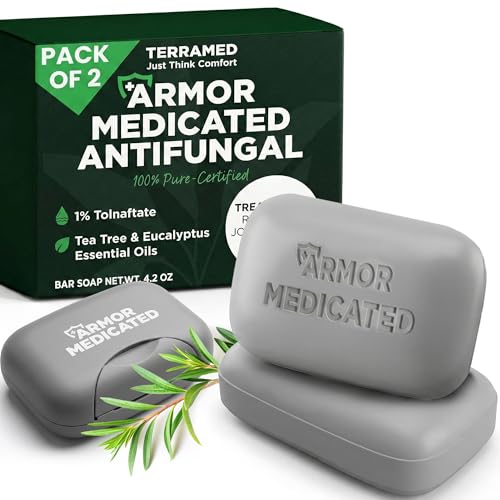
Tolnaftate is a synthetic antifungal that disrupts fungal squalene epoxidase, effective against dermatophytes such as Trichophyton and Epidermophyton. This soap bar formulation combines 1% tolnaftate with tea tree and eucalyptus essential oils, offering a dual‑mechanism approach for ringworm, jock itch, and athlete’s foot — conditions that can spread to the face through contaminated towels or hands. The inclusion of a soap case makes it gym‑ and travel‑friendly.
For facial use, this bar is best employed as a targeted spot‑wash for tinea faciei or as a preventive wash after exposure to communal surfaces (wrestling mats, gym showers). Users in grappling sports confirm it keeps training partners safe from fungal transmission. The essential oils provide a cooling sensation that helps soothe the itch associated with active infections.
The bar format has less lather than liquid cleansers, which can feel less satisfying for daily facial washing. Some users report that the neutral scent is pleasant for body use but may feel medicinal on the face. For pure Malassezia‑related conditions, ketoconazole remains the more specific active, but tolnaftate covers a wider dermatophyte spectrum.
Why it’s great
- Broad dermatophyte coverage with 1% tolnaftate
- Essential oils soothe itch and provide a refreshing clean
- Pack of 2 with travel case is ideal for active lifestyles
Good to know
- Bar format may not suit daily facial cleansing preferences
- Less targeted than ketoconazole for Malassezia overgrowth
FAQ
How do I know if I have fungal acne vs. bacterial acne?
Can I use a dandruff shampoo as a face wash for fungal issues?
How long does it take for an antifungal face wash to work?
Can I use an antifungal face wash every day?
Final Thoughts: The Verdict
For most users, the best antifungal face wash winner is the Nizoral Anti-Dandruff Shampoo 1% Ketoconazole because its clinically proven active, low cost per treatment, and rapid symptom relief make it the gold standard for Malassezia‑related conditions. If you want the convenience of a dedicated facial cleanser with dual bacterial‑fungal coverage, grab the CeraVe Acne Foaming Cream Cleanser 4% Benzoyl Peroxide. And for sensitive, eczema‑prone skin where barrier integrity is the priority, nothing beats the ECZEMA HONEY Oatmeal Facial Cleanser for soothing repair alongside mild antifungal support.