
Managing allergies during the school day is a losing battle when the medicine makes you drowsy. Teens need relief that stops sneezing, itchy eyes, and a runny nose without turning the afternoon into a fog. The wrong antihistamine can ruin focus during a test. The right one keeps a teen sharp and symptom-free through every class.
I’m Min — the co-founder and writer behind Gadgets Feed. I’ve analyzed the active ingredients, dosing schedules, and real-world feedback for the leading oral antihistamines, comparing generic and brand-name options to find the formulas that truly hold up for teenage use.
After carefully reviewing the top contenders, I’ve identified the most effective and practical options in this guide to the best allergy medicine for teens.
How To Choose The Best Allergy Medicine For Teens
Selecting the right medication requires matching the active ingredient to the teen’s specific symptoms and daily routine. The core decision revolves around three second-generation antihistamines: loratadine, cetirizine, and fexofenadine. Each has a distinct profile for efficacy, onset speed, and likelihood of causing drowsiness.
Active Ingredient Matters Most
Loratadine (Claritin) is the most widely recommended starting point because of its excellent safety profile and low sedation rate. Cetirizine (Zyrtec) tends to be more potent for stubborn symptoms like post-nasal drip and hives, but a small percentage of teens experience mild drowsiness. Fexofenadine (Allegra) offers the fastest onset, often working within one hour, and carries the lowest risk of drowsiness among all options — ideal for early morning math tests or sports practices.
Form and Dose Frequency
Most oral antihistamines for teens come in once-daily tablets, which simplifies adherence. For younger teens who gag on pills, a liquid solution like the Xyzal Children’s Grape formula is a practical alternative. Always verify the dosage strength — standard teen dosing for loratadine is 10 mg, cetirizine 10 mg, and fexofenadine 180 mg. Exceeding the labeled dose does not improve symptom control and increases side effect risk.
Generic vs. Brand Name
Generic antihistamines contain the identical active ingredient as their brand-name counterparts and must meet the same FDA bioequivalence standards. Choosing a generic option like GoodMeds or Major delivers the same 24-hour relief at a significantly lower cost per pill, which matters for a medication taken daily during allergy season. The main trade-off is occasional variation in inactive binders, which rarely affects efficacy.
Quick Comparison
On smaller screens, swipe sideways to see the full table.
| Model | Category | Best For | Key Spec | Amazon |
|---|---|---|---|---|
| Zyrtec 75 Count | Brand Premium | Potent all-day symptom control | 10 mg cetirizine HCl | Amazon |
| Allegra 90+1 Count | Brand Premium | Fastest non-drowsy relief | 180 mg fexofenadine HCl | Amazon |
| Claritin 70 Count | Brand Classic | Reliable starter antihistamine | 10 mg loratadine | Amazon |
| Xyzal Children’s 10 fl oz | Liquid Formula | Easy-to-swallow kid-friendly dose | Grape liquid, 2.5 mg/5 mL levocetirizine | Amazon |
| GoodMeds Fexofenadine 120 Ct | Generic Value | Budget option for fexofenadine users | 180 mg fexofenadine HCl | Amazon |
| Major Loratadine 300 Ct | Generic Value | Best price per dose for loratadine | 10 mg loratadine | Amazon |
| GoodMeds Cetirizine 500 Ct | Generic Value | Massive supply for family use | 10 mg cetirizine HCl | Amazon |
In‑Depth Reviews
1. Zyrtec Allergy Medicine, 75 Count
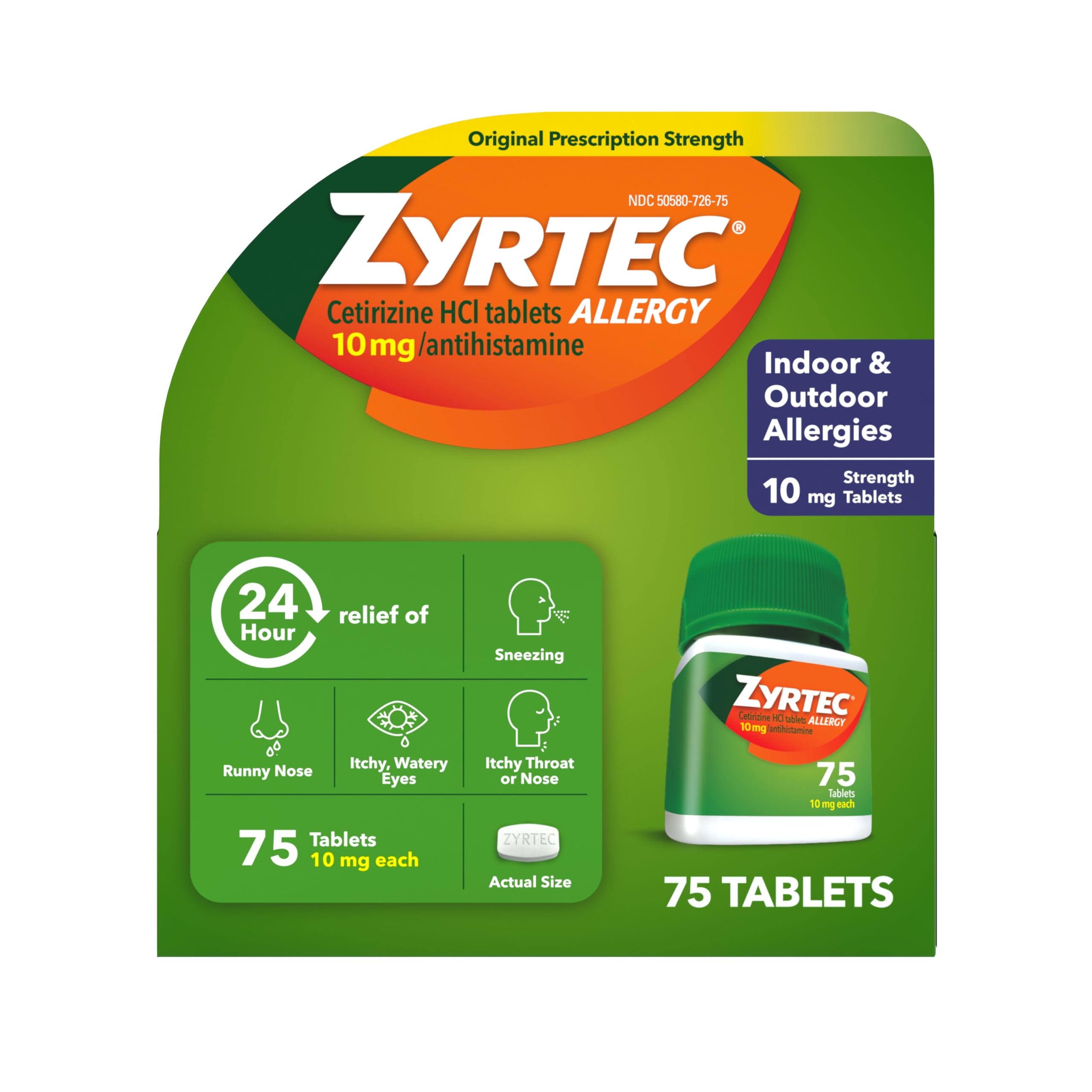
Zyrtec uses cetirizine HCl at 10 mg per tablet, a molecule known for its robust efficacy against a broad range of indoor and outdoor allergens. Clinical data and user reports consistently show it starts working within one hour and maintains symptom suppression through a full 24-hour cycle, making it a strong choice for teens with moderate to severe seasonal allergies or persistent pet dander sensitivity.
A small percentage of teens may experience mild drowsiness with cetirizine, though many users in the feedback specifically note they take it at bedtime without next-day grogginess. The 75-count bottle provides over two months of daily dosing, and the tablets are small with no taste or smell, which simplifies adherence for a teenager.
Positioned as the number one doctor-recommended OTC oral antihistamine brand, Zyrtec carries a reliability premium. The trade-off is a higher per-pill cost compared to generic cetirizine, but for families wanting a proven name with consistent manufacturing, this remains a benchmark option.
Why it’s great
- Potent 24-hour symptom control for stubborn allergies
- Fast onset within one hour
- Small, easy-to-swallow tablets
Good to know
- Mild drowsiness possible for some users
- Higher cost per pill than generic cetirizine
2. Allegra Adult 24-Hour Allergy Relief, 90+1 Count
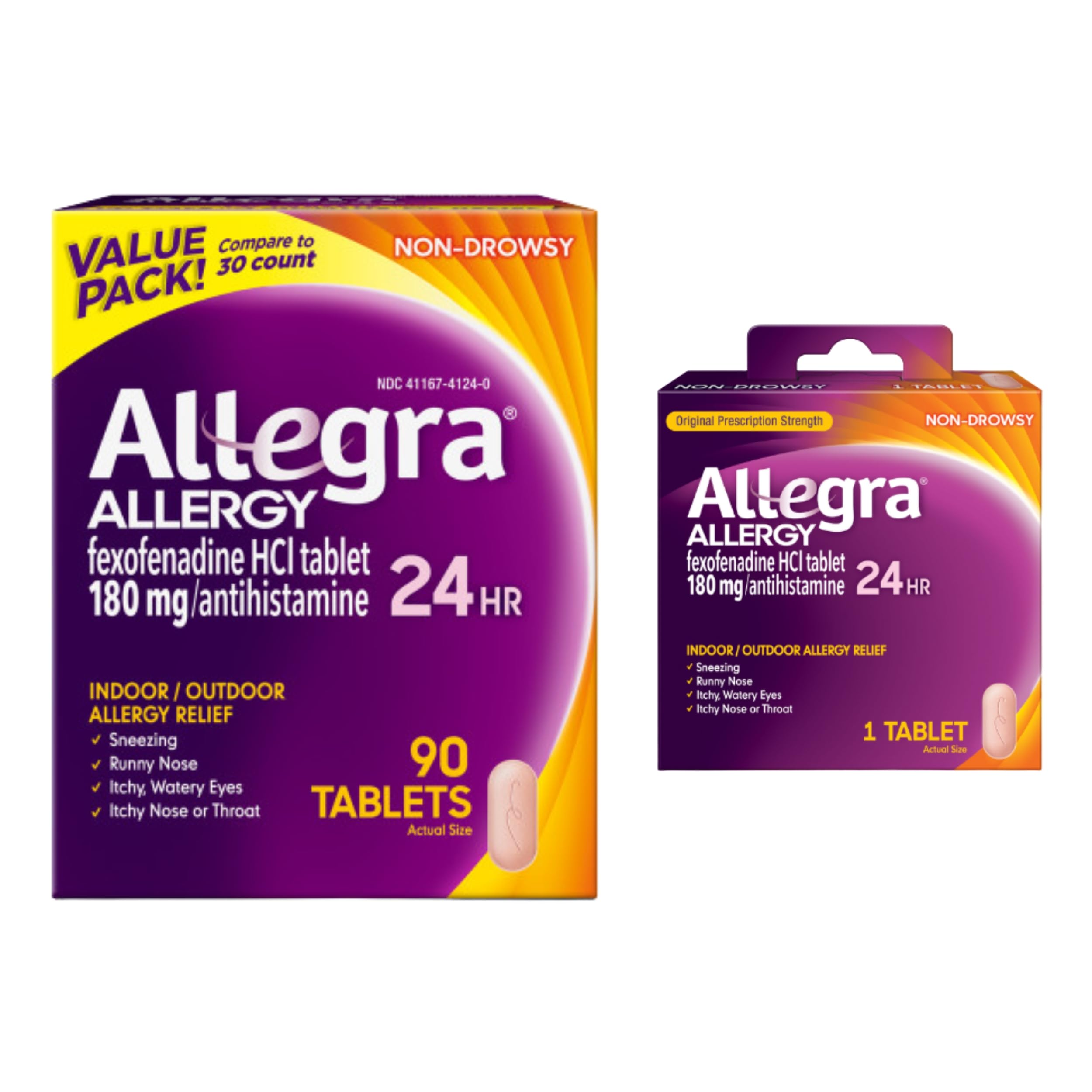
Allegra uses 180 mg of fexofenadine HCl, which stands apart from other second-generation antihistamines because it does not cross the blood-brain barrier to any significant degree. This unique property virtually eliminates drowsiness and brain fog, making it the ideal option for a teen who needs to stay mentally sharp during a full school day, especially one filled with exams or athletic commitments.
Clinical data show fexofenadine reaches peak plasma concentration in about one to three hours, and the included bonus travel pack in this 90+1 count bundle is a thoughtful addition for backpack or locker storage. User reviews universally praise its lack of side effects and reliable symptom control for both indoor and outdoor allergens like pollen, ragweed, and dust mites.
The main consideration is cost. Allegra sits at the premium end of the price spectrum, and families on a strict budget will find generic fexofenadine (like the GoodMeds option in this guide) to be a functionally identical alternative at a lower price per tablet.
Why it’s great
- Effectively zero drowsiness or cognitive impact
- Fast-acting, with relief starting in about one hour
- Includes a bonus travel pack for convenience
Good to know
- Higher per-dose cost than generic versions
- Less effective for hives compared to cetirizine for some users
3. Claritin 24 Hour Allergy Medicine, 70 Count

Claritin delivers 10 mg of loratadine, the most commonly prescribed first-line antihistamine for children and teens due to its well-established safety profile. Loratadine has a very low incidence of sedation, and its long half-life supports consistent 24-hour coverage when taken daily. Many doctors recommend starting with loratadine before trying cetirizine or fexofenadine.
User reviews highlight the tablets as being “tiny to swallow,” which is a practical advantage for teens who are not comfortable with larger pills. The 70-count bottle covers a full allergy season plus a few weeks, and the brand carries strong trust from pediatricians. One reviewer noted their doctor specifically recommended Claritin over a cheaper generic for its reliable performance.
Compared to Zyrtec, loratadine is generally considered slightly less potent for severe nasal congestion, but it has a lower drowsiness risk. For a teen just starting daily allergy medication, Claritin is often the safest first try due to its forgiving side effect profile and steady, predictable results.
Why it’s great
- Very low drowsiness risk for all-day focus
- Small tablets that are easy to swallow
- Doctor-recommended starting antihistamine
Good to know
- Less potent for severe congestion than cetirizine
- Higher cost per pill than generic loratadine
4. Xyzal Children’s 24 Hour Allergy Relief, 10 fl oz

Xyzal Children’s uses levocetirizine dihydrochloride, the active (R)-enantiomer of cetirizine, which means it provides the same antihistamine effect as Zyrtec but at a lower dose — 2.5 mg per 5 mL. This liquid formulation is specifically beneficial for younger teens or those who cannot swallow tablets, and the grape flavor receives consistently positive feedback from kids and teens for its palatable taste.
The dosing syringe included with the bottle allows for precise measurement, and the formula is alcohol-free, sugar-free, and dye-free. Users report it works quickly, with one parent noting their daughter “loves the taste” and another describing it as “a household staple” that is less drowsy than other pills.
The main trade-off is the liquid form’s shorter shelf life once opened (typically 6 months) and the need for refrigeration after opening in some formulations. It is also labeled for children ages 2 and up, so the dosing for a teen may require a larger volume, though the active ingredient remains effective at the recommended age-based dose.
Why it’s great
- Liquid format for teens who dislike pills
- Pleasant grape flavor encourages compliance
- Potent levocetirizine in a low-dose formulation
Good to know
- Shorter shelf life after opening
- Requires refrigeration after opening in some batches
5. GoodMeds Fexofenadine HCl 180mg, 120 Count
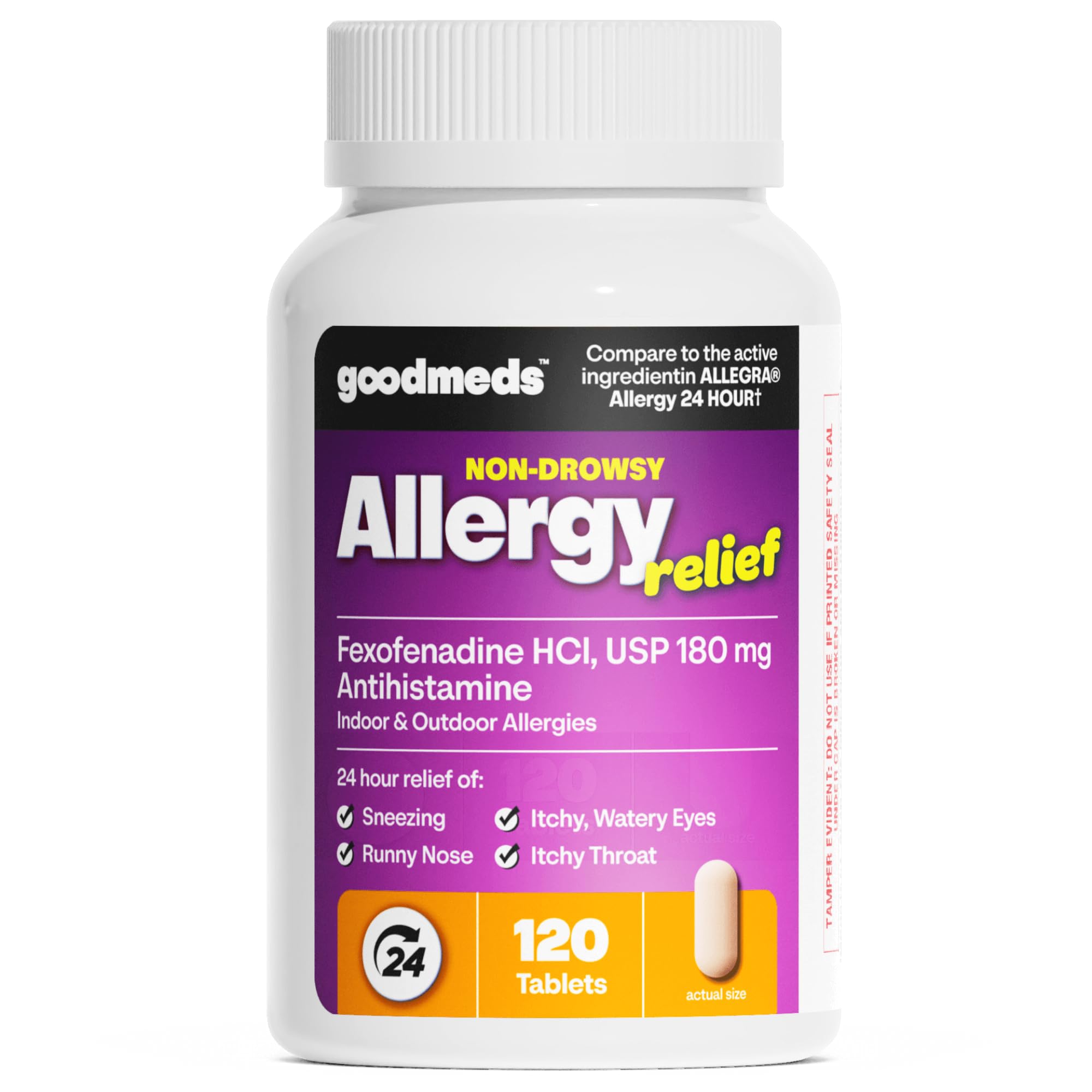
GoodMeds Fexofenadine contains the exact same active ingredient (fexofenadine HCl 180 mg) as Allegra at a significantly lower cost per tablet. The 120-count bottle provides a four-month supply, making it the most economical entry point into fexofenadine therapy for a teen who needs the zero-drowsiness profile this molecule provides.
User reviews confirm the generic performs identically to the brand, with one lifelong allergy sufferer saying it is “extremely beneficial” for seasonal allergies and another noting “protection lasts all day with no negative side effects.” The tablets are described as easy to swallow, and the compact packaging is suitable for a school bag or locker.
The only caveat is that GoodMeds is a newer generic brand compared to manufacturers like Major or Sun Pharma. While the product is made in a state-of-the-art facility, some families may prefer the longer track record of Major Pharmaceuticals or the strict quality standards of a brand-name product for a teen’s daily medication.
Why it’s great
- Identical active ingredient to Allegra at a lower cost
- Large 120-count bottle for extended use
- Excellent non-drowsy profile for school focus
Good to know
- Newer generic brand with less market history
- Not all users may find it as potent for severe symptoms
6. Major Allergy Loratadine 10 mg, 300 Tablets

Major Pharmaceuticals offers 300 tablets of loratadine 10 mg at a per-tablet cost that is dramatically lower than any brand-name alternative. This is the most budget-friendly option for families managing daily allergy medication for a teen, and the bottle size provides nearly a full year of coverage for one person or a multi-person household.
Loratadine’s non-drowsy profile makes it a reliable daily companion for school, and user reviews confirm the product works as well as Claritin. One parent specifically noted it was “effective for cat and outdoor allergies” for their child, and another reviewer praised its efficacy for hay fever and even a bee sting reaction.
The 300-tablet bottle is bulk packaging, so it occupies more shelf space than a standard 70-count bottle. Additionally, while loratadine is generally gentle, some teens with more aggressive allergy symptoms may find it less effective than cetirizine or fexofenadine. For mild to moderate seasonal allergies, however, this is the most cost-effective solution available.
Why it’s great
- Extremely low cost per dose for daily use
- Massive 300-count supply lasts nearly a year
- Non-drowsy loratadine for school-day focus
Good to know
- Bulk bottle requires extra storage space
- May be less potent than cetirizine for severe allergies
7. GoodMeds Cetirizine HCl 10mg, 500 Count
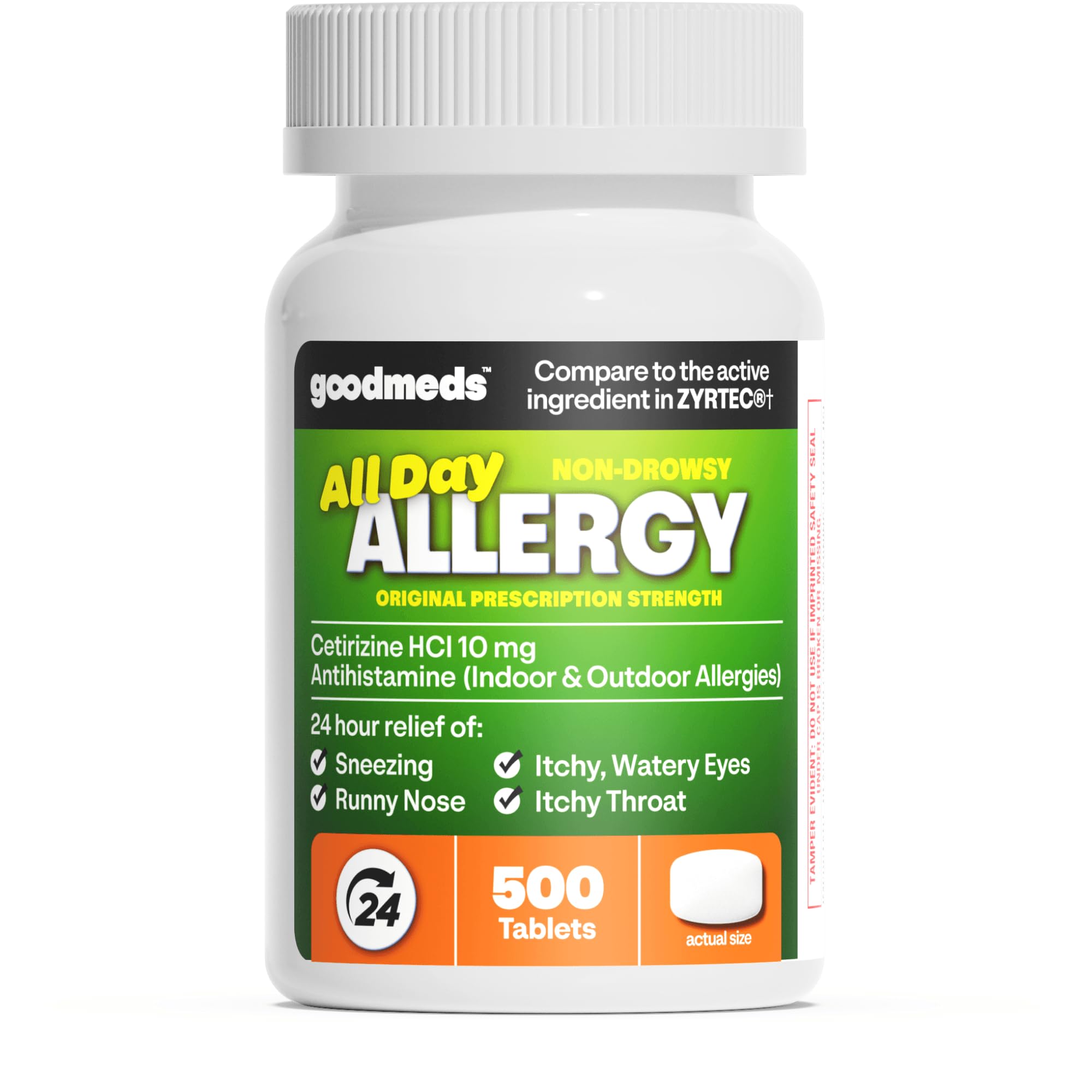
GoodMeds Cetirizine packs 500 tablets of 10 mg cetirizine HCl into a single bottle, making it the highest-volume option in this guide. For a family with multiple members taking daily allergy medication, this bottle can last months without a refill. The active ingredient is identical to Zyrtec, and user reviews consistently confirm the generic works just as well.
Cetirizine is notably more potent than loratadine for symptoms like post-nasal drip, sneezing, and hives, making this a strong choice for a teen with stubborn allergies. The non-drowsy label is accurate for the vast majority of users, though a small percentage may experience mild sedation, particularly during the first few days of use.
The primary downside is the sheer size of the bottle, which may not fit in a standard medicine cabinet, and the fact that cetirizine has a slightly higher drowsiness rate than fexofenadine. For a teen who has already tolerated Zyrtec well, this generic version offers the same efficacy at a fraction of the cost per dose.
Why it’s great
- Unmatched 500-tablet count for long-term use
- Active ingredient identical to Zyrtec at lower cost
- Effective for moderate to severe allergy symptoms
Good to know
- Large bottle can be awkward to store
- Mild sedation possible for some teens
FAQ
Can a teen take Zyrtec every day for seasonal allergies?
Does Claritin make teens drowsy during school?
What is the difference between Allegra generic and brand name?
Final Thoughts: The Verdict
For most users, the best allergy medicine for teens winner is the Zyrtec 75 Count because its cetirizine formula provides the most consistent and potent 24-hour symptom control for moderate to severe allergies. If you want zero drowsiness and fast-acting relief for a teen’s school day, grab the Allegra 90+1 Count. And for the most budget-friendly option that still delivers reliable daily protection, nothing beats the Major Loratadine 300 Count.