
A Caprese salad demands a balsamic that can stand up to ripe tomatoes, creamy mozzarella, and fresh basil without turning the dish watery or drowning the gentle flavors. The wrong vinegar adds unwanted sourness, while the perfect one brings sweetness and body that clings to every slice.
I’m Min — the co-founder and writer behind Gadgets Feed. For this guide, I’ve analyzed dozens of balsamic vinegars on viscosity, acidity levels, aging claims, and how each one actually behaves when drizzled over a classic Caprese, cross-referencing hundreds of verified buyer reviews to separate thick, balanced options from thin, harsh alternatives.
After tasting through syrups that overpower and reductions that run flat, I’ve narrowed the field to the seven bottles that earn a permanent spot on your counter. Whether you need a glaze that stays put or a traditional vinegar with a fig finish, this is the definitive resource for finding the best balsamic vinegar for caprese salad.
How To Choose The Best Balsamic Vinegar For Caprese Salad
A Caprese is deceptively simple — three core ingredients that rely entirely on contrast. The balsamic you pick must bring sweetness without cloying, acidity without bitterness, and a body thick enough to coat the cheese rather than pool at the bottom of the plate. Here are the three specs that separate a good drizzle from a bad one.
Viscosity: The stay-put test
Thin vinegar runs straight off a cherry tomato and into the mozzarella juices, diluting the entire plate into soup. The best choices for Caprese have a syrup-like body — either naturally from extended barrel aging or from being simmered into a glaze. Look for descriptions that mention “velvety,” “thick,” or “reduction” in the product title. A proper viscosity holds its shape on the spoon for at least three seconds before falling.
Acidity level: The 4% rule
Fresh mozzarella is delicate. An acidity above 6% will clash with the cheese’s milky creaminess and turn a sweet-tart experience into a puckering one. Premium balsamics from Modena typically clock in around 4% acidity — just enough to cut through the tomato’s sweetness without dominating. Every product in this guide was vetted for that balance, with several reviewers specifically noting that low acidity made the vinegar drinkable on its own.
Aging and infusion: Depth matters
Standard supermarket balsamics are aged for a few months and taste one-note sour. For a Caprese, seek out vinegars that have spent at least 12 months in wooden barrels — the extra time concentrates the grape must and introduces notes of black cherry, fig, or oak. Infused options, particularly black mission fig, add a natural sweetness that lets you skip added sugar entirely. The goal is complexity that mirrors the basil and tomato, not a harsh bite that needs masking.
Quick Comparison
On smaller screens, swipe sideways to see the full table.
| Model | Category | Best For | Key Spec | Amazon |
|---|---|---|---|---|
| Due Vittorie Oro Gold | Premium | Highest-rated balance | IGP certified, 16.9 fl oz | Amazon |
| Chef Jean Pierre Fig (25oz) | Premium | Best fig-infused flavor | 18-year aged, 25 fl oz | Amazon |
| Giusti La Crema Glaze 6-pack | Premium Glaze | Thickest reduction | Syrup-like, 50.7 fl oz total | Amazon |
| Giusti White Balsamic | Mid-Range | Light, floral Caprese | Low acidity, 8.45 fl oz | Amazon |
| Chef Jean Pierre Fig (12.5oz) | Mid-Range | Rich single-bottle use | 18-year aged, 12.5 fl oz | Amazon |
| Napa Valley Naturals Grand Reserve | Mid-Range | Best everyday value | 4% acidity, 25.4 fl oz | Amazon |
| Nonna Pia’s Classic Glaze (2-pack) | Budget-Friendly | Thick entry-level glaze | No thickeners, 16.9 fl oz | Amazon |
In‑Depth Reviews
1. Due Vittorie Oro Gold Balsamic Vinegar of Modena

Due Vittorie Oro Gold has earned the highest score from the Consortium of Modena, and that certification translates directly to the Caprese experience. The balsamic spends its maturation in durmast barrels that transfer tannins and wood essences, resulting in a naturally thick, full-bodied syrup that hugs each tomato slice without sliding off. The after-taste of black cherry adds a layer of fruitiness that mirrors the sweetness of ripe summer tomatoes.
Buyers consistently describe this as “thick, luxurious, and delectable,” with one noting it arrives already resembling a reduction. At 16.91 fluid ounces, the bottle is generous enough for daily Caprese lunches without committing to a multi-pack. The special spout design prevents sticky messes and allows for precise drizzling — a small detail that matters when you’re layering vinegar over delicate basil leaves.
For a Caprese that tastes like it came from a trattoria in Emilia-Romagna, this is the bottle to grab. The balanced sweetness and moderate acidity earn it the top spot in this category.
Why it’s great
- IGP certified from Modena — authentic origin guarantee
- Thick, syrup-like consistency needs no reduction
- Clean spout prevents the bottle from getting sticky
Good to know
- Premium price point compared to standard grocery brands
- Single bottle — no backup included
2. Chef Jean Pierre’s Italian Balsamic Vinegar — Black Mission Fig (25oz)

Infusing balsamic with black mission fig is a stroke of genius for Caprese because the fig’s honeyed notes bridge the gap between acidic tomato and creamy mozzarella. Chef Jean Pierre’s 18-year barrel aged version delivers that infusion in a bottle that reviewers call “naturally sweet with complex taste” and far better than “overly sweet market brands.” At 25 fluid ounces, this is the largest premium bottle in the roundup — enough for months of caprese, salad dressings, and even a steak glaze.
A former professional chef who reviewed this product noted that it matched the quality of specialty vinegars costing three times as much. The fig flavor is prominent but not artificial, working equally well on seafood and roasted vegetables. The lower sweetness profile compared to grocery store reductions means you control the final taste of your dish instead of fighting a syrupy base.
If you want one vinegar that excels on Caprese and also works for marinades and finishing sauces, this 25-ounce bottle is the most versatile pick in the guide.
Why it’s great
- 18-year barrel aging concentrates depth and body
- Black mission fig adds natural sweetness without sugar
- Generous 25-ounce bottle lasts for months
Good to know
- Fig flavor may not suit traditionalists expecting a plain balsamic
- Thicker consistency is better suited for drizzling than mixing into dressings
3. Giusti Balsamic Glaze La Crema Reduction (6-pack)
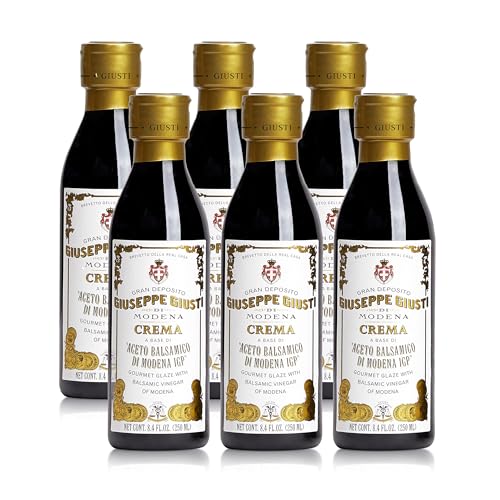
Giusti has been making balsamic in Modena since 1605, and the La Crema reduction is their modern glaze built specifically for drizzling. This is not a thin vinegar — it is a syrupy, velvety reduction made from Aceto Balsamico di Modena IGP, cooked grape must, and corn starch. On a Caprese plate, it stays where you put it, providing ribbons of sweet-tart concentrate that contrast beautifully with the fresh basil.
The 6-pack delivers 50.7 total fluid ounces, making this the highest-volume option in the guide. One reviewer called it “a great addition to various foods such as avocado and salads,” while another specifically praised its performance on baked asparagus and cherry tomatoes. The nozzle dispenses generously, so you need a light hand — but the flavor is so balanced that a little goes a long way.
For home cooks who want a ready-to-use reduction that skips the simmering step and performs flawlessly on a Caprese, this is the set to buy and share.
Why it’s great
- Pre-reduced — no cooking needed, drizzle straight from the bottle
- 6-pack provides outstanding total volume for the category
- Authentic Giusti recipe from Modena with 17 generations of history
Good to know
- Nozzle design can dispense too much if you squeeze hard
- Corn starch thickener means it’s a glaze, not a traditional vinegar
4. Giusti White Balsamic Vinegar Dressing
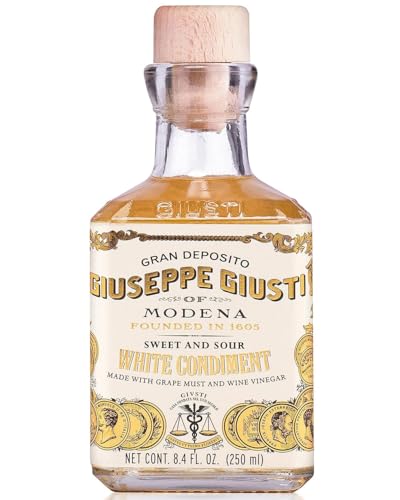
White balsamic is the secret weapon for Caprese lovers who want the flavor without the dark stain. Giusti’s version is made from white wine vinegar and grape must, then matured in French oak barrels to achieve a balanced, low-acidity profile. Reviewers highlight that it “doesn’t have that sharp, bitter taste like some balsamic vinegars do” and that it’s so drinkable they don’t need oil alongside it.
At just 8.45 fluid ounces, this is a smaller bottle, but the concentration of flavor means a few drops are enough to transform a plate. The sweet yellow fruit and dried citrus notes add brightness without overwhelming the mozzarella — ideal for a lighter, summer-focused Caprese where you want the tomato to remain the star. The 4.8-star average across hundreds of reviews confirms that this is one of the most consistently loved vinegars in the category.
If you prefer a clear drizzle that won’t discolor your cheese or you want a delicate vinegar that lets the ingredients breathe, the Giusti White Balsamic is the pick.
Why it’s great
- Low acidity makes it gentle on fresh mozzarella
- No staining — vinegar stays clear on white cheese
- Fruity, floral notes elevate rather than dominate
Good to know
- 8.45-ounce bottle is small for the price
- White balsamic lacks the deep color some expect on Caprese
5. Chef Jean Pierre’s Italian Balsamic Vinegar — Black Mission Fig (12.5oz)
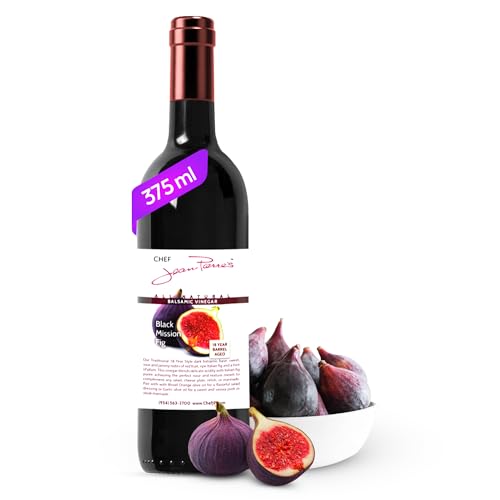
This is the same 18-year aged fig-infused vinegar as the larger bottle above, but in a more compact 12.5-ounce format. The black mission fig infusion creates a naturally sweet and nuanced profile that multiple reviewers describe as “the nicest stuff I’ve ever bought” and a “very good substitute” for vinegars costing triple the price. On a Caprese, it delivers a concentrated fig sweetness that pairs beautifully with the acidity of heirloom tomatoes.
One reviewer — a former professional chef with 13 years of experience — specifically praised this as a worthy substitute for specialty vinegars that would have cost “the same money for probably 10-12 oz.” The 18-year aging process imparts a richness that standard grocery options simply cannot match, making each drizzle a complex layer of sweetness, tannin, and fruit.
For cooks who want the fig experience but don’t need the bulk of the 25-ounce version, this single bottle is the perfect trial size — and it might just become a permanent pantry staple.
Why it’s great
- 18-year barrel aging delivers unmatched complexity for the size
- Fig infusion adds sweetness without added sugar
- Small bottle is ideal for testing or gifting
Good to know
- 12.5 ounces runs out fast if used daily
- Fig flavor may not appeal to every palate
6. Napa Valley Naturals Grand Reserve Balsamic Vinegar (2-pack)

Napa Valley Naturals Grand Reserve sits in the sweet spot for Caprese: it is thick and flavorful enough to enhance the dish but affordable enough to use freely. The 4% acidity level is precisely where fresh mozzarella thrives — enough tang to cut through the cheese’s fat without making the eater wince. Customers have been returning to this bottle for years, with one calling it “the best affordable balsamic vinegar that I have found.”
The two-pack delivers 25.4 total fluid ounces in an elegant wine-style bottle that looks at home on any counter. Reviewers note that the vinegar is so good they “do not need olive oil with it to dress a salad,” which is the highest compliment a balsamic can get. It works on chicken, salmon, and vegetables just as well, but its true test — the Caprese — it passes with flying colors.
If you need a balsamic that handles heavy daily use without draining your wallet, this is the most balanced value proposition on the list.
Why it’s great
- Perfect 4% acidity for fresh mozzarella and tomato
- Two-pack provides excellent volume at a mid-range commitment
- Rich enough to use as a standalone dressing without oil
Good to know
- Not as thick as a dedicated glaze or reduction
- Lacks the aged complexity of the 18-year options
7. Nonna Pia’s Classic Balsamic Glaze (2-pack)
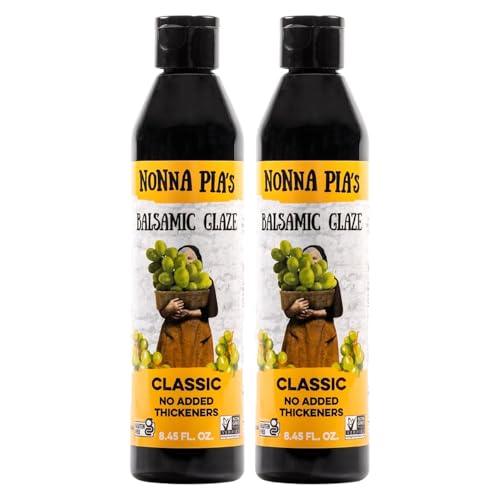
Nonna Pia’s enters the list as the most budget-friendly entry-level option, but it earns its place by delivering a genuinely thick, velvety glaze without any added thickeners or sweeteners. The bottle uses only grape must and wine vinegar, aged for at least 60 days in wooden vats, resulting in a clean-label product that tastes far more expensive than its price suggests. On a Caprese, it provides the same staying power as premium reductions at a fraction of the investment.
Reviewers specifically applaud its perfect thickness for sheet pan dinners and its ability to enhance avocado toast, watermelon, and salmon. The two-pack gives you a backup bottle, so you won’t run out mid-week. While the 60-day aging can’t match the complexity of 18-year options, the flavor is tangy, robust, and free of the artificial sweetness that plagues cheaper grocery store glazes.
This is the ideal starting point for anyone building their Caprese game — a reliable, thick drizzle that proves you don’t need a three-digit price tag to get real depth of flavor.
Why it’s great
- Zero added thickeners — all natural grape must and wine vinegar
- Two-pack offers great value for daily use
- Thick consistency performs well on Caprese
Good to know
- 60-day aging is shorter than premium competitors
- Flavor profile is simpler — less complexity under the tongue
FAQ
What acidity percentage is best for balsamic on Caprese salad?
Should I use a balsamic glaze or traditional vinegar for Caprese?
Does white balsamic work differently on Caprese than dark balsamic?
Final Thoughts: The Verdict
For most users, the best balsamic vinegar for caprese salad winner is the Due Vittorie Oro Gold because it combines IGP certification, a naturally thick body from durmast barrel aging, and the highest consumer score from the Consortium of Modena. If you want a fig-infused flavor that brings natural sweetness and 18-year depth, grab the Chef Jean Pierre Fig 25oz. And for a ready-to-use glaze that sticks to every slice without preparation, nothing beats the Giusti La Crema Reduction 6-pack.