
Choosing the right monochrome stock is the single most important creative decision you make before pressing the shutter. The interplay of silver halide crystals and developer chemistry determines whether your shadows block up, your highlights blow out, or your midtones sing with texture. A 400-speed emulsion gives you the flexibility to shoot handheld in overcast light while retaining enough density to push-process when the scene demands faster shutter speeds or deeper contrast.
I’m Min — the co-founder and writer behind Gadgets Feed. I’ve spent countless hours poring over datasheets, comparing reciprocity failure curves, and analyzing grain structure across the most popular emulsions to deliver a guide that cuts through the marketing noise.
After evaluating contrast index, push-processing tolerance, and resolving power across seven emulsions, one stock rises above the rest as the most versatile and reliable best black and white 35mm film for street, portrait, and documentary work in 2024.
How To Choose The Best Black And White 35mm Film
Selecting a monochrome emulsion involves more than picking a brand. You need to match the film’s sensitometric curve to your subject, lighting conditions, and intended development workflow. A film that excels in flat overcast light may become too contrasty under harsh midday sun or when push-processed.
Understanding ISO and Your Light Meter
ISO 400 is the standard for a reason: it offers enough speed to shoot handheld in dim interiors while retaining the fine grain needed for sharp enlargements. Slower films like ISO 100 give you almost invisible grain and edge sharpness but demand a tripod in low light. Faster films, like ISO 800 or 3200, introduce visible grain that some photographers use creatively for a gritty, documentary feel. Always confirm your camera’s meter can read your chosen ISO accurately — older meters may drift at the extremes.
Push-Processing and Exposure Latitude
A film’s ability to be push-processed (developed longer to compensate for underexposure) is a critical feature for available-light photographers. The best emulsions maintain usable shadow detail and acceptable contrast even when rated at 1600 or 3200. Wide exposure latitude means you can overexpose by a stop or two without losing highlight separation — a forgiving trait that saves shots when your meter misreads a scene.
Grain Structure and Resolving Power
Grain is not a defect; it is the film’s fingerprint. Tabular-grain films (like T-Max) produce exceptionally smooth tonality with fine grain, ideal for portraits and landscapes where you want maximum detail. Classic cubic-grain films (like Tri-X and HP5 Plus) create a more textured, organic look that many street photographers prefer. The resolving power, measured in lines per millimeter, determines how much fine detail the film can capture — relevant if you plan to make large prints or scan at high resolution.
Quick Comparison
On smaller screens, swipe sideways to see the full table.
| Model | Category | Best For | Key Spec | Amazon |
|---|---|---|---|---|
| Ilford HP5 Plus (3-Pack, 24exp) | Premium | Versatile everyday carry | ISO 400; pushable to 3200 | Amazon |
| Kodak Tri-X 400TX (2-Pack, 36exp) | Premium | Classic documentary look | ISO 400; 72 total exposures | Amazon |
| Ritz Camera 5-Pack Ilford HP5 Plus | Premium | Bulk shooting for projects | ISO 400; 36 exposures per roll | Amazon |
| Kodak Tri-X 400TX (24exp) | Mid-Range | Testing cameras & quick rolls | ISO 400; 24 exposures | Amazon |
| Ilford HP5 Plus (24exp) | Mid-Range | Learning & everyday use | ISO 400; wide exposure latitude | Amazon |
| Kcmssertkir SHD400 (36exp) | Budget | Value-conscious beginners | ISO 400; 36 exposures per roll | Amazon |
| Kodak Tri-X 400TX 7-Pack (36exp) | Premium | Serious volume shooters | ISO 400; 252 total exposures | Amazon |
In‑Depth Reviews
1. Ilford HP-5 Plus 400 35mm Black and White Professional Film, ISO 400, 24 Exposures, 3-Pack

Ilford HP5 Plus has built its reputation on being the most predictable and forgiving emulsion in the ISO 400 class. Its grain structure is a classic cubic‑grain design that delivers a balanced, organic look — neither too smooth nor overwhelmingly gritty — making it suitable for everything from street candids to formal portraits. The film’s wide exposure latitude means you can overexpose by two stops and still retain usable highlight detail, a safety net that beginners and pros alike appreciate in variable lighting.
Push‑processing is where HP5 Plus truly differentiates itself from competing mid‑range stocks. You can confidently rate this film at 1600 or even 3200 with standard developers, and the resulting increase in contrast and visible grain serves the image rather than destroying it. The manufacturer rates the film at 400 but its true usable range extends from 100 to 3200, giving you enormous flexibility with a single roll in the camera.
This 3‑pack of 24‑exposure rolls is the ideal compromise between ammunition and commitment — you get enough frames to finish a project without a 36‑exposure roll lingering in your fridge for months. For the photographer who wants one reliable stock that handles street, studio, and travel equally well, this is the roll to keep in your bag.
Why it’s great
- Exceptional push‑processing performance up to ISO 3200
- Wide exposure latitude saves underexposed or overexposed frames
- Cubic grain provides a classic, organic monochrome look
Good to know
- 24‑exposure rolls mean fewer frames per canister than 36‑exposure alternatives
- Not as fine‑grained as tabular‑grain films like T‑Max 400
2. Kodak Tri-X 400TX 135-36 2-Pack
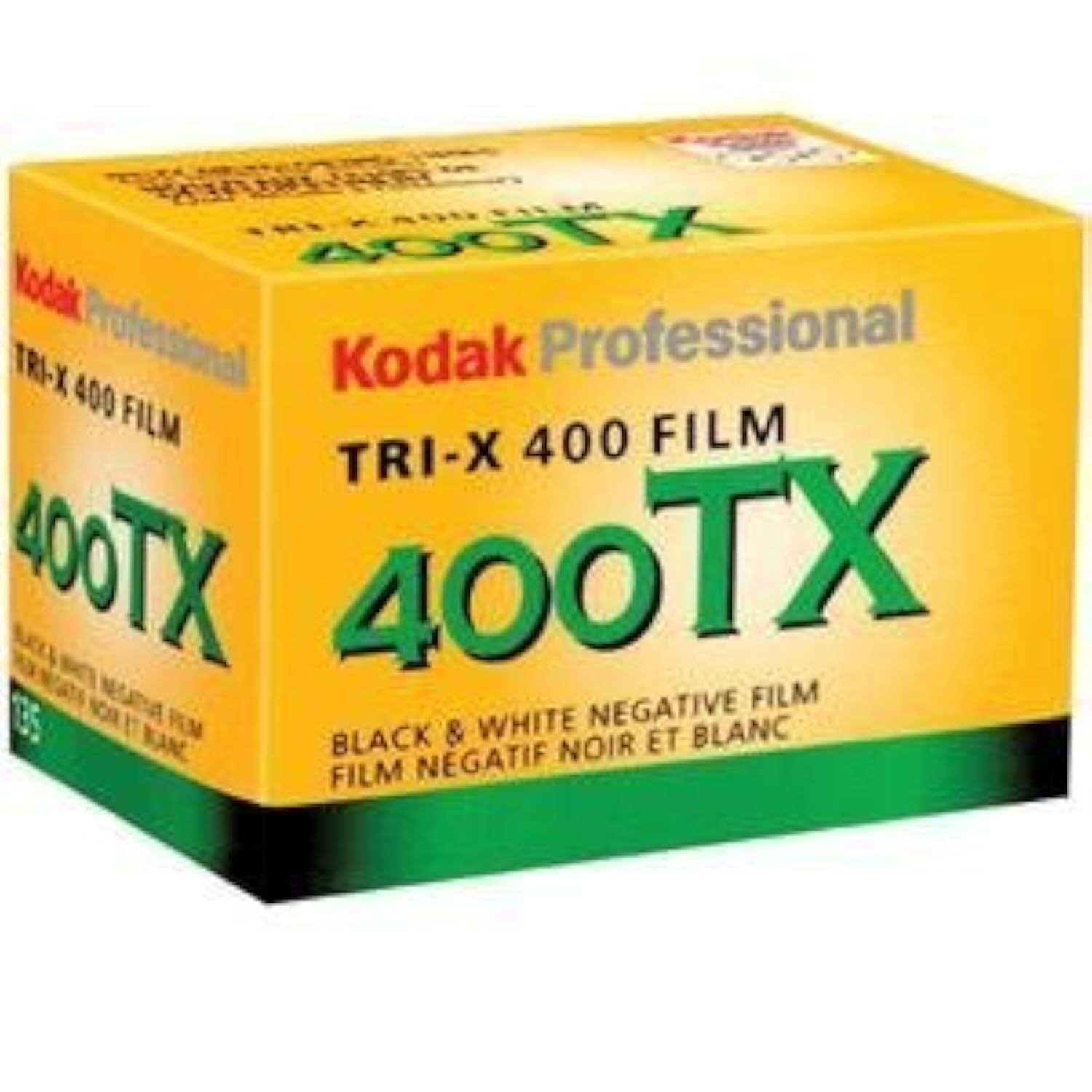
Kodak Tri-X 400TX is the emulsion that defined 20th‑century photojournalism. Its characteristic grain is larger and more pronounced than HP5 Plus, producing deep, brooding shadows and bright, punchy highlights that give documentary images their signature tension. At box speed in standard developer, Tri-X delivers a medium‑contrast negative that prints beautifully on graded papers without excessive burning or dodging.
Push‑processing this film to 1600 or 3200 intensifies the grain and boosts contrast in a way that feels deliberate rather than forced. Many street photographers deliberately rate Tri‑X at 800 or 1600 to achieve a grittier aesthetic that digital emulation cannot replicate. The film also responds well to stand development techniques, which can tame contrast while preserving shadow detail in high‑latitude scenes.
The 2‑pack configuration gives you 72 total exposures — enough for a weekend assignment or a thorough camera test without committing to a bulk pack. If you want the look that defined the work of iconic photographers, this two‑roll set is the direct path to that visual language.
Why it’s great
- Legendary push‑processing character with dramatic grain and contrast
- Wide exposure latitude handles mixed and difficult lighting
- 72 total exposures provide great value for volume shooters
Good to know
- Grain is more visible than HP5 Plus or T‑Max 400
- Some users find the contrast too high for very flat lighting without adjustment
3. Ritz Camera Pack of 5 Ilford HP5 Plus, ISO 400, 36 Exposures

This 5‑pack of Ilford HP5 Plus in the 36‑exposure format is the go‑to option for photographers who burn through film on long projects or dedicated shoots. With 180 total frames at ISO 400, you can load up for a weekend workshop or a street photography walk without worrying about running out of stock mid‑roll. The emulsion is identical to the single rolls, so you get the same wide exposure latitude and push‑processing headroom.
The DX‑coded cassettes make this film compatible with most modern 35mm cameras that auto‑read the film speed, saving you a step during loading. Each roll supplies enough length for a full day of casual shooting or a focused portrait session. The 36‑exposure length also reduces the number of times you need to reload in the field, which can be a significant advantage in dusty or fast‑moving environments.
For photographers who have already decided that HP5 Plus is their primary stock, this bulk pack reduces the per‑roll cost compared to buying individual rolls. The consistent emulsion batch also means you can rely on the same development times and contrast characteristics across every frame in the box.
Why it’s great
- Five rolls provide 180 exposures for extended shoots
- DX‑coded cassettes for automatic ISO reading on compatible cameras
- Lower per‑roll cost compared to buying singles
Good to know
- Heavy upfront cost compared to a single roll
- 36 exposures may be too many for quick camera tests or travel rolls
4. Kodak Tri-X 400TX Professional Black and White Film ISO 400, 35mm, 24 Exposures
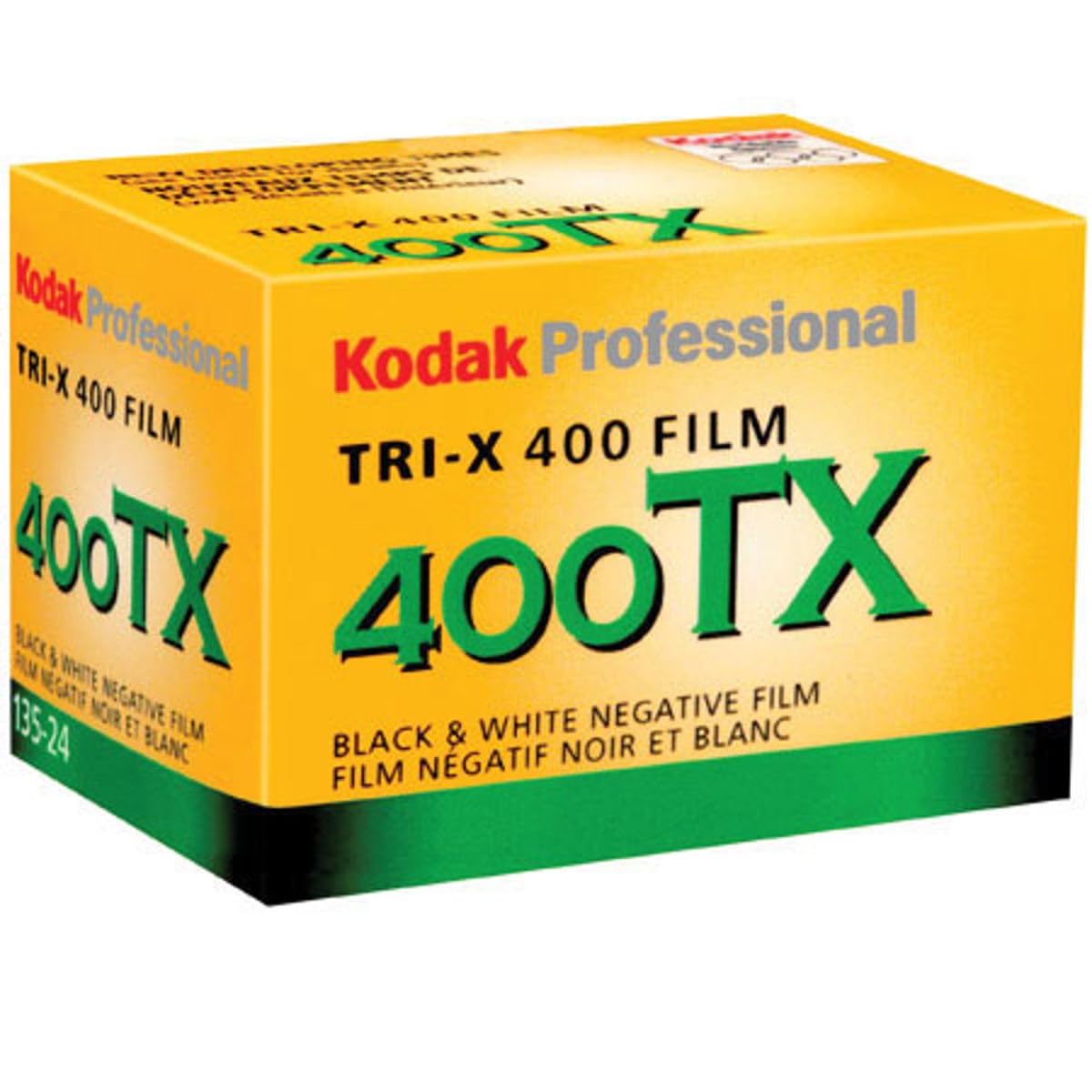
This single roll of Kodak Tri‑X 400TX in 24‑exposure format is the entry point for shooters who want to test the legendary emulsion without committing to a 36‑exposure roll. At box speed, the film produces its classic contrast curve with rich blacks and detailed highlights that print well on multigrade paper. The 24‑exposure length is perfect for camera testing, short outings, or when you know the lighting conditions will change midway through the roll.
The forgiving nature of Tri‑X at ISO 400 means you can underexpose by a stop or overexpose by two stops and still produce a printable negative. This latitude makes it an excellent choice for students learning to meter manually, as the film compensates for small exposure errors. Push‑processing to 1600 yields a punchy, high‑contrast look that many find appealing for urban street scenes.
If you are new to black‑and‑white film or simply want to sample Tri‑X before buying in bulk, this single 24‑exposure roll gives you a low‑risk way to evaluate its character in your specific camera and developer combination.
Why it’s great
- Classic Tri‑X tonality with deep blacks and textured midtones
- Very forgiving exposure latitude suitable for learning photographers
- 24 frames are ideal for quick tests and camera checks
Good to know
- Grain is more prominent than fine‑grain alternatives
- 24 exposures limit the number of frames for a full project
5. Ilford HP5 Plus, Black and White Print Film, ISO 400, 24 Exposures

Ilford HP5 Plus in the 24‑exposure single‑roll format is the reliable workhorse that never surprises you with unpredictable contrast or poor shadow detail. Its ISO 400 speed is the sweet spot for handheld shooting in overcast European light, dim interiors, or bright midday sun when paired with a yellow or orange filter. The grain is fine enough for 8×10 prints to look smooth while retaining enough texture to feel undeniably like film.
The 24‑exposure count makes this roll a practical choice for a single‑afternoon walk or a quick portrait session where you know exactly how many frames you need. It also works well as a test roll when you first acquire a vintage camera — you can shoot through 24 exposures quickly to check light seals, shutter accuracy, and film advance mechanics without wasting 12 extra shots.
Whether you are a returning film user who wants a no‑drama roll or a beginner setting up a darkroom for the first time, this single HP5 Plus canister delivers consistent, high‑quality negatives that are easy to develop at home with standard chemistry.
Why it’s great
- Easy to develop; responds well to standard and homebrew chemistry
- Excellent exposure latitude reduces waste from metering mistakes
- 24 exposures are ideal for short sessions and camera testing
Good to know
- Grain is slightly more visible than T‑Max 400
- Fewer frames per roll than 36‑exposure options
6. Black and White Film, ISO 400, 35mm, SHD400, 36 Exposures (Kcmssertkir)
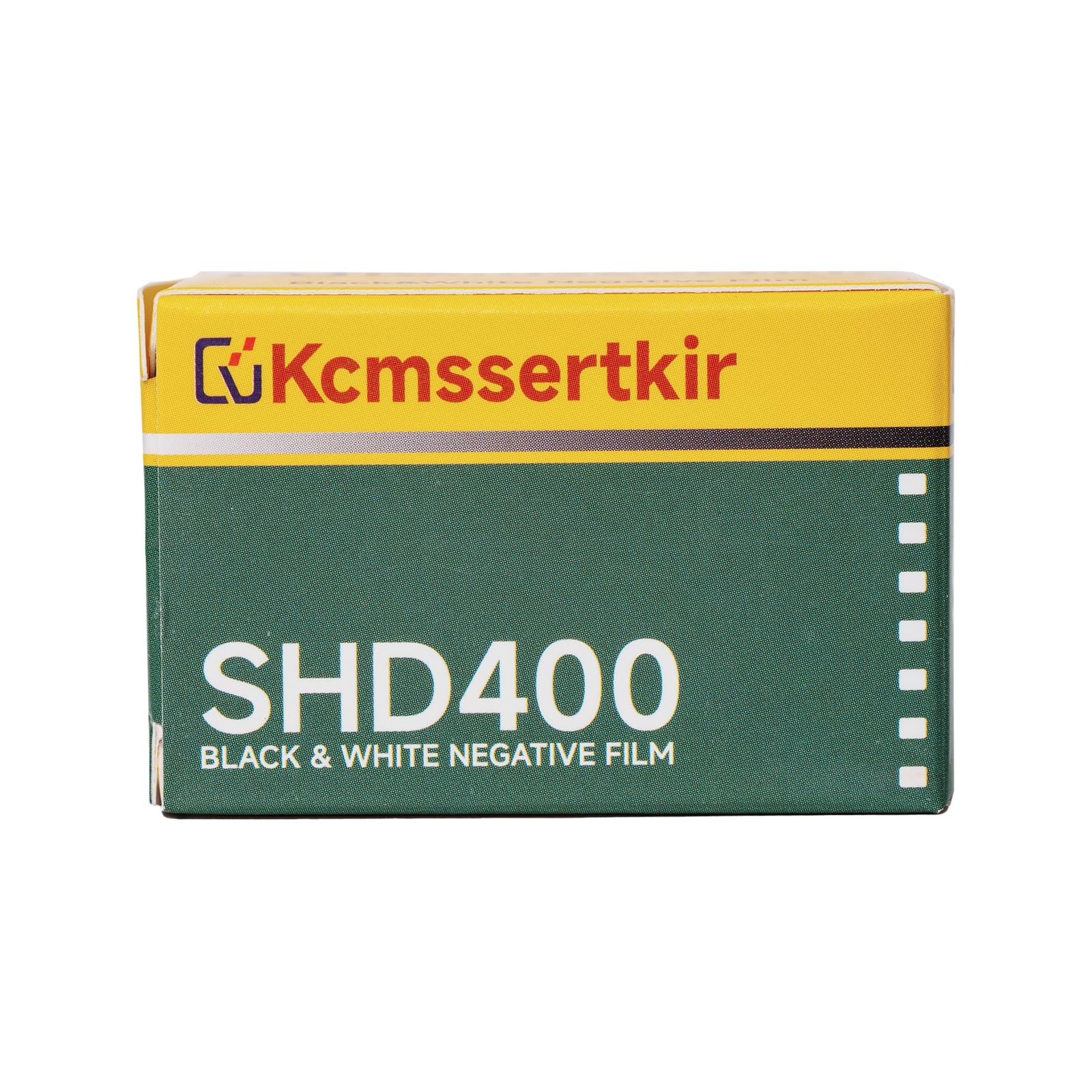
Kcmssertkir SHD400 is a budget‑tier ISO 400 emulsion that aims to deliver the classic black‑and‑white experience at a lower cost. With 36 exposures per roll, it provides excellent frame‑count value for beginners who want to learn metering, development, and scanning without burning through premium stock. Early user reports describe its contrast as sitting between Ilford HP5 Plus and Kentmere, offering a middle ground that works in both flat and contrasty lighting.
The film performs best when exposed at box speed or slightly overexposed. Underexposure by a full stop or more causes shadow detail to fall off rapidly, so accurate metering is essential. Push‑processing is possible but not recommended past 800 — the grain increases significantly and contrast becomes difficult to print without losing highlight separation. For straight‑out‑of‑box use at ISO 400, however, the negatives are clean and printable.
Some batches have been reported as respooled 120‑format film, but the manufacturer has corrected labeling. At this price point, it is best treated as a practice or experimental stock rather than a primary emulsion for critical work. If you are a student burning through rolls for class assignments, this film lets you shoot more for less.
Why it’s great
- Low cost per frame with 36 exposures per roll
- Fine grain at box speed produces clean negatives
- Handles overexposure well; good for beginners
Good to know
- Poor shadow detail when underexposed
- Batch quality inconsistencies reported by some users
7. 7 Rolls Kodak Professional TRI-X 400/400TX 35mm Black-and-White Film, 36-Exposure

This 7‑pack of Kodak Tri‑X 400TX in 36‑exposure format is the ultimate supply for heavy‑volume shooters who know exactly what they want from their emulsion. With 252 total frames, you can cover a multi‑day shoot, a documentary project, or several months of casual street photography without reordering. Each roll is identical in emulsion batch, ensuring that your development times remain consistent across the entire box.
Tri‑X at 36 exposures gives you enough frames to work through a full day of shooting on location, from early morning light through golden hour. The emulsion’s wide latitude means you can rate it at 400 for general use or push it to 800 for faster shutter speeds in fading light, and the film will still produce a dense, contrasty negative with good shadow separation. Development with standard soups like D‑76 or HC‑110 at the manufacturer’s times yields predictable results every time.
For anyone who has standardized on Tri‑X as their primary stock, this bulk pack is the most economical way to keep a steady supply. Just remember to store unopened rolls in a cool, dry place to preserve the film’s latent‑image stability over long periods.
Why it’s great
- 252 exposures supply a serious shooter for weeks or months
- Consistent emulsion batch for predictable development
- Classic Tri‑X character: deep blacks, textured midtones
Good to know
- High upfront cost may be prohibitive for casual photographers
- Requires proper cold storage to maintain freshness over long periods
FAQ
Can I push black‑and‑white 35mm film beyond ISO 3200?
How should I store unexposed black‑and‑white 35mm film?
Final Thoughts: The Verdict
For most users, the best black and white 35mm film winner is the Ilford HP5 Plus 3‑Pack because it balances push‑processing flexibility, wide exposure latitude, and a classic grain structure at a price that works for both learning and professional work. If you want the unmistakable documentary look with deep blacks and punchy highlights, grab the Kodak Tri‑X 2‑Pack. And for bulk shooting where every frame counts, nothing beats the Ritz Camera 5‑Pack of HP5 Plus.