
Weight loss isn’t about sweating through a painful run or cutting out entire food groups; it’s about data. The right wrist-worn device turns your body into a dashboard, showing you exactly how many calories you’re burning, how well you’re recovering, and whether your sleep is sabotaging your deficit. Without that real-time feedback, you’re guessing.
I’m Min — the co-founder and writer behind Gadgets Feed. I’ve spent hundreds of hours cross-referencing sensor accuracy, battery life claims, and real-world user data to find which trackers actually move the needle for weight loss.
This guide ranks the seven best models based on their ability to track active calories, resting metabolic rate, and workout intensity so you can pick the right activity tracker for weight loss.
How To Choose The Best Activity Tracker For Weight Loss
Not every fitness tracker is built for shedding pounds. Many focus on step counts or vague “activity” scores that don’t tell you the real story. For weight loss, you need a device that tracks your total daily energy expenditure (TDEE), monitors your heart rate zones, and logs your sleep quality. Without accurate data, you’re just wearing a wristband.
Priority 1: 24/7 Heart Rate Monitoring
A tracker that only reads your pulse during workouts is useless. You need continuous optical heart rate tracking to calculate your resting metabolic rate and the calories you burn while sitting, sleeping, and digesting. The best sensors use multi-LED arrays that handle darker skin tones and erratic motion better than older single-LED designs. Look for brands that publish their sensor accuracy against medical-grade ECG readings — those tend to be the ones that produce reliable calorie numbers.
Priority 2: Active Calorie vs. Total Calorie Tracking
Some devices only show you the calories burned during exercise. A weight-loss-focused tracker should display both active calories (from movement) and resting calories (your baseline metabolism). This combined number — your total daily energy expenditure — lets you set a proper calorie deficit. If your tracker only shows workout calories, you might overeat because you don’t realize your body is still burning fuel at rest.
Priority 3: Sleep and Stress Metrics
Poor sleep drives up cortisol levels, which makes your body hold onto fat. A tracker that scores your sleep stages, detects naps, and measures HRV (heart rate variability) gives you a clearer picture of recovery. If you’re not sleeping well, your workouts will suffer and your hunger hormones (ghrelin and leptin) will get scrambled. The best weight loss trackers treat sleep as a metabolic input, not just a bedtime curiosity.
Quick Comparison
On smaller screens, swipe sideways to see the full table.
| Model | Category | Best For | Key Spec | Amazon |
|---|---|---|---|---|
| Amazfit Balance 2 | Premium | All-day TDEE & deep dive metrics | 21-day battery / 658 mAh | Amazon |
| Apple Watch Series 11 | Premium | iPhone-centric health ecosystem | ECG / 24hr battery | Amazon |
| Garmin vívoactive 6 | Mid/Hybrid | Body Battery & recovery focus | 11 days battery / AMOLED | Amazon |
| Amazfit Active 2 Premium | Mid-Range | Runners needing offline maps | 10 days battery / 260 mAh | Amazon |
| Google Fitbit Air | Mid-Range | Screenless minimalists | 7 day battery / 168 mAh | Amazon |
| Fitbit Charge 6 | Mid-Range | Google-connected features & GPS | 7 day battery / 0.25 mAh | Amazon |
| Fitbit Inspire 3 | Budget | Everyday simplicity & low cost | 10 day battery / 0.3 mAh | Amazon |
In‑Depth Reviews
1. Amazfit Balance 2

The Amazfit Balance 2 is the heavy lifter for weight loss tracking. With a massive 658 mAh battery, it lasts up to 21 days on a single charge — meaning you never have to take it off mid-week to recharge. The 1.5-inch AMOLED display with sapphire glass is sharp and durable, and the dual-band GPS from six satellite systems locks on fast for outdoor walks and runs. The BioTracker sensor provides continuous heart rate monitoring, and with 170+ sport modes including official HYROX mode, you get granular data on active calories burned in every session.
For weight loss, the critical feature here is the Zepp Coach integration. It generates adaptive training plans that adjust based on your recovery status and HRV data. The watch also tracks sleep stages, naps, and stress levels automatically, feeding everything into a daily readiness score. Reviewers frequently mention the battery lasts two weeks with heavy use, and the sapphire crystal resists scratches even during gym sessions.
The only trade-off is the band — the stock silicone band is decent but some users with larger wrists find it tight. Also, the Zepp app interface can be overwhelming with data at first. But for the sheer amount of health metrics and battery endurance, this is the most comprehensive weight loss companion at this price tier.
Why it’s great
- Unmatched 21-day battery life supports continuous sleep and HR tracking
- Dual-band GPS with six satellite systems for accurate outdoor route mapping
- Sapphire glass screen resists scratches from gym equipment
Good to know
- Silicone band may be too short for larger wrists
- Zepp app requires some time to learn all the data fields
2. Apple Watch Series 11
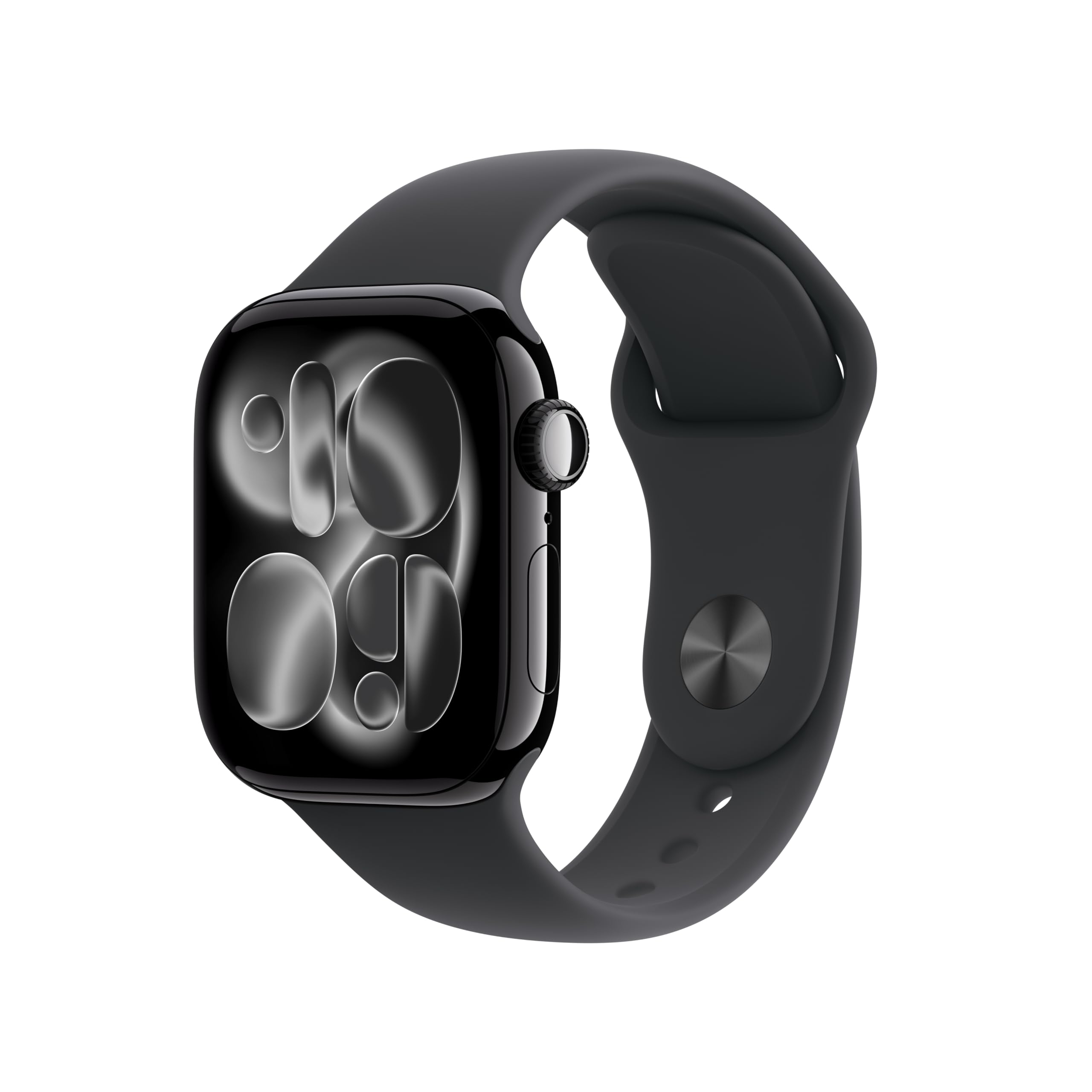
The Apple Watch Series 11 brings medical-grade health monitoring to your weight loss journey. The built-in ECG app can take a single-lead electrocardiogram anytime, and the Vitals app tracks overnight metrics like respiratory rate and wrist temperature. For weight loss, the training load feature uses Apple Intelligence on your iPhone to suggest daily workout targets based on your recent activity history. The always-on Retina display is crisp even in direct sunlight, and the 42mm case is thin and lightweight enough for sleep tracking.
Series 11 introduces hypertension notifications by analyzing how your blood vessels respond to heartbeats — a signal that high stress might be affecting your weight loss. Battery life hits 24 hours of normal use, and a 15-minute fast charge gives you 8 hours of tracking, so you only need to take it off during a shower. Reviewers consistently praise the seamless integration with iPhone, accurate heart rate readings even with wrist tattoos, and the clear sleep score dashboard.
The downside is that you need an iPhone to get full functionality, and the daily charging requirement is a pain point for anyone who wants zero-interruption tracking. Additionally, some users switching from Fitbit find the step count display less prominent on the watch face. But if you’re already in the Apple ecosystem, this watch provides the deepest health tracking integration available.
Why it’s great
- ECG and overnight vitals tracking offer hospital-grade data points
- Fast charging — 15 minutes gives 8 hours of normal use
- Seamless integration with Apple Fitness+ and iPhone health data
Good to know
- Requires daily charging, no multi-week battery freedom
- Only fully functional with an iPhone
3. Garmin vívoactive 6

Garmin’s vívoactive 6 is designed for people who want to understand their body’s energy reserves throughout the day. The Body Battery feature calculates your energy level based on heart rate variability, stress, sleep, and activity data — giving you a clear numeric score of how ready you are for a workout. With up to 11 days of battery life in smartwatch mode, you can track weeks of continuous weight loss data without worrying about charging. The 1.2-inch AMOLED display is bright enough for outdoor runs, and the lightweight fiber-reinforced polymer case makes it comfortable for 24/7 wear.
Weight loss benefits come from the personalized daily suggested workouts that adapt based on your recovery and health data. The vívoactive 6 also tracks naps automatically and factors them into your Body Battery score. Reviewers mention that the sleep tracking is excellent — the smart wake alarm vibrates gently at the optimal time in your sleep cycle, which helps you wake up more rested. The Garmin Connect app provides all training metrics for free, without any subscription paywall.
The main limitation is the lack of a built-in altimeter for hiking elevation data, which some trail runners miss. Also, the touchscreen can be slow to respond when wet. But for the combination of long battery life and detailed recovery metrics, this is a top contender for sustained weight loss tracking.
Why it’s great
- 11-day battery allows uninterrupted sleep and HR tracking for two weeks
- Body Battery score helps you schedule workouts when you have the most energy
- No subscription required for advanced metrics like HRV and training load
Good to know
- No altimeter for elevation data during hikes
- Touchscreen responsiveness degrades when wet with sweat
4. Amazfit Active 2 Premium

The Amazfit Active 2 Premium punches far above its price point with a genuine sapphire crystal display and polished stainless steel body — durability that usually costs three times as much. The 1.75-inch AMOLED panel hits 2,000 nits of brightness, so you can read your calorie data even at high noon. Inside, the BioTracker sensor provides continuous heart rate and SpO2 monitoring, and the watch supports 160+ workout modes including HYROX race mode for specialized fitness enthusiasts. Battery life reaches 10 days with typical use and up to 21 hours with continuous GPS.
Weight loss tracking is well-served by the Zepp Coach AI, which generates adaptive training plans based on your recovery. The downloadable offline maps with turn-by-turn voice directions make outdoor runs and walks easier to navigate without bringing your phone. Reviewers frequently highlight the scratch-resistant sapphire glass as a major advantage, and the watch connects to Bluetooth headphones for audio cues during workouts.
The cons include a leather strap that’s too short for larger wrists (though a silicone strap is included), and sleep tracking can sometimes miss mid-afternoon naps. The step tracking is generally accurate but not medical-grade. Still, for the combination of premium materials and comprehensive health sensors, this is the smartest value pick for weight loss seekers.
Why it’s great
- Sapphire glass and stainless steel body rival watches priced much higher
- Offline maps with voice turn-by-turn for phone-free outdoor runs
- 10-day battery supports continuous sleep and HR data collection
Good to know
- Stock leather strap may be too short for larger wrists
- Sleep tracking sometimes misses short daytime naps
5. Google Fitbit Air
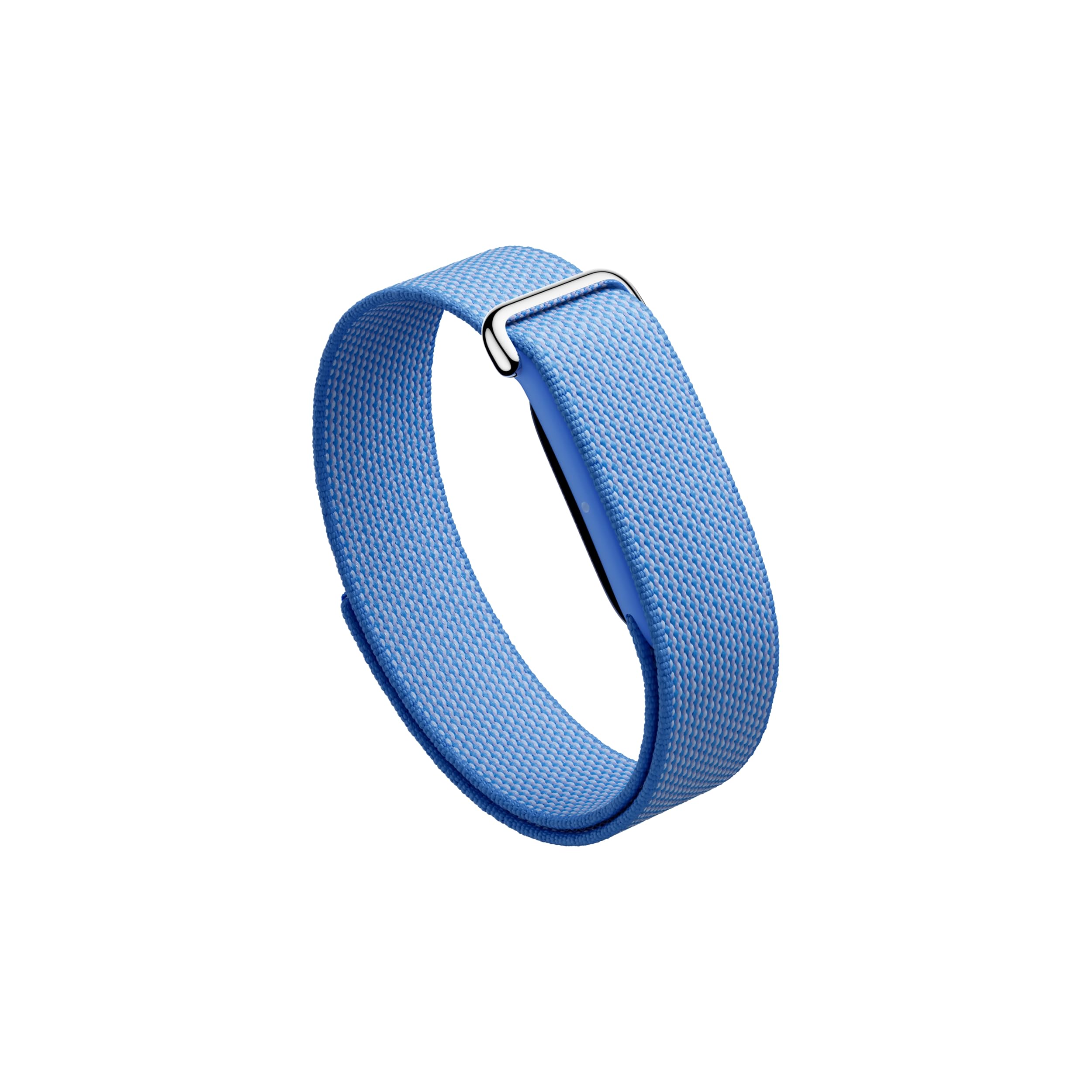
The Google Fitbit Air is a radical departure: a screenless tracker that relies entirely on your phone for data display. The lightweight woven band houses advanced sensors that track heart rate, SpO2, HRV, and sleep stages without any visual distraction. For weight loss, this means you never get pulled into notifications or screen time — you simply wear it, and the data flows to the Google Health app. Battery life hits up to 7 days, and a 5-minute quick charge provides a full day of use, so you never have to leave it off your wrist overnight.
The custom Google Health Coach provides AI-generated fitness plans that adapt to your lifestyle. Reviewers who do contact sports like boxing and muay thai love the screenless design because there’s no glass to crack. The automatic workout detection is accurate for walks, runs, and cycling, and the sleep tracking metrics are detailed. The band is comfortable enough to forget you’re wearing it, and the micro-adjustable fit ensures it stays put during high intensity interval training.
The major downside is the lack of distance accuracy for runners — the step counting tends to overestimate distance on long runs. Also, the AI coach’s food tracking is limited to voice inputs and doesn’t support manual calorie entry. But if you want a distraction-free device that purely gathers data without enticing you to check a screen, this is the most comfortable option.
Why it’s great
- Screenless design is perfect for contact sports and distraction-free use
- 5-minute fast charge gives a full day of continuous tracking
- Comfortable woven band is micro-adjustable for a secure fit
Good to know
- Distance tracking on runs is less accurate than GPS-equipped trackers
- Food logging relies on AI voice input, no manual calorie entry
6. Fitbit Charge 6

Fitbit’s Charge 6 is the most feature-dense fitness band on the market, packing built-in GPS, Google Maps turn-by-turn navigation, Google Wallet for contactless payments, and YouTube Music controls into a slim band form factor. The AMOLED display is bright and offers Active Zone Minutes — a metric that tracks time spent in fat-burning, cardio, and peak heart rate zones. This is directly useful for weight loss because it tells you exactly how many minutes you spent in the optimal calorie-burning zone during each workout.
The Daily Readiness Score combines heart rate variability, sleep quality, and recent activity to tell you whether you should push hard or take a rest day. Reviewers note that the heart rate accuracy is excellent during steady-state cardio but can swing up to 20% during intense intervals. The built-in GPS tracks your outdoor walks and runs without needing to bring your phone. Battery life averages 7 days, which is solid for a device with a color AMOLED screen and continuous HR monitoring.
Durability is a concern — some users report band attachment issues and screen failures after a few months. The magnetic charger is also somewhat finicky to align properly. Additionally, the stress tracking metric sometimes feels arbitrary. But for the combination of Google apps and fitness tracking, this is the most versatile mid-range option.
Why it’s great
- Built-in GPS for phone-free outdoor run tracking
- Google Maps and Google Wallet add daily utility
- Active Zone Minutes give clear feedback on calorie-burning heart rate zones
Good to know
- Reported durability issues with band hinge and screen after months of use
- Optical heart rate can vary up to 20% during high intensity intervals
7. Fitbit Inspire 3

The Fitbit Inspire 3 strips away everything unnecessary and focuses on the core metrics you need for weight loss: steps, heart rate, Active Zone Minutes, sleep score, and stress management. The slim resin case is lightweight and comfortable enough to forget you’re wearing it, and the battery lasts a solid 10 days — meaning you charge it 2-3 times per month. The screen is bright and legible, showing your daily stats at a glance. For weight loss, the key feature is the 24/7 heart rate tracking that feeds into calorie burn estimates throughout the day.
The daily Stress Management Score uses heart rate variability and activity data to tell you when your body is under strain. The Sleep Score breaks down your sleep stages and provides a numeric rating, which helps identify if poor sleep is sabotaging your weight loss. The silent vibrating alarm wakes you without disturbing your partner. Reviewers who have owned the device for months mention it’s durable, with scuffs on the case but no functional issues. The water resistance holds up well for swimming and ocean use.
The biggest trade-off is the lack of built-in GPS — you need to bring your phone along for location tracking. Also, the step count can be slightly optimistic compared to other devices. But for the price, the Inspire 3 delivers the essential tracking metrics that many more expensive devices offer, making it the best entry point for anyone starting a weight loss journey.
Why it’s great
- Excellent battery life — charge only 2-3 times per month
- Daily Stress Management Score helps identify stress-related weight stall
- Waterproof design holds up to swimming and ocean use
Good to know
- No built-in GPS — requires phone for outdoor route tracking
- Proprietary charging cable can be easy to lose
FAQ
Can an activity tracker really help me lose weight?
Do I need a tracker with GPS for weight loss?
How accurate are calorie burn estimates on fitness trackers?
Final Thoughts: The Verdict
For most users, the activity tracker for weight loss winner is the Amazfit Balance 2 because it combines 21-day battery life, dual-band GPS, sapphire glass, and the Zepp Coach AI for adaptive fitness plans — all at a price that undercuts premium brands by hundreds. If you want the deepest health ecosystem with ECG and iPhone integration, grab the Apple Watch Series 11. And for the best battery endurance with recovery-focused metrics like Body Battery, nothing beats the Garmin vívoactive 6.