
Finding a bush that thrives in dappled light instead of full, direct sun is the single most common headache for gardeners with mature trees or north-facing beds. Most flowering shrubs demand six hours of direct rays, leaving partial-shade zones looking bare or relying on the same few hostas. The right woody plants, however, turn those tricky pockets into the most interesting part of your landscape.
I’m Min — the co-founder and writer behind Gadgets Feed. I’ve spent hundreds of hours cross-referencing USDA zone maps, bloom periods, mature dimensions, and real grower feedback to separate the bushes that genuinely perform in partial shade from those that merely tolerate it on the tag.
This guide breaks down seven proven options for dappled and half-day light conditions, covering bloom color, mature size, and maintenance needs so you can confidently pick the best bushes for partial shade for your specific garden conditions.
How To Choose The Best Bushes For Partial Shade
Not all shade is created equal. Morning sun with afternoon cover is very different from bright dappled light under a high canopy, and both differ from deep, all-day shade. Before picking a bush, map the light in your target spot: note how many hours of direct sun it gets and whether that sun arrives in the cool morning or the hot afternoon. Most partial-shade shrubs need at least three to four hours of direct morning light to set buds and maintain compact growth.
Understand Your Zone and the Plant’s Mature Size
USDA hardiness zones tell you whether a shrub will survive your winter, but the mature height and spread listed for a bush are just as important in partial-shade conditions. Plants grown in less light often stay slightly smaller than the tag suggests, so overcrowding is less of a risk — but a bush that expects to reach 8 feet wide will still crowd a narrow bed. Always check the mature spread and give it room to breathe, especially under trees where root competition is already intense.
Bloom Period and Reblooming Capability
In partial shade, bloom duration becomes the defining feature of a successful shrub. Some bushes flower for only two weeks in spring, while others rebloom through summer and into fall. For a bed that gets only half-day sun, a reblooming variety like Encore Azalea or Rose of Sharon provides color across months rather than a single short burst. Look for tags that say “everblooming” or “repeat bloomer” if seasonal interest is your priority.
Quick Comparison
On smaller screens, swipe sideways to see the full table.
| Model | Category | Best For | Key Spec | Amazon |
|---|---|---|---|---|
| Blue Chiffon Rose of Sharon | Deciduous Shrub | Long-season reblooming | 96-144″ mature height | Amazon |
| Rhododendron ‘Aglo’ | Evergreen Shrub | Year-round foliage + spring flowers | 5-6 ft mature spread | Amazon |
| Pugster Amethyst Buddleia | Deciduous Shrub | Butterfly and hummingbird attraction | 24″ mature height | Amazon |
| Encore Azalea Embers | Evergreen Shrub | Spring-to-fall reblooming | 36″ mature height | Amazon |
| Bridal Wreath Spirea | Deciduous Shrub | Deer resistance and spring cascade | Zones 4-9 adaptability | Amazon |
| Obsession Nandina | Evergreen Shrub | Year-round colorful foliage | 48″ mature height | Amazon |
| New Guinea Impatiens Harmony Orange Star | Tender Perennial | Quick color for beginner gardeners | 18″ mature height | Amazon |
In‑Depth Reviews
1. Proven Winners Blue Chiffon Rose of Sharon

The Blue Chiffon Rose of Sharon from Proven Winners delivers the longest bloom window of any shrub on this list, producing soft blue double flowers from spring through fall. Its mature height of 8 to 12 feet makes it a true statement piece, but it stays manageable with light pruning if you want to keep it under 7 feet. The plant is deciduous, so it drops leaves in winter, but the vase-shaped branching structure still provides visual interest in the dormant season.
Customer reports consistently note that this hibiscus arrives with intact buds and healthy leaves, even after shipping. Several buyers saw their first bloom within two weeks of planting in partial-sun conditions, which confirms the plant’s reputation for fast establishment. The key is consistent moisture — once the root system settles, it becomes quite drought-tolerant thanks to its woody shrub habit.
For partial-shade gardens where you need a tall backdrop or a central anchor, this Rose of Sharon outperforms most competitors. The reblooming genetics mean you get continuous color rather than a single spring flush, and the open, airy growth habit lets lower perennials still catch light underneath. It is also deer-resistant and attracts pollinators without becoming invasive in most zones.
Why it’s great
- Blooms continuously from spring to fall in partial sun
- Large mature size provides excellent privacy screening
- Proven Winners genetics ensure consistent reblooming performance
Good to know
- Requires regular watering until fully established
- Deciduous — no winter foliage cover
- Can outgrow smaller beds if not pruned annually
2. Rhododendron ‘Aglo’

The Rhododendron ‘Aglo’ from Green Promise Farms is the only true evergreen option in this roundup that still delivers a heavy spring flower show in partial to full shade. Its small, leathery leaves hold deep green color through winter, and the shell-pink blooms that emerge in early May nearly cover the entire canopy. The mature size of 5 to 6 feet in both height and spread makes it a rounded, self-filling shrub ideal for woodland edges and north-facing foundations.
Buyers consistently praise the packaging and speed of delivery, with multiple reports of plants arriving healthy even during freezing winter temperatures. The root system is well-developed in the #2 container, which gives the shrub a strong head start compared to liner-grade plants. A handful of reviewers noted that plants died in the second year despite proper acidic soil management, which points to the importance of site selection — rhododendrons are sensitive to poor drainage and heavy clay soils.
If you need year-round structure in a partial-shade spot that currently goes bare in winter, this rhododendron is the strongest choice. The evergreen foliage acts as a backdrop for spring bulbs and summer perennials, and the pink flowers add a soft, naturalistic feel that blends well with ferns and hostas. Just ensure the soil is acidic and drains freely before planting.
Why it’s great
- Evergreen foliage provides winter interest in shade gardens
- Pink spring blooms cover the entire shrub heavily
- Tolerates full shade, not just partial sun
Good to know
- Requires acidic, well-drained soil to thrive
- Some plants may struggle in heavy clay without amendment
- Slow-growing compared to deciduous shrubs
3. Pugster Amethyst Buddleia

The Pugster Amethyst Buddleia from Proven Winners breaks every rule about butterfly bushes — it stays compact at just 24 inches tall while producing full-sized purple flower spikes that attract monarchs, swallowtails, and hummingbirds all summer. Most buddleia varieties need full sun and grow to 6 feet, but the Pugster series was bred specifically to flower reliably with just four to five hours of direct light. The thick, sturdy stems prevent the flopping that plagues taller varieties in reduced light.
Customer feedback highlights the dramatic difference between this plant and smaller mail-order options. Multiple reviewers who previously bought buddleia from other sources reported that the Pugster Amethyst arrived substantially larger and healthier, with multiple active blooms already present. A few buyers did receive wilted plants, but the majority saw full recovery after planting and consistent watering, which suggests the Proven Winners root system is robust enough to bounce back from shipping stress.
For gardeners who want pollinator impact in a compact partial-shade bed, this is the most space-efficient option. The purple flowers hold their color even in dappled afternoon light, and the tidy growth habit means it will not crowd out neighboring perennials. It is deciduous, so expect winter dormancy, but the spring re-emergence is fast and vigorous.
Why it’s great
- Compact 24-inch height fits small shade beds perfectly
- Full-sized flower spikes in partial sun conditions
- Heavy pollinator magnet for butterflies and hummingbirds
Good to know
- Deciduous — loses leaves in winter
- Needs regular water during first growing season
- Some plants may arrive wilted from shipping heat
4. Encore Azalea Embers

The Encore Azalea Embers is the only azalea on the market that reliably blooms three times per year — spring, summer, and fall — while maintaining evergreen foliage for year-round structure. Its red flowers are vivid enough to hold their own in dappled light, and the mature size of 36 inches tall by 42 inches wide fits neatly into mixed borders without overwhelming smaller plants. Encore Azaleas were bred specifically for partial-sun conditions, making them a direct match for the category.
Buyer experiences split between excellent packaging and fast establishment versus a significant failure rate in the second year. Several customers reported that all their Encore Azaleas died by spring despite proper planting and mild winters, while others received lush, blooming plants that thrived for years. The discrepancy suggests that soil pH and drainage are non-negotiable — azaleas need acidic, organically rich soil, and heavy clay or alkaline conditions will kill them slowly even if they look healthy for the first few months.
If your garden already has acidic soil or you are willing to amend with peat moss and sulfur, the Encore Azalea Embers delivers the longest bloom season of any flowering shrub in partial shade. The evergreen leaves provide winter color, and the three-season reblooming habit ensures your bed never looks bare. Just test your soil pH before planting and avoid spots that stay soggy after rain.
Why it’s great
- Three-season reblooming in spring, summer, and fall
- Evergreen foliage provides winter garden structure
- Compact 3-foot size suits foundation plantings and borders
Good to know
- Strict soil acidity requirements (pH 5.0-6.0)
- Some plants may not survive second winter without ideal conditions
- Not suited for zones colder than 6
5. Bridal Wreath Spirea
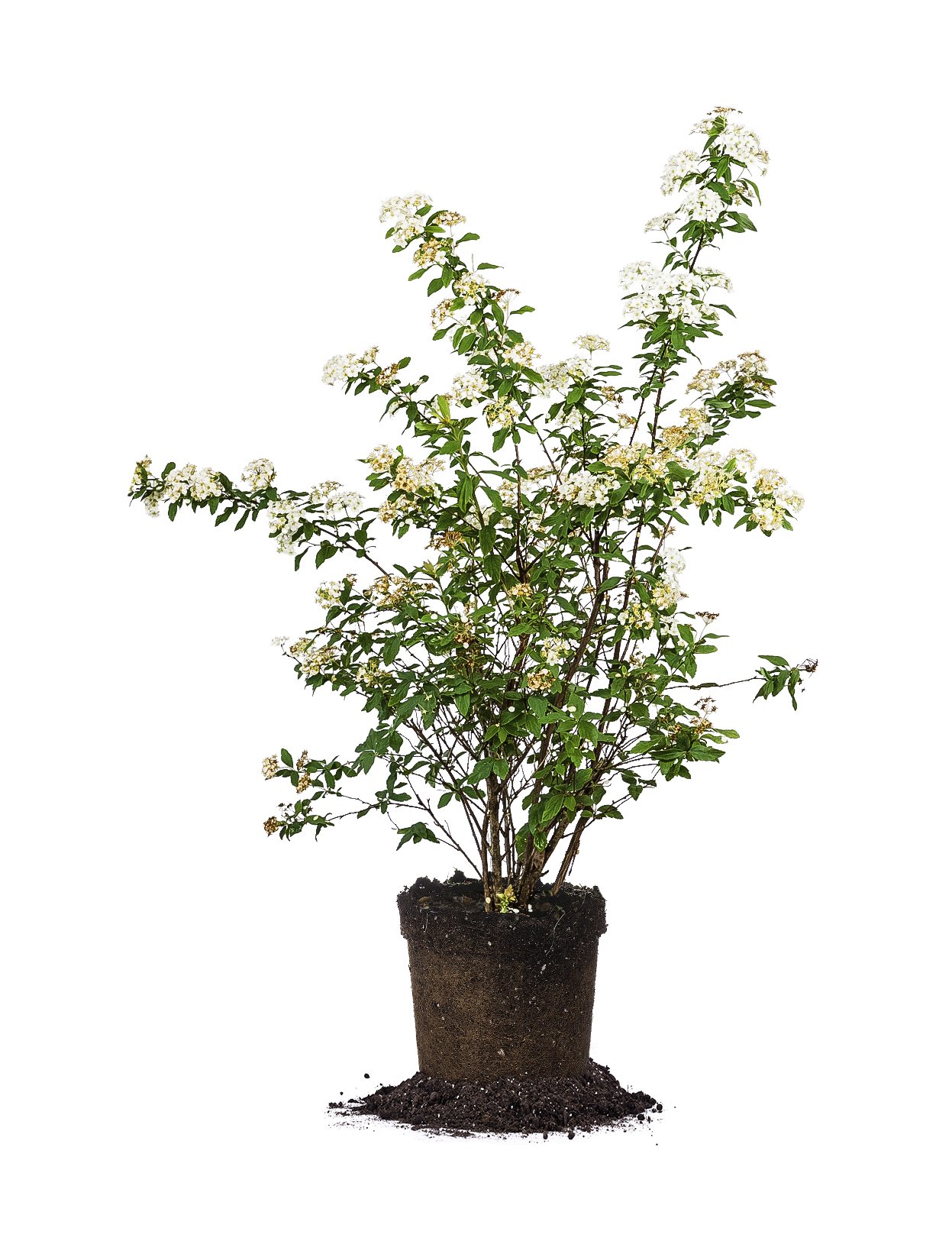
The Bridal Wreath Spirea from Perfect Plants delivers one of the most dramatic spring displays in the partial-shade category: arching branches completely covered in double white flowers that cascade like a fountain. This is a straight species spirea, not a dwarf hybrid, so it grows to a mature size of 5 to 8 feet tall and wide, making it best suited for larger beds or naturalized areas where its sprawling shape can spread freely. The green summer foliage transitions to striking red and orange in fall, providing three seasons of interest.
Buyers consistently praise the plant’s health upon arrival and the impressive root system packed into the 1-gallon pot. Multiple reviews note that even when shipping mishandled the box and broke branches, the plant recovered quickly and continued growing. The Bridal Wreath Spirea is naturally deer-resistant and attracts bees and butterflies during its bloom window, which makes it a valuable ecological addition to shade gardens where deer pressure is high.
For gardeners in colder zones (4 and 5) who need a tough, reliable shrub that shrugs off partial shade, this spirea is a standout. It requires almost no fertilizer, tolerates clay soil better than azaleas or rhododendrons, and only needs a light pruning after flowering to maintain its shape. The white blooms are luminous in dappled light, creating a soft, old-fashioned feel that pairs beautifully with dark evergreen backdrops.
Why it’s great
- Excellent deer resistance for high-pressure areas
- Brilliant red and orange fall foliage color
- Tolerates clay and poorer soils better than acid-loving shrubs
Good to know
- Large mature spread requires ample garden space
- Blooms only once per spring, no reblooming
- Deciduous — bare in winter months
6. Southern Living Obsession Nandina

The Southern Living Obsession Nandina is the only shrub in this guide grown purely for its foliage color rather than flowers. New leaves emerge bright red in spring, mature to a rich green in summer, then transition back to fiery red and orange as temperatures cool in fall. Unlike many nandina varieties that require full sun for good color, the Obsession series holds its red tones well in partial shade, making it a reliable source of year-round color in dimmer beds. It reaches 4 feet tall with a similar spread, forming a dense, multi-stemmed clump.
Customer feedback consistently mentions the excellent packaging and healthy condition of the plants upon arrival, even for cross-country shipments. The organic root system establishes quickly, and buyers note that this nandina requires very little maintenance once planted — just moderate water until established, then weekly watering is sufficient. A few reports mention carrier damage during delivery, but the plants themselves were described as healthy and full despite the rough handling.
If your partial-shade garden already has green foliage and you need a contrast plant that delivers red tones, this nandina fills that role perfectly. It produces no significant flowers, so there is no deadheading or pruning for bloom shaping. It is also deer-resistant and evergreen in zones 6 through 10, providing winter structure when deciduous shrubs have dropped their leaves.
Why it’s great
- Vibrant red foliage color in partial shade conditions
- Evergreen for year-round garden structure
- Extremely low maintenance once established
Good to know
- No flowers — all foliage, no bloom interest
- Not hardy below zone 6
- Slower growth rate compared to deciduous shrubs
7. New Guinea Impatiens Harmony Orange Star
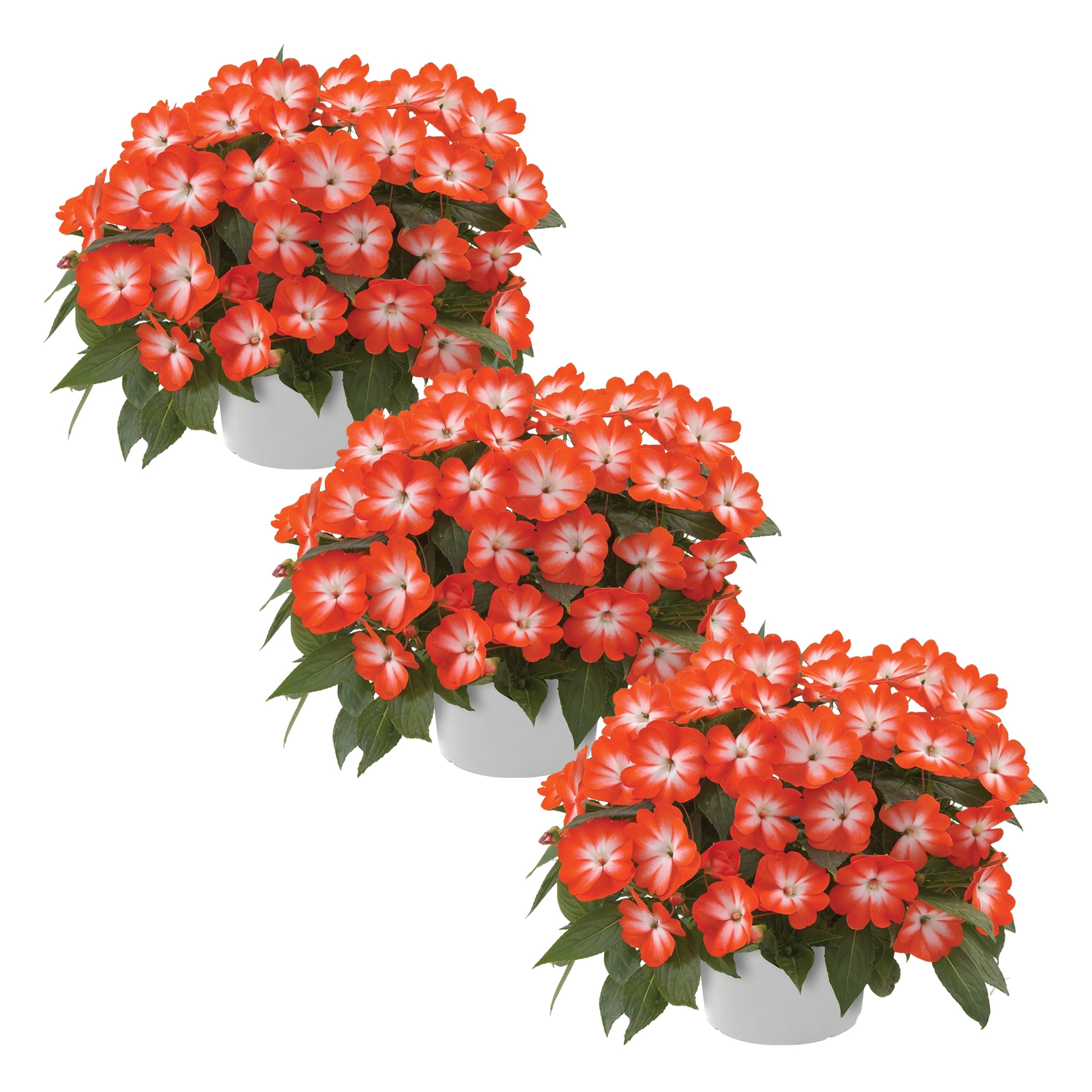
The New Guinea Impatiens Harmony Orange Star from The Three Company is technically a tender perennial grown as an annual in most zones, but its performance in partial shade is unmatched for quick, reliable color. This is not a shrub in the woody sense — the plants reach 12 to 18 inches tall and spread about 9 inches wide in a single season, producing vibrant orange star-shaped flowers continuously from spring through first frost. They thrive in morning sun with afternoon shade, making them ideal for filling gaps under deciduous trees.
Buyer reviews are sharply divided on quality. Many customers report receiving lush, healthy plants with multiple buds that established quickly and bloomed all summer. A significant minority, however, received severely damaged plants with mushy leaves and broken stems, and one reviewer described the condition as “awful.” This inconsistency appears tied to shipping handling rather than plant genetics, as the majority of positive reviews mention excellent packaging and fast delivery.
For gardeners who want maximum color impact from a small budget and are willing to accept the risk of shipping damage, these impatiens deliver spectacular results. They are the only option on this list that provides instant gratification — planting a three-pack fills a 2-foot patch in weeks. Just treat them as annuals outside zones 10 and 11, and water regularly to keep the soil moist but not soggy to avoid root rot.
Why it’s great
- Fast-growing with continuous bloom from spring to frost
- Vibrant orange flowers hold color in dappled light
- Low cost per plant for filling large shade areas
Good to know
- Treated as annual outside zones 10-11
- Shipping damage risk is higher than for woody shrubs
- Requires consistent moisture to prevent wilting
FAQ
How many hours of direct sun do partial-shade bushes actually need?
Can I plant partial-shade bushes under a large tree with competing roots?
Why did my Encore Azalea or Rhododendron die in the second year?
Final Thoughts: The Verdict
For most users, the bushes for partial shade winner is the Proven Winners Blue Chiffon Rose of Sharon because it delivers the longest bloom season of any shrub in this light condition and reaches a substantial size that anchors a border. If you want year-round evergreen structure with spring flowers, grab the Rhododendron ‘Aglo’. And for compact pollinator beds where space is tight, nothing beats the Pugster Amethyst Buddleia.