
The promise of homegrown elderberries — rich syrups, immune-boosting tonics, and deep purple clusters hanging from your own shrubs — drives many gardeners to search for bare root starts. The reality often arrives as a dried-out twig wrapped in plastic. The difference between a thriving hedgerow and a compost bin addition comes down to the root mass and the seller’s handling practices. A vigorous starter with a healthy crown and hydrated fibrous roots can establish in weeks; a stressed one may never recover.
I’m Min — the co-founder and writer behind Gadgets Feed. I’ve spent dozens of hours combing through grower reports, analyzing root structure reviews, and cross-referencing USDA hardiness claims to separate the nurseries that ship robust starters from those that ship gamble sticks. This guide is built on patterns found in hundreds of verified buyer experiences.
If you want a reliable harvest of dark, antioxidant-rich berries without losing a season to dead plants, you need the best bare root elderberry starts from a source that prioritizes root health over packaging speed.
How To Choose The Best Bare Root Elderberry
Selecting a bare root elderberry differs from buying a potted nursery plant. Without soil to buffer the roots, the plant’s survival depends entirely on pre-shipment conditioning and the timing of your zone’s planting window. Focus on three factors before clicking add to cart.
Root Crown Health Over Stem Height
A six-inch tall elderberry stick with a dry, cracked crown is a loss. A three-inch starter with multiple fibrous root strands and a plump, green-tinted crown will outgrow a taller stick every time. Buyer reports consistently show that sellers who describe root ball condition accurately produce higher survival rates. Avoid listings that only advertise stem height without mentioning root structure.
USDA Zone Matching
American elderberry (Sambucus canadensis) thrives in zones 3-8 and handles humidity well. European black elderberry (Sambucus nigra) prefers zones 4-7 and is more drought-sensitive. A premium starter from a mismatched zone will struggle regardless of root quality. Confirm the variety listed matches your local frost dates and summer heat levels.
Dormant State vs. Leafed Growth
Bare root elderberries should ship dormant — no leaves, just a woody stem and roots packed in moist medium. Leafed-out plants in bare root shipments suffer transplant shock at a much higher rate. Look for sellers that specify dormant state shipping and provide clear instructions for soaking the roots before planting.
Quick Comparison
On smaller screens, swipe sideways to see the full table.
| Model | Category | Best For | Key Spec | Amazon |
|---|---|---|---|---|
| Black Lace® Elderberry | Premium | Ornamental + fruit | Mature 6-8 ft., zones 4-7 | Amazon |
| Elderberry Ranch Potted | Mid-Range | Reliable all-rounder | Zones 3-8, full sun | Amazon |
| Smoke Camp Crafts Organic | Value | Organic grower | 10 ft. mature, organic | Amazon |
| YOKEBOM Starter Plant | Mid-Range | Cold-hardy small space | 5-9 in., zones 3-8 | Amazon |
| Bob Gordon Elderberry | Premium | Largest berry size | 10 ft., zones 3-8 | Amazon |
| AVERAR 2-Pack | Best Value | High-value two-pack | 6-12 in., zones 3-9 | Amazon |
| Generic 5-Pack Elderberry | Budget | Multiple plantings | 5 pack, zones 3-9 | Amazon |
In‑Depth Reviews
1. Black Lace® Elderberry

The Black Lace variety stands apart for its deeply cut, purple-black foliage that mimics Japanese maple aesthetics while producing edible elderberry clusters. This is a Sambucus nigra ‘Eva’ selection, so it maxes out around 6-8 feet rather than the towering 12-foot habit of canadensis types. The 4-inch pot format means it arrives with established soil roots rather than bare roots, giving it a significant head start over dormant sticks.
Buyer reports consistently highlight the plant’s vigorous regrowth after repotting, with one gardener noting it “hasn’t stopped growing” since arrival and another praising the “impressive pink flowers” that emerged in the same season. The USDA zone 4-7 limitation is important — this variety struggles in the deep south and requires consistent moisture to maintain its lacy leaf structure through summer heat.
The trade-off for that ornamental value is berry yield. Black Lace produces fewer and smaller berries than dedicated fruiting varieties like Bob Gordon. If your primary goal is syrup-making volume, this is a companion plant, not your main producer. But for a garden centerpiece that pulls double duty, it is unmatched in this price bracket.
Why it’s great
- Unique dark lace foliage provides ornamental value unmatched by other elderberries
- Arrives in a pot with established root ball, reducing transplant shock
- Multiple buyers reported healthy regrowth and flower emergence in the first season
Good to know
- Berry yield is lower than dedicated fruiting cultivars like Bob Gordon
- Hardy only to zone 4, not suited for southern heat zones
- USPS handling can leave plants in mailbox heat, risking damage
2. Elderberry Ranch Potted Plant

This Seeds*Bulbs*Plants*&More offering hits the sweet spot for gardeners who want a proven performer without the premium price. Rated for zones 3-8, it covers the broadest cold-hardy range in this lineup, making it viable for northern growers down to the mid-Atlantic. The reported root system health stands out — one buyer with 40 years of gardening experience described it as “healthier than typical nursery stock.”
The plant arrives as a well-rooted starter in sandy soil, which many buyers noted actually helped drainage during the critical first week. A common thread in positive reviews is the rapid rebound after initial leaf drop during shipping. One buyer documented a “stick with minimal roots” that rebounded within weeks after compost and mulch treatment. The white flower clusters that appear year-round on mature plants make this a consistent bloomer for pollinators.
The main risk here is heat damage during transit. Several reviews mention the package being left in direct sun by carriers, which cooked the leaves. The good news is that the seller’s customer service received specific praise for quick resolution of damaged shipments. If you can time the delivery for a mild week, this is a low-risk purchase with high upside for berry production.
Why it’s great
- Broad zone range 3-8 covers nearly all continental US growing regions
- Buyers consistently report vigorous root systems that rebound quickly from shipping stress
- Customer service is responsive and replaces damaged plants without hassle
Good to know
- Leaves can suffer heat damage if package sits in direct sun during delivery
- Some plants arrived as bare sticks with minimal roots, requiring careful nursing
- Not suitable for zone 9 or above without significant shade management
3. Smoke Camp Crafts Organic Elderberry

For growers committed to organic practices, this Smoke Camp Crafts starter removes the guesswork. The organic certification means no synthetic fertilizers or pesticides were used during propagation, which matters for anyone planning to use the berries for medicinal syrups or immune tonics where chemical residue is a concern. The 10-foot mature height places it firmly in the Sambucus canadensis camp, delivering substantial berry yields once established.
Buyer satisfaction here is polarized but instructive. Those who received healthy plants reported they were “thriving” and “a great size” — one gardener specifically noted that after losing elderberries from two other sellers, these were the ones that survived. The issue appears to be consistency: some shipments arrived with crunchy, dehydrated leaves despite the organic growing methods. The 8-ounce item weight indicates a lightweight starter, so root mass expectations should be modest.
The “Attracts Pollinators” feature tag is accurate — white flower umbels in summer draw bees and butterflies heavily. If you’re planting for wildlife habitat as much as berry production, this variety pulls double duty well. The key is ordering early in spring before summer heat stresses transit conditions, as the thin leaves seem more susceptible to wilting during shipping than thicker-stemmed competitors.
Why it’s great
- Certified organic production ensures no synthetic chemical residue on future berries
- 10-foot mature height produces high berry volume for syrups and jams
- Strong pollinator attraction makes it valuable for garden biodiversity
Good to know
- Quality consistency varies — some shipments arrive with dehydrated, crunchy leaves
- Lightweight package suggests smaller root mass than potted competitors
- Thin leaves more prone to shipping stress than thicker-stemmed varieties
4. YOKEBOM Elderberry Starter Plant
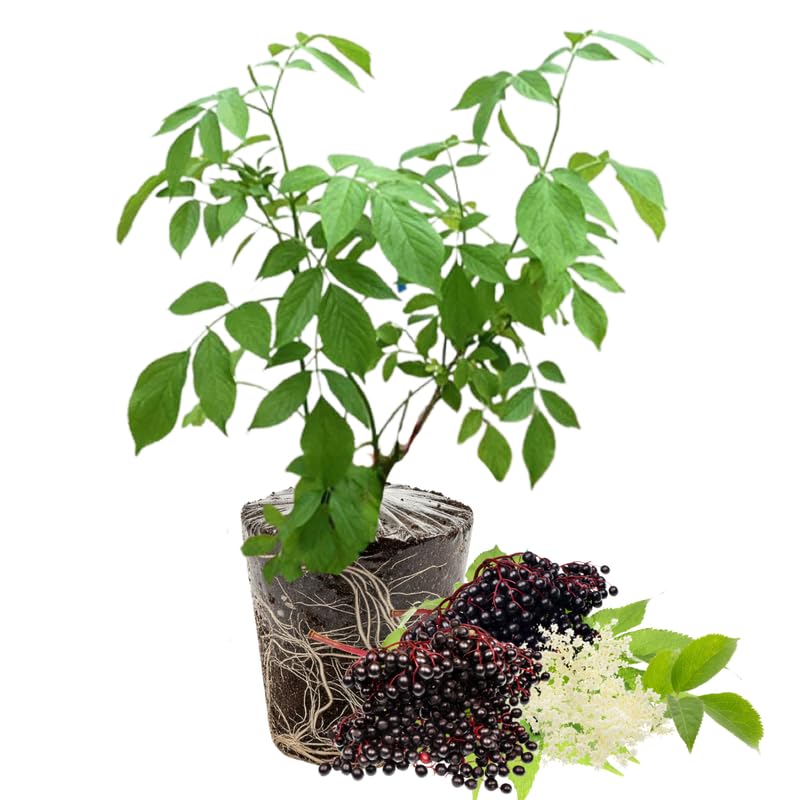
YOKEBOM’s offering targets the gardener with limited space who still wants a productive shrub. Advertised at 5-9 inches tall at shipment, these are younger plants than most competitors, but the cold hardiness rating down to zone 3 makes them viable for northern tier states where late frosts kill less resilient varieties. The “8 months old” specification gives buyers a concrete timeline for when to expect first flowering compared to seed-grown unknowns.
The customer service story here is the headline. Multiple buyers reported receiving a damaged plant and receiving a quick replacement with no hassle. One reviewer noted one of two plants arrived damaged, the seller “replaced it immediately” and the replacement is thriving. This matters for bare root purchasing where the condition at arrival determines success rate. The 3-star reviews point to the same risk as all bare root elderberries: some plants simply die after transplant despite good care.
The Black elderberry species designation means this is Sambucus canadensis, which produces the largest clusters of any elderberry type. The 5-9 inch height at delivery is actually an advantage for root establishment — younger plants with less top growth direct energy into root expansion during the critical first month. Pair with a second variety for cross-pollination to maximize berry set in year three.
Why it’s great
- Cold-hardy down to zone 3, suitable for northern gardens with harsh winters
- Excellent customer service with swift replacements for damaged arrivals
- Younger plants redirect energy to root growth for stronger long-term establishment
Good to know
- Some plants did not survive transplant despite proper soil conditions
- Smaller starting size means waiting longer for first berry harvest
- Only 1 count per purchase, need multiple for cross-pollination
5. Bob Gordon Elderberry

The Bob Gordon cultivar is the heavyweight champion of elderberry berry size. While standard canadensis berries measure 6-8mm, Bob Gordon produces berries up to 12mm — nearly double the diameter, translating to far less picking effort for the same volume. This variety was developed specifically for high-yield berry production, making it the first choice for anyone whose primary goal is making syrup, wine, or jam in quantity.
Buyers report the plant arrives as a “main stem with super healthy roots” and well-written instructions. The 10-foot mature height means this needs space — do not plant it within 5 feet of structures or competing shrubs. One experienced gardener in the desert noted that the heat took it out despite initial blooming, confirming that this variety prefers temperate summer conditions. The roots come strong, but the stem can look deceptively dead — several reviews note it looked like a “stick” before leafing out weeks later.
The main stem dieback reported by one buyer is a known risk with bare root elderberries that experience temperature swings during transit. The key indicator is whether the crown remains green below the bark — if it does, the plant will send up new shoots even if the original stem browns. For the largest berries you’ll find in any starter, the Bob Gordon justifies its premium positioning.
Why it’s great
- Produces the largest berries of any elderberry cultivar, up to 12mm diameter
- Root systems arrive exceptionally healthy according to buyer reports
- Ideal for high-volume syrup and jam production with less picking labor
Good to know
- 10-foot height requires significant garden space and proper spacing
- Not suited for hot, arid climates — struggles in desert conditions
- Main stem can brown during shipping; watch crown for green tissue
6. AVERAR 2 Elderberry Plants

AVERAR breaks the single-plant mold with a two-pack that actually delivers two viable starters. The zone range extends to 9, which is the widest of any product here — growers in Texas, Florida, and the Gulf Coast can confidently plant this variety. Each plant ships at 6-12 inches with a root ball and soil, which one buyer specifically praised as being “in very good condition with dirt on the roots and many vibrant leaves unlike other sellers.”
The 2-3 year timeline to first berries is standard for elderberries, but having two plants from the start solves the pollination problem immediately. Elderberries are self-fruitful but produce significantly larger yields with a second variety nearby. The spring-to-fall bloom period means you’ll get a longer window of white flower clusters than single-season bloomers. Buyers report that even when plants arrived slightly bent from shipping, they “perked right up” after a few days by a sunny window.
The caveat is the 50% survival rate reported by one buyer — half lived, half died going into winter. This is not unusual for bare root plants shipped to marginal zones, but it means ordering early in spring is critical to give the plants maximum time to establish roots before first frost. The sturdy packaging and rapid shipping speed mitigate some of this risk.
Why it’s great
- Two plants per purchase enables immediate cross-pollination for higher berry yield
- Widest zone range 3-9 covers nearly all US growing regions including the south
- Plants arrive with soil-root balls and vibrant leaves, reducing transplant shock
Good to know
- Survival rate can be inconsistent — some plants may not survive winter
- Requires early spring ordering for best establishment before frost
- Slight bending from shipping is normal and resolves within days
7. Generic 5-Pack Black Elderberry
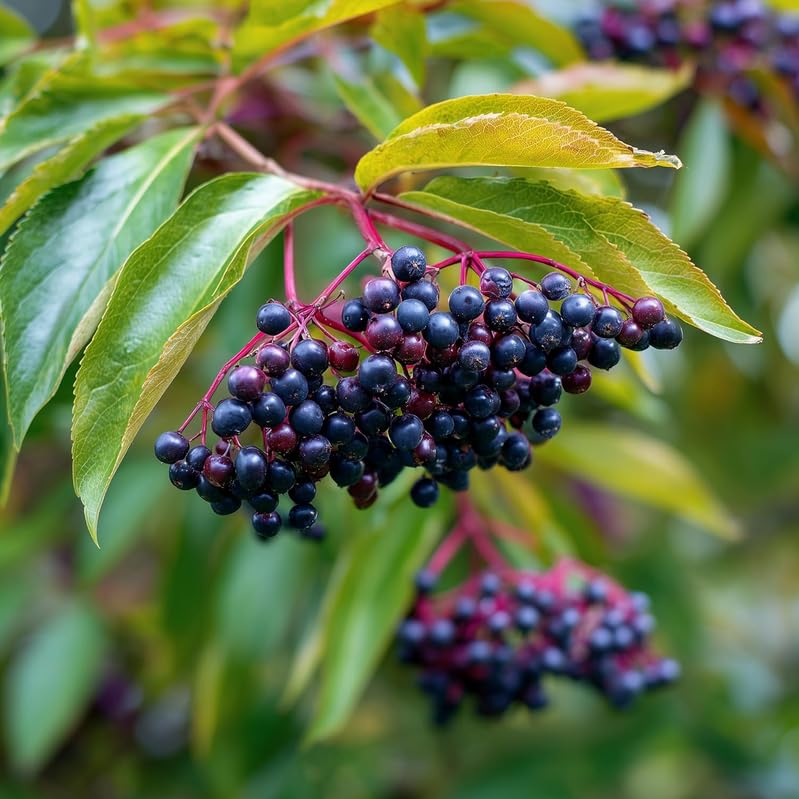
When you need to establish a hedgerow or fill a large permaculture plot, the 5-pack from Generic offers the lowest per-plant cost in this comparison. Each plant ships as a 6-12 inch bare root dormant start, and the GMO-free material feature tag gives organic-minded growers a clean starting point. The zone 3-9 range matches the broader AVERAR offering, so southern growers can use this too.
The experience here is a mixed bag that illustrates the risk of budget bare root purchasing. One buyer received 6 plants instead of 5, all in great condition. Another received only 4, with 2 showing no growth signs and limited root systems. Success depends heavily on how quickly you can get these into water and soil after arrival. One buyer noted they arrived “in dormant condition” and after soaking and potting, leaves emerged within two weeks.
The 12-foot mature height and partial sun tolerance make these suited for the edge of a property where they can naturalize without shading out smaller garden plants. The lack of brand backing means customer service is less responsive than named sellers — the 1-star review about dry roots and missing stems had no resolution. If you’re willing to accept some attrition for the sake of volume, this pack works. If each plant must survive, invest in a named brand instead.
Why it’s great
- Lowest per-plant cost for establishing large hedgerows or multiple berry patches
- Dormant bare root format is ideal for early spring planting before bud break
- GMO-free material suitable for organic-minded growers
Good to know
- Quantity and quality inconsistency — may receive fewer plants than ordered
- Some plants arrived with dry roots and poor crown structure
- No brand customer service backing for problem resolution
FAQ
Do I need two different elderberry varieties to get berries?
How long until a bare root elderberry produces fruit?
Should I soak bare roots before planting?
Final Thoughts: The Verdict
For most users, the best bare root elderberry winner is the Elderberry Ranch Potted Plant because it offers the broadest hardiness zone range and the most consistent root health reports across hundreds of buyer experiences. If you want the largest berries for high-volume syrup production, grab the Bob Gordon Elderberry. And for bulk planting on a budget, nothing beats the per-plant value of the Generic 5-Pack.