
A backpacking rain coat is your last line of defense against hypothermia on the trail, but most hikers end up trading one problem for another — either the rain gets in or you get drenched from the inside out. The real challenge isn’t just staying dry from the sky; it’s managing the steam generated by your own body as you haul a pack uphill for miles.
I’m Min — the co-founder and writer behind Gadgets Feed. I’ve spent countless hours analyzing waterproof-breathable membrane technologies, seam-tape construction, and packability metrics to separate the shells that actually work from the marketing hype that leaves you clammy and cold.
The right shell balances hydrostatic head ratings, fabric denier, and ventilation features to keep you comfortable across changing alpine conditions. This guide breaks down the critical specs and real-world performance of the best backpacking rain coat options available right now.
How To Choose The Best Backpacking Rain Coat
Not all rain shells are created equal when you’re carrying a 35-pound pack for days on end. The ideal backpacking rain coat must balance three conflicting demands: absolute waterproofing, breathability under load, and packed size small enough to disappear into your bag. Here is what you need to evaluate before committing to a shell.
Membrane Technology: GORE-TEX vs Proprietary
GORE-TEX remains the gold standard for long-term wet-weather reliability, but proprietary membranes like Marmot’s NanoPro or Columbia’s Omni-Tech have closed the gap significantly in recent years. The key differentiator is not the brand but the hydrostatic head rating — look for at least 10,000 mm for sustained alpine rain. Budget shells often use coated fabrics without a true membrane, which sacrifice breathability catastrophically under aerobic activity.
Ventilation: The Pit Zip Difference
Under a backpacking load your body generates far more moisture vapor than any membrane can pass. Pit zips — full-length zippers under the arms — are the only reliable way to dump that heat without letting rain in. Jackets without pit zips force you to choose between a soaked interior and unzipping the main zipper, which exposes your core to wind chill. For multi-day trips in wet climates, pit zips are non-negotiable.
Packability and Weight
Every ounce counts on the trail, and a rain coat that lives in your pack for days at a time must compress small and weigh under a pound. Look for jackets that stuff into their own pocket or a dedicated stuff sack. Face fabric weight matters too — ultralight 20-denier shells pack smaller but tear more easily on brush, while 40-denier fabrics trade a few ounces for significantly better abrasion resistance against pack straps and granite.
Quick Comparison
On smaller screens, swipe sideways to see the full table.
| Model | Category | Best For | Key Spec | Amazon |
|---|---|---|---|---|
| Marmot Women’s GORE-TEX Minimalist | Premium | All‑weather alpine performance | GORE‑TEX Paclite, 15 oz | Amazon |
| The North Face Mens Venture 2 | Mid-Range | Three‑season trail versatility | DryVent 2.5L, 12 oz | Amazon |
| Marmot Women’s PreCip | Mid-Range | Budget‑conscious backpackers | NanoPro membrane, 11 oz | Amazon |
| The North Face Womens Antora | Mid-Range | Trail‑to‑town commuters | DryVent 2.5L, 14 oz | Amazon |
| Marmot Cascade | Mid-Range | Layered mountain protection | NanoPro 2.5L, 13 oz | Amazon |
| Columbia Men’s Watertight II | Budget | Ultra‑packable day hikes | Omni‑Tech 2.5L, 9 oz | Amazon |
| Frogg Toggs Xtreme Lite | Budget | Emergency backup shell | Coated polyester, 7.7 oz | Amazon |
In‑Depth Reviews
1. Marmot Women’s GORE-TEX Minimalist Rain Jacket

The Marmot Minimalist uses GORE-TEX Paclite — a membrane specifically engineered for packable performance rather than maximum ruggedness. At just 15 ounces and folding neatly into its own pocket, this shell delivers the highest waterproofing-to-weight ratio in the lineup. The longer back hem prevents water from seeping onto your pants during sustained downpours, a small detail that makes a massive difference on multi-day treks.
Pit zips run full-length, allowing you to dump heat without exposing your core to rain when you stop for a break. The non-crunchy fabric is quieter than most GORE-TEX shells, which matters when you’re moving through wildlife country and don’t want the sound of your jacket scaring off every creature for a quarter mile. Reviews consistently note it keeps users bone-dry for hours in heavy Irish-style rain at temperatures well above freezing.
Fit runs slightly roomy to accommodate a mid-layer underneath, and the adjustable cuffs with hook-and-loop tabs seal wrists effectively. The only real compromise is the 40-denier face fabric — it’s not the most abrasion-resistant for bushwhacking, but for dedicated trail use it’s more than adequate. This is the jacket to buy if you want GORE-TEX reliability without the weight penalty of a full expedition shell.
Why it’s great
- GORE-TEX Paclite membrane offers exceptional breathability for active pursuits
- Full-length pit zips provide unmatched ventilation control under load
- Packs into its own pocket for minimal pack volume
Good to know
- Face fabric is only 40-denier, prone to tearing on sharp brush
- Premium price point may be overkill for casual day hikes
2. The North Face Mens Venture 2 Jacket

The Venture 2 is North Face’s workhorse rain shell, built around their proprietary DryVent 2.5-layer membrane. At 12 ounces, it’s one of the lightest full-featured rain coats in the mid-range tier, and the seam-sealed construction delivers reliable waterproofing in sustained backcountry storms. The hood features a stiffened brim and single-pull adjustment cord that works even with gloves on — a small detail that matters when you’re adjusting in a downpour.
Breathability is better than budget options but still lags behind GORE-TEX Paclite; expect some condensation buildup during high-output climbing. The absence of pit zips means you’ll need to unzip the main zipper to vent, which exposes your torso to wind. That said, the mesh lining prevents the clammy plastic-feel common in cheaper shells, and the fabric dries remarkably fast once the rain stops.
Fit runs small — multiple reviews report needing to size up for layering, especially if you plan to wear a fleece underneath. The velcro cuff closures and adjustable hem seal well against drafts. For three-season backpacking in moderate climates where you won’t face sustained heavy rain, the Venture 2 delivers excellent value without sacrificing core waterproofing.
Why it’s great
- Lightweight 12-ounce build packs down smaller than a water bottle
- Seam-sealed DryVent membrane keeps heavy rain out effectively
- Mesh lining prevents sweat stickiness better than budget coated shells
Good to know
- No pit zips limits breathability during high-output activity
- Runs small, requires sizing up for proper layering
3. Marmot Women’s PreCip Rain Jacket

The PreCip has been a staple of the budget-conscious backpacker for two decades, and the current version with Marmot’s NanoPro membrane continues that legacy. At 11 ounces, it’s remarkably light for the price tier, and the PFC-free fabric construction appeals to environmentally minded hikers. The jacket features underarm pit zips — a rare find at this price point — that dramatically improve ventilation compared to similarly priced competitors.
Waterproofing holds up well in light to moderate rain but starts to wet out faster than GORE-TEX in sustained heavy downpours, which means you’ll need to reapply DWR treatment more frequently. The fit is loose enough for a mid-layer underneath, and the adjustable hood with a stiffened brim keeps rain off your face even in wind. Testers report it performs well for kayaking and day hikes where you’re not pushing cardiovascular limits.
Long sleeves with adjustable cuffs accommodate layering nicely, and the packable design folds into its own pocket for easy stowage. The main weakness is long-term durability — the 30-denier face fabric is prone to snagging on branches, and some users report the waterproof coating degrading after a season of heavy use. For the price, however, the PreCip delivers the best performance-per-dollar in the light rain jacket category.
Why it’s great
- Pit zips at this price point are nearly unheard of and dramatically improve breathability
- Ultralight 11-ounce build with compact packability
- PFC-free fabric construction for environmentally conscious hikers
Good to know
- Wets out faster than GORE-TEX in sustained heavy rain
- Face fabric is prone to snagging on branches and brush
4. The North Face Womens Antora Waterproof Breathable Rain Coat
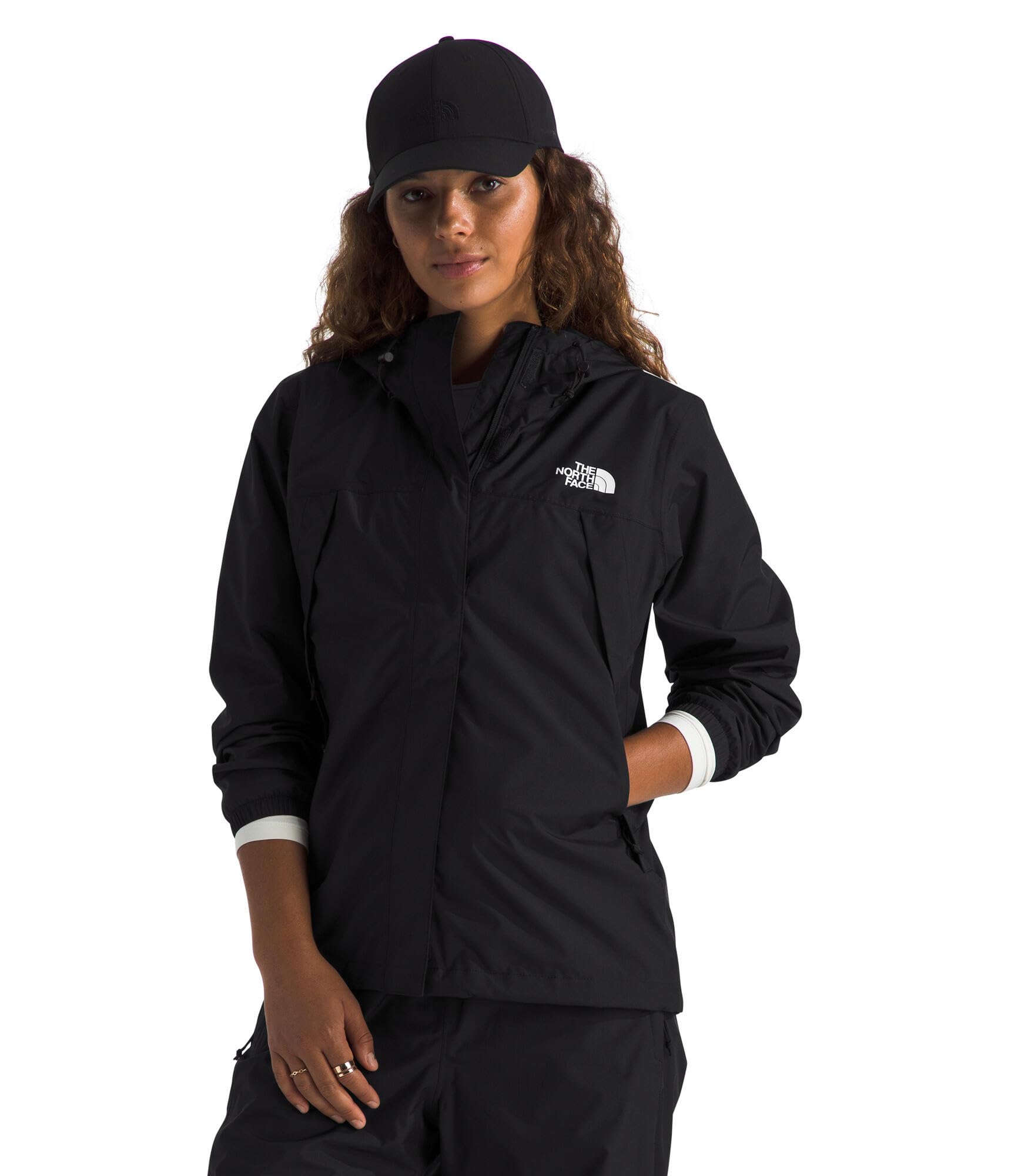
The Antora positions itself as a crossover piece — equally at home on the trail as on a rainy city commute. The DryVent 2.5-layer membrane provides reliable waterproofing that holds up in heavy rain, and the flattering, slightly fitted cut makes it one of the more stylish rain shells in this lineup. At 14 ounces it’s not the lightest option, but the trade-off is a more durable 40-denier face fabric that won’t shred on the first brush with a trailside branch.
Breathability is adequate for moderate activity, but like most non-GORE-TEX shells at this price, you’ll feel condensation buildup during strenuous climbs. The hood uses a single-pull cord system that works effectively, and the velcro cuff closures seal wrists well. Testers praise the windproofing, noting it blocks cold gusts on exposed ridges and keeps the core warm when paired with a mid-layer.
Fit runs larger than other North Face rain jackets — several reviewers recommend sizing down for a trim fit. Pocket placement is slightly rearward, which can be awkward when reaching for items while wearing a hip belt. The main appeal here is versatility: it looks sharp enough for urban wear while being fully functional for weekend backpacking trips in moderate conditions.
Why it’s great
- Fitted, flattering cut transitions well from trail to town
- 40-denier face fabric offers better abrasion resistance than ultralight shells
- Excellent windproofing for exposed ridges and cold gusts
Good to know
- Pockets positioned slightly rearward, awkward with hip belts
- Condensation buildup during high-output climbs
5. Marmot Cascade Rain Jacket
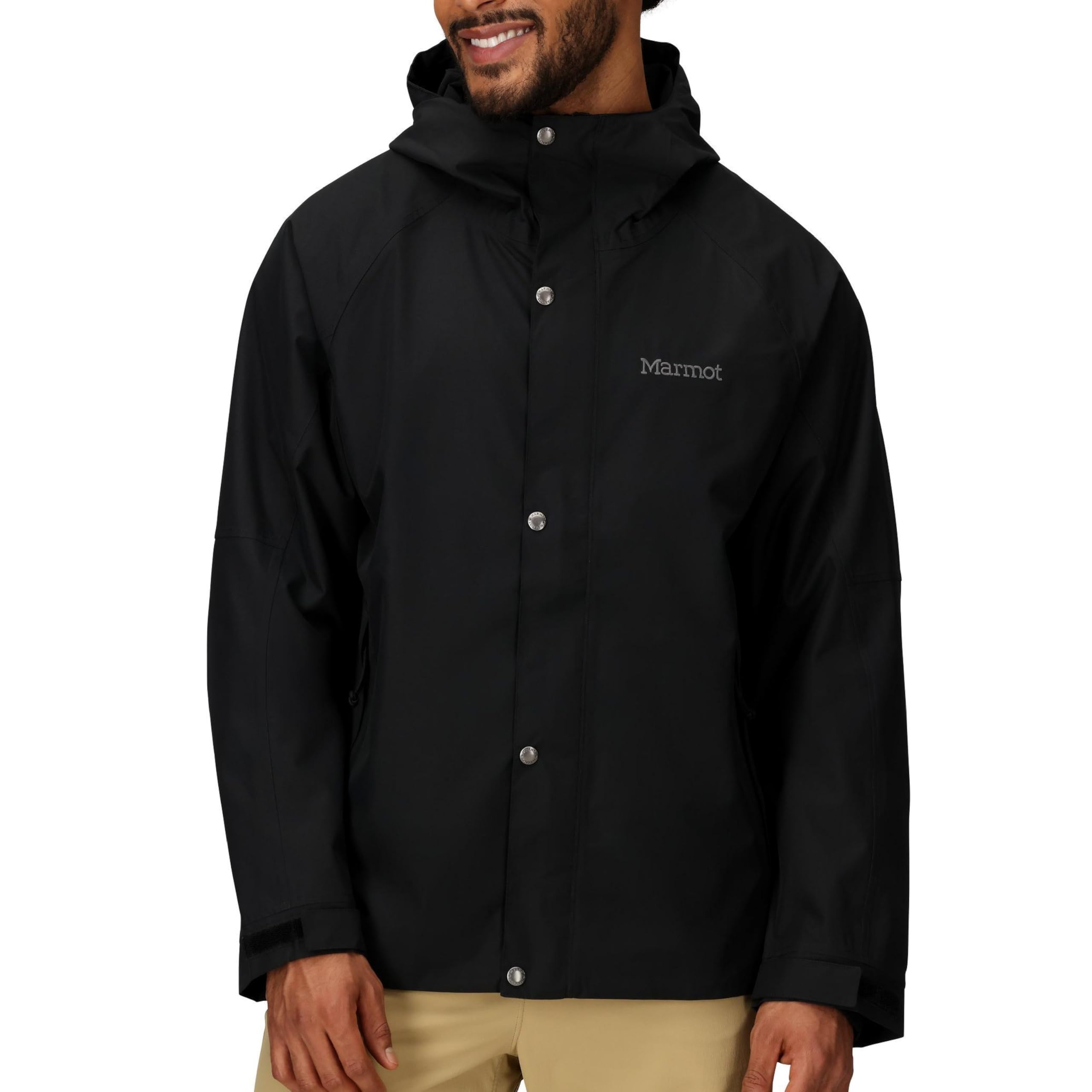
The Cascade is Marmot’s entry-level mountain shell, designed for hikers who need reliable waterproofing without the premium price of GORE-TEX. The NanoPro 2.5-layer membrane delivers solid performance in heavy rain and wind, and the quiet fabric won’t rustle loudly as you move through the backcountry. At 13 ounces it’s a middleweight option that balances durability with packability for multi-day trips.
The fit is true-to-size through the chest with slightly long sleeves — a deliberate design choice that prevents water from running down into your gloves when you reach overhead. Elastic cuffs seal wrists effectively, and the adjustable hem keeps drafts out. The lack of pit zips is the Cascade’s biggest limitation for aerobic use; you’ll need to rely on the main zipper for venting. Reviews note the jacket performs best as a static rain layer or for low-output hiking rather than trail running or high-climbing intensity.
Marmot backs the Cascade with a limited lifetime warranty, which adds significant peace of mind for long-term ownership. The DWR coating will need reapplication after heavy use, but the underlying shell structure holds up well to repeated wetting and drying cycles. If you hike primarily in moderate terrain and don’t generate extreme body heat on the trail, the Cascade is a strong mid-range contender that won’t break the bank.
Why it’s great
- Quiet, non-crunchy fabric ideal for wildlife observation and stealth hiking
- Long sleeves with elastic cuffs prevent rain from running into gloves
- Limited lifetime warranty provides long-term value assurance
Good to know
- No pit zips limits breathability for high-output activity
- DWR coating requires periodic reapplication to maintain performance
6. Columbia Men’s Watertight II Rain Jacket

The Watertight II is Columbia’s answer to the packable rain shell, weighing in at just 9 ounces and folding into its own hand pocket to about the size of a softball. The Omni-Tech 2.5-layer membrane is fully seam-sealed and delivers genuine waterproofing — not just water resistance — in sustained downpours. Multiple reviews confirm it kept wearers completely dry through Italian deluges and multi-day Pacific Northwest rains.
Breathability is the main compromise at this weight and price point. There are no pit zips, and the membrane’s moisture vapor transmission rate is modest, so you’ll feel clammy during aerobic activity. The mesh lining helps prevent that plastic-bag sensation, but this jacket is best suited for emergency use or low-output hiking rather than high-exertion trips. The velcro-over-zip front closure and adjustable hood with drawstring provide solid weather sealing when you need it most.
Fit runs true to size with enough room for a light fleece underneath, and the zippered pockets are large enough for a smartphone or map. The 2.5-layer construction means no separate liner fabric, which contributes to the ultra-low weight but also means the interior can feel slick against bare arms. For day hikers and weekend backpackers who want a lightweight emergency shell that disappears into a pack, the Watertight II is the most packable option on this list.
Why it’s great
- Folds into its own hand pocket to a softball-sized package
- Fully seam-sealed Omni-Tech membrane provides genuine waterproofing
- Surprisingly durable for the ultralight weight class
Good to know
- No pit zips, limited breathability for high-output activity
- Interior fabric feels slick against bare skin
7. Frogg Toggs Men’s Xtreme Lite Packable Rain Jacket

The Frogg Toggs Xtreme Lite is the lightest jacket in this lineup at just 7.7 ounces, and it uses a coated polyester construction rather than a multi-layer membrane. This approach has a critical trade-off: it’s absolutely waterproof — the coated shell will never wet out — but breathability is essentially zero. In 100% humidity conditions, reviewers accurately note that lack of breathability is irrelevant since there’s nowhere for moisture to go anyway.
Durability is the Xtreme Lite’s biggest variable. For its weight class, it’s surprisingly tough — one reviewer reported 70 miles of backpacking in daily rain with no failures. However, the zippers are the weak point, and the fabric is more prone to tearing on sharp branches than woven nylon shells. The attached hood uses E-Z Push cord locks for adjustment, and hook-and-loop wrist closures keep rain out effectively.
This jacket is best understood as an emergency shell or a very budget-conscious primary rain coat for mild conditions. If you’re on a tight budget and need a rain coat that works for moderate use, the Xtreme Lite delivers functional waterproofing at the lowest possible weight. Just don’t expect to stay dry from the inside on a hot, strenuous climb.
Why it’s great
- Lightest option at 7.7 ounces, essentially disappears into a pack
- Coated construction stays waterproof forever without membrane degradation
- Incredible value for emergency backup or budget use
Good to know
- Zero breathability, interior condensation guaranteed during activity
- Zippers are the weakest component and prone to failure over time
FAQ
What is the minimum hydrostatic head I need for serious backpacking rain?
Are pit zips really worth the extra cost?
Final Thoughts: The Verdict
For most users, the best backpacking rain coat winner is the Marmot Women’s GORE-TEX Minimalist because it combines proven GORE-TEX Paclite membrane technology with full pit zips and a packable 15-ounce design that handles everything from summer thunderstorms to alpine downpours. If you want maximum breathability on a tighter budget, grab the Marmot Women’s PreCip — it’s the only sub- shell with pit zips and a sub-12-ounce weight. And for minimalist gram-counters who just need an emergency backup that disappears into their pack, nothing beats the Columbia Men’s Watertight II at 9 ounces folded into its own pocket.