
The gap between a phone and a phone has never been narrower. Today’s mid-range Android phones pack 120Hz AMOLED displays, 50MP camera systems, and all-day battery capacities that were strictly flagship territory just two years ago. The real challenge isn’t finding a good phone — it’s identifying which trade-offs matter to you and which ones kill the deal. A Snapdragon 6 Gen 3 delivers adequate daily performance, while a Dimensity 7400 handles AI-driven multitasking better, and knowing the difference saves you from spending for raw specs you won’t actually use.
I’m Min — the co-founder and writer behind Gadgets Feed. I specialize in breaking down the technical specifications, real-world benchmarks, and carrier compatibility quirks that separate a genuinely great mid-range phone from an overpriced compromise. This guide is the result of many hours researching the current mid-range landscape to help you make a confident choice.
Whether you prioritize battery capacity measured in milliamp-hours, camera sensor resolution, or long-term software update promises, this analysis of the best mid range android phone options on the market will help you match your budget to the right feature set.
How To Choose The Best Mid Range Android Phone
Choosing a mid-range Android phone requires balancing performance, battery life, camera quality, and carrier support. Unlike flagships where you can expect top-tier specs across the board, mid-range devices make deliberate compromises — the key is ensuring those compromises don’t hit your highest priority features.
Processor and Performance: The Core Experience
The chipset dictates everything from app launch speed to gaming frame rates and camera processing. Qualcomm’s Snapdragon 6 and 7 series are common in mid-range phones, offering a good balance of power and efficiency. MediaTek’s Dimensity chips, like the 7400, often provide better AI processing and multi-core performance at a similar price point. Google’s Tensor G5, found in the Pixel 10, prioritizes AI features and computational photography over raw gaming benchmarks. For most users, a Snapdragon 7 series or better will handle daily tasks smoothly for 2-3 years.
Display Quality and Refresh Rate
A 120Hz AMOLED display is now a near-standard expectation in the mid-range category. The difference between 60Hz and 120Hz is immediately noticeable in scrolling and animation smoothness. Pay attention to peak brightness — 1000 nits is good for indoor use, but 3000 nits, as seen on the Google Pixel 10a, makes outdoor visibility significantly better. Resolution matters less than panel type; a 1080p AMOLED will generally look better than a 1440p LCD due to deeper blacks and better contrast.
Camera System and Sensor Size
Megapixel count is misleading. A 50MP sensor with a large pixel size (like 1.0µm or larger) and optical image stabilization (OIS) will outperform a 108MP sensor with small pixels and no OIS in low light. Mid-range phones often include an ultra-wide and a macro sensor, but the quality of these secondary cameras varies dramatically. The primary camera and its image processing software — especially Google’s computational photography — are what truly matter for everyday photos.
Battery Capacity and Charging Speed
A 5000mAh battery has become the standard for a full day of heavy use, but charging speed determines how long you wait to get back to full. 25W to 68W charging is common in this segment. Wireless charging is a premium feature that is increasingly appearing in mid-range devices like the Motorola Edge and Google Pixel 10a. Be aware that some devices, like the Samsung Galaxy A36, bundle a generic 25W charger, not a branded one, which can affect charging consistency.
Software Updates and Longevity
This is one of the most critical yet overlooked factors. Google Pixel offers 7 years of OS upgrades and security patches, which is industry-leading for this category. Samsung promises 6 major Android upgrades for its A-series. Other manufacturers often offer only 2-3 major OS updates and 3-4 years of security patches. If you plan to keep your phone for more than 3 years, factor software support into your decision heavily.
Quick Comparison
On smaller screens, swipe sideways to see the full table.
| Model | Category | Best For | Key Spec | Amazon |
|---|---|---|---|---|
| Google Pixel 10a | Mid-Range | Best Value Camera | Tensor G5, 4300mAh | Amazon |
| Motorola Edge 2025 | Mid-Range | Best Battery & Display | 5200mAh, 68W Charge | Amazon |
| Samsung Galaxy A36 5G | Budget-Mid | Reliable Samsung Experience | Snapdragon 6 Gen 3 | Amazon |
| Google Pixel 10 | Premium Mid | Best Camera System | 5x Telephoto, Tensor G5 | Amazon |
| Nothing Phone (3) | Premium Mid | Unique Design & Clean OS | Snapdragon 8s Gen 4 | Amazon |
| Samsung Galaxy S25 Edge | High-End | Slim, Powerful Flagship | 200MP Camera | Amazon |
| Samsung Galaxy Z Flip7 FE | Foldable | Compact Foldable | FlexMode, 50MP | Amazon |
| HONOR Magic V2 | Premium Foldable | Lightest Foldable | Snapdragon 8 Gen 2 | Amazon |
| Samsung Galaxy Z Fold7 | Ultra-Premium | Best Productivity Fold | 8″ Screen, 200MP | Amazon |
In‑Depth Reviews
1. Google Pixel 10a
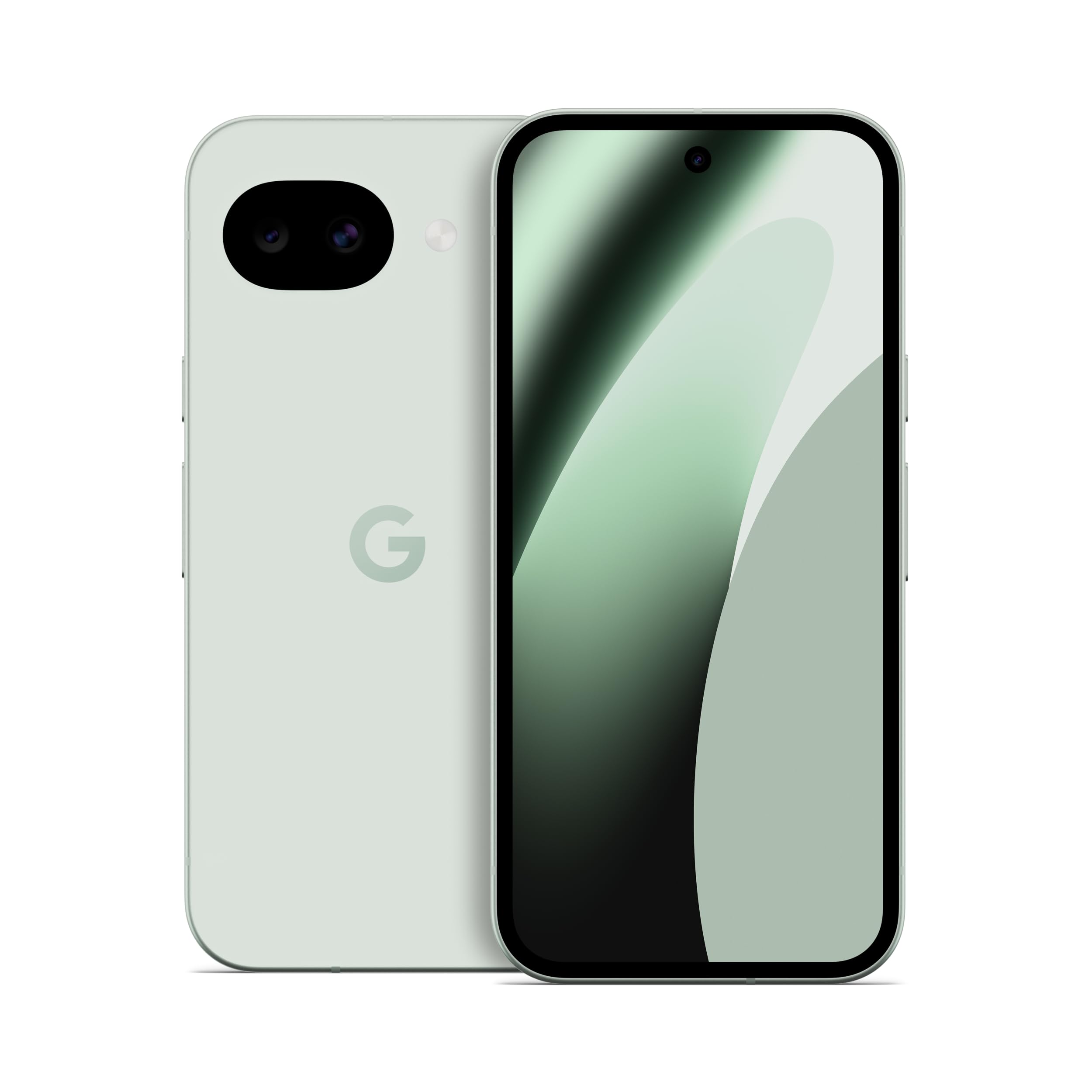
The Google Pixel 10a is the new benchmark for value in the mid-range. It runs on the Tensor G5 chip — the same processor powering the flagship Pixel 10 — which gives it an immediate edge in camera processing power and AI-driven features like Gemini and Camera Coach. The 6.3-inch Actua display with 3000-nit peak brightness makes outdoor visibility excellent, a spec usually reserved for phones costing double. IP68 water and dust resistance add a layer of durability rarely seen at this price point.
Battery life is quoted at 30+ hours, and the 4300mAh cell supports wireless charging, a premium inclusion that competitors like the Galaxy A36 skip entirely. The 128GB of internal storage is adequate for most users, though some will wish for a 256GB option, as noted by reviewers. The primary camera captures stunning details, especially in low light, with the Camera Coach feature guiding you to better shots — genuinely useful, not a gimmick. Google’s 7-year software update commitment is the strongest in this price bracket.
On the downside, the Pixel 10a’s default power button function is mapped to Gemini, requiring a trip into Settings to revert to a traditional power menu. The absence of a microSD card slot means you’re locked into the 128GB internal storage. Some users report excessive push notifications for Google features out of the box, which can be managed but adds setup friction. For those who prioritize camera quality and clean software over raw gaming performance, the Pixel 10a is the top recommendation.
Why it’s great
- Tensor G5 chipset delivers flagship-level camera performance and AI features
- IP68 water and dust resistance for everyday durability
- Wireless charging support and 30+ hour battery life
- 7 years of software and security updates
Good to know
- 128GB storage with no microSD expansion
- Power button defaults to Gemini; must reconfigure for traditional power menu
- No charger included in the box
2. Motorola Edge 2025

The Motorola Edge 2025 is the battery champion of the mid-range, boasting a 5200mAh cell that can comfortably deliver two days of moderate use. When you do need to top up, the 68W TurboPower charging adds around 12 hours of usage in just 6 minutes — a remarkable feature that makes battery anxiety a thing of the past. The MediaTek Dimensity 7400 chipset is a strong performer, handling AI photo processing and multitasking with minimal lag, and it pairs with 8GB of RAM and 256GB of storage.
The 6.7-inch Super HD (1220p) display is vivid, with Dolby Atmos-tuned stereo speakers providing an immersive experience for video consumption. The pro-grade camera system, featuring a 50MP main sensor, produces excellent daylight shots, though the 2x optical zoom is digital rather than optical, leading to some softening in zoomed images. The phone is military-grade (MIL-STD-810H) durability tested and features IP68/IP69 water and dust resistance, making it exceptionally robust for a mid-range device.
The main trade-off is software support: Motorola promises only 2 major OS upgrades, which lags significantly behind Google and Samsung’s offerings of 6-7 years. The lack of a microSD card slot and a 3.5mm headphone jack may disappoint some users. The curved screen, while visually appealing, makes finding compatible screen protectors difficult. For the user whose top priority is battery life and charging speed, and who doesn’t plan to keep the phone beyond 2-3 years, the Edge 2025 is an outstanding choice.
Why it’s great
- Enormous 5200mAh battery with 68W TurboPower fast charging
- MIL-STD-810H durability and IP68/IP69 water resistance
- Vivid 6.7″ Super HD display with Dolby Atmos
- Generous 256GB internal storage
Good to know
- Only 2 major OS updates promised
- No microSD card slot or 3.5mm headphone jack
- Curved screen limits screen protector options
3. Samsung Galaxy A36 5G 2025
The Samsung Galaxy A36 5G delivers a polished Samsung experience at a price that undercuts many competitors. Its 6.7-inch FHD+ Super AMOLED display with a 120Hz refresh rate makes scrolling and animations feel fluid and premium, a feature that remains a strong draw for this price bracket. The Qualcomm Snapdragon 6 Gen 3 chipset, built on a 4nm process, offers adequate performance for daily tasks and light gaming, though it’s not designed for heavy workloads. The 5000mAh battery consistently lasts a full day with moderate use.
Samsung promises up to 6 major Android upgrades, placing it behind Google’s 7-year commitment but far ahead of most other manufacturers. The 50MP primary camera produces solid, well-processed images, especially in good light, and the 12MP front camera is capable for selfies and video calls. The IP67 rating ensures protection against dust and water immersion, giving peace of mind for everyday use. The inclusion of a 25W fast charger in the box is a welcome bonus, even if it’s a generic accessory rather than a Samsung-branded one.
The A36 does not support eSIM, using only a physical nano-SIM, which may be a deal-breaker for users who want dual-line capability without a second physical SIM. It is officially compatible with T-Mobile and its MVNOs in the US, but compatibility with AT&T and Verizon is not guaranteed and varies by IMEI. There is no microSD card slot, so storage is limited to the 256GB model. For a reliable Samsung experience with strong update support and a great display, the Galaxy A36 is the safest bet in this category.
Why it’s great
- Premium 6.7″ 120Hz Super AMOLED display
- Up to 6 major Android upgrades
- Reliable 5000mAh battery and 25W charger included
- IP67 water and dust resistance
Good to know
- No eSIM support; physical SIM only
- Carrier compatibility may vary; not guaranteed with AT&T/Verizon
- No microSD card slot
4. Google Pixel 10
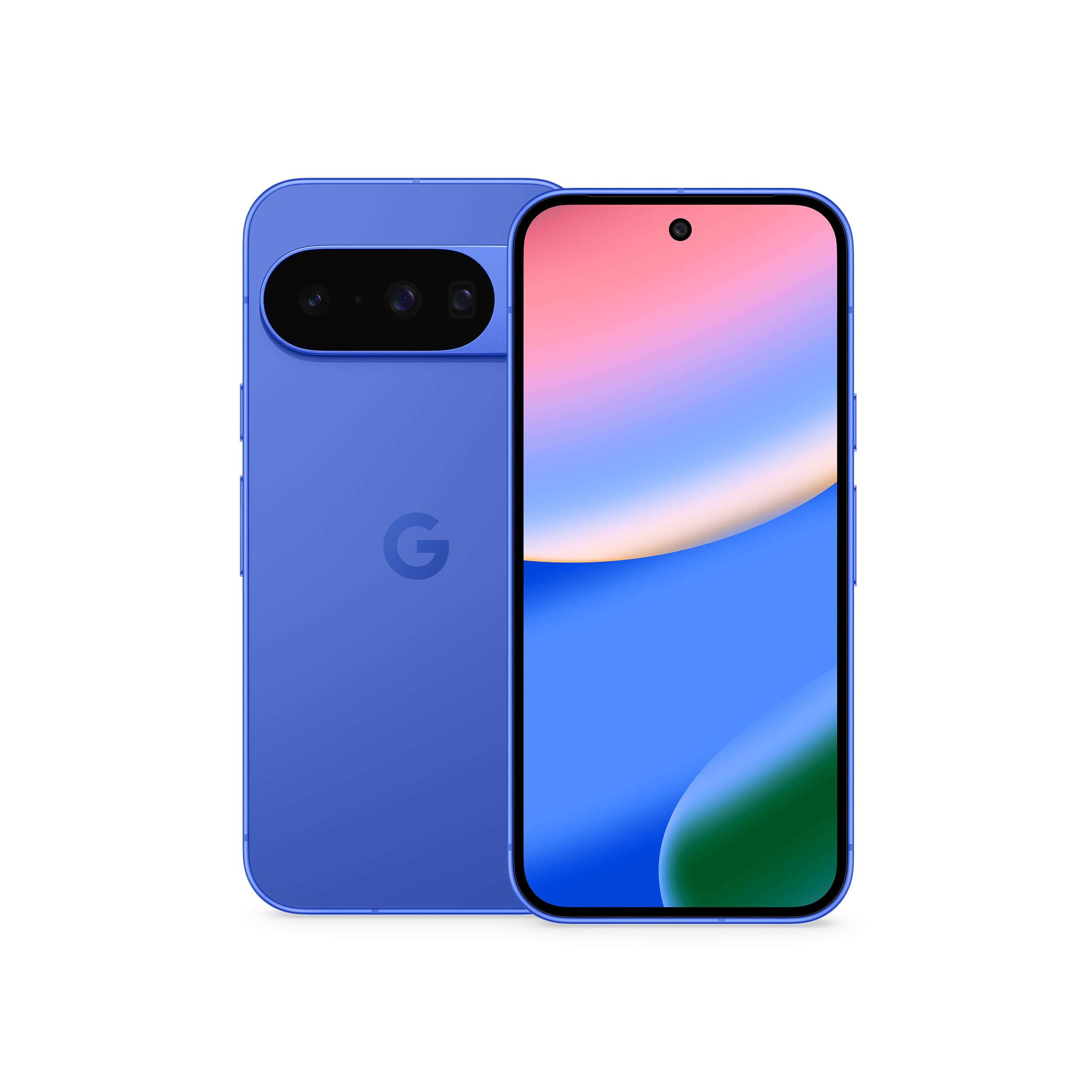
The Google Pixel 10 elevates the mid-range camera experience with a dedicated 5x telephoto lens that enables optical-quality zoom up to 20x Super Res Zoom. This is a substantial upgrade over the Pixel 10a, offering the kind of long-range detail usually reserved for premium flagships. The Tensor G5 chip drives the best-in-class computational photography, with Night Sight producing crisp, detailed low-light shots, and the Camera Coach feature providing real-time guidance. The 6.3-inch Actua display with 3000-nit peak brightness matches the 10a for outdoor clarity.
Google’s 7-year software update policy applies here, making the Pixel 10 a long-term investment that will feel fresh years from now. The IP68 water and dust protection and the scratch-resistant Corning Gorilla Glass Victus 2 add premium build quality. Battery life is rated at a solid 24+ hours with a 4970mAh cell, and the fast charging support helps you top up quickly. The unlocking mechanism, combining face and fingerprint recognition, has been improved and is faster and more reliable than previous generations.
The primary drawback is the storage limitation — the base model ships with 128GB and no microSD slot. Some reviewers note that the phone boots slowly initially, though a software update typically resolves this. More significantly, the Pixel 10 uses an eSIM-only configuration, which means no physical SIM tray, potentially causing issues if you switch carriers frequently or travel abroad. For the user whose priority is capturing professional-grade photos and receiving timely software updates for years, the Pixel 10 is the clear camera champion.
Why it’s great
- Dedicated 5x telephoto lens with excellent optical zoom
- Tensor G5 enables advanced AI photo editing and low-light performance
- 7 years of software and security updates
- Bright 3000-nit Actua display and IP68 protection
Good to know
- eSIM-only; no physical SIM tray
- 128GB base storage with no expansion
- No charger or instructions included in the box
5. Nothing Phone (3)

The Nothing Phone (3) stands out with its Glyph Interface — a matrix of LED lights on the back that animates for notifications, calls, and even NFC transactions. It’s a genuinely unique design that turns the phone into an interactive light show. Under the hood, the Snapdragon 8s Gen 4 chipset drives smooth, responsive performance, supported by 24GB of LPDDR5X memory (including virtual RAM) and UFS 4.0 storage, making this one of the most powerful contenders in this tier. The 6.67-inch FHD+ AMOLED display with a 120Hz adaptive refresh rate is bright and sharp at 460 PPI.
The camera system is a highlight — all four sensors, including the main, periscope, ultra-wide, and front-facing camera, are 50MP. This consistency means you get similar color science and detail across all lenses, a rarity in any price bracket. The IP68 rating provides peace of mind, and the 5150mAh battery with wireless charging support covers the basics well. Nothing OS is lauded as one of the cleanest, most bloat-free Android skins available, and the Essential Key button offers quick-access shortcuts for screen capture and voice notes.
The Nothing Phone (3) has limited Verizon compatibility — you must contact Verizon to whitelist the IMEI, and it is not recommended for use on Verizon’s network. Finding good-quality cases and screen protectors is notably harder than for mainstream brands due to its unique design. Some reviewers note that the speakers can produce a slight hissing sound at high volume, and the camera, while good, requires post-update tuning to reach its full potential. For the tech enthusiast who values unique design, a clean OS, and high-end performance, the Nothing Phone (3) offers a refreshing alternative.
Why it’s great
- Unique Glyph Interface with interactive LED notifications
- All 50MP quad-camera system for consistent imaging
- Snapdragon 8s Gen 4 with 24GB RAM for top-tier performance
- Clean, bloat-free Nothing OS
Good to know
- Limited Verizon compatibility; IMEI whitelisting required
- Difficult to find quality cases and screen protectors
- Speaker hissing reported at high volume levels
6. Samsung Galaxy S25 Edge
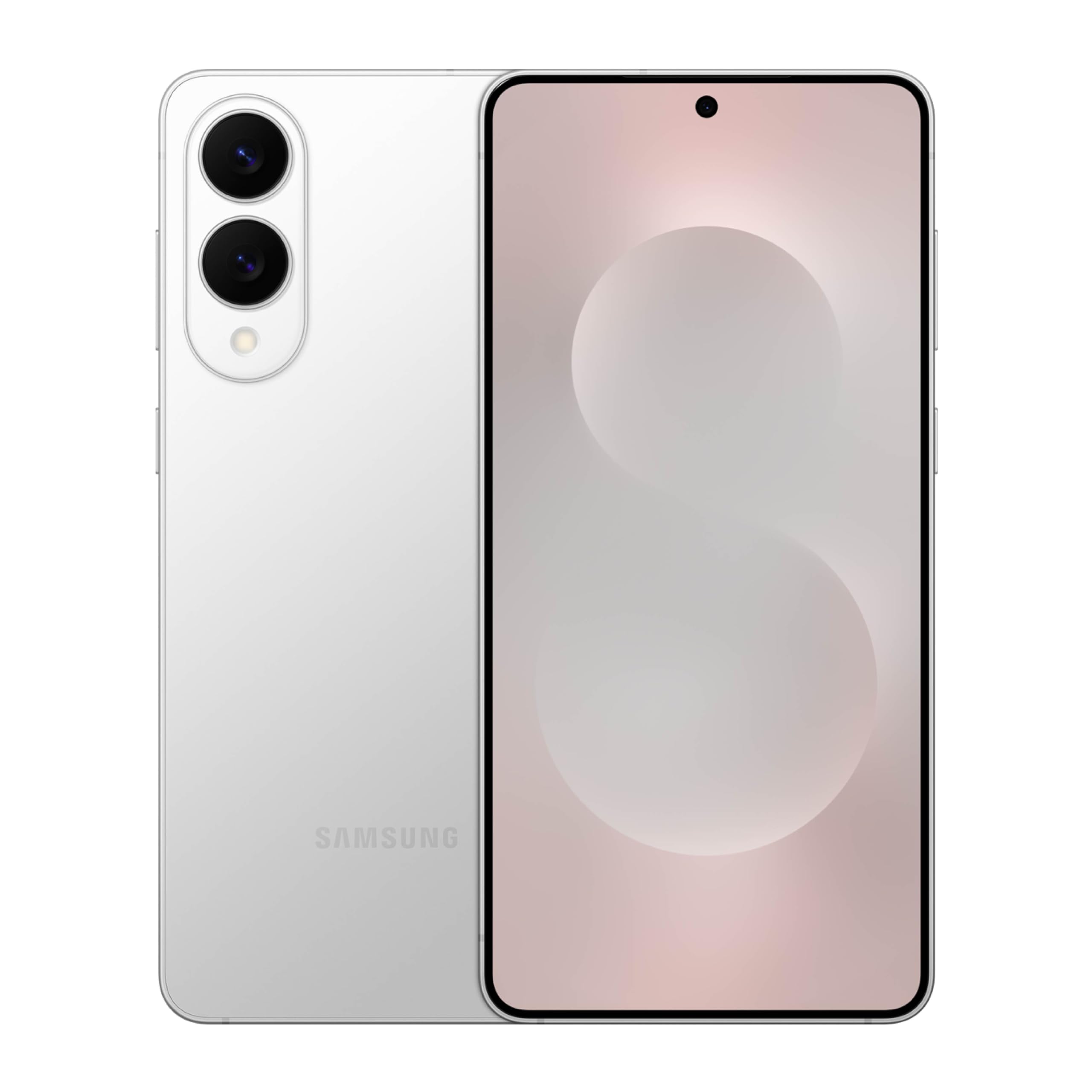
The Samsung Galaxy S25 Edge is the slimmest S-series phone ever made, with a titanium build and a Corning Gorilla Glass Ceramic 2 face that balances elegance with toughness. Its headline feature is the 200MP main camera, the highest resolution on a Galaxy phone, capable of capturing extraordinary detail. The Snapdragon 8 Elite processor provides top-tier performance for gaming, video editing, and multitasking. The 6.7-inch vibrant AMOLED display is bright and sharp, making it excellent for content consumption.
Galaxy AI features, such as Night Video for low-light recording and automatic Best Take for group photos, add genuine utility. The phone is incredibly light and well-balanced despite its large screen, making one-handed use more comfortable than most large phones. The IP68 water and dust resistance and titanium build suggest it can withstand daily wear and tear. For users coming from heavy, top-heavy phones, the S25 Edge’s design will feel revolutionary.
The main compromise is the battery — a 3900mAh cell is small for this category, and power users will find it struggles to last a full day, potentially requiring a battery pack. There is no dedicated telephoto lens; the 200MP sensor relies on digital zoom, which is good but not optical. The charging speed, while present, is considered slightly slow relative to competitors. This phone is best suited for users who prioritize a stunning, ultra-slim design and the highest-resolution camera over all-day battery longevity.
Why it’s great
- 200MP main camera for incredible detail
- Ultra-slim, lightweight titanium design
- Snapdragon 8 Elite processor for peak performance
- Excellent Galaxy AI features for photo and video
Good to know
- Small 3900mAh battery may not last a full day for heavy users
- No dedicated telephoto lens; relies on digital zoom
- Charging speed is slower than some mid-range competitors
7. Samsung Galaxy Z Flip7 FE

The Samsung Galaxy Z Flip7 FE brings foldable technology into the mid-range conversation. Its compact design when folded makes it incredibly pocketable, and FlexMode allows for hands-free photography by propping the phone at various angles. The 50MP camera captures detailed photos, and the compact form factor encourages creative shooting angles that a traditional slab phone can’t match. The hinge has been significantly reinforced compared to the Z Flip3, addressing durability concerns common to earlier foldables.
The internal display’s crease is nearly invisible at normal viewing angles, and the phone comes with a factory-applied screen protector. The FlexWindow on the cover allows you to check notifications, reply to messages, and access certain apps without flipping open the phone, adding useful convenience. The 4000mAh battery provides a full day of moderate use, and the phone supports wireless charging. Galaxy AI integration helps with photo editing and daily task management.
The camera system is good but not flagship-tier, meaning images won’t match the quality of the Pixel 10 or Galaxy S25 Edge in low light. The top half of the phone can get noticeably warm during cable charging. There is no telephoto lens. Durability still requires careful handling — a protective case is strongly recommended, and hinge longevity, while improved, remains a consideration for folding phones long-term. For the user who values pocketability, unique form factor, and hands-free photography, the Z Flip7 FE is a compelling option.
Why it’s great
- Compact, pocket-friendly foldable design
- FlexMode for hands-free photography and video calls
- Improved hinge durability compared to earlier models
- Wireless charging support
Good to know
- Camera is good but not flagship-tier; no telephoto lens
- Top half may warm up noticeably during charging
- Hinge durability still requires careful use and a protective case
8. HONOR Magic V2 Standard Edition

The HONOR Magic V2 is the slimmest and lightest foldable phone available, measuring just 9.9mm when folded. When unfolded, the 7.92-inch LTPO OLED screen provides a stunning 2156×2344 resolution, perfect for immersive media consumption and true multitasking. The Snapdragon 8 Gen 2 chipset, while a generation behind the latest, remains extremely powerful and handles everything from heavy gaming to video editing without breaking a sweat. The 512GB of internal storage and 16GB of RAM ensure you’ll never run out of space or memory.
The cover display is a 6.43-inch LTPO OLED that feels like a normal smartphone when folded, making it more practical than wider foldables. The MagicOS 7.2 software, based on Android 13, has been described as similar to Oxygen OS — clean and smooth with some useful multitasking features. The phone’s thinness and lightness make it significantly more comfortable to hold and carry than competitors like the Samsung Galaxy Z Fold series.
The major drawback is US carrier compatibility. The Magic V2 does not work with CDMA networks including Verizon, Sprint, and US Cellular. Even on GSM carriers like T-Mobile and AT&T, performance may vary, and the phone lacks official US warranty support. HONOR’s software aggressively manages background apps, leading to missed notifications from messaging apps. For international buyers or users comfortable with T-Mobile or AT&T in the US who prioritize the thinnest possible foldable, the Magic V2 is an impressive engineering achievement.
Why it’s great
- Remarkably thin and light for a foldable — only 9.9mm when folded
- Large, high-resolution 7.92″ LTPO OLED main display
- 512GB storage and 16GB RAM for future-proofing
- Clean, smooth MagicOS software experience
Good to know
- Not compatible with Verizon, Sprint, or US Cellular
- Aggressive background app management can cause missed notifications
- No official US warranty or customer support
9. Samsung Galaxy Z Fold7
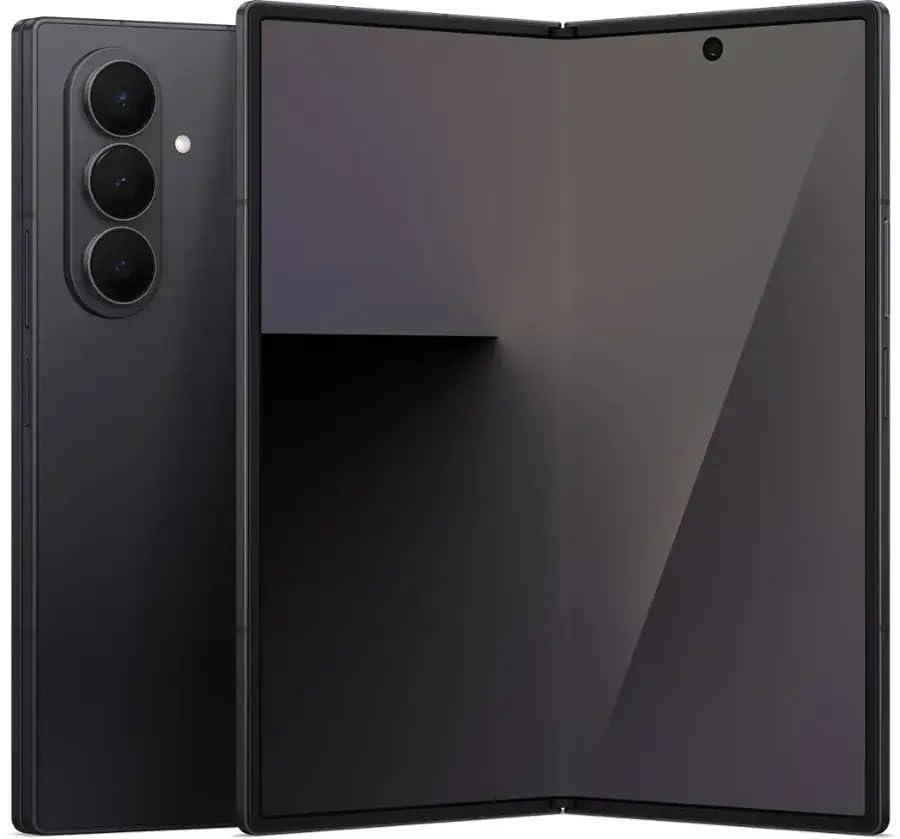
The Samsung Galaxy Z Fold7 is the most ambitious foldable in this lineup, offering an 8-inch main display that can run up to three windows simultaneously for true desktop-like multitasking. The 200MP main camera is joined by a premium Pro-Visual Engine for incredibly detailed photos, and the phone supports Samsung’s S Pen for note-taking and sketching. The custom Snapdragon 8 Elite processor for Galaxy provides the horsepower needed for demanding workflows, from video editing to heavy gaming.
The design has been refined — the cover screen is wider, feeling more like a traditional smartphone than the previous narrow format, and the phone is both thinner and lighter than the Z Fold6. The 4400mAh battery delivers 7-10 hours of screen-on time, which is strong for a foldable. The build quality is exceptional, with an Armor Aluminum frame and Gorilla Glass Ceramic 2 display, and the IP48 water resistance (note: not full immersion) adds some peace of mind. Samsung DeX support turns the phone into a desktop environment when connected to a monitor.
The price is very high, placing it well above the mid-range tier. Some users report that despite the large internal screen, they rarely unfold the phone, raising the question of whether a traditional flagship would serve them better. The hinge mechanism, while improved, still has some history of potential failure in earlier generations. A thin case is highly recommended as the phone is slippery. For the productivity-focused user who needs a tablet replacement that fits in a pocket and is willing to invest in the form factor, the Z Fold7 is unmatched.
Why it’s great
- 8-inch main display with support for up to 3 simultaneous windows
- 200MP main camera with Pro-Visual Engine for exceptional detail
- Custom Snapdragon 8 Elite processor for peak performance
- S Pen support and Samsung DeX desktop mode
Good to know
- Very high price point well above mid-range
- Some users rarely use the foldable screen, making a traditional phone more practical
- Hinge durability, while improved, still requires careful use
FAQ
How many years of software updates should I expect from a mid-range Android phone?
Is a 200MP camera on a mid-range phone better than a 50MP camera?
Can I use a mid-range phone on Verizon or AT&T?
What is the difference between optical and digital zoom in a smartphone camera?
Final Thoughts: The Verdict
For most users, the best mid range android phone winner is the Google Pixel 10a because it offers the best balance of camera quality, software support, and durable design at a price that doesn’t break the bank. If you want the best possible camera system with a dedicated telephoto lens, grab the Google Pixel 10. And for unmatched battery life and charging speed in a mid-range package, nothing beats the Motorola Edge 2025.