
Our readers keep the lights on and my morning glass full of iced black tea. As an Amazon Associate, I earn from qualifying purchases.
Pounding asphalt mile after mile places unique demands on a shoe that trail runners never face — the unforgiving surface transmits every gram of impact back through your joints while demanding consistent traction on dry, wet, and occasionally oily pavement. Choosing a model with the wrong midsole compound or drop height can turn a 10K recovery run into a session of nagging shin splints or plantar fascia strain.
I’m Min — the co-founder and writer behind Gadgets Feed. My research process for this guide involved cross-referencing foam chemistries, outsole rubber durometer ratings, stack heights, and hundreds of verified buyer experiences to isolate the models that genuinely protect your body on hard, repetitive surfaces.
The most critical spec for road runners is the balance between responsive energy return and joint-friendly cushioning, and the best asphalt running shoes in this guide come from Saucony, ASICS, Brooks, Nike, and Altra — brands that have engineered their midsoles specifically for high-mileage concrete and tarmac abuse.
How To Choose The Best Asphalt Running Shoes
Selecting pavement-specific footwear goes beyond grabbing the softest midsole on the shelf. Asphalt lacks the forgiving dirt and grass of natural terrain, so every material choice — from the foam’s chemical makeup to the outsole’s rubber coverage — directly influences how much repetitive stress reaches your legs. Prioritize models that offer controlled cushioning rather than pure plushness, because excessive squish on hard roads can create instability and fatigue your stabilizing muscles faster.
Midsole Foam Chemistry and Stack Height
The foam compound dictates how the shoe manages impact on concrete. PWRRUN+ (Saucony) delivers a lively, responsive feel that returns energy without bottoming out on long runs. FF BLAST PLUS (ASICS) leans softer and is ideal for runners who want maximum shock absorption. EGO MAX (Altra) offers a plush yet stable ride with a low-to-the-ground feel. Stack height also matters — a 30mm stack provides generous protection against road shock, while a 25mm stack offers better ground feel and stability. For most daily asphalt training, a stack between 28mm and 35mm is a safe zone.
Drop Height and Heel-Toe Transition
Drop (or offset) is the difference in millimeters between the heel and forefoot stack. An 8mm drop is the most common neutral ground for road runners — it encourages a heel-strike gait without exaggerating it. A 10mm drop, found on models like the Brooks Launch 11, shifts more load to the calf and is often preferred by runners who land heel-first. A 0mm drop, as on the Altra Torin 8, promotes a midfoot or forefoot strike and can relieve pressure on the knees but requires an adaptation period. Matching the drop to your natural gait reduces the risk of IT band issues and Achilles tendinitis on asphalt.
Outsole Rubber Coverage and Durability
Asphalt is abrasive — it chews through exposed foam quickly. Look for shoes with full-length carbon rubber outsoles rather than partial coverage that leaves midsole edges unprotected. Models with blown rubber in the forefoot and solid rubber in the heel offer the best compromise between weight and longevity. For runners logging 20+ miles per week on pavement, a durable outsole is a non-negotiable purchase criterion; lighter, exposed foam shoes may feel great initially but degrade within 200 miles.
Quick Comparison
On smaller screens, swipe sideways to see the full table.
| Model | Category | Best For | Key Spec | Amazon |
|---|---|---|---|---|
| Saucony Endorphin Pro 4 | Premium Race | Race day & speed work | Full carbon plate, 39.5mm stack | $146.95$240.00Amazon |
| ASICS Gel-Cumulus 27 | Premium Daily | High-mileage cushioning | PureGEL + FF BLAST PLUS foam | $89.95$140.00Amazon |
| Brooks Launch 11 | Mid-Range | Speed training & tempo runs | BioMoGo DNA, 8mm drop | $89.95$119.95Amazon |
| Altra Torin 8 | Premium Zero Drop | Natural gait & wide feet | Zero drop, 30mm stack, FootShape toe box | $111.95$150.00Amazon |
| Saucony Ride 18 (Men’s) | Mid-Range | Daily training & recovery | PWRRUN+ foam, 35mm heel stack | $80.35Amazon |
| Saucony Ride 18 (Women’s) | Mid-Range | Daily training (women’s fit) | PWRRUN+ foam, 8.0 oz weight | $89.99Amazon |
| Nike Journey Run | Entry-Level | Walking & short runs | Engineered mesh upper, rubber outsole | $95.00Amazon |
In‑Depth Reviews
1. Saucony Men’s Endorphin Pro 4 Sneaker
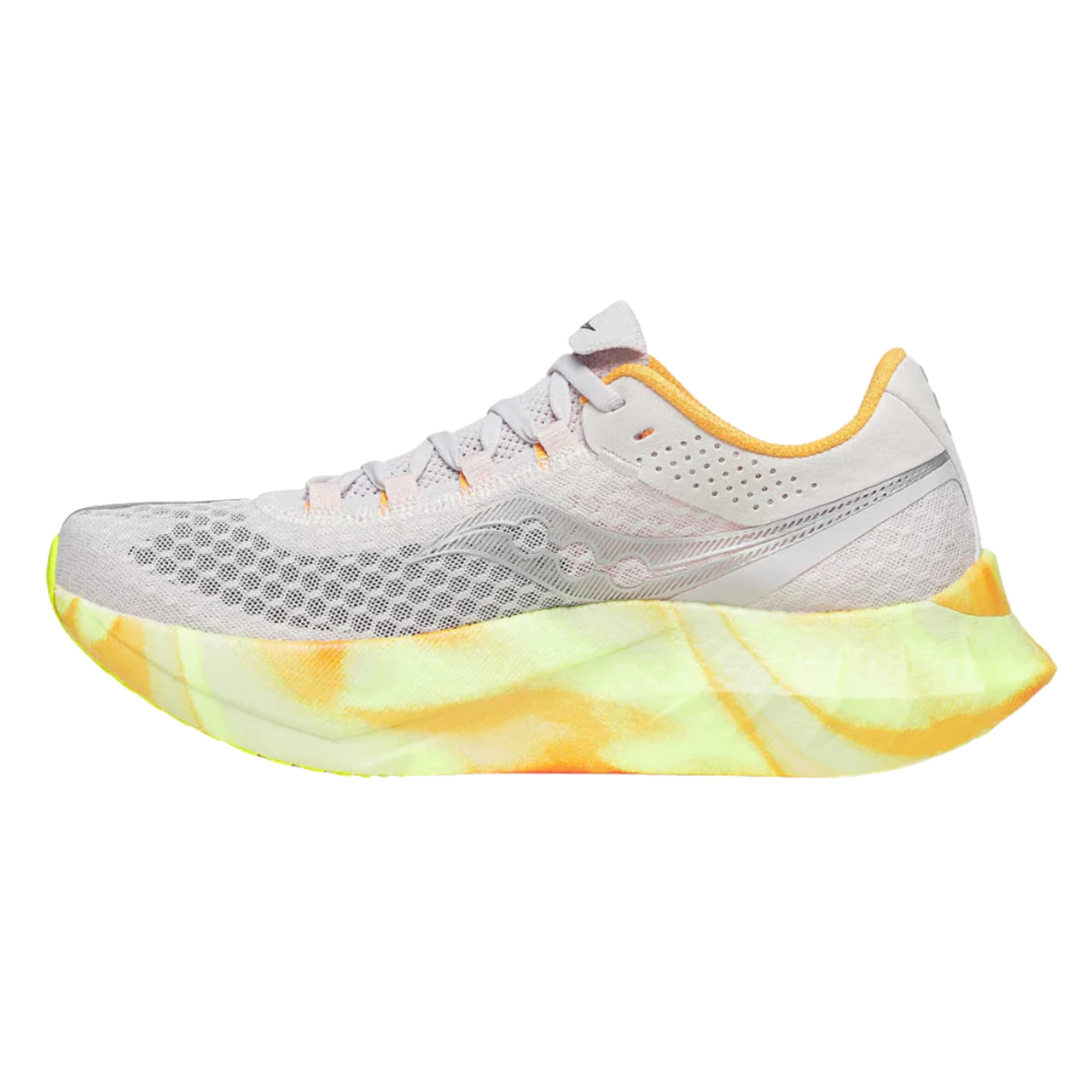
The Endorphin Pro 4 is Saucony’s race-day weapon, fusing two foams — PWRRUN PB for bounce and PWRRUN HG for stability — to create a ride that feels snappy yet composed on asphalt. The full-length carbon plate adds longitudinal stiffness that maximizes metabolic efficiency, meaning you hold your pace longer on straight pavement without extra effort. At 7.5 oz (212g), it’s one of the lightest carbon-plated trainers on the market, making it ideal for half-marathon and marathon road racing where every gram counts.
The SPEEDROLL technology creates a propulsive forward motion that naturally guides your foot through the gait cycle, reducing the deceleration that typically occurs at heel strike on hard surfaces. Multiple reviewers report reaching 400+ miles of durable performance, with the heel liner and integrated tongue system delivering a connected, sock-like fit that prevents slipping during fast turns on wet asphalt.
This shoe demands a neutral gait — runners with overpronation will find it too unstable for daily training. The carbon plate also makes the Pro 4 feel stiff during casual walking, so reserve it for dedicated pavement running sessions. Limited color options are a minor trade-off for what is arguably the most technologically advanced road racer in this lineup.
Why it’s great
- Dual-density PWRRUN HG/PB foam provides both bounce and damping on asphalt
- Full carbon plate delivers exceptional energy return for sustained road speed
- Remarkably lightweight at 212g, reducing fatigue on long pavement miles
Good to know
- Carbon plate stiffness makes it less comfortable for walking or casual wear
- Neutral support only — unsuitable for runners needing stability features
- Limited color selection compared to other Saucony models
2. ASICS Men’s Gel-Cumulus 27 Running Shoes
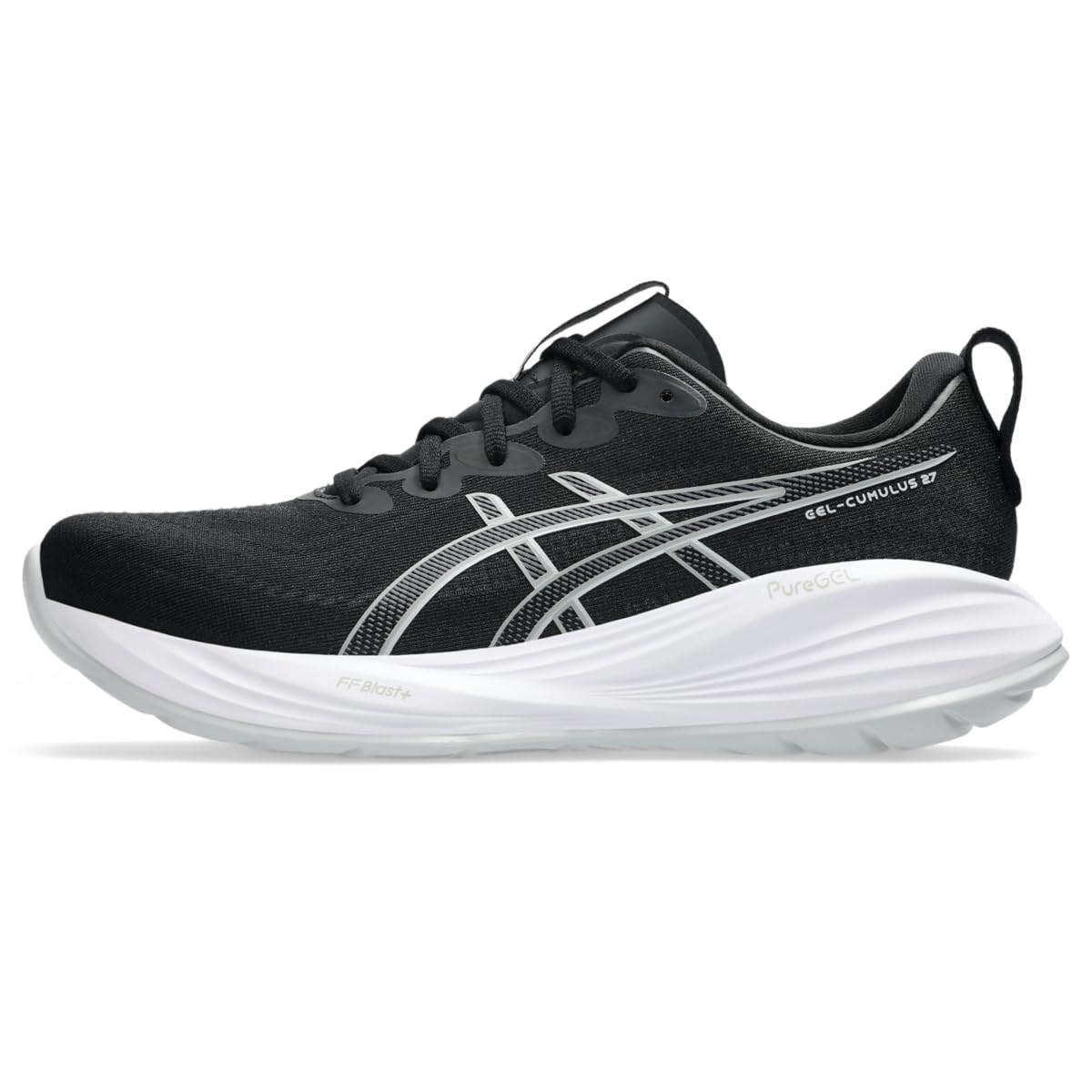
The Gel-Cumulus 27 marks ASICS’ shift to PureGEL technology — a softer, more deformable gel insert positioned in the heel that absorbs impact forces before they transfer to the knee and hip. Combined with FF BLAST PLUS foam in the midsole, this shoe delivers a plush, cloud-like landing that is particularly forgiving on cracked or uneven asphalt. The FluidRide outsole adds a smooth transition, preventing the jarring stop that can happen when a stiff shoe meets a hard surface.
Reviewers consistently highlight the fit: true to size, with a breathable upper that doesn’t overheat during summer road runs. The toe box is slightly wider than previous Cumulus models, which prevents toe mashing on long downhills. Multiple verified buyers use this shoe for marathon training and report resolution of knee pain after switching from firmer trainers — the PureGEL seems to make a measurable difference for runners with joint sensitivity.
The Cumulus 27 leans toward the softer end of the cushioning spectrum, which some tempo-oriented runners find slightly mushy when trying to pick up the pace. The outsole rubber coverage is good but not full-length — the exposed midsole sidewalls may show cosmetic wear faster than fully rubberized competitors like the Saucony Ride 18.
Why it’s great
- PureGEL insert provides superior impact absorption on hard road surfaces
- FF BLAST PLUS foam stays soft without bottoming out on long runs
- Breathable upper and slightly wider toe box accommodate foot swelling on distance runs
Good to know
- Soft ride feels less responsive for speed work and tempo intervals
- Partial outsole rubber may lead to faster midsole degradation
- Some runners prefer the firmer feel of the ASICS Nimbus for stability
3. Brooks Men’s Launch 11 Neutral Running Shoe
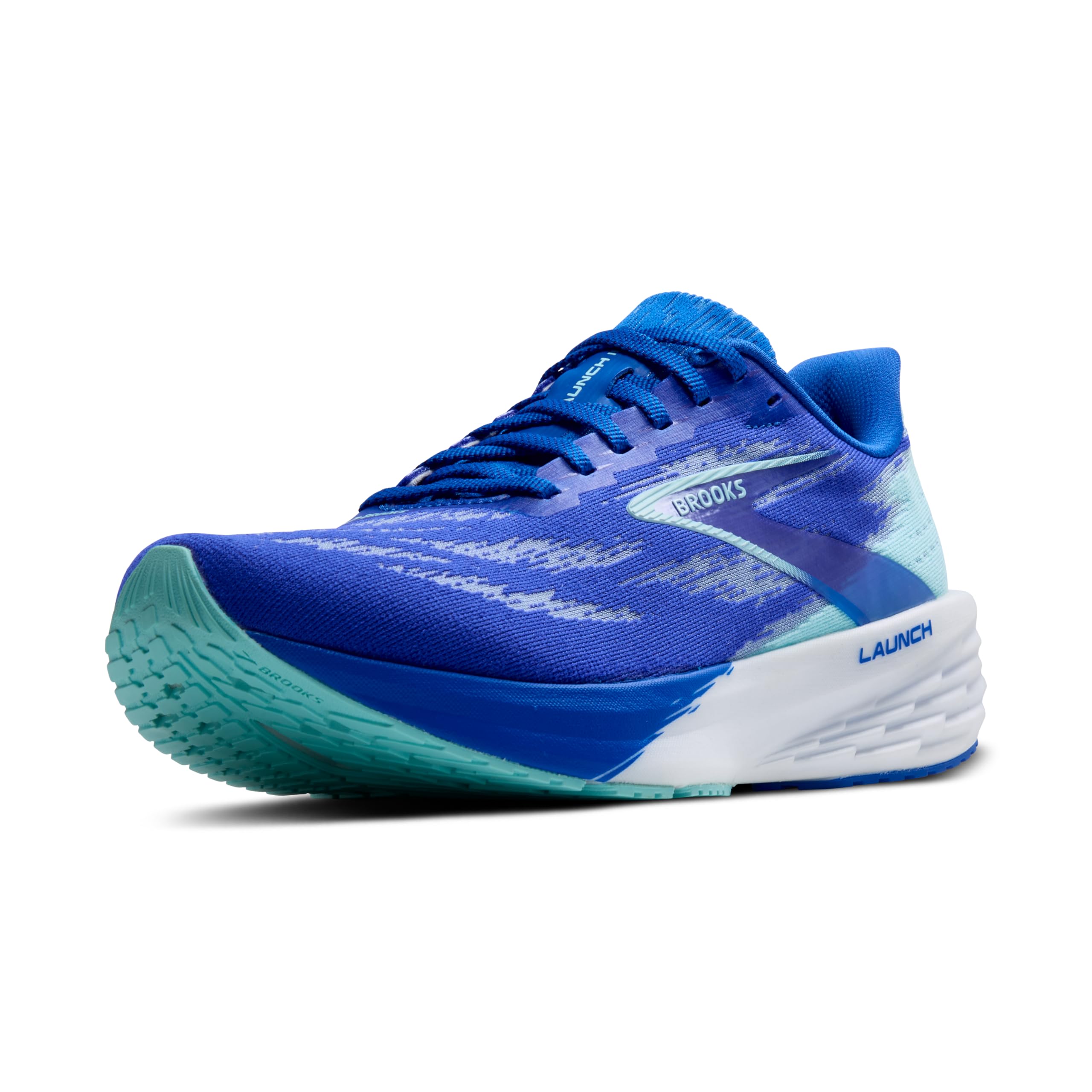
The Launch 11 is Brooks’ answer to the runner who wants a responsive, lightweight trainer for pavement speed sessions without paying carbon-plate prices. The BioMoGo DNA midsole adapts its density dynamically to your stride — softer on impact for joint protection, firmer at toe-off for propulsion. This adaptive cushioning is especially valuable on asphalt, where surface hardness varies between fresh blacktop and older, more abrasive concrete.
At 7.7 oz (218g) with an 8mm drop, the Launch 11 encourages a natural midfoot strike while offering enough heel cushioning for those who land rear-foot. The wide toe box receives consistent praise from runners with broader feet, and the rubber outsole provides excellent grip on wet pavement — a critical safety factor for early-morning runs on damp roads. Multiple reviewers note that the Launch 11 shows minimal wear after 200 miles, thanks to Brooks’ durable blown rubber placement in high-abrasion zones.
The Launch 11’s cushioning level sits at “standard” rather than “more” or “most” in Brooks’ scale, meaning it prioritizes ground feel over maximum plushness. Runners accustomed to thick-stack max-cushion shoes may find it firm for recovery days. The upper lacks the premium interior lining of the Ghost series, which some users describe as less luxurious during sockless wear.
Why it’s great
- BioMoGo DNA foam dynamically adapts to pavement hardness for tailored cushioning
- Wide toe box accommodates natural foot splay on long road runs
- Durable outsole rubber retains traction after 200+ miles on asphalt
Good to know
- Standard cushion level may feel firm for heel-strikers wanting max plushness
- Upper interior lacks plush lining, less comfortable for sockless wear
- Not designed for overpronation — stability runners need the Adrenaline GTS
4. ALTRA Men’s Torin 8 Road Running Shoe
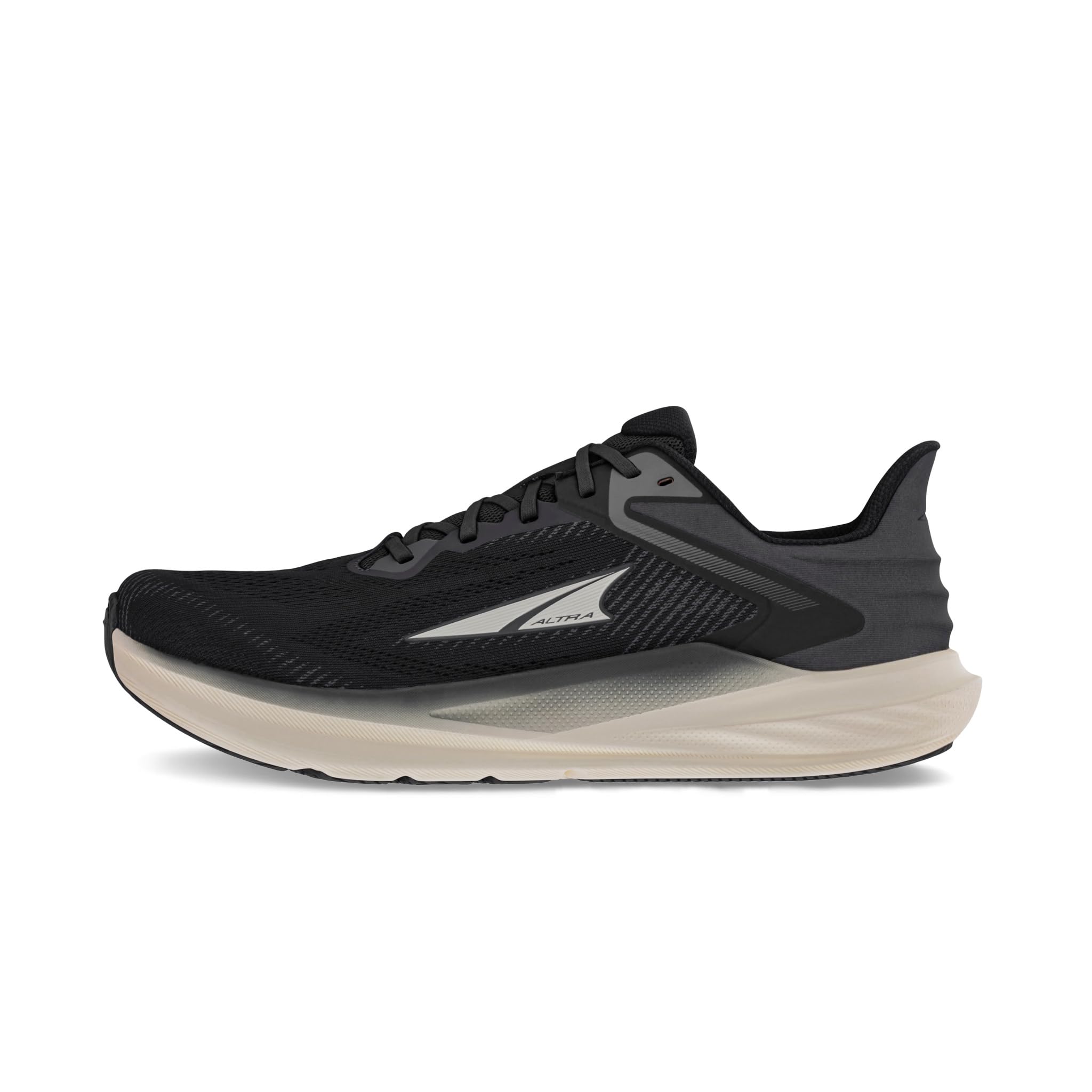
The Torin 8 is Altra’s pavement-specific flagship, built around two signature features that set it apart from every other shoe in this guide: a zero-drop platform (0mm heel-to-toe offset) and the FootShape toe box that allows toes to splay naturally. For runners transitioning to a midfoot or forefoot strike on asphalt, the zero-drop geometry encourages a more efficient landing pattern that reduces braking forces and shifts impact from the knees to the calves and Achilles — a trade-off that rewards proper form.
The EGO MAX midsole foam delivers a plush, luxurious feel underfoot with a 30mm stack height that provides ample protection against road shock without feeling unstable. The FootPod outsole technology mirrors the natural flex points of your foot, allowing the shoe to move more organically over uneven pavement surfaces. Reviewers with wide feet consistently rank the Torin 8 as their most comfortable road shoe, praising the roomy toe box that eliminates the black toenail problem common in pointed road shoes.
The zero-drop geometry requires a deliberate break-in period — experienced runners report 20-30 miles before the calves adapt. The Torin 8’s upper is also notably breathable, which means less insulation during cold-weather runs. The price point sits above the mid-range competition, but for runners committed to natural running mechanics on hard surfaces, the Torin 8 represents a genuinely differentiated option.
Why it’s great
- Zero-drop platform promotes natural midfoot striking, reducing knee impact on asphalt
- FootShape toe box provides unmatched room for forefoot splay and toe health
- EGO MAX foam delivers plush 30mm stack without excessive weight
Good to know
- Significant adaptation period required for runners accustomed to 8mm-10mm drop
- Lower stack height compared to max-cushion competitors may feel less protective
- Price premium over comparable daily trainers like the Ride 18
5. Saucony Men’s Ride 18 Sneaker
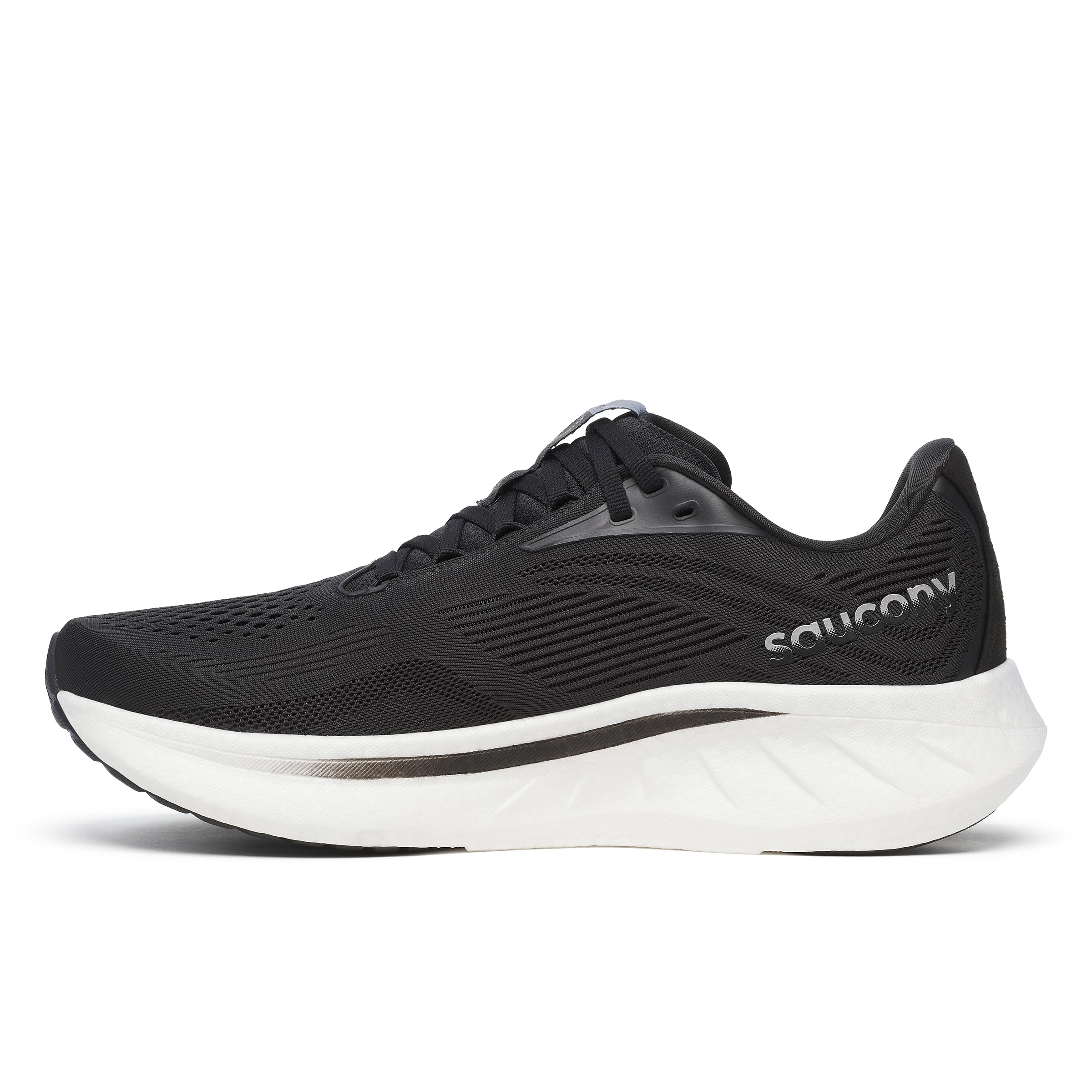
The Ride 18 occupies the sweet spot in Saucony’s road shoe lineup — it’s lighter, softer, and more responsive than the previous generation, thanks to a reformulated PWRRUN+ foam that increases energy return without adding weight. At 9.1 oz (259g) with an 8mm offset and 35mm heel stack, it provides enough cushioning for half-marathon distances while maintaining the ground feel necessary for 5K tempo efforts on pavement.
The enhanced rubber placement at the forefoot improves traction on asphalt corners, and the flex grooves along the outsole allow smooth, stable movement during transitions. Reviewers highlight the zero break-in period and consistent fit — the engineered mesh upper offers breathability without stretch, keeping the foot secure during lateral movements on road turns. For runners splitting time between treadmill and outdoor pavement, the Ride 18 handles both without feeling out of place.
Some users report that the outsole rubber is less extensive than previous Ride models, with exposed foam on the lateral edge that may wear faster for runners who scuff on toe-off. The Ride 18 also runs slightly larger than earlier versions — sizing down half a size may be necessary for a locked-in fit. It’s a capable do-it-all shoe, but dedicated speedsters may find the PWRRUN+ foam less snappy than the Endorphin line.
Why it’s great
- Reformulated PWRRUN+ foam provides excellent energy return on pavement at a competitive weight
- Zero break-in period with consistent, breathable fit from the first mile
- Flex grooves and enhanced forefoot rubber improve cornering traction on road surfaces
Good to know
- Outsole rubber coverage is slightly reduced, exposing lateral foam to wear
- Runs large compared to previous Ride versions — half-size down may improve fit
- Less responsive than dedicated speed shoes like the Endorphin Speed
6. Saucony Women’s Ride 18
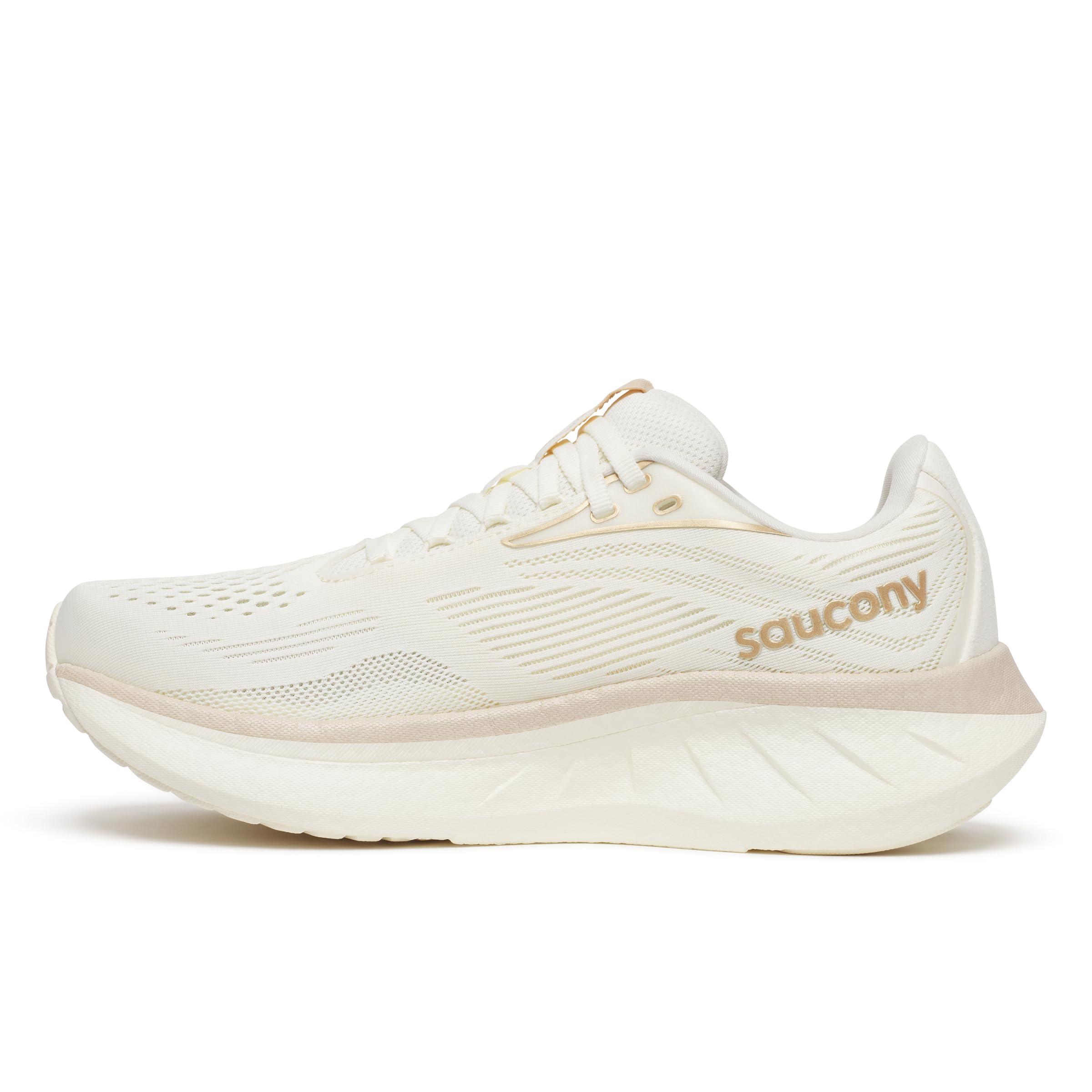
The women’s Ride 18 shares the same technical foundation as the men’s version — reformulated PWRRUN+ foam, 8mm offset, and flex groove outsole — but is tuned with a lower weight target (8.0 oz / 228g) and a women’s-specific last shape that accommodates a narrower heel and broader forefoot. On asphalt, this translates to a locked-in rearfoot fit that prevents heel slippage during toe-off, a common issue when men’s shoes are worn by female runners.
As with the men’s version, the Ride 18 excels as a daily pavement trainer that handles everything from recovery jogs to steady-state runs. Reviewers note the relief from joint pain after switching to the Ride 18 — the anti-shock soles appear to dampen vibration effectively for runners with histories of plantar fasciitis or shin splints. The colorway selection is broader than the Ride 18 men’s line, offering lighter and brighter options that stay visible during low-light road runs.
The same outsole durability question applies — the exposed lateral midsole foam may show wear faster than competitors with full-length rubber coverage. Some female reviewers also note that the toe box feels slightly narrower than previous Ride generations, so those with wider forefeet may need to consider the Ride 18’s wide-width option. For women logging 15-30 miles per week on pavement, this remains one of the best-balanced options in this guide.
Why it’s great
- Women’s-specific last prevents heel slip while accommodating forefoot width
- PWRRUN+ foam provides consistent shock attenuation for daily road mileage
- Wider color variety enhances visibility for early-morning and dusk pavement runs
Good to know
- Lateral midsole foam is partially exposed, reducing long-term outsole durability
- Toe box may feel snugger than previous Ride iterations for wider feet
- Not designed for overpronators — the Guide 18 offers needed stability features
7. Nike Men’s Journey Run Road Running Shoes

The Nike Journey Run is the entry-level road shoe in this lineup, engineered for walkers, casual joggers, and runners logging shorter pavement distances under 5K. The engineered mesh upper provides a comfortable, breathable enclosure that feels secure without restriction, and the rubber outsole delivers grippy traction on wet asphalt — a feature that punches above the shoe’s tier. The extra heel cushioning and soft tongue create a plush step-in feel that reviewers compare to memory foam.
Many verified buyers use the Journey Run for all-day standing during warehouse shifts and long walks on concrete, reporting that the cushioning maintains its shape without flattening out. The shoe fits true to size, and multiple female reviewers successfully size down and report a perfect fit. For runners seeking a second pair for recovery days or gym cross-training, the Journey Run offers an accessible entry point into pavement-specific footwear without the investment of premium models.
The Journey Run is not designed for high-performance training. The midsole lacks the advanced foam chemistries (PWRRUN+, FF BLAST PLUS) found in the premium tier, meaning it will lose its bounce faster when used for regular running. A notable minority of users report a persistent squeaking sound during walking, likely from air trapped in the outsole channels. This shoe earns its place for casual pavement use but will disappoint runners targeting 10K+ distances or speed work.
Why it’s great
- Comfortable engineered mesh upper with memory foam-like feel for all-day pavement wear
- Rubber outsole provides reliable traction on wet roads at an entry-level price
- Versatile fit that works for casual runs, gym workouts, and standing shifts
Good to know
- Midsole foam lacks advanced rebound compounds, limiting performance for longer distances
- Some units develop a squeaking noise during walking and running
- Not suitable for tempo runs, racing, or high-mileage training blocks
FAQ
What is the ideal midsole drop for running on asphalt?
How many miles should asphalt running shoes last?
Can I use trail running shoes on asphalt?
Final Thoughts: The Verdict
For most users, the best asphalt running shoes winner is the Saucony Endorphin Pro 4 because it combines a full carbon plate with dual-density foam for unmatched energy return on pavement — the ideal choice for race day and speed sessions. If you want maximum joint-friendly cushioning for daily high-mileage training, grab the ASICS Gel-Cumulus 27. And for natural gait runners who prioritize zero-drop geometry and toe splay, nothing beats the ALTRA Torin 8.
Product prices and availability are accurate as of the date/time indicated and are subject to change. Any price and availability information displayed on Amazon at the time of purchase will apply to the purchase of this product. As an Amazon Associate I earn from qualifying purchases.
CERTAIN CONTENT THAT APPEARS ON THIS SITE COMES FROM AMAZON. THIS CONTENT IS PROVIDED "AS IS" AND IS SUBJECT TO CHANGE OR REMOVAL AT ANY TIME.
Amazon and the Amazon logo are trademarks of Amazon.com, Inc. or its affiliates.