
The market is flooded with fiber supplements that promise regularity but deliver bloating, grit, and disappointment. A truly effective bioactive fiber must do more than just add bulk—it needs to feed your microbiome, dissolve cleanly, and fit seamlessly into your daily routine without turning your gut into a science experiment.
I’m Min — the co-founder and writer behind Gadgets Feed. I’ve spent hundreds of hours analyzing the solubility, fiber composition, and prebiotic profiles of dozens of fiber supplements to separate the genuinely effective formulas from the overhyped powders and gummies.
If you are tired of chalky textures, artificial flavors, and unpredictable digestive results, this guide to the best bioactive fiber will help you find a supplement that works with your body, not against it.
How To Choose The Best Bioactive Fiber
Not all fiber is created equal. The term “bioactive” implies that the fiber does more than mechanically push waste through your system—it actively interacts with your gut ecosystem. Choosing the right one means understanding solubility, fermentability, and your own digestive sensitivities.
Solubility and Texture: The Invisible Decider
A fiber that turns into a gritty gel or clumps in your drink will be abandoned in a week. Soluble fibers like partially hydrolyzed guar gum (PHGG) and acacia dissolve completely clear, leaving no taste or texture. Insoluble fibers like psyllium husk require fast drinking and plenty of water to avoid a gelatinous mess. For long-term adherence, a truly invisible fiber is the smarter investment.
Prebiotic vs. Bulking: Know the Difference
Bulking fibers like psyllium add physical mass to stool, helping with regularity through sheer volume. Prebiotic fibers like inulin and FOS (fructooligosaccharides) selectively feed beneficial gut bacteria. Many premium blends combine both—but careful: high-FODMAP prebiotics like inulin can cause severe bloating in sensitive individuals. Low-FODMAP options like PHGG offer prebiotic benefits without the gas.
Serving Format: Powder, Gummy, or Stick Pack
Each format presents a trade-off. Powdered fibers offer the most grams per serving and the lowest cost per dose, but require mixing. Gummies are convenient and portable but rarely deliver more than 3-5g per serving, and often contain added sugars. Individual stick packs are ideal for travel and desk drawers but typically cost a premium per gram. Choose based on where and when you will actually take it daily.
Quick Comparison
On smaller screens, swipe sideways to see the full table.
| Model | Category | Best For | Key Spec | Amazon |
|---|---|---|---|---|
| Benefiber On The Go | Stick Pack | Travel & GLP-1 compatibility | Wheat dextrin, dissolves clear | Amazon |
| Designs for Health Fiber Prebiotic Complete | Multi-Blend Powder | Maximum fiber diversity | 12 fiber sources, 300g jar | Amazon |
| Metamucil 4-in-1 Psyllium Husk | Psyllium Powder | Cholesterol & blood sugar support | Psyllium husk, 180 servings | Amazon |
| FOODOLOGY Coleology Bowel Movement Jelly | Jelly Stick | On-the-go gut support | Polydextrose + lactulose, 10 sticks | Amazon |
| BlueBonnet Nutrition Sunfiber | PHGG Powder | Low-FODMAP sensitive guts | PHGG, 6g per serving | Amazon |
| Advanced Acacia Fiber | Acacia Powder | Leaky gut & gentle bulk | Organic acacia, 40oz bag | Amazon |
| Fiber Gummies 7G | Gummy | Easy-to-take high fiber | 7g fiber, psyllium + inulin | Amazon |
In‑Depth Reviews
1. Benefiber On The Go Prebiotic Fiber Powder
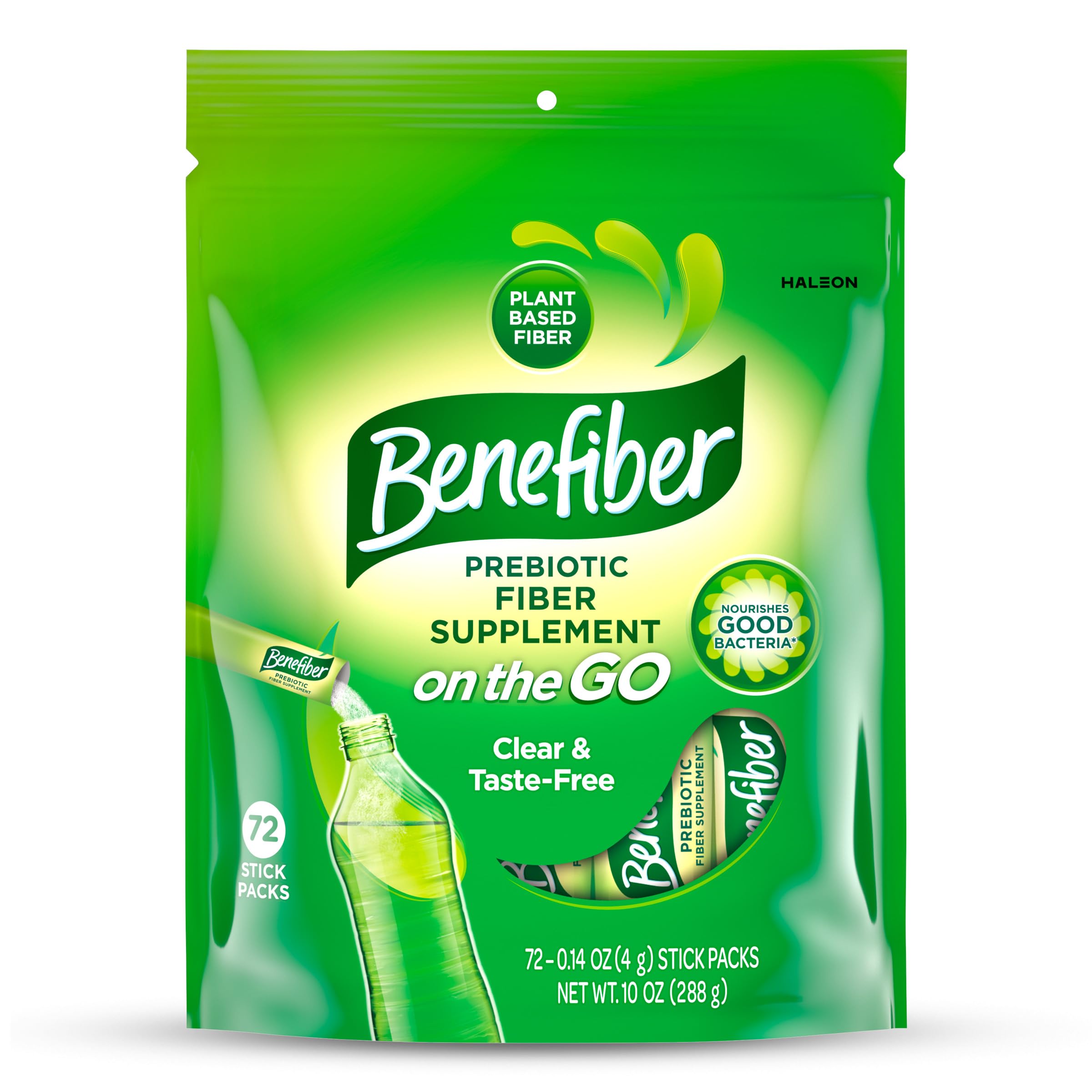
Benefiber’s On The Go stick packs are built around wheat dextrin, a soluble fiber that dissolves completely clear in hot or cold liquids with zero taste or texture change. Each 72-count box provides a portable daily solution for travelers and desk workers who need fiber without the ritual of scooping and stirring. Users on GLP-1 medications consistently report that this fiber blends seamlessly into morning coffee or protein shakes without altering flavor or consistency.
Wheat dextrin ferments slowly in the colon, which means it produces significantly less gas than inulin-based fibers. This makes Benefiber a reliable choice for individuals with sensitive digestion or conditions like ulcerative colitis. The prebiotic effect nourishes beneficial gut bacteria without the bloating that often accompanies high-FODMAP prebiotics.
The primary limitation is the fiber dose per stick—each pack delivers roughly 3g of fiber, so meeting daily fiber goals requires multiple packs per day. Additionally, individuals with celiac disease should verify that wheat dextrin sources are processed to remove gluten proteins, though the product is labeled gluten-free by the manufacturer.
Why it’s great
- Dissolves completely clear with no taste or grit
- Travel-friendly stick packs fit in any bag or pocket
- Gentle on sensitive guts with low gas production
Good to know
- Only 3g of fiber per pack—requires multiple packs daily
- Not suitable for those avoiding wheat-derived ingredients
2. Designs for Health Fiber Prebiotic Complete
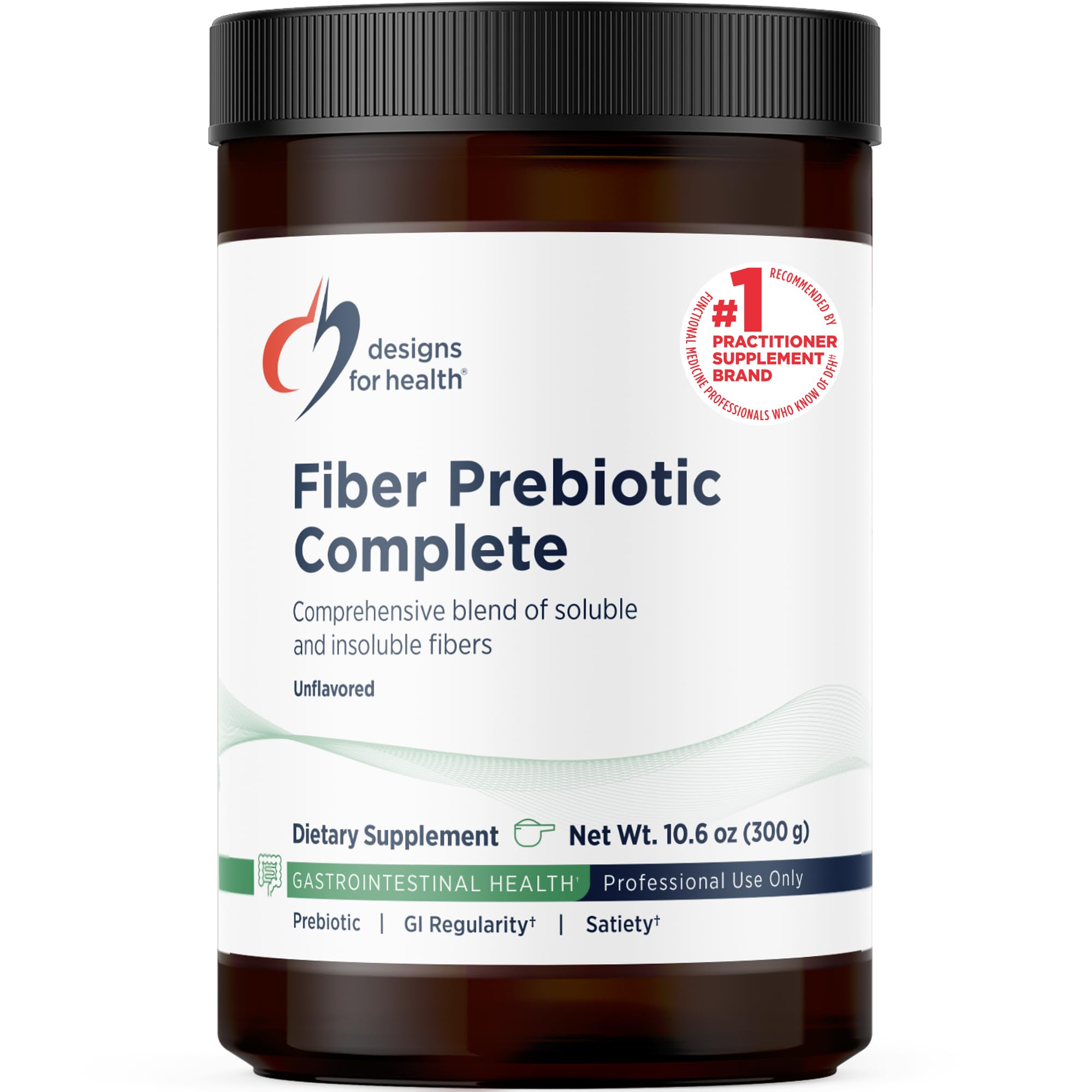
Designs for Health combines 12 different fiber sources into a single unflavored powder, including psyllium husk, flaxseed, apple pectin, and Fibregum tan prebiotic. This diversity ensures you get both soluble bulking fibers and fermentable prebiotics in one scoop. Functional medicine practitioners frequently recommend this blend because it mimics the fiber variety of a whole-food diet rather than isolating a single plant source.
Clinical reviews note that half a scoop (roughly 5g) provides noticeable digestive improvement within 48 hours, particularly for individuals dealing with chronic constipation or irregular bowel movements. The powder mixes reasonably well in liquids, though users report a slight grittiness compared to PHGG or acacia—a frother or shaker bottle resolves this easily.
The 300g jar provides roughly 30 servings at the recommended dose, but many users find 1/2 scoop sufficient, extending the jar significantly. The product is vegan, non-GMO, and free from gluten, dairy, and soy. The main drawback is that the gritty texture requires thorough mixing to avoid settling at the bottom of the glass.
Why it’s great
- 12 diverse fiber sources for comprehensive gut support
- Effective at half the recommended serving size
- Recommended by functional medicine professionals
Good to know
- Slight grittiness that requires thorough mixing
- Price per jar is higher than single-source fibers
3. Metamucil 4-in-1 Psyllium Husk Powder
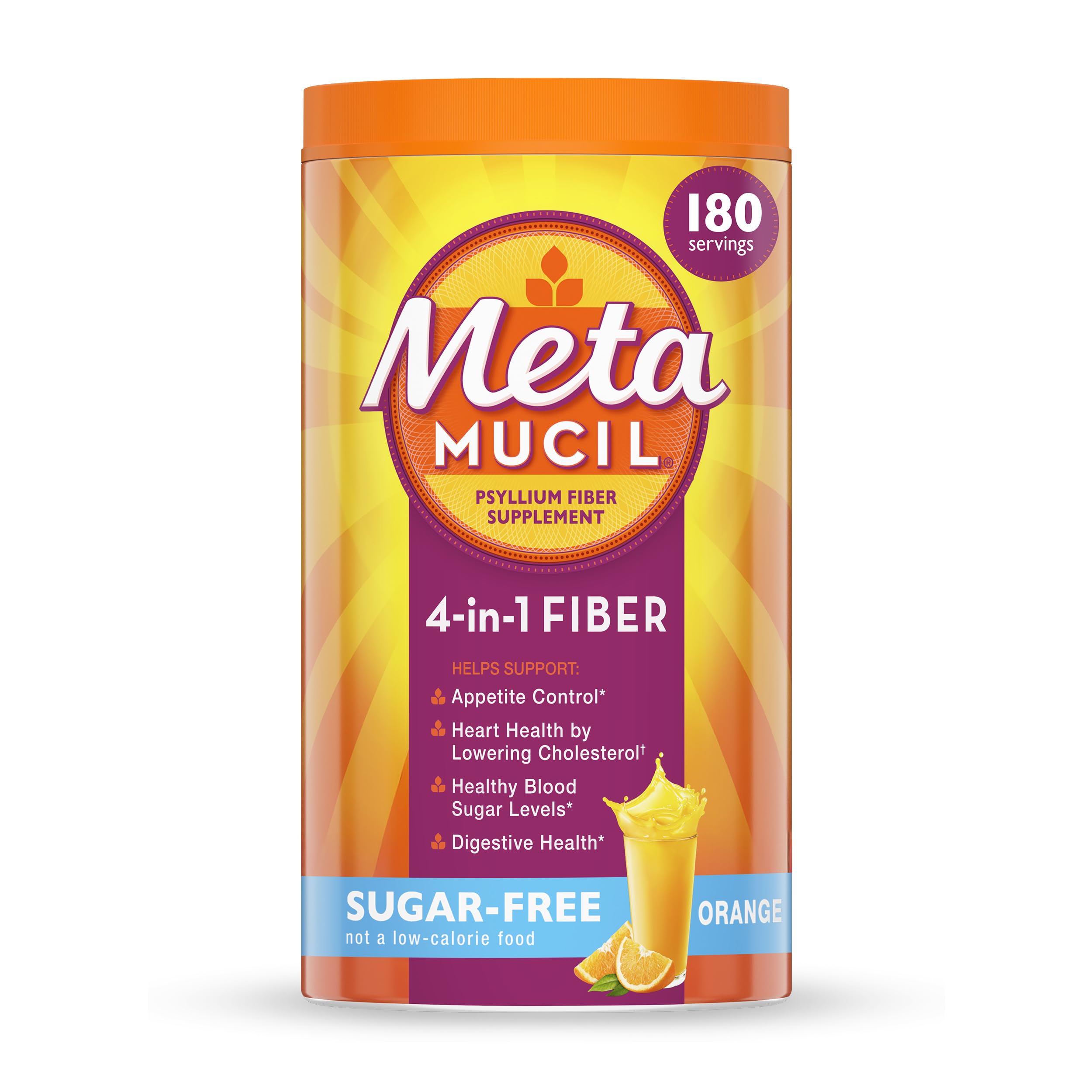
Metamucil’s sugar-free formula delivers psyllium husk fiber with 4-in-1 health benefits: digestive regularity, heart health via cholesterol reduction, healthy blood sugar levels, and appetite control. Each serving provides 2.4g of soluble fiber from psyllium, which forms a viscous gel that traps cholesterol and slows glucose absorption. The orange flavor is noticeable but not overpowering, and the powder dissolves reasonably well when stirred vigorously and consumed quickly.
One of the most documented effects of psyllium is its ability to lower LDL cholesterol—clinical studies show reductions of 6-10% with consistent daily use. This makes Metamucil uniquely valuable for individuals who need both digestive support and cardiovascular risk management. The sugar-free version uses sucralose, keeping it suitable for those monitoring carbohydrate intake, including GLP-1 medication users.
The main challenge with psyllium is the texture window: it thickens rapidly in liquid, so the drink must be consumed immediately after mixing to avoid a gelatinous consistency. Some users also report an initial adjustment period with mild bloating. The product is not suitable for those with psyllium allergies.
Why it’s great
- Clinically proven to lower LDL cholesterol
- Helps regulate blood sugar and appetite
- 180 servings per container, excellent value
Good to know
- Thickens fast—must drink immediately after mixing
- Some users experience initial bloating
4. FOODOLOGY Coleology Bowel Movement Jelly
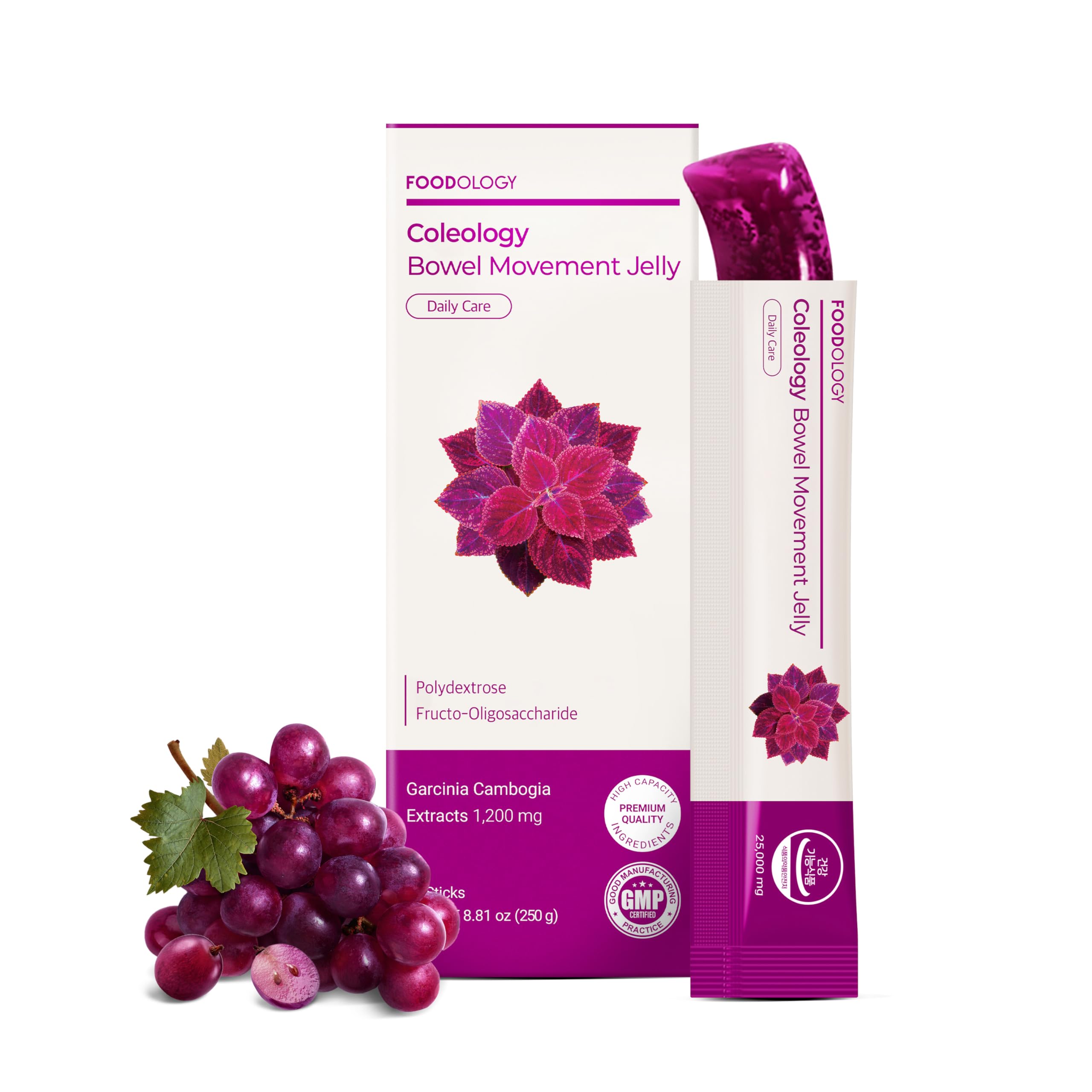
FOODOLOGY reimagines fiber supplementation as a fruit-flavored jelly packed with polydextrose, lactulose, and prune concentrate. Each stick delivers a prebiotic fiber load that supports bowel movement within 24 hours for most users, without requiring water or mixing. The grape and berry flavor, combined with chia seeds, makes it taste more like a dessert than a supplement.
The dual-action formula includes Garcinia Cambogia extract for weight management support, though users primarily report benefits in reducing bloating and improving morning lightness. Reviews consistently highlight the convenience of the stick format—tear open, squeeze, and go. For travelers and people who dislike swallowing pills or mixing powders, this format eliminates all friction points.
The biggest concern is response variability: some users experience effective bowel movement within a day, while others report no effect after weeks of use. The product is also the most expensive per serving among the options reviewed, which makes it a poor long-term value for those requiring daily fiber.
Why it’s great
- Delicious grape flavor—no supplement aftertaste
- No water needed, perfect for travel
- Reduces bloating quickly for most users
Good to know
- Inconsistent results—does not work for everyone
- Higher cost per serving than powders
5. BlueBonnet Nutrition Sunfiber

BlueBonnet’s Sunfiber is powered by partially hydrolyzed guar gum (PHGG), a soluble fiber that dissolves instantly with zero taste, zero color, and zero texture. Each scoop delivers 6g of dietary fiber that is low-FODMAP certified, meaning it ferments slowly and produces minimal gas. This makes it the go-to option for individuals with IBS, SIBO, or any digestive condition where bloating is a primary concern.
PHGG has a strong track record in clinical research for improving stool consistency and frequency in both constipation and diarrhea-predominant IBS. Users report noticeable improvements in digestive regularity within 3-5 days, with no cramping or urgency. The unflavored powder disappears completely into water, coffee, smoothies, or even soup—adherence is almost effortless.
The biggest downside is the price per gram compared to bulk psyllium or acacia. At 30 servings per container, a daily habit requires regular repurchasing. Additionally, some users note that the scoop is difficult to remove from a newly opened container, a minor but recurring packaging complaint.
Why it’s great
- Low-FODMAP certified—minimal bloating
- Completely tasteless and dissolves instantly
- Effective for both constipation and IBS-D
Good to know
- Higher cost per serving than budget fibers
- Container scoop can be hard to access initially
6. Advanced Acacia Fiber Powder

Advanced Acacia Fiber delivers organic acacia senegal gum in a massive 40oz bag that provides months of daily servings. Acacia fiber is a soluble, slow-fermenting prebiotic that supports gut lining repair while promoting gentle regularity. It dissolves easily in both hot and cold liquids without forming clumps or altering flavor, making it heat-stable for recipes like oatmeal and pancakes.
Users with chronic constipation and suspected leaky gut report significant improvement when titrating up to 4 tablespoons daily, starting with 1 teaspoon every 30 minutes for three doses. The fiber is gentle enough to combine with psyllium or PHGG for a more aggressive motility protocol. The organic certification and minimal ingredient list appeal to those who prioritize whole-food-based supplements.
The main trade-off is the sheer volume: the bag is large and requires a dedicated storage space. The powder is also less concentrated than PHGG, meaning you need more scoops to reach the same fiber gram target. Some users find the mild earthy taste slightly noticeable in plain water, though it disappears in flavored beverages.
Why it’s great
- Massive 40oz bag—excellent per-serving value
- Heat-stable for cooking into hot foods
- Organic, gentle, and supports gut lining repair
Good to know
- Requires more scoops per gram than PHGG
- Mild earthy taste in plain water
7. Fiber Gummies 7G
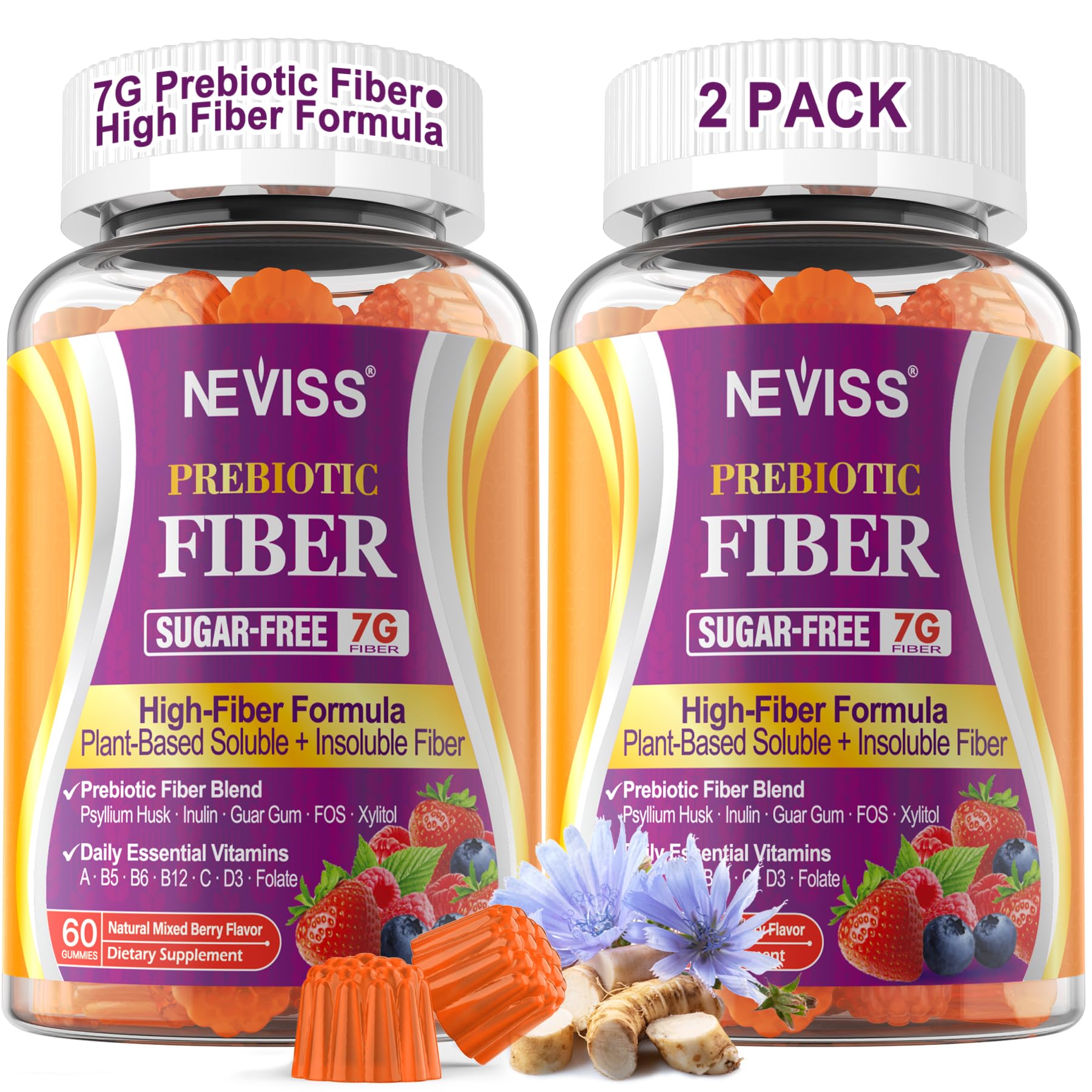
These gummies pack 7g of dietary fiber per serving—a rare achievement for the gummy format—using a triple fiber system of psyllium husk, inulin, and FOS. The formula also includes vitamins B12, B6, C, D3, and folate, creating a multi-nutrient supplement for digestive and immune support. They are sweetened with stevia, monk fruit, and xylitol, delivering a palatable chew without added sugar.
Users who dislike the texture of powdered fibers find gummies a genuine alternative, especially for travel or office use where mixing equipment is unavailable. The psyllium husk component provides bulking fiber, while inulin and FOS feed beneficial gut bacteria. Reviews note that starting with half a serving minimizes the initial gas that some individuals experience with inulin-based prebiotics.
Quality control is the main concern—some batches arrive with gummies that are dry and hard to chew, likely due to humidity variation during storage and shipping. The inconsistency in texture makes it difficult to commit to daily use. Additionally, achieving 7g of fiber requires eating multiple gummies, which some users find inconvenient compared to a single scoop of powder.
Why it’s great
- 7g of fiber per serving—highest among gummies
- Clean label with zero added sugar
- Includes essential B vitamins and vitamin D3
Good to know
- Texture inconsistency across batches
- Inulin can cause gas for sensitive individuals
FAQ
Should I take a prebiotic fiber or a bulking fiber for constipation?
How much bioactive fiber should I take daily?
Can I take fiber supplements while on GLP-1 medications?
Is there a difference between wheat dextrin and psyllium husk fiber?
Final Thoughts: The Verdict
For most users, the best bioactive fiber winner is the Benefiber On The Go because it combines complete dissolvability, portability, and gentle digestion into a format that actually fits a daily routine. If you need a clinically proven option for lowering cholesterol and regulating blood sugar, grab the Metamucil 4-in-1 Psyllium Husk. And for a low-FODMAP solution that works for the most sensitive digestive systems, nothing beats the BlueBonnet Sunfiber.