
Lower back pain during or after a walk, run, or standing shift often traces back to what is on your feet. Shoes without sufficient arch support, shock absorption, or heel stability force your spine to absorb impact it was never designed to handle. The right pair realigns your stride from the ground up, reducing the strain that triggers lumbar discomfort.
I’m Min — the co-founder and writer behind Gadgets Feed. This guide is the product of hours of digging into biomechanics research, podiatrist recommendations, and the specific cushioning and support technologies that directly reduce spinal load during athletic activity.
Whether you are dealing with a chronic ache or post-workout soreness, finding the right pair means focusing on structured support and impact attenuation. After reviewing dozens of models, we have identified the athletic shoes for lower back pain that deliver the most effective biomechanical relief.
How To Choose The Best Athletic Shoes For Lower Back Pain
Not every cushioned shoe helps a sore back. In fact, overly soft midsoles can destabilize your stride, forcing your lumbar muscles to compensate. The right choice requires matching three specific shoe characteristics to your personal gait mechanics.
Heel-to-Toe Drop and Spinal Alignment
A heel drop between 8mm and 12mm is generally preferred for back pain, as it shifts a small amount of impact toward the heel’s natural fat pad rather than pulling on the lower back. Lower-drop shoes (4mm or less) demand more from your Achilles and posterior chain, which can aggravate existing lumbar tension. Check the stated drop in millimeters before committing.
Stability Features That Reduce Overpronation
Overpronation — where the foot rolls inward excessively — transmits rotational stress up through the ankle, knee, and into the sacroiliac joint of the lower back. Shoes with medial posts, guide rails, or wider bases resist this motion. Look for terms like “stability” or “supportive” in the shoe’s description to ensure your foot strike stays neutral.
Cushioning Density and Shock Return
Not all cushioning is equal. Ultra-soft foam feels great in the store but can compress unevenly during a 3-mile walk, creating micro-instability that fatigues spinal stabilizers. Denser foams or those with a structured midsole (like EVA blends or proprietary gel/air systems) provide consistent impact attenuation without sacrificing control.
Quick Comparison
On smaller screens, swipe sideways to see the full table.
| Model | Category | Best For | Key Spec | Amazon |
|---|---|---|---|---|
| Hoka Arahi 7 | Stability | Long walks & standing | J-Frame Support technology | Amazon |
| Brooks Adrenaline GTS 23 | Support | Overpronation control | GuideRails support system | Amazon |
| Orthofeet Nira | Orthopedic | Arch support & balance | Built-in orthotic insole | Amazon |
| Gravity Defyer AstroRun | Shock Absorption | High-impact relief | VersoShock XL Triple Density | Amazon |
| Skechers Arch Fit Roslyn | Value | Daily casual wear | Podiatrist-certified arch support | Amazon |
In‑Depth Reviews
1. Hoka Arahi 7
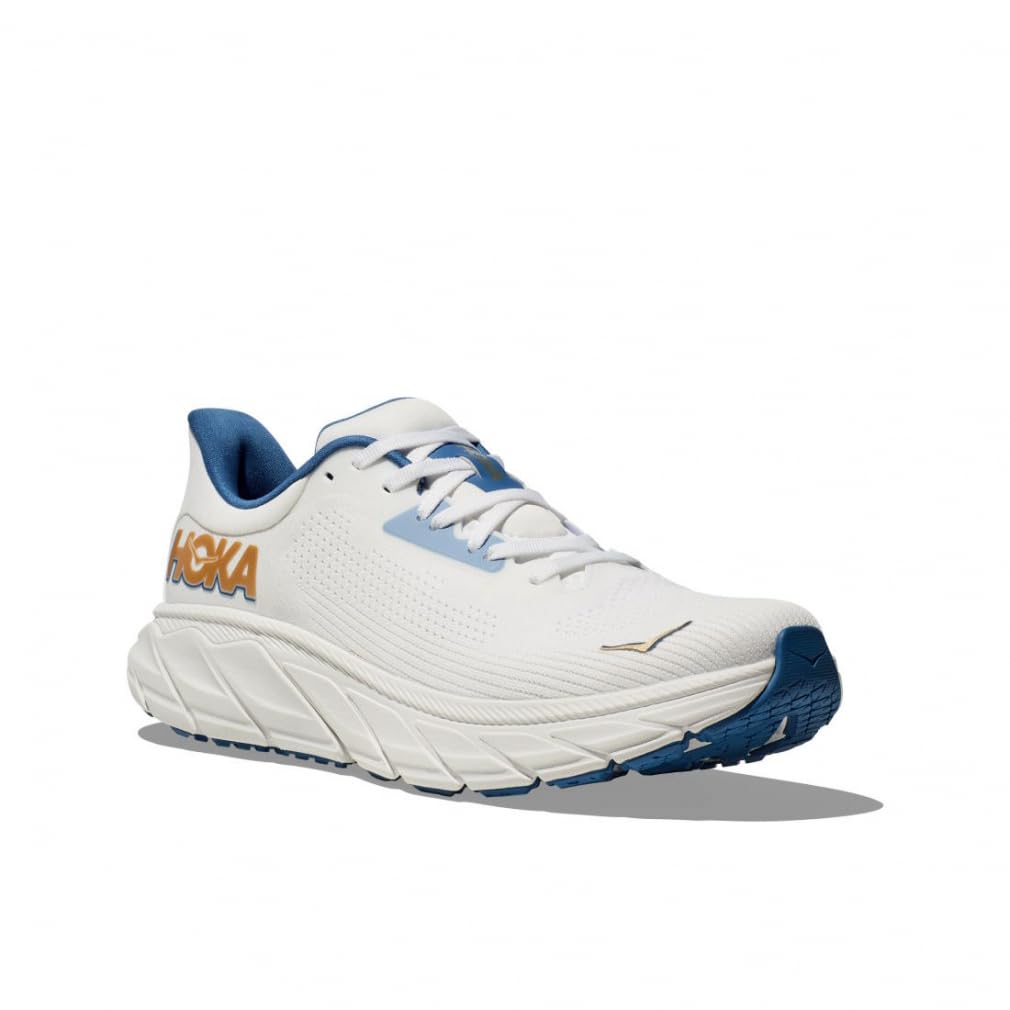
The Hoka Arahi 7 is a premium stability shoe that uses a patented J-Frame support structure rather than a traditional hard medial post. This delivers targeted support without the rigid feel that can cause discomfort for walkers and runners with lower back sensitivity. The midsole is built with Hoka’s signature thick stack height, providing generous shock attenuation for every heel strike.
Hoka refined the upper with a zonally engineered flat knit design that improves midfoot lockdown while reducing pressure points. The plush tongue and stretchy gusset prevent lace bite and tongue migration, contributing to a secure fit that helps maintain proper gait mechanics over longer distances. Many users report zero break-in time, which is a strong sign that the structural components align with the foot from the first wear.
Bear in mind that the heel counter has a hard backing that some find uncomfortable when sitting or driving. Also, the fit is decidedly narrow — this shoe works best for those with slim to medium feet, and wide-footed shoppers should explore other options. The J-Frame and plush midsole combination makes this the strongest option for those who need stability but dislike the clunky feel of traditional support shoes.
Why it’s great
- J-Frame provides targeted stability without harsh rigidity
- Plush midsole with excellent shock absorption for back pain relief
- No break-in period required for immediate comfort
Good to know
- Heel counter backing can feel hard when sitting
- Not suitable for wide feet
2. Brooks Adrenaline GTS 23

Brooks Adrenaline GTS 23 is a workhorse stability shoe equipped with GuideRails technology, which uses raised sidewalls to nudge the foot back into a neutral alignment during overpronation. This is especially valuable for lower back pain sufferers because misaligned foot strike multiplies the rotational torque transmitted to the spine. The 12mm heel-to-toe drop also helps reduce strain on the posterior chain.
The midsole strikes a careful balance between softness and support — not so plush that it compresses unevenly, but soft enough to absorb road impact effectively. Many users log 500–600 miles on a pair before the cushioning degrades, which speaks to the durability of the DNA Loft foam blend used in the midsole. The upper breathes well in dry conditions and is roomy enough for a mild insole swap.
The mesh upper is not fully sealed — snow and rain can soak through in winter conditions, so this shoe is best suited for dry-weather wear. Some users note that the colorways lean bright, which may not appeal to those who prefer a muted look. It also runs slightly snug in the toe box before breaking in, but the midfoot support remains consistent throughout the shoe’s lifespan.
Why it’s great
- GuideRails correct overpronation to reduce spinal torque
- 12mm drop supports lumbar-friendly gait mechanics
- Exceptional durability with 500–600 mile lifespan
Good to know
- Upper mesh is not waterproof
- Toe box may feel snug before breaking in
3. Orthofeet Nira Hands-Free Walking Sneaker
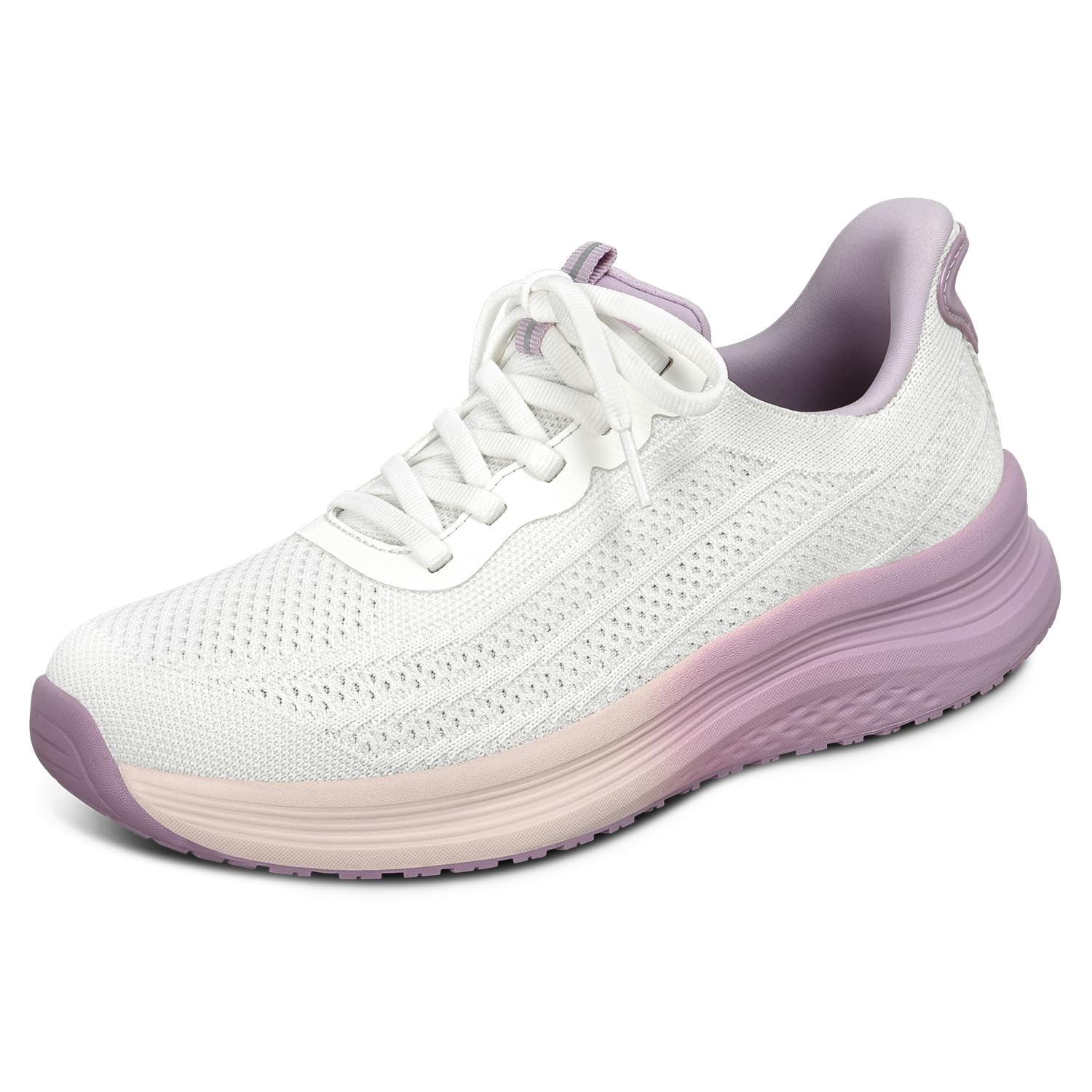
The Orthofeet Nira is built around the Ortho-Cushion system, which combines a structured orthotic insole with a shock-absorbing sole and a deep, pressure-free toe box. This design is directly engineered to reduce stress on the lower back by aligning the foot and absorbing impact before it travels upward. The built-in orthotic is removable, allowing users to insert their own custom orthotics if needed.
The hands-free slip-on design makes it easy to wear without bending, which is a practical feature for anyone whose back pain limits movement. The shoe is lightweight and stable, with a wide base that improves balance during standing and walking. Users with bunions, plantar fasciitis, and general foot pain report significant relief, and many note a reduction in both knee and lower back discomfort after switching to this model.
Multiple users report a persistent squeaking sound from the sole during walking, which can be distracting. The toe box, despite being marketed as roomy, has been described as narrow by some buyers even in the wide-width version. This inconsistency in sizing suggests that trying the shoe on or ordering from a flexible return policy is advised before committing.
Why it’s great
- Ortho-Cushion system designed for spinal load reduction
- Hands-free slip-on design helpful for limited mobility
- Removable orthotic accommodates custom inserts
Good to know
- Some units produce a loud squeaking noise
- Toe box fit may be narrower than expected
4. Gravity Defyer G-DEFY AstroRun
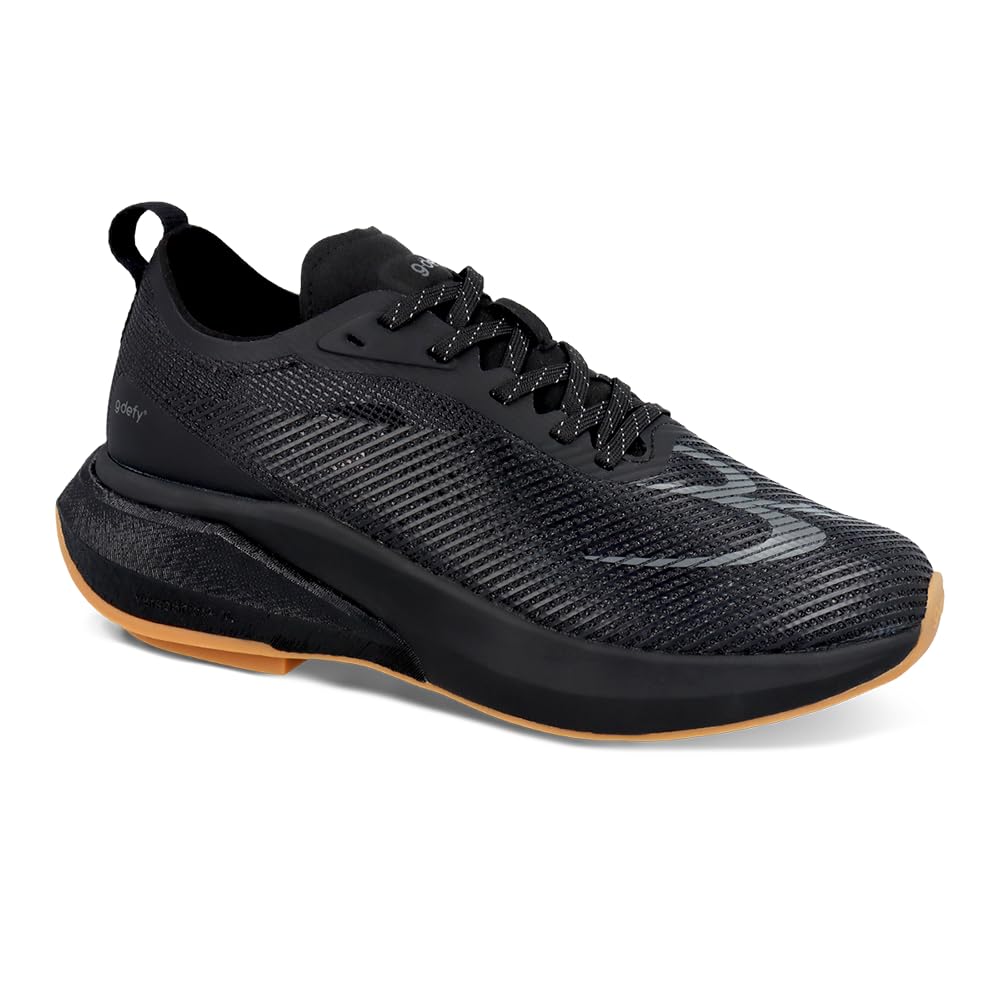
The Gravity Defyer AstroRun is built around VersoShock XL Triple Density technology, a proprietary system that uses a spring-like mechanism in the heel to dissipate vertical impact forces before they reach the knees and lower back. This is one of the most aggressive shock-absorption designs available in a walking shoe. Each pair also includes two removable orthotic insoles, giving users the ability to dial in arch support thickness.
The upper is made from hybrid nano carbon microfiber mesh, which is breathable, lightweight, and durable enough for daily wear. The Front-Rolling Lateral Stabilizer is designed to promote a smoother gait transition, reducing the jarring heel-strike-to-toe-off transition that can aggravate lumbar strain. Many users with sciatica, herniated discs, and plantar fasciitis report significant pain reduction after switching.
Sizing can be inconsistent — some users find the shoe runs significantly small, requiring a full size up compared to their normal measurements. The color options are limited and some reviewers note the design is not visually appealing. The shoe’s bulkier profile also makes it less suitable for casual wear, though the functional benefits for back pain relief are undeniable.
Why it’s great
- VersoShock XL provides elite-level impact dissipation
- Two removable orthotic insoles for customized arch support
- Front-Rolling Stabilizer promotes smoother gait transition
Good to know
- Sizing runs small — consider ordering up
- Design is bulkier and less versatile for casual wear
5. Skechers Max Cushioning Arch Fit Roslyn
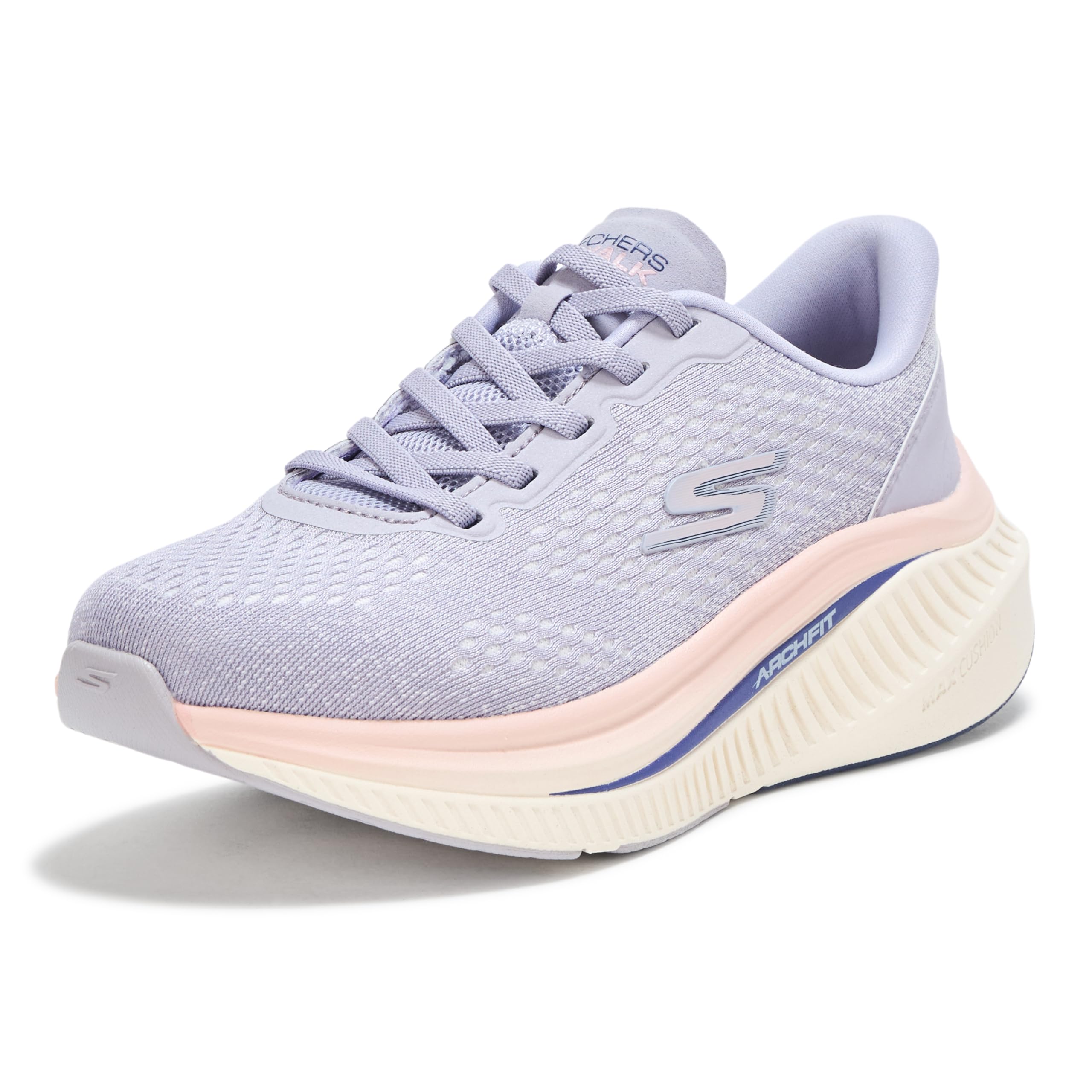
The Skechers Max Cushioning Arch Fit Roslyn combines a podiatrist-certified arch support design with an Ultra Flight midsole for responsive cushioning. The arch support is built into the removable insole, providing a structured base that helps maintain proper foot alignment during walking. For its price tier, this shoe delivers a rare combination of certified arch support and thick cushioning without a heavy platform feel.
The slip-on design with bungee laces makes it easy to get in and out of, and the breathable engineered mesh upper keeps feet cool during longer wear sessions. Users with high arches and sensitive metatarsal areas find the support level adequate for daily errands and 2-mile walks. The shoe is also machine washable, which is a practical advantage for maintaining hygiene during frequent use.
The support level is not aggressive enough for serious overpronation or high-impact running. Some users also note that the width runs slightly narrow, and there is no wide-width option available for all colorways. For moderate daily walking and casual standing-based activities, it performs well — but those with severe structural back issues may need a more robust stability shoe.
Why it’s great
- Podiatrist-certified arch support at an accessible price
- Ultra Flight cushioning provides soft, responsive landings
- Machine washable for easy care
Good to know
- Not enough support for severe overpronation
- Limited wide-width availability across colorways
FAQ
Can a stability shoe really reduce lower back pain during walking?
Are zero-drop or minimalist shoes safe for lower back pain?
How often should I replace athletic shoes for back pain relief?
Final Thoughts: The Verdict
For most users, the athletic shoes for lower back pain winner is the Hoka Arahi 7 because its J-Frame support structure provides stability without the rigid feel that discourages regular wear. If you need aggressive pronation control, grab the Brooks Adrenaline GTS 23. And for maximum shock absorption at a competitive price, nothing beats the Gravity Defyer AstroRun.