
A backpacking fleece lives or dies by one metric: how well it balances warmth while you’re moving with packability when it’s stowed. The wrong fleece turns a 10-mile day into a sweatbox or adds dead weight to your pack that you’ll resent every uphill step. The right one disappears into its own pocket, breathes hard on the climb, and locks in heat the second you stop moving. This is not a fashion playbook — it’s a gear system decision that separates a comfortable camp from a miserable one.
I’m Min — the co-founder and writer behind Gadgets Feed. I’ve spent hundreds of hours cross-referencing fabric weights, grid patterns, zipper placements, and customer field reports across the entire backpacking fleece landscape to identify the models that actually perform under a pack strap and inside a compression stuff sack.
Whether you’re thru-hiking the PCT or dialing in your weekend kit, finding the right midlayer comes down to weight, breathability, and warmth-to-bulk ratio. This guide breaks down the best backpacking fleece options by actual trail performance metrics rather than marketing fluff.
How To Choose The Best Backpacking Fleece
Selecting a fleece for backpacking requires thinking about three specific variables that casual jackets don’t need to satisfy: how much it weighs in grams, how breathable the fabric grid is, and whether it layers without bunching under a rain shell. Ignore the brand hype and focus on these four criteria to avoid carrying dead weight.
Fabric Construction: Grid vs. Solid
Grid fleece uses a raised pattern that traps warm air between the bumps while leaving the base fabric thin enough to vent moisture. Solid fleece (classic Polartec 100 or 200) is warmer but holds sweat against the skin on high-output days. For backpacking where you alternate between climbing and resting, grid fleece is the performance choice because it dries faster and breathes better under a pack.
Weight and Packed Volume
The entire point of a backpacking fleece is that it stuffs down small enough to fit in a food bag or jacket pocket when the sun comes out. Look for models that compress into a fist-sized bundle — anything over 16 ounces is pushing into heavy territory unless you’re in sub-freezing conditions. The lightest grid fleeces drop to around 9 to 10 ounces, which is worth the premium if grams matter to you.
Zipper Type and Ventilation
A full-zip fleece lets you dump heat fast by opening the front, but it adds hardware weight and a potential failure point. A quarter-zip pullover saves a few ounces and eliminates zipper bulk against a hipbelt, but venting requires more torso exposure. Deep chest zippers (like Rab’s design) split the difference by offering targeted airflow without the full-zip overhead.
Fit and Layering Tolerance
A backpacking fleece must fit slim enough to avoid flapping under a shell but loose enough to allow a base layer underneath without restricting shoulder movement. Athletic fits work for active climbing, but if you plan to wear the fleece as a standalone around camp, a regular or relaxed fit is more comfortable. Check sleeve length — reaching for handholds and trekking poles requires sleeves that don’t ride up.
Quick Comparison
On smaller screens, swipe sideways to see the full table.
| Model | Category | Best For | Key Spec | Amazon |
|---|---|---|---|---|
| Squak Classic Microgrid Hoodie | Mid-Range | Versatile midlayer with hood | Mid-weight grid fleece | Amazon |
| Helly-Hansen Daybreaker | Mid-Range | Ultralight layering piece | 12.5 oz microfleece | Amazon |
| Marmot Rocklin Full-Zip | Mid-Range | Classic 100-weight warmth | 100-weight fleece fabric | Amazon |
| Rab Nexus Pull-On | Premium | High-output climbing/hiking | 9.6 oz Thermic fleece | Amazon |
| Fjällräven Abisko Trail Hoodie | Premium | Hybrid grid construction | 365g (12.9 oz) hybrid fleece | Amazon |
In‑Depth Reviews
1. Squak Classic Men’s Microgrid Fleece Hoodie
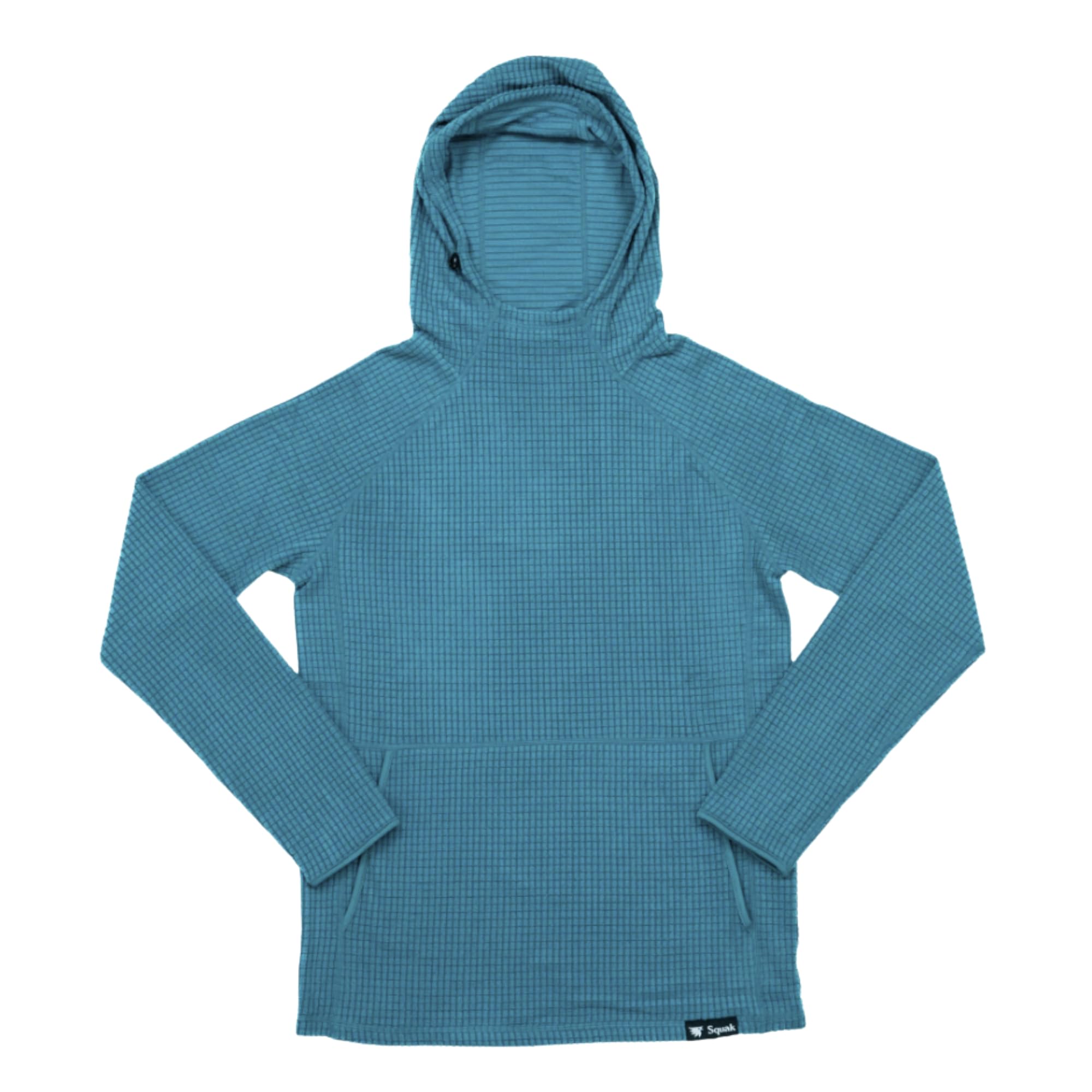
The Squak Classic delivers exactly what a backpacker needs from a fleece midlayer — a true mid-weight grid construction that breathes on the ascent and traps heat the moment you halt. Customers consistently report it handles temperature swings from the high 20s up to active exertion, and one review specifically noted it survived an 80-mile ultramarathon with tree scrapes and no damage. The sleeve length and athletic cut work well for layering under a shell, though taller hikers over 6’2″ may find the arms slightly short.
The oversized front pocket swallows gloves, snacks, or cold hands while eliminating the need for bulky hand pockets that add weight. Thumbholes and an adjustable hood seal warmth effectively when wind picks up, adding utility without significant bulk. The stretchy grid fabric moves with you during dynamic activities like scrambling or reaching for holds, and the moisture-wicking polyester keeps sweat off the skin during sustained output.
Multiple verified buyers emphasize sizing up for a looser camp fit — the default cut is slim/athletic. At a mid-range price point, this hoodie punches above its weight in durability and breathability, making it the most versatile single fleece for three-season backpacking. The lack of visible branding keeps it clean for town stops without screaming outdoor gear.
Why it’s great
- True mid-weight grid fleece balances breathability and warmth
- Hooded with thumbholes for cold-weather sealing
- Proven durability through high-mileage trail use
Good to know
- Slim cut requires sizing up for relaxed layering
- Sleeve length may not suit hikers over 6’2″
2. Helly-Hansen Mens Daybreaker Fleece Jacket

The Helly-Hansen Daybreaker is the definition of a packable microfleece — at just 12.5 ounces, it disappears into a daypack without thinking twice. Verified buyers consistently praise its lightweight warmth for cool mornings that warm into sunny afternoons, making it ideal for spring and fall backpacking where temperature swings are the norm. The flatlock seams reduce chafing under a pack hipbelt and shoulder straps, a detail that matters on long mileage days.
The full-zip design allows rapid ventilation when you’re working uphill, and the zippered hand pockets secure valuables without flopping open. The recycled polyester fabric feels smooth against the skin, and the clean, understated styling means it transitions from trail to car easily. Multiple reviewers note the fit runs true to size for a 5’10” to 6’0″ medium frame, and the microfleece cuts wind exposure better than the grid alternatives at this weight class.
Where the Daybreaker trades off is in absolute warmth — this is not a piece for sub-freezing camp hangs without a shell over it. It excels as a dedicated moving layer that packs to nothing, and the build quality from Helly-Hansen justifies the entry-level premium price. The combination of recycled materials and a trusted outdoor brand pedigree makes this the smart buy for gram-conscious hikers who prioritize weight savings over maximum insulation.
Why it’s great
- Extremely packable at 12.5 ounces
- Full-zip for instant ventilation on climbs
- Flatlock seams reduce friction under straps
Good to know
- Not enough insulation for below-freezing static use
- Microfleece less wind-resistant than grid fleece
3. MARMOT Men’s Rocklin Full-Zip Jacket

The Marmot Rocklin sits squarely in the 100-weight fleece category — warmer than microfleece but lighter than expedition-grade pile. Multiple reviews highlight its ability to work as both a standalone outer piece for cool days and a midlayer under a hardshell when the weather turns. Customers consistently call out the fit as true to size, noting it feels flexible and soft without the restrictive stiffness of heavier fleece jackets.
The smooth zipper and durable fabric hold up against repeated wash cycles and pack abrasion, which is a common pain point with cheaper fleece. Marmot’s 100-weight construction provides predictable warmth across the torso without overheating during active use, making it a reliable choice for hikers who want a single fleece that covers both movement and camp. The two zippered hand pockets keep trail essentials secure and won’t dump contents when you bend over.
Some buyers note the fit runs slightly slim through the chest and wrists, which can feel restrictive if you plan to layer a thick base underneath. The lack of a chest pocket means snacks require reaching to the sides, a minor frustration on the move. That said, the warmth-to-bulk ratio at this mid-range price point is hard to beat, and the brand’s reputation for quality means this jacket will outlast several seasons of regular use.
Why it’s great
- Proven 100-weight fleece warmth in a durable build
- Smooth zipper and clean styling
- Works as standalone or midlayer
Good to know
- Slim cut through chest and wrists
- No chest pocket for quick-access items
4. Rab Men’s Nexus Pull-On
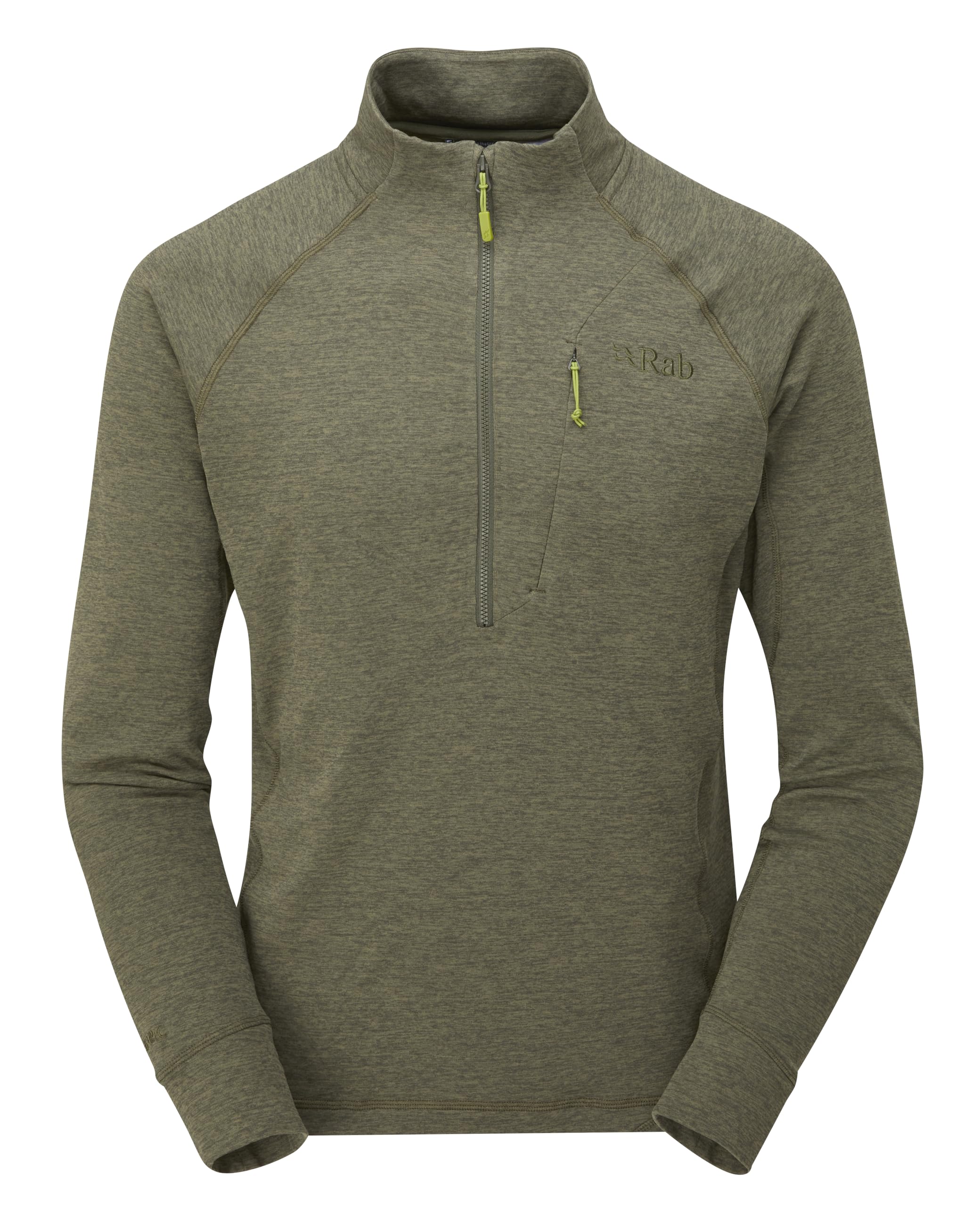
The Rab Nexus Pull-On is engineered specifically for high-output mountain activities — climbing, alpine hiking, and winter running where every gram and every breath matters. At 9.6 ounces, it’s the lightest fleece in this lineup, and the Thermic fleece fabric provides stretch that moves with dynamic movements. The deep chest zipper acts as a vent when you’re working hard, dumping heat without requiring a full jacket removal that disrupts momentum.
Low-bulk seams reduce pressure points under a climbing harness or pack straps, and the regular fit accommodates a base layer without creating excess fabric that snags on branches or gear. Verified users report excellent performance as a layering piece for New England winter hiking and biking, with the stretch allowing full arm extension without ride-up. The absence of a hood and zippered pockets cuts weight, making it deliberately minimal for the vertical athlete.
Some users note the quarter-zip design limits ventilation compared to a full-zip model, and the minimalist pocket configuration means no hand warming on cold stops. The deep chest zip helps, but it’s not a substitute for opening the whole front. For the weight-obsessed summer backpacker or the climber who wants a fleece that stows in a chalk bag pocket, the Nexus rewards discipline with an unmatched grams-to-warmth ratio.
Why it’s great
- Ultralight 9.6-ounce build for serious gram savings
- Deep chest zip for targeted ventilation
- Stretchy Thermic fleece moves with active movement
Good to know
- No hood or hand pockets for camp warmth
- Quarter-zip limits full-front venting
5. Fjällräven Abisko Men’s Trail Full Zip Hooded Fleece
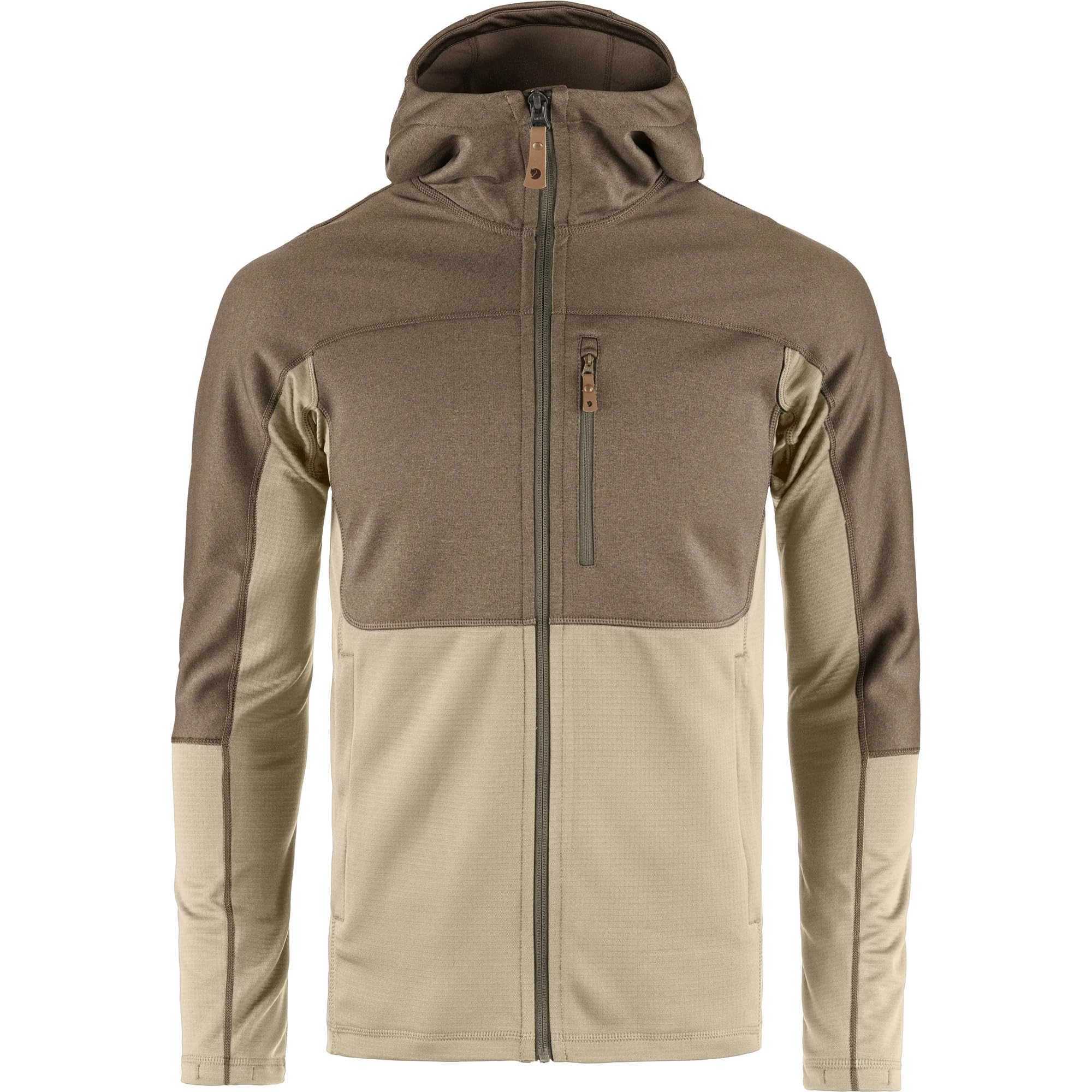
The Fjällräven Abisko Trail takes a hybrid approach to fleece design — flat-knitted fleece on the hood, shoulders, and chest for wind resistance, with grid-structured fleece on the lower sleeves, sides, and lower torso for breathability where you sweat most. This targeted fabric placement shows a deep understanding of backpacker thermoregulation. The 365-gram weight puts it mid-pack, but the construction adds durability in high-wear zones that pure grid fleece lacks.
The snug-fitting hood layers smoothly under a shell helmet or hat without creating a bulky neck seal, and the full-zip design allows full venting when the miles get hot. Zippered pockets on the chest and hands offer secure storage that won’t spill during scrambles. Verified customers consistently call out the quality of the recycled polyester fabric and the comfortable, tailored fit — though several reviews emphasize the need to size up significantly due to the slim European cut.
Where the Abisko Trail stumbles is the sizing — multiple 6’2″ buyers needed to jump to XXL, and even then some found the chest tight. The premium price positions this as a long-term investment piece rather than a budget buy. If the fit works for your frame, the hybrid fleece design delivers a thoughtful blend of insulation, breathability, and packability that justifies the premium cost for dedicated backpackers.
Why it’s great
- Hybrid construction optimizes wind protection and breathability
- Snug hood layers well under a shell
- Recycled polyester with premium build quality
Good to know
- Extremely slim fit — plan to size up by 1 to 2 sizes
- Premium price requires a fit commitment
FAQ
Is grid fleece warmer than solid fleece of the same weight?
How should a backpacking fleece fit under a rain shell?
Can I wear a backpacking fleece as my outer layer in cool weather?
Final Thoughts: The Verdict
For most backpackers, the clear winner for the best backpacking fleece is the Squak Classic Microgrid Hoodie because it nails the grid-fleece sweet spot — warm enough for camp, breathable enough for the climb, with a hood and thumbholes that add real trail utility without unnecessary weight. If you want the lightest possible moving layer that packs to the size of a water bottle, grab the Helly-Hansen Daybreaker. And for high-output adventures where every gram counts and you need stretch for dynamic movement, nothing beats the Rab Nexus Pull-On.