
Our readers keep the lights on and my morning glass full of iced black tea. As an Amazon Associate, I earn from qualifying purchases.
You need a pack that holds three days of food, a tent, a sleeping bag, and extra clothes without leaving you hunched over by mile six. The right volume is between 40 and 60 liters, paired with a supportive frame that shifts the weight off your shoulders and onto your hips. That is the recipe for a trip you enjoy instead of one you just endure.
I’m Min — the co-founder and writer behind Gadgets Feed. This guide is built by comparing the manufacturers’ published specifications and the patterns across verified customer reviews, so you get each pick’s real strengths and trade-offs instead of marketing spin.
For a weekend on a well-marked trail or an overnight trek, the right pack changes everything. Here is the best 3 day hiking backpack for every type of hiker.
How To Choose The Best 3 Day Hiking Backpack
Not all packs between 40 and 60 liters feel the same on the trail. The right one depends on your torso length, how much water you carry, and whether you want quick side-access to your gear or you are fine stopping to take the pack off. Focus on these three things first.
Volume: 40L vs 50L vs 60L
A 40-liter pack is tight for three full days if you bring a tent and a stove, so you will have to strap your sleeping bag or pad to the outside. A 50-liter pack gives you room for everything inside, plus a little extra for snacks and layers. A 60-liter pack is forgiving if you overpack or have bulky gear, but you pay in extra weight — every extra liter of pack volume adds roughly 0.06 to 0.1 pounds of fabric and frame.
Fit: Hipbelt and torso length
The hipbelt is the most critical part of a multi-day pack because it transfers 70 to 80 percent of the load from your shoulders to your hips. A fixed hipbelt works if you know your exact torso measurement, but an adjustable torso system (a slide that lets you move the shoulder straps up or down by 2 to 4 inches) helps you dial in the fit without buying a new pack. A poor hipbelt fit means sore hips and a sore lower back by the end of day one.
Access: Top load vs U-zip vs panel loader
A top-loader (a pack that opens from the top with a drawstring and a lid) is standard and weather-resistant, but you have to unpack everything to reach your rain jacket buried at the bottom. A full-length U-zip (a zipper that runs along the front and wraps around the sides) lets you open the entire pack like a suitcase, so you can grab a water filter or a mid-layer without unstuffing your sleeping bag. A panel loader (a large zipper on the front) is similar to a U-zip but often adds weight. For a three-day trip where you stop to eat or filter water, a U-zip saves you ten minutes of repacking each day.
Quick Comparison
On smaller screens, swipe sideways to see the full table.
| Model | Category | Best For | Key Spec | Amazon |
|---|---|---|---|---|
| The North Face Terra 55 (Unisex) | Top Pick | Best overall value and versatility | 57L / 4 lb 1 oz | $179.00$190.00Amazon |
| The North Face Women’s Terra 55 | Women’s Fit | Women-specific torso and shoulder fit | 57L / 4 lb | $190.00Amazon |
| Osprey Kestrel 48L Men’s | Premium | Integrated raincover and rugged trail use | 48L / 4.62 lb | $240.00Amazon |
| Osprey Renn 50L Women’s | Lightweight | Lightest women’s pack with ventilation | 50L / 3.5 lb | $191.00Amazon |
| Deuter Futura Air Trek 50+10 | Ventilation | Best airflow and load stability | 50+10L / 4.6 lb | $242.50Amazon |
| Osprey Stratos 44L Men’s | Streamlined | Ultra-ventilated carry for fast trips | 44L / 3.7 lb | $250.00Amazon |
| Osprey Tempest 40L Women’s | Compact | Petite frames and shorter torsos | 40L / 3.2 lb | $198.33Amazon |
In‑Depth Reviews
1. The North Face Terra 55 Backpack (Unisex)
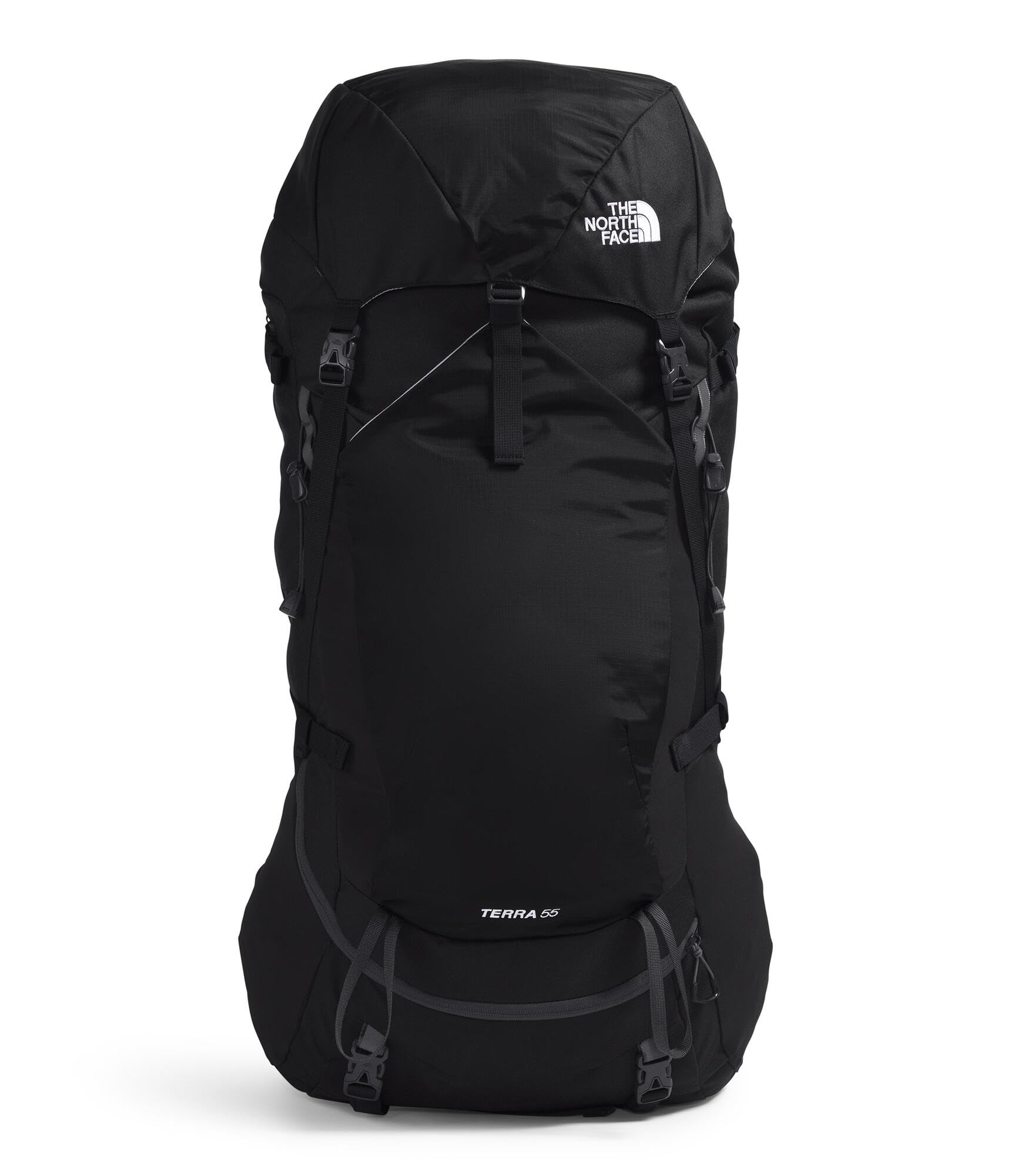
The Terra 55’s 55-liter capacity and full-length two-way U-zip make it the top pick for any hiker who wants fast access to gear without unpacking everything on top.
Buyers report the pack feels “really comfy” and “very light” for its size, and the removable frame sheet (a removable internal plastic panel that shapes the pack) lets you fine-tune support for your gear load. At just 4 pounds 1 ounce for the large, it beats the Osprey Kestrel 48L by about 0.6 pounds — roughly the weight of a full water bottle — while offering 9 liters more capacity.
The catch is that the pack’s torso length is not adjustable: it comes in S/M and L/XL sizes, so if you are between sizes or have a longer-than-average torso, you may not get a perfect fit. For most hikers who know their approximate torso range, though, this is a no-brainer pick for value, capacity, and convenience.
Why it’s great
- Full-length U-zip makes accessing gear quick without unpacking everything
- 57 liters gives you generous room for 3-day trips
- Removable frame sheet and padded hipbelt for comfortable support
Good to know
- Non-adjustable torso — you must choose S/M or L/XL
- No integrated raincover (sold separately)
2. The North Face Women’s Terra 55 Backpack
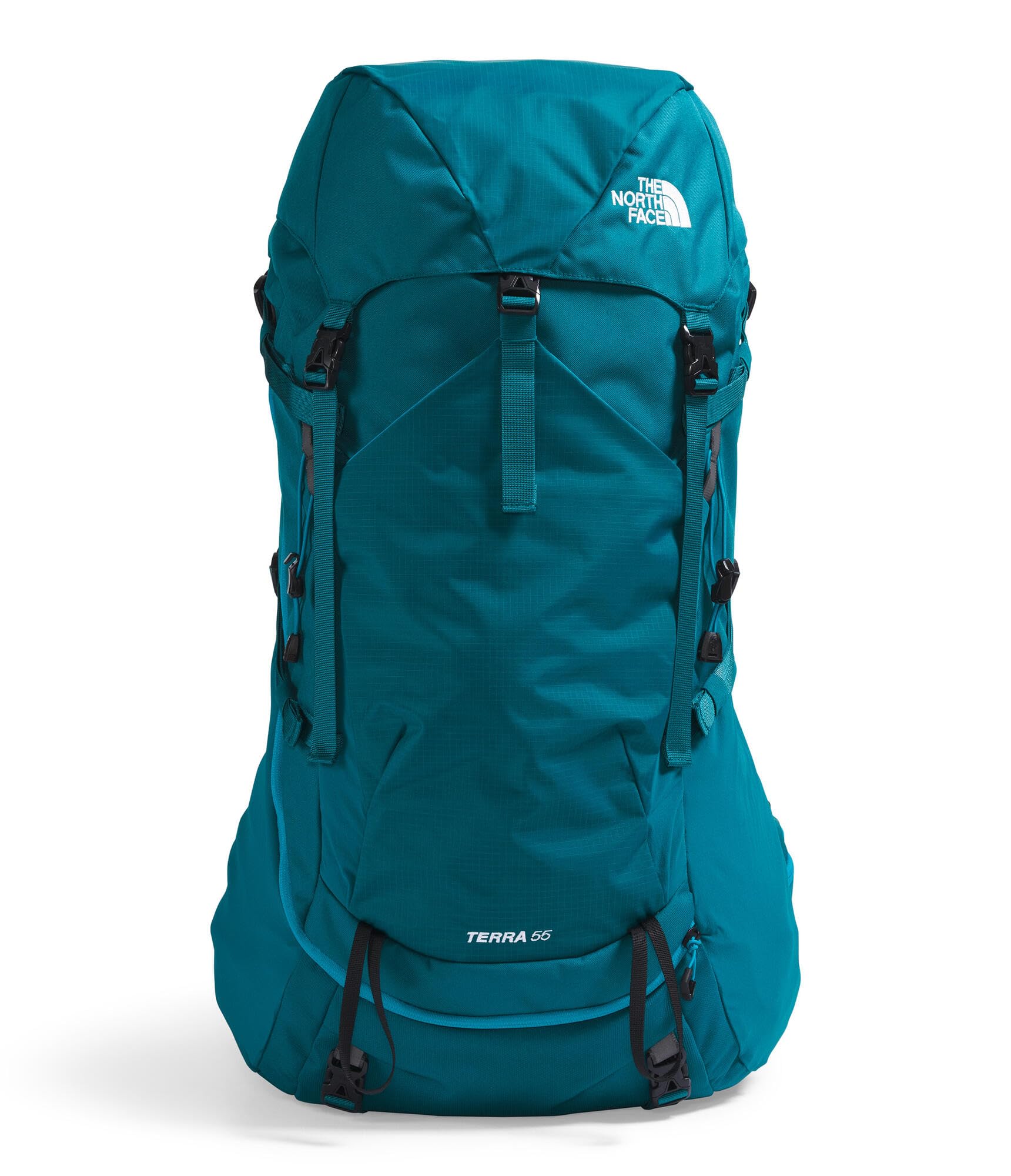
The women’s version of the Terra 55 shares the same 57-liter capacity and full-length U-zip as the unisex model but adds a women-specific padded back panel and shoulder straps. This means the curves of the padding follow a shorter torso with less slope at the shoulders — a detail that changes how the pack feels after eight miles. Compared to the unisex Terra 55, the women’s model is 4 pounds even, about 1 ounce lighter, with dimensions that are slightly narrower at the top to fit a woman’s frame.
Owners mention the pack is “really quite spacious” and that the front access zipper is a standout feature, especially useful for a teenager’s first overnight trip where you are helping them grab a jacket or a water bottle mid-trail. The sternum strap and load lifter straps (the two small straps that pull the top of the pack in toward your shoulders) give you fine-tuned control over weight distribution, so the pack does not lean backward or sag.
The downside is that, like the unisex version, the torso length is not adjustable — you pick XS/S or M/L, and one reviewer with a longer torso noted “the only draw back is that there are very limited adjustments available.” If you fall within the size chart for one of these ranges, though, this is the best women-specific pack at this price for a full three-day loadout.
Where it shines
- Women-specific back panel and shoulder straps for a better anatomical fit
- 57-liter capacity with full-length U-zip for easy access
- Padded hipbelt with load lifter straps for balanced weight transfer
Worth noting
- Non-adjustable torso — size choice is critical
- No integrated raincover
3. Osprey Kestrel 48L Men’s Backpacking Backpack
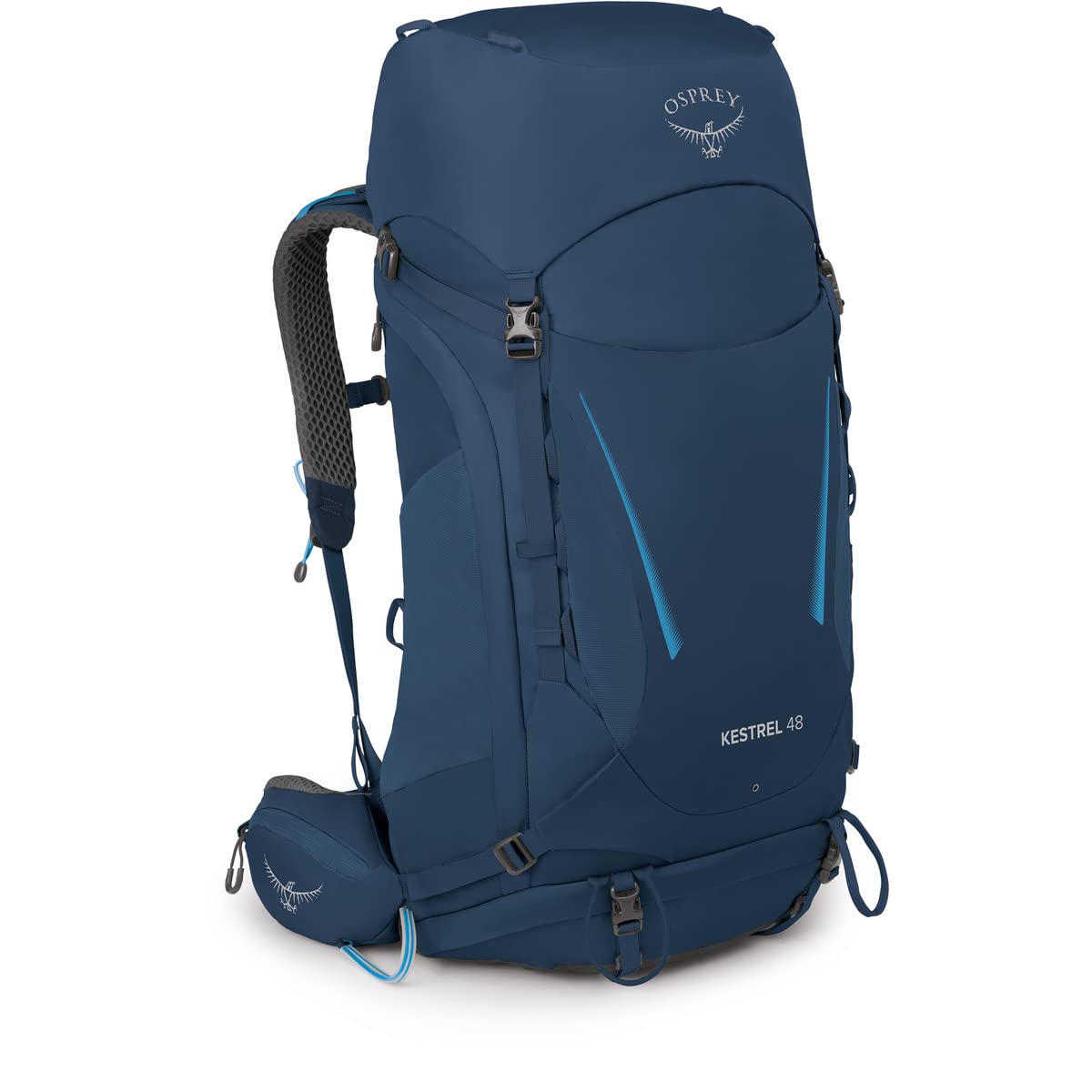
The Osprey Kestrel 48L is built for hikers who expect the pack itself to survive a downpour or a scrape against rock — it includes an integrated raincover (a waterproof nylon sleeve that pulls over the whole pack from a bottom pocket) and a tough outer material that customers note is “thicker” than the Talon 44’s fabric. At 4.62 pounds and 48 liters, it is 0.6 pounds heavier and 9 liters smaller than the unisex North Face Terra 55, but it gains an adjustable torso through Osprey’s AirScape backpanel (an injection-molded panel that you slide up or down to match your torso length), which makes it a better fit if you share the pack or have an unusual torso length.
One buyer used this pack for 3 days in the Allegheny forest and reported it was “comfortable and held up to the abuse and weather,” specifically praising the integrated rain fly. The top lid has a large zippered pocket for quick-access items like a map or headlamp, and the under-lid mesh pocket with a key clip keeps small items from getting lost in the main compartment.
The noticeable callout here is the weight: at 4.62 pounds, the Kestrel is the heaviest pack on this list per liter of capacity, so if you are trying to keep your base weight (everything you carry excluding food and water) under 20 pounds, the extra pound compared to the Renn 50L matters. For a three-day trip where durability and waterproofing are non-negotiable, the Kestrel earns its slightly heavier load.
What stands out
- Integrated raincover for all-weather readiness
- Adjustable torso via the AirScape backpanel for a custom fit
- Tough outer fabric that resists abrasion
The trade-offs
- Heavier than comparable 48-liter packs at 4.62 lb
- Fixed hipbelt limits adjustability for different body shapes
4. Osprey Renn 50L Women’s Backpacking Backpack

The single number that matters most in this category is weight, and the Osprey Renn 50L scores 3.5 pounds. That is significantly lighter than the Terra 55 (4 pounds) and the Kestrel 48L (4.62 pounds), giving you about 1.1 pounds less weight on your back before you even pack your gear — roughly the weight of a full Nalgene bottle saved from the start. The Renn achieves this with a LightWire frame (a lightweight aluminum wire frame that transfers load to the hipbelt) and a tensioned mesh backpanel that keeps air flowing between the pack and your back, reducing sweat buildup on warm summer climbs.
The trade-off for that light weight is that the torso range is adjustable between 15 and 18 inches, but one reviewer at 5’1″ and 125 pounds reported “shoulder straps couldn’t tighten enough,” meaning very petite hikers may need a dedicated XS/S pack. For women in the 5’3″ to 5’7″ range, though, reviewers point out the Renn is “spacious, durable, and comfortable when full,” and it comes with an integrated raincover stored in its own pocket — a feature that costs extra on the Terra 55.
At this price tier, the Renn 50L offers the best balance of weight and ventilation for a 50-liter pack that handles 2-to-3 day trips including a sleeping bag and tent, making it a strong price-to-value read for anyone prioritizing weight savings over pocket count.
The upsides
- Very lightweight at 3.5 pounds for a 50-liter pack
- AirSpeed mesh backpanel keeps your back cool and reduces sweat
- Integrated raincover included in the design
Keep in mind
- Strap adjustment range may be too short for shorter torsos under 15 inches
- No zippered side access to the main compartment
5. Deuter Futura Air Trek 50 + 10L Hiking Backpack

The Deuter Futura Air Trek 50+10L is for hikers who hike in hot climates or on steep terrain where a sweaty back becomes a real comfort issue. Its Aircomfort carry system uses a tensioned mesh back that is pulled away from your spine by a permanently elastic spring steel frame, creating a gap of air that lets heat escape and moisture dry. This is a design that costs more in weight — at roughly 4.6 pounds it is one of the heavier packs here — but the ventilation payoff is noticeable: one buyer used it for the Camino Portuguese and called it “really comfortable when carrying moderate weight” across that multi-day walk.
The “plus 10” in the name means a removable extension collar that adds 10 liters of expandable capacity for when you need to stash an extra day’s food or a bulkier sleeping bag. The VariSlide system lets you adjust the back length to your exact torso measurement, and the pivoting, ergonomic shoulder straps adapt to the width and slant of your shoulders, so the pack moves more naturally with your body rather than forcing your shoulders into a fixed position.
The standout spec is the dedicated bottom compartment with a removable divider — you can separate your sleeping bag or dirty clothes from the main cargo without mixing everything up. If you prioritize a dry back and a modular packing system over the lowest possible weight, the Deuter Air Trek is the best ventilated pack on this list for a warm-weather three-day trip.
Why we’d pick it
- Aircomfort tensioned mesh back keeps your spine ventilated and dry
- Adjustable torso via the VariSlide system for a custom fit
- Separate bottom compartment with removable divider for sleeping bag storage
A few caveats
- Heavier at roughly 4.6 pounds compared to the lighter Renn 50
- Top-loader access only — no side zipper for quick gear retrieval
6. Osprey Stratos 44L Men’s Hiking Backpack
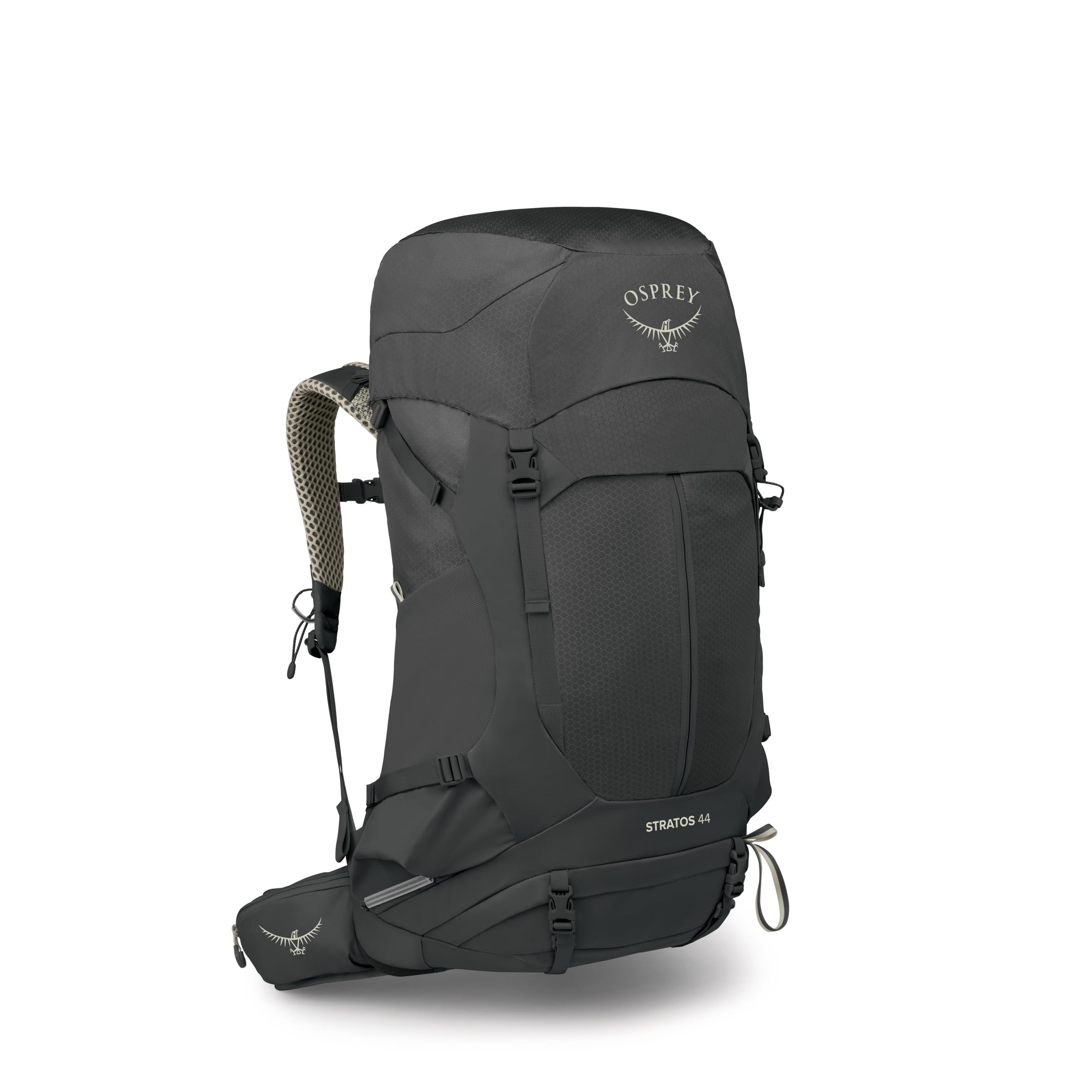
The Osprey Stratos 44L is the right choice for hikers who want the ventilation of an AirSpeed suspension (a mesh trampoline backpanel that keeps the pack completely off your back, creating a generous gap for airflow) but do not need the full 50-liter capacity for a three-day trip. At 44 liters, this pack is smaller than the Terra 55 by 13 liters, which means you need to pack lean — a down sleeping bag, a compact tent, and dehydrated meals. But one limitation is a lighter 3.7-pound weight and a backpanel that shoppers say “keeps your back dry” even during sustained climbs on warm days.
Buyers report the pack works perfectly as a carry-on for air travel because it fits in overhead bins, and one reviewer noted it holds “4 pants, 4 shorts, 6 shirts, 2 hoodies, rain jacket, toiletries, iPad, chargers” when used for travel — proof that 44 liters can handle more than you expect with smart packing. The LightWire frame (a lightweight peripheral wire frame) stabilizes the load and transfers weight off the shoulders, and the padded ErgoPull hipbelt conforms snugly around your hips for a body-hugging fit.
The honest limit is the volume: 44 liters is tight for a full three-season three-day loadout if you have a bulky synthetic sleeping bag or a larger tent. For fast-and-light hikers who keep their base weight low, though, the Stratos 44L delivers the best combination of breathability and organization in a compact, travel-friendly size.
Strong points
- AirSpeed trampoline backpanel offers the best ventilation on the list
- Lightweight at 3.7 pounds and compact enough for carry-on
- Integrated raincover and Stow-on-the-Go trekking pole attachment
Before you buy
- 44 liters may be too small for bulky gear or winter layers
- Hard frame requires overhead bin storage, not for under-seat use
7. Osprey Tempest 40L Women’s Hiking Backpack with Hipbelt
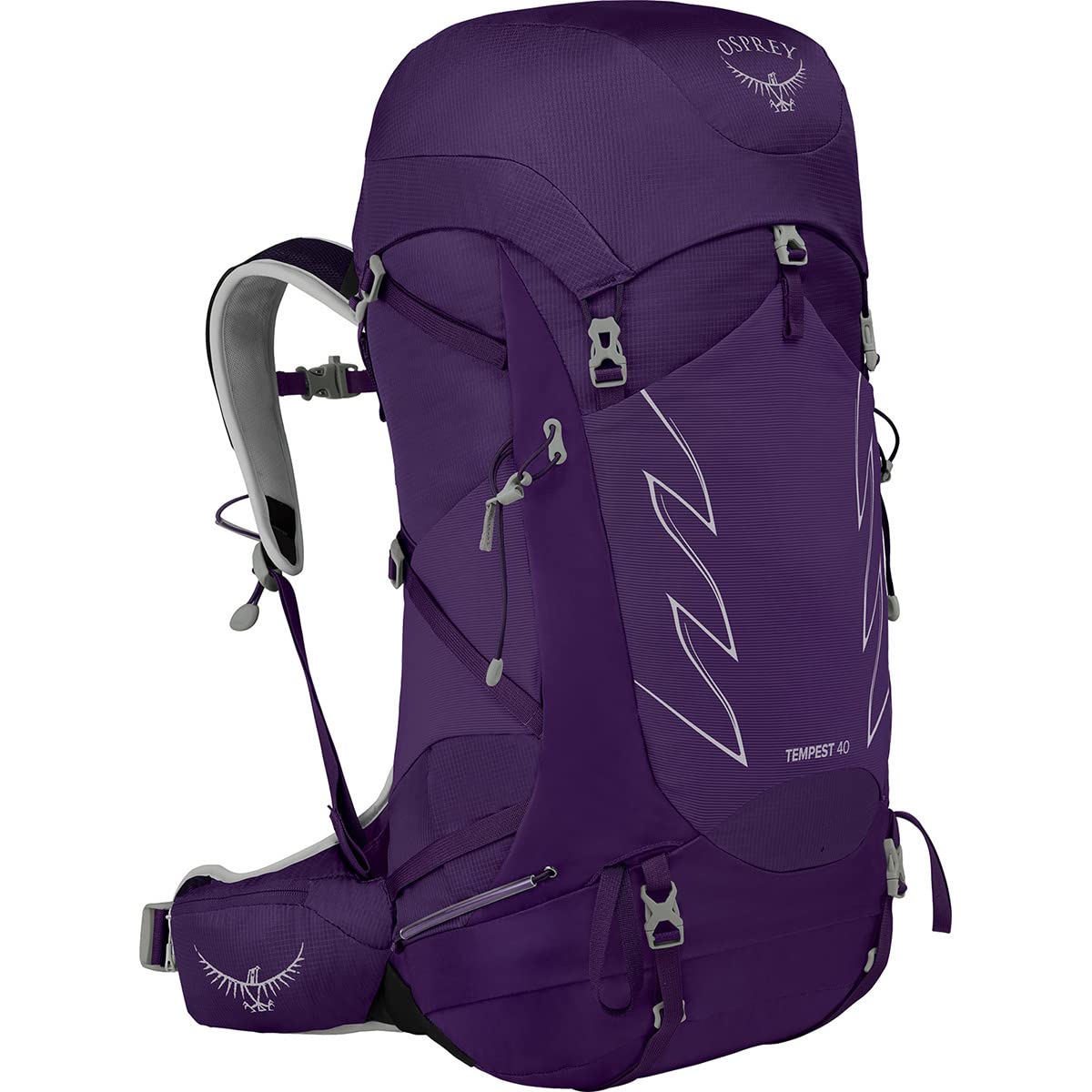
The Osprey Tempest 40L is the most affordable and lightweight option in this guide, coming in at 3.2 pounds and 40 liters — smaller and lighter than every other pack listed here. It targets petite women and those with torsos under 16 inches who find other packs too tall or broad in the shoulders, with a women-specific fit that runs narrower at the top and shorter in the backpanel.
The adjustable shoulder harness allows fine-tuning around the shoulders, and the Stow-On-Go trekking pole attachment (a bungee-and-toggle system that secures poles to the front without removing the pack) is practical for hikers switching between poles and hands on scramble sections. Two zippered hipbelt pockets and a top lid slash pocket keep phone, lip balm, and snacks within easy reach without digging into the main compartment.
The obvious limitation is that 40 liters is not enough for three full days with a bulky tent and stove — you will need to strap gear to the outside or pack ultra-light. For a two-night trip with a lean sleeping bag and dehydrated food, the one clear reason to choose this pack is its unmatched comfort for petite hikers who have struggled to find a hipbelt and torso match in larger packs.
What we like
- Excellent comfort for petite frames and shorter torsos
- Very lightweight at 3.2 pounds for a fully-featured pack
- Stow-on-the-Go trekking pole attachment is convenient and fast
The downsides
- 40 liters may require ultra-light gear for a full 3-day trip
- No middle zipper access — only top-loader opening
Understanding the Specs
Volume (liters)
Volume tells you how much gear the pack can swallow. A 40-liter pack fits a three-season setup if you have a compact down sleeping bag and a small stove, but you will likely strap your sleeping pad to the outside. A 57-liter pack swallows a synthetic sleeping bag, a four-person tent, and extra layers easily. For a standard three-day trip carrying a tent, sleeping bag, pad, stove, food, and water, aim for 50 to 60 liters to avoid an overstuffed pack that does not breathe well.
Suspension system
The suspension is the frame and backpanel that transfers the pack’s weight from your shoulders to your hips. A trampoline mesh backpanel (like Osprey’s AirSpeed or Deuter’s Aircomfort) holds the pack away from your spine so air flows and your back stays cooler, but it adds a few ounces to the pack weight. A foam backpanel (like the North Face’s padded back) is lighter and closer to your body, which is more stable on technical terrain but can get sweatier in hot weather. Choose based on whether you prioritize cool airflow or close-to-body stability.
Hipbelt fit
The hipbelt is the structural component that wraps around your iliac crest (the top of your hip bone) to carry the load. A fixed hipbelt is molded for a specific waist range and cannot be adjusted laterally, so it is less forgiving if your waist size changes between trips. An adjustable hipbelt lets you slide the pads forward or backward along a track for a custom fit. For a three-day pack where you are carrying 15-25 pounds, a well-fitting hipbelt is non-negotiable — without it, every one of those pounds lands on your shoulders and compresses your spine.
Access types
Top-loaders (a cinch-top opening covered by a removable lid) are the most weather-resistant and simple design, but you have to unpack everything to reach the bottom. Full-length U-zips (a front zipper that wraps from the top down to the bottom) let you open the whole pack like a suitcase — perfect for grabbing a rain jacket or a water filter without unstuffing your sleeping bag. Bottom-zip compartments (a separate zippered section at the base) let you access just your sleeping bag while the rest of the pack stays packed. For a three-day trip where you stop multiple times a day, a U-zip or a bottom-zip compartment saves time and frustration.
FAQ
What size pack do I really need for a 3-day hiking trip?
Is a frameless pack good for a 3-day hike?
What is the difference between a women-specific pack and a unisex pack?
How do I measure my torso length for a hiking backpack?
Final Thoughts: The Verdict
For most hikers, the best 3 day hiking backpack is the The North Face Terra 55 (Unisex) because its 57-liter capacity, full-length U-zip, and comfortable padded frame deliver the best combination of space and convenience at a weight that does not slow you down. If you need a pack that fits a shorter torso or narrow shoulders, grab the Women’s Terra 55 for the same volume with a women-specific fit. And if lightweight durability and an integrated raincover are your top priorities, the Osprey Kestrel 48L is the rugged premium option that will outlast your hiking boots.
Product prices and availability are accurate as of the date/time indicated and are subject to change. Any price and availability information displayed on Amazon at the time of purchase will apply to the purchase of this product. As an Amazon Associate I earn from qualifying purchases.
CERTAIN CONTENT THAT APPEARS ON THIS SITE COMES FROM AMAZON. THIS CONTENT IS PROVIDED "AS IS" AND IS SUBJECT TO CHANGE OR REMOVAL AT ANY TIME.
Amazon and the Amazon logo are trademarks of Amazon.com, Inc. or its affiliates.