
Our readers keep the lights on and my morning glass full of iced black tea. As an Amazon Associate, I earn from qualifying purchases.
Open-back headphones deliver a sound that feels like the band is in the room, not stuck inside your skull. But you do not need to spend a fortune to get that spacious, live-music quality. The best affordable open-back headphones on this list—starting with the Philips Fidelio X3—offer a genuinely wide soundstage and detailed treble for under many premium models.
I’m Min — the founder and writer behind Gadgets Feed. This guide is built by comparing the manufacturers’ published specifications and the patterns across verified customer reviews, so you get each pick’s real strengths and trade-offs instead of marketing spin.
If you have wondered whether the clarity and sense of space from affordable open-back headphones are worth replacing your closed-back pair, the six models here prove the leap is smaller than you think.
Quick Picks
- Philips Fidelio X3 Professional Studio Monitor Headphones — Best Overall
- Sennheiser HD 560S Open-Back Over-Ear Wired Headphones — Analytical Pick
- Audio-Technica ATH-R50X Open-Back Headphones — Lightest Companion
- Sennheiser HD 599 Open Headphones, Special Edition — Warm & Easy
- Sennheiser HD550 Headphones — Versatile Value
- Linsoul Kiwi Ears Altruva Over Ear Headphone — Budget Champion
How To Choose The Best Affordable Open-Back Headphones
An open-back headphone is a direct trade: you give up sound isolation (people nearby will hear your music, and you will hear them) and in return you get a soundstage that feels like the band is playing in the room with you. On a budget, three specs decide whether that trade is worth it: driver size, frequency response, and comfort—because a cheap pair that hurts your ears after thirty minutes is never a good deal.
Driver Size and Type: The Engine Behind the Sound
The driver is the small speaker inside each earcup. A larger driver—typically 50mm in this category—can push more air, which gives you fuller bass and a bigger sense of space. Almost every model here uses a dynamic driver (the most common type, using a magnet and a voice coil to move a diaphragm) because it balances cost and performance well. The key is not to chase the biggest number blindly; a well-tuned 38mm driver can sound more balanced than a sloppy 50mm one.
Frequency Response: The Range of What You Will Hear
Frequency response is measured in hertz (Hz, for lows) and kilohertz (kHz, for highs), and it tells you the range of sound the headphones can reproduce. A wider range—say 6 Hz to 40 kHz—means they can handle deep sub-bass rumble and airy cymbal shimmer. Most music lives between 20 Hz and 20 kHz, so anything beyond that is extra headroom. What truly matters is how even (or “neutral”) the sound is across that range; a spike in the treble can make vocals sound harsh, while a dip in the mids can make instruments feel hollow.
Comfort and Build: What You Will Actually Wear for Hours
Open-back headphones are designed for long listening sessions—gaming marathons, mixing tracks, binge-watching a series. That means weight, clamp force (how tightly the headband presses), and earpad material matter more than you might think. A pair that weighs around 207–380 grams (roughly the weight of a baseball to a can of soda) and uses velour or memory-foam pads will feel barely noticeable after two hours. A pair that squeezes your skull or traps heat will become a reminder you cannot ignore, regardless of how good it sounds.
Quick Comparison
On smaller screens, swipe sideways to see the full table.
| Model | Best For | Driver Size | Frequency Range | Weight | Amazon |
|---|---|---|---|---|---|
| Philips Fidelio X3 | Full-bodied sound with premium build | 50mm | 5 – 40,000 Hz | 13.4 oz | $149.99Amazon |
| Sennheiser HD 560S | Neutral, analytical listening | — | 6 Hz to 38 kHz | 280 g | $59.95Amazon |
| Audio-Technica ATH-R50X | Ultralight comfort and detail | — | — | 207 g | $169.00Amazon |
| Sennheiser HD 599 | Warm, easy-going sound | 38mm | — | — | Amazon |
| Sennheiser HD550 | Versatile music and gaming | — | 6 Hz – 39.5 kHz | — | $199.95$349.95Amazon |
| Linsoul Kiwi Ears Altruva | Impressive bass and value | 50mm | 20Hz to 40KHz | — | $69.99Amazon |
In‑Depth Reviews
1. Philips Fidelio X3 Professional Studio Monitor Headphones

The pair that sounds like it costs double, wrapped in Scottish leather.
The Philips Fidelio X3 wins top pick because its 50mm multi-layer polymer driver uses a dampening gel to keep bass impactful without bleeding into vocals, giving you clarity that rivals the Sennheiser HD 560S but with a fuller, more colored sound. It covers a frequency range of 5 – 40,000 Hz, so it digs deeper into sub-bass than the HD 560S (which starts at 6 Hz) and stretches higher into treble air.
Buyers report that the memory foam earpads make these extremely comfortable after a break-in period, though the stock pads run hot (one reviewer noted the heat was bothersome even in winter and planned to swap them). The build uses responsibly sourced Muirhead Scottish leather on the headband and Kvadrat speaker fabric over the open-back grilles, which gives it a premium feel you do not often see at this price level. It is also Hi-Res Audio certified, meaning it meets the standard for reproducing frequencies up to 40 kHz from a high-resolution source. The detachable balanced and unbalanced oxygen-free cables give you flexible setup options, but the connectors do not lock—one buyer mentioned the cable can pull out with a slight tug.
Why it’s great
- Wide frequency range (5 – 40,000 Hz) brings out deep sub-bass and sparkling highs
- Responsibly sourced leather and speaker-fabric grilles feel genuinely premium
- Detachable balanced and unbalanced oxygen-free cables give you flexible setup options
Good to know
- Earpads trap heat—several buyers mention swapping them for cooler suede pads
- Connectors do not lock, so the cable can pull out with a slight tug
- Non-swiveling earcups can cause a less custom fit for smaller heads
Best for: Listeners who want a wide, detailed sound with premium materials and do not mind dealing with warm earpads.
Skip if: You live in a hot climate or need a headphone that stays cool for hours without pad swapping.
2. Sennheiser HD 560S Open-Back Over-Ear Wired Headphones
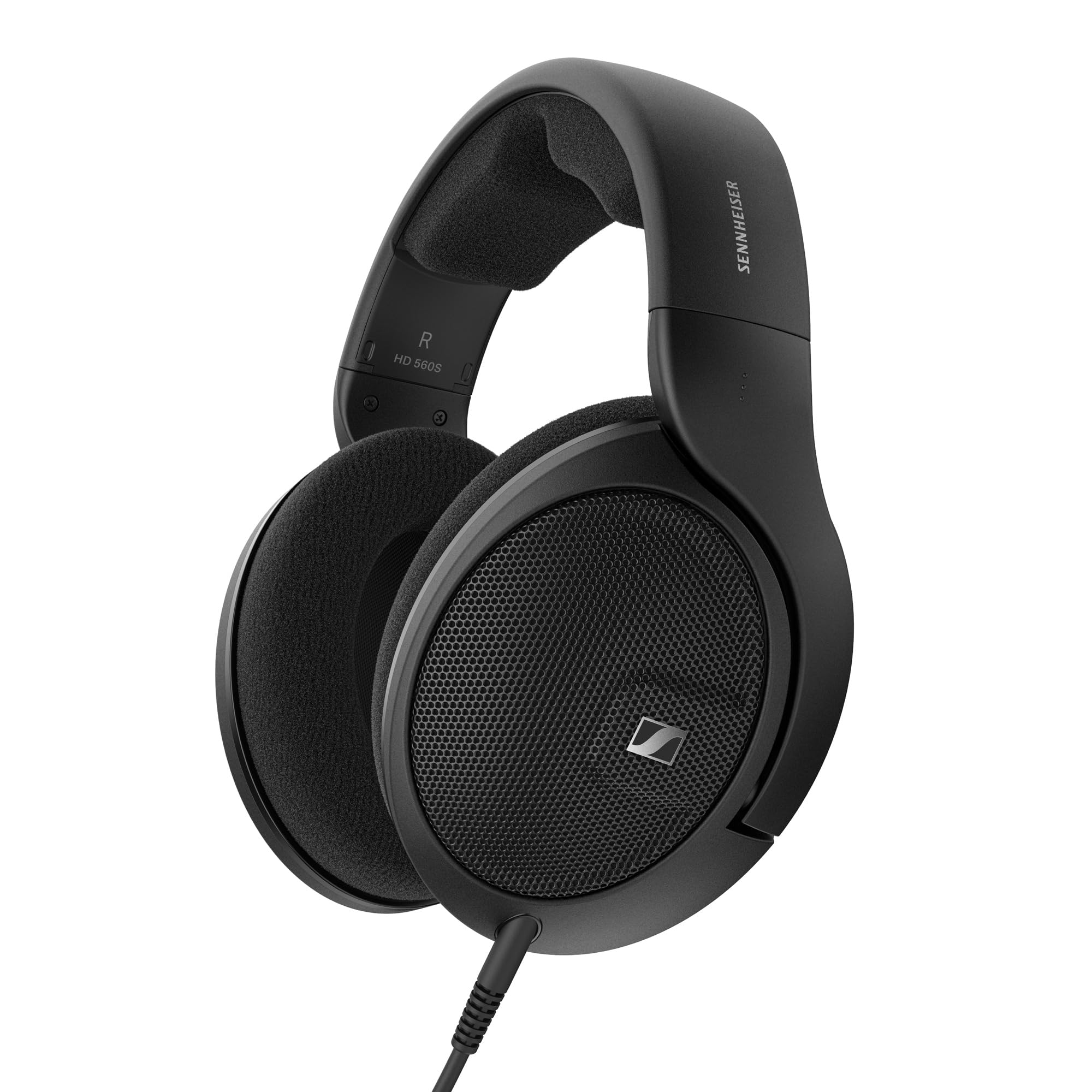
The reference-tuner’s choice that reveals details in the mix you missed.
Where the Philips Fidelio X3 leans into a fuller, more colored sound, the HD 560S is built for neutrality—precision-tuned transducers let you hear every subtle detail across the frequency range of 6 Hz to 38 kHz. This makes it a favorite for critical listening and audio mixing, because no part of the spectrum is artificially boosted to sound impressive. The Sennheiser HD 560S is sharper for analytical work than the warmer HD 599, because its neutral tuning reveals mix errors instead of hiding them.
Owners mention that the replaceable 2.5mm lock-in cable lasts over 2.5 years, and the velour earpads reduce heat buildup better than leather. The catch is the build: at 280 grams it is light, but the plastic chassis feels less sturdy than the metal-reinforced X3. One owner reported that the bass needs an EQ boost if you prefer a punchy low end, and the proprietary twist-lock connector means you cannot easily swap to a third-party cable. For gaming, the open-back design gives you excellent positional accuracy—one buyer called it “excellent for FPS gaming (crisp, atmospheric).”
Why it’s great
- Neutral, balanced sound lets you hear every instrument separately
- Velour earpads stay comfortable and breathable during long sessions
- Detachable cable with a screw-on 6.35mm adapter adds versatility
Good to know
- Plastic build feels less durable than metal-framed alternatives
- Proprietary 2.5mm connector limits cable replacement options
- Sub-bass is lean—bass-heavy listeners will want an EQ boost
Best for: Audiophiles and content creators who need a flat, honest sound for mixing and critical listening.
Skip if: You want a punchy, bass-forward sound out of the box without using software EQ.
3. Audio-Technica ATH-R50X Open-Back Headphones
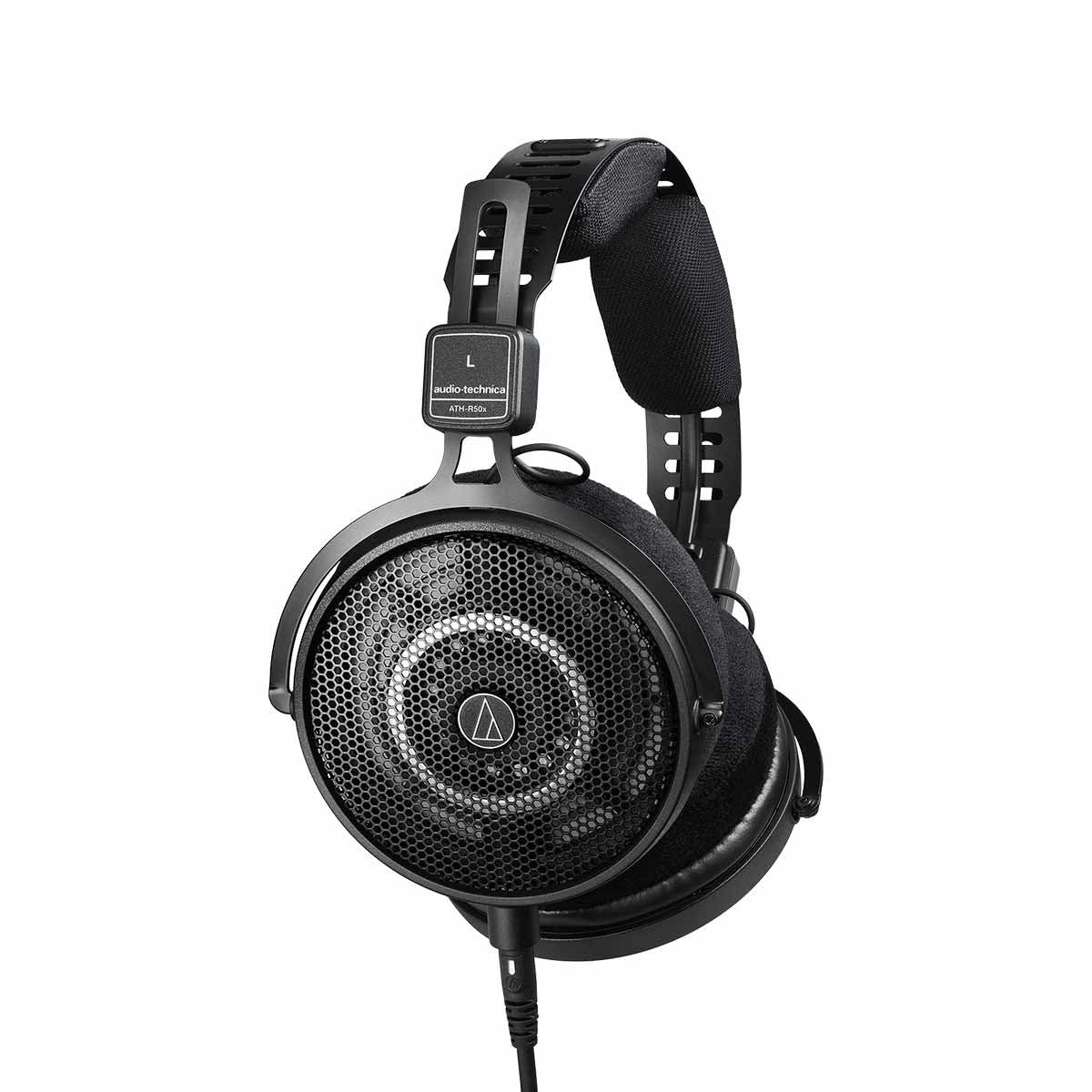
The featherweight champ that disappears on your head during all-day use.
At just 207 grams, the ATH-R50X is 73 grams lighter than the Sennheiser HD 560S (280g) and far lighter than the Philips Fidelio X3 (13.4 oz, roughly 380 grams). That weight makes a real difference if you wear headphones for four or more hours—less neck fatigue, less heat buildup, less urge to take them off between songs.
Buyers consistently praise the sturdy metal build despite the low weight, calling it “mostly metal” and “sturdy build.” The sound is bright with excellent vocal clarity and a wide, realistic soundstage, though customers note a natural sub-bass roll-off (the deepest lows are quieter). One gamer said it is “excellent for immersive gaming” on a Nintendo Switch 2, and the two included detachable cables (3.0m and 1.2m) with a 2.5mm twist-lock connector give you flexibility. Like the HD 560S, the proprietary connector means you need Audio-Technica’s specific cable if it ever wears out.
The case for it: At 207 grams with a durable metal build, it offers the best comfort-to-durability ratio in this list—and the bright, detailed sound works wonderfully for gaming and vocals.
The downside: The sub-bass roll-off means you will not feel the deepest rumble in movie explosions or electronic music, and the proprietary twist-lock cable connector limits easy aftermarket replacements.
Best for: Gamers and professionals who sit at a desk for hours and want headphones they barely notice wearing.
Skip if: You are a basshead who needs powerful sub-bass impact without using an EQ.
4. Sennheiser HD 599 Open Headphones, Special Edition
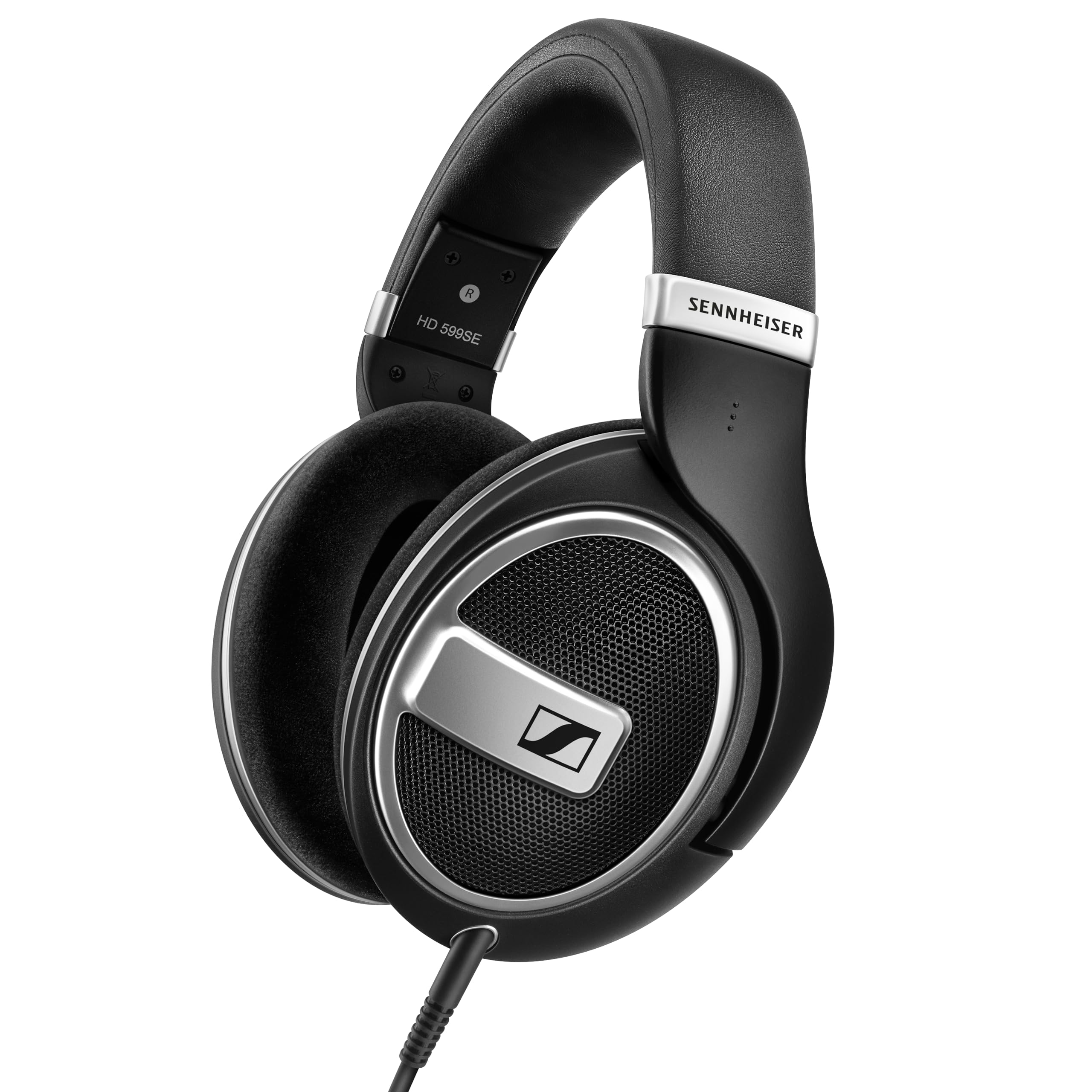
The forgiving pair that makes every track feel like a warm, relaxed listen.
Unlike the analytical HD 560S, the HD 599 tunes its 38mm dynamic driver toward a warmer, more forgiving sound—bass is thumpy but slightly muffled, mids are clear, treble is non-piercing. Multiple buyers mention “warm, fun audio profile” as the central appeal. This is not the headphone for dissecting a mix; it is the headphone for relaxing into your music library without fatigue. The Sennheiser HD 599 is the most comfortable model here for couch listening, thanks to its large velour earpads and low-clamp headband that apply almost no pressure.
Comfort is the HD 599’s strongest physical spec. One reviewer replaced their Audio-Technica m20x and called the HD 599 “lightweight, removable cord, comfortable over-ear.” The included cables (a 3m with 6.3mm straight jack and a 1.2m with 3.5mm) and a 6.3mm to 3.5mm adapter cover most setups. Buyers also note the value: when it hits around a sale price, they call it “great value” and even “don’t think just buy em.” The trade-off is the slight bass muddiness when pushed hard, especially with complex metal tracks.
The case for it: The velour earpads and low-clamp headband make it one of the most comfortable open-back models you can buy, and the warm tuning never fatigues your ears over a long evening of listening.
One limitation: The bass can sound muddy during punchy, fast-paced genres like metal or electronic, and the plastic build feels less premium than the metal-reinforced X3 or ATH-R50X.
Best for: Casual music lovers who want a comfortable, non-fatiguing headphone for relaxing listening sessions.
Skip if: You need a precise, neutral sound for mixing or a tight, controlled bass for complex genres.
5. Sennheiser HD550 Headphones

The newest Sennheiser that blends its audiophile DNA with gaming-ready comfort.
The HD550 is the latest addition to Sennheiser’s HD 500 family, covering a wide frequency range of 6 Hz – 39.5 kHz. That is a slightly wider high-end reach than the HD 560S (38 kHz), though both share a neutral, balanced tuning approach. What sets the HD550 apart is the revised headband design with leatherette material and reduced clamping force—Sennheiser’s answer to complaints about the tight fit on earlier models.
Buyers describe the sound as “well-balanced, clean, natural” with “spacious midrange and non-fatiguing treble.” One reviewer specifically compared it to the Beyerdynamic DT 770 Pro X, saying the HD550 is lighter, less shrill in the highs, and has better bass extension. It is also microphone-ready, making it suitable for remote office work and gaming without needing a separate mic. The build uses high-grade metal mesh on the grilles and reduced plastic on the headband for durability, and the headphones are proudly made in Ireland. The main complaint from one buyer is that the headband can put pressure on the very top of the head, though the same reviewer said it still sounds amazing.
Why it’s great
- Wide frequency range (6 Hz – 39.5 kHz) gives you deep sub-bass and extended treble air
- Reduced clamping force and leatherette headband improve comfort over older HD 500 models
- Neutral, natural sound with spacious midrange works for both music and gaming
Good to know
- The new headband design can still create a pressure point on top of the head for some users
- Open-back design means significant sound bleed—not private in shared rooms
- Less bass than typical gaming headsets, which may disappoint bass-first listeners
Best for: Listeners who want a modern, balanced open-back that pulls double duty for music and gaming without needing extra peripherals.
Skip if: You need deep, punchy bass out of the box or have a very sensitive scalp that reacts to any headband pressure.
6. Linsoul Kiwi Ears Altruva Over Ear Headphone
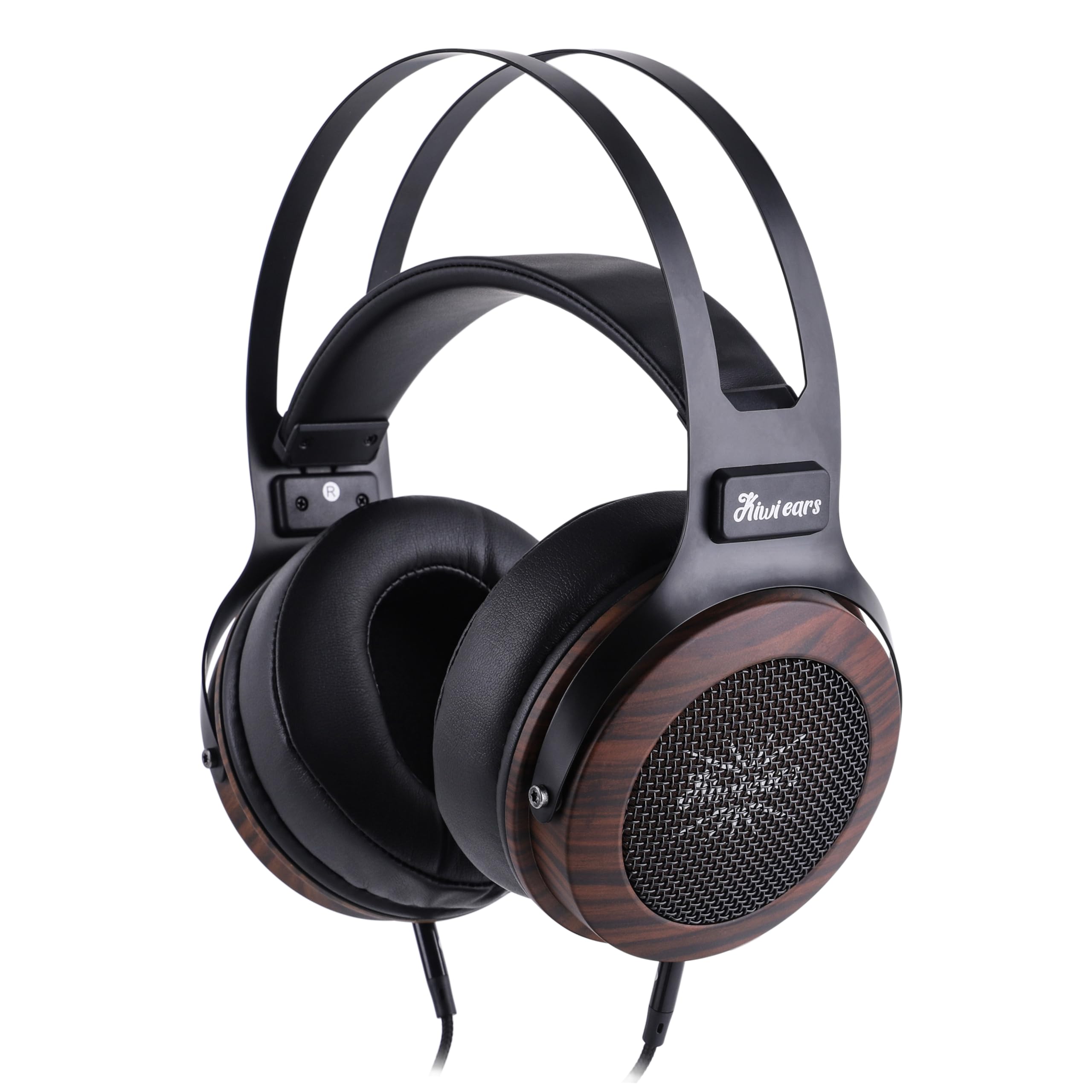
The underdog that delivers a V-shaped punch that rivals sets costing triple.
The Linsoul Kiwi Ears Altruva is the cheapest open-back on this list, but its custom 50mm dynamic driver with stronger neodymium magnets delivers a punchy, V-shaped sound (boosted bass and treble, recessed mids) that buyers call “shockingly good for the price.” Its frequency range is 20Hz to 40KHz—a 3.3x gap from the Sennheiser HD 560S’s low end (6 Hz), meaning it trades deep sub-bass reach for a more immediate, fun bass presentation. The tuning makes it lively for gaming and modern pop but less accurate for studio mixing.
Buyers are split: several call it “shockingly good for the price” and say it “competes with -300 models,” praising the clear directional audio for gaming and the substantial bass. However, one buyer had the headband strap snap within 2 weeks—a durability red flag. The build uses PVD coated steel, wood, and vegan leather, which looks premium on a shelf, but single-user reports suggest the strap attachment may be a weak point. The dual cable design (a cable coming from each earcup) also drew minor complaints. For the entry-level price, the sound-to-dollar ratio is hard to beat if you get a good unit.
The case for it: The 50mm driver delivers punchy, V-shaped sound with great gaming directionality that genuinely sounds like more expensive headphones—backed by a striking wood-and-steel design.
The compromise: Durability is a gamble: at least one customer observed the headband strap snapped within two weeks, so you may need to handle it more carefully than a metal-framed headphone.
Best for: Bargain hunters on a tight budget who want a fun, bass-forward open-back sound and are willing to accept potential build compromises.
Skip if: You need reliable long-term durability for daily heavy use or a neutral tuning for audio work.
Understanding the Specs
Driver Size and Diaphragm Material
The driver is the engine of the headphone. A 50mm driver (common in this list) moves more air than a 38mm one, which can produce bigger bass and a wider soundstage. But the material matters too: a composite diaphragm—like the PEK (polyetherketone) used in the Linsoul Kiwi Ears Altruva—can be stiffer and more responsive than plain plastic, leading to cleaner transient response (how fast the driver starts and stops). The Philips Fidelio X3 takes this a step further with a dampening gel layer on its 50mm polymer diaphragm to control unwanted vibrations and keep the midrange clean.
Frequency Response Range
Measured in hertz (Hz, low sounds) and kilohertz (kHz, high sounds), this spec tells you the lowest and highest notes the headphone can produce. Human hearing generally caps at around 20 kHz, so a range that extends to 40 kHz (like the Altruva and Fidelio X3) or 39.5 kHz (like the HD550) is about providing headroom for Hi-Res Audio formats rather than sounds you will literally hear. The low end is more practical: a headphone starting at 6 Hz (HD 560S, HD550) can reproduce deep sub-bass that you feel in your chest, while one starting at 20 Hz (Altruva) gives up that rumbling floor for a punchier, more immediate bass presentation.
FAQ
What exactly is an open-back headphone?
Do I need an amplifier for affordable open-back headphones?
Will open-back headphones leak sound and annoy other people?
Which is better for gaming: open-back or closed-back?
What is the difference between a 50mm and a 38mm driver?
Can I use a microphone with these open-back headphones?
How long do affordable open-back headphones typically last?
What does “neutral” or “V-shaped” sound mean?
How much should I spend on good affordable open-back headphones?
Are affordable open-back headphones good for mixing and mastering music?
Final Thoughts: The Verdict
Across the board, the affordable open back headphones winner is the Philips Fidelio X3 because it combines a wide, detailed sound with premium materials and a price that undercuts its audio rivals. If you want a neutral analytical tool for mixing or critical listening, grab the Sennheiser HD 560S. And for all-day gaming comfort with a lightweight metal build, the Audio-Technica ATH-R50X is the lightest option at 207 grams, making it barely noticeable on your head for hours.
How We Picked
We do not accept paid placement, and we did not hands-on test every unit. Instead, we match each pick to a real buyer and use-case by comparing the manufacturers’ published specifications against the patterns in verified customer reviews — so you get each pick’s real strengths and trade-offs instead of marketing copy.
Sources & Methodology
Specifications: manufacturer listings and product documentation. Review insights: verified customer reviews, as of July 2026. Pricing: not shown on this page (it changes often); check the current price via the retailer link.
As an Amazon Associate, Gadgets Feed earns from qualifying purchases. This does not affect which products we feature.
Product prices and availability are accurate as of the date/time indicated and are subject to change. Any price and availability information displayed on Amazon at the time of purchase will apply to the purchase of this product. As an Amazon Associate I earn from qualifying purchases.
CERTAIN CONTENT THAT APPEARS ON THIS SITE COMES FROM AMAZON. THIS CONTENT IS PROVIDED "AS IS" AND IS SUBJECT TO CHANGE OR REMOVAL AT ANY TIME.
Amazon and the Amazon logo are trademarks of Amazon.com, Inc. or its affiliates.