
Our readers keep the lights on and my morning glass full of iced black tea. As an Amazon Associate, I earn from qualifying purchases.
Specs are compiled from manufacturer listings and verified buyer reviews and can change over time — please confirm the key details on the product page before buying.
Finding a boot that can handle a steep, rocky scramble and then feel comfortable for the long hike back to the trailhead is the real challenge in this category. You do not want the stiff, heavy feel of a traditional mountaineering boot, but you also need more support and durability than a standard trail runner offers. The right pair gives you the sticky rubber and precise feel of an approach shoe, with the ankle support and weather protection of a genuine hiking boot.
I’m Min — the founder and writer behind Gadgets Feed. This guide is built by comparing the manufacturers’ published specifications and the patterns across verified customer reviews, so you get each pick’s real strengths and trade-offs instead of marketing spin.
We have looked at the specs and real-world feedback for the top contenders to help you find the right pair of approach boots for hiking that balances grip, support, and all-day comfort for your specific needs.
Quick Picks
- Salewa Mountain Trainer 2 Mid Gore-Tex — Top Performer
- SCARPA Rush TRK GTX — Best Value
- ALTRA Olympus 6 Hike Mid GTX — Max Cushion
- La Sportiva TX Hike Mid Leather GTX — Premium Hybrid
- SCARPA Rapid XT Mid GTX — Light & Agile
- Salomon X-Adventure Recon Mid GTX — Stable Performer
- KEEN Hightrail Mid Waterproof — Speed Hiker
- ALTRA Lone Peak 9 Waterproof Mid — Natural Stride
How To Choose The Best Approach Boots For Hiking
Approach boots are a hybrid designed to climb technical sections and cover miles of trail without wearing you out. The right choice depends on how you prioritize grip, weight, support, and weather protection.
Fit and Foot Shape
Your foot shape dictates the brand that will work. Some boots have a roomy toe box (a wider front section that lets your toes spread naturally), while others are built on a narrower last. If you have wide feet or you need space for your toes to splay on uneven ground, you will want a brand like ALTRA that uses a FootShape fit.
Outsole and Traction
The outsole rubber and the lug depth (the depth of the tread lugs, measured in millimeters) determine how well you grip wet rock and loose dirt. A deeper lug, like 6.5 mm, grabs soft ground and mud better, while a shallower lug and sticky rubber (like Vibram Megagrip) excels on hard, slick surfaces. For mixed terrain on a single hike, a mid-range lug depth paired with a proven rubber compound is the most versatile.
Waterproofing
A waterproof membrane such as Gore-Tex (a thin layer that blocks water from entering while allowing sweat vapor to escape) keeps your feet dry in streams and rain, but it also traps heat. If you hike in warm, dry climates, a non-waterproof boot breathes better. For wet, cold, or muddy conditions, a Gore-Tex lining is a near-necessity.
Drop and Cushioning
The drop (the height difference between the heel and the forefoot) affects your walking mechanics. A zero-drop platform (the heel and forefoot sit at the same height) encourages a more natural, mid-foot strike and is a common feature in approach-style boots. The amount of cushioning in the midsole (the foam layer between your foot and the outsole) trades off ground feel for comfort on long, hard trails.
Quick Comparison
| Model | Best For | Weight (per boot) | Waterproof | Drop | Amazon |
|---|---|---|---|---|---|
| Salewa Mountain Trainer 2 Mid GTX | Alpine Scrambling | — | Gore-Tex | — | Amazon |
| SCARPA Rush TRK GTX | Long Days Under Load | 2.9 lbs (pair) | Gore-Tex | — | Amazon |
| ALTRA Olympus 6 Hike Mid GTX | Max Cushion Comfort | 18.6 oz | Gore-Tex Invisible Fit | 0 mm | Amazon |
| La Sportiva TX Hike Mid Leather GTX | All-Day Versatility | — | Gore-Tex | — | Amazon |
| SCARPA Rapid XT Mid GTX | Lightweight Scrambling | 15.0 oz | Gore-Tex ePE | — | Amazon |
| Salomon X-Adventure Recon Mid GTX | Stability on Rugged Trails | 390 g (13.8 oz) | Gore-Tex | 11 mm | Amazon |
| KEEN Hightrail Mid Waterproof | Fast Day Hikes | — | Water-resistant Leather | — | Amazon |
| ALTRA Lone Peak 9 Waterproof Mid | Natural Movement & Toe Room | 13.45 oz | Hydroguard Membrane | 0 mm | Amazon |
In‑Depth Reviews
1. Salewa Mountain Trainer 2 Mid Gore-Tex

The heavy-lifter built for alpine ridges and carrying a real load.
This boot is built for the kind of day where you start on a trail, then scramble up a rocky gully, and need your footwear to handle both without complaint. The Gore-Tex lining (a waterproof membrane that also lets sweat vapor escape) means you can cross wet scree fields and morning dew without soaking your socks.
With a product dimension of 15 x 13 x 5 inches, this boot is designed with a substantial build that suggests serious durability for rocky terrain. It is a premium choice for hikers who value stability at higher elevations over saving every gram.
Built for the Mountain
- Gore-Tex waterproofing handles alpine conditions and stream crossings.
- Sturdy construction designed for technical, uneven terrain.
- Mid-height cut provides solid ankle support on loose rock.
Trade-Offs
- Heavier and stiffer than a lighter approach shoe for casual trails.
- Premium price point for those who only hike well-groomed paths.
Reach for it: If your hikes involve actual scrambling and you prioritize ankle protection and waterproof durability over featherweight speed.
Look elsewhere: If you want a boot that feels like a sneaker and spend most of your time on smooth, dry trails.
2. SCARPA Rush TRK GTX
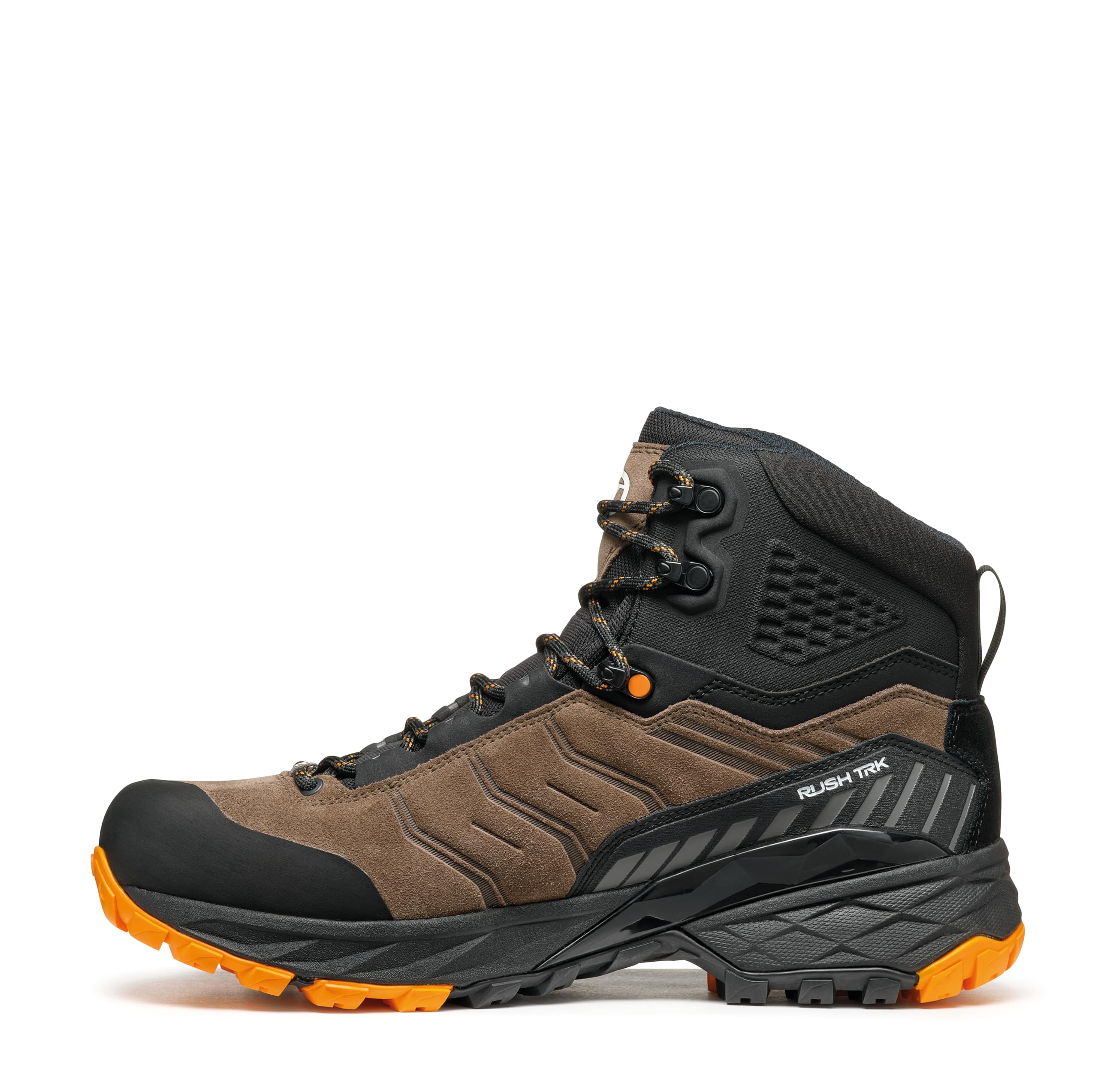
A lightweight hiker that feels like a carpet underfoot and shrugs off creeks.
This is a boot that balances hiking comfort with a feature set aimed at long, wet days. It has a Gore-Tex waterproof lining to keep your feet dry through mud and puddles, and buyers report it takes a bit of time to break in, but after that you feel like you are walking on warm carpet while your hiking friends worry about avoiding creeks. At a package weight of 2.9 pounds for the pair, it is light enough for a fast pace on the trail.
It incorporates an Interactive Kinetic System (IKS) outsole designed to deliver a responsive feel during a long stride. Unlike the lighter ALTRA Lone Peak 9 (13.45 oz), the Rush TRK GTX is designed to offer a broader support platform for those carrying a heavier daypack.
Why It Works
- Gore-Tex waterproofing lets you walk through wet sections without hesitation.
- Several reviewers mention remarkable comfort after the break-in period.
- Light enough for sustained hiking but sturdy for mixed terrain.
Considerations
- One reviewer noted a fit issue with the toe box being too tight for wide feet.
- A short break-in period is required before reaching peak comfort.
Best suited for: The hiker who wants a durable, lightweight waterproof boot that can tackle rugged terrain all day long.
skip it if: You have very wide feet or aren’t willing to wear them around the house for a few days to break them in.
3. ALTRA Olympus 6 Hike Mid GTX

The zero-drop boot that crams max cushioning underfoot without losing ground feel.
This boot stands out because it combines a 33 mm/33 mm stack height (the amount of material between your foot and the ground) with a 0 mm drop, meaning your heel and toe sit at the same height for a natural stride. The Vibram Megagrip outsole gives you sticky traction on wet and dry surfaces, which is critical when you are carrying a heavy pack over slick rock. It weighs 18.6 oz per boot, which is the heaviest of the ALTRA options here, but that weight translates to plush comfort for long days.
Owners mention that the cushioning on the Olympus 6 helps keep their feet in service during long shifts. One reviewer with severe arthritis called these the most comfortable shoes they have ever had. The Gore-Tex Invisible Fit lining is a lightweight waterproof layer that keeps you dry without adding bulk.
Why This One Wins
- Maximum cushioning (33 mm stack) for pounding out miles on hard trails.
- Vibram Megagrip provides excellent traction on wet, slick rock.
- Gore-Tex Invisible Fit keeps feet dry without the weight of a traditional liner.
The Catch
- One reviewer experienced blistering from the interior toe box on a multi-day hike.
- At 18.6 oz per boot, it is heavier than most approach-style boots.
Grab it for: Long, punishing days on rocky terrain where foot fatigue is your biggest enemy and you need a zero-drop platform for a natural gait.
Pass if: You want a lightweight, fast-moving shoe for short, technical scrambles.
4. La Sportiva TX Hike Mid Leather GTX

The Italian-crafted hybrid that bridges technical climbing precision and all-day hiking comfort.
This boot uses a premium leather upper with a Gore-Tex lining to give you a durable, waterproof package that looks good on the trail and around town. Customers note it is ridiculously comfortable right from the start and totally waterproof after hiking through rainy Scottish countryside for a week. The boot is designed to combine the support of a hiking boot with the agility of an approach shoe for off-road terrain or a long day of city sightseeing.
It offers a wide fit, which is a standout feature in a category where many boots run narrow. The lacing system draws praise for staying tied tight all day, a small but real frustration solved.
Strengths
- Leather and Gore-Tex construction is both waterproof and durable.
- Wide fit accommodates feet that feel cramped in narrower boots.
- Requires essentially no break-in period, according to user feedback.
Weakness
- Premium price point reflects the high-end materials and Italian manufacturing.
Ideal for: Hikers who want a do-it-all boot that handles technical scrambles and long approaches without needing a painful break-in.
Not for: Budget-minded buyers or those who prefer a synthetic, ultra-lightweight shoe over a leather build.
5. SCARPA Rapid XT Mid GTX

An agile mid boot that feels like a sneaker but scrambles like a pro.
This boot is built for speed on technical terrain without sacrificing the waterproof protection you need for wet approaches. It uses a Vibram Agility XT / Megagrip outsole for sticky traction on rock and mud, and it weighs just 15.0 oz per boot (based on a size 41 half-pair). That makes it significantly lighter than the ALTRA Olympus 6 Hike Mid GTX at 18.6 oz, so your legs feel fresher on a long day of mixed climbing and hiking.
Reviewers point out the boot is 100% waterproof even after splashing through streams, and the ankle support is a huge plus on uneven, rocky terrain. However, one long-time SCARPA fan with very wide feet noted that these shoes run tight in the mid- to forefoot even after sizing up a full size, so they are not ideal for those with wide feet. The Gore-Tex ePE lining is PFAS compliant, meaning it is made without the “forever chemicals” used in traditional waterproof membranes.
Why It’s Quick
- Very lightweight for a mid boot at 15.0 oz per boot.
- Vibram Megagrip outsole gives excellent traction on wet rock.
- Gore-Tex ePE waterproofing protects without PFAS chemicals.
The Main Drawback
- Narrow fit through the midfoot and forefoot, even with a full size up.
- Not a casual walk-in boot; it needs to fit your foot shape precisely.
Best for: Hikers with narrow to medium feet who want a nimble, waterproof boot for scrambling and fast-paced hikes.
Look elsewhere: If you have wide feet or a high-volume foot that needs room in the midfoot.
6. Salomon X-Adventure Recon Mid GTX
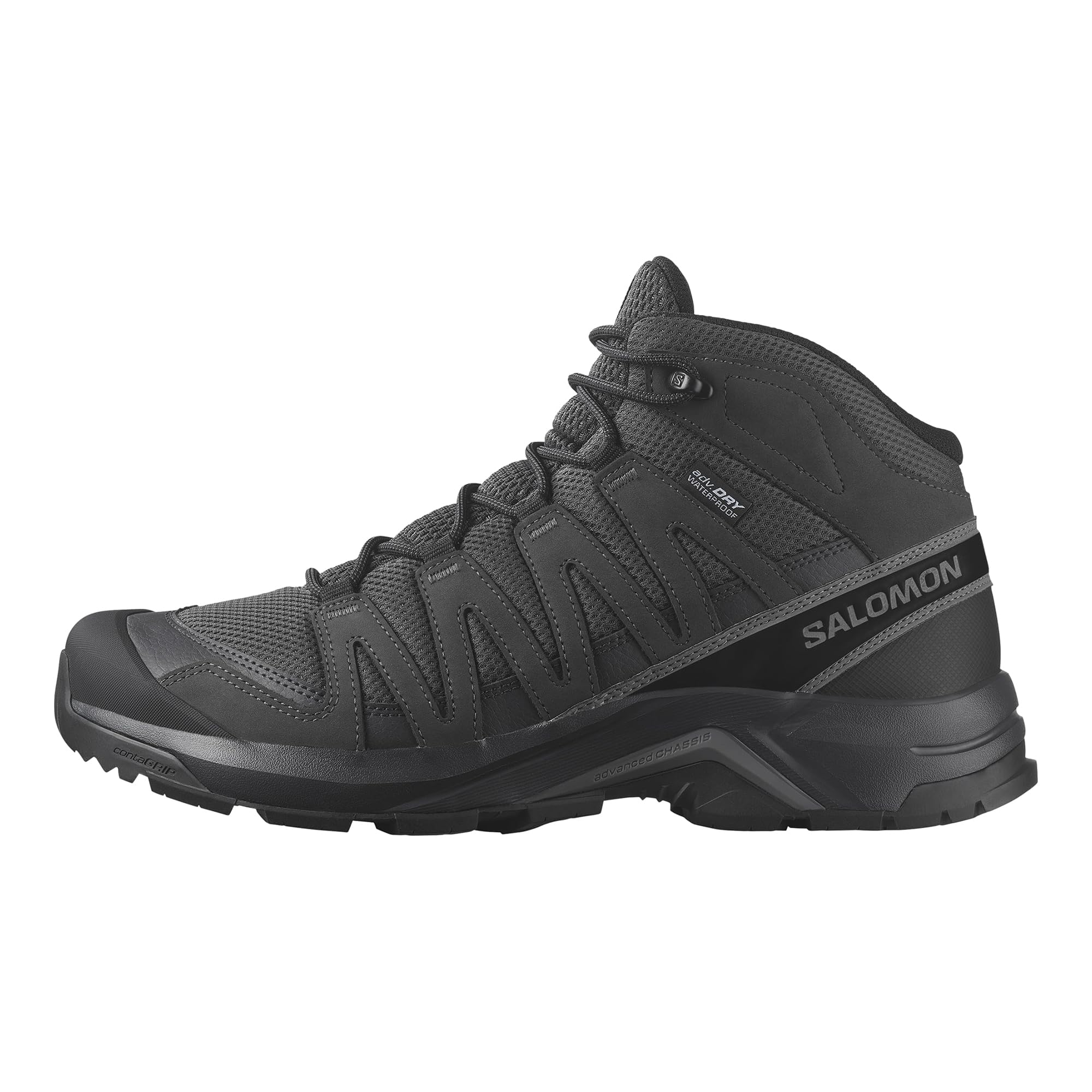
The boot for rugged trail stability where every step on loose rock counts.
This boot is a stability-focused mid designed for all-weather trekking on rugged hiking trails. It features an 11 mm drop (the heel sits higher than the toe), a design that takes pressure off your Achilles and calf muscles, making it a solid choice for hikers who prefer a more traditional heel-strike gait. It weighs 390 g (about 13.8 oz), putting it in the same lightweight ballpark as the SCARPA Rapid XT Mid GTX (15.0 oz).
Shoppers say exceptional performance on multi-day, high-mileage trips. One reviewer broke them in during a 27-mile, 3-day hike in the Blue Ridge mountains and finished without a single blister. They also noted that the ankle support prevented injury when they slipped twice on slippery conditions. This gives it a distinct edge in stability over the KEEN Hightrail Mid, which offers less sturdy ankle support but more flexibility for day hikes.
Why It’s Stable
- High level of ankle support prevents twists on uneven terrain.
- Gore-Tex waterproofing keeps feet dry in snow and rain.
- Nearly zero break-in needed, even for multi-day treks.
The Catch
- Gore-Tex makes the boot warmer and less breathable than a non-waterproof shoe.
- 11 mm drop is a bigger heel-toe offset than some hikers prefer for natural movement.
Perfect for: Hikers tackling technical, rocky trails who prioritize blister-free stability and a traditional heel drop for descending.
Not for: Those who prefer a zero-drop platform or want maximum breathability for hot-weather hiking.
7. KEEN Hightrail Mid Waterproof
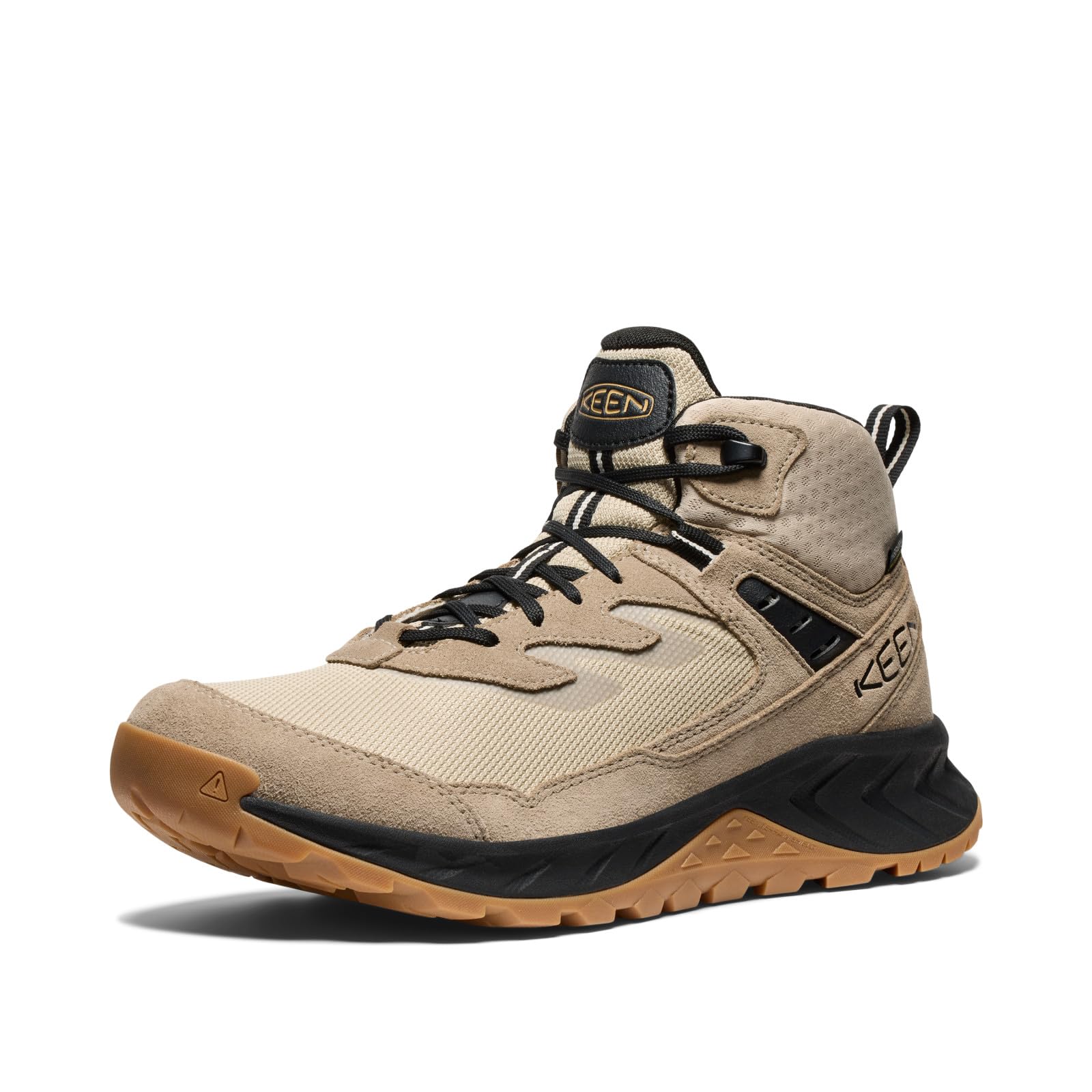
A sneaker-like boot for fast day hikes that does not skimp on leather durability.
This boot is built for hikers who want the classic look and durability of water-resistant leather but want to move at a quicker pace. It uses KEEN’s Contoured Fit, which curves with the natural shape of the foot for a more secure fit. Buyers report they are very comfortable from the start, with a grippy tread and good heel cushion, though one noted the rest of the sole might not protect from bigger stones on a trail. The water-resistant leather is a lighter option than a full Gore-Tex membrane, but it also means it is not fully waterproof — one reviewer called it mildly water resistant, not waterproof.
At a mid-range price point, this is a great value option for the hiker who tackles moderate trails and wants a boot that doubles as an everyday shoe. Unlike the heavy-duty Salewa Mountain Trainer 2 Mid GTX, the KEEN Hightrail is aimed at speed and flexibility, not alpine load-bearing.
Why It’s a Good Value
- Lightweight and comfortable for fast day hikes and casual wear.
- Contoured Fit offers a natural, secure feel for the foot.
- Leather upper provides good durability for the price tier.
The Trade-Off
- Water-resistant, not fully waterproof, so wet feet in heavy rain or streams.
- Less underfoot protection from sharp rocks compared to stiffer, full-shank boots.
Reach for it: If you want a comfortable, lightweight boot for fast day hikes on moderate trails that you can also wear for everyday errands.
pass on it if: You need guaranteed waterproofing for wet conditions or maximum protection for carrying heavy loads over rocky terrain.
8. ALTRA Lone Peak 9 Waterproof Mid
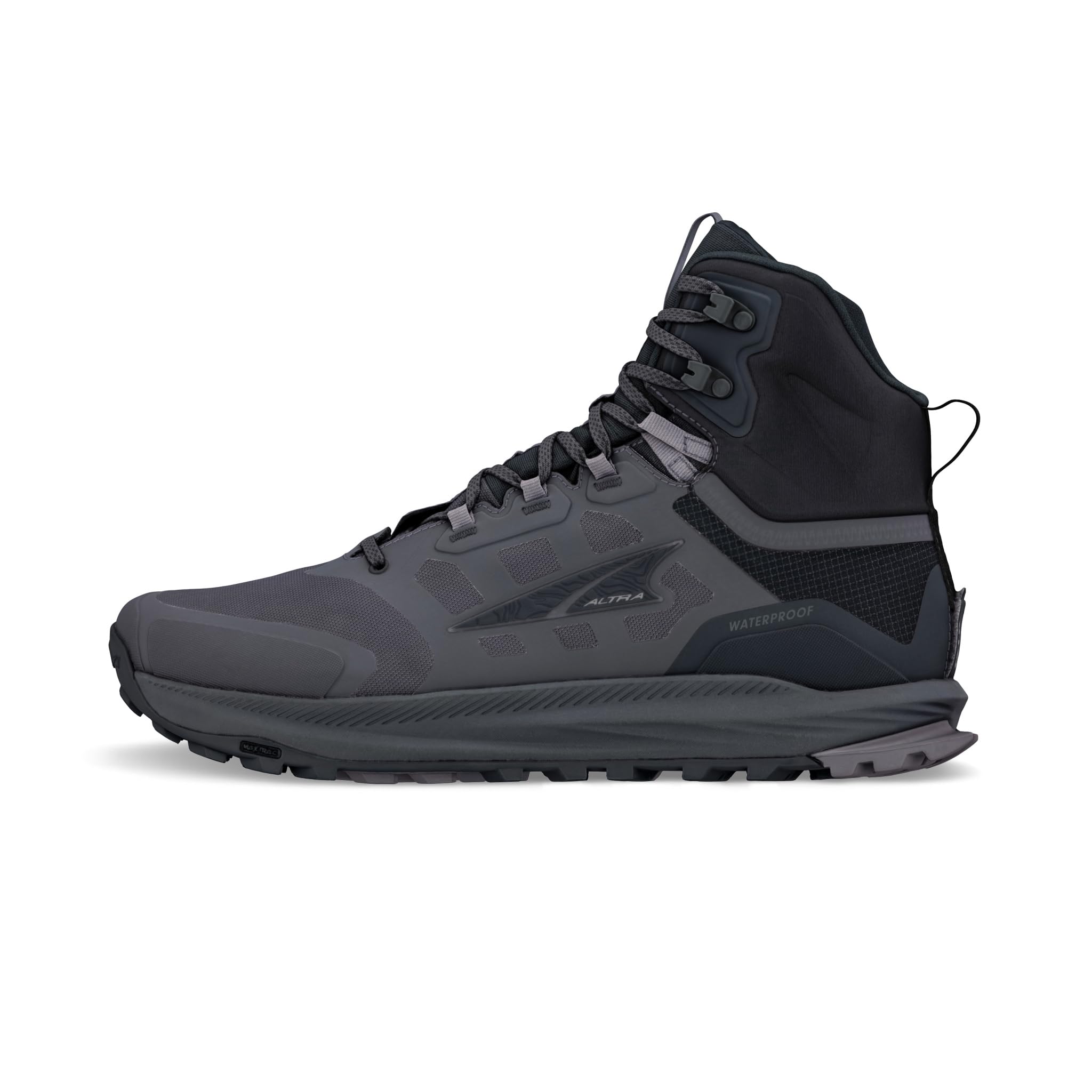
The iconic zero-drop hiker that lets your toes spread and your stride flow naturally.
This boot is built around ALTRA’s signature roomy toe box (the FootShape fit) and a 0 mm drop platform, which allows your toes to spread and your midfoot to stay supported for a more natural walking motion. It weighs only 13.45 oz, making it one of the lightest mid-height boots here, nearly 5 oz lighter than the ALTRA Olympus 6 Hike Mid GTX (18.6 oz). The MaxTrac outsole provides grip on varied terrain, and a Stoneguard insert protects your feet from sharp rocks underfoot.
Buyers who already use the Lone Peak trail runners appreciate the same foot bed and sole in a waterproof mid version for spring conditions. However, a significant note from one reviewer is that the Hydroguard waterproof membrane is not fully effective, causing wet feet when water splashes onto the lower eyelets. If guaranteed waterproofing is your primary concern, the Salomon X-Adventure Recon Mid GTX or La Sportiva TX Hike Mid Leather GTX are more reliable choices.
Why It’s a Fan Favorite
- Roomy toe box allows toes to splay naturally for better balance on uneven ground.
- Zero-drop platform encourages a natural, mid-foot strike.
- Exceptionally light at 13.45 oz for a mid-height boot.
Where It Falls Short
- Waterproofing is inconsistent, with some buyers reporting wet feet in wet grass or puddles.
- The Stoneguard is stiff and some find it lacks flexibility underfoot.
Ideal for: Hikers who want a lightweight, zero-drop boot with a spacious toe box for natural movement on dry to moderately wet trails.
Not ideal for: Anyone who absolutely needs guaranteed waterproof performance for crossing streams or hiking in sustained rain.
Understanding the Specs
Drop (Heel-Toe Offset)
The drop is the height difference between the heel and the forefoot. A zero-drop boot (0 mm) puts your heel and toe at the same level, mimicking a barefoot walking motion that can strengthen your feet and improve balance. A higher drop (like 11 mm on the Salomon X-Adventure Recon Mid GTX) takes pressure off the Achilles and calf muscles, which many hikers prefer when descending steep trails or when they have a history of calf tightness. The right choice depends on your gait and any injury history.
Lug Depth
Lug depth is the measurement of the tread pattern on the outsole, measured in millimeters. A 3.5 mm lug depth (like on some Salomon models) is better for hard-packed trails and smooth rock, giving you a stable platform. A deeper lug, like 6.5 mm, bites into mud, loose scree, and soft dirt to give you traction where a shallow tread would slip. For approach boots that hike on mixed terrain, a mid-depth lug (around 5 mm) with a sticky rubber compound like Vibram Megagrip is a versatile choice.
Waterproof Membrane
A waterproof membrane is a thin layer inside the boot that stops water from entering while allowing sweat vapor to escape. Gore-Tex is the most common type, and newer versions like Gore-Tex ePE are made without PFAS (forever chemicals). A membrane like the Hydroguard on the ALTRA Lone Peak 9 offers similar benefits but may have inconsistent performance. The trade-off is always breathability: a fully waterproof boot will be warmer and less ventilated than a non-waterproof one, which can be a problem in hot weather.
Stack Height and Cushioning
The stack height is the total amount of midsole foam under your foot, measured in millimeters. A 33 mm stack (like on the ALTRA Olympus 6 Hike Mid GTX) offers maximum cushioning for long, hard days on rocky trails, absorbing shock and reducing fatigue. A lower stack, like 25 mm on the ALTRA Lone Peak 9, gives you more ground feel and stability for technical scrambling but transmits more vibration from the trail. Cushioning is often described as low, moderate, high, or max; match it to the length and roughness of your typical hike.
FAQ
Can I use approach boots for hiking on regular trails?
How do approach boots fit compared to normal hiking boots?
Are approach boots lightweight?
What is the difference between Gore-Tex and a water-resistant treatment?
Do I need a zero-drop boot for hiking?
How long do approach boots last?
Are approach boots good for scrambling and easy climbing?
Can I wear approach boots for everyday use?
How should approach boots fit in the toe box?
Can I use approach boots for backpacking with a heavy pack?
Final Thoughts: The Verdict
For the majority of shoppers, the approach boots for hiking winner is the La Sportiva TX Hike Mid Leather GTX because it nails the balance between technical climbing ability and all-day hiking comfort with near-zero break-in. If you want max cushioning and a zero-drop platform for long, rocky hikes, grab the ALTRA Olympus 6 Hike Mid GTX. And for the budget-conscious hiker who wants a lightweight, sneaker-like feel for fast day hikes, the standout is the KEEN Hightrail Mid Waterproof.
How We Picked
We do not accept paid placement. Every pick is matched to a real buyer and a real use-case; we do not hands-on test units.
Sources & Methodology
Specifications: manufacturer listings and product documentation. Review insights: verified customer reviews, as of July 2026. Pricing: not shown on this page (it changes often); check the current price via the retailer link.
As an Amazon Associate, Gadgets Feed earns from qualifying purchases. This does not affect which products we feature.