
Our readers keep the lights on and my morning glass full of iced black tea. As an Amazon Associate, I earn from qualifying purchases.
Specs are compiled from manufacturer listings and verified buyer reviews and can change over time — please confirm the key details on the product page before buying.
You dig the hole, place the root, wait — and sometimes nothing happens. The real frustration with bare root peonies is whether the dormant root will actually grow. This guide focuses on bare root peonies with the highest eye counts and strongest customer-reported success rates.
I’m Min — the founder and writer behind Gadgets Feed. This guide is built by comparing the manufacturers’ published specifications and the patterns across verified customer reviews, so you get each pick’s real strengths and trade-offs instead of marketing spin.
We have broken down six of the most popular bare root peonies on the market by eye count, root size, and hardiness zone fit —
Quick Picks
- Sarah Bernhardt Double Pink Peony — Premium Root
- Peony Bare Root with 3-5 Eyes – Felix Supreme — Blooms Guaranteed
- Easy to Grow Peony Madame Emile Debatene — Trusted Grower
- Karl Rosenfield Peony – Fresh Perennializing — Fast Sprout
- Sarah Bernhardt Garden Peony — Multi-Root Value
- Shirley Temple Peony – Fresh Perennializing — Budget Entry
How To Choose The Best Bare Root Peonies
Picking a bare root peony is different from buying a potted plant. You are betting on a dormant root, and the size of that root — specifically its “eyes” (the small pinkish buds on the crown) — directly determines how quickly it establishes and blooms. A root with 3-5 eyes will generally outperform a 1-2 eye root in its second year.
Eye Count And Root Size
The “eyes” are the growth points on the crown of the root. More eyes mean more stems and more potential flowers. Large divisions with 3-5 eyes are often recommended for faster establishment. Smaller 1-2 eye divisions are more affordable but may take an extra year to reach full blooming size.
Hardiness Zone Match
Peonies need a cold winter dormancy to trigger spring growth. Most varieties thrive in USDA hardiness zones 3 through 8. If you live outside these zones, you need to check the specific variety’s zone range — some will not bloom reliably without a true winter chill.
Root Freshness And Packaging
Bare roots are living tissue that should feel firm, not mushy or dried out. Good packaging — like breathable material or protective wrapping — keeps the root from arriving crushed or moldy. A root that looks dead on arrival can still grow if planted quickly, but poor packaging significantly lowers your odds.
Quick Comparison
| Model | Best For | Eye Count | Root Weight | USDA Zone | Amazon |
|---|---|---|---|---|---|
| Sarah Bernhardt Double Pink (Marde Ross) | Premium large-root investment | 3-5 Eyes | 4.8 oz | 3 | $29.96Amazon |
| Felix Supreme (3-5 Eyes) | Fast-germinating double-pink blooms | 3-5 Eyes | 3.2 oz | 3-8 | $32.99Amazon |
| Madame Emile Debatene | Fragrant spring blooms from a trusted nursery | Field Division | — | Not Listed | $19.99Amazon |
| Karl Rosenfield | Bold red color & fast sprouting | 2/3 Eye | — | 3 | $19.99$21.09Amazon |
| Sarah Bernhardt (3 Roots) | Multiple classic pink roots for less | 1-2 Eyes | — | 3-8 | $17.99$20.29Amazon |
| Shirley Temple | Budget-friendly entry into peonies | 2/3 Eye | — | 3 | $18.99$20.09Amazon |
In‑Depth Reviews
1. Sarah Bernhardt Double Pink Peony – Large 3-5 Eyes, Bare Root
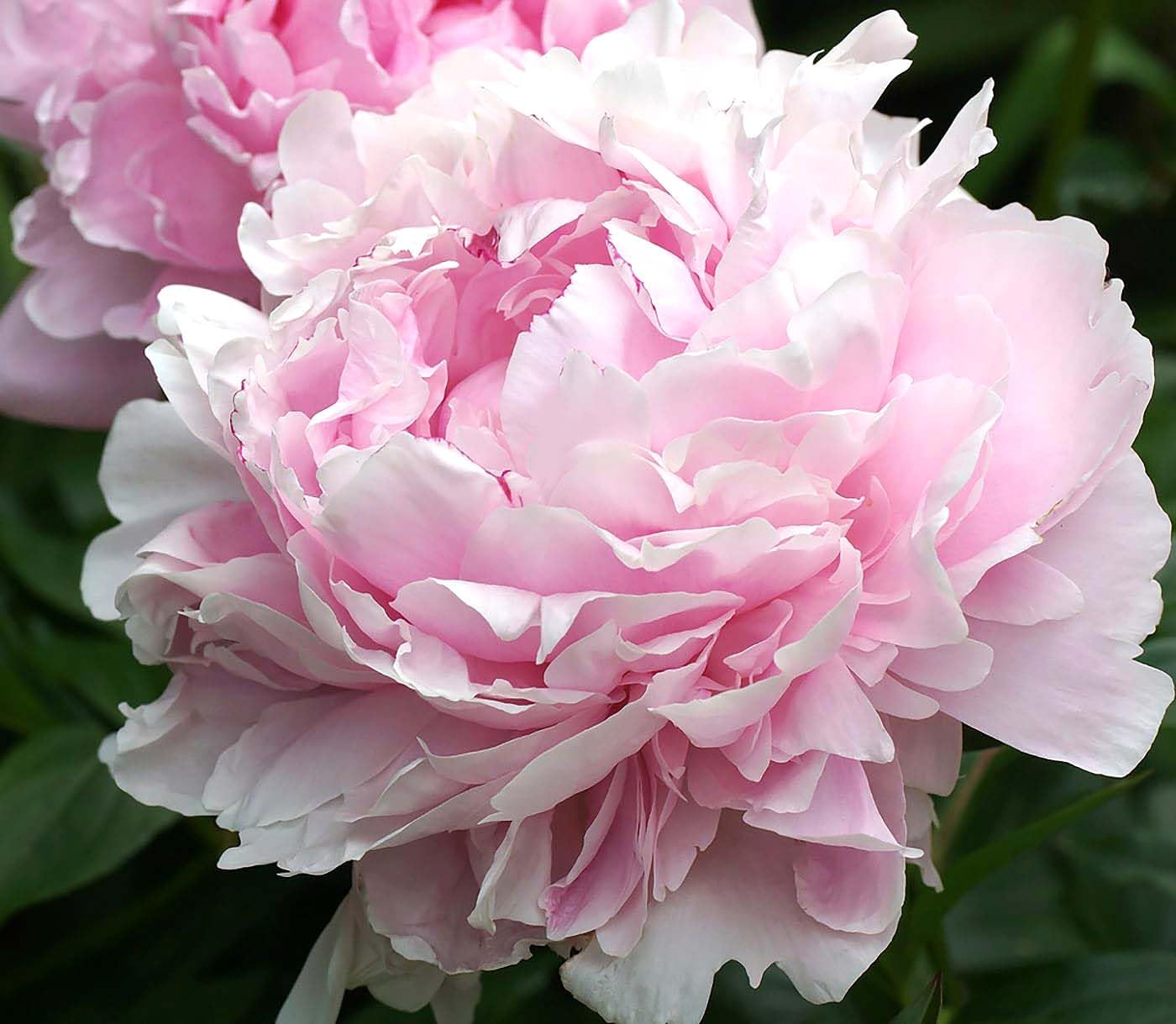
The heaviest root in the lineup, with enough eyes to promise a strong second-year show.
That extra bulk comes from its 3-5 eyes, giving you multiple growing points from day one. The heirloom variety produces double light pink blooms and is described as fragrant, so you get a sensory payoff in addition to the visual one.
Buyers report that it is easy to plant and that some buyers in warm climates like south Florida saw a bloom within six weeks when given cool, moist soil and partial sun. However, a few customers — even those with proven green thumbs — reported that their roots never emerged at all. This is a higher-stakes buy because of the price, but the reward is a mature-looking plant faster than most other options here.
Unlike the smaller multi-root packs (like the 3-root Sarah Bernhardt at 1-2 eyes each), this single root gives you more immediate growth potential from a single division.
What Gives It The Edge
- Heaviest root at 4.8 oz with 3-5 eyes for sturdy early growth
- Heirloom variety with fragrant double pink blooms
- Grows well in all climates per the seller, with verified warm-zone success
The Known Risks
- Higher price point with occasional reports of roots failing to grow at all
- Some buyers felt the root was too small for the cost, with no chance of first-year blooms
Reach for this if: you want the biggest single root with the highest eye count and are willing to pay a premium for a faster path to mature blooms.
Look elsewhere if: you prefer a lower-cost bet or need multiple roots to fill a bed — this is a one-root investment.
2. Peony Bare Root with 3-5 Eyes – Felix Supreme

A slightly lighter root than the top pick, but backed by a germination guarantee and a wider zone range.
This Felix Supreme peony comes from Marde Ross & Company, a California nursery that has been in business since 1985. The root has 3-5 eyes and weighs 3.2 ounces — noticeably lighter than the 4.8-ounce Sarah Bernhardt above, but still a solid large division. The seller guarantees germination, which is a rare promise in the bare root world and gives you some backup if the root fails.
The blooms are described as double-layered deep pink, and the plant grows 30-36 inches tall, fitting into zones 3 through 8 — a more flexible zone range than the zone-3-only picks. Reviewers report mixed results: some saw sprouting within days, while others say nothing happened. One buyer commented: “Nothing happened with this plant!” despite a promised refund that never arrived. The guarantee is listed, but follow-through appears inconsistent.
Unlike the Madame Emile Debatene root, this one has a defined eye count that lets you gauge its potential before planting.
Why It Stands Out
- 3-5 eye count gives a strong head start
- Covers zones 3 through 8 for broader climate compatibility
- Germination guarantee from a nursery with decades in business
The Catch
- Multiple reports of roots that never grew, and some buyers had trouble getting refunds honored
- At 3.2 oz, it is lighter than the top-pick Sarah Bernhardt root
Best suited for: gardeners in zones 3-8 who want a large root with a company that at least promises to back their product.
skip it if: you are risk-averse — the inconsistency in customer service around the guarantee is a real concern.
3. Easy to Grow Peony Madame Emile Debatene – 1 Field Grown Root Division
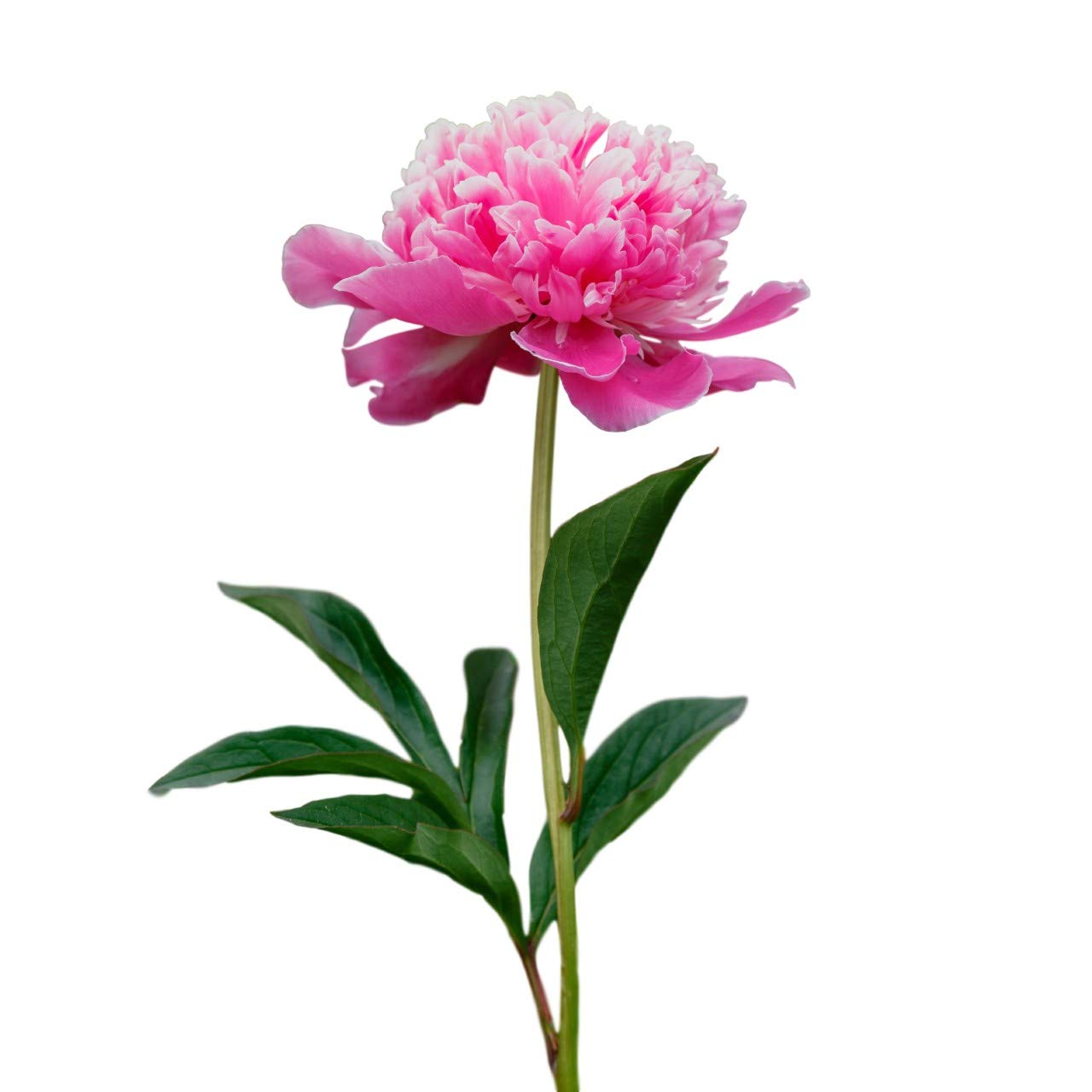
A field-grown division that customers consistently praise for arriving with visible, healthy sprouts.
This Madame Emile Debatene peony from the American company Easy to Grow is a single field root division. Unlike the other roots here that list a precise eye count, this one is identified as a “field grown root division” — meaning it is a division from an established plant, not a seed-started root. The flowers are semi-double to double, and the brand explicitly states they are delightfully fragrant.
One reviewer noted they were “super excited to see healthy sprouting in the package!” — a strong sign of careful packing. Another buyer admitted initial disappointment (they expected a small plant instead of a root) but later reported strong leaf growth. The brand recommends giving the plant a full season to establish before expecting its full bloom potential. The main risk is the same as any bare root: about one in five reviewers reported the root did not grow at all.
Compared to the multi-root Sarah Bernhardt pack below, this is a single root with a higher immediate sprouting success rate in customer feedback.
The Strong Points
- Frequent reports of healthy sprouts visible on arrival
- American company with a straightforward planting guide included
- Fragrant semi-double to double blooms described by the American Peony Society type
The Weak Points
- No defined eye count makes it harder to gauge the root’s potential before planting
- Some roots did not grow at all, which is a recurring theme across most bare root brands
Pick this if: you value a brand with strong packaging practices and want a fragrant variety that arrives visibly alive more often than not.
Think twice if: you need a guaranteed eye count to plan your garden layout — this is a field division without that spec.
4. Karl Rosenfield Peony – Fresh Perennializing Bare Root Peonies

A 2/3-eye red peony that one buyer saw shooting up just 11 days after planting.
The Karl Rosenfield is a classic red peony variety, and its 2/3 eye count puts it in the middle of the pack — not as hefty as the 3-5 eye roots, but larger than the 1-2 eye divisions. The bold red blooms are a significant differentiator if you are tired of pink and want a deep, dramatic color in your garden.
The most notable customer story is the buyer who wrote: “Delivered 5/14, planted 5/16, shoots coming up 5/27!!!” That 11-day turnaround is unusually fast for a bare root peony. On the flip side, one buyer mentioned the plant did not survive a full year, and the company did not honor their warranty. The packaging seems to be a strong point — multiple buyers mentioned the root arrived in perfect condition and looked healthy.
Unlike the Shirley Temple peony (which shares the same 2/3 eye size from the same brand), this red variety has a tighter track record of fast sprouting in the reviews.
What Works
- Distinctive red color stands out from the pink-dominated peony market
- Multiple reports of very fast sprouting after planting
- Packaging consistently described as excellent
What Doesn’t
- Some plants did not survive their first year
- The 100% grow guarantee was not honored for at least one customer
Go for this when: red is your color and you want the best odds of seeing shoots within two weeks based on buyer reports.
Pass if: you need a guarantee you can trust — the warranty here has mixed follow-through.
5. Sarah Bernhardt Garden Peony – Pink Paeonia (3 Roots)

Three roots for the price of one large root, but each is a smaller 1-2 eye division that will take longer to mature.
This is the same Sarah Bernhardt variety as the top pick, but the trade-off is clear: you get three separate bare roots instead of one, yet each root only has 1-2 eyes. That means you can fill more garden space upfront, but each plant will likely need an extra year to reach the flowering size of a 3-5 eye root. The mature height is listed at 20-30 inches, slightly shorter than the Felix Supreme and some other varieties.
Owners mention that the roots grow beautifully when they take — one reviewer described them as “very sturdy and a great value for the money.” But there is a real failure rate: one customer wrote “They all died after planting not a single one grew!” and another noted that while all three roots were alive, their leaves looked different, suggesting mixed varieties in the box. The zone range of 3-8 (the USDA hardiness zones, which tell you the coldest climate a plant can survive) gives you some planting flexibility, similar to the Felix Supreme.
Compared to the single Shirley Temple root below, this pack gives you three chances to succeed — but also three chances for a dud.
The Upside
- Three roots let you spread plants across your garden or share with a neighbor
- Grows well in zones 3 through 8
- Fragrant, bee-friendly blooms as described by the seller
The Downside
- 1-2 eyes per root means slower establishment and later first blooms
- Some buyers received mixed varieties instead of all Sarah Bernhardt
- Report of all three roots failing to grow despite following directions
Ideal for: the budget-conscious gardener who wants to fill space and is patient enough to wait an extra year for full blooms.
Not for: anyone who wants a guaranteed single variety or expects first-year flowers from every root.
6. Shirley Temple Peony – Fresh Perennializing Bare Root Peonies

The cheapest entry point on the list, with a customer service story that shows the brand will replace a dud.
This Shirley Temple peony from Willard & May is a single bare root with 2/3 eyes — a decent size for the price. The expected color is a mix of pink, red, and white, and the plant is labeled as organic with an extended bloom time. It is limited to zone 3, so it is best suited for colder climates with reliable winter freezes.
The reviews tell a split story. One buyer described their initial frustration well: “When I got the root in a bag it looked dead.” They planted it, saw nothing, contacted the company through Amazon, and had a replacement in three days — that second root took off. On the other hand, some buyers reported crushed bulbs arriving in a large envelope with no wrapping, leading to zero growth. The packaging appears inconsistent.
Unlike the Madame Emile Debatene root which often arrives with visible sprouts, this one has a higher chance of looking lifeless on arrival — but the replacement policy seems to work if you push for it.
The Good
- Lowest cost option among all six picks
- Company responded to a dead-looking root with a fast replacement
- Organic material features and extended bloom time per the specs
The Bad
- Packaging is hit-or-miss — some roots arrived crushed with no protection
- Limited to zone 3, so not suitable for warmer climates
Choose this if: you live in a cold zone 3 area and want the lowest-risk financial entry into growing peonies.
Avoid if: you are outside zone 3 or you expect a pristine, visibly alive root on arrival without the hassle of a replacement request.
Understanding the Specs
Eye Count
The “eyes” on a bare root peony are the pinkish or reddish buds on the crown of the root where new stems emerge. More eyes generally mean more stems and a faster path to a full, blooming plant. A 3-5 eye root is considered a large division that may produce flowers in its second year, while a 1-2 eye root is smaller and may need a full extra season to catch up. This is the single most important number to check before you buy.
Root Weight
A heavier root usually stores more energy, giving the plant a stronger start in its first growing season. When comparing two roots with the same eye count, the heavier one is almost always the better bet. The range in this list spans from 3.2 ounces (Felix Supreme) to 4.8 ounces (Sarah Bernhardt Double Pink) — that 1.6-ounce difference reflects significantly more stored energy for the larger root.
FAQ
How deep should I plant a bare root peony?
How long does it take for a bare root peony to bloom?
Can I plant bare root peonies in spring?
What is the difference between a field division and a bare root?
Why did my bare root peony not grow?
Will my bare root peony bloom the first year?
What does “2/3 eye” mean on a peony root?
Can I grow peonies in warm climates like Florida?
Final Thoughts: The Verdict
For most gardeners, the bare root peonies winner is the Sarah Bernhardt Double Pink (Large 3-5 Eyes) because its 4.8-ounce root and high eye count give you the best shot at a strong, fast-maturing plant. If you want the widest climate flexibility and a germination guarantee, the Felix Supreme (3-5 Eyes) is a solid backup that covers zones 3 through 8. And for the budget-conscious gardener willing to wait, the Madame Emile Debatene offers consistent packaging and visible sprouts fresh from the start.
How We Picked
We do not accept paid placement. Every pick is matched to a real buyer and a real use-case; we do not hands-on test units.
Sources & Methodology
Specifications: manufacturer listings and product documentation. Review insights: verified customer reviews, as of July 2026. Pricing: not shown on this page (it changes often); check the current price via the retailer link.
As an Amazon Associate, Gadgets Feed earns from qualifying purchases. This does not affect which products we feature.
Related Guides
Product prices and availability are accurate as of the date/time indicated and are subject to change. Any price and availability information displayed on Amazon at the time of purchase will apply to the purchase of this product. As an Amazon Associate I earn from qualifying purchases.
CERTAIN CONTENT THAT APPEARS ON THIS SITE COMES FROM AMAZON. THIS CONTENT IS PROVIDED "AS IS" AND IS SUBJECT TO CHANGE OR REMOVAL AT ANY TIME.
Amazon and the Amazon logo are trademarks of Amazon.com, Inc. or its affiliates.