
Our readers keep the lights on and my morning glass full of iced black tea. As an Amazon Associate, I earn from qualifying purchases.
Specs are compiled from manufacturer listings and verified buyer reviews and can change over time — please confirm the key details on the product page before buying.
You walk into your bright living room, turn on the TV, and the picture is already washed out and gray. That is frustrating when you want the cinematic pop – deep blacks and vivid colors – without turning your space into a dark cave. A modern QLED TV with Mini-LED backlighting delivers real contrast and brightness right from the start, even in a sunny room. The key is knowing which model handles light and motion best for your setup.
I’m Min — the founder and writer behind Gadgets Feed. This guide is built by comparing the manufacturers’ published specifications and the patterns across verified customer reviews, so you get each pick’s real strengths and trade-offs instead of marketing spin.
You need a television that handles reflections, delivers deep contrast, and keeps motion smooth. Understanding the key specs of any 70 inch qled tv is the first step toward a purchase you will be happy with for years.
Quick Picks
- Roku Pro Series 75″ Mini-LED TV — Best Overall
- TCL 75 Inch QM7L SQD-Mini-LED QLED — Cinema Pro
- Hisense 75″ U6 Pro Series Mini-LED ULED — Best Value Flagship
- Toshiba 75″ Z670 Series Mini-LED 4K UHD — Gaming Precision
- Roku Plus Series 75″ Mini-LED QLED — Smart Value
- Amazon Ember 75″ QLED Series with Fire TV — Smart Ecosystem
- TCL 75 Inch NXTVISION Picture Frame Art TV — Art & Design
- TCL 75 Inch QM64L Series QD-Mini LED — Budget Mini-LED
How To Choose The Best 70 Inch QLED TV
Choosing the right TV in this size class is less about inches and more about how the screen handles light, motion, and your daily content. Here are the three areas that separate a good-looking TV from one that genuinely transforms your viewing experience.
Backlight Technology: Mini-LED vs Standard QLED
A standard QLED TV uses a single edge-lit or basic full-array backlight. That can make bright objects on a dark background look hazy – this is called blooming. Mini-LED uses hundreds or thousands of tiny LEDs packed behind the screen. That allows the TV to dim specific zones independently. The result is deeper blacks and much higher contrast. Every pick in this list that carries a Mini-LED label will show you noticeably richer shadows than a standard QLED would.
Refresh Rate: The 120Hz / 144Hz Choice for Motion
Standard TVs run at 60Hz, which means the image refreshes 60 times per second. That is fine for news and dramas, but fast-moving content like sports and video games can look blurry. A 120Hz or 144Hz native refresh rate (the number of times the screen updates per second) doubles or more than doubles that smoothness. If you watch a lot of live sports or play on a PS5 or Xbox, prioritize a model with at least a 120Hz native panel.
Smart Platform: Your Interface, Your Speed
The operating system is what you will interact with every single day. Fire TV (found on Hisense, Toshiba, and TCL) integrates tightly with Alexa and Amazon services but can feel cluttered. Roku is praised for its simple, snappy interface and is a favorite for non-tech-savvy users. Google TV (on the TCL NXTVISION model) offers deep Google Assistant integration and a highly customizable home screen. Choose the platform that matches the voice assistant you already use and how much control you want over your home screen layout.
Quick Comparison
| Model | Best For | Backlight Type | Refresh Rate | Smart Platform | Amazon |
|---|---|---|---|---|---|
| Roku Pro Series 75″ | Best All-Around Performance | Mini-LED | 120Hz | Roku | Amazon |
| TCL QM7L 75″ | Premium Home Cinema | SQD-Mini-LED | 144Hz | Google TV | Amazon |
| Hisense U6 Pro 75″ | Value Flagship | Mini-LED | 144Hz | Fire TV | Amazon |
| Toshiba Z670 75″ | Gaming & Precision | Mini-LED | 144Hz | Fire TV | Amazon |
| Roku Plus Series 75″ | Value Smart TV | Mini-LED | 60Hz | Roku | Amazon |
| Amazon Ember 75″ QLED | Deep Amazon Ecosystem | Standard QLED | 60Hz | Fire TV | Amazon |
| TCL NXTVISION 75″ | Picture Frame / Art TV | Standard QLED | 120Hz | Google TV | Amazon |
| TCL QM64L 75″ | Budget Mini-LED | QD-Mini-LED | 144Hz | Fire TV | Amazon |
In‑Depth Reviews
1. Roku Pro Series 75″ Mini-LED TV
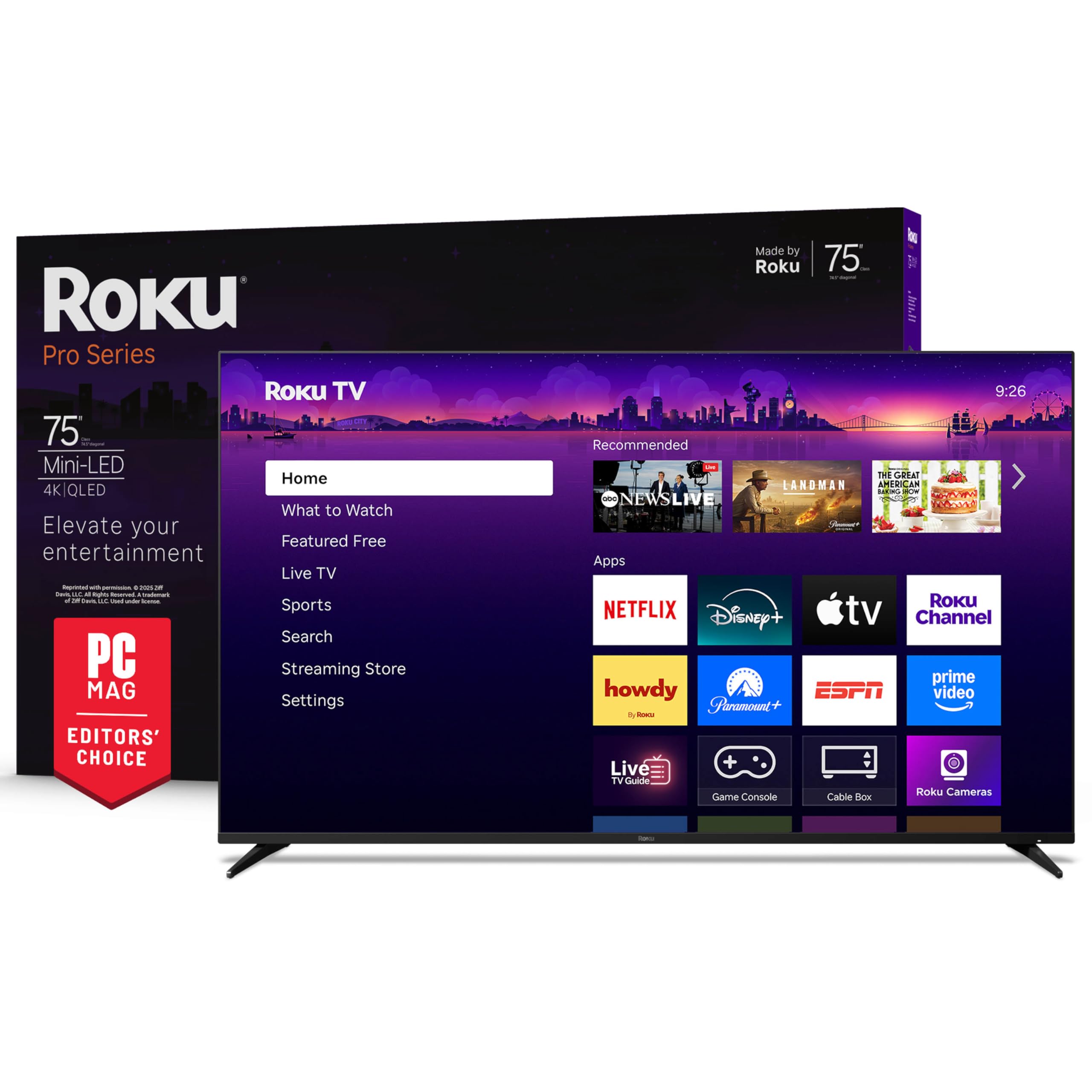
The Roku Pro Series balances premium Mini-LED contrast with the simplest interface you will ever use. It is sharper at night than the Roku Plus Series because of its smoother 120Hz panel and side-firing speakers that fill the room.
This TV gives you a massive leap in picture quality over standard LED sets. The Mini-LED backlighting paired with Dolby Vision IQ (a technology that adjusts the picture based on your room’s lighting) creates vivid highlights and deep, realistic shadows. You get a 120Hz native refresh rate, which means fast-moving content like sports and action movies look smooth and clear without the blur you get on a standard 60Hz panel. For gamers, the automatic game mode, Freesync Premium Pro, and VRR (variable refresh rate, which synchronizes the TV’s refresh to your console to eliminate screen tearing) make this a capable companion for a PS5 or Xbox.
The sound is a strong point too. Roku Soundstage Audio uses side-firing speakers, and buyers report that the sound is so rich they do not feel the need for a separate soundbar – one reviewer noted the audio is “deep” and “room-filling” right from the start. The rechargeable backlit remote has a remote finder button on the TV itself, a practical touch when the remote disappears into the couch. A minor quibble: the TV consumes 238 Kilowatt Hours per 1000 hours, so it is not the most energy-efficient option if you leave it on all day.
Why It Stands Out
- Mini-LED backlighting with Dolby Vision IQ for stunning contrast in any lighting.
- 120Hz native refresh rate keeps sports and games butter-smooth.
- Side-firing speakers deliver room-filling Dolby Atmos without needing a soundbar.
- Rechargeable backlit remote with a built-in remote finder.
Consider This
- Annual energy consumption of 238 kWh per 1000 hours is on the higher side.
- Not tested by reviewers for competitive gaming latency at 144Hz.
Your best choice if: You want a complete, polished experience – great picture, easy smart platform, and surprisingly good built-in audio – without any major compromise. Pick this for the living room where both movies and casual gaming happen.
Look elsewhere if: You need the absolute highest native refresh rate of 144Hz for competitive PC gaming, or if you are trying to minimize energy consumption.
2. TCL 75 Inch QM7L SQD-Mini-LED QLED
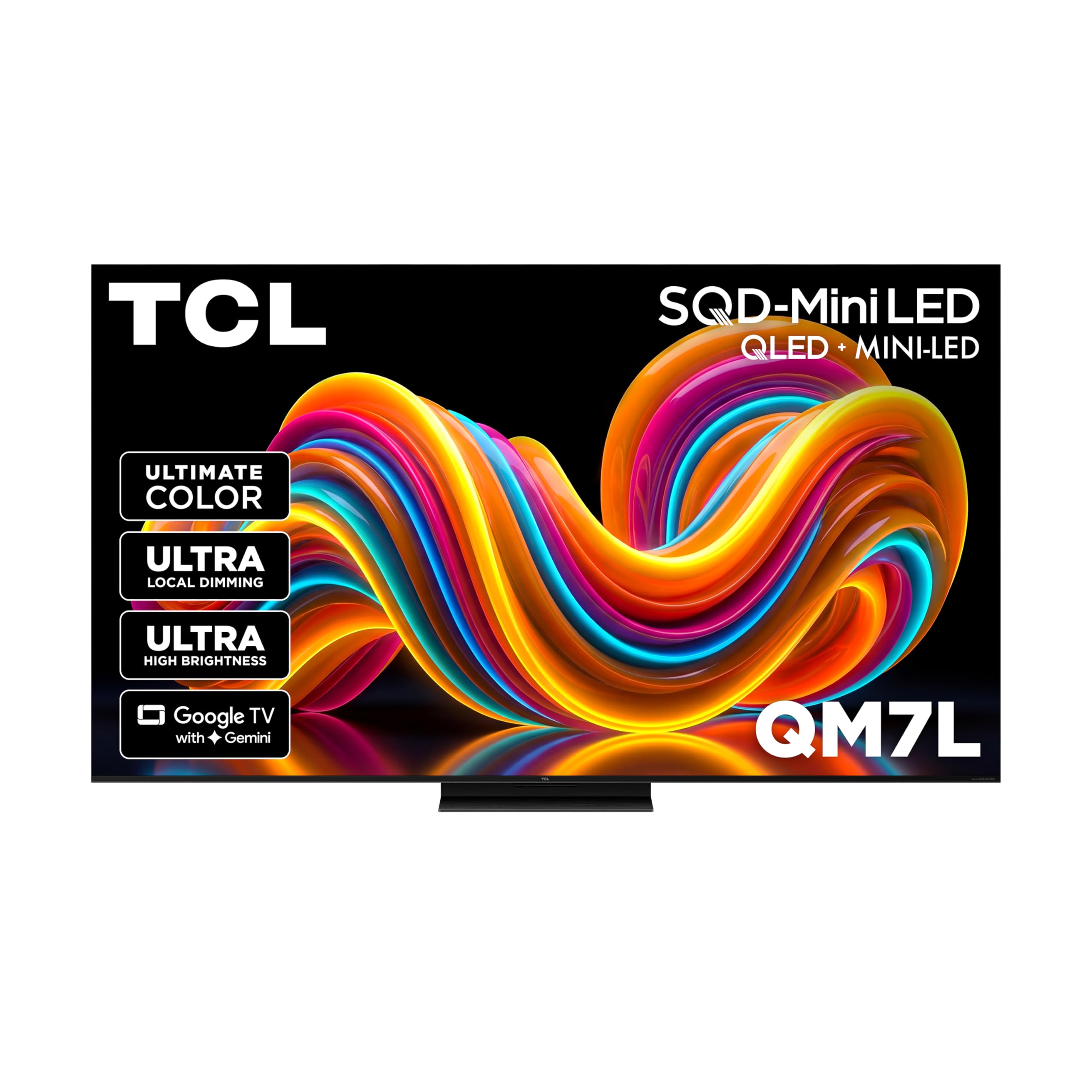
The TCL QM7L brings near-OLED black levels and breathtaking brightness to your home cinema. Its LD2100 Precise Dimming Series has over 2,100 dimming zones – way more than the Roku Pro Series – for inky blacks with no halo.
This is the pick for the buyer who wants the absolute best picture quality short of an OLED, and at a much more accessible price. The SQD-Mini-LED technology combined with TCL’s Ultra Color Filter (which uses tiny 5 nanometer particles for color accuracy, compared to the standard 60 nanometer particles) delivers pinpoint, pixel-perfect color. The real star is the LD2100 Precise Dimming Series, which means you get over 2,100 individual dimming zones. That gives you pure, inky blacks with no halo around bright objects – a level of contrast that owners mention is “OLED level.” The TV also features a 144Hz native refresh rate, perfect for high-frame-rate gaming on a PC or next-gen console.
TCL also equipped this model with audio by Bang & Olufsen, and built-in subwoofers produce strong bass that fills a large room. The Google Gemini Interactive AI powers the smart interface, making voice search feel natural and responsive. The trade-off is a glossy screen that reflects light sources. While the HVA 2.0 Pro Panel has an anti-reflective layer, one early adopter noted that direct lamps or windows can still create noticeable reflections. Buyers overwhelmingly praise the “clarity and picture colors” as the best they have ever owned, but there is a risk of a defective unit – one verified report mentioned broken pixels upon delivery.
Picture Quality Highlights
- Over 2,100 local dimming zones (LD2100) for near-OLED black levels.
- Ultra Color Filter with 5 nanometer particles for precise, vibrant colors.
- 144Hz native refresh rate with Game Accelerator 288 VRR for tear-free gaming.
- Audio by Bang & Olufsen with built-in subwoofers for rich sound.
What to Watch For
- Glossy screen can reflect bright light sources in the room.
- Quality control: at least one verified report of dead pixels on delivery.
Reach for this if: You are a home cinema enthusiast or serious gamer who demands the highest contrast and color accuracy available in a non-OLED panel. This TV handles HDR content and high-refresh-rate gaming superbly.
skip it if: Your TV will be directly opposite a large window – the glossy screen might bother you, and a matte-finish TV like the Hisense U6 Pro would suit that scenario better.
3. Hisense 75″ U6 Pro Series Mini-LED ULED
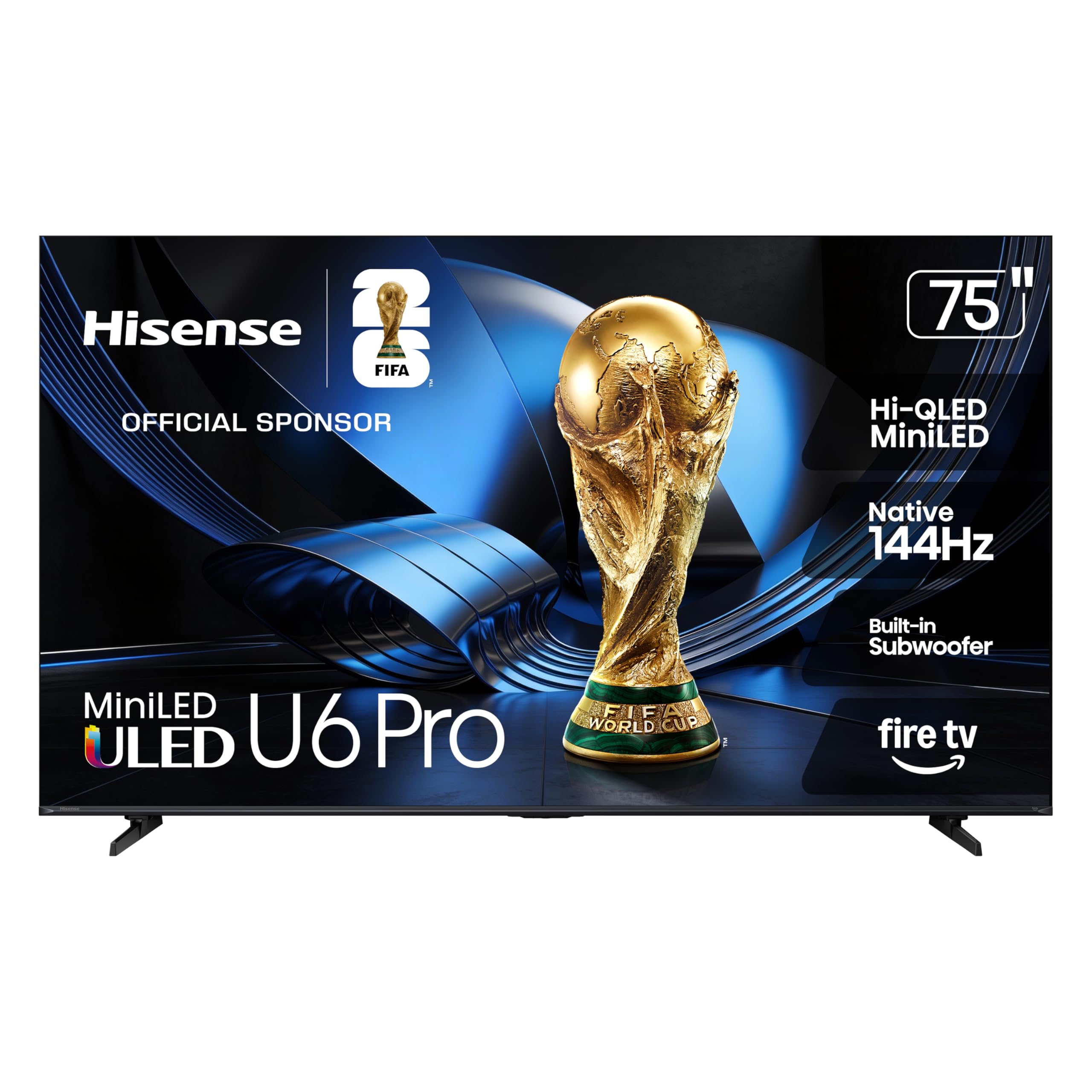
The Hisense U6 Pro packs high-end Mini-LED contrast and a 144Hz panel at a surprisingly low price. Its anti-glare coating beats the glossy TCL QM7L in bright rooms with direct light.
This TV is a strong contender for the smartest money you can spend in this category. It combines Hi-QLED color technology with Mini-LED backlighting, which gives you the deep blacks and bright highlights that usually cost hundreds more. One reviewer summed it up: “Under: amazing contrast, inky blacks, vibrant colors, bright for lit room.” The native 144Hz refresh rate is a serious advantage for gamers – it matches the output of a high-end PC and keeps fast motion crisp. It also supports Dolby Vision IQ and HDR10+ Adaptive, so the TV automatically adjusts the picture based on whether you are watching in a bright living room or a dark home theater.
The anti-reflection and glare-free coating is a standout feature. Buyers specifically call out that the TV shows “zero glare even with direct light,” which makes it a great choice for rooms with lots of windows or overhead lighting. The built-in subwoofer adds enough bass to make explosions and music feel rich, though some reviewers still prefer a soundbar for a fuller surround experience. While the Bluetooth version 5.3 gives you a solid wireless connection for headphones or a soundbar, the Fire TV smart platform can feel cluttered compared to the cleaner Roku interface.
What Earns Its Spot
- 144Hz native refresh rate – matches high-end gaming PCs for smoothness.
- Anti-glare coating that eliminates reflections in bright rooms.
- Hi-QLED color with Pantone Validation for accurate, lifelike color.
- Dolby Vision IQ and HDR10+ Adaptive for tune picture day or night.
A Few Notes
- Fire TV OS can feel cluttered; best for households already in the Amazon ecosystem.
- Built-in sound is decent but a soundbar improves the experience.
Grab this one for: The best price-to-performance ratio in this roundup – you get 144Hz, anti-glare, and Mini-LED contrast for less than the premium picks, without sacrificing features that matter.
Pass if: You prefer a simple, ad-free smart TV interface; the Roku platform on the Plus or Pro Series might feel more intuitive to you.
4. Toshiba 75″ Z670 Series Mini-LED 4K UHD
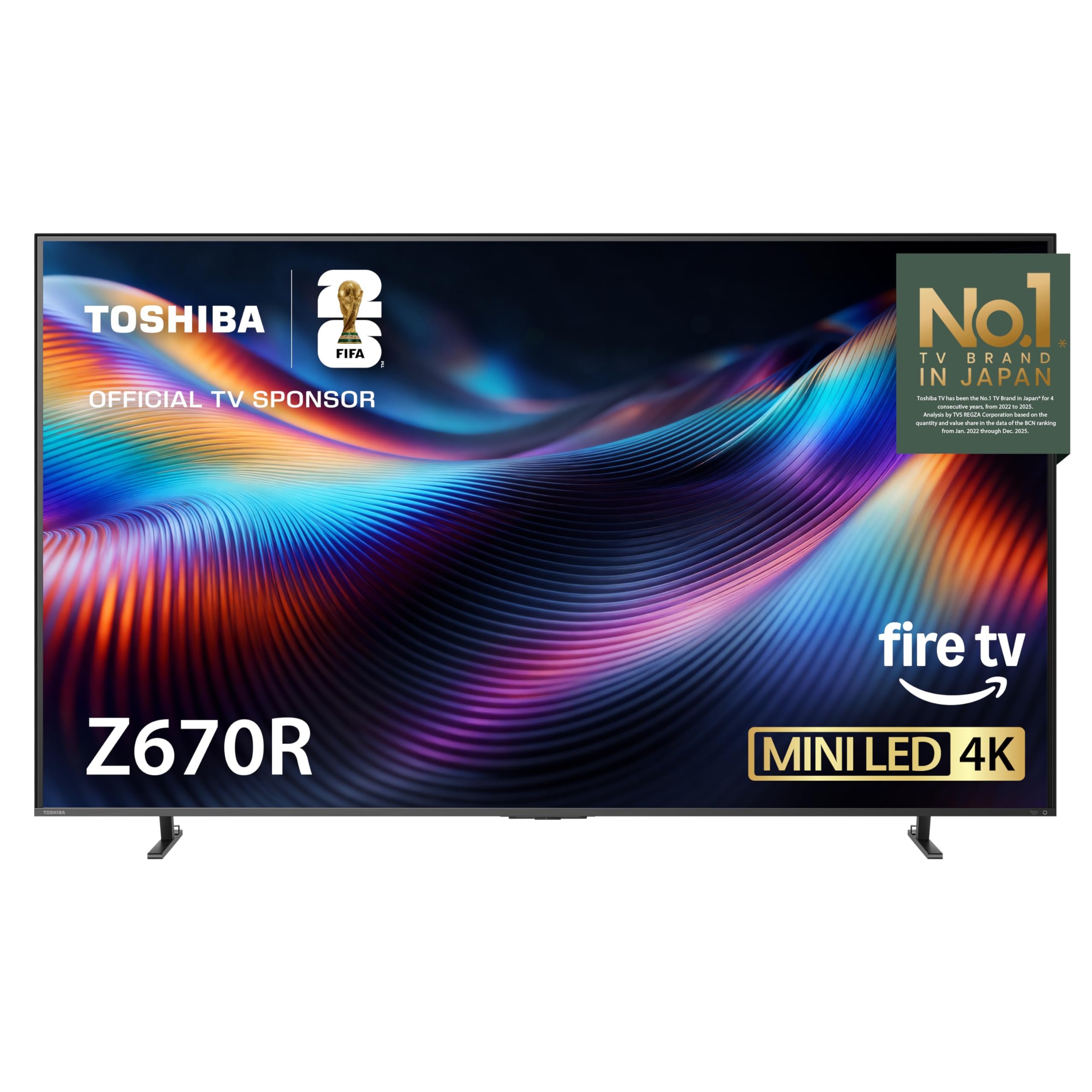
The Toshiba Z670 wields Japan-tuned AI processing and a 144Hz panel for razor-sharp gaming. Its low input lag with Game Mode Pro gives you a competitive edge that the Roku Pro Series cannot match at its 120Hz limit.
This TV is built around the REGZA Engine ZRi Gen3, which is an AI picture and sound processor fine-tuned by Toshiba’s engineers in Japan. It analyzes every scene and adjusts clarity, contrast, and audio in real time. The result, as one reviewer put it, is “excellent Mini-LED/QLED contrast & colors, 144Hz smooth motion, low input lag with Game Mode Pro.” For gamers, that low input lag – combined with AMD FreeSync Premium and VRR at 144Hz – means competitive shooters and racing games feel responsive and free of screen tearing. The Mini-LED with Full Array Local Dimming delivers deeper blacks and brighter highlights than a standard QLED, making dark scenes in movies like Dune look detailed rather than muddy.
The REGZA Power Audio Pro with a built-in bass woofer provides strong room-shaking sound for a built-in solution. Customers note that the sound is “better than expected” for the size. However, there are a few practical quirks. One buyer mentioned that the sound “crackles with heavy bass at volume 16,” which suggests the built-in speakers have a limit before distortion. Another mentioned that the remote “feels upside-down” and that the TV only goes to standby – there is no true off button unless you unplug it. The Fire TV interface is also described as “cluttered,” which may not be ideal if you prefer a minimalist smart platform.
Key Strengths
- REGZA Engine ZRi Gen3 provides scene-by-scene AI optimization.
- 144Hz native refresh rate with Game Mode Pro, ALLM, and FreeSync Premium.
- Mini-LED with Full Array Local Dimming for good contrast.
- Built-in bass woofer provides strong, room-filling audio.
Potential Drawbacks
- Sound may crackle on heavy bass at higher volumes (around 16).
- No true power-off button; only goes to standby mode.
- Remote ergonomics and interface layout draw mixed feedback.
Choose this for: A focused gaming and movie-watching experience where the AI processing and low input lag give you a competitive edge. The premium picture is backed by Japanese engineering.
Step away if: You listen to content at high volumes often, or you want a more refined remote and power control experience without workarounds.
5. Roku Plus Series 75″ Mini-LED QLED
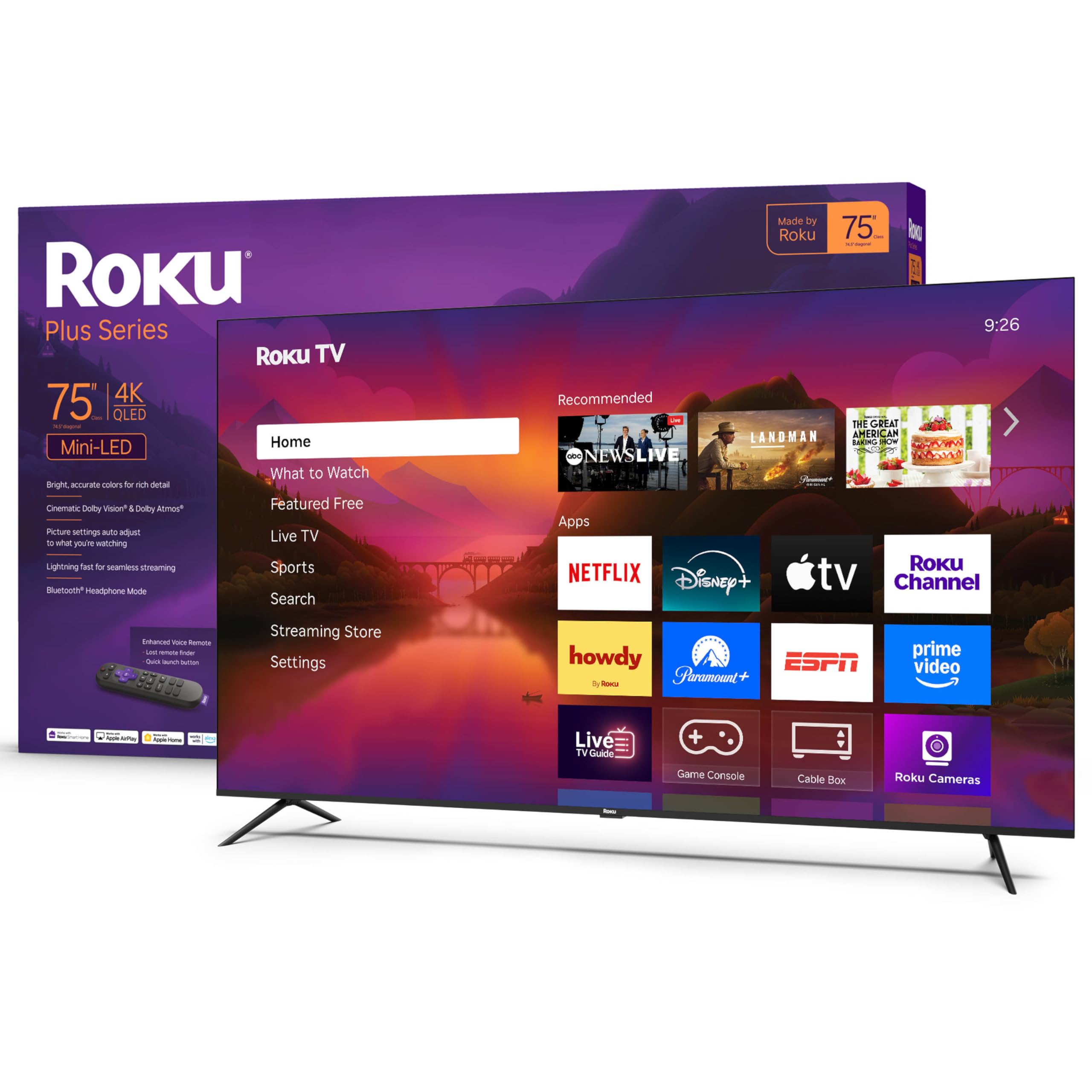
The Roku Plus Series offers an unbeatable smart experience wrapped in a surprisingly good Mini-LED panel. It costs less than the Pro Series but still delivers punchy colors with its Mini-LED backlighting.
If you want the simplest, fastest smart TV experience available, this is the one. The Roku operating system is famously intuitive – it gets out of your way and lets you launch apps without navigating through ads or menus. The TV uses Mini-LED backlighting and Dolby Vision, which means the picture quality is a real step up from the more basic Roku Select Series. One reviewer specifically called out that the “Plus model [is] worth extra over Select for superior picture and build,” praising the “punchy colors like Mini LED.” Buyers consistently describe the image as having “vibrant colors and excellent contrast.”
The sound is also described as “rich” and “exceptional throughout the range with strong bass,” which is rare praise for built-in TV speakers. The enhanced voice remote lets you search across apps with your voice, and the lost remote finder is a genuine help. The main flaw, as one owner reported, is a USB port quirk: bias lights (LED strips you might attach to the back of the TV) stay on for about 10 minutes after the TV is turned off. It is a minor annoyance for people who use bias lighting, but not a deal-breaker for most. The refresh rate on this model is 60Hz, so it is not the best pick for competitive gaming.
Why It Works
- Roku OS is the simplest, fastest smart platform available.
- Mini-LED backlighting and Dolby Vision deliver impressive picture quality for the price.
- Strong built-in sound with good bass – many buyers skip a soundbar.
- Voice remote with lost remote finder and AI-powered picture optimization.
A Couple of Things
- 60Hz refresh rate; not ideal for fast-paced gaming.
- USB bias light issue: lights stay on for ~10 minutes after power-off.
Ideal for: Anyone who prioritizes ease of use and a clutter-free interface. This is a fantastic TV for a family room, a non-gamer, or for someone who finds other smart platforms confusing.
Not the best fit for: A gamer who needs 120Hz+ motion handling. The Pro Series above is the right Roku choice for that use case.
6. Amazon Ember 75″ QLED Series with Fire TV
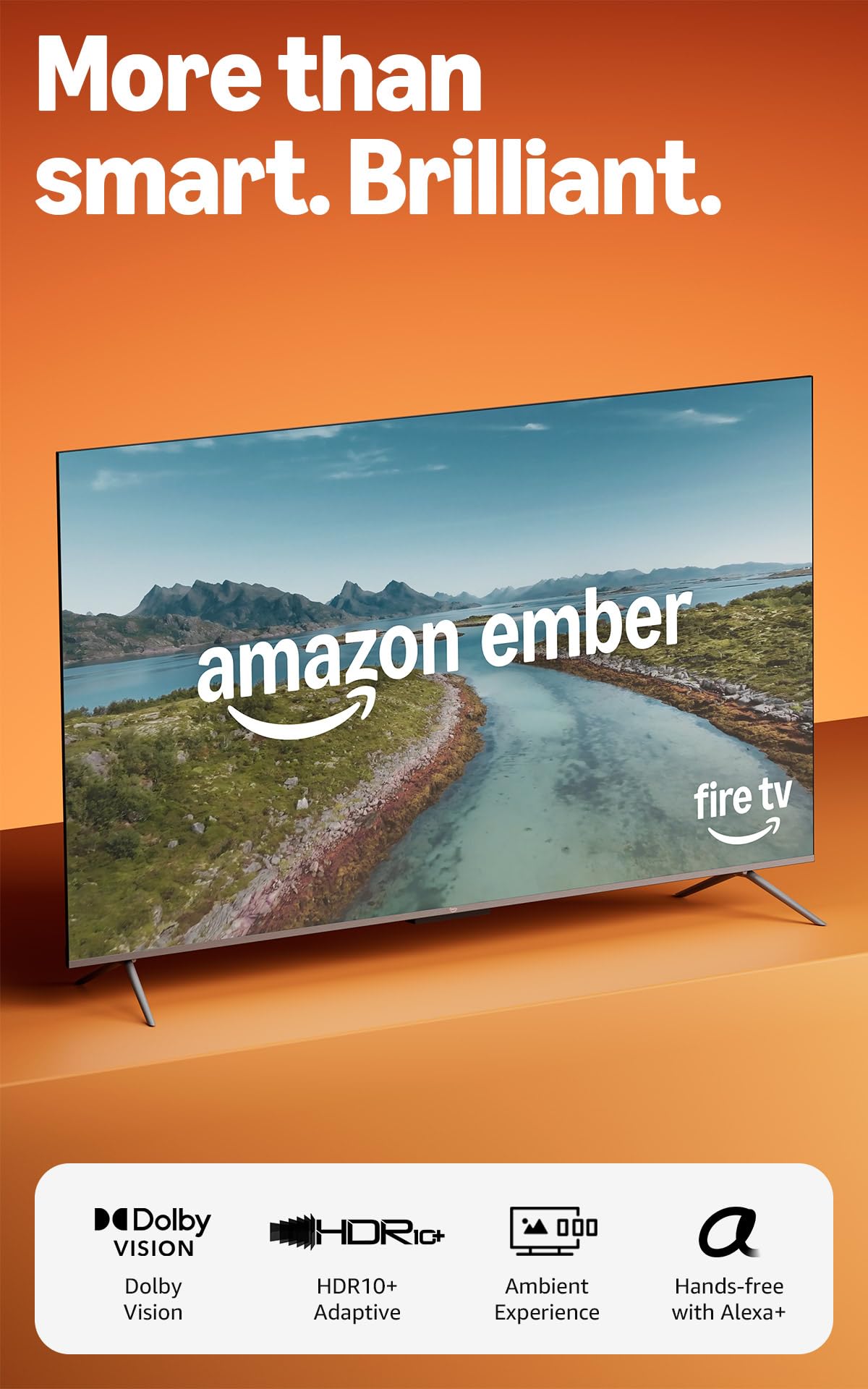
The Amazon Ember is a capable QLED TV that shines brightest for households deep in the Alexa ecosystem. Its Omnisense technology wakes the screen automatically when you enter the room – a convenience the Roku Pro Series lacks.
This TV is designed to be the centerpiece of a smart home powered by Alexa+. It features a 4K QLED display with full-array local dimming, which gives you deeper blacks and brighter whites than an edge-lit TV. It supports Dolby Vision and HDR10+ Adaptive, so the picture adjusts well to different lighting conditions. A key advantage is its Instantly On feature – using custom Omnisense technology, the display wakes up automatically when you enter the room. The quad-core processor and Wi-Fi 6 (the latest wireless standard, offering faster and more reliable connections) keep the interface snappy.
The Fire TV experience has been updated for 2026, offering a modern design that focuses on getting you to your shows faster. You can even play games via Amazon Luna and Xbox Game Pass without a console. One buyer praised the “vibrant QLED colors, deep blacks, good daytime brightness,” and noted “low input lag for gaming.” However, the standard 60Hz panel means it is not the best for fast-paced competitive titles. The audio is decent but described as lacking without a soundbar. A significant caveat comes from a reviewer who experienced “lag/stutter and audio desync on Amazon Prime app” and a menu that can lag. At its current value, buyers suggest it is a good deal only if the price is right.
What Makes It Special
- Omnisense technology for instant-on when you enter the room.
- Wi-Fi 6 connectivity for fast, reliable streaming.
- Full-array local dimming with Dolby Vision and HDR10+ Adaptive.
- Hands-free Alexa voice control, even with the screen off.
Be Aware
- 60Hz refresh rate limits gaming potential.
- Some reports of lag/stutter and audio desync on streaming apps.
- Built-in sound is average; a soundbar is recommended for a fuller experience.
Best for: Amazon loyalists who use Alexa daily and want a TV that acts as a smart home hub with hands-free control. The instant-on feature is genuinely convenient if you walk in and out of the room often.
Look elsewhere if: You are a gamer needing a 120Hz+ panel, or if you want a simpler interface – the Fire TV platform can be demanding.
7. TCL 75 Inch NXTVISION Picture Frame Art TV
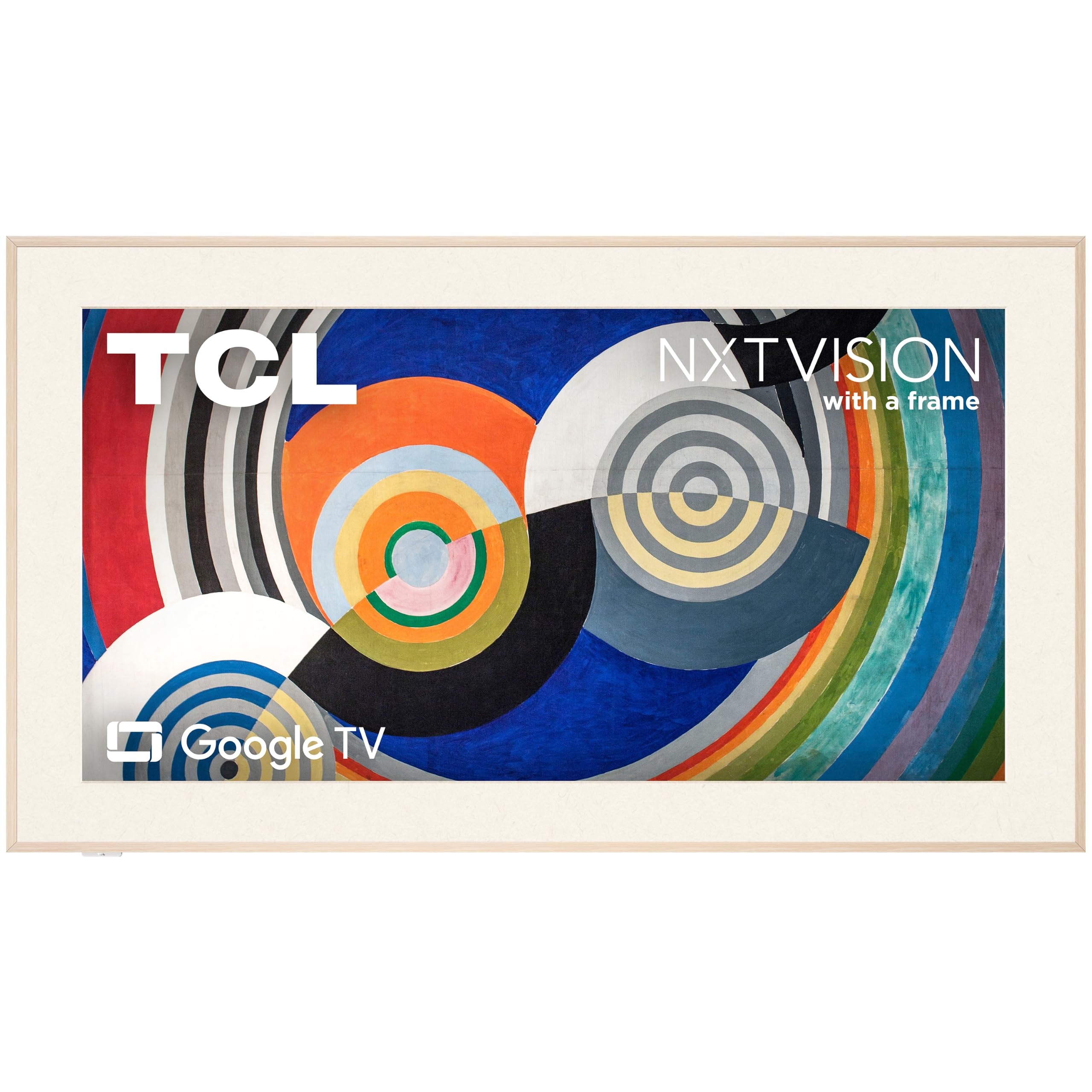
The TCL NXTVISION disguises a 120Hz QLED as a piece of wall art with a stunning matte screen. It is only 1.1 inches deep, making it much thinner than the Hisense U6 Pro, and mounts flush against the wall.
This is a beautifully different take on a big-screen TV. At just 1.1 inches deep, it is one of the thinnest TVs on the market and mounts completely flush against the wall using the included ultra-thin mount. The off-white bezel and included light wood magnetic frame give it the appearance of a framed painting, and the Ultra Matte Anti-Glare screen eliminates reflections so effectively that it genuinely looks like a canvas print rather than a television. It has a curated Art Library and AI Art capability, and you can upload your own photos or choose different matte options for the frame. Buyers call it “the ultimate ‘The Frame’ alternative at a fraction of the cost.”
Under the art disguise, it is a solid performer. The QLED panel delivers a 120Hz refresh rate, which is great for smooth motion in movies and casual sports viewing. It supports Dolby Atmos audio, and the sound is described as “clear” but lacking auto-balance – action scenes can be jarringly louder than dialogue. The Google TV interface is intuitive and supports Apple AirPlay. The main trade-off is that the picture quality, while good, is not at the level of the high-end Mini-LED TVs on this list. Additionally, the flush mount requires precise wiring placement before installation, which might be a challenge for a DIY setup.
The Unique Appeal
- Ultra-thin 1.1-inch profile with flush wall mount for a smooth art look.
- Ultra Matte Anti-Glare screen eliminates reflections, looking like real canvas.
- Includes light wood magnetic frame and curated art library.
- 120Hz refresh rate supports smooth motion for movies and sports.
Keep in Mind
- Picture quality is good but not OLED or premium Mini-LED level.
- Flush wall mount requires careful pre-planning of cable placement.
- Sound lacks auto-balance; action scenes can feel too loud relative to dialogue.
Perfect for: Someone who wants a TV that does not look like a TV when turned off. It is ideal for a living room or bedroom where design and a clean wall aesthetic are as important as the viewing experience.
Skip if: Absolute picture contrast and brightness are your top priorities. A Mini-LED model like the Hisense U6 Pro or Roku Pro Series will give you a more dramatic image for movies.
8. TCL 75 Inch QM64L Series QD-Mini LED
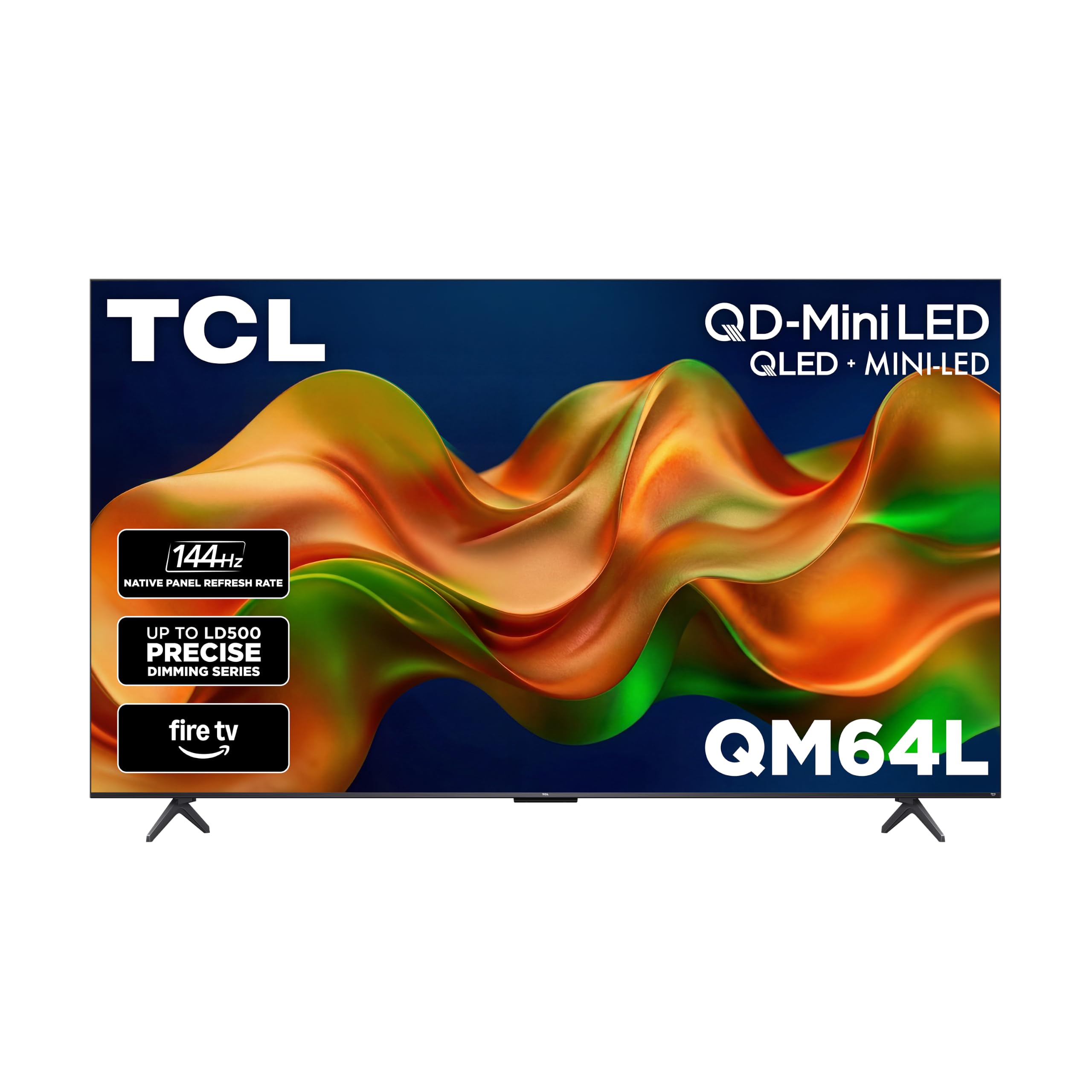
The TCL QM64L brings QD-Mini-LED brightness and a 144Hz panel to a more accessible price point. It is the cheapest way to get a 144Hz Mini-LED panel, but the Fire TV software is more buggy than on the Hisense U6 Pro.
This is the entry-level gateway into TCL’s high-performance Mini-LED lineup. It uses QD-Mini-LED technology and the TCL Halo Control System, which includes a suite of technologies like a Super High Energy LED Microchip and a High Contrast HVA Panel to produce deep blacks and bright, “halo-free” images. The High Brightness Pro feature ensures it holds up well in a bright room. With a 144Hz native refresh rate, it is as capable for gaming as TVs costing significantly more – reviewers point out that the “picture is sharp, colors look vibrant, and the overall viewing experience is excellent” for the price.
The biggest complaint across reviews is the Fire TV operating system. One detailed review calls it “terrible,” citing issues where “pauses cause shutdown after 1 min,” the optical audio output volume is not controlled by the TV remote, and apps sometimes struggle to load. Another verified report of “1/4 th of the screen pixels broken upon delivery” is a serious quality control flag. If you can tolerate the software quirks and get a unit without defects, the hardware – the QD-Mini-LED panel and 144Hz speed – offers tremendous bang-for-buck that is tough to top.
Hardware Wins
- QD-Mini-LED with Halo Control System for high contrast and brightness.
- 144Hz native refresh rate is excellent for both gaming and sports.
- High Brightness Pro ensures good performance in well-lit rooms.
- Outstanding value for a Mini-LED TV at this size and price.
Software and Quality Flags
- Fire TV OS has significant bugs: pauses cause shutdowns, audio sync issues.
- Optical audio output volume is not controlled by the TV remote.
- At least one report of a defective panel on delivery (broken pixels).
Ideal for: A budget-conscious buyer who wants the best possible hardware specs – Mini-LED and 144Hz – and is willing to put up with the Fire TV OS quirks or use an external streaming device like a Roku stick.
Steer clear if: You want a reliable, low-maintenance smart TV experience from the start. The software issues and quality control risk make this a higher-variance pick than the Roku Plus Series at a similar value.
Understanding the Specs
Mini-LED vs Standard QLED
You will see both “QLED” and “Mini-LED” used often, and they are not the same thing. QLED is the color technology – it uses a layer of quantum dots (tiny crystals) between the backlight and the screen to create brighter, more vibrant colors than a standard LED TV. Mini-LED is the backlight technology – instead of a few dozen large LEDs, it uses thousands of tiny LEDs packed closely together. This allows the TV to dim very small areas of the screen independently, creating deep, inky blacks right next to bright highlights with no “blooming” (a hazy glow around bright objects). The best TVs on this list combine both: QLED for color and Mini-LED for contrast.
Native Refresh Rate: 60Hz vs 120Hz vs 144Hz
The refresh rate tells you how many times per second the TV draws a new image. A 60Hz panel is standard and works fine for news, dramas, and most streaming content. A 120Hz panel doubles that smoothness, making fast camera pans in movies and live sports look much clearer. A 144Hz panel is even smoother and is the preferred standard for PC gaming, as it matches the output of many gaming monitors. If you play first-person shooters, racing games, or watch a lot of sports on live TV, a 120Hz or 144Hz native panel will make a noticeable difference. Be cautious of “motion rate” or “effective” refresh rate numbers – those are marketing terms. Only “native” refresh rate counts.
FAQ
Is a 75-inch TV the same as a 70-inch TV?
Does a higher refresh rate make a difference for watching movies?
Can I use a Fire TV without an Amazon account?
What is the difference between Dolby Vision and HDR10+?
How important is a local dimming zone count?
Will a 75-inch TV fit in my living room?
Is it worth paying more for anti-glare?
Do I need to buy a soundbar with these TVs?
Final Thoughts: The Verdict
For most people, the best 70 inch qled tv to buy is the Roku Pro Series 75″ because it combines excellent Mini-LED contrast, a smooth 120Hz panel, and the simplest, fastest smart TV interface on the market. If you want the absolute highest contrast with over 2,000 local dimming zones for a true cinema experience, get the TCL QM7L 75″. And for the best value that still packs a 144Hz panel and strong anti-glare, the Hisense U6 Pro 75″ is the smartest money you can spend.
How We Picked
We do not accept paid placement. Every pick is matched to a real buyer and a real use-case; we do not hands-on test units.
Sources & Methodology
Specifications: manufacturer listings and product documentation. Review insights: verified customer reviews, as of July 2026. Pricing: not shown on this page (it changes often); check the current price via the retailer link.
As an Amazon Associate, Gadgets Feed earns from qualifying purchases. This does not affect which products we feature.