
Our readers keep the lights on and my morning glass full of iced black tea. As an Amazon Associate, I earn from qualifying purchases.
Specs are compiled from manufacturer listings and verified buyer reviews and can change over time — please confirm the key details on the product page before buying.
The moment you decide to start running, the first real gear decision hits you: what shoe keeps you moving without pain, blisters, or regret after just one week? Plenty of new runners end up sidelined by shoes that are too stiff, too narrow, or too expensive for a hobby they are still testing. This guide cuts through the noise so you know exactly which pair fits your foot type, your budget, and your very first mile.
I’m Min — the founder and writer behind Gadgets Feed. This guide is built by comparing the manufacturers’ published specifications and the patterns across verified customer reviews, so you get each pick’s real strengths and trade-offs instead of marketing spin.
Whether you are jogging daily or training for your first 5K, the right pair of beginner running shoes will protect your joints and keep you coming back for more.
Our Picks at a Glance
How To Choose The Best Beginner Running Shoes
Picking your first real running shoe is simpler than brands make it sound. You need three things: the right cushioning level, a fit that does not pinch your toes, and an outsole that grips the surfaces you actually run on. Start here.
Understand Pronation and Neutral Support
Pronation is the natural inward roll of your foot as you land. Most beginner runners have neutral pronation — your foot rolls just enough to absorb shock without flattening out. A neutral shoe (like every pick in this list) gives you a balance of flexibility and cushioning so your arch is supported but your stride is not forced into a corrective position. Unless a doctor told you otherwise, neutral is your lane.
Match the Weight and Heel Drop to Your Body
A lighter shoe (under about 10 oz) feels less clunky on faster days, while a shoe around 10-11 oz gives more structure for longer efforts. The heel drop — the difference in height between the heel and the toe — changes how your calf and Achilles engage. A 10mm drop (common on many beginner shoes) tilts you slightly forward so you land on your heel first, which most new runners find natural. A lower drop (6-8mm) shifts load toward your midfoot and demands more ankle flexibility. Start with 10mm and adapt from there.
Quick Comparison
| Model | Best For | Weight | Heel Drop | Support Type | Amazon |
|---|---|---|---|---|---|
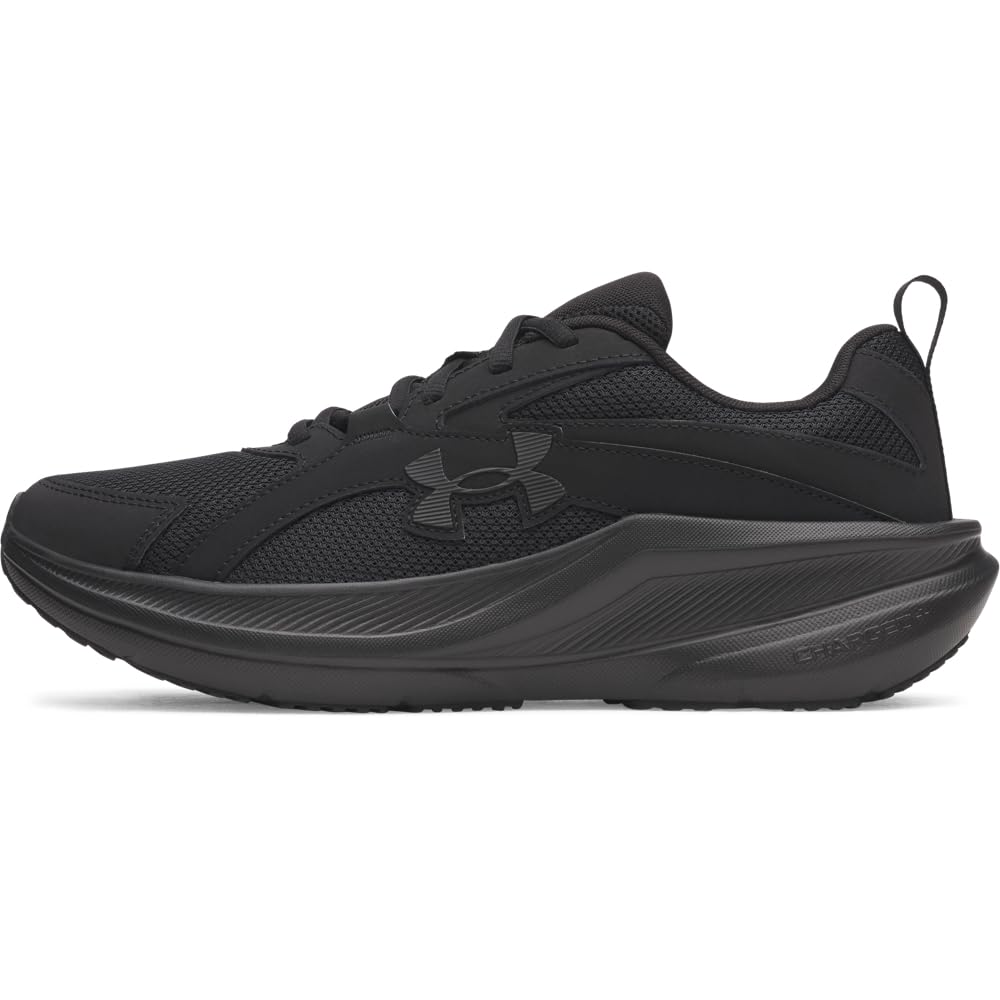
| Under Armour Charged+ Assert 11★ Best Overall | Budget-friendly walking & jogging | 10.2 oz | — | Neutral | Amazon |
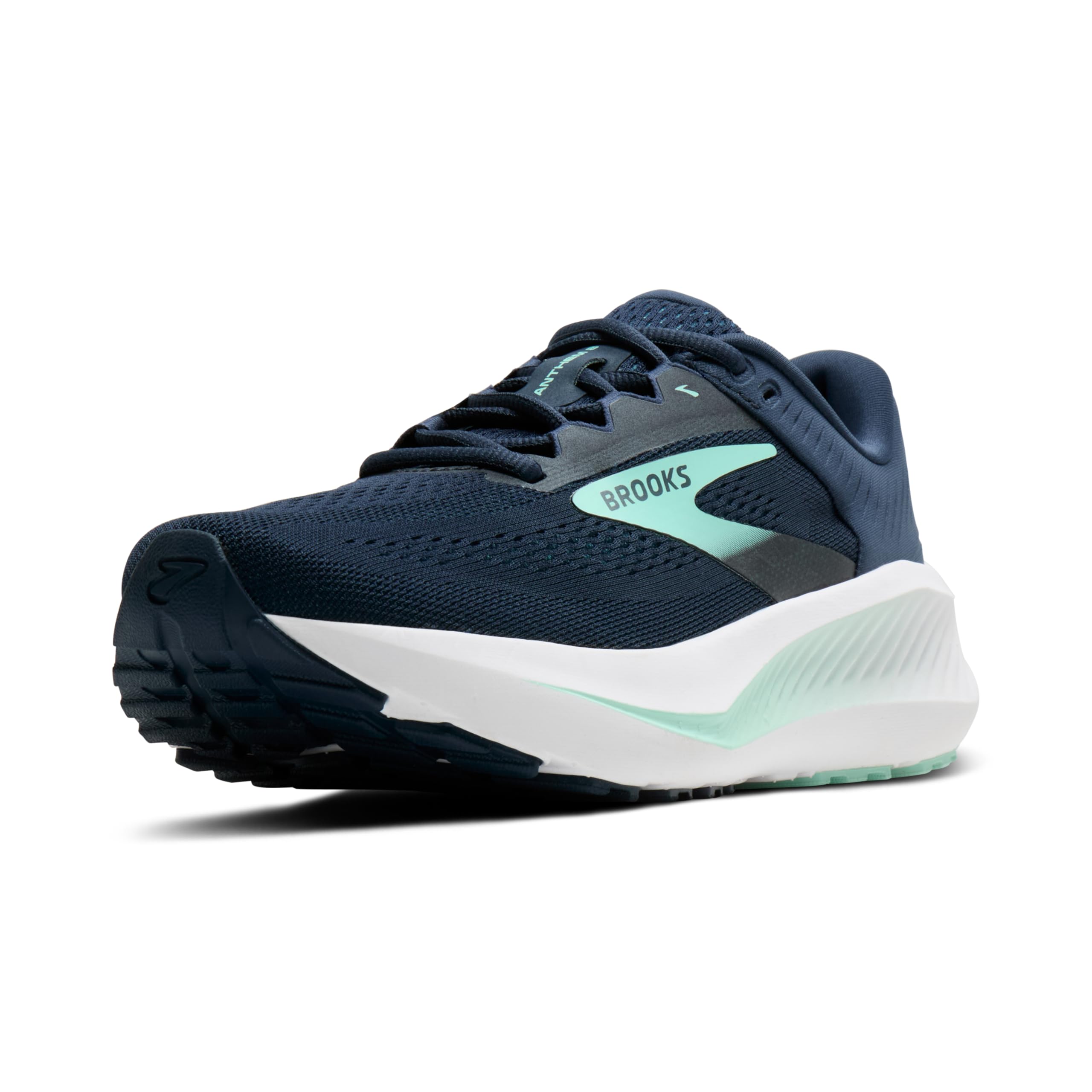
| Brooks Women’s Anthem 8Also Great | Daily road runs & first 5Ks | 8.8 oz / 249.5g | 10mm | Neutral | Amazon |
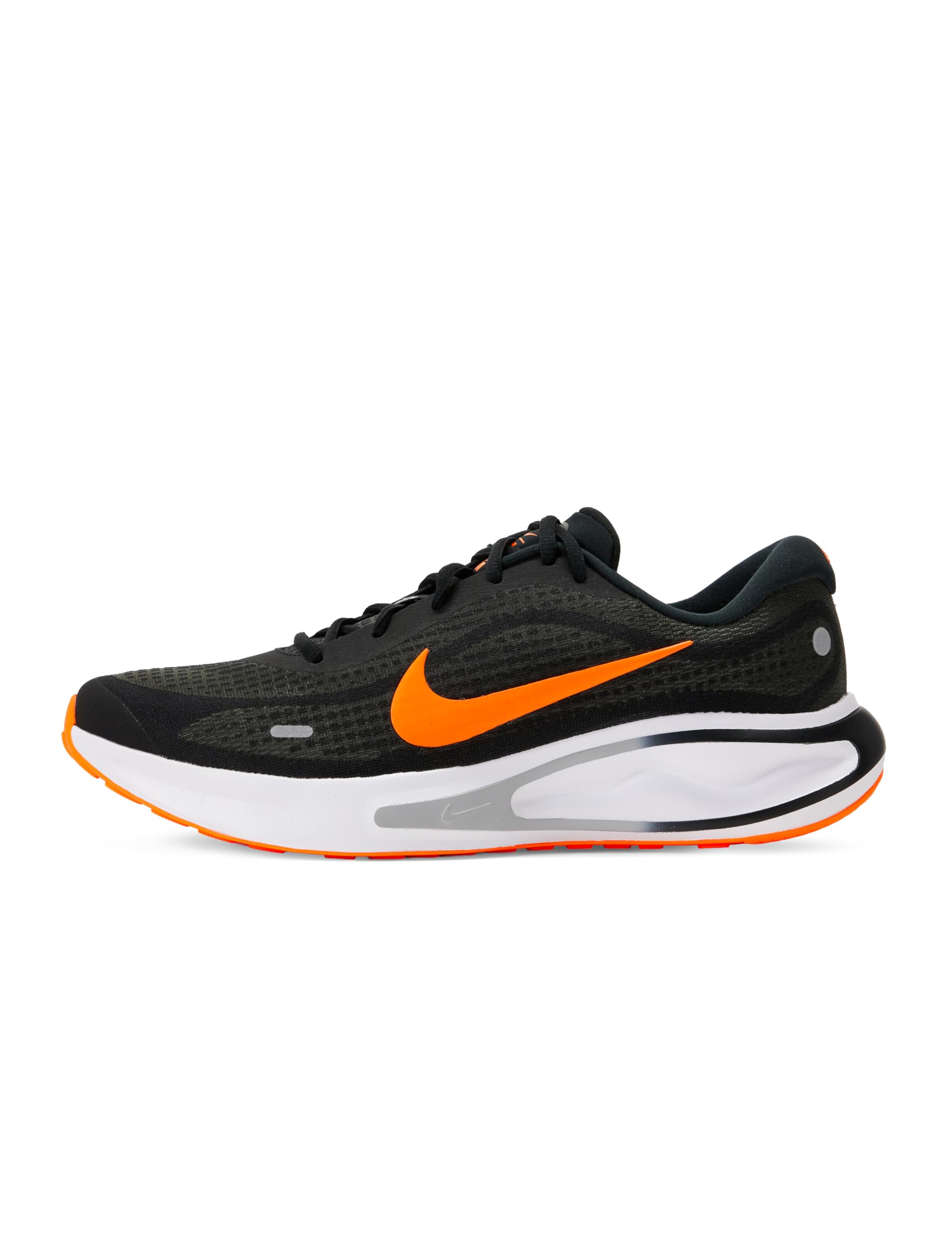
| Nike Men’s Journey Run | Versatile short runs & gym | — | — | Neutral | Amazon |
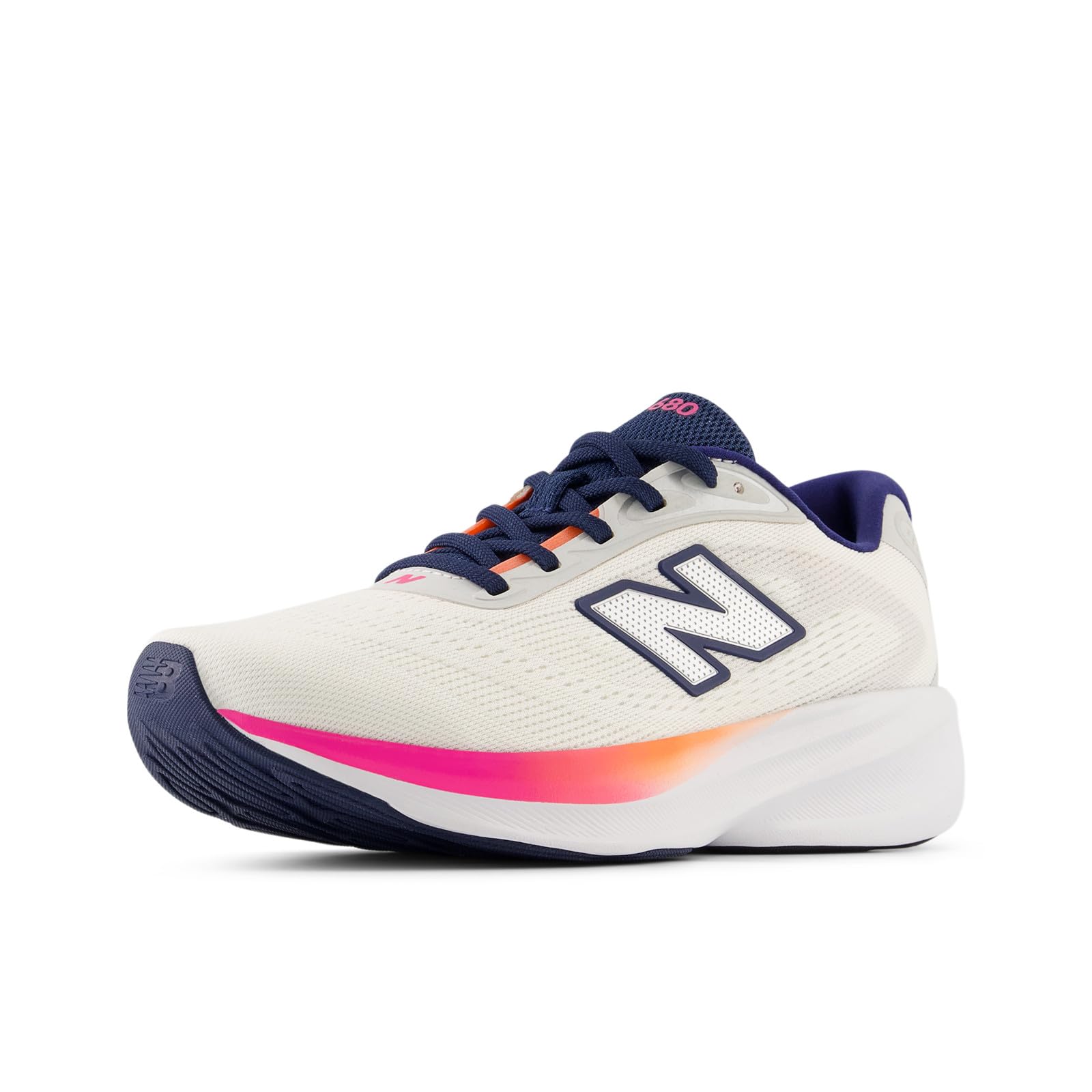
| New Balance Fresh Foam 680 v9 | Treadmill & daily walking | — | — | Neutral | Amazon |
| ASICS Gel-Venture 11 | Trail & light off-road hikes | 1.44 Pounds | — | Neutral | Amazon |
| adidas Duramo Speed 2 | Light-speed track & road training | 2.43 Pounds | — | Neutral | Amazon |
In‑Depth Reviews
1. Under Armour Men’s Charged+ Assert 11 Running Shoes
Our pick — over 4.5★ from 950+ verified ratings; the strongest balance of quality and price.
A wallet-friendly neutral trainer that out-comforts shoes costing twice as much.
The Charged+ Assert 11 proves you do not need to spend big to start running right. The Charged+ midsole delivers soft cushioning that buyers describe as “walking on clouds,” and the athletic mesh upper with leather overlays adds structure without stiffening the fit. At 10.2 oz it sits on the heavier side of this list, but the plush feel compensates — one 76-year-old reviewer who walks miles nightly on graveyard shift chose these over Skechers, New Balance, and HOKA for comfort.
The honest trade-off: shoppers say the outsole gets slippery on wet surfaces. One reviewer wrote, “anytime there’s water under foot I have to be careful because it could turn into an ice skating rink.” If your runs happen in rain or on dewy morning grass, consider swapping to a shoe with a grippier rubber compound. That one caveat aside, the Assert 11 is a fantastic entry point for someone testing whether running sticks.
Where it shines:
- Incredible plush comfort straight from the start — zero break-in needed
- Contains at least 30% recycled content in the upper
- Very wallet-friendly entry to a trusted brand
Know this:
- Outsole loses grip on wet surfaces — avoid slick pavements and puddles
- Smaller toe box runs narrow for some foot shapes
Best for: dry-weather runners on a strict budget who want maximum cloud-like cushion per dollar.
Pass if: you regularly run on wet roads, uneven trails, or need a spacious toe box.
2. Brooks Women’s Anthem 8 Neutral Running Shoe
A featherlight 8.8 oz daily trainer that disappears on your foot from the very first run.
The Brooks Anthem 8 nails the brief for a beginner: a balanced, soft, and dynamic cushion that makes pavement feel forgiving without being mushy. The 10mm heel drop (the height difference from heel to toe) tilts your body into a natural heel-strike stride that most new runners find instinctive. At just 8.8 oz (249.5g), it is lighter than many competitors — you feel less effort lifting your leg lap after lap.
Buyers report it fits true to size with a spacious toe box that allows toes to splay naturally on impact. One reviewer who walks 2 miles daily on a steep incline called them a “standout for arch support and breathability” for arch support and breathability. That said, the Anthem 8 is a dedicated road shoe — the outsole lacks the deep lugs you would want for loose gravel or muddy trails.
Unlike the ASICS Gel-Venture 11 below, which weighs just 1.44 pounds but leans toward trail use with a molded rubber outsole, the Anthem 8 is purpose-built for mid-range road runners who want a single shoe for both daily jogs and their first organized race.
Road-first runner’s pick: If you are logging 95% of your miles on pavement, this shoe’s balanced cushion and light weight make every step easy and comfortable.
Reach for it if: you want a dedicated road trainer that disappears under your foot and breathes through warm weather runs.
Look elsewhere if: your route mixes crushed stone, loose dirt, or grass — you will want a trail-specific outsole.
3. Nike Men’s Journey Run Road Running Shoes
The do-it-all sneaker that bridges your morning run and the gym floor without missing a step.
The Nike Journey Run covers more ground than a typical beginner shoe. The engineered mesh upper wraps your foot securely without pinching, and the extra cushion in the heel and soft tongue make every landing feel planted. The rubber outsole adds grippy traction across wet pavement and gym surfaces — reviewers specifically call out solid grip on wet roads as a standout feature.
Owners mention that the shoe runs physically larger than other Nike size 11s, so if you ride the line between two sizes, you may want to size down. One female reviewer sized down and called the fit “perfect.” The upper earns consistent praise for its breathable, soft Flyknit-like feel. At this price point, the Journey Run competes well against the adidas Duramo Speed 2, though the adidas weighs 2.43 pounds — noticeably more on foot — and leans toward track workouts, while the Nike stays versatile for everyday wear.
What works:
- Plush cushioning and soft tongue for long, comfortable miles
- Grippy traction holds well on wet surfaces
- Engineered mesh upper feels secure and breathable
Check before buying:
- Runs physically large — sizing down may be necessary
- May feel too wide for narrow-footed runners
Best for: runners who want one pair that transitions from a short daily run to gym workouts to casual wear.
Not for: anyone with narrow feet who needs a snug, form-fitting heel pocket.
4. New Balance Women’s Fresh Foam 680 v9 Running Shoe
A cloud-like Fresh Foam midsole that makes treadmill miles feel shorter and easier.
The Fresh Foam 680 v9 serves the runner who values softness above everything else. The Fresh Foam midsole delivers incredibly plush underfoot comfort, and the breathable mesh upper keeps your feet ventilated during longer sessions. Customers note the shoe is “lightweight” and a favorite for treadmill use — a perfect match if you are building base fitness indoors.
Reviewers with high arches specifically call out that these sneakers hit the arch in the right spot without feeling off-balance, which is a common pain point for beginners. Another buyer noted the shoes wash well — a throw-in-the-washer detail that keeps them fresh through heavy rotation. The 680 v9 is lighter and airier than the Under Armour Charged+ Assert 11 (which weighs 10.2 oz), giving it an edge for faster-paced indoor work.
High-arch helper: If your arch feels unsupported in most sneakers, the Fresh Foam 680 v9 hits the right spot — buyers with high arches confirmed this is the pair that finally worked.
Grab this if: you run mostly on a treadmill or well-groomed paths and want soft, lightweight comfort straight from the start.
Pass if: you need a structured stability shoe — this is a neutral trainer with no extra medial support.
5. ASICS Men’s Gel-Venture 11 Trail Running Shoes
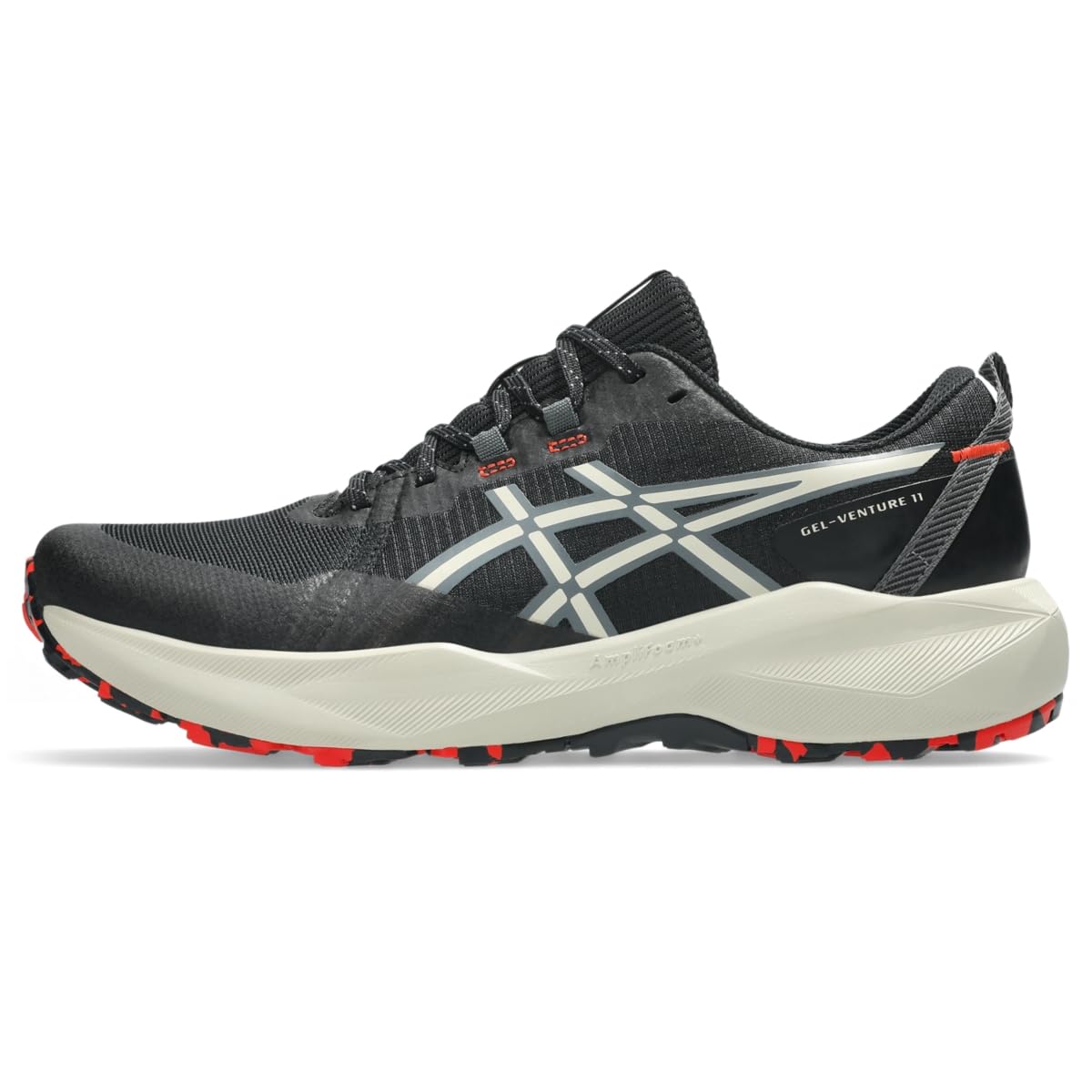
A 1.44-pound trail-capable shoe that still feels light enough for everyday pavement miles.
The Gel-Venture 11 earns its place with versatility. At just 1.44 pounds, it is the lightest product in this list by a clear margin — over a full pound lighter than the adidas Duramo Speed 2 (which weighs 2.43 pounds). The AMPLIFOAM PLUS midsole, paired with a 2mm higher stack height than the previous model, delivers better impact absorption for both trail and road. Rearfoot GEL technology (a shock-absorbing gel pad in the heel) cushions every landing without adding bulk.
Reviewers point out that the Gel-Venture lasts longer than other trail shoe brands, and one long-time ASICS fan noted this new model is “extremely comfortable and very nice looking.” The molded rubber outsole offers deep traction, while the OrthoLite Hybrid Max Lite sockliner wicks moisture and keeps your feet dry. Unlike the Brooks Anthem 8 above, which is road-only, the Gel-Venture 11 handles gravel, packed dirt, and wet grass with confidence.
Lightest in the lineup: At 1.44 pounds and with a generous toe box, this is the shoe to pick if you split your running between paved paths and low-key trails.
Reach for this if: your running route includes any unpaved surface — you get trail-grade traction in a shoe that still feels light on pavement.
Skip if: you only run on smooth, dry roads and prefer a plusher, road-specific midsole.
6. adidas Duramo Speed 2 Running Sneakers Shoes – White
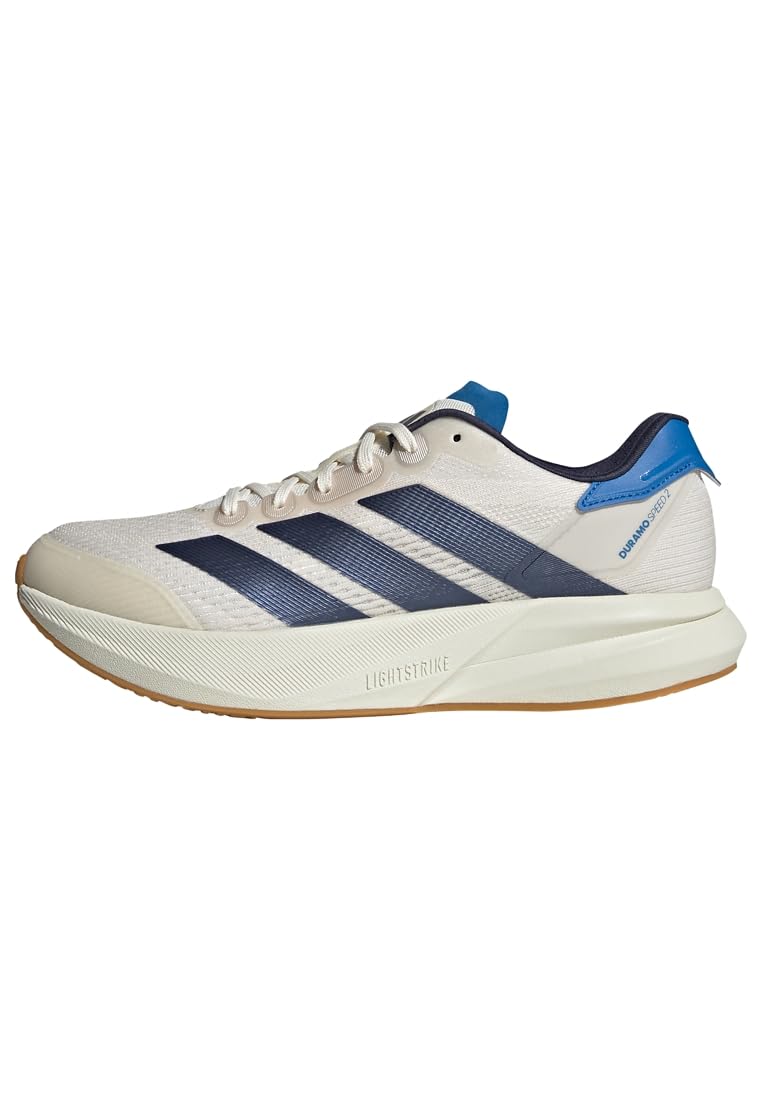
A responsive road trainer that younger runners and track athletes love right from the start.
The Duramo Speed 2 focuses on speed. Lightstrike cushioning provides a responsive, bouncy feel rather than a sinking plushness — you push off faster with each stride. The TPU outsole grabs asphalt and track surfaces securely, and the engineered mesh upper breathes well enough to keep hot feet cool on warm runs. One reviewer noted their 12-year-old son “loves them” after four weeks on the track team, calling the fit secure with a glove-like feel around the midfoot.
At 2.43 pounds, this is the heaviest single shoe in the lineup — nearly double the weight of the ASICS Gel-Venture 11 (1.44 pounds). The weight comes from the denser Lightstrike foam and the full TPU outsole, which trade off some lightness for durability. If you are a lightweight runner or a serious speed-work athlete, the cushioning reward offsets the heft. The shoe also features at least 20% recycled materials, which reduces its environmental footprint without sacrificing structure.
Glove-like fit for speed work: Buyers call the midfoot lockdown “secure” and note zero break-in period — slip them on and hit an interval workout immediately.
Great for: track team members, young runners, and anyone who prefers a responsive, bouncy ride over a plush cloud feel.
Not for: runners looking for the lightest possible shoe — at 2.43 pounds it is the heaviest pick here by a wide margin.
Understanding the Specs
Heel Drop (mm)
The heel drop is the difference in height between the heel cushion and the forefoot cushion. A 10mm drop encourages a heel-first landing, which feels natural for most beginner runners — your calf muscle and Achilles tendon are less stressed than they would be with a 0-4mm drop. If you have tight calves or a history of plantar fasciitis, a higher drop (8-12mm) is usually the safer starting point. Lower drops (4-6mm) shift load toward your midfoot and require more mobility.
Neutral Support
Neutral means the shoe has no extra medial post or rigid arch guide. It lets your foot move through its natural gait cycle without forcing it into a corrected position. Nearly all beginner running shoes are neutral because most runners do not need stability features unless a doctor or gait analysis flagged overpronation (when your foot rolls inward too far). If you are just starting out, neutral is usually the right lane.
FAQ
Should a beginner buy neutral or stability running shoes?
What heel drop is best for a first-time runner?
How much should I spend on my first pair of running shoes?
Can I use trail running shoes for road running?
How do I know if a shoe fits my foot width?
Are heavier running shoes worse for beginners?
How often should I replace beginner running shoes?
Do I need a special shoe for treadmill running?
Can I wear beginner running shoes for walking all day?
Final Thoughts: The Verdict
For most buyers, the beginner running shoes winner is the Brooks Women’s Anthem 8 because it combines the lightest weight in this list (8.8 oz) with a balanced, soft midsole and a 10mm drop that keeps new runners comfortable. If you want a versatile shoe that handles both pavement and the gym, grab the Nike Men’s Journey Run. And for beginner runners who want trail capability without sacrificing road comfort, the standout is the ASICS Gel-Venture 11 at just 1.44 pounds.
How We Picked
We do not accept paid placement. Every pick is matched to a real buyer and a real use-case; we do not hands-on test units.
Sources & Methodology
Specifications: manufacturer listings and product documentation. Review insights: verified customer reviews, as of July 2026. Pricing: not shown on this page (it changes often); check the current price via the retailer link.
As an Amazon Associate, Gadgets Feed earns from qualifying purchases. This does not affect which products we feature.