
Our readers keep the lights on and my morning glass full of iced black tea. As an Amazon Associate, I earn from qualifying purchases.
Specs are compiled from manufacturer listings and verified buyer reviews and can change over time — please confirm the key details on the product page before buying.
You manage land for deer, so you know the problem: you plant an apple tree, protect it like a baby, and a buck walks up and nibbles it down to a twig overnight. The right apple tree bounces back from deer pressure and produces for years; the wrong one dies in a single season. This guide prioritizes deer-surviving varieties over flavor, with trade-offs based on grower experience and customer reports.
I’m Min — the founder and writer behind Gadgets Feed. This guide is built by comparing the manufacturers’ published specifications and the patterns across verified customer reviews, so you get each pick’s real strengths and trade-offs instead of marketing spin.
Whether you are planting a dedicated food plot or adding a few trees along a timber line, finding the right apple trees for deer depends on matching chill hours, mature height, and deer resilience to your exact zone and soil conditions.
Our Picks at a Glance

How To Choose The Best Apple Trees For Deer
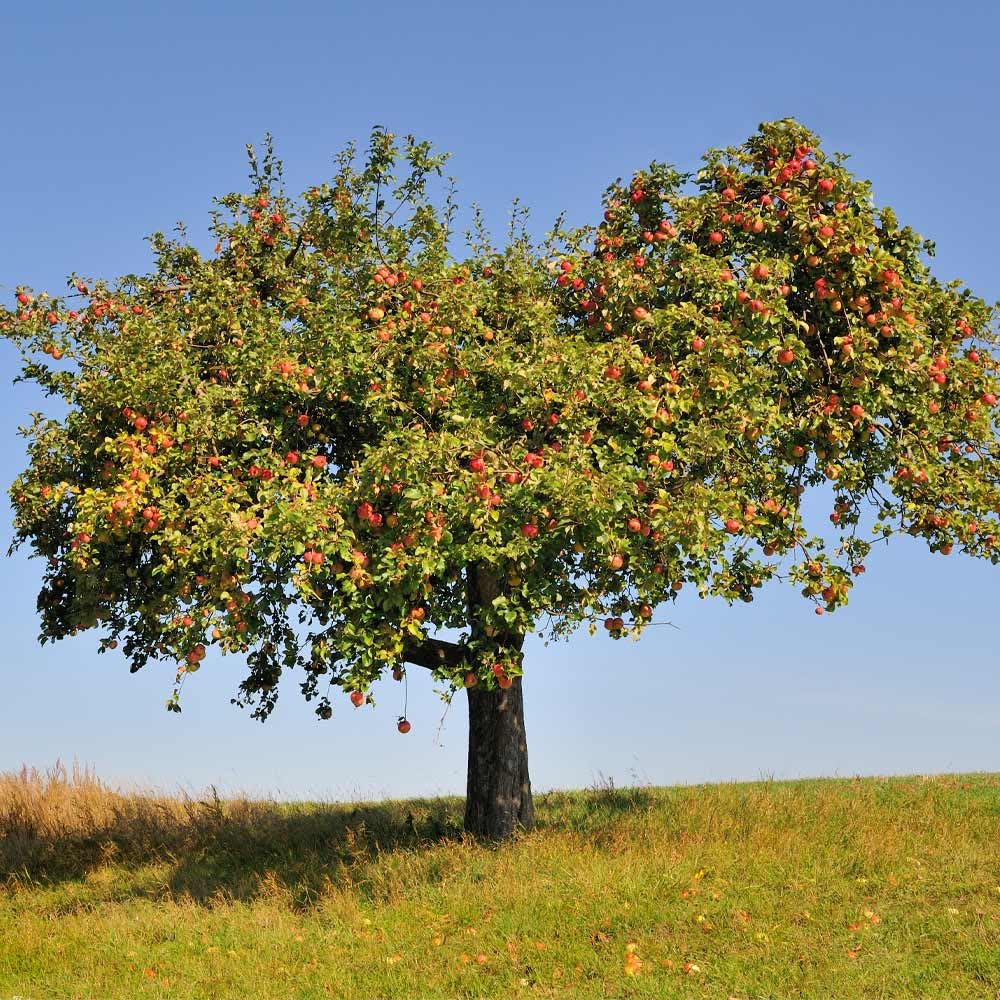
Planting apple trees for deer differs from planting for your kitchen. You are not after perfect blemish-free fruit — you want heavy annual crops, reliable hardiness, and a tree that survives when a deer chews a few branches. Three specs separate a good deer-tree from a disappointing one.
Chill Hour Requirement
An apple tree needs a certain number of hours below 45°F each winter (chill hours) to break dormancy and bloom evenly. Low-chill varieties like Anna Apple thrive in the South with just 200-400 hours, while Honeycrisp needs 800-1,000 hours. Plant the wrong chill range and you get spotty blooms or no fruit at all — and deer don’t care about empty trees.
Mature Height and Rootstock
Deer eat what they can reach. A standard rootstock that tops out at 25 feet (like the Red Delicious or McIntosh) pushes fruit higher than deer can browse, while a semi-dwarf keeps more fruit on lower limbs where deer can stand. For food plots, taller trees with high-branching habits beat short trees for long-term survivability.
Deer Browsing Resilience
No apple tree is deer-proof, but some bounce back faster. A fast-growing variety like Red Delicious or Granny Smith can send up new shoots after being chewed. Slower growers or weak-rooted trees often die. Customer reports confirm that fast-growing trees survive deer nibbles while slower ones die.
Quick Comparison
| Model | Best For | Mature Height | USDA Zones | Chill Requirement | Amazon |
|---|---|---|---|---|---|
| Brighter Blooms Honeycrisp★ Best Overall | Cold-climate food plots | 12-20 ft | 3-7 | High (800-1,000 hrs) | Amazon |
| Red Delicious (Simpson Nursery)Fast Recovery | Fast recovery from deer damage | 20 ft | 4-8 | Moderate | Amazon |
| Anna Apple (Simpson Nursery) | Southern/low-chill zones | 25 ft | 6-9 | Low (200-400 hrs) | Amazon |
| DAS Farms Fuji | Bare-root budget planting | 15-20 ft | 4-8 | Moderate | Amazon |
| DAS Farms Granny Smith | Vigorous semi-dwarf growth | 12-15 ft | 4-8 | Moderate | Amazon |
| APEX Red Delicious | Established, high-yield trees | 12-15 ft | 4-8 | Moderate | Amazon |
| McIntosh (Simpson Nursery) | Premier-size, fast-fruiting trees | 25 ft | 3-8 | High (800-1,000 hrs) | Amazon |
In‑Depth Reviews
1. Brighter Blooms – Honeycrisp™ Apple Tree, 3-4 ft.
Our pick — over 4★ from 200+ verified ratings; the strongest balance of quality and price.
The dessert apple that keeps producing through brutal northern winters.
For a food plot in the northern states, cold hardiness matters more than anything else. This Honeycrisp handles winter lows down to -30°F — cold enough for Zone 3 — and still produces that famous crunchy, sweet fruit. Unlike the lower-end trees on this list that top out in Zone 4, this is the one that survives where winter hits hardest.
That said, Honeycrisp is not a low-chill tree. It needs 800-1,000 chill hours (hours below 45°F each winter) to set fruit, so skip it for the Deep South. Buyers report that the tree ships dormant and often arrives as a stick — but one reviewer noted theirs “already has leaf buds popping up” just days after planting. Note the shipping restriction: no sales to AZ, CA, HI, ID, OR, or WA. With its 4.2-star rating from 232 reviews, this is the best-documented tree on the list: most complaints are about early dormancy appearance, not the tree’s health once established.
Keep in mind that Honeycrisp is not self-pollinating. You will need a second apple variety nearby — many buyers pair it with a Red Delicious for that purpose, just as one buyer mentioned adding “4-5ft Honeycrisp and Red Delicious for pollination.”
Northern survivor: If you need a cold-hardy fruit tree that withstands subzero winters and produces premium eating apples, this is your pick. skip it if you are in the South or only have room for a single self-pollinating tree.
Reach for this if: You live in Zone 3-6, want the best-tasting apple for deer (and yourself), and have a second tree for pollination.
Look elsewhere if: You need a low-chill variety for the South, or you want to avoid the higher upfront cost of a 3-4 ft tree.
2. Red Delicious Apple Tree, Deciduous, Fruit Bearing, Fast Growing, 1 gal
The proven survivor that bounces back after deer browse it to the nub.
Here is the honest trade-off deer managers face: trees get eaten. This Red Delicious is the one that keeps going. One owner reported their tree was “still alive and really starting to take off even after becoming a nibble snack for deer’s” — a direct quote that sums up its resilience. The tree matures at 20 feet, pushing fruit higher than deer can reach once established, and its late-spring bloom timing avoids the early frosts that ruin other apple crops. That makes it more reliable year after year in unpredictable spring weather.
At 5 pounds shipped in a 1-gallon nursery pot, this is a light, manageable tree for anyone planting multiple specimens. The 4.3-star rating across 77 reviews is the highest average on this list, and it suits USDA Zones 4-8 — the widest useful range of any pick here. One caution: multiple buyers noted that young trees need protection from deer until the trunk thickens. This tree can survive a nibble, but it cannot survive being stripped bare as a sapling overnight.
Compared to the Honeycrisp above, this Red Delicious grows faster and hits 20 feet versus the Honeycrisp’s 12-20 foot range, giving you more vertical coverage sooner. It also costs less, making it a smart option for planting several trees in a food plot on a budget.
Resilience champ: Best choice for properties where you cannot fence every tree — this variety has the customer-verified track record of coming back from deer damage.
Best for: Large food plots where some deer browsing is inevitable and you need a fast-growing, frost-tolerant variety.
Skip if: You want a premium eating apple for your own table, or you are in Zone 3 or 9 outside its hardiness range.
3. Generic Anna Apple Tree, Low Chill, Deciduous, Fruit Bearing, 1 gal

The low-chill workhorse for southern food plots that need a tall canopy.
Most apple trees fail in the South because they need more winter cold than the region provides. The Anna Apple solves that with a low chill requirement of 200-400 hours, cropping reliably in Zones 6-9 (including the warmest parts of that range). At 25 feet tall, it is tied for the tallest tree on this list alongside the McIntosh — so once it is established, deer can only reach the lowest branches. The fruit stores 6-8 weeks in refrigeration, which matters if you plan to hold deer on your property into late season.
But the Anna Apple has a split reputation. It earned a 4.1-star average from 43 reviews, but one verified buyer gave it 1 star, reporting: “I bought four of these trees and one died almost immediately. They offer no refund or replacement.” That complaint — “striplings at best” — suggests the shipped size is smaller than the product photos imply. If you order this one, be ready for a thin whip that needs a cage for the first year.
Still, other owners mention the opposite: “The best tree or plant I have received by mail. Truly impressed.” The variability seems tied to individual stock, not the variety itself. Compare this to the Red Delicious above — the Anna matures 5 feet taller (25 vs 20 feet), giving it a slight edge for long-term deer survival if you can get it through the first year.
Low-chill ace: If you are in the South (Zone 7-9) and have struggled to keep apple trees alive, this one matches the climate. Just cage it well the first season.
Best for: Southern deer managers who need a tall, low-chill apple tree that reaches 25 feet.
Skip if: You cannot or will not cage the tree for its first year, or you are in Zone 4 or colder.
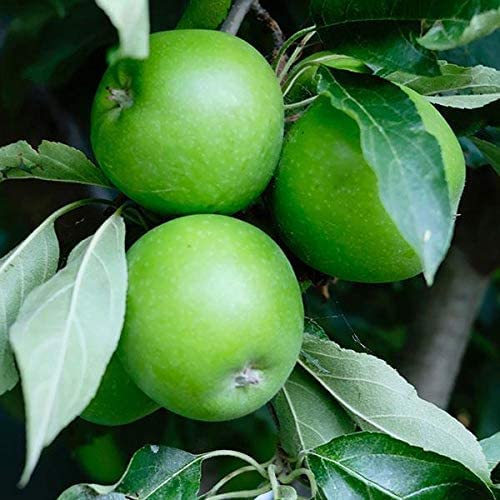
4. DAS Farms Granny Smith Apple Tree – Semi Dwarf Root Stock, 3 to 4 ft
The vigorous semi-dwarf that turns a stick into a flowering tree in weeks.
Granny Smith on semi-dwarf rootstock hits a balance: not so tall that harvesting the fruit becomes a chore, but vigorous enough to shrug off deer damage. One buyer described theirs as arriving “looking like a three foot Kong stick with roots…in a few weeks out popped the little leaves, and then the cutest white flowers.” That growth speed is exactly what you want when deer browse the lower limbs — the tree regenerates faster than the deer can keep up. It thrives in full sun across Zones 4-8, making it widely adaptable.
The tree ships in full gallon pots (not bare root) at 3-4 feet tall, giving you a head start versus the Fuji bare-root option below. With a 4.2-star rating from 53 reviews, it scores well, though one customer observed their tree “died after about 2 weeks” despite careful planting. The key with this semi-dwarf is ground planting only — do not try to grow it in a container. The included instructions emphasize this, and the 30-day transplant guarantee only applies if you follow them.
Compared to the standard rootstock Red Delicious, the Granny Smith stays shorter (12-15 ft vs 20 ft), which means more fruit within reach — but also within deer reach. Plan for a cage or trunk protector for the first two years until the bark thickens.
Vigorous grower: One of the fastest-establishing trees here, backed by a 30-day success guarantee and real customer photos of rapid leaf-out.
Best for: Mid-sized food plots where you want a manageable height and fast establishment.
Skip if: You need a tall standard rootstock to push fruit above deer reach, or you want container-grown flexibility.
5. DAS Farms Fuji Apple Tree – Live Plant Shipped 3 Feet Tall

The affordable bare-root option that comes with a solid replacement guarantee.
If you need to plant multiple apple trees for a large food plot while staying affordable, the DAS Farms Fuji is the budget-friendly entry point. It ships bare root at 3 feet tall, wrapped in moist sphagnum moss and double-boxed for safe transport. The seller backs it with a 30-day replacement guarantee if the transplant fails — provided you follow the included planting instructions. One user highlighted: “First tree underperformed; seller quickly replaced it.” That direct customer quote confirms the company stands behind its guarantee, which not every nursery on this list does (see the Anna Apple’s review about denied replacements).
The Fuji suits Zones 4-8 and needs full sun and cross-pollination — plant it near any other apple variety in the same flowering group for best results. But the 3.8-star rating from 124 reviews is the lowest average on this list, and the concerns are real: multiple buyers reported trees arriving dead or failing to bud out in spring. “This one never budded and appears to be dead also,” wrote one buyer who had already received a replacement. Budget-priced bare-root trees are a gamble: when they work, they are a steal; when they fail, you lose a season.
Compared to the potted Granny Smith above, the Fuji requires more patience — bare-root trees take longer to establish and are more vulnerable to deer browse in year one. If you can afford the step up to a potted tree, do it.
Value play: The cheapest way to plant multiple trees, with a customer-verified replacement policy that reduces the risk.
Best for: Budget-focused deer managers who are willing to accept some losses to plant more trees.
Skip if: You want a guaranteed survivor in year one, or you cannot closely monitor and water a bare-root tree through its first dry spell.
6. American Plant Exchange Live Red Delicious Apple Tree, 3-4′ Tall, 5-Gallon
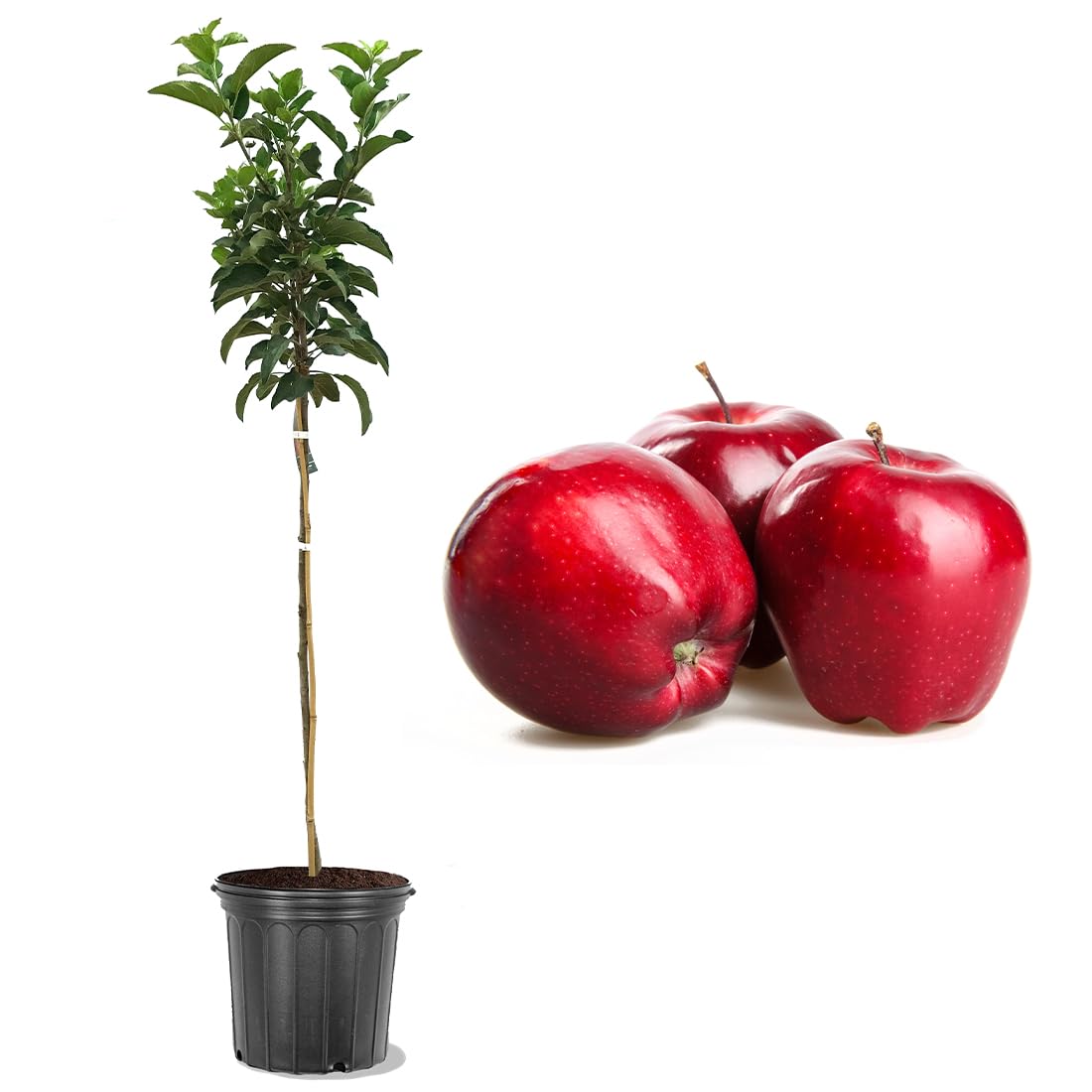
The biggest nursery pot on the list, with a claimed annual yield of 10-20 bushels.
This is not a whip or a bare-root stick. The American Plant Exchange delivers their Red Delicious in a 5-gallon pot at 3-4 feet tall, weighing 21 pounds — significantly heavier and more established than the 1-gallon Red Delicious from Simpson Nursery. The seller claims an annual yield of 10-20 bushels of crisp apples, though that figure clearly applies to a mature tree, not year one. It grows to 12-15 feet, making it shorter than the 20-foot Simpson Red Delicious, which means more fruit within reach for both you and the deer.
The 3.9-star rating from 81 reviews includes some mixed feedback. One shopper added theirs “arrived leafless and looked sad, but after planting, it outperformed other apple trees.” Another reported the tree did not survive winter: “It did not survive the winter and had blistered trunk. I probably should’ve purchased from growers with a warranty.” That last point is the catch here — American Plant Exchange does not offer the same clear replacement guarantee that DAS Farms does. If this tree fails, you are likely out the investment.
For the deer manager, the advantage is clear: starting with a 5-gallon pot gives you a tree that is thick enough to survive light deer browsing without caging, unlike the whips from Simpson Nursery or DAS Farms.
Head start: If you want the most established tree possible at planting time, this 5-gallon pot is the biggest, heaviest option available.
Best for: Hunters who want a mature-looking tree fast and are willing to pay for the nursery pot size.
Skip if: You need a warranty-backed purchase or you are on a tight budget for multiple trees.
7. McIntosh Apple Tree, Premier Size, Fruits 2 Years Faster, 7 gal. Nursery Pot
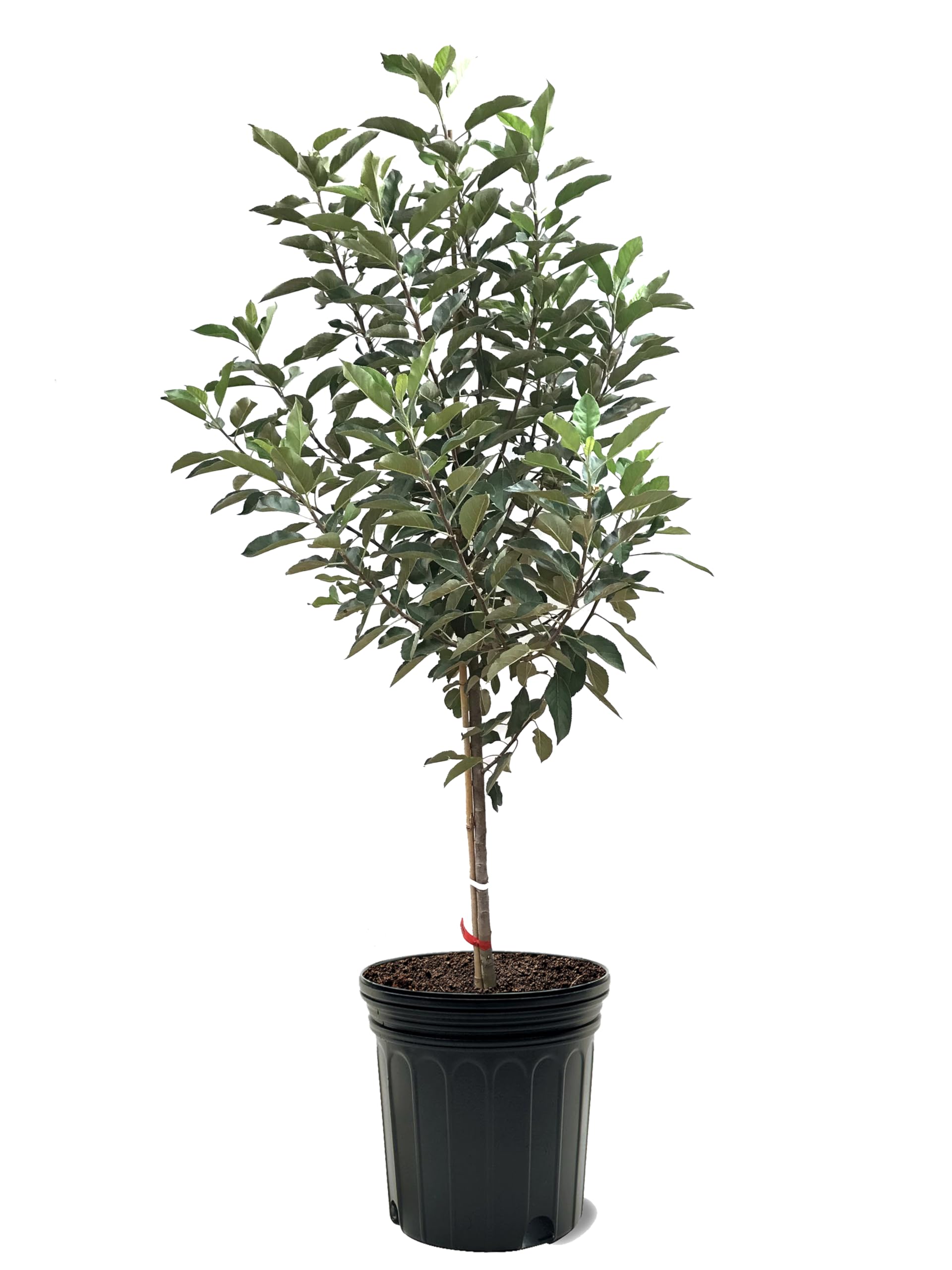
The biggest, fastest-fruiting apple tree you can order — fruits two years sooner than standard.
McIntosh is a classic northern apple with a 4.7-star rating and only 24 reviews — a small sample but a strong one. Every single verified buyer reported a healthy, vigorous tree. “Was surprised how big and lively this tree was,” said one, noting it “has grown extra leaves and branches and is very healthy.” The big selling point is the 7-gallon nursery pot: this is the largest container on the list, weighing 25 pounds, and the seller claims it fruits two years faster than standard-size trees. For a deer manager, that means you will be dropping apples for deer two seasons ahead of a 1-gallon whip.
At 25 feet tall, the McIntosh matches the Anna Apple for maximum height, putting most fruit well above deer reach once mature. It needs full sun and regular watering, and it thrives in Zones 3-8, making it the second-coldest-hardy tree here (behind the Honeycrisp’s -30°F rating). The only downside reported across those 24 reviews: one tree arrived with a broken branch. “I guess it’s the risk you usually take with shipping,” the buyer noted, and confirmed it was fine after three weeks. No customer reported a dead-on-arrival tree, which is rare in this category.
This tree cannot ship to CA, AZ, AK, or HI due to agricultural laws. If you are in the northern half of the US, the McIntosh is the fastest path to a fully productive tree.
Shortest wait: The 7-gallon size combined with faster-fruiting genetics means this tree produces apples years ahead of standard stock.
Best for: Deer managers who want results fast — the largest pot size and the shortest time to first fruit of any tree reviewed here.
Skip if: You are in the South (Zones 8-9 with low chill hours), or you need a tree that ships to restricted states.
Understanding the Specs
Chill Hours
Chill hours are the number of hours each winter when the temperature stays below 45°F. Apple trees need a specific number of these hours to break dormancy and bloom evenly in spring. Plant a high-chill variety like Honeycrisp (800-1,000 hours) in the South and it will bloom erratically or not at all. Plant a low-chill Anna (200-400 hours) up north and it will break dormancy too early and get killed by a late frost. Matching chill hours to your zone is the single most important factor in choosing a productive tree.
Mature Height and Deer Browse
Deer can reach roughly 5-6 feet off the ground when standing. A standard rootstock tree that matures at 20-25 feet keeps most of its fruit and foliage above that line. Shorter semi-dwarf trees (12-15 feet) put more food within deer reach, but they also make harvesting easier for you. The trade-off: shorter trees need more protection in the first 2-3 years. The taller the tree, the less you will need to fence or cage it once the trunk thickens and the lowest branches are above browse height.
FAQ
Can deer kill an apple tree by eating its leaves?
What is the best apple tree for deer in the South?
How many apple trees do I need for a deer food plot?
Will deer eat Granny Smith apples?
How long does it take an apple tree to produce fruit for deer?
What is the difference between bare root and potted apple trees?
Do I need to cage apple trees from deer?
Which apple tree variety is most resistant to deer damage?
What USDA zones are best for growing apple trees for deer?
Can I plant apple trees in sandy soil for deer?
Final Thoughts: The Verdict
For most deer managers, the best mix of cold hardiness, flavor, and documented survival comes from the Red Delicious Apple Tree from Simpson Nursery: it has the highest average rating (4.3 stars from 77 reviews), the most verified customer reports of surviving actual deer browsing, a fast growth rate, and a price that lets you plant multiple trees. If you want the absolute fastest path to fruit production, grab the McIntosh Apple Tree in the 7-gallon pot — it fruits two years faster than standard stock and has the best rating on the list (4.7 stars). And for southern properties where low chill hours are the limiting factor, the Anna Apple Tree stands out at 25 feet tall with a low chill requirement that keeps it productive in warm zones.
How We Picked
We do not accept paid placement. Every pick is matched to a real buyer and a real use-case; we do not hands-on test units.
Sources & Methodology
Specifications: manufacturer listings and product documentation. Review insights: verified customer reviews, as of July 2026. Pricing: not shown on this page (it changes often); check the current price via the retailer link.
As an Amazon Associate, Gadgets Feed earns from qualifying purchases. This does not affect which products we feature.