
Our readers keep the lights on and my morning glass full of iced black tea. As an Amazon Associate, I earn from qualifying purchases.
Specs are compiled from manufacturer listings and verified buyer reviews and can change over time — please confirm the key details on the product page before buying.
Picking the right pair of active shoes often means walking a tightrope between plush cushioning that feels great at the store and real-world stability that keeps you safe on wet pavement. You want something that absorbs shock during a morning run, supports your feet during a heavy squat session, and still looks clean enough for a coffee run after the gym. That balancing act is the core challenge, and this guide cuts through the noise by looking at the raw specs and genuine owner feedback that reveal which shoes actually deliver on both comfort and grip day after day.
I’m Min — the founder and writer behind Gadgets Feed. This guide is built by comparing the manufacturers’ published specifications and the patterns across verified customer reviews, so you get each pick’s real strengths and trade-offs instead of marketing spin.
Whether you’re a daily gym-goer, a weekend hiker, or someone who spends all day on their feet, finding the right pair depends on matching your routine with a shoe that handles it. Here is your complete, data-backed breakdown of the best active sports shoes on the market right now.
Our Picks at a Glance

How To Choose The Best Active Sports Shoes
Active sports shoes need to handle a mix of activities — walking, light running, gym workouts, and daily wear. The wrong pair can leave you with sore feet or, worse, a slip on a wet floor. Focus on these three factors to narrow your search fast.
Cushioning Type and Midsole Drop
The midsole is your main shock absorber. Look for foam technologies like ABZORB or Cloudfoam that balance soft landings with responsiveness. The “drop” (the height difference between heel and toe) affects your stride — a 10mm drop is standard for daily trainers, while a lower drop like 6mm encourages a more natural midfoot strike. Choose based on whether you heel-strike or forefoot-strike when you run.
Traction and Outsole Durability
A rubber outsole with flex grooves gives you grip on pavement and gym floors. Pay close attention to reviews mentioning wet-surface performance — some shoes trade grip for weight savings, which can be dangerous on slick tiles or rain-soaked sidewalks.
Fit and Weight
A shoe that weighs over 10 ounces (like the Under Armour Charged+ Assert 11 at 10.2 oz) feels heavier over a long walk but offers more stability. Lighter shoes around 8.8 oz (like the Brooks Anthem 8 at 8.8 oz) are better for speed work. Width matters too — a wider toe box accommodates foot swelling during long workouts and prevents your toes from rubbing.
Quick Comparison
| Model | Best For | Weight | Cushioning Type | Drop | Amazon |
|---|---|---|---|---|---|
| New Balance 608 V5★ Best Overall | All-day comfort & heavy use | 2.14 lbs | ABZORB heel + EVA foam | — | Amazon |
| Nike MC Trainer 3Top Performer | Cross-training & stability | — | Foam midsole | — | Amazon |
| Under Armour Project Rock 5 | Intense gym sessions | 2.09 lbs | UA performance foam | — | Amazon |
| Brooks Anthem 8 | Daily road runs | 8.8 oz / 249.5g | Balanced, soft | 10mm | Amazon |
| Nike Flex Train | Light gym & walking | — | Full-length foam | — | Amazon |
| adidas Astrastar | Versatile daily trainer | — | Cloudfoam midsole | — | Amazon |
| Under Armour Charged+ Assert 11 | Budget-friendly road running | 2.4 lbs | Charged+ midsole | — | Amazon |
In‑Depth Reviews
1. New Balance Men’s 608 V5 Casual Comfort Cross Trainer
Our pick — over 4.5★ from 90,500+ verified ratings; the strongest balance of quality and price.
The workhorse that absorbs 20,000 steps a day without breaking down for a full year.
This shoe earns the top spot because it delivers exactly what active feet need most: reliable cushioning you can count on hour after hour. The ABZORB heel crash pad soaks up impact on every stride, while the molded PU insert and relaxed fit last create an underfoot feel that supports long shifts or heavy gym sessions. At 2.14 Pounds for the New Balance and 2.4 Pounds for the Under Armour Charged+ Assert 11, you feel less drag during a brisk walk or workout.
Buyers report this shoe “stands up to heavy and abuse use for about one year (20,000 steps a day, squatting/rising on toes, kicking cinderblocks).” The sturdy suede upper and dual-density collar foam wrap your ankle securely, and the Phantom Liner interior with minimal seaming reduces irritation. One catch: owners mention that the sole can separate from the shoe suddenly after about a year of heavy use, so you may want to budget for a replacement at that point.
Why It Wins
- Remarkable durability — handles 20,000 daily steps for a year per reviewers
- ABZORB heel pad really softens landings on concrete
- Available in wide sizes for broader feet
The Trade-Off
- Sole can delaminate suddenly after extensive use
- The mint-colored logo accents are not obvious in product photos
Your best bet for: anyone who logs long hours on their feet — nurses, warehouse workers, committed gym-goers — and wants a shoe that won’t quit after six months.
skip it if: you need a shoe for competitive running, as the 608 V5 is built for comfort and stability, not speed.
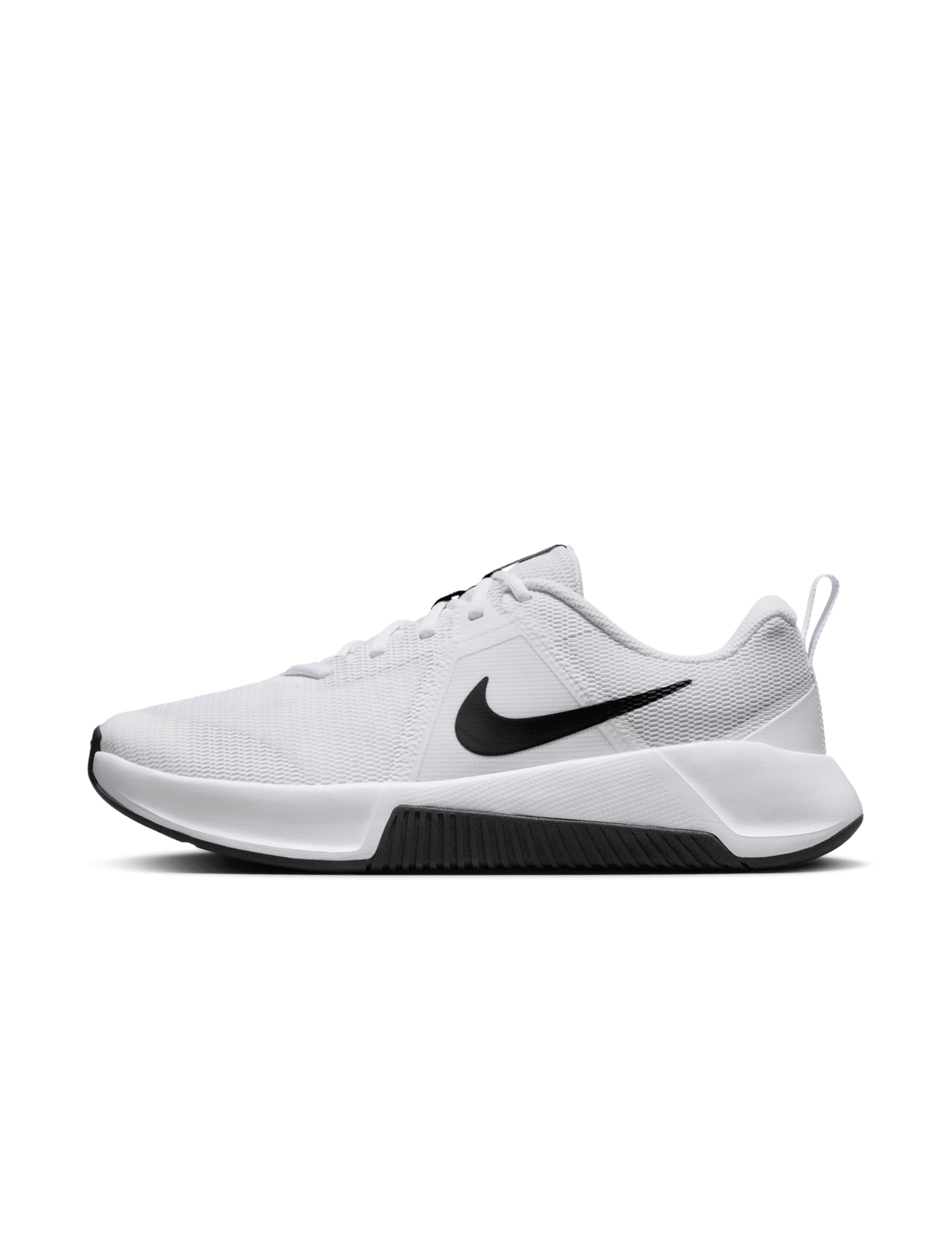
2. Nike Men’s MC Trainer 3 Training/Workout Shoes
The flat-stable base that keeps you grounded during side-to-side gym moves.
If you do a mix of lifting, agility drills, and short runs, the MC Trainer 3 is designed to handle all of it without feeling wobbly. Its flat, stable base and high stability support give you a solid platform for lateral movements like lunges and side shuffles. The forefoot flex grooves add flexibility at the toe-off point, so your foot can bend naturally when you push forward.
Customers note it “suits 6’3″, 220 lb gym user,” which tells you this shoe can support a heavier build without collapsing. One reviewer notes the heel cup “feels cheap and requires care when putting on,” so you will want to loosen the laces fully before sliding your foot in. For the price, you get a versatile trainer that works for pickup basketball, gym sessions, and even light running — though it runs slightly narrow, so order a half-size up if your foot is on the wider side.
Stability-first design: The flat base gives you confidence on squats and deadlifts, where a cushioned running shoe would let you wobble.
Perfect for: gym-goers who want one shoe for lifting, light running, and court sports.
Not ideal if: you have a very wide foot, as the fit runs narrow.
3. Under Armour Men’s Project Rock Blood Sweat Respect 5

The high-intensity training shoe built for crushing PRs, not casual strolls.
This is the shoe from Dwayne Johnson’s own line, and it carries a serious focus on performance. At 2.09 Pounds, it is lighter than the New Balance 608 V5 (2.14 lbs), meaning you feel less weight when you jump or move laterally. The UA performance foam midsole is designed to be firm and responsive, which gives you a better connection to the ground during heavy lifts compared to a plush, sinking cushion that can make you unstable.
You will find a flat, wide base that helps lock your foot in place during deadlifts and squats. The upper is made from a durable knit material that hugs your foot without stretching out over time. There are no detailed customer reviews in the data to confirm long-term wear, but the 4.7-star rating across over 660 reviews suggests very high owner satisfaction.
For the dedicated lifter: This shoe prioritizes stability and ground feel over all-day walking comfort — you wouldn’t want to run a marathon in them.
Buy this if: you are serious about lifting and want a shoe that helps you stay stable under heavy weight.
Skip it for: casual daily wear or road running — it is too firm for long distances on pavement.
4. Brooks Women’s Anthem 8 Neutral Running Shoe
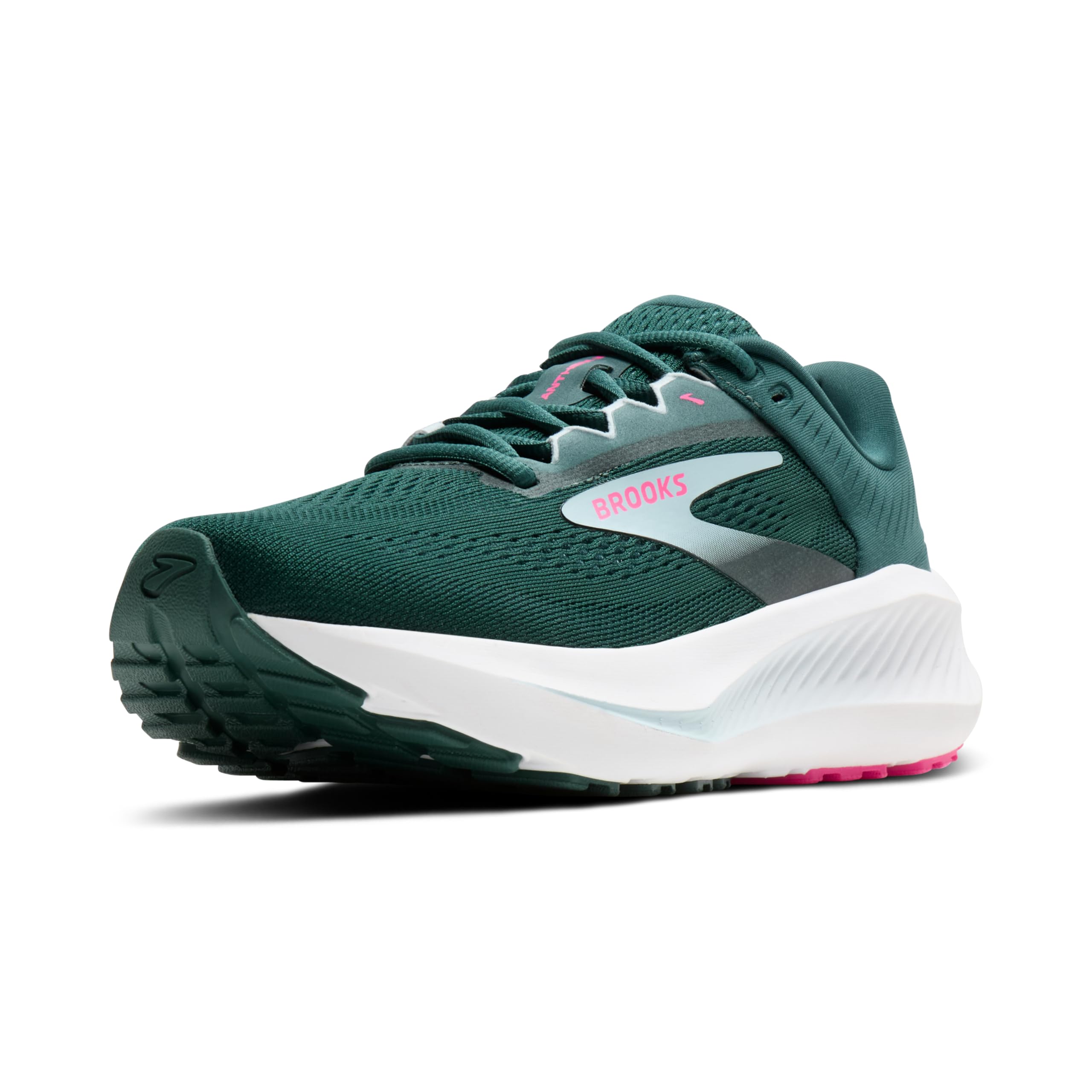
The lightweight neutral runner with a 10mm drop for a smooth heel-to-toe transition.
If your main activity is road running, this Brooks shoe is built specifically for that purpose. It weighs 8.8 ounces (about 249.5 grams), which makes it much lighter than the New Balance 608 V5 (2.14 lbs) and better for maintaining a quick turnover on longer runs. The balanced, soft cushioning and 10mm midsole drop encourage a natural stride where your heel lands first and then rolls forward.
Brooks positions the Anthem 8 for “daily and intro runs,” meaning it is forgiving enough for beginners and responsive enough for regular runners. The 10mm drop is a standard choice that works for most people who run midfoot to heel-strike. There are no detailed customer reviews in the data to confirm real-world feel, but the brand is well-known for making reliable running shoes that hold up well with consistent use.
For the dedicated runner: This is a pure running shoe, not a gym cross-trainer. The foam midsole and low weight make it best for pavement miles.
Choose this if: you run at least 3 times a week and want a shoe that supports a neutral stride without extra bulk.
Avoid for: weightlifting or heavy lateral work — the softer cushioning can make you less stable during side-to-side movements.
5. Nike Men’s Flex Train Workout Shoes
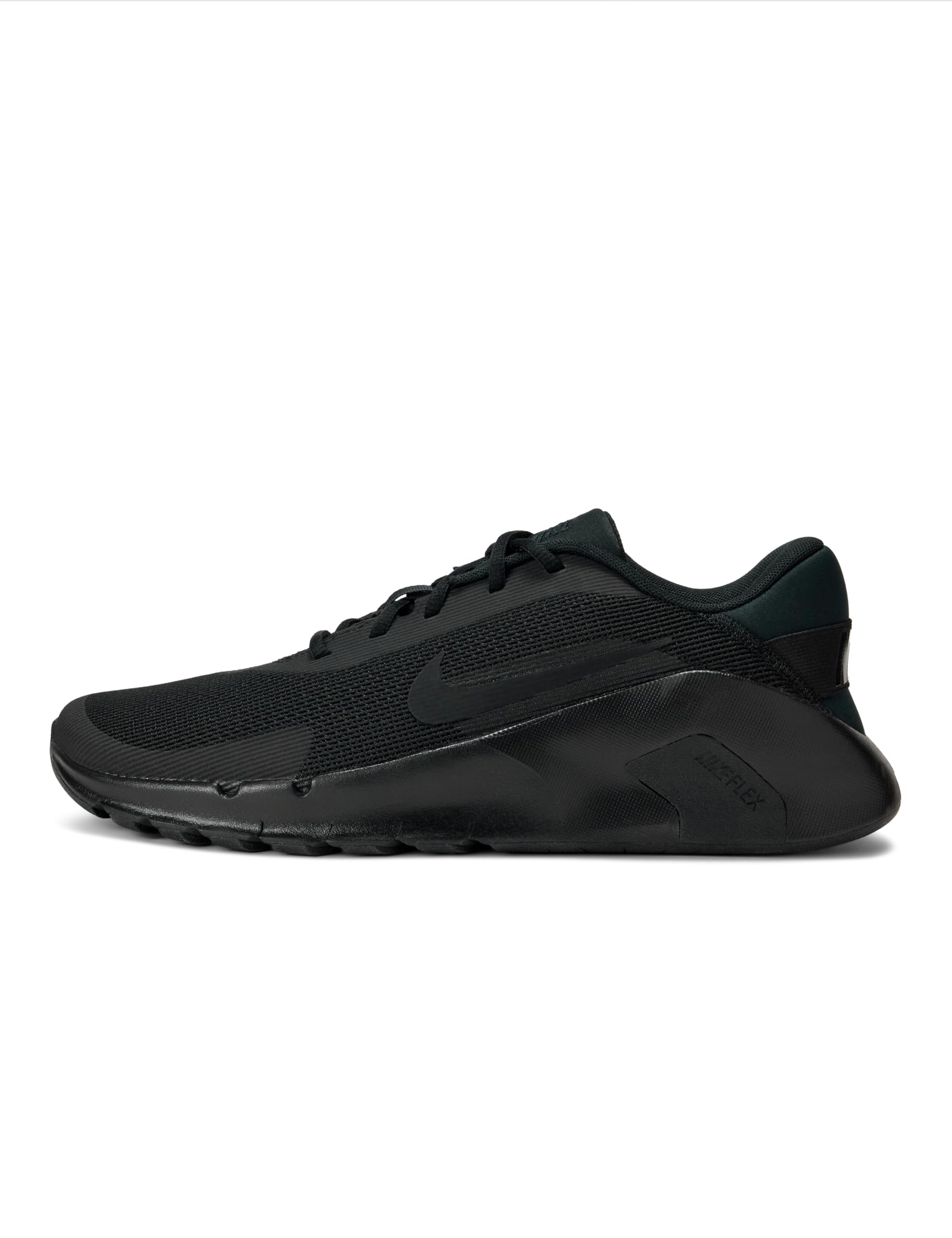
The flexible daily trainer that bends with your foot during every move.
This Nike model uses a rubber outsole with built-in cutouts that let your foot move naturally, plus a full-length foam midsole for comfortable cushioning. It is a straightforward, no-gimmicks active shoe that works well for power walking, light running, and casual gym work. The flexible outsole and soft mesh upper mean it breathes well and adapts to your foot shape without stiffness.
Buyers have noticed that the shoe runs slightly large due to a wider, rounder toe box — so consider going down a half size if you prefer a snug fit. One reviewer at 6’3″ and 220 lbs reports the shoe is “stable, light, comfortable” for lifting and power walking, confirming it supports heavier frames too. The trade-off is that the full-length foam may not provide enough responsive bounce for serious running, but for everyday active use at a great entry-level price, it is tough to top.
Strengths
- Very lightweight and flexible — “super light even in a mens size 13” per reviewers
- Wide toe box accommodates bigger feet comfortably
- Works for multiple activities: walking, gym, light running
Limitations
- Runs a bit large and may need sizing down
- Not bouncy enough for competitive running
Great for: anyone new to active training or on a budget who needs a versatile shoe for daily walks and light gym sessions.
Not ideal for: runners who need a high-cushion shoe for long distances on pavement.
6. adidas Men’s Astrastar
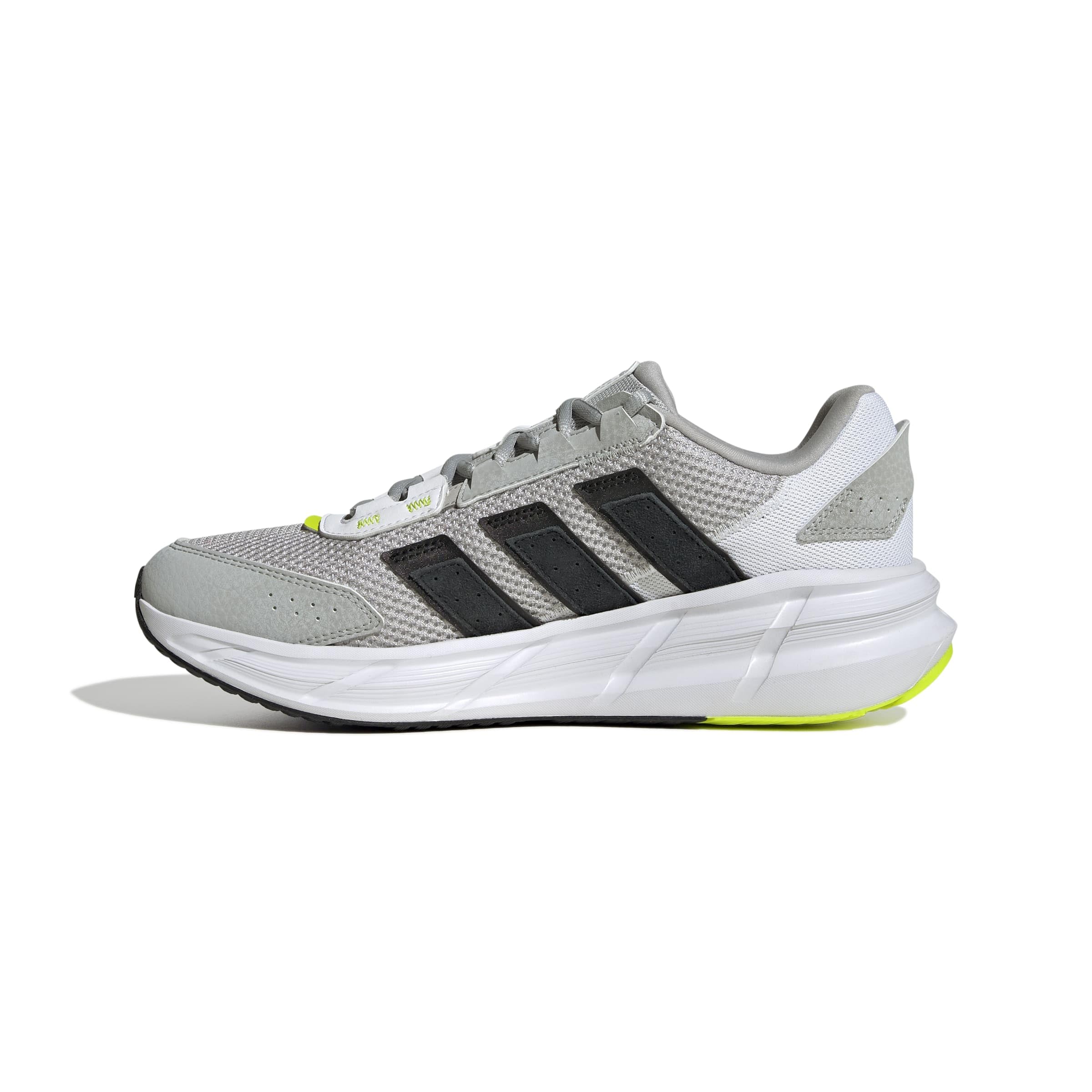
The Cloudfoam cushioned trainer that blends gym performance with street style.
The Astrastar brings adidas’ running-line technology into a shoe designed for everyday activity. The Cloudfoam midsole delivers “lightweight cushioning that makes every step feel smooth and supported,” as the manufacturer describes it, absorbing impact on hard surfaces while keeping the ride responsive. This makes it a solid choice for power walking, gym circuits, and casual active wear — you can wear them all day without your feet feeling tired.
Reviewers point out the shoes are “extremely comfortable” for a 6’4″, 225-pound user using them for daily morning exercise walks, and they seem to hold up well over time. One thing to note: they fit “a tiny bit big,” so you might size down half a size unless you prefer a looser feel. The Astrastar also looks sleek enough to wear with jeans, bridging the gap between a dedicated gym shoe and a casual sneaker better than most picks here.
Blends form and function: The Cloudfoam cushioning is genuinely comfortable for all-day wear, and the silhouette is modern enough for social settings.
Best for: someone who wants one shoe to handle both gym sessions and everyday errands without looking out of place.
Not ideal if: you need a dedicated running shoe with a lot of structure and a precise fit.
7. Under Armour Men’s Charged+ Assert 11 Running Shoes
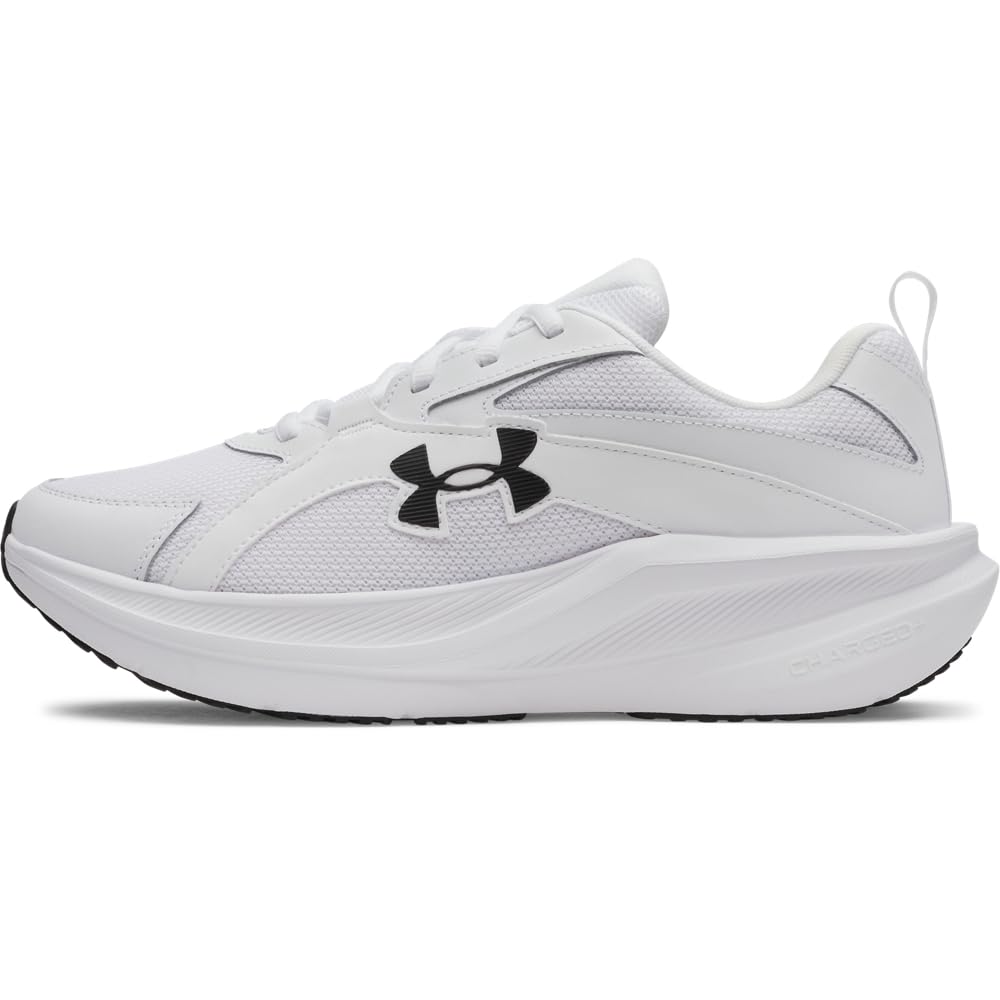
The affordable neutral runner that feels like walking on clouds — except on wet ground.
If you need a budget-friendly road runner, the Charged+ Assert 11 packs impressive comfort at an entry-level price. The Charged+ midsole provides class-leading softness and all-day comfort, and the athletic mesh upper with leather overlays gives decent midfoot support for a shoe in this tier. At 10.2 ounces, it is on the heavier side for a running shoe, meaning you will feel the weight on longer runs, but for shorter jogs and daily walks, the plush step-in feel wins over most buyers.
However, there is one major catch you need to know. Shoppers say “anytime there’s water under foot I have to be careful because it could turn into an ice skating rink” — the bottom material does not grip well on wet surfaces. If you live in a rainy climate or walk on slick floors, this is a real safety concern. The shoe also has a small toe box and runs narrow, so it is best for medium-width feet or those who prefer a snug fit. If wet traction is not an issue and you prioritize plush cushioning on a budget, this is a strong pick.
What You Get
- Extremely comfortable — “feels like im walking on clouds” per a reviewer
- Great value for a shoe with Charged+ cushioning
- Upper contains at least 30% recycled content
What to Watch
- Very slippery on wet surfaces — “ice skating rink” according to a buyer
- Narrow toe box may not suit wide feet
Buy it for: a cushioned, wallet-friendly running shoe for dry-weather jogs and walking.
Pass if: you frequently run or walk on wet pavement or need a wide fit.
Understanding the Specs
Midsole Drop (Heel-Toe Offset)
This is the difference in millimeters between the height of the heel and the height of the toe. A higher drop, like 10mm, encourages a heel-first landing that is familiar to most daily runners. A lower drop (6-8mm) promotes a more natural midfoot strike. For active sports shoes, a 10mm drop is a safe middle ground. If you heel-strike, stick with 10mm. If you naturally land on your midfoot, a lower drop may feel more efficient.
Outsole Traction
The rubber on the bottom of the shoe determines how well you grip pavement, gym floors, or wet surfaces. Look for flex grooves (cuts in the rubber that let your foot bend naturally) and a tread pattern that feels aggressive enough for your main surface. If you walk on slick tiles or wet sidewalks, prioritize shoes with verified reviews praising wet grip — Under Armour’s Charged+ Assert 11 was flagged by multiple buyers as dangerously slippery on wet ground.
FAQ
What is the difference between a cross trainer and a running shoe?
How do I know if I need a neutral or stability shoe?
Will the New Balance 608 V5 fit my wide feet?
How long should active sports shoes last?
Are the Nike Flex Train shoes good for running?
What does “10mm drop” mean on the Brooks Anthem 8?
Can I use the adidas Astrastar for lifting weights?
Why do the Under Armour Charged+ Assert 11 have bad traction on wet surfaces?
Final Thoughts: The Verdict
Across the board, the best active sports shoes winner is the New Balance 608 V5 because it combines proven durability (surviving 20,000 daily steps for a full year by reviewers’ accounts) with plush ABZORB cushioning that works for walks, gym sessions, and long shifts on your feet. If you want a stable lifting shoe that keeps you grounded during heavy squats, grab the Under Armour Project Rock 5. And for a lightweight daily runner that helps you tick off miles on the road, the standout is the Brooks Anthem 8 at 8.8 ounces with a smooth 10mm drop.
How We Picked
We do not accept paid placement. Every pick is matched to a real buyer and a real use-case; we do not hands-on test units.
Sources & Methodology
Specifications: manufacturer listings and product documentation. Review insights: verified customer reviews, as of July 2026. Pricing: not shown on this page (it changes often); check the current price via the retailer link.
As an Amazon Associate, Gadgets Feed earns from qualifying purchases. This does not affect which products we feature.