
Our readers keep the lights on and my morning glass full of iced black tea. As an Amazon Associate, I earn from qualifying purchases.
Specs are compiled from manufacturer listings and verified buyer reviews and can change over time — please confirm the key details on the product page before buying.
Choosing a battery life phone isn’t about chasing the biggest number on a spec sheet — it’s about getting through a long travel day, a weekend away from an outlet, or a heavy work shift without that low-battery panic setting in. The real difference between a phone that dies by dinner and one that still has juice the next morning depends on three things: the raw capacity of the battery (measured in milliamp hours, or mAh, which tells you how much energy it can store), how efficiently the phone’s processor and screen use that power, and whether you get any extra features like fast charging or the ability to charge your other devices. This guide walks you through nine phones that genuinely deliver on battery life.
I’m Min — the founder and writer behind Gadgets Feed. This guide is built by comparing the manufacturers’ published specifications and the patterns across verified customer reviews, so you get each pick’s real strengths and trade-offs instead of marketing spin.
From a rugged powerhouse that lasts over a week on a single charge to a sleek flagship with all-day staying power, we break down the best options in every tier to help you find the right battery life phone for your lifestyle.
Our Picks at a Glance


How To Choose The Best Battery Life Phone
Not all “long battery life” claims are equal. A phone that lasts a full day for one person might die by 3 PM for another, depending on screen brightness, gaming, camera use, and cellular signal strength. Here is what actually separates a phone that powers through from one that fades.
Battery Capacity (mAh) — The Size of Your Fuel Tank
The battery capacity, measured in milliamp hours (mAh), is the most direct indicator of how much energy the phone stores. A higher number generally means longer runtime. For light use — calls, texts, web browsing — a 4,000 mAh to 5,000 mAh battery can comfortably last a full day. For heavy users, travelers, or anyone who wants a two-day buffer, capacities above 5,000 mAh make a real difference. Some rugged phones pack 9,600 mAh or even 22,000 mAh, which is more like a portable power bank built into your phone.
Processor and Display Efficiency — How Hard the Phone Works
A big battery alone doesn’t guarantee great battery life if the phone’s processor (the chip that runs everything) and its screen are power-hungry. A phone with a more efficient chipset — like many modern mid-range and flagship processors — can outlast a phone with a larger battery but a less efficient chip. Similarly, a 120Hz refresh rate screen (which makes scrolling and animations look smoother) uses more power than a standard 60Hz screen, though some phones adjust the refresh rate automatically to save battery when you are just reading.
Charging Speed and Extras — How Fast You Refill and What You Get Back
Charging speed, measured in watts (W), determines how quickly the battery refills. Fast charging at 33W or 45W can take a phone from empty to full in about an hour. Some phones also support wireless charging or reverse charging — the ability to use your phone as a power bank to charge your earbuds, smartwatch, or another phone. These extras can be surprisingly useful when you are on the go.
Quick Comparison
| Model | Best For | Battery Capacity | Talk Time | Average Life | Amazon |
|---|---|---|---|---|---|
| Google Pixel 10★ Best Overall | Everyday flagship | 4,970 mAh | 20.5 Hours | 12.08 Hours | Amazon |
| Ulefone Armor 24Unrivaled Endurance | Ultra-long trips | 22,000 mAh | 168 Hours | 110 Hours | Amazon |
| Google Pixel 10aValue Champ | Balanced performance | 4,300 mAh | 30 Hours | 30 Hours | Amazon |
| Ulefone Armor 21 | Rugged outdoor use | 9,600 mAh | — | — | Amazon |
| Samsung Galaxy A37 5G | Mid-range value | 5,000 mAh | — | — | Amazon |
| Samsung Galaxy S24 Ultra | Premium flagship | 5,000 mAh | 50 Hours | — | Amazon |
| TCL NXTPAPER 70 Pro | Eye comfort | 5,000 mAh | — | — | Amazon |
| Nothing Phone (2) | Unique design & performance | 4,700 mAh | 22.5 Hours | 22.5 Hours | Amazon |
| Samsung Galaxy Z Flip7 FE | Compact foldable | 4,000 mAh | — | — | Amazon |
In‑Depth Reviews
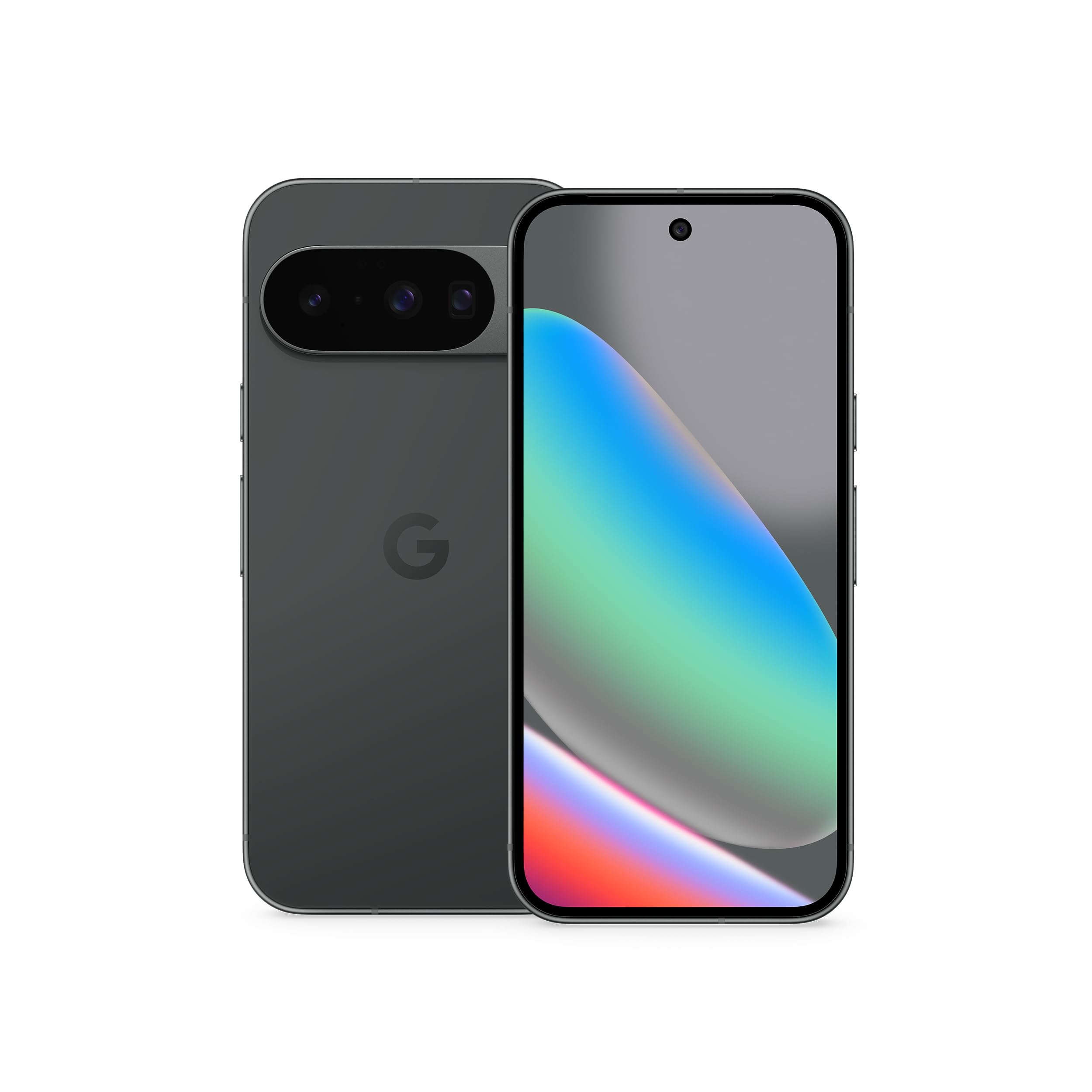
1. Google Pixel 10 — open up Android Smartphone with Gemini
Our pick — 4.5★ from 700+ verified ratings; the strongest balance of quality and price.
A flagship that balances a high-caliber camera system with genuine all-day battery endurance.
The Google Pixel 10 is the everyday flagship that pairs a 4,970 mAh battery with the efficient Google Tensor G5 processor. Its stated average battery life is 12.08 hours with a talk time of 20.5 hours. While those numbers are far smaller than the rugged phones above, the Pixel 10’s strength lies in efficiency and the overall package — you get a phone that lasts a full day of heavy use without the bulk of a brick. The 6.3-inch Actua display reaches a 3,000-nit peak brightness (which means it stays readable in direct sunlight), and the IP68 rating means it can handle rain or a drop in a puddle.
The upgraded triple rear camera system includes a new 5x telephoto lens and 20x Super Res Zoom, letting you capture distant subjects with detail. Reviewers consistently praise the camera quality and the speed of the software. The phone is protected by Corning Gorilla Glass Victus 2 on the front, adding scratch resistance. The catch is that for pure battery endurance, its capacity is modest compared to the Armor 21’s 9,600 mAh, but for most users the trade-off is a much thinner, lighter, and more capable camera phone.
The Camera & Software King
- Excellent 5x telephoto lens with 20x Super Res Zoom for distant shots
- IP68 water and dust resistant for daily confidence
- Actua display peaks at 3,000 nits — very readable in sunlight
- open up 5G works with major carriers (Google Fi, Verizon, T-Mobile, AT&T)
The Battery Reality
- 4,970 mAh battery delivers solid one-day life but not multi-day endurance
- No mention of a headphone jack in the data
Best for most people: This is the pick for anyone who wants a premium camera, a great screen, and reliable all-day battery in a phone that still fits in a pocket and looks like a normal device.
Not for power users: If you need to go two or three days between charges, this phone’s 12.08-hour average life won’t cut it — look at the Ulefone Armor 21 instead.
2. Ulefone Armor 24 — 22,000mAh Mega Battery open up Rugged Phone
The phone that outlasts your entire camping trip, your power bank, and probably your tolerance for anything else.
This is the maximum possible battery life phone in this lineup by a very wide margin. The Ulefone Armor 24 packs a 22,000 mAh battery, while the Ulefone Armor 21 has a 9,600 mAh battery. In real-world terms, that translates to a stated average battery life of 110 hours, and talk time of 168 hours. That means you can go a full week away from a wall outlet without worrying, and then some.
It is built for serious outdoor use with an IP68/IP69K rating (which means it resists water, dust, and drops) and MIL-STD-810H certification to survive extreme temperatures. The phone also doubles as a camping light with a 1,000-lumen LED panel containing 510 lighting beads. Buyers report that the 66W fast charging refills the massive battery in about 130 minutes, which is surprisingly quick given the sheer capacity. One important catch: this phone weighs 647g and is 28mm thick — it is noticeably heavier than any standard smartphone, so it is a committed carry.
The Battery Titan
- 22,000 mAh capacity is class-leading — 110 hours average battery life
- 66W rapid charge fills the massive battery in 130 minutes
- IP68/IP69K and MIL-STD-810H certified for extreme conditions
- Built-in 1,000-lumen LED camping light
The Trade-Offs
- Weighs 647g and is 28mm thick — noticeably heavy and bulky
- Only 4G connectivity, no 5G
- Not compatible with AT&T, Cricket, Sprint, or Boost Mobile
Who it fits: This pick suits anyone who spends multiple days off-grid — campers, hikers, field workers — and needs a phone that can also charge their other devices and light a tent.
One real limitation: The size and weight make it impractical as an everyday pocket phone for most people; it is a tool you carry because you need the endurance, not because it fits comfortably in a jeans pocket.
3. Google Pixel 10a — 30+ Hours Battery, Camera Coach, Gemini
The practical pick that delivers 30-plus hours of battery life without the rugged bulk or the flagship price.
The Google Pixel 10a focuses on what matters most for a battery life phone: it offers a stated 30 hours of average battery life and 30 hours of talk time from a 4,300 mAh battery. That combination of capacity and efficiency is impressive. The phone runs the same Google AI suite including Gemini, and comes with Camera Coach to help frame your shots. The 6.2-inch Actua display also reaches a 3,000-nit peak brightness for clear outdoor use.
It shares the same IP68 rating for water and dust protection as the Pixel 10, and uses Corning Gorilla Glass 7i on the front for scratch resistance. One of the standout features is the 7-year commitment to software and security updates — meaning your phone stays current for much longer than most competitors. The catch is the 4,300 mAh battery is physically smaller than many rivals, but it is tuned to last, and owners mention it genuinely gets through a full day and into the next morning on a single charge.
The Efficiency Master
- 30+ hours of battery life from a 4,300 mAh cell — strong efficiency
- IP68 dust and water resistant for everyday protection
- 7 years of software and security updates
- 3,000-nit Actua display is readable in direct sunlight
The Capacity Gap
- 4,300 mAh battery is physically smaller than most rivals like the Galaxy A37
- No mention of a telephoto camera or high-end raw specs
Who it works for: This phone is ideal for anyone who wants long battery life, a clean Android experience, and long-lasting software updates without spending flagship money.
Who should look further: If you need the absolute longest possible runtime between charges, the Ulefone Armor 21 with its 9,600 mAh battery offers a larger capacity than the Pixel 10a’s 4,300 mAh.
4. Ulefone Armor 21 — Android 15 Rugged Phone, 122dB Speaker, 9,600mAh
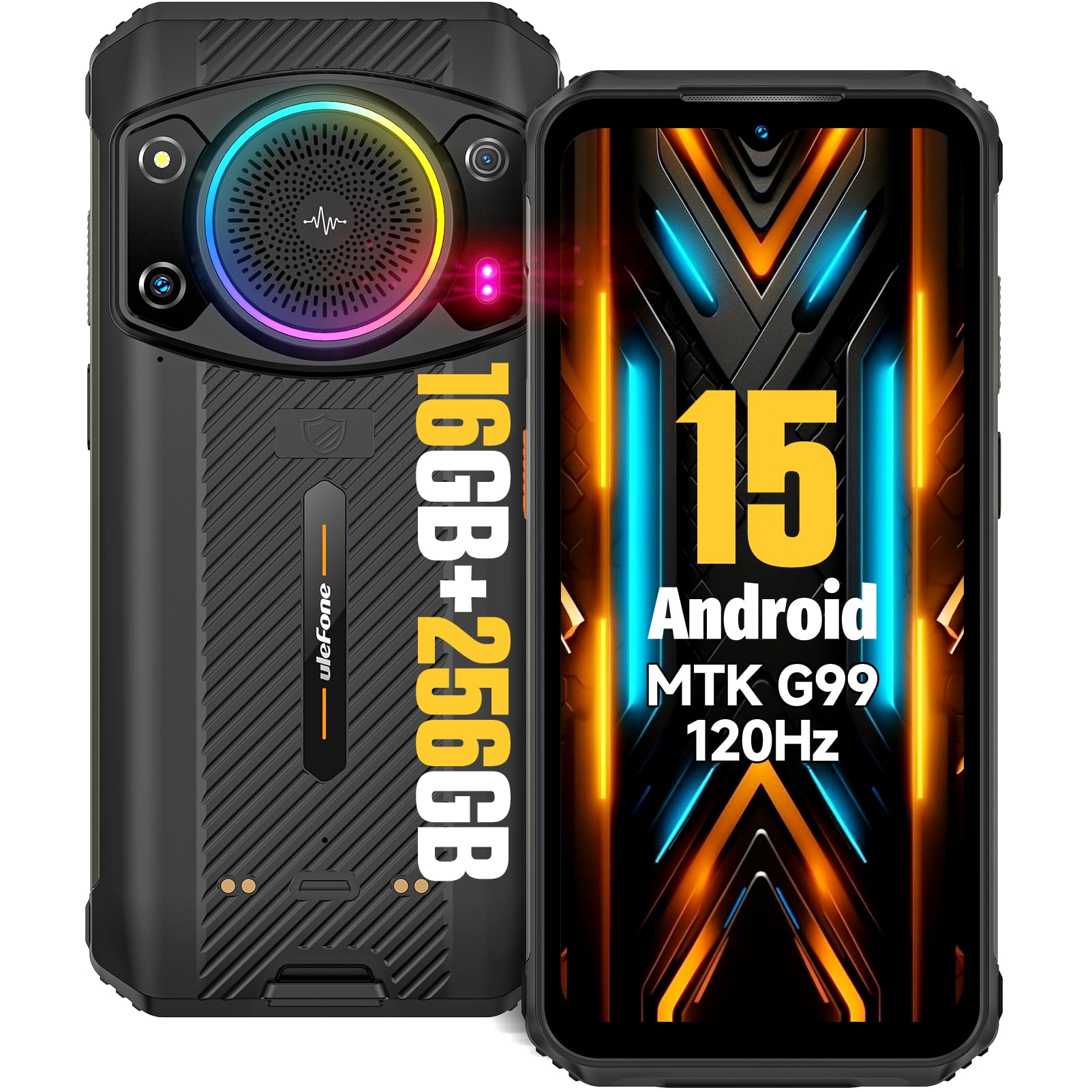
The rugged phone that brings both a massive 9,600 mAh battery and a speaker loud enough for a job site.
The Ulefone Armor 21 is the step-down from the Armor 24 but still offers a tremendous 9,600 mAh battery. It supports 33W fast charging and can reverse charge your other devices like watches or earbuds when you need a boost. The phone is certified to IP68/IP69K and MIL-STD-810H standards, meaning it survives water submersion up to 1.5 meters deep, dust, drops from 1.5 meters, and extreme temperatures.
One of its standout features is a 122dB maximum loudness speaker with 3.5W peak wattage, making it far louder than any typical phone. This is useful for outdoor work sites, noisy environments, or using speakerphone in a car. The 6.58-inch FHD+ display runs at 120Hz for smooth scrolling. Customers note that the reverse charging function is genuinely handy, though the phone itself is noticeably heavier than a standard device. One limitation: it only supports 4G networks and is not compatible with AT&T or Cricket.
The Rugged Powerhouse
- 9,600 mAh battery provides multi-day endurance
- 122dB speaker (3.5W) — loud enough for noisy environments
- IP68/IP69K & MIL-STD-810H certified for extreme conditions
- Reverse charging can power your other devices
The Limitations
- Only 4G connectivity — no 5G support
- Not compatible with AT&T, Cricket, or CDMA carriers
- Heavier and bulkier than standard smartphones
Who should buy it: This is the pick for outdoor workers, hikers, or anyone in a tough environment who needs a battery that lasts multiple days and a speaker that can cut through noise.
Who should skip it: If you need 5G speeds or if you are on AT&T or a CDMA carrier, this phone will not work for you — check the carrier compatibility list carefully.
5. Samsung Galaxy S24 Ultra — 12GB/256GB Dual SIM, Titanium Grey
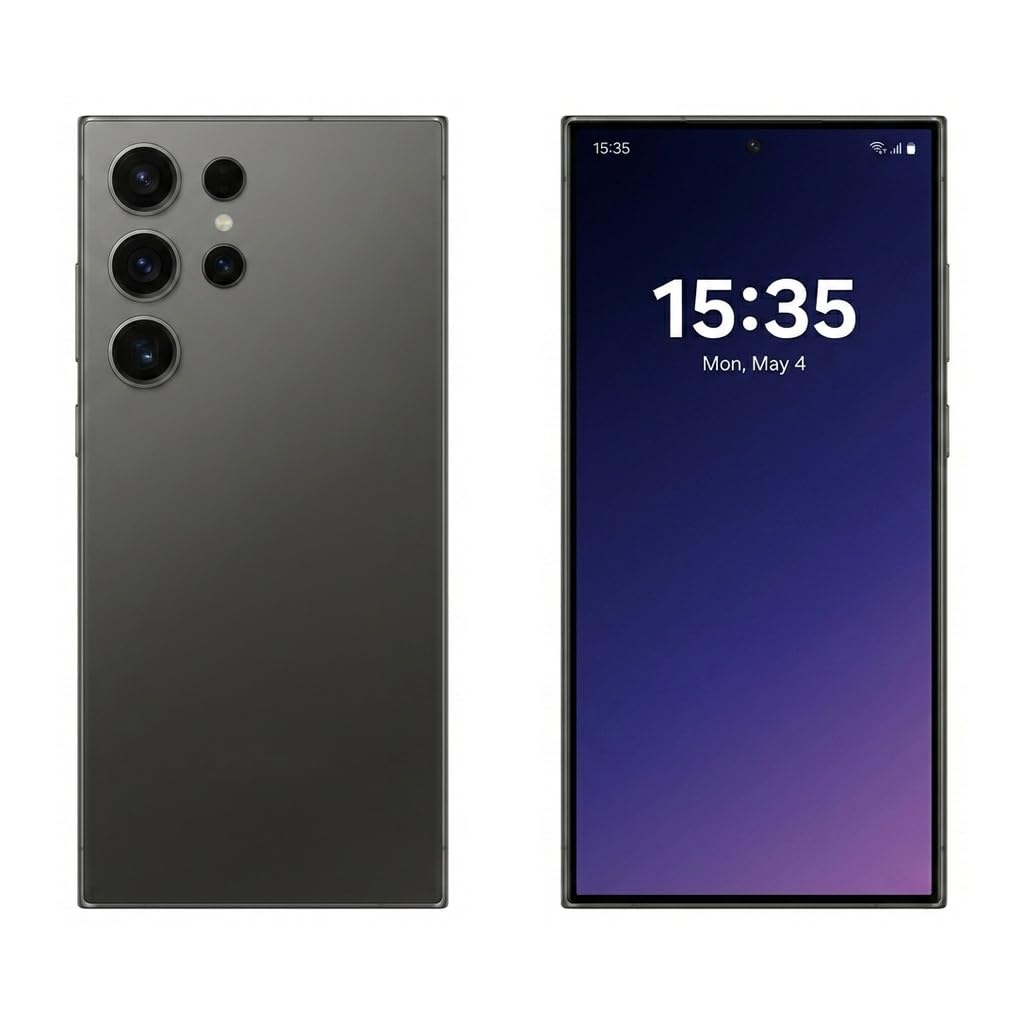
The premium flagship that delivers up to 50 hours of talk time from its 5,000 mAh battery.
The Samsung Galaxy S24 Ultra is a top-tier device, and its battery performance matches its ambition. It has a stated talk time of 50 hours on a 5,000 mAh battery, which is a strong number for a device with a large 6.8-inch Dynamic AMOLED display at 1440×3088 pixels (501 PPI). The screen is protected by Gorilla Glass Victus 2 and supports HDR10+ and a 120Hz refresh rate. The phone is powered by a processor that handles Galaxy AI features, including Circle to Search with Google and real-time translation on calls.
The camera system is exceptional: a 200 MP main sensor, dual telephoto cameras (x3 and x10 optical zoom), and a 12 MP ultra-wide lens. Reviewers point out that the combination of the large battery and the efficient processor delivers a full day of heavy use without issue, and the 50 hours of talk time means you can stay on calls for extended periods without worrying about power. The catch is that this is an international dual-SIM model, so you need to verify that it supports your carrier’s LTE and 5G bands (listed in the specs as bands N1, N3, N5, N8, n28, n40, n41, n77, n78 for 5G).
The Premium Experience
- 5,000 mAh battery with 50 hours talk time — strong for a flagship
- 200 MP main camera with x3 and x10 optical zoom
- 6.8″ AMOLED display with 1440×3088 resolution and 120Hz
- Galaxy AI features including real-time call translation
The Compatibility Check
- International dual-SIM model — verify carrier band compatibility
- Premium tier price point is significantly higher than mid-range picks
Who it is for: This phone suits anyone who wants the absolute best camera, screen, and performance in a flagship, plus a battery that reliably lasts a full day of heavy use.
What to watch: Since this is an international model, confirm that your carrier supports the listed 4G and 5G bands before buying to avoid connectivity surprises.
6. Samsung Galaxy A37 5G (2026) — open up, 128GB, 5,000mAh
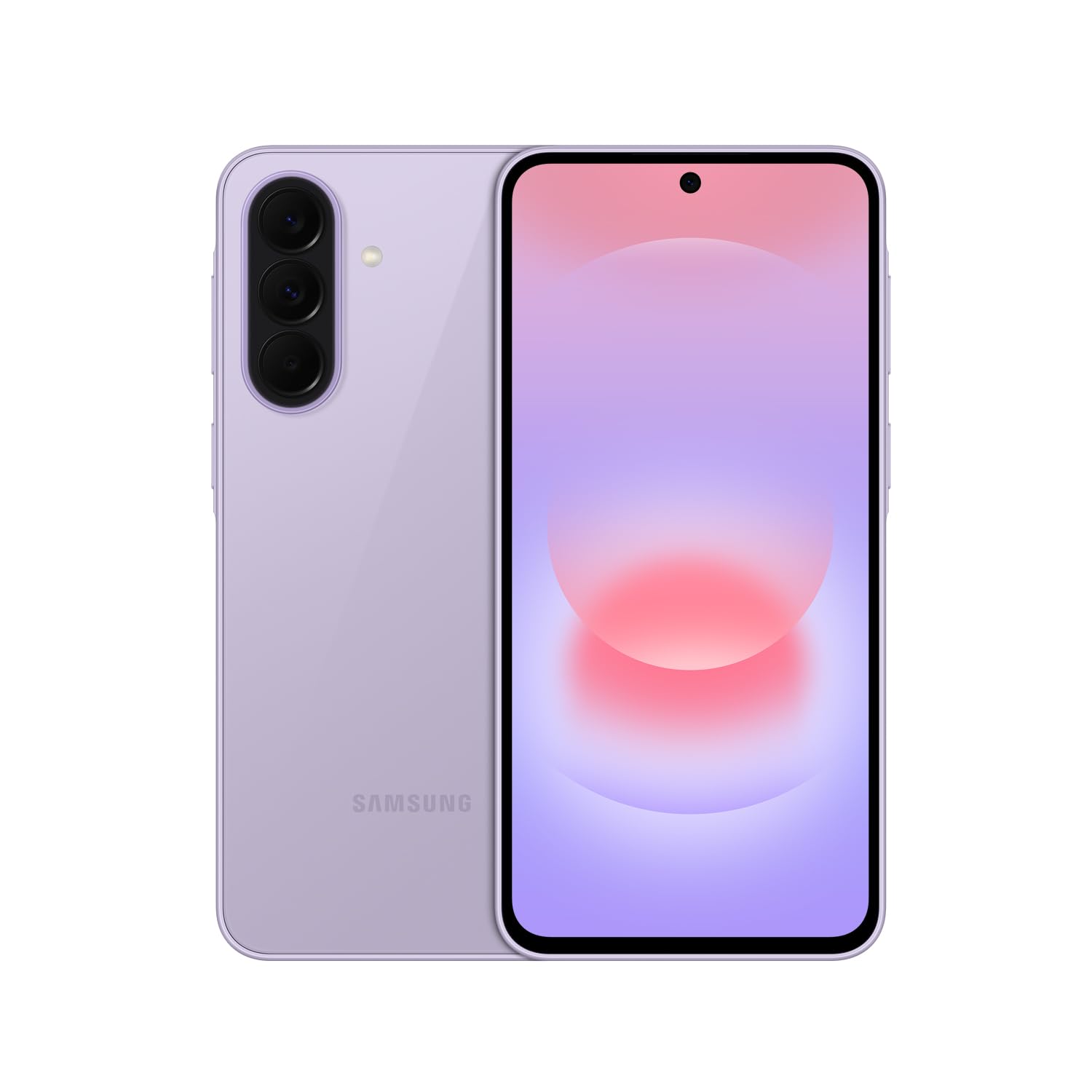
A mid-range phone with a 5,000 mAh battery, a 6.7-inch Super AMOLED screen, and 6 years of security updates.
The Samsung Galaxy A37 5G offers a 5,000 mAh battery in a slim mid-range package. It features a 6.7-inch Super AMOLED display — a screen technology that delivers rich colors and deep blacks — and runs on the Exynos 1480 processor. Samsung states that Super Fast Charging 2.0 gets you back up and running quickly. The phone also includes a 50 MP HDR main camera and supports Nightography for better low-light photos.
A key selling point is the commitment to 6 OS upgrades and 6 years of security updates, which means the phone stays secure and current for a long time. It is IP68 rated for water and dust resistance. Shoppers say that the 5,000 mAh battery comfortably gets through a full day of mixed use, and the Super AMOLED screen is a standout feature at this tier. One catch is that the battery power listed is 19.03 Watt Hours, not a raw mAh number directly comparable to others; the phone’s 5,000 mAh capacity is solid, but not top-tier for endurance.
The Solid Mid-Ranger
- 5,000 mAh battery for reliable all-day power
- 6.7″ Super AMOLED display for vibrant colors
- 6 years of OS and security updates — strong long-term support
- IP68 water and dust resistant
The Moderating Factors
- Exynos 1480 is less powerful than flagship processors
- No multi-day endurance — same capacity as many rivals
Who this pick fits: This phone is perfect for shoppers who want a reliable, long-lasting mid-range device with a beautiful screen, water resistance, and the security of years of software support.
Who should look elsewhere: If you need the absolute longest battery life possible — more than one day — a rugged phone with a 9,600 mAh or larger battery will serve you better.
7. TCL NXTPAPER 70 Pro — 512GB, 6.9″ FHD+ Display, 5,000mAh
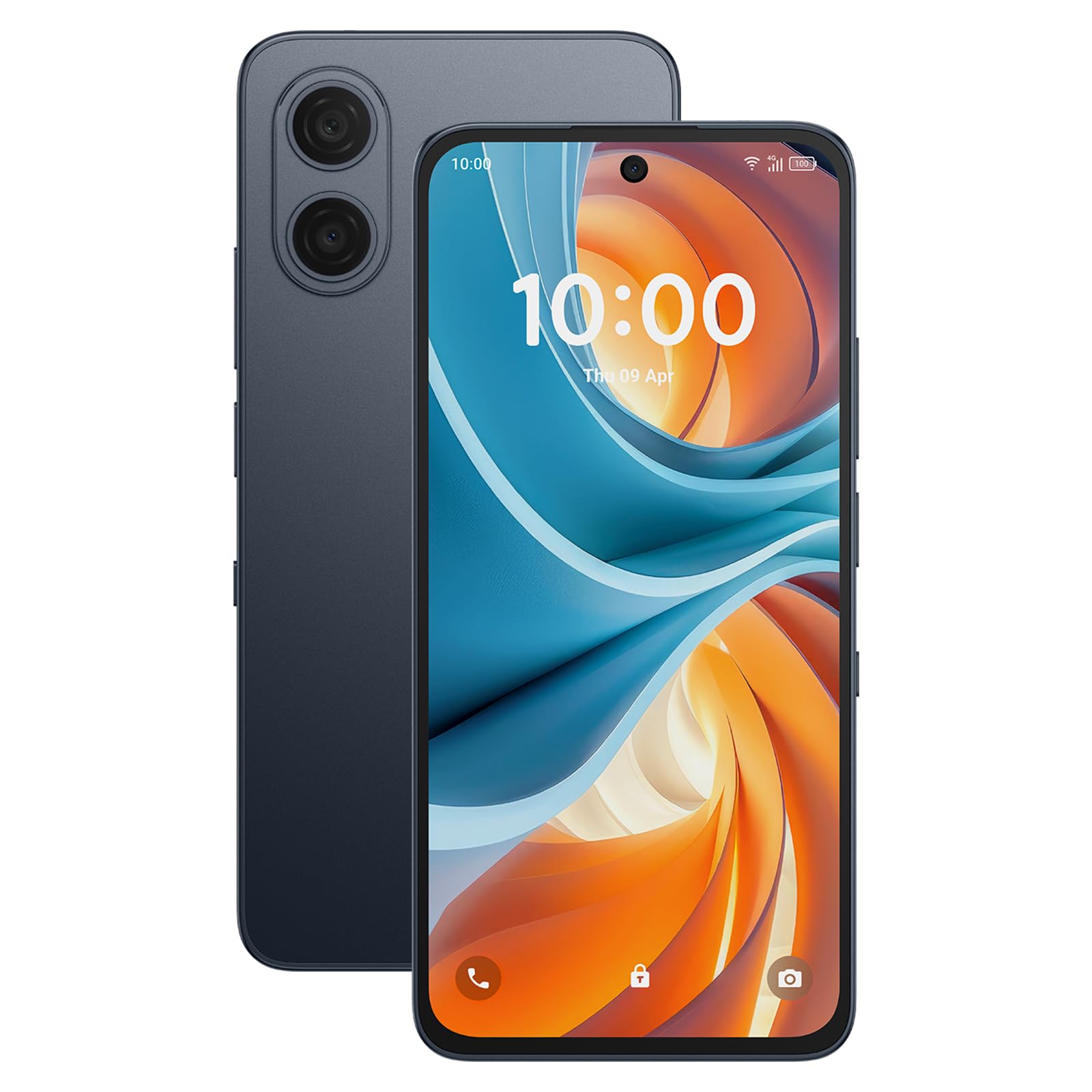
A battery life phone that prioritizes your eyes with a paper-like screen and still delivers 5,000 mAh of power.
The TCL NXTPAPER 70 Pro is built around its unique 6.9-inch FHD+ NXTPAPER 4.0 display, which uses anti-glare and flicker-free technology to reduce eye strain. Hardware-level blue light is reduced to 3.41%. The phone also offers four display modes: Standard, Color Paper, Ink Paper, and Max Ink, with the Ink modes saving battery power. It has a 5,000 mAh battery that supports 33W fast charging — taking the phone from 0% to 50% in 38 minutes — and reverse charging to power other devices.
Under the hood is a MediaTek Dimensity 7300 chipset with 8GB of RAM and 16GB of expandable virtual RAM for a total of 24GB. Storage is a generous 512GB, expandable up to 2TB via microSD. The 50MP main camera with OIS (optical image stabilization, which keeps photos steady) and AI editing tools deliver solid shots. Reviewers appreciate the reading experience, especially at night, and the IP68 rating adds confidence. The catch is that the charger is not included in the box, which is a minor inconvenience.
The Unique Advantage
- NXTPAPER 4.0 display reduces blue light to 3.41% — easier on the eyes
- 5,000 mAh battery with 33W fast charging (0% to 50% in 38 min)
- 512GB internal storage expandable up to 2TB
- IP68 water and dust resistant
The Minor Annoyances
- Charger not included in the box
- Display is LCD, not AMOLED — less punchy colors
Who it is for: This pick is ideal for heavy readers, students, or anyone who spends hours on their phone and wants to reduce eye strain without sacrificing battery life.
What to consider: If you prefer the vibrant colors and deep blacks of an AMOLED display, the LCD screen here might look a bit flat in comparison.
8. Nothing Phone (2) — 12GB/256GB, Snapdragon 8+ Gen 1, 4,700mAh

A design-forward phone with the Glyph Interface and a 4,700 mAh battery that lasts 22.5 hours of talk time.
The Nothing Phone (2) stands out with its transparent back and Glyph Interface — customizable LED light patterns that show notifications, timers, and volume without turning on the screen. Underneath the unique design is a 4,700 mAh battery that delivers a stated 22.5 hours of average battery life. It supports 45W fast charging (full charge in 55 minutes), 15W Qi wireless charging, and 5W reverse wireless charging for your accessories.
The phone is powered by the Flagship Snapdragon 8+ Gen 1 processor, which offers an 80% performance leap over its predecessor. It features a 6.7-inch LTPO OLED display with a 120Hz variable refresh rate that automatically adjusts to save power when you are just reading. The dual 50 MP cameras (main and ultra-wide) with OIS and Night Mode take very good photos. Buyers report the battery comfortably lasts a full day, and the fast charging is a genuine convenience. The catch is that the battery capacity is modest compared to the 5,000 mAh phones in this list, so multi-day endurance is not its strength.
The Design & Fast Charging Advantage
- 4,700 mAh battery with 22.5-hour average life
- 45W fast charge — full charge in 55 minutes
- 15W Qi wireless and 5W reverse wireless charging
- 6.7″ LTPO OLED 120Hz display with variable refresh rate
The Capacity Reality
- 4,700 mAh is lower than many 5,000 mAh competitors
- Not designed for multi-day battery life
Who should pick this: This phone is for anyone who values a unique design, wants fast wireless charging, and needs a battery that reliably lasts a full day of heavy use.
Who should move on: If you need a phone that can go two or more days between charges, the Nothing Phone (2) won’t deliver — look at the Ulefone Armor 21 or Armor 24 instead.
9. Samsung Galaxy Z Flip7 FE — 256GB AI Smartphone, 4,000mAh

A compact foldable that fits in your pocket and still packs a 4,000 mAh battery for a full day of power.
The Samsung Galaxy Z Flip7 FE is a foldable phone that prioritizes portability and style. It has a 4,000 mAh battery — the smallest capacity in this list — but Samsung’s software optimization and the efficient processor make it capable of lasting a full day of moderate use. The phone supports FlexMode, which lets you prop it open at various angles for hands-free video calls and photos. The 50 MP main camera is capable, and the compact folded size makes it much smaller than a standard slab phone.
The phone features a 6.7-inch main display when unfolded and a smaller FlexWindow on the cover for quick notifications without opening the phone. It supports wireless charging and fast charging. Owners mention that battery life is adequate for a day of mixed use, but it is not a phone for heavy gaming or all-day video streaming on a single charge. The catch is obvious: the 4,000 mAh battery is the smallest in this lineup, and foldables generally have less room for a large battery cell than a traditional slab design.
The Compact Advantage
- Folds into a very compact size for easy pocket carry
- FlexMode allows hands-free photos and video calls
- 50 MP camera captures detailed shots
- Wireless charging support
The Battery Trade-Off
- 4,000 mAh is the smallest battery in this list
- Not designed for multi-day endurance or heavy all-day use
Who it fits: This pick is for style-conscious users who want the smallest possible phone that still works all day, and who value the foldable form factor and FlexMode camera.
Who should pass: If battery life is your top priority, the Z Flip7 FE’s 4,000 mAh capacity is far below the rugged and mid-range options — you will need to charge it daily.
Understanding the Specs
Milliamp Hours (mAh)
This is the unit of measurement for a battery’s energy storage capacity. Think of it as the size of your fuel tank. A higher mAh number means the battery can store more energy, which generally means longer runtime between charges. A standard modern phone battery ranges from 4,000 mAh to 5,000 mAh. Rugged phones push far beyond that, with some reaching 9,600 mAh or even 22,000 mAh. However, a bigger number doesn’t always guarantee longer life — the efficiency of the processor and screen also matters, which is why you can see two phones with 5,000 mAh batteries having very different day-to-day endurance.
Fast Charging Watts (W)
Charging speed is measured in watts — the higher the wattage, the faster the battery refills. A 33W charger can get a 5,000 mAh battery from 0% to 50% in about 38 minutes, while 45W can charge a 4,700 mAh battery to full in roughly 55 minutes. Some phones also support wireless charging (measured in watts too) and reverse charging, which lets your phone act as a power bank to charge your earbuds, smartwatch, or another phone. Reverse charging is particularly useful when traveling or working away from outlets.
FAQ
How many milliamp hours (mAh) do I need for a full day of heavy use?
Does a higher refresh rate screen drain the battery faster?
Will a rugged phone like the Ulefone Armor 24 work with my carrier?
What is reverse charging and when would I use it?
How long do phone batteries last before they degrade?
Is a phone with a 5,000 mAh battery always better than a 4,700 mAh one?
Can I use a fast charger from a different brand with my phone?
What does IP68 mean for a phone’s battery life?
Is it better to keep my phone between 20% and 80% battery for longevity?
Can a phone with a 4,000 mAh battery really last a full day?
Can a phone with a 4,000 mAh battery really last a full day?
Final Thoughts: The Verdict
For most buyers, the battery life phone winner is the Google Pixel 10a because it delivers a genuine 30+ hours of battery life with a clean Android experience, strong camera, and 7 years of updates at a mid-range price. If you want multi-day endurance in a rugged package, grab the Ulefone Armor 24. And for the best mainstream flagship experience with reliable all-day power, the standout is the Google Pixel 10.
How We Picked
We do not accept paid placement. Every pick is matched to a real buyer and a real use-case; we do not hands-on test units.
Sources & Methodology
Specifications: manufacturer listings and product documentation. Review insights: verified customer reviews, as of July 2026. Pricing: not shown on this page (it changes often); check the current price via the retailer link.
As an Amazon Associate, Gadgets Feed earns from qualifying purchases. This does not affect which products we feature.