
Our readers keep the lights on and my morning glass full of iced black tea. As an Amazon Associate, I earn from qualifying purchases.
Specs are compiled from manufacturer listings and verified buyer reviews and can change over time — please confirm the key details on the product page before buying.
Thirteen-year-old baseball is the real dividing line — the game speeds up, the pitching gets sharper, and an entry-level bat from two seasons ago starts holding your kid back. You need a bat that helps an athlete produce consistent, hard contact without getting chewed up by the season, all while fitting the league’s USA or USSSA stamp. This guide concentrates on the -10 and -8 drop-weight zone, the sizes and barrel constructions that actually work for a 13-year-old’s frame.
I’m Min — the founder and writer behind Gadgets Feed. This guide is built by comparing the manufacturers’ published specifications and the patterns across verified customer reviews, so you get each pick’s real strengths and trade-offs instead of marketing spin.
The goal is to cut through the noise and highlight the few baseball bats for 13 year olds that consistently deliver better exit velocity, a more forgiving balance, and the durability needed to survive a full tournament schedule.
Our Picks at a Glance

How To Choose The Best Baseball Bats For 13 Year Olds
By age 13, a player is transitioning from “just making contact” to generating real bat speed. The wrong drop weight or barrel material can either stifle that growth or leave a kid over-swinging. Here are the three specs to get right.
Drop Weight: The Balance Between Reach and Quickness
The drop weight is the bat’s length in inches minus its weight in ounces. A -10 bat (say, 30 inches and 20 ounces) is lighter and lets a smaller or developing player swing through the zone faster. A -8 bat is slightly heavier, offering more mass behind the ball for a stronger hitter. For a 13-year-old, -10 is a safe starting point; if your kid is already driving the ball with authority, moving to a -8 adds punch.
Barrel Diameter: The Standard at This Age
Almost every youth bat in this age bracket uses a 2 5/8-inch barrel. That diameter boost the hitting surface while keeping the bat controllable. Some USSSA bats bump up to 2 3/4 inches for a slightly larger balance, but the 2 5/8-inch size is the reliable workhorse for USA leagues.
Material: Alloy vs Composite
One-piece alloy bats (like the Easton Speed or the Louisville Slugger Warrior) are stiff, durable, and offer instant feedback. They cost less and handle cold-weather practices without cracking. Two-piece composite bats (like the Easton Hype FIRE) use a separate handle and barrel to reduce vibration and deliver a bigger “pop” right out of the wrapper — but they are pricier and more fragile when temperatures drop.
Quick Comparison
| Model | Best For | Drop Weight | Barrel Material | Length | Amazon |
|---|---|---|---|---|---|
| Victus Vibe Pencil★ Best Overall | Best Overall | -10 | One-Piece Alloy | 28″ | Amazon |
| Easton SpeedBest Value | Best Value | -10 | One-Piece Alloy | 30″ | Amazon |
| Louisville Slugger 2026 Warrior | Balanced Power | -10 | One-Piece Alloy | 31″ | Amazon |
| Marucci F5 SL | Reliable Contact | -10 | One-Piece Alloy | 31″ | Amazon |
| Louisville Slugger Savannah Bananas | Fun Design | -10 | One-Piece Alloy | 29″ | Amazon |
| Marucci CATX2 Connect | Reduced Vibration | Various | Aluminum/Composite | 30″ | Amazon |
| Easton Hype FIRE | Elite Performance | -5/-8/-10 | 2 Pc. Composite | 30″ | Amazon |
In‑Depth Reviews
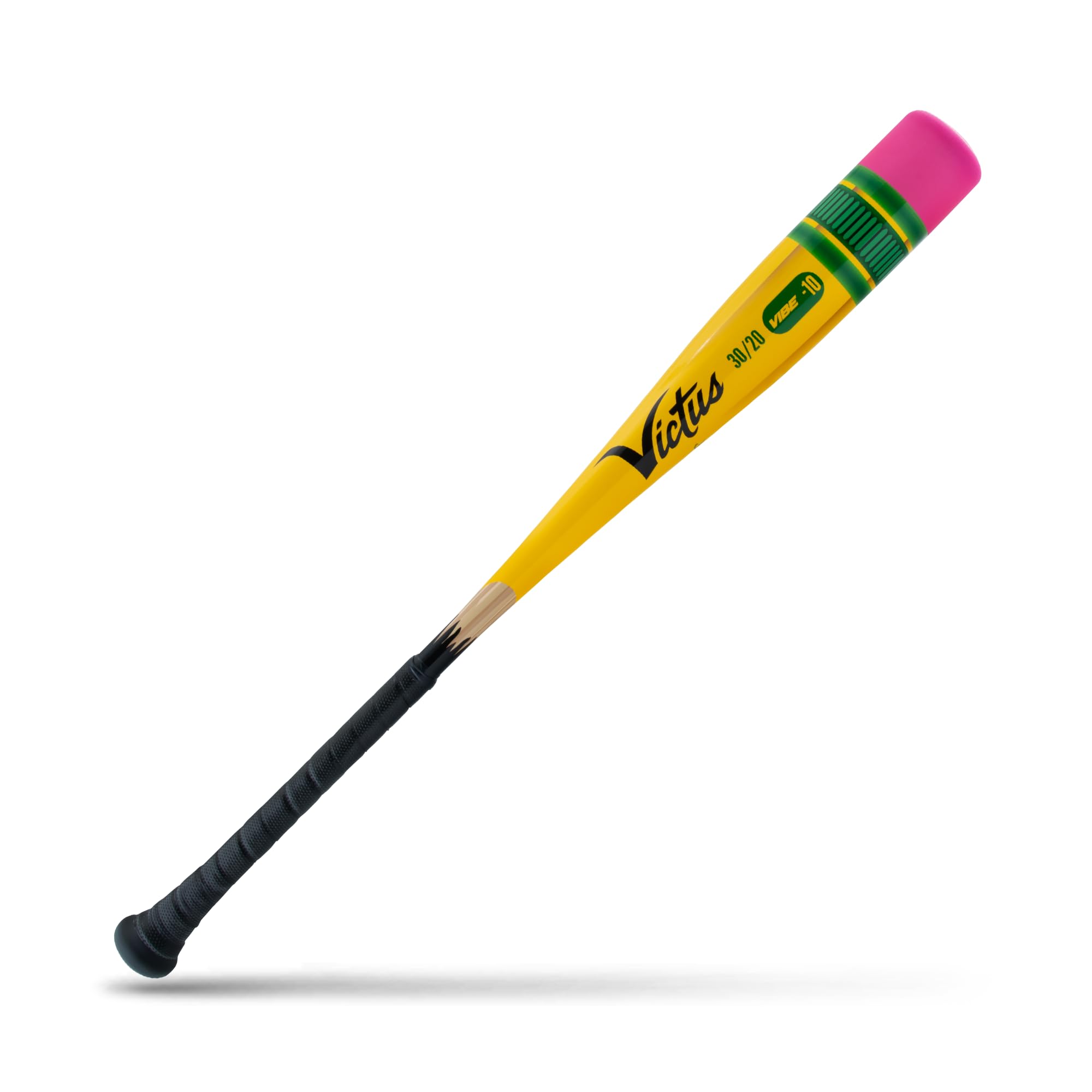
1. Victus Vibe Pencil Baseball Bat, 2 5/8″ Barrel, -10 Drop, USA Baseball Certified
Our pick — over 4.5★ from 450+ verified ratings; the strongest balance of quality and price.
The crowd-favorite pencil bat that balances absurd pop with a price that undercuts the premium tier.
This is the bat that parents describe as outperforming models — and the review pages back it up. The Victus Vibe Pencil uses a one-piece VXP alloy construction for a stiff, clean swing feel, and the mid-balanced swing weight (medium M.O.I.) helps a young hitter generate power without losing control. It is USA Baseball certified and comes in sizes from 26 inches up through 31 inches, making it easy to find the right fit for a 13-year-old.
The defining feature here is that combination of balance and barrel performance. “Excellent balance, huge balance, and unreal pop,” buyers report, and the vibration-reducing knob smooths out mishits so the player doesn’t flinch on the next swing. At 28 inches and 18 ounces in the size tested, it is noticeably shorter and lighter than the 31-inch Louisville Slugger Warrior (21 oz) — a plus for a developing player still building arm strength and swing mechanics.
Real-world edge: The top positive aspect among owners is quality (38 mentions), followed closely by appearance (20) — the pencil design draws compliments in every dugout.
The honest trade-off: Durability scores as mixed (17 mentions), with isolated reports of the grip tape peeling near the top. Treat it well and it will reward you all season.
Reach for this if: you want a bat that performs like a high-end model without the high-end price tag — the mid-balanced feel makes it forgiving for a wide range of swing speeds.
Look elsewhere if: your player is already hitting with authority and needs a longer barrel or an end-loaded swing feel to drive the ball deeper into the gaps.
2. Easton Speed Baseball Bat | USA | -10 | 2 5/8″ Barrel | 1 Pc. Alloy
The entry-level alloy that keeps kids hitting hard without a dent in your wallet.
“This bat was a great price and has been used for about six weeks now with no complaints!” — that is the kind of no-drama ownership that makes the Easton Speed a staple for youth leagues. It comes in a 30-inch length and 20 ounces of weight, making it one of the more versatile options for a 13-year-old. The one-piece alloy build is stiff and durable, and the included Speed cap gives the barrel a bit more flex for a slightly more responsive feel.
The quality (48 mentions) and value for money (22 mentions) are the two most-praised aspects among buyers, and the balanced swing weight makes it easy for a younger player to barrel up fastballs without the bat dragging through the zone. Unlike the Victus Pencil which runs shorter at 28 inches, this 30-inch frame suits a taller or stronger kid who needs a longer reach.
The bottom line: This is the bat to buy if you want proven performance at a price that leaves room for cleats and a glove. The grip is comfortable straight from the start, and the standard USA certification means it is legal everywhere.
Give it a miss if: your player needs a drop weight heavier than -10 to generate exit velocity — the Speed only comes in -10, so a power hitter may want the Marucci CATX2 with its available -8 or -5 drops.
Perfect for: the budget-conscious parent whose kid is still growing into their swing and needs a reliable, durable bat that won’t break the bank.
skip it if: your 13-year-old is an experienced travel-ball player looking for a composite bat with a bigger balance and less vibration.
3. Louisville Slugger 2026 Warrior (-10) USA Baseball Bats
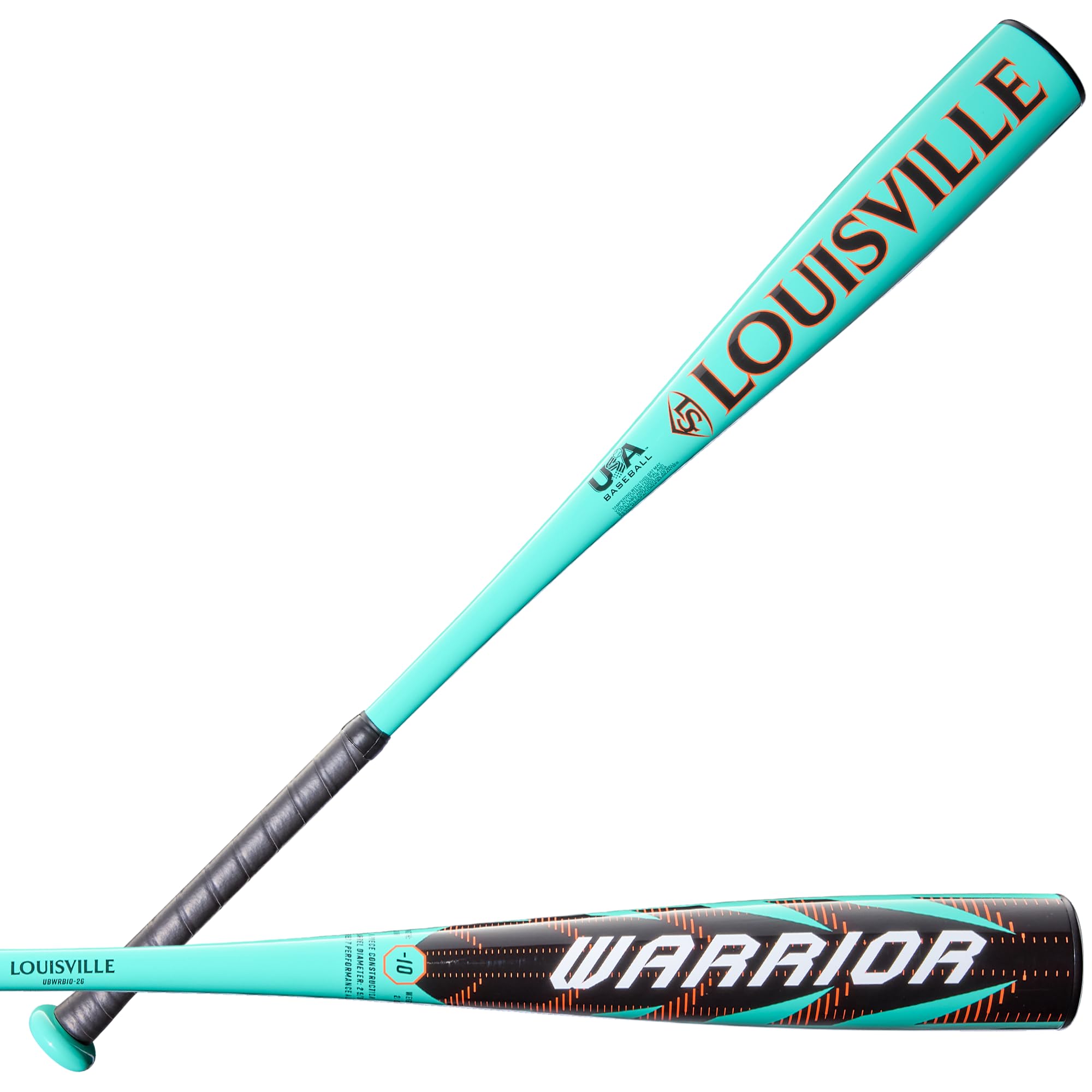
The longest and heaviest alloy bat in this list, built for the growing power hitter who needs to cover the outer half.
At 31 inches and 21 ounces versus the Victus Vibe Pencil at 28 inches and 18 ounces, the 2026 Warrior is longer and heavier — a meaningful difference for a 13-year-old who has outgrown the 28- and 29-inch bats. Louisville Slugger uses a balanced swing weight, meaning the bat is not end-loaded, so a player can still get the barrel through the zone quickly despite the longer frame. The Series 7 Premium Alloy barrel and the HUB 1-Shot Superlight end cap are designed to boost durability, which matters when a kid is facing harder-throwing pitchers.
“My son did great with this bat for his 2nd 10u season,” reads one review — proof of how a slightly longer, slightly heavier bat can actually improve contact when a player has the strength to handle it. The standard synthetic leather grip adds cushion without padding out the handle too much.
The defining spec: This is the only bat in the core comparison that comes stock at 31 inches — ideal for a taller 13-year-old who would otherwise be swinging a 30-inch and reaching for pitches on the outside corner.
Heads-up: A few owners mention that if a player is not yet confident against live pitching, the extra length can feel heavy early in the season. It is a bat to grow into, not a right-now crutch.
Who it works for: the kid who is already 5’2” or taller and has started hitting the weight room — the balanced swing still lets them turn on an inside fastball.
Who should wait: a player still swinging a -12 or -11 drop in a 29-inch bat is not ready for this jump; stay with the Victus or Easton until the mechanics are solid.
4. MARUCCI F5 SL -10, USA 2 5/8″ Barrel Baseball BAT

A ring-free barrel design that keeps the entire hitting surface live, without dead spots between the seams.
Marucci’s F5 SL uses a multi-variable wall design to create an expanded balance, but the real differentiator is the ring-free barrel technology — it removes the internal rings that can create “dead” spots on traditional bats. The result is consistent pop no matter where the ball meets the barrel. The one-piece alloy construction keeps the feel clean and traditional, and the custom micro-perforated soft-touch grip (1.75mm) helps a young player hold on without squeezing too tight.
Size is the top aspect praised by buyers (25 mentions), making it a reliable choice for a 13-year-old who is between lengths. At 31 inches and 21 ounces, it mirrors the Louisville Warrior in length and weight, but the ring-free barrel gives it a theoretical edge in barrel integrity over a season of hard use.
Why it stands out: The micro-perforated grip and the attention to barrel consistency make this a bat that feels more refined than its mid-range price suggests. The white and green colorway is also one of the cleaner looks on the field.
Caveat: The “Age Range Description” lists “All”, which is less helpful than a targeted youth or teen range — check the physical specs rather than the age tag to ensure the 31-inch fits your kid’s stance and reach.
Best suited for: a player who values a smooth, consistent barrel and wants a Marucci pedigree without stepping up to the CATX2 price tier.
Not for: someone looking for an end-loaded or extra-stiff bat — the F5 SL is all about balanced, reliable contact rather than maximum exit velocity.
5. Louisville Slugger 2025 Savannah Bananas (-10) USA Baseball Bat

The bat that doubles as a style statement — the Savannah Bananas yellow finish is impossible to miss in the lineup.
Louisville Slugger’s partnership with the Savannah Bananas brings the same Series 7 Premium Alloy barrel found on the Warrior, but wrapped in a head-turning yellow design. At 29 inches and 19 ounces, this is a lighter, shorter swing than the Warrior or the Marucci F5 SL, making it a better fit for a 13-year-old who is on the smaller side or still developing upper-body strength. The one-piece alloy construction and the HUB 1-Shot end cap keep the bat durable through a full season of practice and games.
The sound out of this bat also gets specific praise — “sounds a lot better than the Marucci we switched from,” one parent notes. The “pop” aspect scores 6 mentions among owners, and the durability rating is solid with 7 positive mentions. It is a bat that handles game action as well as it handles the compliments in the dugout.
The standout stat: Quality leads the aspect list with 31 positive mentions, and functionality (11 mentions) and value for money (10 mentions) round out the top three. This is a bat that performs, not just a novelty colorway.
The honest note: Some customers note that on hard-hit balls off the end of the barrel, the bat can sting hands without batting gloves. Budget for a decent pair if your kid does not already have them.
Ideal for: the young player who wants to feel confident and cool in the box — the lightweight -10 profile makes it easy to get the barrel on the ball.
Pass if: your 13-year-old is already swinging 31-inch bats in travel ball; the 29-inch Savannah Bananas will be too short for a player with a wider stance and longer arms.
6. Marucci CATX2 Connect Baseball Bat, 2 5/8″ Barrel, -5, -8, -11 Drop, USA, End-Loaded

A patented liquid-gel endcap that soaks up vibration, so your kid never flinches on a mishit.
This is the bat you reach for when your 13-year-old is playing travel ball and facing pitchers who throw with real intent. The Marucci CATX2 Connect features a multi-variable wall design that delivers a wider balance, and the patented Liquid-Gel Endcap technology absorbs vibration on contact. The difference is immediate: less sting, more confidence in the box. It comes in multiple drop weights (-5, -8, and -11), which means you can match the bat to your player’s exact strength level rather than settling for a one-size-fits-all -10.
The “Quality” aspect leads the reviews with 23 positive mentions, and buyers specifically note that the bat helps a 13-year-old hit with more authority — one parent reports that their son is “hitting doubles and triples throughout the season” after switching to the CATX2. The micro-perforated grip (1.75mm) gives a tacky, secure hold even in humid conditions.
Why it earns the premium tag: The drop weight options (-5, -8, -11) let a parent future-proof the bat — a kid can start with -11 and move to -8 or -5 as they gain strength, all within the same model line.
The trade-off: At 30 inches and a weight that varies by drop, this is a shorter bat than the Louisville Warrior (31 inches). A taller 13-year-old may find themselves reaching for outside pitches unless they stand closer to the plate.
Best for: the serious young athlete whose hands are already calloused from BP — the vibration reduction is a genuine edge when facing 55+ mph fastballs.
Probably overkill if: your kid plays recreational rec-ball once a week and is not yet tracking velocity; the Victus Pencil or Easton Speed will deliver 90% of the experience for less than half the price.
7. Easton Hype FIRE Baseball Bat | USSSA | -5 / -8 / -10 Drop | 2 3/4″ Barrel | 2 Pc. Composite
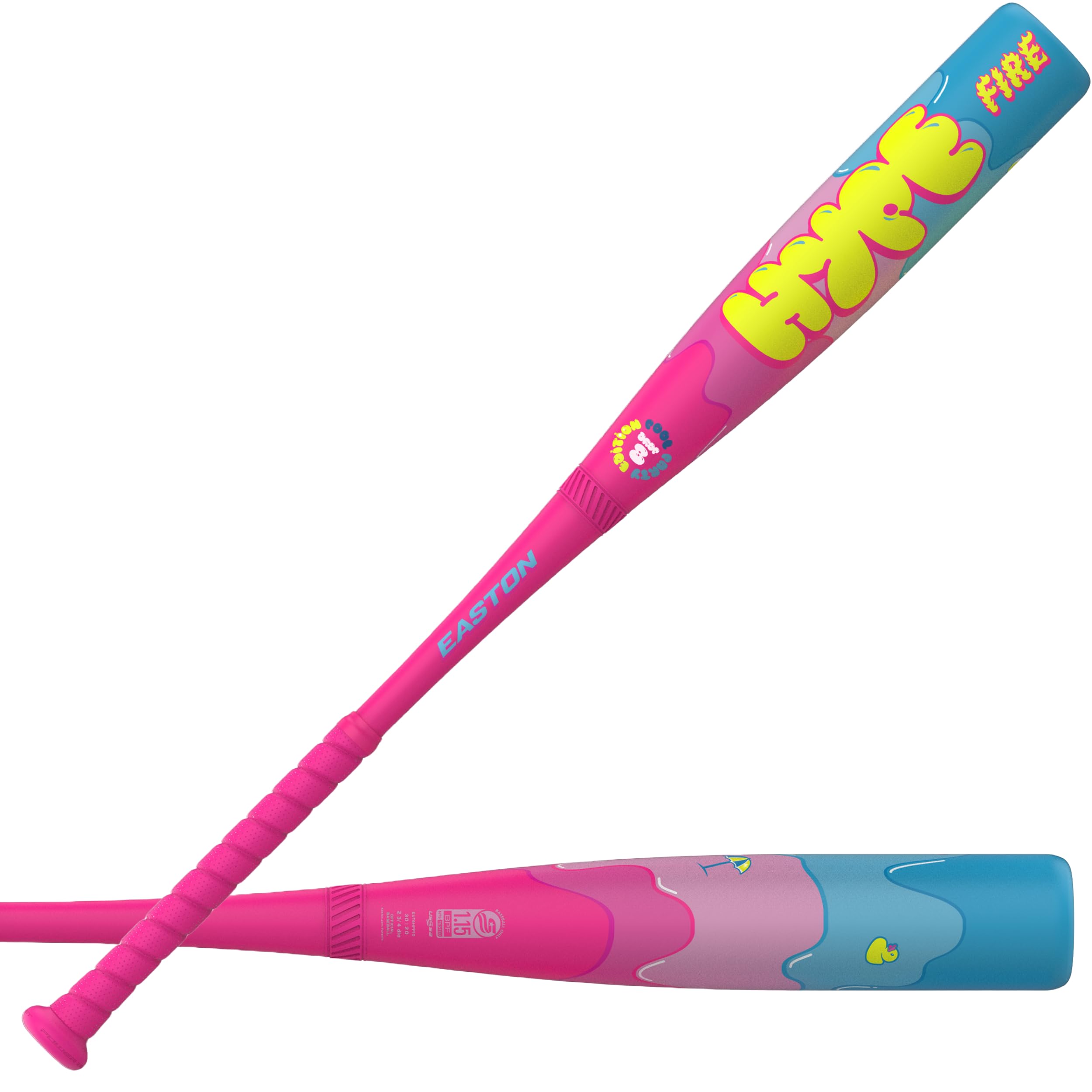
The two-piece composite bat built for elite travel-ball athletes who need every last bit of barrel performance.
The Easton Hype FIRE is in a different category from every other bat on this list — it uses a two-piece composite construction with a TCT barrel that widens the balance and delivers explosive pop. The Opti-Flex handle is tuned by bat size to give the right flex profile for a 13-year-old’s swing speed, and the light swing feel (low MOI) helps a player generate higher bat speed through the zone. This is a USSSA-only bat, so confirm your league allows it before clicking buy.
The “Quality” aspect leads with 20 positive mentions, and the “Pop” aspect (6 mentions) confirms that this bat is about one thing: exit velocity. The Pool Party colorway in blue and pink is a limited edition that stands out, but the real story is the barrel feel — composite flex gives a trampoline effect that alloy bats simply cannot match.
The hard truth: Durability is the most negative aspect (5 mentions), with a small number of buyers reporting cracks after limited use. Composite bats are more fragile than alloy, and they are sensitive to cold temperatures — using this bat below 60°F risks damage. The price reflects the premium technology, but the performance ceiling is real.
League check: This is USSSA certified, not USA. If your 13-year-old plays in a USA-only league (Little League, Cal Ripken, etc.), this bat is illegal for game use.
Reserved for: the travel-ball player whose team competes in USSSA tournaments and who has the swing mechanics to take advantage of a composite barrel’s balance — think a 13-year-old who hits the weight room, not the kid who still chokes up.
Not recommended if: your season runs through early spring in a cold climate or your league enforces USA certification. For those situations, the Victus Pencil or Marucci CATX2 is the safer, longer-lasting choice.
Understanding the Specs
Drop Weight (-10, -8, -5) — What It Actually Means
The drop weight tells you how light or heavy a bat feels in the box. A -10 bat of 30 inches weighs 20 ounces; a -8 bat of the same length weighs 22 ounces. Lighter (-10, -11) lets a player swing faster but provides less mass to drive the ball. Heavier (-8, -5) adds mass behind the contact point but demands stronger wrists and core. The trend at 13 is to stay at -10 until the player can consistently square up 60+ mph pitching, then consider stepping down to -8.
USA vs USSSA Certification — The One-Rule Filter
USA Baseball bats (stamped “USA”) are required by Little League, Cal Ripken, and most rec leagues. They have a stricter barrel-performance standard, which generally means less “pop” than USSSA bats. USSSA bats (stamped “USSSA 1.15 BPF”) are allowed in travel-ball and tournament circuits that adopt the USSSA rule set. Do not guess — check your league’s rule page before buying. Using the wrong certification means your kid cannot swing it in a game.
Barrel Diameter — 2 5/8 vs 2 3/4
A 2 5/8-inch barrel is the standard for USA youth bats and the safe choice for most 13-year-olds. The larger 2 3/4-inch barrel is common in USSSA bats (like the Easton Hype FIRE) and offers a slightly bigger hitting surface. The difference is roughly 1/8 of an inch in diameter, which translates to a marginally sweeter balance but also a heavier feel through the zone. Most hitters will not notice the difference until they are facing elite pitching.
One-Piece vs Two-Piece Construction
A one-piece bat (alloy or composite) is a single, stiff structure. It transfers more vibration to the hands but gives a more direct feel on contact. A two-piece bat has a separate handle and barrel connected by a joint. That joint absorbs vibration, producing a smoother feel and reducing sting, which is why premium composite bats like the Easton Hype FIRE use it. The trade-off is cost and durability — two-piece composite bats are more expensive and can crack if used in cold weather.
FAQ
What drop weight should a 13-year-old use?
What length bat does a 13-year-old typically need?
Is USA or USSSA better for a 13-year-old?
How long does a youth baseball bat last?
Can my 13-year-old use a -5 drop bat?
Does barrel material matter for a 13-year-old?
What is a 2 5/8-inch barrel?
Should I buy a one-piece or a two-piece bat?
How much should I spend on a bat for a 13-year-old?
How do I know if a bat is the right weight for my kid?
Final Thoughts: The Verdict
For most families, the baseball bats for 13 year olds decision depends on how serious the player is. The Victus Vibe Pencil is the crowd favorite because it delivers the kind of mid-balanced pop and build quality that works across the widest range of skill levels — from a rec-league contact hitter to a developing travel-ball athlete. If your budget is tighter, the Easton Speed is a proven, durable workhorse that will not let you down. And if your 13-year-old is already hitting in a travel-ball lineup and needs every edge in exit velocity and reduced sting, the Marucci CATX2 Connect or the Easton Hype FIRE are the bats that serious young players grow into — just check your league’s certification first.
How We Picked
We do not accept paid placement. Every pick is matched to a real buyer and a real use-case; we do not hands-on test units.
Sources & Methodology
Specifications: manufacturer listings and product documentation. Review insights: verified customer reviews, as of July 2026. Pricing: not shown on this page (it changes often); check the current price via the retailer link.
As an Amazon Associate, Gadgets Feed earns from qualifying purchases. This does not affect which products we feature.