9 Best Ski Backpack | 70L That Outlasts the Day

Our readers keep the lights on and my morning glass full of iced black tea. As an Amazon Associate, I earn from qualifying purchases.

Specs are compiled from manufacturer listings and verified buyer reviews and can change over time — please confirm the key details on the product page before buying.

You need a ski backpack that stays put on a chairlift, keeps your gear dry in wet snow, and lets you grab your shovel fast. The wrong one will wobble, freeze your water tube, and make you dig for snacks while the lift line stacks up. This guide breaks down what each pack does, what it costs in weight and feature trade-offs, and which one fits your mountain day — without marketing fluff.

I’m Min — the founder and writer behind Gadgets Feed. This guide is built by comparing the manufacturers’ published specifications and the patterns across verified customer reviews, so you get each pick’s real strengths and trade-offs instead of marketing spin.

This roundup covers every use case, from a 70L boot hauler for travel to a 12L sidecountry sling and a high-alpine touring pack with a hydration sleeve. You will find the honest verdict on each so you hit the slopes ready instead of rummaging.
Our Picks at a Glance

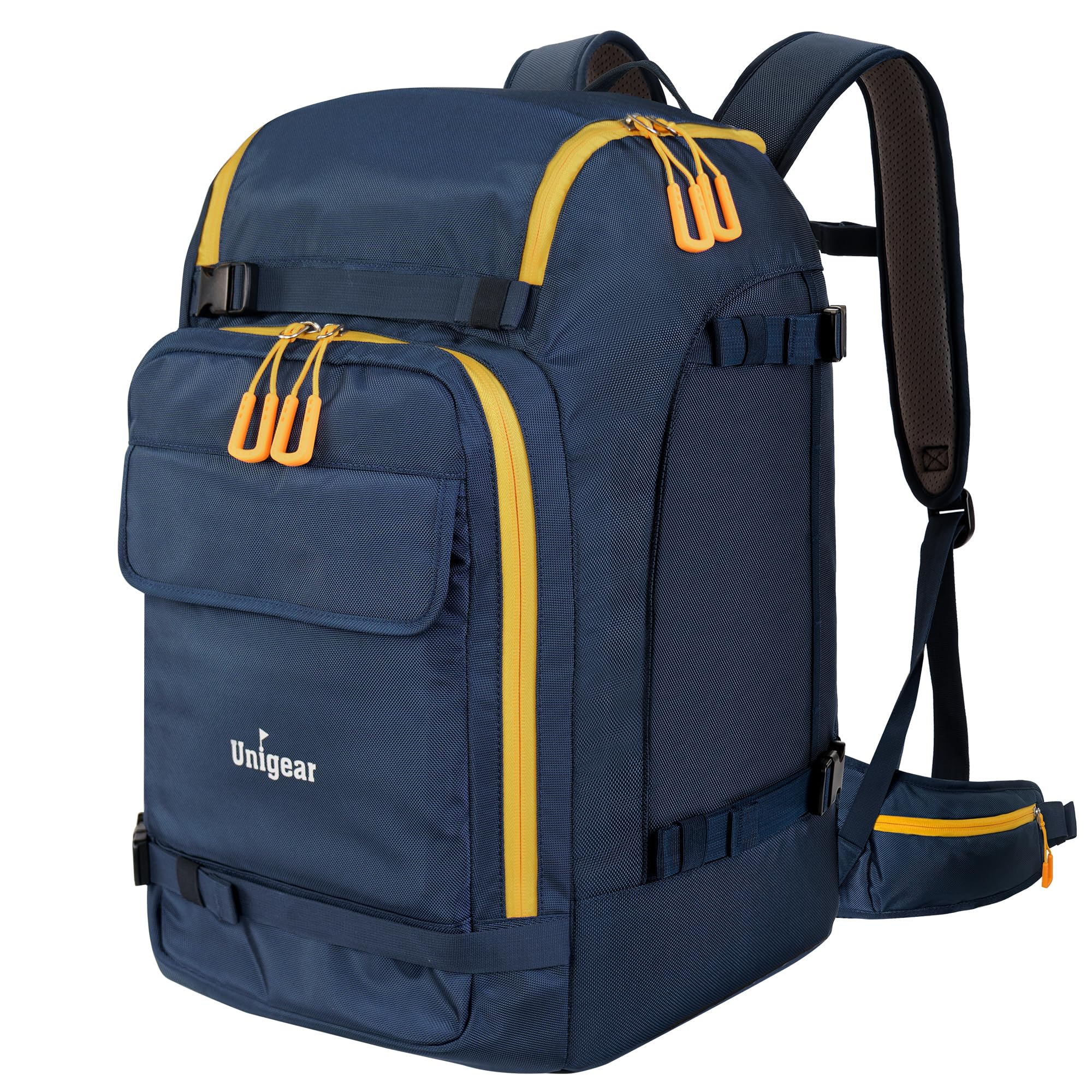
Unigear Ski Boot Bag Backpack 70L
Best OverallUnigear Ski Boot Bag Backpack 70L4.8★2,991 ratingsThe 70L behemoth that swallows your boots, helmet, and a week of gear. This pack solves the problem of wrestling ski boots, a helmet, goggles, gloves, and three days of clothes into a single bag.Check Price on Amazon
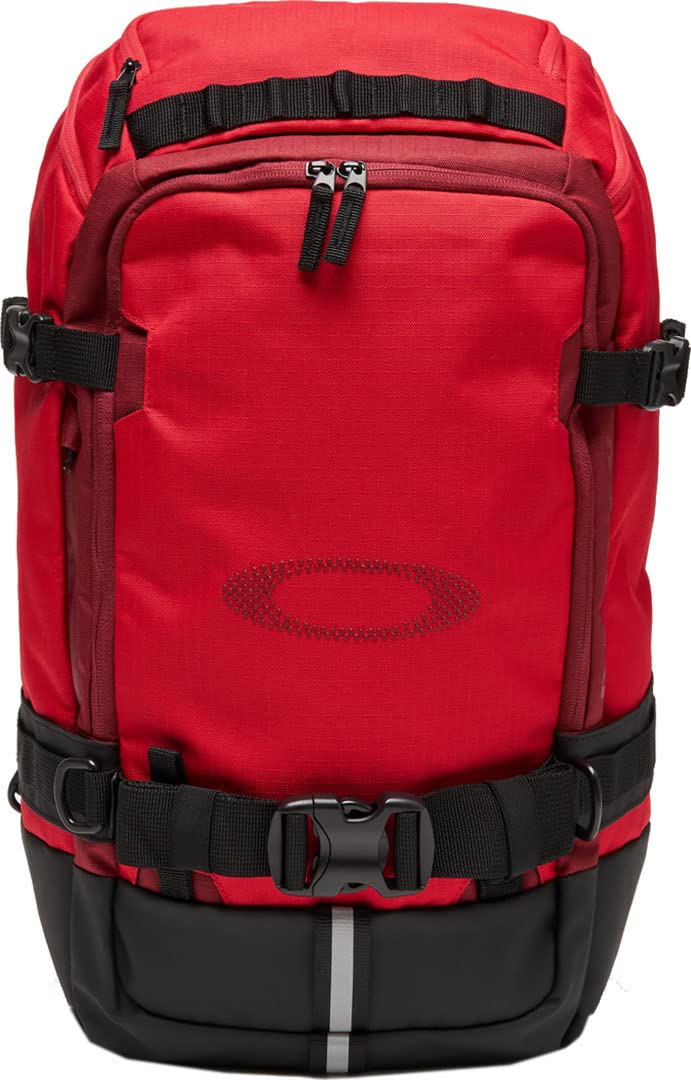
Oakley Peak RC 25L Backpack, Red Line
Premium PickOakley Peak RC 25L Backpack, Red Line4.5★69 ratingsA resort slayer built with a premium feel and a loud safety color. This 25L pack hits the balance for an in-bounds day — enough space for layers, snacks, and a shovel, without being so bulky that it rides high on a chairlift.Check Price on Amazon
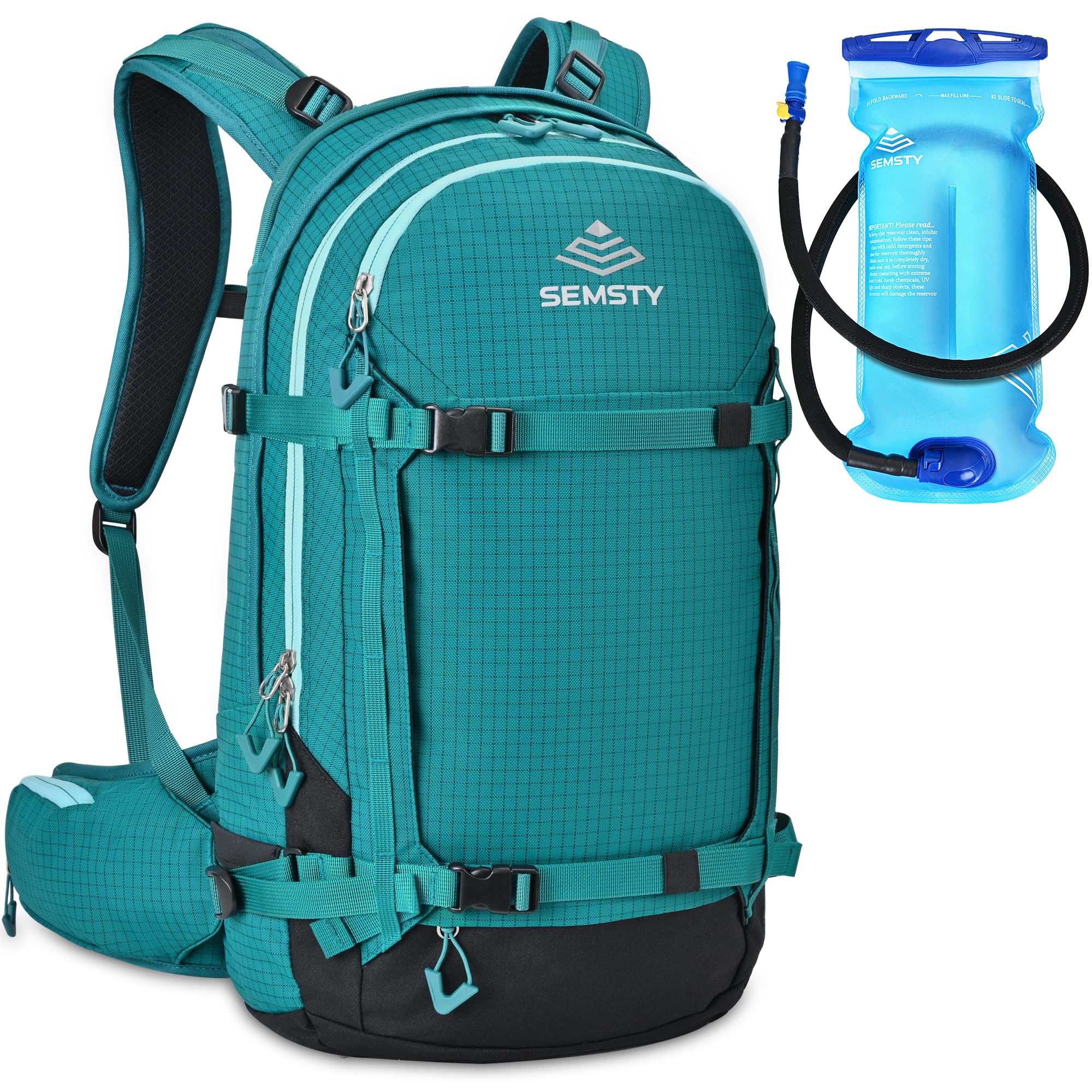
SEMSTY 30L Hydration Backpack
Best Value HydrationSEMSTY 30L Hydration Backpack4.2★44 ratingsA 30L pack that includes a 2L bladder and frost-resistant hose routing.Check Price on Amazon

How To Choose The Best Ski Backpack

Match the volume to your mission. A 12–20 liter pack is fast and snug for resort laps or short sidecountry hikes. A 30L backpack handles a full day of food, layers, and a shovel and probe. If you need to transport boots, a helmet, and goggles for a trip, a 50L or 70L boot bag is the one you want. Beyond size, the carrying system — how skis attach, where the hydration tube routes, and whether you can access the main compartment without taking the pack off — separates a good day on the mountain from a frustrating one.

Carrying System: Ski and Board Attachment

The way a pack holds your skis or snowboard changes how you move. A-frame carry works for skis, and a vertical carry works for a snowboard. Diagonal ski carry is faster and keeps weight centered, while a snowboard can hang horizontally or vertically across the back. Whichever you pick, look for buckle systems you can operate with thick gloves on.

Hydration: Keeping the Hose Flowing

Water freezes fast in sub-zero temps. A pack with an insulated bladder sleeve and an insulated hose sleeve keeps the tube from turning into an ice block. Some packs also use a harness sleeve so the drinking tube sits against your body, using your own warmth to keep the water moving.

Safety and Access: Reaching Gear Fast

If you ski or ride off-piste, a dedicated avalanche safety pocket for your shovel and probe is non-negotiable. Back-panel access to the main compartment means you can grab gear without dropping the pack in the snow, and a fleece-lined goggle pocket stops lens scratches before the first run of the day.

Quick Comparison

Model Best For Capacity Pockets Hydration Sleeve Amazon
Unigear Ski Boot Bag Backpack★ Best Overall Travel & full gear haul 70L 5 No Amazon
Oakley Peak RC 25LPremium Pick Resort day pack 25L 6+ No Amazon
SEMSTY 30L Hydration PackBest Value Hydration Hydration on the go 30L 8 Yes (2L included) Amazon
SEMSTY 12L Backpack Minimalist sidecountry 12L 5 Compatible Amazon
Deuter Freecline 15 Alpine touring 15L 6+ Compatible (2L) Amazon
Osprey Firn 18L All-mountain versatility 18L 8+ Compatible Amazon
Ortovox Tour Rider 30L Backcountry touring 30L 7 Compatible Amazon
Osprey Kamber 20L Resort & short tours 20L 6+ Yes (with insulated sleeve) Amazon
USWE Hajker 30L Wet/snow conditions 30L 5+ Yes (max 3L, insulated) Amazon

In‑Depth Reviews

★ Best Overall

1. Unigear Ski Boot Bag Backpack 70L

Our pick — over 4.5★ from 2,500+ verified ratings; the strongest balance of quality and price.

70L Capacity1050D Nylon

The 70L behemoth that swallows your boots, helmet, and a week of gear.

This pack solves the problem of wrestling ski boots, a helmet, goggles, gloves, and three days of clothes into a single bag. The Unigear gives you 70L of storage split into three separate compartments, plus 5 pockets total. Buyers report “Used on 4 trips; zippers smooth.” The outside uses a tarpaulin and 1050D nylon (a heavy-duty nylon fabric rated at 1050 denier, meaning it resists tearing from ski edges) so the bag stays waterproof and shrugs off sharp gear. A flip-down back-panel door doubles as a standing mat, letting you change boots in a parking lot without your socks touching snow.

What wins people over is the sheer quality — quality gets the highest praise among owners, followed closely by storage capacity. The EVA (foam) padded mesh back panel keeps boots from jabbing into your spine, and the padded adjustable straps sit comfortably even when the bag is stuffed. At 70L, it is significantly roomier than most day packs; unlike the 25L Oakley Peak RC, this one hauls everything including your ski boots.

Owners mention it holds up well to airline baggage handling — a key test for a bag this size. The main trade-off is that at 70L it is a big piece of kit; this is not a pack for a quick chairlift lap but the tool for travel, road trips, and resort days when you want every piece of gear with you.

Spacious boot bag

  • Huge 70L capacity easily holds boots, helmet, and clothing
  • Waterproof tarpaulin and 1050D nylon build stands up to snow and airline travel
  • Flip-down back-panel door doubles as a standing mat for boot changes
  • Three organized compartments keep gear sorted and accessible

Bulky for short trips

  • Large volume makes it impractical for quick sidecountry or in-bounds laps
  • One owner noted the actual capacity is closer to 50L in practice

Best for gear haul: you need one bag that carries everything from boots to goggles for a week-long ski trip.

Skip for day tours: you want a slim day pack that stays tight on chairlifts and sidecountry hikes.

Premium Pick

2. Oakley Peak RC 25L Backpack, Red Line

25L Capacity100% Recycled Polyester

A resort slayer built with a premium feel and a loud safety color.

This 25L pack hits the balance for an in-bounds day — enough space for layers, snacks, and a shovel, without being so bulky that it rides high on a chairlift. “Soft-lined pockets protect glasses/goggles,” say buyers, and the bright red color makes you highly visible in flat light or heavy snow. The top and lateral MOLLE system (a grid of webbing straps used to attach extra pouches) lets you add gear, while the diagonal ski carry works with adjustable length buckles.

The build quality draws consistent praise. The polyester fabric feels sturdy, and the hidden secure pocket is a smart touch for documents or cash. It also opens from both the front and back, so you can reach the main compartment without unthreading the carry straps. At 25L it is smaller than the SEMSTY 30L (30L) hydration pack — enough for a full day but not for gear transport.

The main consideration: this pack does not come with a hydration sleeve or a bladder, so if you want hands-free drinking on the mountain you will need to add your own system. The waterproof bottom square piece is a nice extra, but the fabric is water-resistant rather than fully waterproof.

Best for resort: resort skiers and snowboarders who want a sturdy, good-looking day pack with easy goggle protection.

Skip for backcountry: you need built-in hydration for long tours or deep backcountry days without stops.

Best Value Hydration

3. SEMSTY 30L Hydration Backpack

30L Capacity2L Water Bladder

A 30L pack that includes a 2L bladder and frost-resistant hose routing.

This is the rare ski pack that arrives with a hydration bladder in the box — a 2L BPA-free bladder (a water reservoir made without bisphenol A) with an anti-leak design. The real trick is the insulated sleeve in the shoulder strap that wraps the drinking tube so water does not freeze in sub-zero conditions. Buyers confirm that “the water didn’t freeze while skiing.” It holds 8 pockets total, compared to the Unigear 70L backpack which has 5 pockets — making it easy to organize everything from a shovel to snacks to a 15-inch laptop.

The 30L volume is the balance for a full resort day or a short backcountry tour. It uses a combo of tarpaulin and 1050D nylon for waterproofing, and the bottom is lined with low-temperature-resistant tarpaulin so you can set it down in deep snow without moisture soaking through. The S-shaped shoulder belts do not hinder arm movement, and the PE foam back panel (a breathable foam that keeps sweat from pooling) keeps you cool.

One owner pointed out that the water bag retention strap broke under a full 2L load. That seems to be an occasional issue rather than a universal problem — many others report the pack performed perfectly through a whole ski week with heavy falls and still kept stuff dry. The extra strap webbing can also dangle, but a simple Velcro fix handles that.

Best for hydration: skiers who want hydration included and need 30L of organized space without spending premium money.

Skip for heavy loads: minimalist riders who prefer a smaller pack and already own their own bladder system.

Compact Specialist

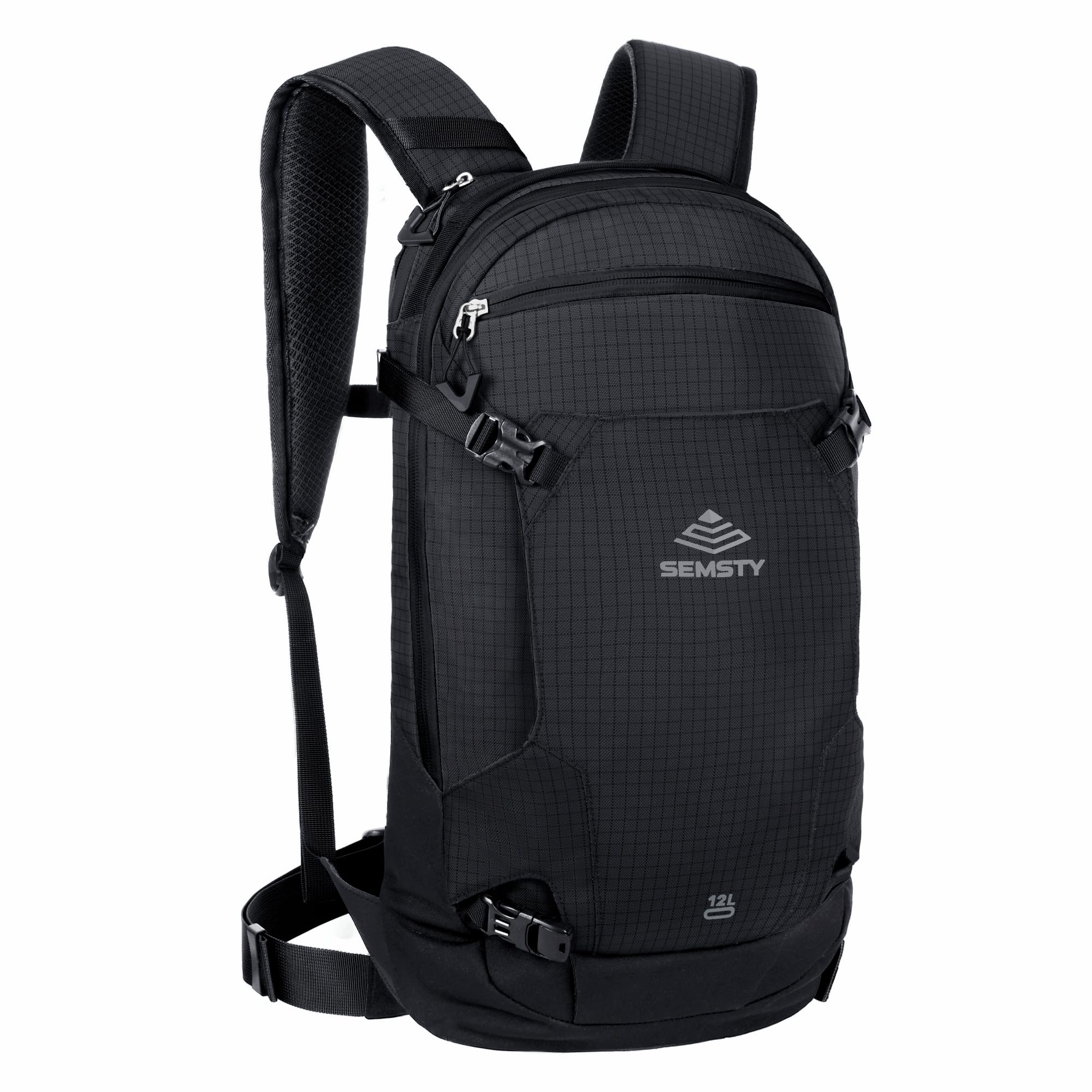
4. SEMSTY 12L Ski & Snowboard Backpack

12L CapacityWater-Resistant Nylon

A 12L minimalist pack that fits tight for dynamic movement on the mountain.

At just 12 liters and slim profile dimensions (12.2 x 3.15 x 20.9 inches), this pack is built for the rider who wants nothing flapping around. It has a fleece-lined goggle pocket to protect your lenses, an external quick-stash pocket for a phone or pass, and internal space for a 14-inch laptop. The S-shaped elastic shoulder belts and an air-permeable PE foam back panel (breathable foam) keep your back dry and your arms free.

Where this pack shines is the carrying versatility: you get vertical snowboard carry, diagonal ski carry, and horizontal snowboard carry options, so you can strap your gear whichever way works for your setup. The chest strap includes a whistle, a small but smart safety add-on. Reviewers call it “perfect compact size” for skiing and snowboarding, with one noting it even works great for kids’ balance bikes.

The catch is that this is not a hydration pack. It is compatible with a bladder, but there is no hose port included — one owner noted the elastic band is weak and there is no protection from leaks. If you want to carry water, bring your own setup and expect to rig it yourself. The 12L volume also means it fills up fast with layers and a shovel.

Best for light days: quick resort laps, sidecountry hikes, or kids who need a lightweight day pack.

Skip for long tours: you need a built-in hydration system or room for a full day of food, tools, and extra layers.

Tourer’s Choice

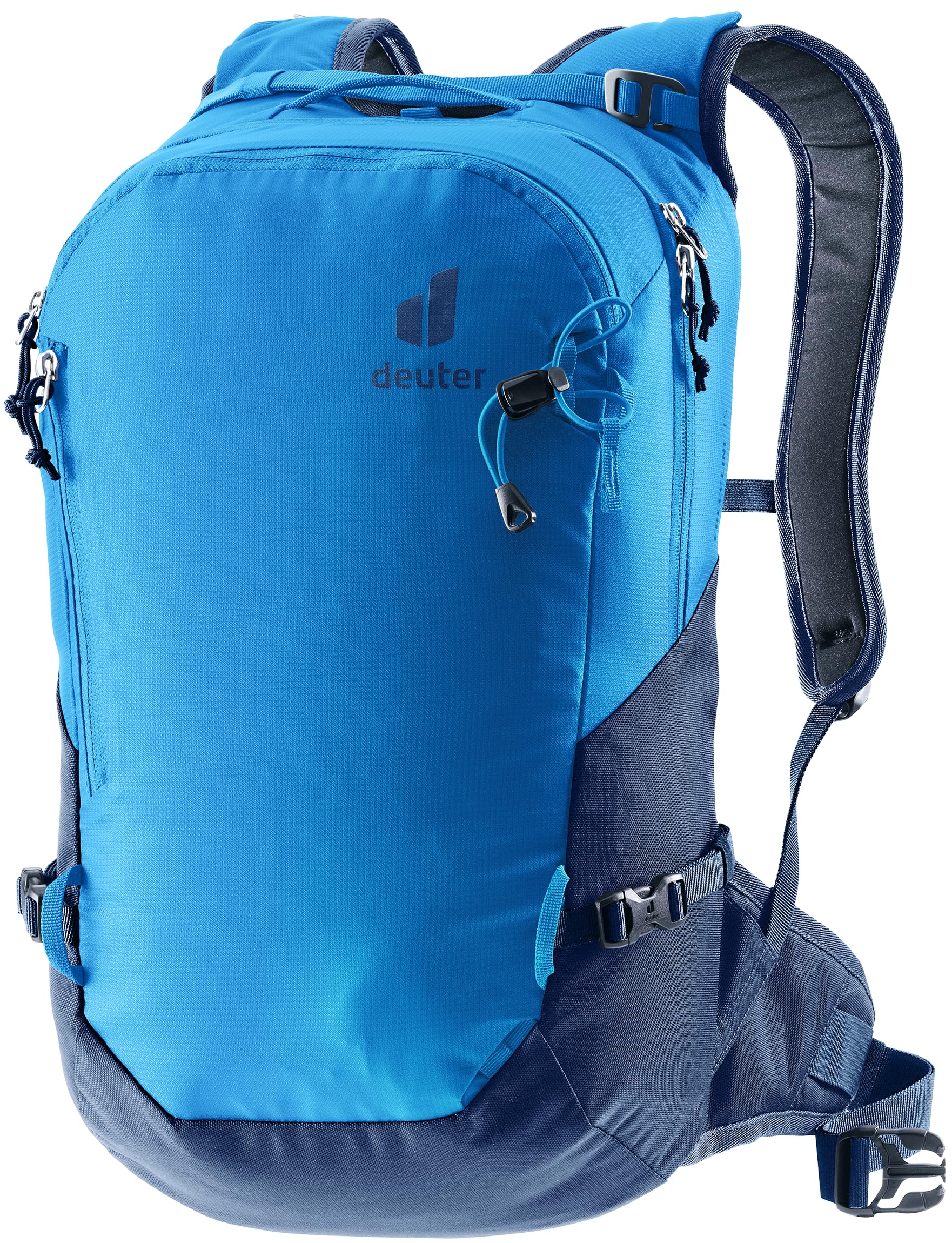
5. Deuter Freecline 15 Alpine Ski Backpack

15L Capacity730 g

A 15-liter all-mountain pack that nearly disappears on your back.

Deuter is known for alpine packs that prioritize fit, and the Freecline 15 is the evidence. At just 730 g (about 1.6 pounds), it is the lightest pack in this lineup. The Alpine Back System uses two Softstripe pads that flex with every movement, keeping the load close to your center of gravity. Customers note it is so comfortable that “you even forget you are wearing it on your back.”

Storage is tune for an alpine mission: a zippered front compartment with a round arch opening, a fleece-lined goggle pocket inside the main compartment, a stowable mesh helmet holder, and a reinforced safety compartment for a shovel blade and handle. It comes with a diagonal ski attachment, a snowboard attachment on the front, and an ice axe loop with a top compression strap that doubles as an axe stabilizer. It is also compatible with a 2-liter hydration system (bladder not included) and is Bluesign-certified, meaning the materials meet strict environmental standards.

At 15L, it is smaller than the Osprey Firn 18L. One owner found 15L too small for a full day of skiing, so think of it as a fast-and-light companion for a short tour or a resort day when you only need goggles, a snack, and a layer. The construction uses recycled 600D and 210D nylon, which keeps the weight down but is not as bombproof as the 1050D nylon on the Unigear 70L.

Best for short trips: ski tourers and freeriders who value a barely-there fit for fast ascents and active movement.

Skip for large loads: you need room for a full backcountry safety kit plus layers for a long day in variable weather.

Vest Fit Innovator

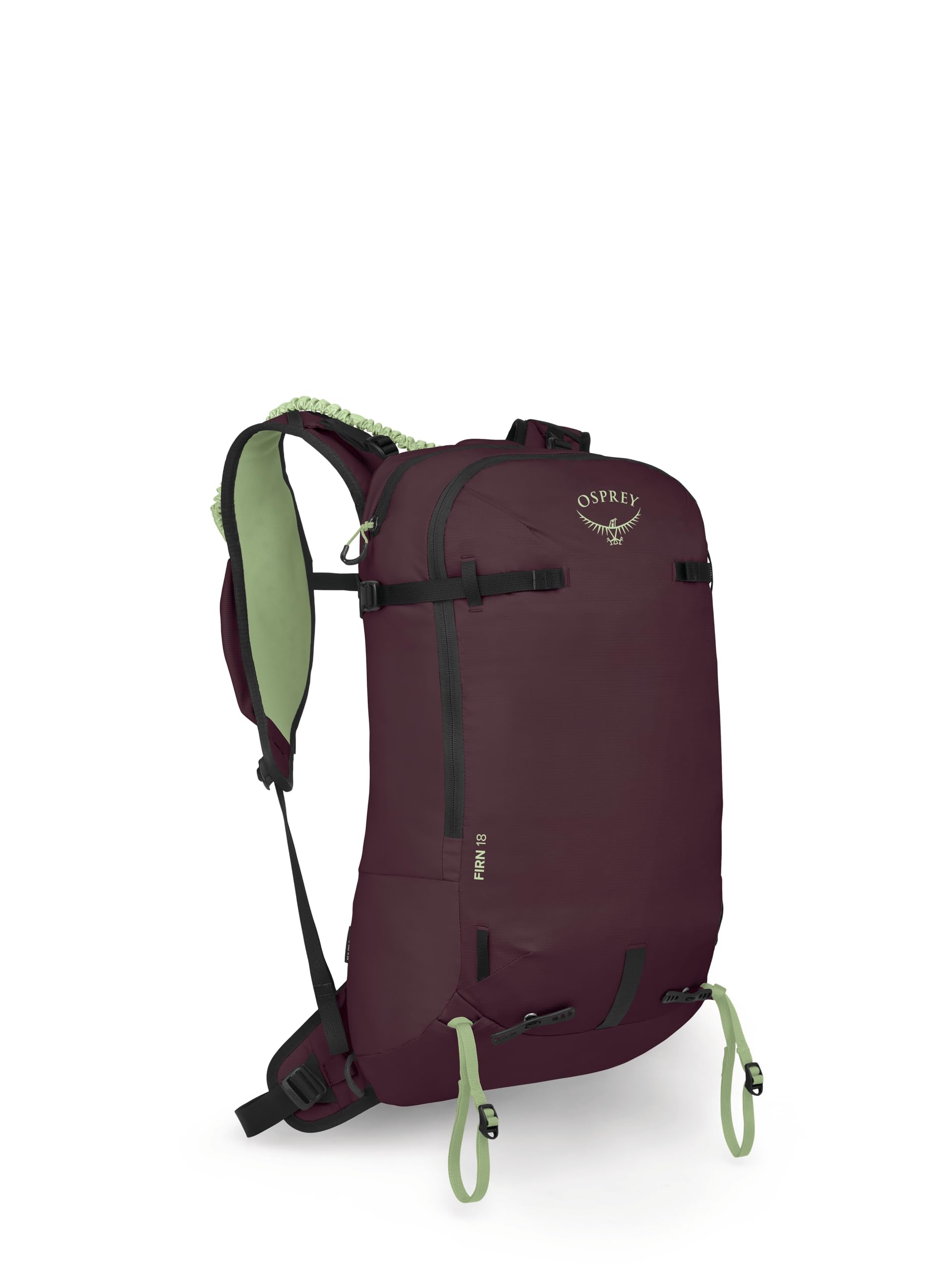
6. Osprey Firn 18L Ski Backpack

18L CapacityVest-Style Harness

A highly adjustable vest-style pack that stays glued to your torso on aggressive descents.

The Firn 18L uses a vest-style harness — it wraps around your torso like a climbing vest rather than dangling from your shoulders. This makes a massive difference when you are bending, carving, or hiking up a bootpack. The pack also features Osprey’s Ski Lasso carry system, which lets you stow skis without taking the pack off. The snow-shedding backpanel is flexible yet stable, and a dedicated crampon pocket (a small compartment for ice-climbing spikes) gives you one-handed access to your gear.

Owners praise how easily it adjusts across different body sizes: one family says it fits both a 6’2″ frame and a 5’2″ frame perfectly. It holds a 45-meter climbing rope for multi-sport days, and the materials use recycled nylon with easy-grip zippers you can operate with gloves. The dedicated avalanche tool pocket on the front panel means your safety gear is always in the same spot.

The biggest trade-off: at full retail, some owners feel the pack is overpriced without a full horseshoe zipper or lower compression straps. On sale, it is considered a strong value. If you regularly switch between skiing, climbing, and biking, the Firn moves across activities better than most dedicated ski packs.

Best for day trips: skiers and riders who want a stable, close-to-body carry for skiing, climbing, and biking in one pack.

Skip for deep snow: you need lower compression straps or a full horseshoe opening for easy gear access.

Backcountry Pro

7. Ortovox Tour Rider 30L Ski Touring Backpack

30L Capacity~35 oz Weight

A 30-liter touring companion that prioritizes easy access to avalanche safety gear.

At roughly 35 ounces (just under 2.2 pounds), the Tour Rider 30L keeps the weight low for long days in the backcountry. It has a separate shovel and probe compartment that sits away from your back for comfort, and the bright interior lining helps you spot small items fast. The main compartment opens from both front and back — a feature owners love because they can grab gear without dropping the pack in deep snow.

It carries a wide ski fastener that fits skis up to 150 mm wide, plus an integrated helmet net, ice axe and hiking pole fastening, and a snowboard/snowshoe attachment. The chest strap includes a signal whistle, and there is a hip pocket for small items. It is hydration-system compatible (bladder not included), and the fabric is 100% polyamide, which is tough and PFC-free (free of perfluorinated chemicals for environmental safety).

Buyers consistently call it light, comfortable, and well-organized. One owner wanted a larger pack than their 22L Osprey and found this 30L perfect, praising the back-access opening. At 30L it is the same volume as the USWE Hajker below, but the Ortovox is nearly 10 ounces lighter and focuses on avalanche tool organization rather than waterproofing.

Best for ski tours: backcountry skiers and splitboarders who need organized, lightweight access to avalanche safety gear.

Skip for resort use: riders who want fully waterproof construction or a built-in hydration bladder.

Resort Favorite

8. Osprey Kamber 20L Men’s Backcountry Ski Backpack

20L CapacityHydration Sleeve

A 20-liter resort pack that crosses into backcountry duties without missing a beat.

The Kamber 20L is Osprey’s all-rounder — compact enough for a day on the groomers but feature-rich enough for a short tour. It has a dedicated avalanche safety kit storage area with sleeves for a shovel handle and probe, so you are never digging through a messy main compartment in an emergency. The insulated hydration hose sleeve keeps your water flowing in the cold, while the scratch-free goggle pocket protects your lenses from the rest of your gear.

Ski carry options include vertical front-panel and horizontal snowboard carry, plus a quick-and-easy diagonal ski carry. The dual zippered hipbelt pockets are large enough for an iPhone SE, which is handy for snacks or a phone without stopping. The pack also features a single ice tool carry loop with an attachment point, and a stow-away helmet net that can mount on the front or top of the pack.

Reviewers point out the capacity is generous relative to its 20L size — “plenty of room for necessities” is the recurring observation. The main trade-off is that the zippers can feel stiff when new, and there are fewer external gear loops than on dedicated alpine packs like the Deuter or Ortovox. For resort riders who occasionally step into the sidecountry, this is a strong one-pack solution.

Best for backcountry: resort skiers who want one pack that handles in-bounds runs, short tours, and hydration without fuss.

Skip for lift access: you need more external attachment points for ice tools and extra climbing gear.

All-Weather Tank

9. USWE Hajker 30L Winter Backpack

30L CapacityWaterproof Rolltop

A fully waterproof rolltop that shrugs off wet snow and keeps your gear bone-dry.

The USWE Hajker uses a rolltop closure for the main compartment — no zipper to leak or freeze. The entire pack is waterproof, making it the go-to for wet snow, sleet, or spring slush days. It is hydration compatible with an insulated 3L bladder sleeve (the largest bladder capacity in this list) and Thermo Cell insulation to keep your water from freezing. The pack fits torsos from 16 to 22 inches (41 to 55 cm) and includes a detachable waist belt that works for running.

Owners rave about the build quality: “excellent build quality, expandable main compartment, fully waterproof, hugs body tightly for low drag.” It is also a favorite among e-scooter and EUC riders for the same reasons — low drag and total water protection. The 30L volume is expandable, so you can stuff a heavier layer in when the weather turns.

The downsides: the back panel lacks ventilation, which one owner called a “pocket-heater” that gets uncomfortable during high-output activity. Some advertised features like shoulder pouches were missing on a few units, and the hydration hose can pinch against the pack. If you need maximum waterproofing for storm days, this is the pick — but if you are a sweaty tourer, the Deuter or Ortovox breathes far better.

Best for cold days: true winter storms, wet snow days, and riders who want zero water ingress in their pack.

Skip for light touring: you overheat easily — the non-ventilated back panel turns into a heat trap on high-output tours.

Understanding the Specs

Capacity (Liters)

Think of liter capacity as time on the mountain. A 12–20L pack lasts a half-day resort session: goggles, a layer, snacks, and a small tool kit. A 25–30L pack covers a full day with a shovel, probe, extra down layer, and a hydration bladder. A 50L or 70L pack is for travel and gear hauling — boots, helmet, and several days of clothing — not for wearing while you ski.

Hydration System Compatibility

Not all packs include a bladder, but many have a sleeve and a hose port. The key spec is the hose insulation — a sleeve that routes the drinking tube through the shoulder strap keeps the water from freezing. Without it, the tube can ice up in minutes below 20°F.

FAQ

What size ski backpack do I need for a resort day?
A 20 to 30-liter pack handles a full resort day comfortably: extra layers, lunch, goggles, a shovel and probe, and a hydration bladder. A 12-liter pack works for quick sidecountry hikes or half-day sessions.
Will a ski backpack fit on a chairlift?
Most alpine ski backpacks are designed to sit low enough and slim enough that you can lean back on a chairlift without the pack pushing you forward. Look for a design that hugs the body, like the vest-style of the Osprey Firn.
How do I stop my hydration tube from freezing?
Choose a pack with an insulated hose sleeve that routes the tube through the shoulder strap. Some sleeves use your body heat to keep the line flowing. Even with insulation, blow the water back into the bladder after drinking to clear the tube.
Can I carry skis and a snowboard in the same pack?
Not typically — you carry either skis or a snowboard, not both at once. Most packs handle diagonal ski carry and separate vertical or horizontal snowboard carry, but they use different strapping configurations.
What gear should I put in the avalanche safety pocket?
A dedicated avalanche pocket is designed for your shovel blade, shovel handle, and probe — keep them in the same spot every time so you can reach them blindfolded in an emergency. Never bury them under your lunch or extra layers.
Are ski backpacks waterproof?
Most use water-resistant fabrics like coated nylon or polyester. Fully waterproof packs use a rolltop closure instead of zippers. The USWE Hajker is a rare fully waterproof ski backpack. For general use, a water-resistant pack with a dry bag for electronics is a reliable setup.
What is the difference between a daypack and a touring pack?
A daypack is built for resort use with simple carry systems and casual access. A touring pack is lighter, has a separate pocket for shovel and probe, uses helmet storage, and often includes an ice axe loop and diagonal ski carry. The Deuter Freecline and Ortovox Tour Rider are touring packs.
How do I attach a helmet to my ski backpack?
Many ski packs have an integrated helmet net that stows away when not in use. The Osprey Kamber and Deuter Freecline both include a stowable mesh helmet holder that can be deployed for long ascents or walk-ups.
Will a ski backpack fit a 15-inch laptop?
Some alpine packs have an internal sleeve sized for a 14-inch or 15-inch laptop, often in the hydration compartment. The SEMSTY 30L pack fits a 15-inch laptop, and the SEMSTY 12L fits a 14-inch laptop. Many touring packs skip the laptop sleeve entirely to save weight.
What does diagonal ski carry mean?
It means you strap one ski diagonally across the back of the pack rather than vertically alongside it. This keeps the weight closer to your center of gravity and makes it much easier to move, turn, and ride with skis on your back.

Final Thoughts: The Verdict

For the majority of shoppers, the ski backpack winner is the Unigear 70L Boot Bag Backpack because it is the highest-rated pack in the list at 4.8 stars across 2,900+ owners — a clear crowd favorite for anyone traveling with all their gear. If you want built-in hydration for long mountain days, grab the SEMSTY 30L Hydration Pack. And for backcountry touring where weight and avalanche tool access matter most, the Ortovox Tour Rider 30L is the one to reach for.

How We Picked

We do not accept paid placement. Every pick is matched to a real buyer and a real use-case; we do not hands-on test units.

Sources & Methodology

Specifications: manufacturer listings and product documentation. Review insights: verified customer reviews, as of July 2026. Pricing: not shown on this page (it changes often); check the current price via the retailer link.

As an Amazon Associate, Gadgets Feed earns from qualifying purchases. This does not affect which products we feature.

Related Guides

Please use a real email you check. If it's fake or mistyped, your message won't reach us and we can't reply — wrong addresses are rejected automatically.