
Our readers keep the lights on and my morning glass full of iced black tea. As an Amazon Associate, I earn from qualifying purchases.
Specs are compiled from manufacturer listings and verified buyer reviews and can change over time — please confirm the key details on the product page before buying.
The jump from stock earbuds to a proper set of in-ear monitors is huge—suddenly you hear the space between instruments, the texture of a vocal, the quietest footstep in a game. But the market is flooded with options, and the wrong choice means muddled sound or a fit that leaves you reaching for the volume button all day. This guide cuts through the noise to find the affordable in-ear monitors that actually deliver on clarity, comfort, and build while staying affordable.
I’m Min — the founder and writer behind Gadgets Feed. This guide is built by comparing the manufacturers’ published specifications and the patterns across verified customer reviews, so you get each pick’s real strengths and trade-offs instead of marketing spin.
Whether you are a musician who needs reliable stage monitoring, a gamer chasing positional audio, or just someone tired of cheap buds that hiss and distort, the list below covers the real contenders. Here are the best affordable in-ear monitors worth your time and money.
Our Picks at a Glance
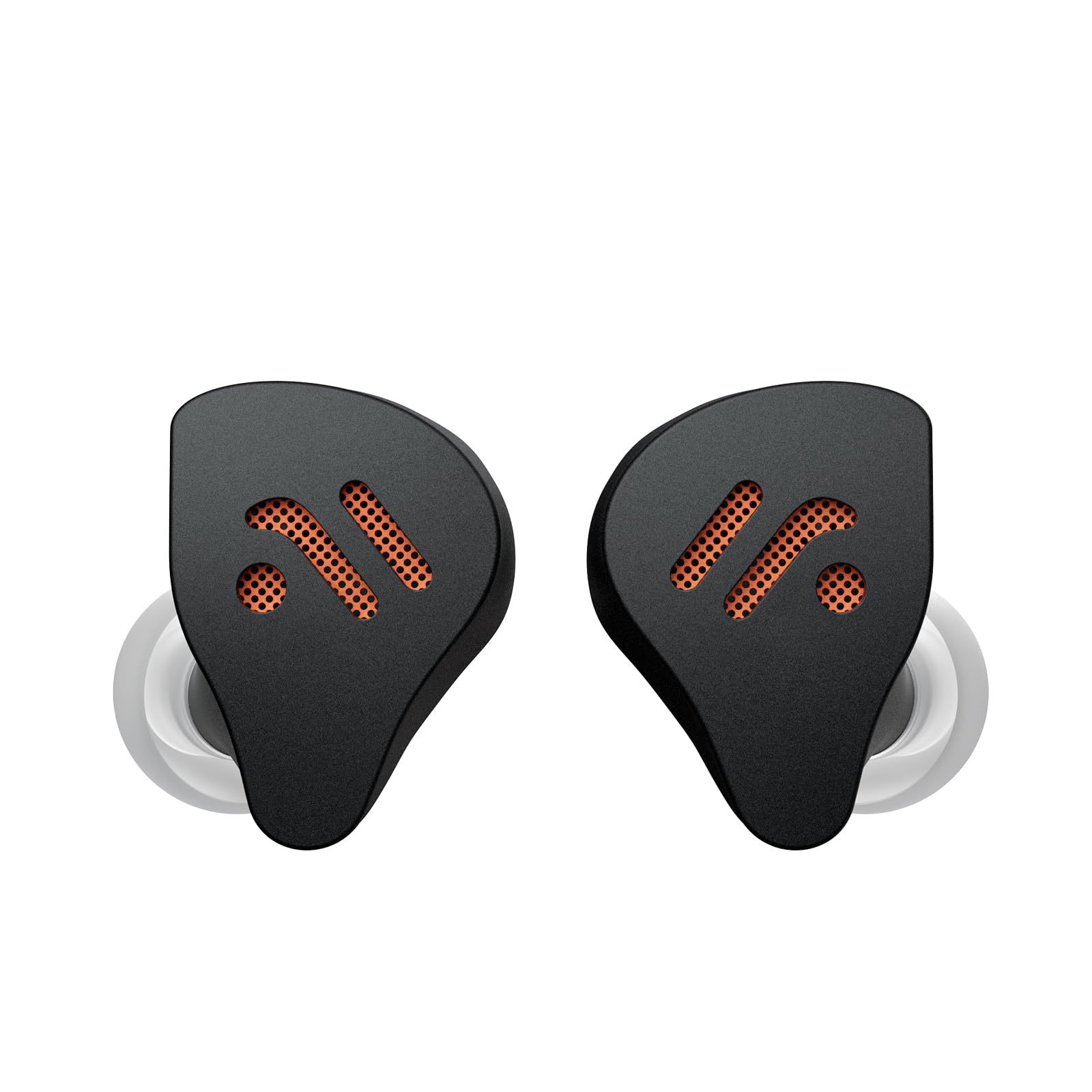

How To Choose The Best Affordable In-Ear Monitors
To pick your first or next IEM (in-ear monitor — a wired earphone designed for stage or critical listening), you only need to understand a few specs that change what you hear and how they feel in your ears. Here is what matters most, in plain terms.
Driver Configuration: Single vs. Hybrid
The “driver” is the tiny speaker inside each earbud. A single dynamic driver handles the full frequency range — from deep bass to high treble — in one unit. It is often more coherent and natural-sounding. Hybrid models use multiple driver types (like a dynamic driver for bass plus a planar or balanced armature for mids/highs). This can improve detail and separation, but it requires careful tuning to avoid a disjointed sound. For a first pair, a well-tuned single dynamic driver can be more forgiving.
Fit and Comfort: Shell Design and Weight
IEMs are meant to be worn for long sessions, so the shell shape is critical. Some use a universal fit based on large ear-shape databases, while others are more compact. Look for ergonomic designs made from lightweight materials (aluminum or CNC alloy) that sit flush in your ear. A good seal with the right ear tip (silicone or foam) also anchors the sound and blocks out external noise. The crowd-favorite weight for all-day comfort is around 7-10g per bud.
Quick Comparison
| Model | Best For | Driver Type | Weight per Bud | Cable Connection | Amazon |
|---|---|---|---|---|---|
| Fosi Audio IM4★ Best Overall | Open-back natural sound | Single Dynamic (10mm) | 7g | 2-Pin 0.78mm | Amazon |
| KZ ZS10 Pro XValue King | Detail and value | Hybrid 4BA+1DD | — | 2-Pin 0.75mm | Amazon |
| TRUTHEAR x Crinacle Zero:BLUE2 | Warm bass and build | Dual Dynamic | — | 2-Pin 0.78mm | Amazon |
| Linsoul SIMGOT EW300 | Hybrid tuning versatility | Hybrid 1DD+1Planar+1PZT | — | 2-Pin 0.78mm | Amazon |
| SENNHEISER IE 100 PRO | Stage reliability | Single Dynamic (10mm) | — | Detachable | Amazon |
| Shure SE215 PRO | Isolation and bass | Single Dynamic (MicroDriver) | — | MMCX | Amazon |
In‑Depth Reviews
1. Fosi Audio IM4 Open-Back IEM
Our pick — over 4.5★ from 150+ verified ratings; the strongest balance of quality and price.
A single-driver open-back IEM that sounds bigger than its price tag suggests.
The Fosi Audio IM4 is built around a premium 10mm beryllium-coated diaphragm single dynamic driver. That driver uses a dual-chamber structure and an N52 dual-magnet circuit to deliver a natural, coherent sound with clear highs and powerful low bass. What sets this apart from many multi-driver competitors, including the Simgot EW300s, is its easy clarity—buyers report that this single-driver setup edges out hybrids in overall fidelity. The open-back design creates an airy, wide soundstage where instruments spread out naturally and vocals never feel boxed in, making it ideal for fatigue-free listening during long sessions.
At just 7g per bud, the full-aluminum alloy shell feels substantial but disappears in your ear. The shell is crafted using precision CNC machining and features a smooth, sand-blasted finish. Customization is a highlight: you get three sets of ear tips (balanced, bass, deep-bass) across three sizes, plus two different nozzle materials (brass and aluminum alloy) that let you tweak the tuning. The detachable 2-Pin 0.78mm cable means you can upgrade or replace it easily. The only minor flaw noted by buyers is that the stock cable lacks a swappable 3.5/4.4mm termination.
Open-back clarity: The combination of a single dynamic driver, open-back spaciousness, and customizable tuning makes this the most versatile and listenable IEM in the lineup. If you value clarity and soundstage above all else, this is the one.
Less bass impact: The open-back design means you will not get the same isolation as a sealed IEM, so it is less suited for loud stage monitoring or noisy commutes.
Airy soundstage: you want a natural, wide soundstage for home listening or gaming, and you value a barely-there fit.
Bass lovers: you need maximum noise isolation for a live stage or travel.
2. KZ ZS10 Pro X
A hybrid driver monster that gives you four balanced armatures for under sixty bucks.
The KZ ZS10 Pro X packs a 10mm dynamic driver for bass plus four custom balanced armature drivers for mids and highs. This 1DD+4BA setup delivers crisp highs, smooth mids, and powerful lows with a sensitive transient response. Buyers describe it as “absolutely the best headphones I have used for gaming,” praising the wide and defined soundstage. The upgraded hybrid technology provides increased sensitivity and faster response, making it a fantastic choice for gamers and audiophiles who want to hear every detail like footsteps and directional cues. It comes with a detachable silver-plated 0.75mm 2-pin cable that uses 500D nylon wire to reduce the stethoscope effect and improve durability.
The shell combines an alloy faceplate with a resin cavity for a durable, everyday-wear-resistant build. The ergonomic shape is designed for long-term comfort. However, it is important to note that while sound quality and value are praised highly, comfort receives mixed feedback—some buyers find the shape less accommodating for smaller ears. There are also occasional durability concerns mentioned, so careful handling is recommended. For the price, the performance is outstanding, but it is not a low-maintenance fit for everyone.
Value-packed specs: At this price point, the driver configuration and sound detail are nearly impossible to beat. It is a clear winner for budget-minded gamers and detail seekers.
Slight treble peak: Comfort is a mixed bag—if you have small or sensitive ears, you may need to experiment with aftermarket ear tips.
Budget champion: you are a gamer or musician who wants hybrid-driver detail without spending a lot.
Treble sensitive: fit is your top priority—try the lighter Fosi IM4 or the smaller-housing TRUTHEAR.
3. TRUTHEAR x Crinacle Zero:BLUE2

A Crinacle-tuned dual-driver IEM with a warm, punchy bass that performs well above its class.
The TRUTHEAR Zero:BLUE2 uses a dual-cavity internal magnetic circuit dynamic driver setup. It pairs a 10mm solid silica gel suspension composite liquid crystal dome driver with an N52 magnet and a 7.8mm upgraded polyurethane suspension liquid crystal dome driver with an N55 magnet. The result is a sound signature that customers describe as warm, punchy, and wide—with excellent vocal clarity and sub-bass handling. The cavity itself is manufactured using a DLP-3D printing process, a technique usually reserved for high-end custom earphones, which ensures precision and consistency. The included 294-core high-quality copper and silver-plated coaxial cable is a serious step up from typical stock cables, offering a tangle-free and premium feel.
Comfort is a strong suit here, with many owners noting no ear soreness even after long sessions. The plastic casing feels durable. A key detail is that the sound benefits significantly from the included +5 ohm impedance adapter; without it, some find the profile a bit thin. The housing is also on the larger side, and routing the cord behind the head can become uncomfortable after an hour for some. The 5.8 ohm impedance means you may need a good USB-C DAC to drive it properly to full volume. Overall, the build quality and durability are praised, making it a dependable daily driver.
Balanced tuning: The combination of high-end 3D-printed construction, a fantastic cable, and warm, non-fatiguing sound makes this a long-term keeper.
Needs more power: This IEM is best paired with a USB-C DAC or audio interface—it is more sensitive to your source than other options.
Reference neutral: you want a durable, warm-sounding IEM for music and gaming and you already have a decent DAC.
Low-power devices: you need the most compact shell or plan to drive it from a basic phone dongle.
4. Linsoul SIMGOT EW300

A triple-hybrid IEM with swappable nozzles that lets you change its sound signature on the fly.
The SIMGOT EW300 is a complex hybrid featuring one dynamic driver, one planar driver, and one piezoelectric ceramic (PZT) driver per side. This tri-matrix acoustic architecture is designed to balance the characteristics of each driver type. The standout feature is the detachable nozzle system—you get two distinct tuning styles (one based on the SIMGOT-Golden2023 curve, the other on the H-2019 game-centric target). The gold copper nozzle with purple silicone ring is specifically tailored for gamers, making gunfire and footsteps clearly distinguishable. The housing is a precision CNC-machined high-density alloy with a mirror-plating process, giving it a premium, hefty feel.
Sound quality is the most-praised aspect, with buyers noting powerful, articulate bass that blends well. Some owners mention that the treble can sound a bit “tizzy” and chaotic straight from the start, but settles into clarity after a 50-hour burn-in period. Fit is a highlight—one parent reported it works great for a child with very small ear canals, a rare compliment. The cable is a high-purity silver-plated oxygen-free copper design. The only downsides are its weight (the all-metal build is heavier than plastic-shelled IEMs) and the cable length, which some find short for desktop use. The upper ear can also become tender after prolonged wear.
Rich detail retrieval
- Swappable nozzles offer two distinct sound signatures for music or gaming
- Excellent build quality with a sturdy CNC alloy shell
- Works well for small ear canals
Bulky housing
- Heavier than all-plastic competitors; may feel noticeable after hours
- Cable length is on the short side for some setups
- Treble can initially sound harsh before burn-in
Detail monster: you love tinkering with sound and want an IEM that adapts to both critical music listening and competitive gaming.
Compact fit: you want the lightest possible fit for all-day wear without any burn-in curiosity.
5. SENNHEISER Professional IE 100 PRO
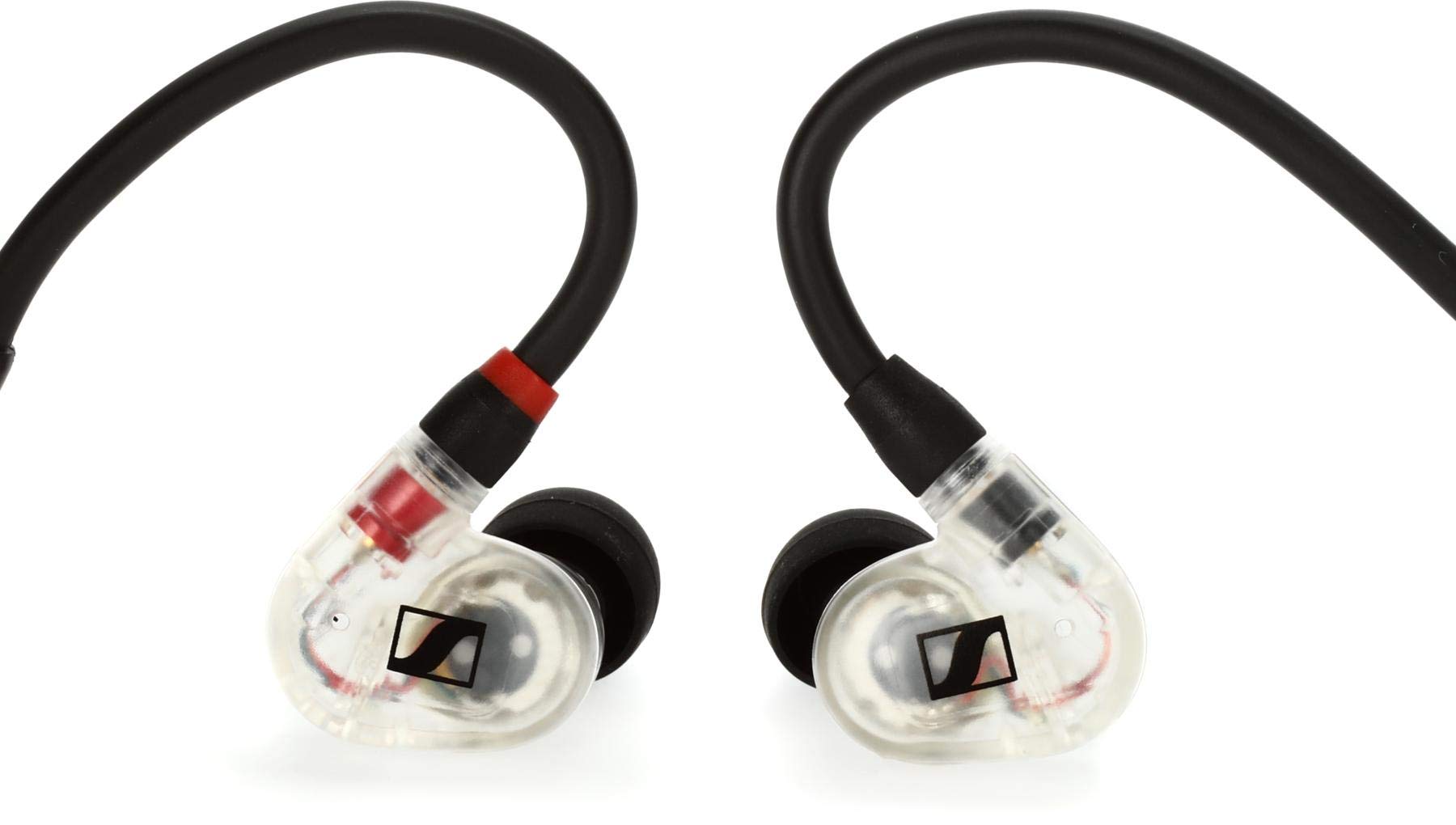
Sennheiser’s entry-level pro monitor built for the rigors of the stage.
The IE 100 PRO uses an innovative 10mm broadband dynamic transducer that Sennheiser says reduces acoustic stress factors through homogenous, distortion-free reproduction. The single-driver design allows for a slim, ergonomic construction that is comfortable for long rehearsals and performances. It comes with both silicone and foam ear tips to help you find the best seal and achieves excellent shielding thanks to an tune earpiece. The stage-proof cable features an internal cable duct to withstand the wear and tear of live use. It is designed for monitoring, rehearsal, and performance, and its build quality is praised as excellent for the price.
Real-world feedback is a bit of a mixed bag on this one. While quality and value for money are strong positives, the sound quality itself gets divided reviews. Some find it excellent, clear, and detailed—comparable to studio headphones—while others find it marginal. The learning curve for achieving a comfortable, proper fit is real, and owners mention that swapping ear tips changes the sound profile drastically. The bass is well-tuned and not muddy, but there is occasional harsh sibilance on “S” and “T” sounds. It also reveals poor-quality recordings mercilessly. It is a superb choice for a live performer who values reliability and a neutral, honest monitor mix.
Studio monitor accuracy: For stage reliability and a comfortable, secure fit that lasts through a set, the IE 100 PRO is purpose-built. The detachable cable and rugged construction are pro essentials.
Thin cable: Sound quality is divisive—you will either love its neutral clarity or find it a bit thin and sibilant. Test it with your gear before committing.
Stage pro: you are a musician who needs a durable, comfortable, well-shielded monitor for live work.
Casual listening: you are a casual listener wanting a thick, bass-forward “fun” sound.
6. Shure SE215 PRO Sound Isolating Wired Earbuds

The legendary workhorse IEM that blocks out the world so you can hear your music.
The Shure SE215 is a classic for a reason. It uses a single dynamic MicroDriver to deliver detailed, full-range sound with a focus on deep bass and clear highs. Its defining feature is the Sound Isolating Technology, which blocks up to 37 dB of ambient noise. This makes it feel like earplugs, effectively eliminating distractions for commutes, travel, or focus sessions. The secure over-ear wireform cable wraps around your ears and features a detachable MMCX connector with 360-degree rotation and a lock-snap mechanism. The customizable fit kit includes three sizes each of flex and foam sleeves, allowing you to dial in the perfect seal for maximum isolation and comfort. Customers note it stays in place during motorcycle rides up to 75 mph with a helmet.
The down-to-earth truth is that the SE215 has a balanced and neutral sound signature with slightly rolled-off highs, which some listeners find less notable than brighter IEMs. Comfort and durability are polarizing: while many find it comfortable for 12-hour flights, others report discomfort and the cable can be stiff and prone to rot over time (it is, however, detachable and replaceable). It is the crowd-favorite with tens of thousands of owners for a reason—isolation, build, and brand reliability are its pillars, but it is not the most detailed or notable listen in the budget range.
Superior noise isolation: No other IEM at this level blocks ambient noise like the SE215. For travelers, commuters, and musicians on loud stages, it is the top pick.
Muffled highs: It is balanced and pleasant, but the treble is less extended than some modern budget IEMs. If you want sparkly highs, consider the Fosi IM4 or KZ ZS10 Pro X.
Noise blocker: you need maximum noise isolation and a durable, field-proven build that will survive travel and stage use.
Treble clarity: you prioritize a wide soundstage and sparkling treble for critical home listening.
Understanding the Specs
Driver Types: Dynamic, Balanced Armature, and Planar
The driver is the component inside the IEM that creates sound by moving air. A dynamic driver works like a miniature speaker—it uses a magnet and a voice coil to move a diaphragm. It is the most common type and generally delivers good bass and a natural, cohesive sound. Balanced armature (BA) drivers are smaller and more efficient, often used to handle mids and highs with great detail. Multi-driver IEMs combine several BA drivers with a dynamic driver for hybrid setups. Planar magnetic and piezoelectric (PZT) drivers are less common in budget IEMs but can offer incredibly fast response times and unique treble characteristics. More drivers do not automatically mean better sound—coherence and tuning matter just as much.
Impedance and Sensitivity
Impedance, measured in ohms (Ω), is the electrical resistance the IEM presents to your audio source. A lower impedance (like 5.8Ω on the TRUTHEAR or 16Ω on many others) means the IEM is easier to drive and will play loudly from a phone or laptop. However, very low-impedance IEMs can be more sensitive to the output quality of your source (hiss from a cheap headphone jack). Sensitivity (measured in dB/mW) tells you how loud the IEM gets for a given amount of power. A high sensitivity (over 100 dB) means you get big volume from a small device. If you are plugging into a basic computer, look for an IEM that is both low-impedance and high-sensitivity for the best experience without needing a dedicated DAC.
FAQ
What is the difference between an IEM and regular earbuds?
Do I need a DAC or amplifier for these affordable IEMs?
What ear tips should I use: silicone or foam?
How important is a detachable cable?
What is the difference between open-back and closed-back IEMs?
What is the 2-pin connector and MMCX?
Can I use IEMs for gaming online?
How long do IEMs typically last?
What is a “burn-in” period for IEMs?
Why do some IEMs have multiple drivers?
Final Thoughts: The Verdict
For most people, the affordable in-ear monitors winner is the Fosi Audio IM4 because it combines a natural, open-back soundstage with exceptional single-driver clarity and a lightweight, customizable build. If you want hybrid-driver detail for gaming and music on a tight budget, grab the KZ ZS10 Pro X. And for maximum noise isolation and pro-grade stage durability, the Shure SE215 PRO is the one to reach for.
How We Picked
We do not accept paid placement. Every pick is matched to a real buyer and a real use-case; we do not hands-on test units.
Sources & Methodology
Specifications: manufacturer listings and product documentation. Review insights: verified customer reviews, as of July 2026. Pricing: not shown on this page (it changes often); check the current price via the retailer link.
As an Amazon Associate, Gadgets Feed earns from qualifying purchases. This does not affect which products we feature.