
Our readers keep the lights on and my morning glass full of iced black tea. As an Amazon Associate, I earn from qualifying purchases.
Specs are compiled from manufacturer listings and verified buyer reviews and can change over time — please confirm the key details on the product page before buying.
You know that sinking feeling when the road turns glassy and your car starts to slide. The difference between a white-knuckle commute and a confident winter drive depends on one choice: the right set of 225/55R17 snow tires. This guide cuts through the marketing to find the four that genuinely deliver on ice, packed snow, and slush. Every pick is backed by real spec data and the patterns found across thousands of verified owner reviews.
I’m Min — the founder and writer behind Gadgets Feed. This guide is built by comparing the manufacturers’ published specifications and the patterns across verified customer reviews, so you get each pick’s real strengths and trade-offs instead of marketing spin.
Here is a complete look at the best 225/55r17 snow tires ranked by real-world performance data, load capacity, and the consensus of hundreds of owners who actually drive them through winter.
Our Picks at a Glance

How To Choose The Best 225/55R17 Snow Tires
Not every snow tire is built the same. The three-digit code on the sidewall tells you the size, but the real story lives in the load index (how much weight it carries), the tread design, and whether the rubber compound is meant for Alberta frost or a Pennsylvania slush season. Here is what actually matters before you click buy.
Load Index and Range — The Hidden Safety Number
The load index (like 101 or 97) tells you the maximum weight a single tire can carry at maximum pressure. A 101-rated tire holds 1,819 pounds per corner; a 97 holds 1,609 pounds. For a heavier crossover or an SUV packed with winter gear, the difference keeps the sidewall from overheating on long highway runs. Extra Load (XL) tires have stiffer sidewalls, which sharpens steering response on dry pavement — a welcome bonus when the snow plow has cleared the road.
Studdable vs. Studded vs. Studless — Which Bite You Need
A studdable tire lets you insert metal pins after purchase for maximum ice grip. Studded tires (pins already installed) chew through glare ice like a zipper but are noisy on dry asphalt and banned in some states and provinces. Studless winter tires use a softer rubber compound and intricate siping (tiny slits in the tread blocks) to grip ice chemically — they are quieter and more versatile for mixed winter conditions. If you brake on bare ice daily, studdable wins. If you drive mostly plowed roads with occasional snow, studless is the smarter call.
Three-Peak Mountain Snowflake (3PMSF) Certification
This symbol means the tire passed a standardized snow-braking test that all-season tires cannot pass. It is the bare minimum for a real winter tire. Every tire on this list carries it, but the difference in real-world grip still varies widely by tread compound and pattern depth.
Quick Comparison
| Model | Best For | Load Capacity | Weight | Load Index | Amazon |
|---|---|---|---|---|---|
| General Tire Altimax Arctic 12★ Best Overall | Unstoppable ice grip on a budget | 1,819 lbs | 25.3 lbs | 101 | Amazon |
| Hankook Winter i*pike X W429 | Premium touring comfort with studdable bite | 1,819 lbs | 26.2 lbs | 101 | Amazon |
| Nexen Winguard Winspike 3 | Crowd-favorite value and snow performance | 1,819 lbs | 27.9 lbs | 101 | Amazon |
| Firestone Winterforce 2 | Lightest, most affordable winter option | 1,609 lbs | 23 lbs | 97 | Amazon |
In‑Depth Reviews
1. General Tire Altimax Arctic 12
Our pick — over 4.5★ from 350+ verified ratings; the strongest balance of quality and price.
The studdable winter tire that makes a front-wheel drive feel like an AWD tank on ice.
This tire changes how you think about winter driving. The General Altimax Arctic 12 carries 1,819 pounds per corner (load index 101, XL-rated) so you can load the car with gear and still ride safely. It weighs 25.3 pounds — 2.6 pounds lighter than the Nexen Winguard Winspike 3, which you will feel in sharper steering response and better fuel economy, especially on a lighter car. Buyers report that after 1,200 miles, the tread showed no measurable wear. Some expect a 10-year life under seasonal use, which is exceptional durability for a studdable winter tire.
What wins people over is the traction across every winter surface. Owners consistently mention how the Altimax drastically reduces stopping distances on snow and ice compared to all-season tires, even on a front-wheel drive sedan. The ride is slightly bouncier on dry pavement (a common trade-off for aggressive winter tread), and it runs a touch noisier at highway speeds. But the braking confidence on wet, snow-covered, and ice-glazed roads earns it the top spot here. The 45-day trial and 72-month limited treadwear coverage add confidence that few competitors offer.
What Owners Rave About
- Exceptional snow and ice grip — outperforms all-season tires immediately
- Remarkable tread life expectations: no visible wear after 1,200 miles, with owners targeting 10 years of seasonal use
- Backed by a 45-day trial and 72-month limited treadwear warranty
- Studdable design gives you the option to add metal studs for maximum ice bite
What to Know Before Buying
- Slightly noisier on dry pavement than premium touring tires
- Bouncier ride compared to all-seasons, especially on rough roads
- Fuel economy drops roughly 2 mpg vs. summer/all-season tires
Reach for this if: you want the most capable studdable winter tire in the 225/55R17 size — one that grips ice like a dedicated winter tire but is backed by a real warranty and proven tread life.
Think twice if: you prioritize a whisper-quiet, soft highway ride and rarely see packed snow; a dedicated studless touring tire would suit you better.
2. Hankook Winter i*pike X W429
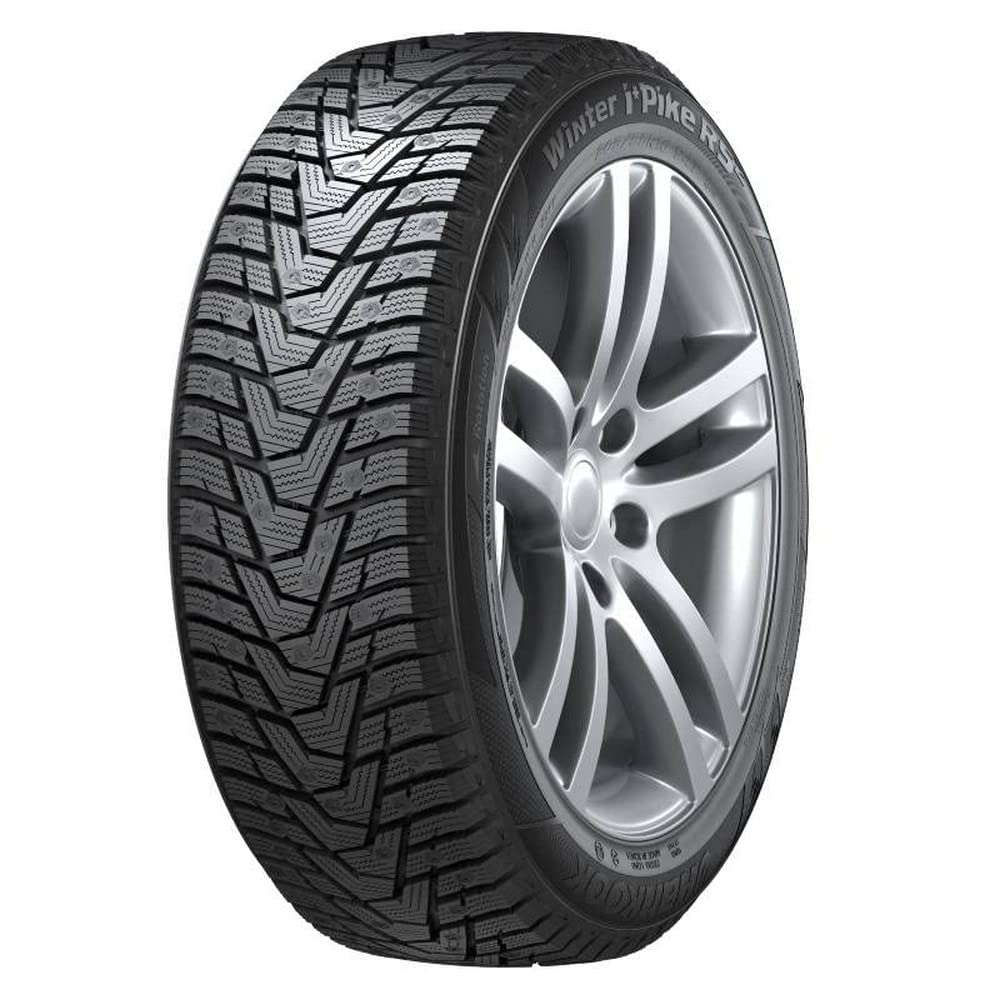
A premium studdable winter tire that balances refined ride quality with genuine snow bite.
The Hankook W429 is built for the driver who wants studdable capability but refuses to accept a rough, noisy ride as the price of entry. It is 26.2 pounds (1.7 pounds lighter than the Nexen Winspike 3) and carries the same class-leading 1,819-pound load capacity (load index 101, XL-rated). Its directional tread pattern uses “tie-bars” — small rubber bridges between tread blocks that stabilize the blocks to reduce pattern noise and vibration. Owners in Alaska, Minnesota, and Michigan report the tire is “smooth and quiet compared to other winter tires,” and that it handles exceptionally well in cold rain and wet snow.
The honest trade-off here is treadwear consistency. While one owner notes the ride is smooth and traction solid on slick roads well into a second set, another reports the tread wore down by nearly half under 10,000 miles. The quality complaints are isolated but real — suggesting the rubber compound may be less forgiving on abrasive dry roads than the General Altimax. That said, the W429 earns consistent praise for its quiet operation, strong traction on Appalachian roads, and excellent value for a premium studdable winter tire.
Standout Strengths
- Quiet, smooth ride for a studdable winter tire — owners note it is quieter than past winter tire sets
- Premium touring tread design provides stable handling on dry and wet pavement
- Excellent cold-weather and wet-road grip, with solid traction on slick surfaces
- Carries the 30 Peak Mountain Snowflake certification for severe snow service
Fair Warning
- One owner reported rapid tread wear — nearly half the tread gone under 10,000 miles — suggesting variability batch-to-batch
- Not a deep-snow specialist like the General Altimax; best for mixed winter conditions
- Fewer total reviews than the Nexen or General, so the long-term consensus is less settled
Who this suits: drivers who want a quiet, comfortable studdable tire for mixed winter conditions — cold rain, wet snow, and occasional ice — without the drone of aggressive winter tread.
Who should skip: anyone who drives 15,000+ winter miles per year on rough, abrasive pavement; the General Altimax shows stronger long-term wear data.
3. Nexen Winguard Winspike 3
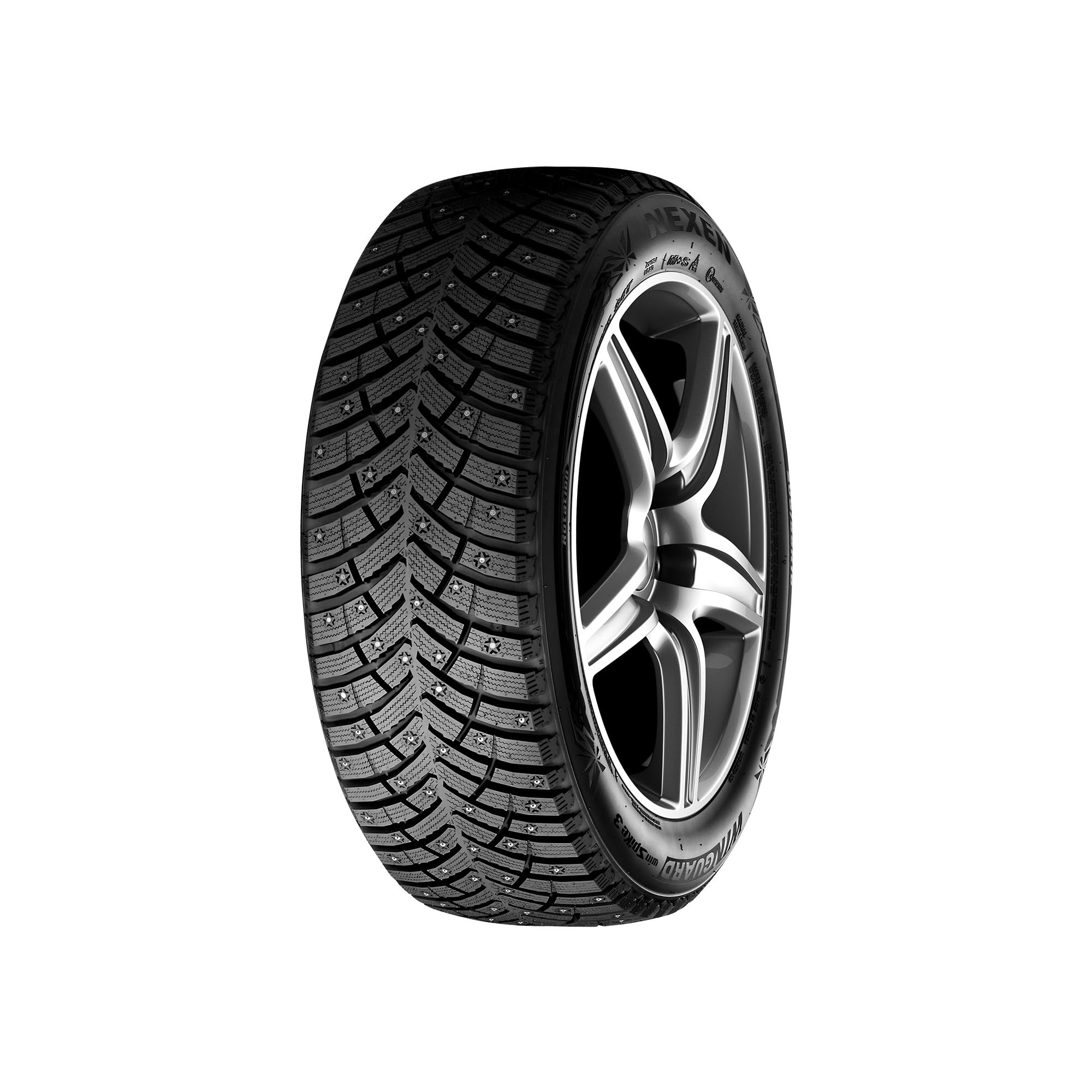
The crowd-favorite studdable winter tire that works without studs at 9,000 feet elevation.
It is the most-reviewed tire here, and owners consistently praise its snow performance. One drove 27 miles on solid ice without slipping. Another runs it on a front-wheel drive Passat at 9,000 feet in Colorado with no studs needed. The Three-Peak Mountain Snowflake certification (a standard that proves it brakes better in snow than any all-season tire) is backed by a deep directional tread pattern with dense siping (tiny slits that create extra biting edges on ice).
The catch is a quality-control note. Owners call the Winspike 3 “extremely grippy,” “affordable,” and “on par with Nokian” for snow performance, but a small number report mysterious flats — suspecting defective bead seating (the part where the tire seals against the rim). The brand’s Total Coverage Warranty (36 months of roadside assistance) helps, but it is a variable to watch. On the positive side, one owner’s brother got 68,000 miles from a set used year-round, suggesting the compound holds up well when the tire is in good shape. At 27.9 pounds it is the heaviest tire here, 2.6 pounds per corner heavier than the General Altimax, which you will feel as slower steering response.
Why Owners Recommend It
- Exceptional snow and ice grip reported at altitudes up to 9,000 feet without studs
- Low road noise and comfortable ride for a winter tire — balances well at 80 mph
- Excellent value: owners compare it favorably to premium brands like Blizzak and Nokian
- Deep directional tread pattern with dense siping for maximum biting edges on ice
Potential Issues
- Heaviest tire here at 27.9 pounds — noticeable on steering response vs. the General Altimax
- A small number of owners mention tire bead defects causing mysterious flats
- Not all units include studs; specify if you want the optional TSMI #12 studs installed
Best for: budget-conscious drivers who want a proven, highly-rated studdable tire for heavy snow conditions — and who are willing to accept slightly higher weight for class-leading snow grip.
Skip if: you are sensitive to unsprung weight or have had bead-seal issues with previous tires; the General or Hankook offer more consistent build quality.
4. Firestone Winterforce 2

The lightweight entry-level winter tire that turns a rear-wheel drive car into a snow-capable daily driver.
At 23 pounds the Firestone Winterforce 2 is the lightest tire here by 2.3 pounds compared to the General Altimax. That low weight helps fuel economy and keeps steering feel light, which owners on smaller sedans appreciate. Its load capacity is 1,609 pounds (load index 97, standard load), which is lower than the XL-rated tires above — fine for a compact or mid-size sedan but marginal for a heavier crossover. One owner reports that on a Hyundai Genesis (rear-wheel drive), these tires made a “huge difference,” turning a car that was “terrible in deep snow” into one that drives confidently. Another notes that on a Subaru Crosstrek, the Winterforce 2 is “very quiet for a snow tire” and handles plowing through deep snow without issue.
The trade-off is durability and extreme-ice grip. The Winterforce 2 is a studdable budget tire, not a premium winter compound. Owners note it has deep tread with lots of sipes, but the rubber is not as soft or complex as the General or Nexen, which means it may not bite on glare ice as effectively without studs installed. The value proposition is strong for a first-time winter tire buyer who wants a dependable tire at the lowest entry price. The deep directional tread pattern provides confident grip on fresh snow and slush, and the light weight makes it easy to handle during seasonal changeovers.
Where It Shines
- Lightest option at 23 pounds — easier on fuel economy and steering feel
- Excellent deep-snow performance — customers note pushing snow with the bumper with no issues
- Very quiet for a studdable winter tire, according to multiple owners
- Low entry price makes it a smart first set of winter tires for sedan owners
Where It Falls Short
- Standard load (SL) rating at 97 — 1,609 lbs capacity, lower than the XL-rated competitors
- Less aggressive ice grip than premium compounds without studs installed
- Directional tread pattern limits rotation options — mostly front-to-back only
The right call for: budget-focused drivers with sedans or small crossovers who want a light, quiet, dependable winter tire and are willing to add studs if they face heavy ice.
Not the pick if: you drive a heavy SUV or carry heavy loads regularly; the XL-rated General, Hankook, or Nexen provide the necessary load margin.
Understanding the Specs
Load Index and Load Range (XL vs SL)
The load index number (e.g. 97, 101) tells you the maximum weight a single tire can carry when inflated to the correct pressure. A 101-rated tire holds 1,819 pounds; a 97 holds 1,609 pounds. “XL” (Extra Load) tires have stiffer sidewalls and higher pressure limits, which means they handle heavier loads and provide sharper steering response on dry pavement. “SL” (Standard Load) is fine for sedans and light crossovers but can overheat on a heavy vehicle during long highway runs. For a mid-size SUV or a car you load with winter gear, XL is the safer bet.
Weight and Rotating Mass (Where Every Pound Hurts)
Tire weight is not just a shipping number. Heavier tires increase unsprung mass, which dulls steering response, reduces fuel economy, and makes the suspension work harder over bumps. The difference between the lightest tire here (Firestone at 23 lbs) and the heaviest (Nexen at 27.9 lbs) is nearly 5 pounds per corner — nearly 20 extra pounds of rotating mass that your engine has to spin and your brakes have to stop. Lighter is usually better for driving feel, but heavier tires often have more rubber compound and deeper tread for longer wear. It is a direct trade-off.
FAQ
Will a 225/55R17 snow tire fit my sedan?
What is the difference between studdable and studless winter tires?
Can I use these tires year-round?
Does a heavier tire mean better ice grip?
How long do 225/55R17 winter tires typically last?
Do I need to buy separate rims for winter tires?
What does the “T” in 101T mean for speed rating?
Is it OK to mix winter tires from different brands?
How much does a set of 225/55R17 snow tires cost?
Final Thoughts: The Verdict
For most drivers, the smartest pick for the 225/55r17 snow tires category is the General Tire Altimax Arctic 12 because it combines the highest load rating with proven tread life and exceptional ice grip at a realistic price — and it is backed by a 45-day trial. If you want a quieter, premium ride with studdable capability, grab the Hankook Winter i*pike X W429. And for a proven crowd-favorite that handles heavy snow while staying affordable, the Nexen Winguard Winspike 3 is the one to reach for.
How We Picked
We do not accept paid placement. Every pick is matched to a real buyer and a real use-case; we do not hands-on test units.
Sources & Methodology
Specifications: manufacturer listings and product documentation. Review insights: verified customer reviews, as of July 2026. Pricing: not shown on this page (it changes often); check the current price via the retailer link.
As an Amazon Associate, Gadgets Feed earns from qualifying purchases. This does not affect which products we feature.