
Our readers keep the lights on and my morning glass full of iced black tea. As an Amazon Associate, I earn from qualifying purchases.
Specs are compiled from manufacturer listings and verified buyer reviews and can change over time — please confirm the key details on the product page before buying.
Your feet have 26 bones, 33 joints, and over a hundred muscles, ligaments, and tendons — all designed to move, flex, and grip the ground. Stiff, narrow, heel-raised shoes lock all that up, leaving your feet weak, your posture off, and your toes cramped. Barefoot shoes fix that: a wide toe box lets your toes spread, a zero-drop sole keeps your heel level with your toe (no raised heel means your spine sits naturally), and a thin, flexible sole lets each foot muscle do its job. The trick is finding the pair that actually works for your life.
I’m Min — the founder and writer behind Gadgets Feed. This guide is built by comparing the manufacturers’ published specifications and the patterns across verified customer reviews, so you get each pick’s real strengths and trade-offs instead of marketing spin.
This round-up of the best barefoot shoes for women covers trail hikers, office flats, gym trainers, and everything in between.
Our Picks at a Glance
How To Choose The Best Barefoot Shoes For Women
Switching to barefoot shoes is a big shift for your body. The wrong pair can hurt, lead to frustration, and make you give up on natural movement altogether. Focus on these four things first.
Ground Feel vs. Protection
A paper-thin sole gives you the most sensory feedback (you feel every pebble), but it can be punishing on rough trails or all-day concrete. A sole between 4mm and 6mm is a balance for most people — enough to block sharp rocks, thin enough to keep your foot muscles working.
Sizing and Shape
Barefoot shoes are not like standard sneakers. Many run small or narrow in the toe box even if the brand calls them “wide.” Always check the return policy and consider going up half a size from your usual athletic shoe. The toe box should let your longest toe sit without touching the end, and your forefoot should have enough width to spread without spilling over the edge.
The Transition Period
Your feet and calves have been held in an artificial position for years. Jumping straight into a 10-mile hike in thin-soled shoes is a recipe for injury. Start with short walks (15-20 minutes) on soft ground, and let your muscles adapt gradually over two to four weeks.
Quick Comparison
| Model | Best For | Sole Type | Weight | Upper Material | Amazon |
|---|---|---|---|---|---|
| ALTRA Lone Peak 8★ Best Overall | Trail Hiking & Running | MaxTrac (25 mm stack) | 11.15 oz | RPET Ripstop Mesh | Amazon |
| Hike HF ShadeBest Value | Daily Walking & Stability | Zero-Drop, Non-Slip | — | — | Amazon |
| Hike Comforto MaxSoftest Step | Ultra-Soft Recovery Walks | Flexible Zero-Drop | — | Ultra-Stretching Fabric | Amazon |
| Xero Shoes HFS | Road Running & Gym | Thin, Flexible Barefoot | — | Mesh | Amazon |
| Xero Phoenix Knit Flat | Casual & Dressy Wear | Flat Barefoot Sole | — | Full-Grain Leather | Amazon |
| Vibram V-Trek | All-Terrain Hiking | 4mm Megagrip Rubber | 5 oz | 50/50 Wool-Synthetic | Amazon |
| Vibram V-Trail 2.0 | Technical Trail Running | 4mm Megagrip + 3D Cocoon | — | Water-Repellent Mesh | Amazon |
| Flux Adapt Graphene XT | CrossFit & Weight Lifting | Graphene-Infused Rubber | 10.2 oz | Ballistic Mesh | Amazon |
| Vivobarefoot Magna Forest | Leather Winter Hiking Boot | Michelin Barefoot Sole | 2.13 lb | Leather & Wool | Amazon |
In‑Depth Reviews
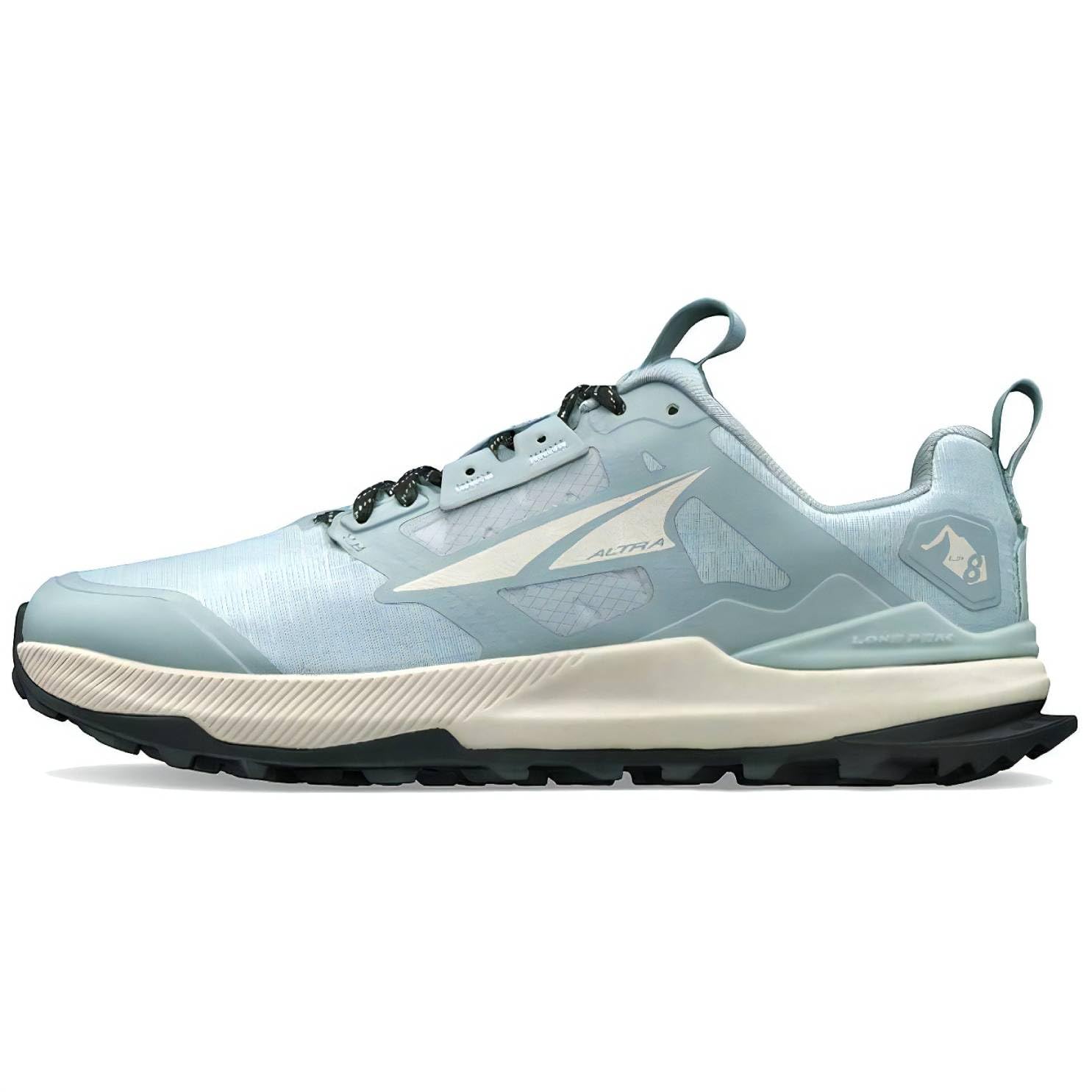
1. ALTRA Women’s Lone Peak 8 Trail Running Shoe
Our pick — over 4.5★ from 750+ verified ratings; the strongest balance of quality and price.
The legendary trail shoe that stops hiker’s toe cold.
This is the shoe that has nearly 800 owners raving, and for good reason. The FootShape toe box gives your toes room to spread naturally, and the zero-drop platform means no heel raise — your whole foot sits level, which buyers report keeps their feet pain-free even on steep 4-5 mile hikes. The MaxTrac outsole provides a sticky, reliable grip on loose dirt and rocky paths, so you feel confident on unpredictable terrain.
At 11.15 oz (316 g), it is not the lightest barefoot shoe, but the refined ripstop mesh upper holds up to serious trail abuse. The 25 mm stack height (the measurement from the floor to your foot) offers more cushion than most barefoot shoes — great for rocky trails, but still low enough that you keep a solid connection to the ground. Buyers consistently say they need zero break-in time and that a dark upper hides trail stains well.
Roomy, grippy, rugged: The Lone Peak 8 has the highest star rating in this list and a massive crowd of devoted owners. It is the pick for women who want a proven trail shoe that lets their feet work naturally without sacrificing protection.
Reach for this if: you hike or trail run multiple times a week and need a shoe that can handle rocky, loose terrain without blistering or pinching your toes.
Think twice if: you want an ultra-thin, zero-cushion ground feel — the 25 mm stack is more supportive than minimalist purists prefer.
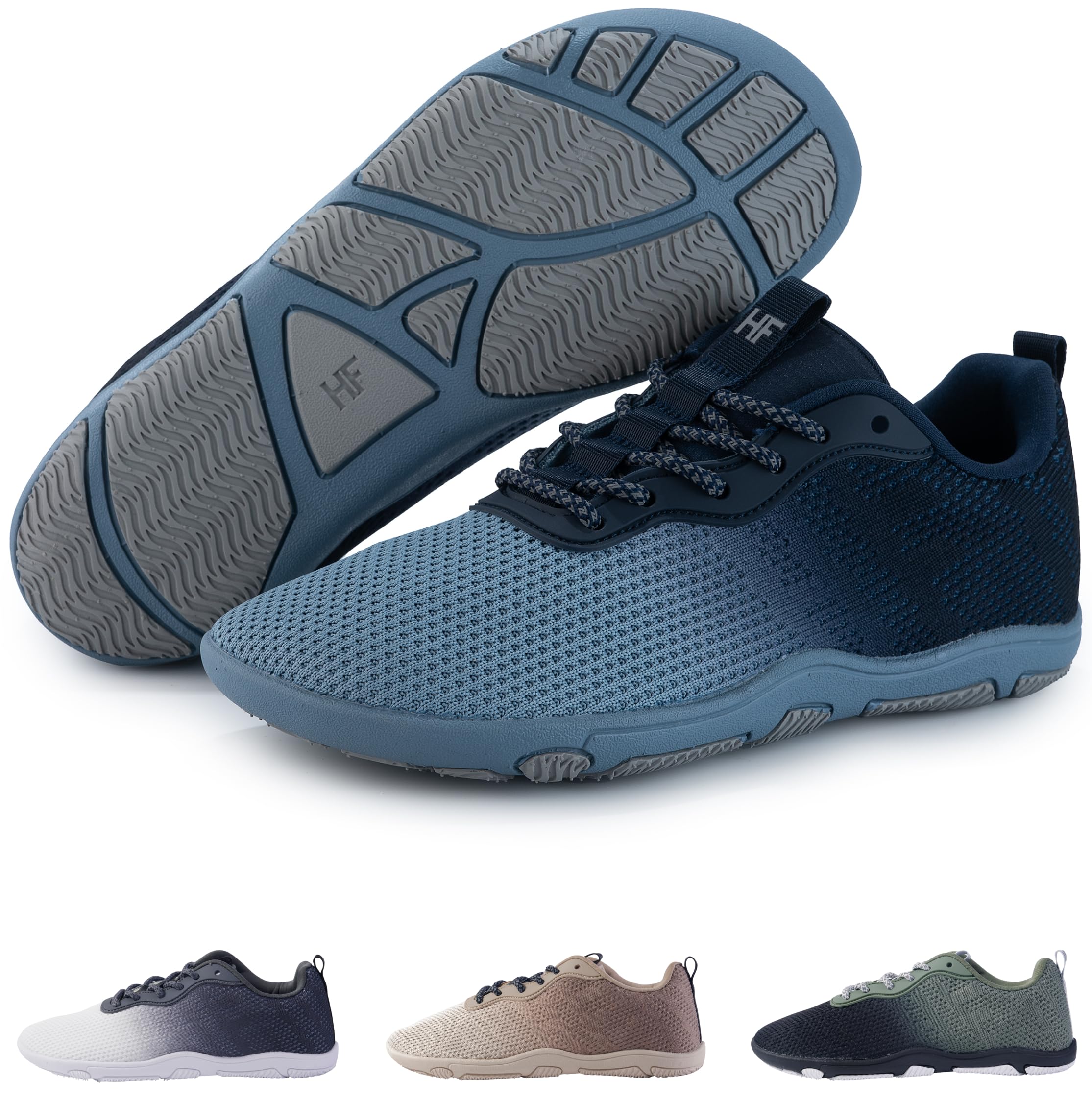
2. Hike Footwear HF Shade Barefoot Shoes
The budget-friendly shoe that A 79-year-old owner credits it with cutting back pain in half..
For a price that undercuts the premium picks by a wide margin, the HF Shade delivers genuine stability and comfort. The zero-drop sole and wide toe box are the classic barefoot formula, but what stands out in the reviews is the effect on real people: an older buyer reports that at 79, Scoliosis-related back pain dropped 50%. and stability improved noticeably. Another 77-year-old buyer calls it a wonderful shoe for walking stability and bought two pairs. The textured non-slip outsole gives you a sure foot on pavement and light trails alike.
Note that fit is the most-discussed aspect here, and the feedback is mixed — some owners say the toe box feels tight compared to other Hike models, with one noting the same size felt too short. The recommendation is to order a half size up, or try a different Hike model if you have a wider forefoot. For the price, this is an excellent entry point to barefoot walking.
Stability champ: The balance improvement is the standout feature here. But sizing inconsistency means you might need to exchange for the right fit.
Reach for this if: you are on a budget and want a shoe that actively helps with balance and It reduces joint pressure. during daily walks.
Look elsewhere if: you have a wide forefoot or have had trouble with shoe sizing before — the fit feedback is too mixed to risk without easy returns.
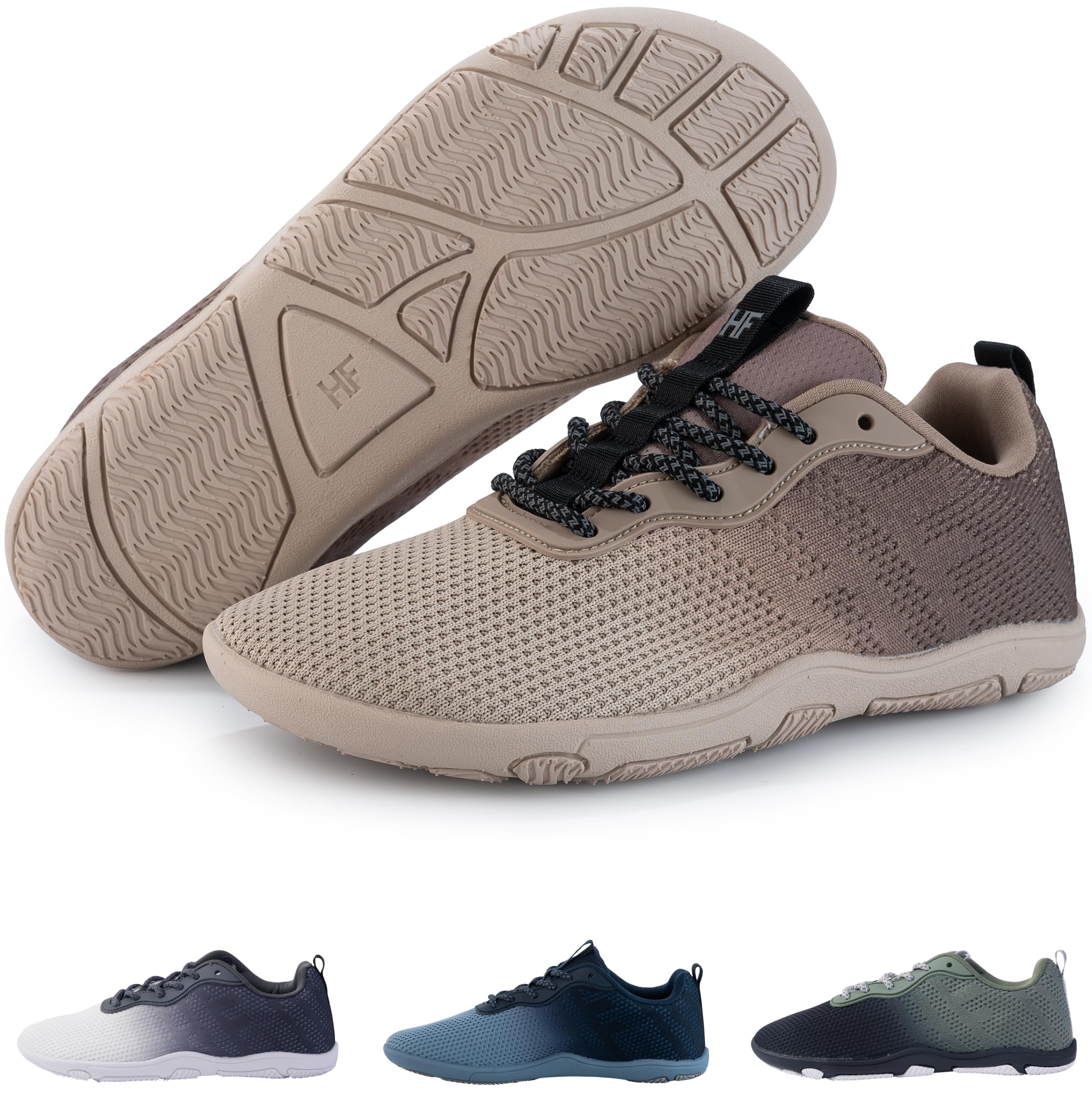
3. Hike Footwear Comforto Max – Ultra-Stretching & Soft Barefoot Shoes
The featherlight recovery walker that one owner now owns in twelve pairs.
If your feet need a break, the Comforto Max is Hike’s softest, lightest barefoot shoe. The ultra-stretching fabric upper molds to your foot without pressure points, and the flexible zero-drop sole lets you feel the ground beneath you. Owners mention this shoe It improved balance., It helped with bunions and knee pain, and made backaches disappear.. One owner who uses a walker loves the flexibility so much she now has twelve pairs — an extreme but telling vote of confidence. The fabric is thin enough to pack flat for travel, and it works well as an indoor recovery shoe or for low-impact daily walks.
The stretch upper is great for problem feet, but the material durability is a mixed bag. A few owners feel the construction does not justify the mid-range price point, and the toe fit is not consistent for every foot shape. If you need ankle support for uneven trails, this is not your shoe — it is purpose-built for flat, easy terrain.
Maximum comfort, minimal structure: Perfect for sore feet and recovery days. Just know the thin fabric won’t stand up to heavy trail use.
Reach for this if: you have foot pain, bunions, or arthritis and need a soft, roomy shoe that slips on like a slipper but works outdoors.
Think twice if: you need ankle support, plan to hike rocky trails, or want a durable leather upper.
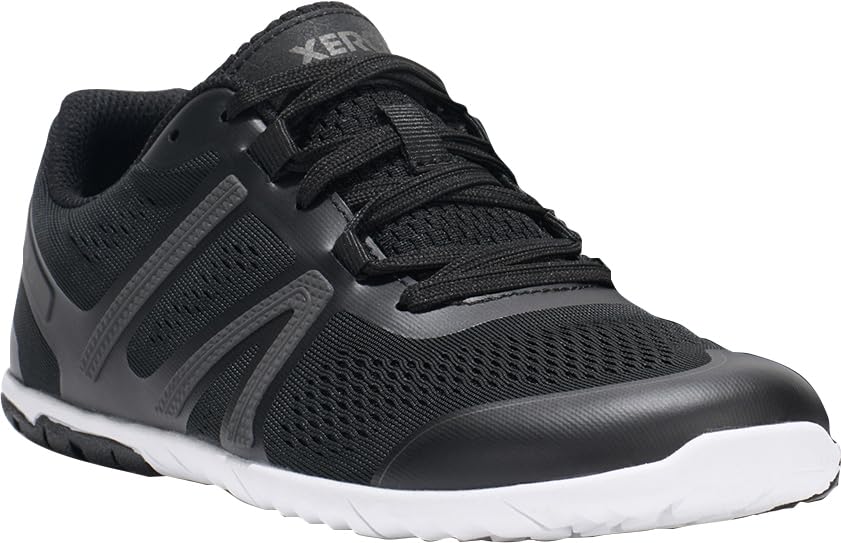
4. Xero Shoes HFS
The zero-cushion shoe that ended one owner’s ten-year foot-pain search after 54 failed orders.
The Xero HFS is the definition of a minimalist trainer. With an extremely flexible sole that bends with your foot’s natural motion and a wide toe box that accommodates bunions with zero seam pressure, this shoe is built for running and gym work. One owner logged 720 pain-free miles in 100 days — and said pain returned immediately when switching back to conventional shoes. The mesh upper stretches to accommodate toe splay, and the thin sole lets you feel the ground, which is the whole point of barefoot training.
This is a true minimalist shoe, so the transition is real. Owners caution that it is not suitable for half-marathons right away and can cause Achilles pain if you skip the break-in period. Sizing is also a frequent complaint: many buyers recommend going up half a size from your normal athletic shoe. The HFS is a crowd favorite for a reason — it just requires patience.
Payoff after patience: The flexibility is class-leading, but this is a shoe you have to ease into. Skip the transition at your own risk.
Reach for this if: you want a true barefoot running experience — extreme flexibility, no cushion, maximum ground feedback — and you are willing to build up slowly.
skip it if: you want any arch support or cushioned padding, or you have no interest in a gradual break-in period.
5. Xero Shoes Women’s Phoenix Knit Barefoot Ballet Flat

The elegant ballet flat that one owner wears 12-hour shifts in without a second thought.
Finally, a barefoot shoe that looks like a normal, stylish flat. The full-grain leather upper and classic silhouette make it appropriate for dressier occasions — restaurants, office days, date nights — while the wide toe box and zero-drop sole are pure barefoot underneath. Owners with normal or low arches find it phenomenally comfortable, reporting that a 12-hour hospital shift in these shoes left no foot pain at all. The removable insole lets you customize the fit, and the flat sole molds to your foot over time.
The biggest trade-off here is the toe box: while the brand calls it roomy, many buyers find it too narrow for a true barefoot shoe. Some customers note that it is not wide enough for their forefoot, and durability is a mixed topic — one pair developed a hole near the big toe after only a couple of weeks. The fit and comfort are the most-discussed aspects, and the feedback is split. If you have a normal-width foot, this is a great dress shoe option; if you have a wide forefoot, look elsewhere.
Dressy barefoot, with limits: Beautiful leather and real all-day comfort, but the toe box splits opinion — some find it perfect, others too tight.
Reach for this if: you need a barefoot-friendly shoe that passes for a normal ballet flat, and your foot is not unusually wide.
Think twice if: you have wide feet, bunions, or want a shoe with proven long-term durability.
6. Vibram Women’s FiveFingers V-Trek

The toe-shoe that eliminates downhill knee pain and still feels like walking barefoot.
Vibram’s FiveFingers are the original barefoot shoe, and the V-Trek is their most versatile all-terrain version. The individual toe pockets let each digit move independently, and the 4mm Megagrip rubber outsole provides excellent traction on wet and dry surfaces. A cushioned polyurethane midsole adds a touch of comfort, while the 50/50 wool-synthetic upper breathes well and reduces odor — a real plus for sweaty summer hikes. Owners consistently say this shoe It fixed severe downhill knee pain. and It improved balance dramatically., making it popular with hikers over 50 who want to stay active.
The fit is the big variable here — sizing across FiveFingers models is famously inconsistent, and the V-Trek is no exception. Some owners had to size up significantly, and a few found the shoe unwearable because the toe pockets were too short or too long. The break-in period is real, and wool toe socks help prevent blisters. Durability gets a mixed chorus: some pairs endure years of weekly use, while others show seam issues early. This is a purpose-specific shoe that delivers class-leading ground feel when you get the fit right.
class-leading ground connection: The Megagrip outsole and wool upper are a great combo. But getting the size right is the hardest part of buying these.
Reach for this if: you are already comfortable with toe shoes and want a breathable, grippy option for hiking and urban walking.
pass on it if: you are new to barefoot shoes or find the idea of toe pockets unappealing — sizing alone can be a headache.
7. Vibram Women’s FiveFingers V-Trail 2.0

The technical trail runner with 3D Cocoon technology that shrugs off sharp rocks.
Where the V-Trek is a generalist, the V-Trail 2.0 is built specifically for off-road running. The Vibram Megagrip outsole provides multi-directional grip on steep descents and slick surfaces, while the 3D Cocoon technology (a layered pressure-dispersing midsole) protects your feet from sharp rocks without blocking sensory feedback. The water-repellent upper sheds moisture during wet runs, and the fast-lacing system with 3D-printed overlays keeps debris out. Owners who get the fit right call it the most comfortable barefoot shoe they have ever worn, with one reporting it It fixed plantar fasciitis and bunions..
The catch is that fit issues dominate the feedback. The toe pockets are longer than on other FiveFingers models, and the raised back panel is uncomfortable for some wearers. Sizing is tricky across the board — many owners needed to go up one to two sizes. The V-Trail 2.0 is a high-performance tool for committed trail runners who have experience with FiveFingers sizing; it is not a casual purchase.
For the dedicated trail runner: The protection and grip are top-tier, but the sizing puzzle means this is not a beginner-friendly pick.
Reach for this if: you run technical trails and want maximal protection with maximal ground feel, and you are familiar with how FiveFingers should fit.
Look elsewhere if: you are new to barefoot shoes or want a simple, low-maintenance fit — the sizing variance is too unpredictable.
8. Flux Adapt Graphene XT Barefoot Shoes
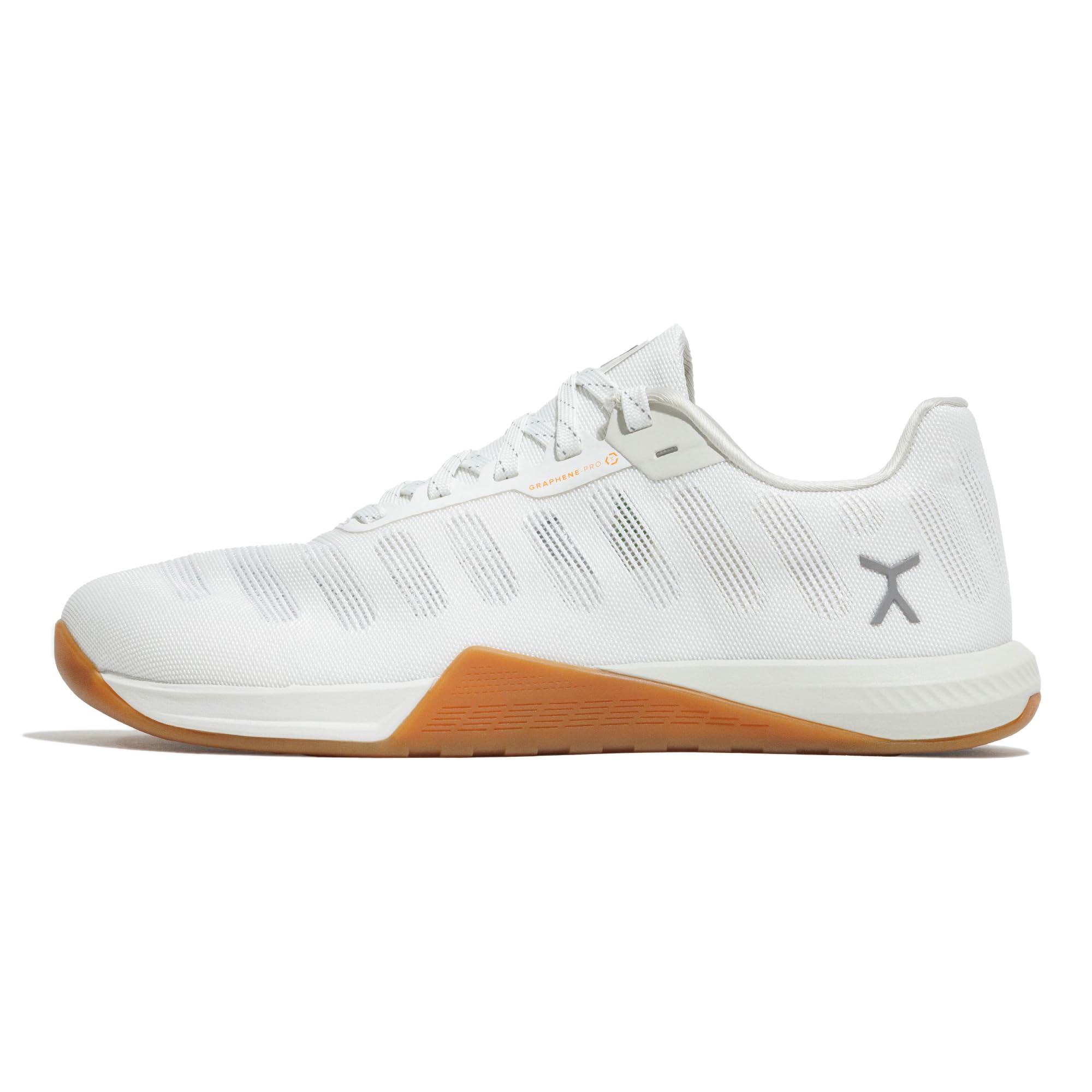
The premium cross-trainer with graphene-reinforced rubber that one owner likes more than Metcons for heavy lifting.
The Flux Adapt Graphene XT is built for the gym floor. The outsole is infused with graphene — a material the brand says is 200 times stronger than steel — giving you a stable, non-slip platform for squats, deadlifts, and power cleans. The zero-drop design and wide toe box let your toes spread for balance, while the ballistic mesh upper is tough enough to survive daily CrossFit workouts. Multiple owners say this shoe is more stable for heavy lifting than traditional cross-training shoes like Metcons, and the comfort is praised across the board — no pain even during high-impact WODs. The fit note is consistent: size up half a size from your usual athletic shoe.
At this price point, the Adapt Graphene XT is an investment. Most reviews are glowing, but a few owners found the sizing chart inaccurate or the ankle support too high for their anatomy. Durability is an open question for a newer model, though six-month users report almost zero sole wear. For anyone serious about lifting and functional fitness in a barefoot shoe, this is a top contender.
Gym-focused and premium: If you lift heavy and want the stability of a wide, flat sole, this is the best gym-ready barefoot shoe on the list.
Reach for this if: you do CrossFit, Olympic lifting, or HIIT and want a zero-drop shoe that feels locked-in for squats but flexible for burpees.
Think twice if: your budget is tight or you only need a casual walking shoe — the performance features are wasted on easy pavement.
9. Vivobarefoot Magna Forest ESG

The handsome leather hiking boot that feels like a trail runner and looks like a million bucks.
The Magna Forest is Vivobarefoot’s premium take on a cold-weather hiking boot. The leather and wool upper is warm, odor-resistant, and breathable, while the Michelin outsole (the same rubber used on high-end car tires) provides excellent grip on soft, muddy ground. Owners who love this boot call it flexible, light, and comfortable from the start, with one noting it is their favorite Vivo style by far. The wide toe box and thin, flexible barefoot sole are intact, so you get the natural foot movement of a sandal with the protection of a full boot.
Fit is the dominant issue here, and it is a tough one. Many owners say this boot runs small and narrow — one review called it “not true barefoot” and found the toe box too tight for natural toe splay. The most-discussed aspect is comfort, and the feedback is mixed: some find it great, others report numb toes after 20 minutes. If you have wide feet, this is likely not the boot for you. This is a premium, niche product for the Vivo fan who can nail the sizing.
Beautiful and capable, but a tight fit: The leather quality and Michelin sole are top-tier, but the narrow toe box betrays the barefoot promise for many.
Reach for this if: you have narrow-to-normal width feet, love the look of leather hiking boots, and want a barefoot-friendly winter option.
it’s not for you if: you have wide feet or bunions — the toe box is simply not wide enough to deliver a true barefoot experience for most.
Understanding the Specs
Zero-Drop Platform (What It Does for You)
Zero-drop means the heel sits at the exact same height as the toe — no raised heel. In a conventional shoe, that raised heel (anywhere from 4mm to 12mm) tilts your pelvis forward, arches your lower back, and shortens your calf muscles over time. Zero-drop lets your spine stack naturally, your hips relax, and your calves work through their full range of motion. When you first switch, your calves will feel it — that is your body re-learning to walk the way it was designed to.
Sole Thickness and “Ground Feel”
A barefoot sole is typically between 3mm and 10mm thick. Thinner soles give you more proprioception (sensory feedback from the ground), which trains your foot muscles to stabilize you actively. Thicker soles (like the 25 mm stack on the ALTRA Lone Peak 8) add protection for rough terrain but reduce that sensory input. If you are new to barefoot shoes, a slightly thicker sole makes the transition easier — your feet get some cushion while they build strength.
FAQ
Will barefoot shoes help with my flat feet or fallen arches?
How long does it take to get used to barefoot shoes?
Can I wear barefoot shoes for running right away?
How do I find my correct size in barefoot shoes?
Can I wear barefoot shoes in winter or cold weather?
What is the difference between barefoot shoes and minimalist shoes?
Are barefoot shoes good for wide feet?
How do I clean barefoot shoes?
Can barefoot shoes make my feet stronger?
How long do barefoot shoes usually last?
Final Thoughts: The Verdict
For the majority of shoppers, the best barefoot shoes for women is the ALTRA Lone Peak 8 because it offers proven trail performance, a roomy toe box, and generous zero-drop cushioning that suits beginners and seasoned barefoot hikers alike. If you want a gym-specific shoe with a stable platform for heavy lifting, grab the Flux Adapt Graphene XT. And for a budget-friendly walking shoe that has won over older buyers with dramatic improvements in balance and back pain, the Hike Footwear HF Shade is the one to reach for.
How We Picked
We do not accept paid placement. Every pick is matched to a real buyer and a real use-case; we do not hands-on test units.
Sources & Methodology
Specifications: manufacturer listings and product documentation. Review insights: verified customer reviews, as of July 2026. Pricing: not shown on this page (it changes often); check the current price via the retailer link.
As an Amazon Associate, Gadgets Feed earns from qualifying purchases. This does not affect which products we feature.